
VISIBLE SURFACES · THOUGHTFUL RESTORATION
Mould Remediation Badger Creek
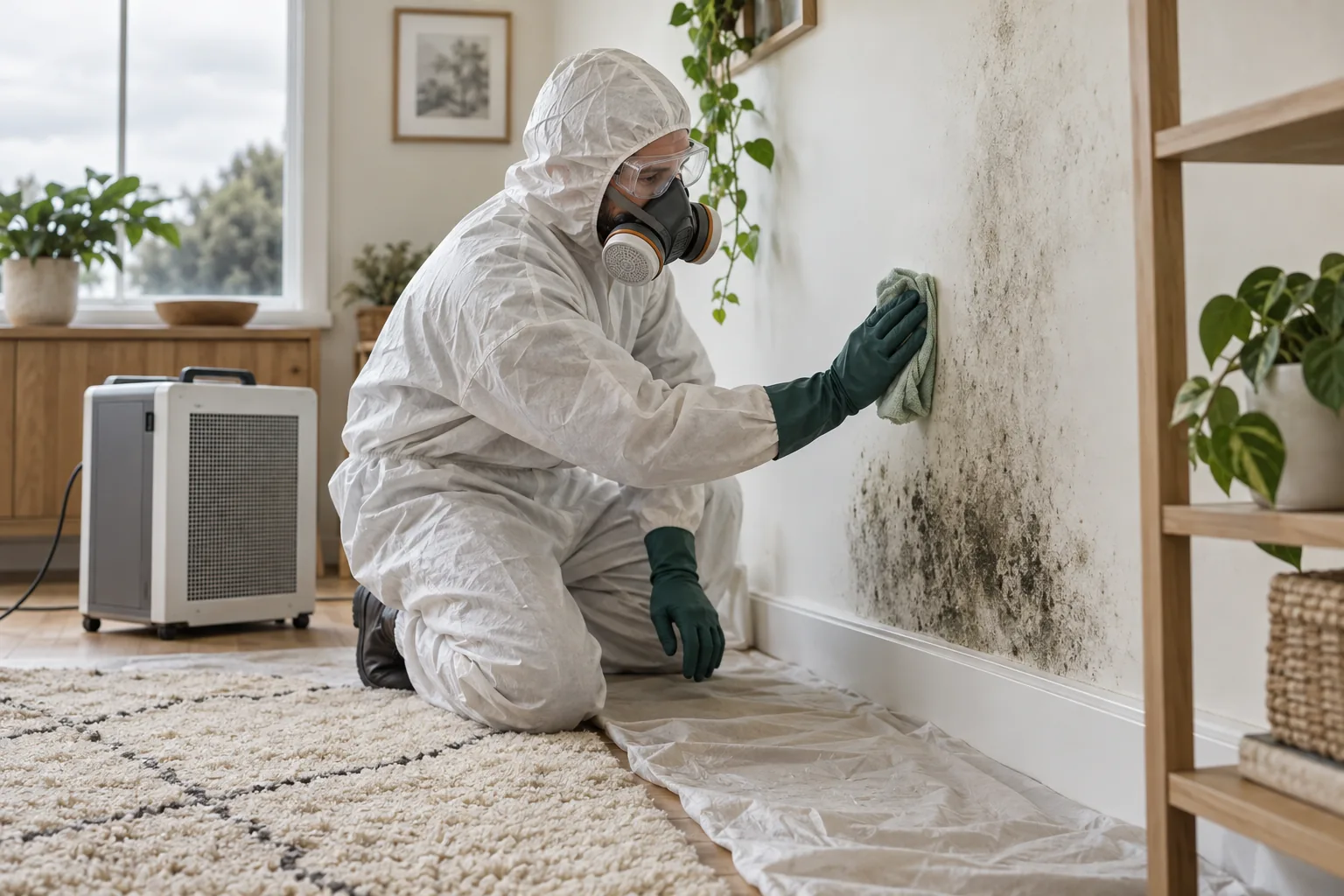
An area may look drier on the day of the enquiry than it did when water first appeared. For Badger Creek, describe the visible growth and the dates or events linked to wetting. A dry-looking interval does not establish that the source has been repaired or that concealed materials are dry.
ASSESS · FILTER · RESTORE
Intermittent wetting described
Current treatment scope agreed
Repair questions kept open
Give the sequence without recreating the problem
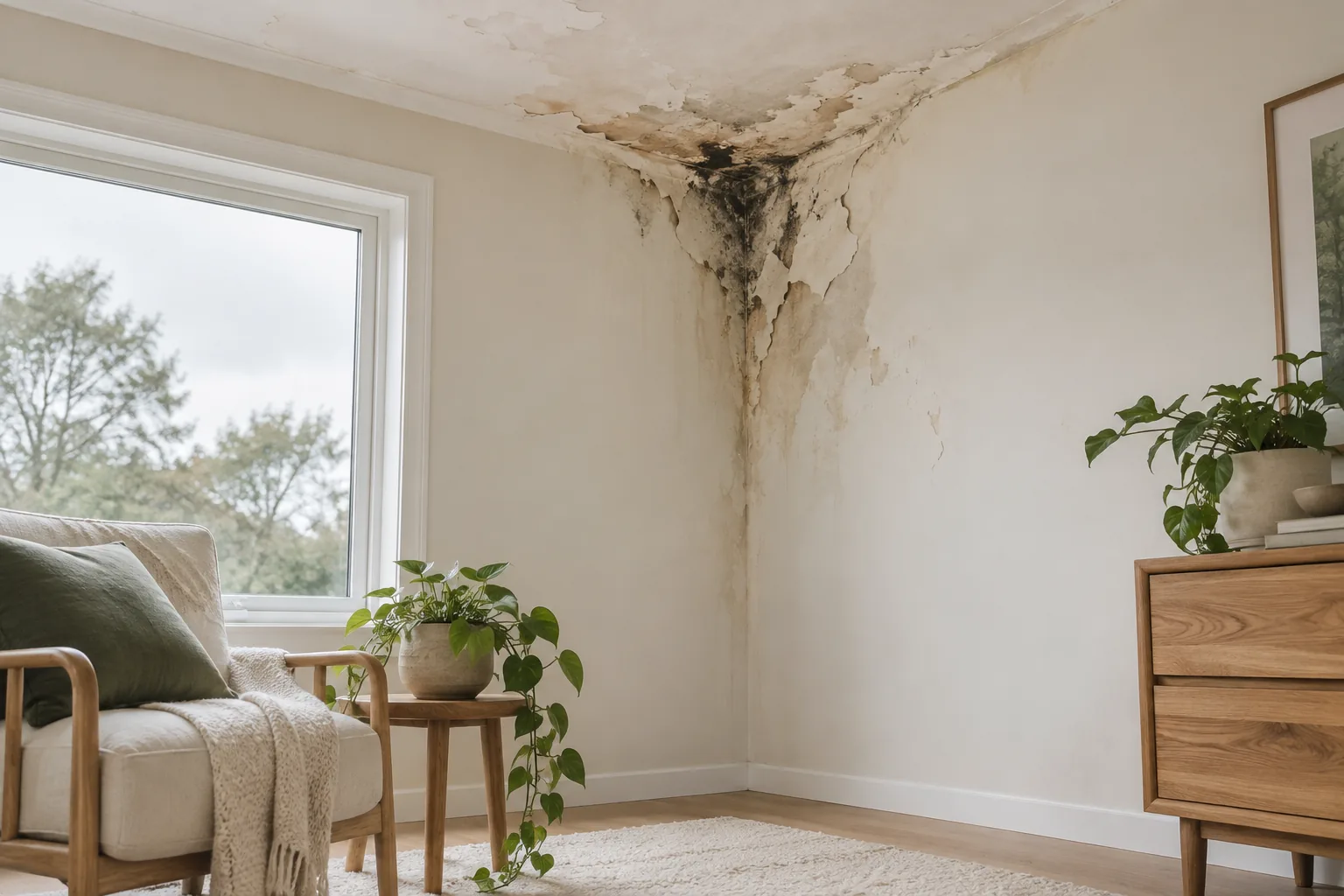
Explain when dampness was directly observed and what is visible now. Mention any repair already completed and whether wetting recurred afterwards. Do not deliberately wet the area or alter a fitting to reproduce the event for the enquiry; reliable history is useful without creating another exposure.
Our confirmed structural service treats visible accessible contamination. It cannot recreate every earlier event or certify the source from a patch’s appearance. Agree the included walls, ceilings or exposed floors separately from repairs and excluded belongings.

A quiet interval is part of the history
Describe whether wetting coincided with ordinary water use or another observed event, keeping uncertainty clear. Timing may help the assessment discussion but does not prove a particular cause. Plumbing and building faults need separate appropriate repair arrangements.
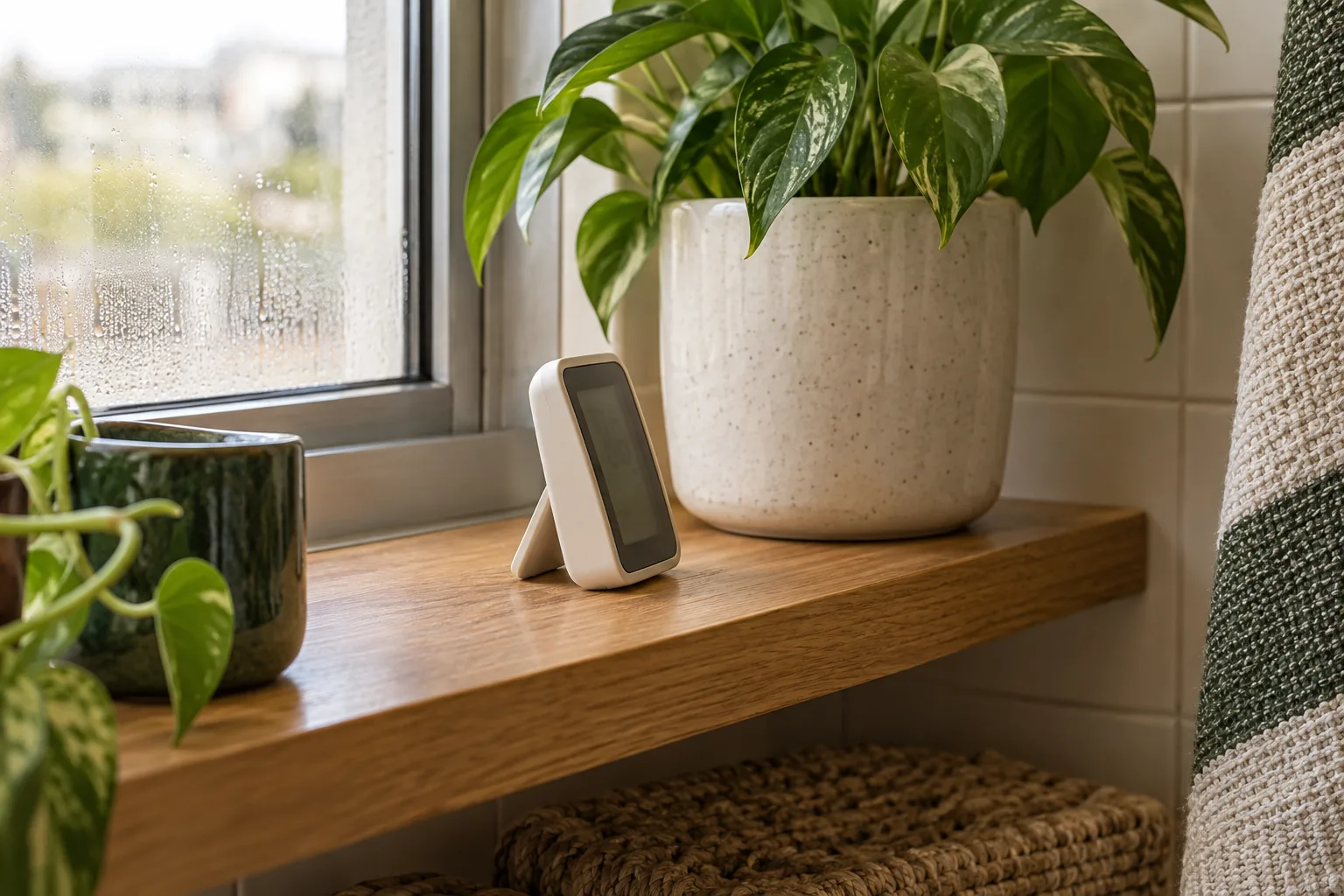
The professional hygrometer checks relative humidity in room air at the time of use, not moisture inside the wall or a record of earlier wetting. If the cause remains uncertain, discuss assessment needs. No particular material probe, destructive access or written clearance is confirmed.
PLAN · FILTER · TREAT · REMOVE · CONTINUE
Treat the included contamination with source follow-up separate
1
Assess the current exposed area
Review visible growth, finish and access alongside reliable wetting history. Distinguish present observations from an assumed condition behind the surface.
2
Begin air protection before treatment
The confirmed HEPA air scrubber is arranged before application. Clear working access needs to suit the included surfaces and equipment even during a drier interval.

3
Apply suitable treatment
HOCl is used within the assessed scope, with ULV dry fog where appropriate in most cases. Application does not repair an intermittent fault or guarantee concealed coverage.
4
Physically remove visible mould
Professional equipment with H-class filtration removes accessible contamination. Building repairs and replacement of damaged finishes remain separate tasks.
5
Continue filtration and clarify remaining questions
HEPA stays active during and after treatment. Discuss residual appearance and ongoing source concerns rather than interpreting a drier treatment day as permanent correction.
Describe each structural observation
Walls
For walls, identify where growth is visible now and where dampness was noticed earlier, without assuming identical boundaries.
Ceilings
For ceilings, record separate marks or wetting with their own timing and working access below.
Bathrooms
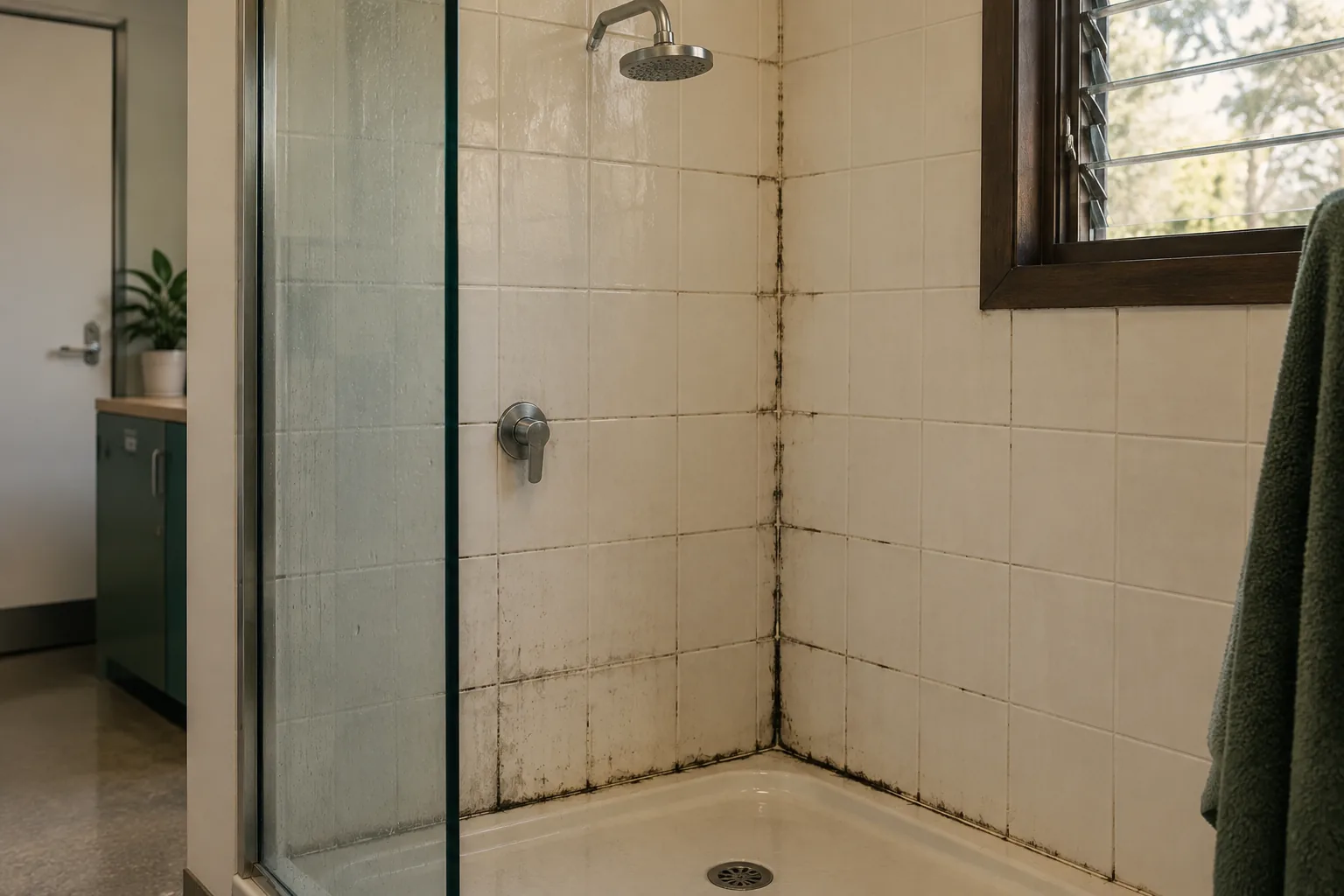
Bathroom structural areas need a clear water-use history; towels, mats and curtains remain excluded.
Kitchens
Kitchen wall or floor concerns should be distinguished from appliance, cabinet and plumbing tasks.
Accessible affected surfaces
An exposed structural floor may be discussed, while carpet and rugs are outside standard treatment even if previously wetted.
WHAT TO EXPECT
Prepare for the actual appointment
Discuss clearance, delicate finishes and repairs before attendance. People and pets leave during treatment and follow job-specific departure and return instructions. Average source guidance is about three hours per room, varying with size, extent and accessibility rather than the length of a dry interval.
Cosmetic staining may remain, with decorating separately scoped. Standard treatment does not certify hidden materials dry or guarantee that growth cannot return. Keep unresolved water-entry questions in the follow-up plan instead of closing them because the surface appears improved after the included work.
FOLLOW THE MOISTURE
Record renewed wetting when it actually happens
Follow-up should use observations without trying to force another event.
Note the date, surface and activity associated with new dampness.
Arrange repair advice for a continuing suspected source through the appropriate trade.
Maintain ventilation and describe fresh growth separately from old cosmetic marks.
Quote the visible work without an assumed diagnosis package
Check the published figures with current extent, access and known history. Their Mould Removal heading does not establish a separate intermittent-leak remediation tariff. Confirm applicability without assuming source repairs, a monitoring service or a return visit is included.
BADGER CREEK · EXACT ADDRESS & ACCESS
Other Badger Creek-area properties
For a nearby address, provide its own observations, approval and access. Similar intermittent dampness does not establish the same cause or attendance programme; each property needs a separate scope discussion.
Questions about remediation
Should I wait until the wall looks wet again to call?
You can describe the current growth and reliable earlier wetting now. Do not use a drier interval as proof that no assessment or treatment discussion is needed.
Can I reproduce the leak to show the technician?
Do not deliberately create wetting for the enquiry. Share observed timing and known repair information instead.
Does a normal air reading rule out earlier dampness?
No. Current room-air humidity is not a record of prior events or moisture inside construction.
Will treatment fix a fault that leaks only occasionally?
No source-repair service is automatically included. Arrange the plumbing or building task separately.
Is a return visit included if water appears again?
No automatic return term is established. Discuss the actual new observation and applicable arrangements rather than assuming a guarantee.
What is useful after a repair during a dry period?
Record the repair date and any later wetting or visible change. A quiet period supplies context, not certification that every affected material has dried.
Explain both the current patch and earlier wetting
Call 03 8652 1296 with the visible surfaces, timing and repair history. Agree treatment and the separate source follow-up.