
VISIBLE SURFACES · THOUGHTFUL RESTORATION
Mould Remediation Cape Schanck
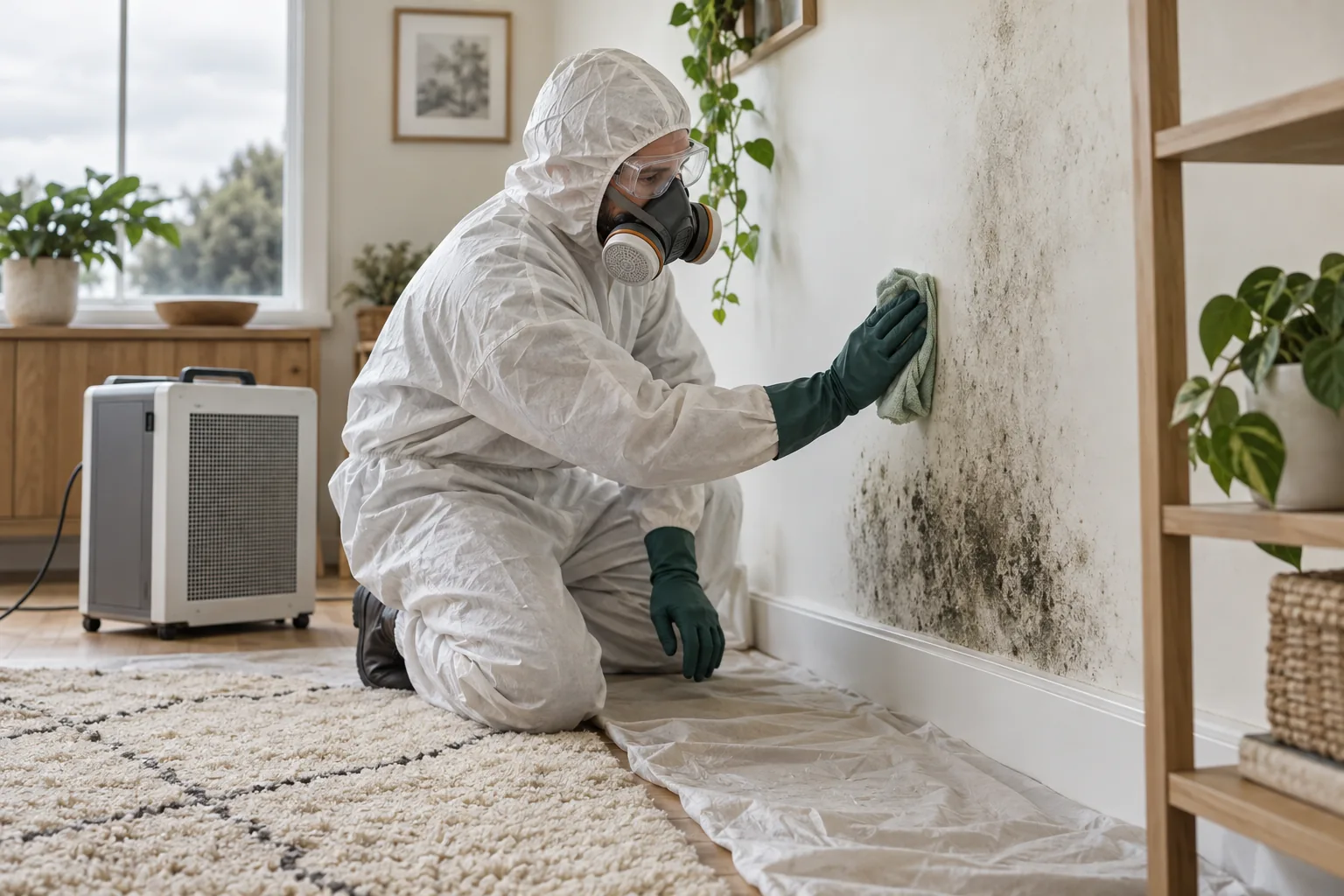
If a musty smell has prompted an enquiry but you have not identified visible growth, explain that uncertainty before arranging treatment. For a Cape Schanck property, give the exact interior and address, then confirm availability. Odour alone should not be turned into a promise of hidden-mould treatment or complete smell removal.
ASSESS · FILTER · RESTORE
The observed concern is described accurately.
Visible treatment has a defined purpose.
Unconfirmed hidden conclusions remain separate.
Clarify what is visible before choosing remediation
Describe any reachable patch or finish change separately from the smell and say honestly if none has been identified. The confirmed treatment process concerns suitable visible accessible contamination. It is not a general deodorising package or proof that an odour comes from concealed mould.
Do not open linings or move difficult belongings simply to create a treatment scope. Hidden cavities and insulation remain outside standard work, while furnishings and textiles are excluded. If another provider reveals an affected structural face, that newly visible area needs assessment and agreement. A smell should not expand an uncertain enquiry into automatic whole-property fogging.

Record water and timing without diagnosing from smell
Explain actual wetting, condensation and whether the smell changes at known times. Those observations can frame a separate visible accessible inspection enquiry without establishing one source. Reliable repair details are useful, while guesses about inaccessible material should remain labelled as uncertain.
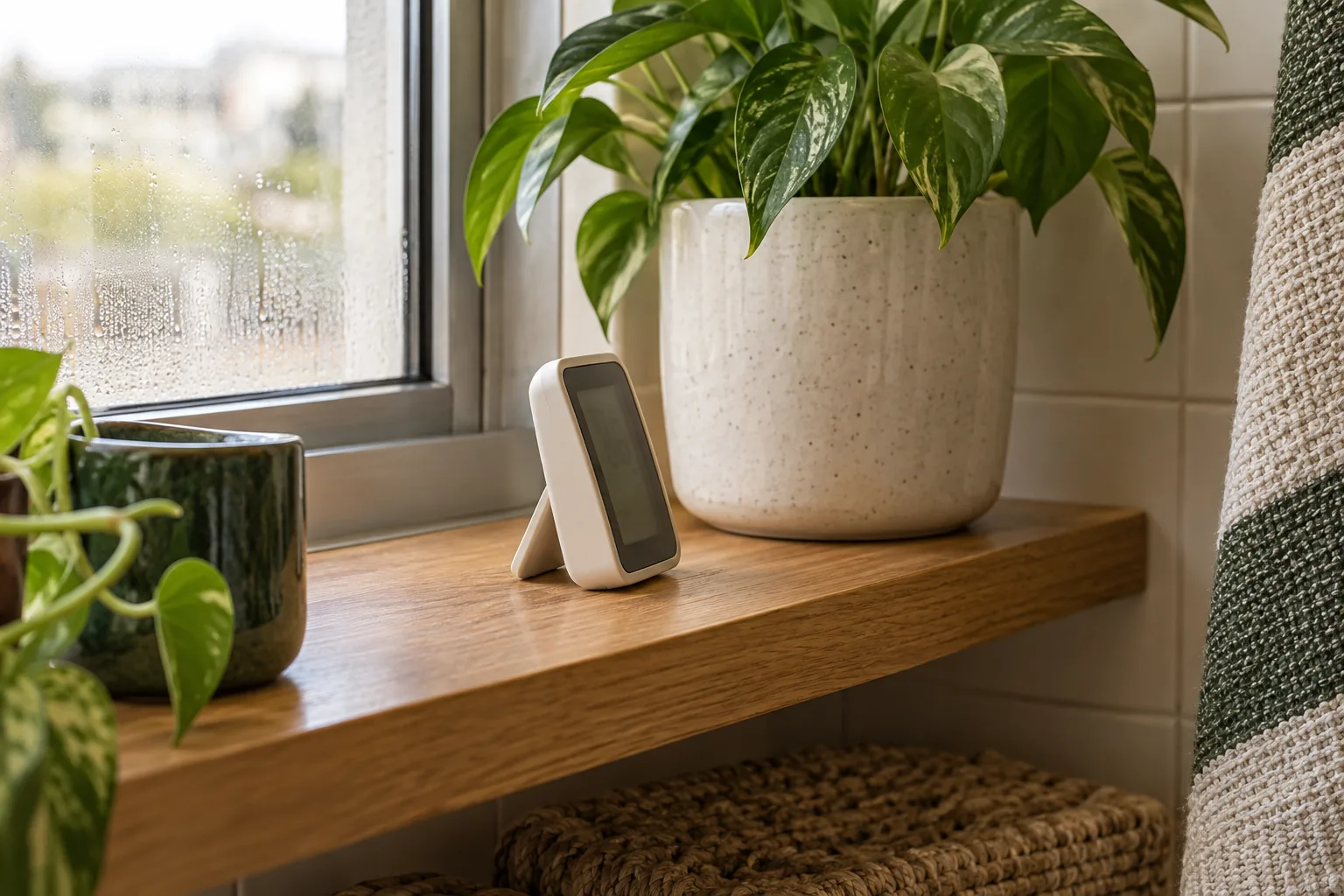
The professional hygrometer measures relative humidity in air, not an odour source, mould species or material moisture inside a wall. It cannot certify hidden contamination absent. Relevant leaks and building defects require their appropriate providers. If suitable visible treatment is agreed, continuing moisture still needs follow-through; no universal odour, health or permanent-prevention outcome is confirmed.
PLAN · FILTER · TREAT · REMOVE · CONTINUE
The confirmed sequence when suitable surfaces are agreed
1
Assess the accessible condition
Review any identified visible contamination and finish, clarify the odour-only uncertainty and agree suitable reachable structural surfaces before choosing work.
2
Prepare HEPA air protection
Set up the confirmed HEPA scrubber before treatment in the prepared area, without calling filtration an odour-source test or hidden clearance.

3
Choose appropriate application
Use suitable HOCl treatment with ULV dry fog where appropriate, not an automatic whole-property deodorising method for an unidentified concern.
4
Physically remove visible mould
Use professional H-class filtered equipment on agreed reachable contamination, retaining concealed-layer, contents and textile exclusions.
5
Continue air cleaning and state the result
Maintain HEPA filtration during and after treatment, then discuss actual return advice and the accessible surfaces included without promising smell elimination.
Identify structural surfaces rather than an unspecified smell
Walls
Describe any visible wall patch and finish condition separately from an assumed source inside the lining.
Ceilings
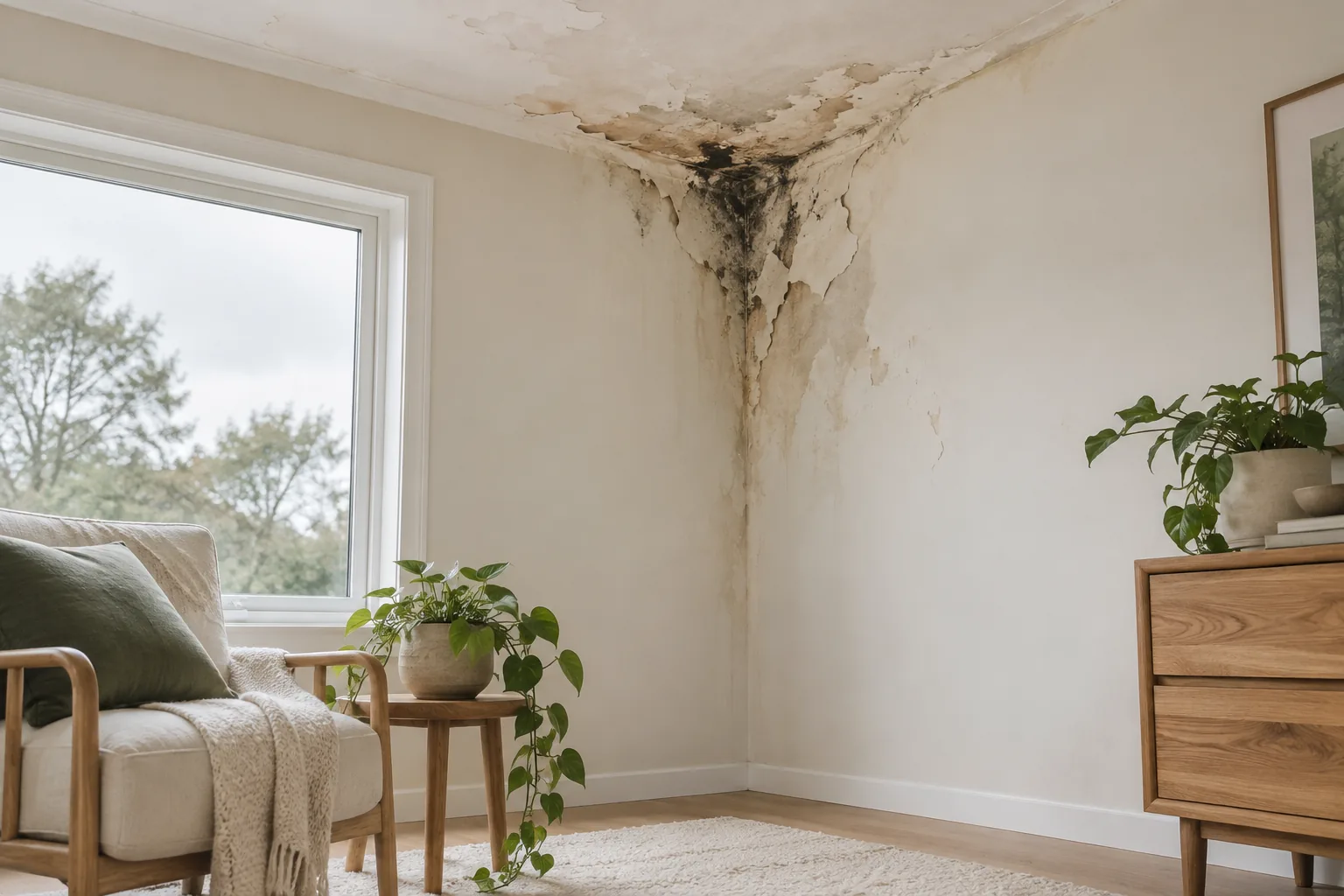
A ceiling concern needs its own reachable observation, not diagnosis from smell in the room below.
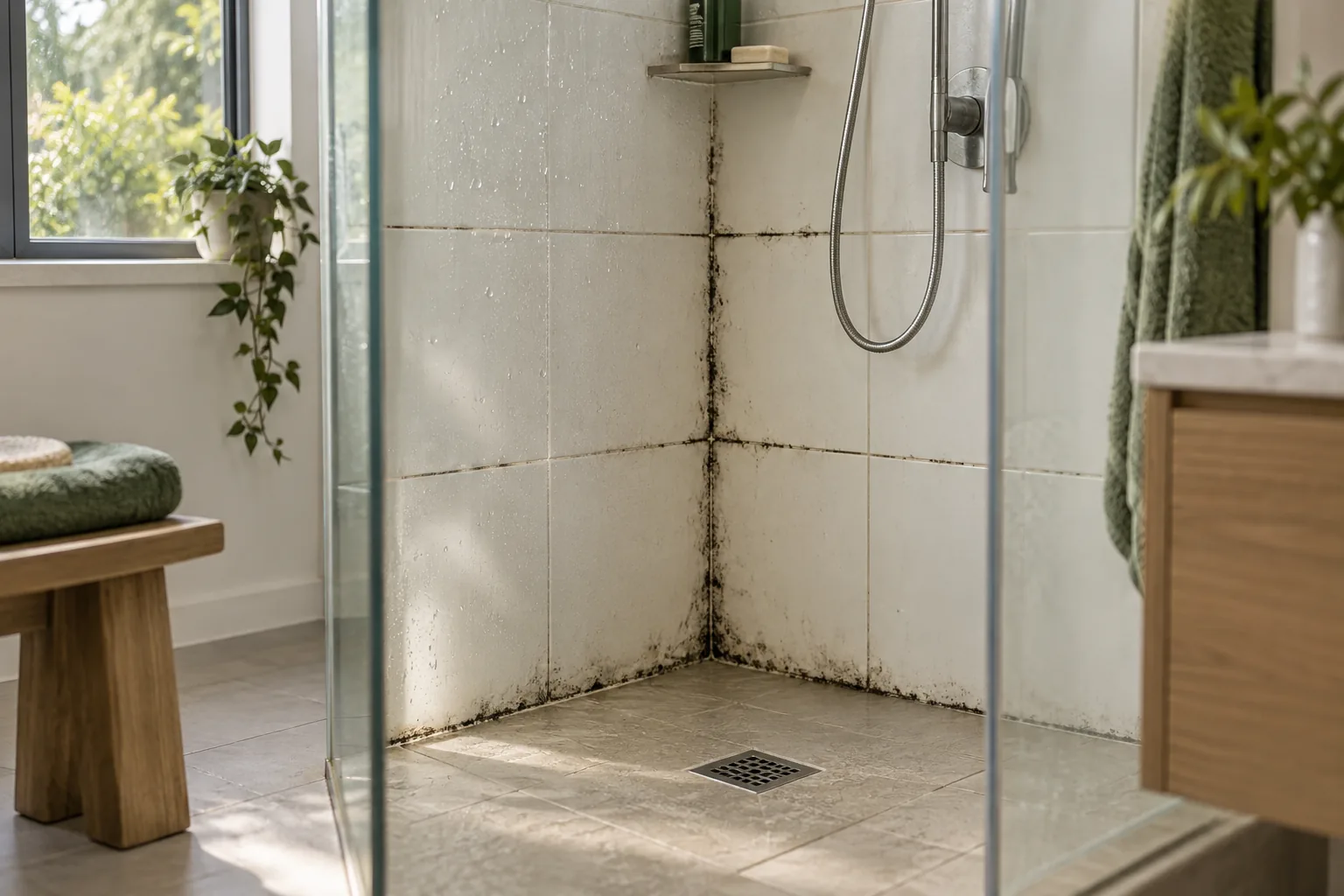
Bathrooms
Bathroom structural growth is distinguished from plumbing odours, fitting repairs and excluded fabric items.
Kitchens
Name any exposed kitchen contamination without including contents, appliances or a general deodorising service.
Accessible affected surfaces
Other visible structural sections may be assessed for suitability; hidden material and belongings do not become included through odour alone.
WHAT TO EXPECT
Discuss the uncertain scope before preparing for treatment
Provide the complete Cape Schanck address, nominated room and honest observations when asking about availability. Do not assume treatment is appropriate before accessible condition and scope are clarified. If work is arranged, people and pets leave during treatment and follow the technician’s specific departure and return instructions.
Average source guidance of around three hours per room varies with size, contamination and accessibility; it is not an odour-investigation duration or hourly testing tariff. Cosmetic marks may remain on treated finishes. Separate repairs and decoration require their own scope, while no lab result, signed clearance or concealed assessment is confirmed.
FOLLOW THE MOISTURE
Keep fresh observations useful without inferring hidden findings
After any agreed treatment and advised return, describe new water or visible growth precisely. A continuing smell needs its own current account rather than being reported as proof that every treated surface has failed. Follow through on relevant repairs without broadening the earlier result beyond its actual boundary.
Record visible changes separately from odour observations.
Keep reliable timing and location information for another enquiry.
Avoid presenting uncertainty about concealed material as a confirmed finding.
Confirm the proposed work before applying price examples
Discuss what is actually visible and reachable before requesting a treatment quote. Confirm applicability of Mould Removal pricing examples to remediation; they do not establish hidden-mould detection, an odour-removal package or routine attendance at the Cape Schanck premises.
CAPE SCHANCK · EXACT ADDRESS & ACCESS
Cape Schanck address and nearby request context
Main Ridge and Flinders links help distinguish nearby property enquiries. Give the exact Cape Schanck interior and confirm availability directly. Those locality pages cannot establish the source of a smell, hidden contamination or the appropriate work at this address.
Main Ridge · Flinders · Tootgarook · Rosebud
Questions about remediation
Does a musty smell prove concealed mould?
No. Describe the actual observations and uncertainty rather than treating odour as a confirmed hidden finding.
Will you guarantee the smell disappears?
No complete odour-removal outcome is confirmed. Agree any suitable visible treatment without turning it into a general deodorising promise.
Can the hygrometer locate where the smell comes from?
It measures air relative humidity, not odour source or species. Keep those unconfirmed conclusions separate.
Should I open the lining before enquiring?
Do not assume destructive access is preparation. Discuss what is visible and any separate appropriate investigation first.
Does odour justify whole-property fogging?
No automatic package follows from that observation. Suitable application requires an agreed accessible treatment scope.
What should I report if no visible patch is found?
Say that clearly and provide the room, timing and actual water observations. Ask about appropriate assessment rather than inventing a structural treatment boundary.
Explain the odour and what is actually visible
Call 03 8652 1296 with the Cape Schanck premises and observed condition. Confirm availability and suitable assessment or treatment without assuming hidden findings.