
SURFACE TREATMENT · MOISTURE FOLLOW-THROUGH
Mould Remediation Cheltenham
A marked strip crossing a skirting junction can involve different exposed finishes. For a Cheltenham enquiry, identify where growth lies on the wall, trim or floor rather than describe the whole corner as one material. Remediation scope should follow the surfaces actually available and suitable, without automatically including decorative repair or a floor covering.
Material boundaries are identified.
Visible treatment remains explicit.
Finish repairs are discussed separately.
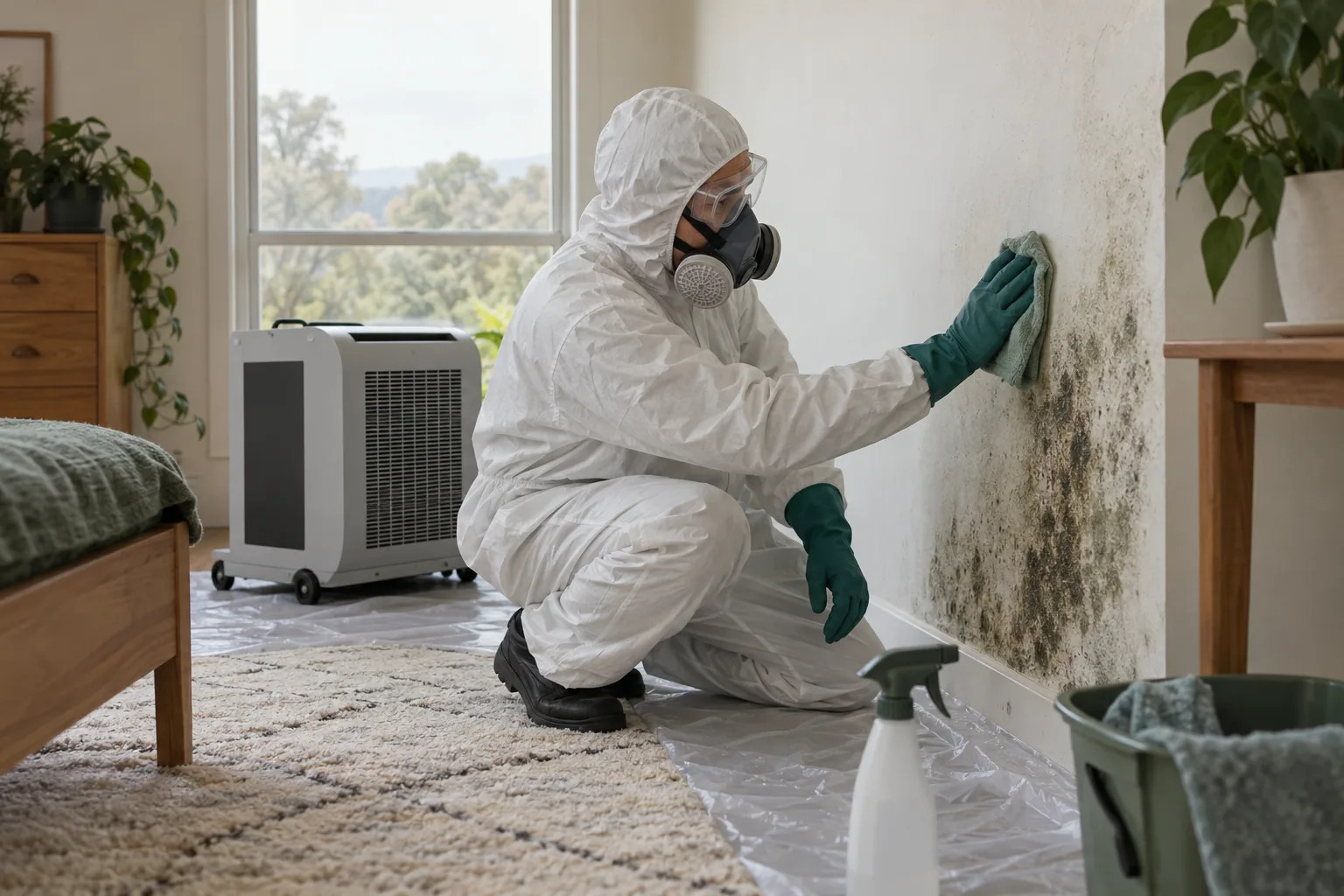

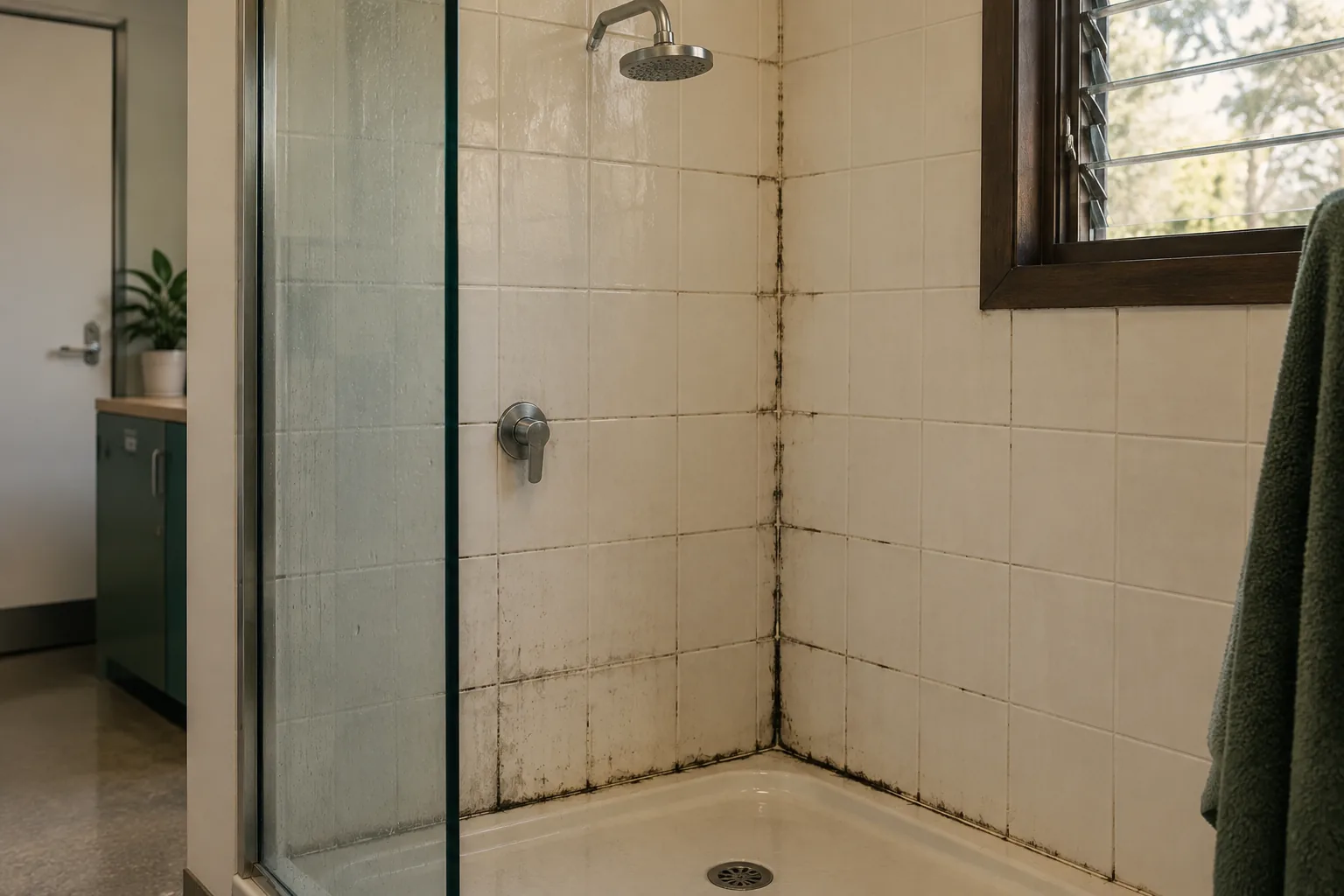
TREATMENT & FOLLOW-THROUGH
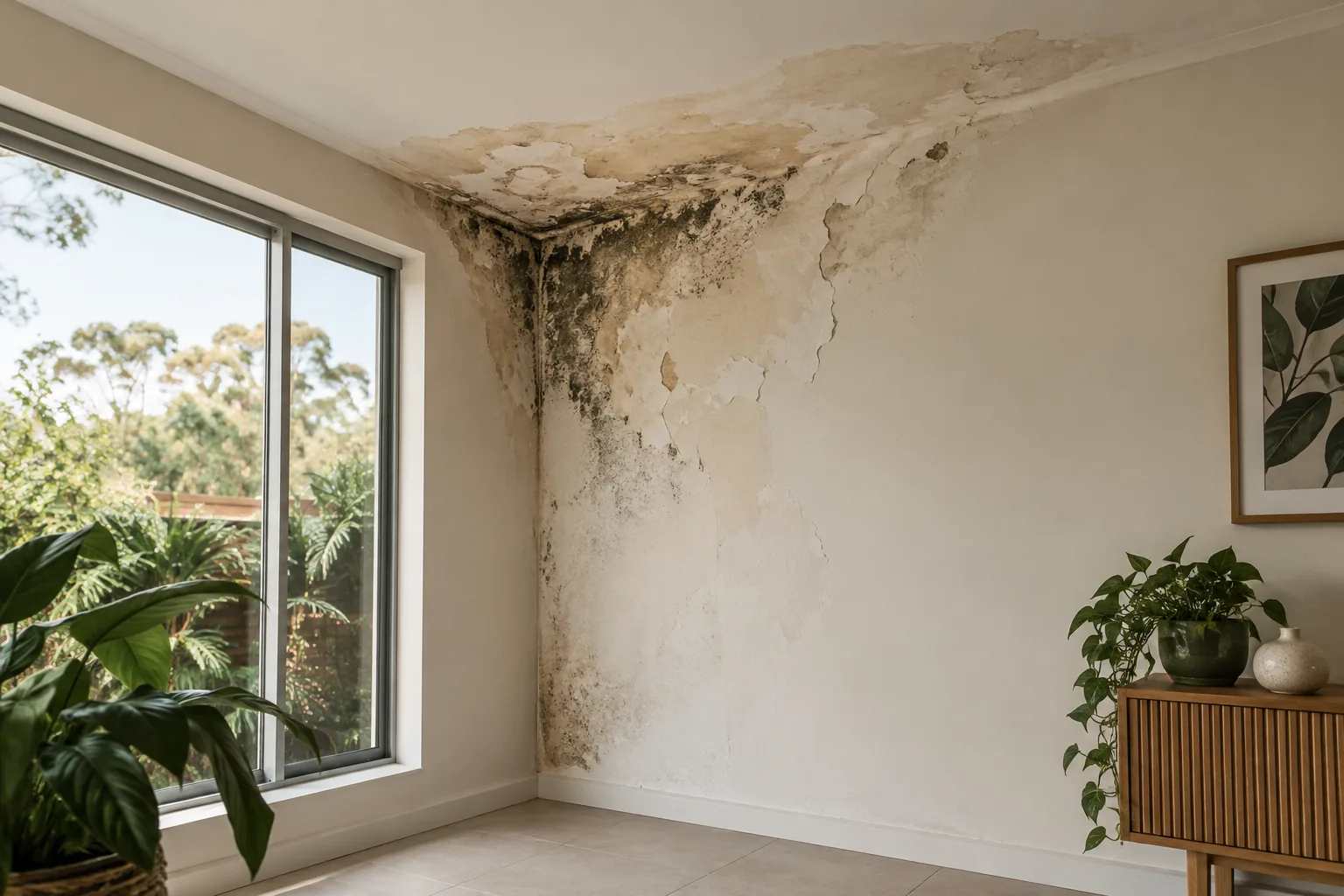
UNDERSTANDING REMEDIATION
Locate the mark across the junction
Explain the visible boundary and any gap or fitting that prevents reach. Mention fragile paint, deteriorated trim and earlier applications without disturbing them to demonstrate the concern. Growth seen at an edge does not establish what is behind the skirting or prove that every connected surface needs the same application.
The remediation service combines assessment, air filtration, suitable treatment and physical removal of visible accessible structural contamination. Furniture and textiles remain excluded. Removing trim, opening backing, replacing damaged material and decorating need separate agreement; a wall-edge request is not a renovation package.
THE MOISTURE CONNECTION
Describe wetting at the actual location
Give dates and locations of water, condensation or known leaks. The mark’s position alone cannot identify a plumbing route or concealed spread. A professional hygrometer provides relative humidity in room air, not moisture inside the trim, wall backing or flooring beneath it.
An accessible-condition discussion may clarify an uncertain surface request. Arrange leak repairs and relevant ventilation maintenance separately. Continuing dampness can support recurrence after current visible growth is treated, so note real source findings rather than assume a cleaner edge proves the assembly is dry.
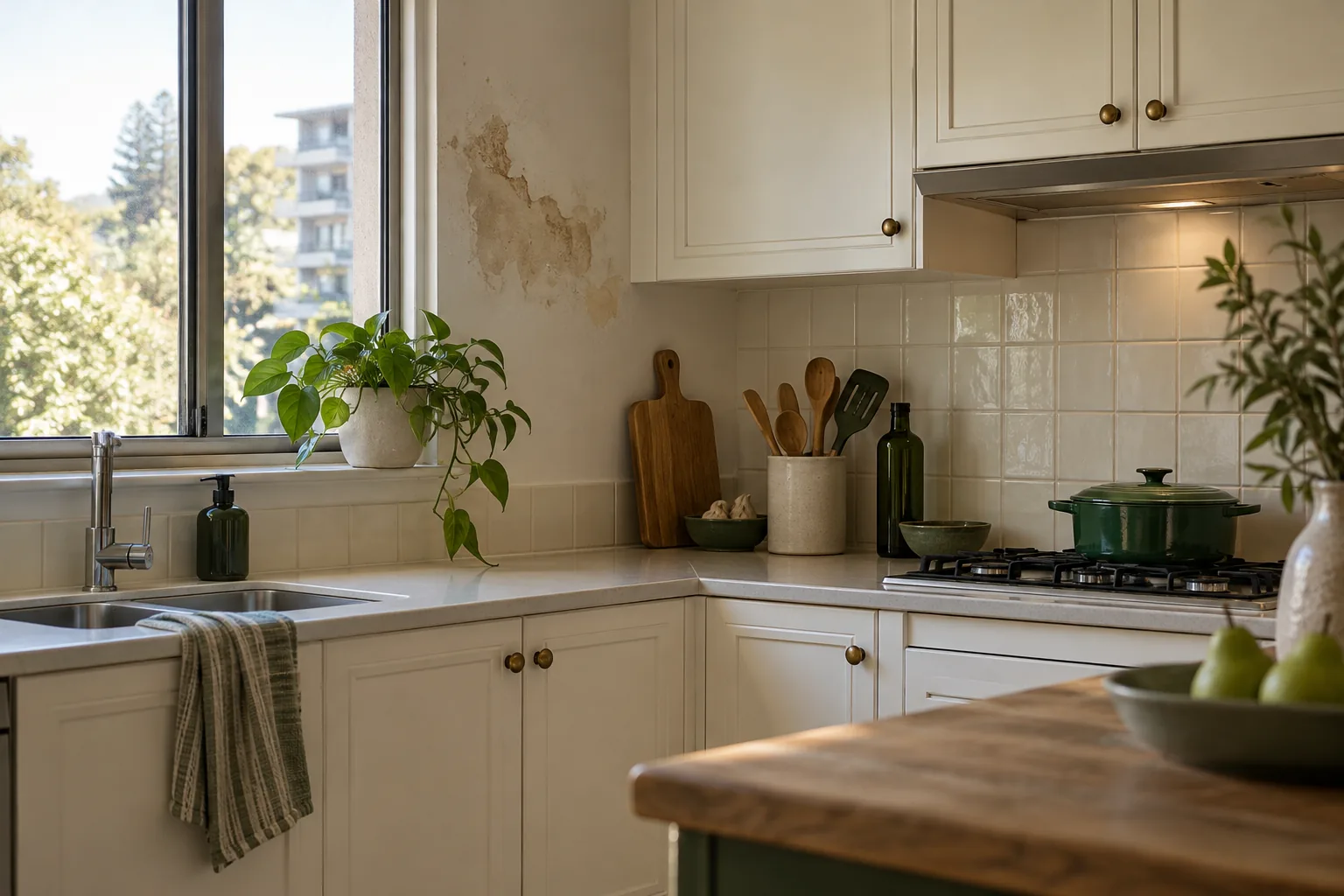
PLAN · FILTER · TREAT · REMOVE · CONTINUE
Treat the agreed exposed finishes in order
1
Assess the junction’s visible scope
Identify materials, deterioration and accessible growth at the wall edge, keeping backing and fitting removal outside assumptions.
2
Prepare the HEPA scrubber
Establish HEPA air protection before application, agreeing clearance for equipment around the real corner and its obstructions.

3
Apply an appropriate treatment
Use HOCl within assessed suitability; ULV dry fog is used in most cases where appropriate, without a promise to reach concealed edges.
4
Remove visible contamination professionally
H-class filtered equipment supports physical mould removal on included finishes, distinct from rebuilding trim or replacing flooring.
5
Continue final HEPA air cleaning
Maintain HEPA filtration during and after treatment, discussing remaining cosmetic marks and the technician’s specific return instructions.
Keep each surface’s inclusion clear
Walls
Identify the marked painted face and its limit, rather than extend an edge request behind unopened lining.
Ceilings
Describe ceiling patches separately from lower-wall concerns, with overhead access and repair questions considered on their own.
Bathrooms
Name bathroom paint, grout or silicone where visible; trim work and joint renewal are separate from suitable contamination treatment.
Kitchens
Locate exposed kitchen marks and fixed fittings, keeping plumbing repairs and cabinet contents outside automatic inclusion.
Accessible affected surfaces
An affected exposed hard floor needs explicit discussion; adjacent carpet, rugs and concealed floor layers are excluded.
WHAT TO EXPECT
Prepare without removing the trim on assumption
Explain fragile finishes and planned repairs before clearance. Do not detach skirting merely as unconfirmed preparation. People and pets leave the property during treatment and follow the technician’s return advice. About three hours per room is average working guidance, varying with size, contamination and accessibility rather than a fixed small-edge appointment.
The service is not hourly based. Cosmetic staining or finish damage can remain and decorating is separately scoped. Ask which materials were included and retain clear limits for hidden areas. No laboratory result, signed clearance or guarantee of a uniformly renewed corner accompanies standard visible-surface treatment.
FOLLOW THE MOISTURE
Watch the edge without concealing new information
Distinguish fresh water or growth from residual staining and pursue the separate moisture response.
Record the surface and date if another wet mark appears.
Maintain suitable extraction and arrange correction of known leaks.
Discuss new coatings or trim replacement separately before they cover an unresolved concern.
Quote the surfaces rather than a corner label
Describe each affected finish when checking the pricing examples. The table labels its room figures Mould Removal; confirm their applicability to remediation. Trim replacement, floor covering work and colour matching should not be inferred from a treatment amount or from several materials pictured together.
CHELTENHAM · EXACT ADDRESS & ACCESS
The particular Cheltenham interior
Give the address and room containing the marked junction. Nearby page links relate to other premises; they cannot confirm this property’s access, attendance or accepted finish scope.
Mentone · Moorabbin · Beaumaris · Black Rock
Questions about remediation
Does a line across skirting count as one material?
Not automatically. Identify the painted wall, trim and exposed floor separately so their suitability and inclusions can be discussed.
Will skirting be detached to treat behind it?
No detachment or hidden treatment is confirmed. Explain the covered concern and arrange any required access work separately.
Does the edge mark prove flooring underneath is affected?
No concealed extent follows from its position alone. Describe what is genuinely exposed and keep unknown layers qualified.
Is repairing chipped trim part of physical mould removal?
No repair inclusion is established. Mention damage early and distinguish contamination work from replacing or decorating the finish.
Can the carpet beside the strip be added as floor treatment?
Carpet remains excluded. Identify any accessible affected hard floor without changing a textile covering into structural scope.
How should a later change at the junction be described?
Name the particular surface, timing and fresh water or growth. Keep an unchanged old stain separate from a new observation.
Discuss the Cheltenham junction surface by surface
Call 03 8652 1296 with the marked finishes, access and known wetting. Clarify suitable treatment and separate repair expectations.