
VISIBLE SURFACES · THOUGHTFUL RESTORATION
Mould Remediation Cora Lynn
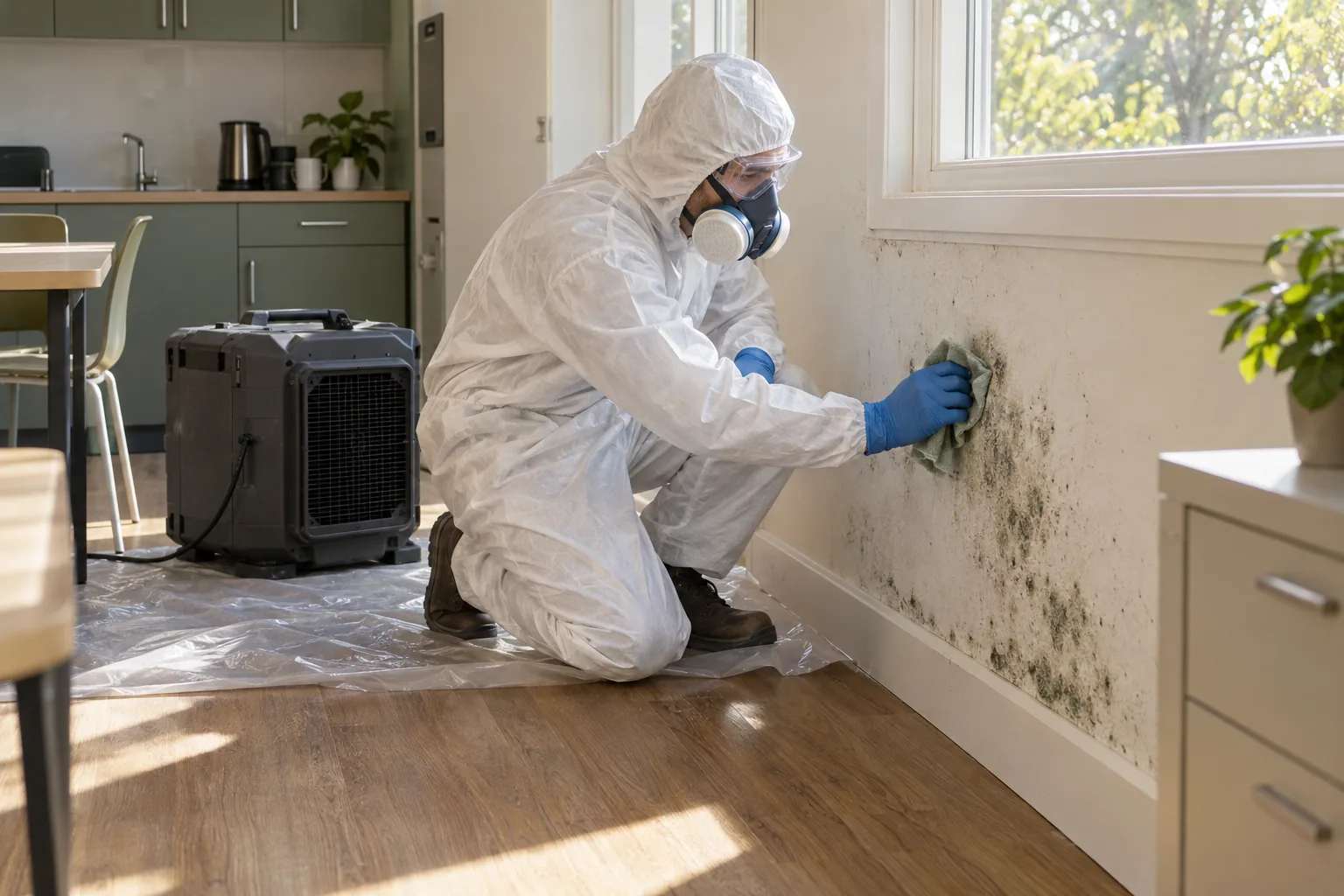
A mark noticed after rain can be relevant history without proving a specific water route. For a Cora Lynn enquiry, describe the actual interior surface and whether fresh water was directly observed. Keep dates, repair findings and uncertainty distinct so the remediation request follows accessible contamination rather than an assumed cause assigned from one event.
ASSESS · FILTER · RESTORE
Reliable dates are recorded.
Observed water stays distinct from assumptions.
Treatment and repair questions remain clear.
Describe the present mark and what was actually seen
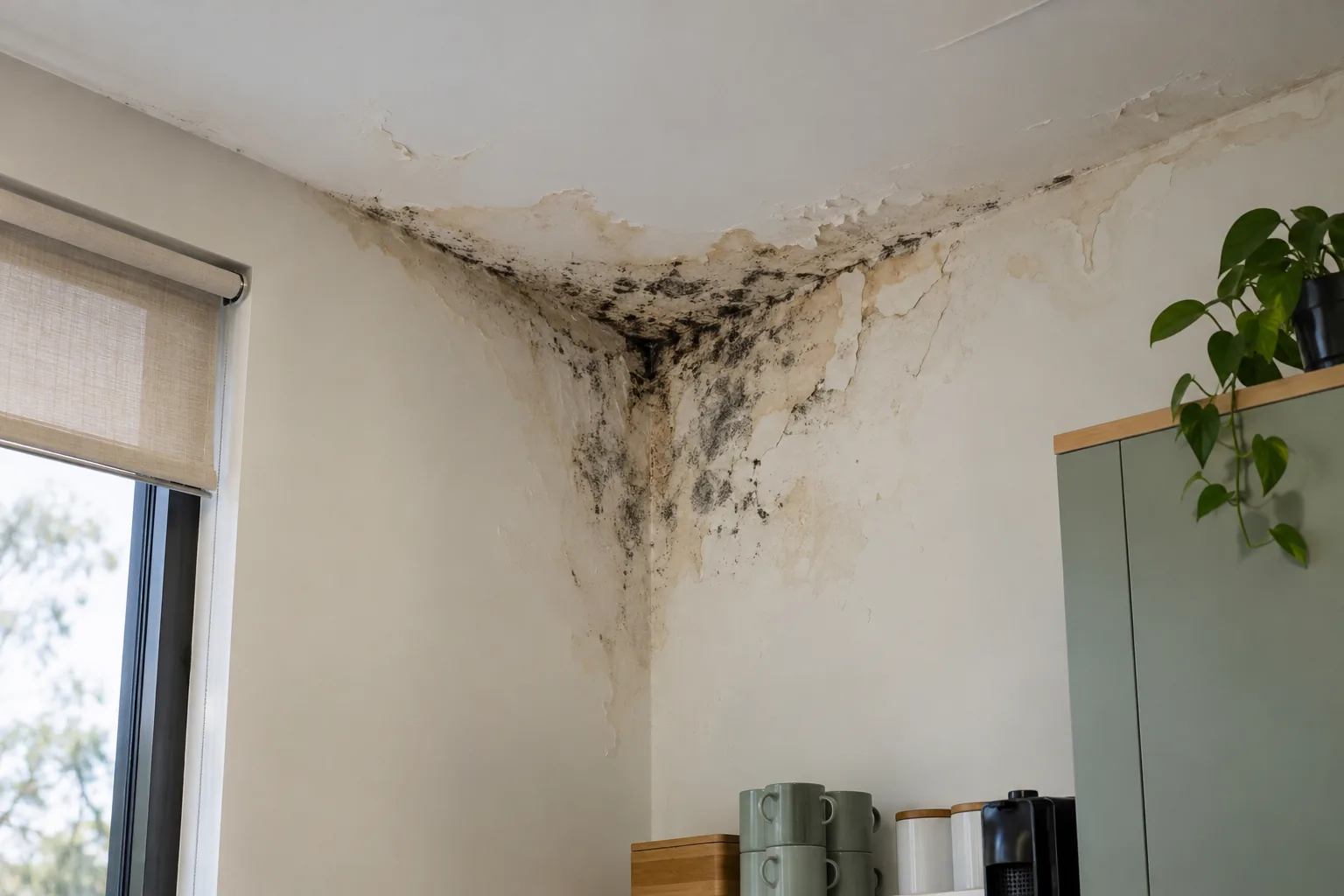
Identify the exposed wall, ceiling or floor, material and available clearance. Say whether the apparent change involved visible growth, water or only discolouration. Do not assign hidden contamination or species from a mark’s timing. A factual account can remain incomplete without being replaced by a confident but unsupported explanation.
The remediation outline coordinates assessment, filtration, suitable application and physical removal of visible accessible structural mould. Furniture and textiles are excluded. Source tracing, concealed investigation, building repairs and decorating need separate scope; treating the present surface is not a guarantee that a suspected weather-related source has been identified.
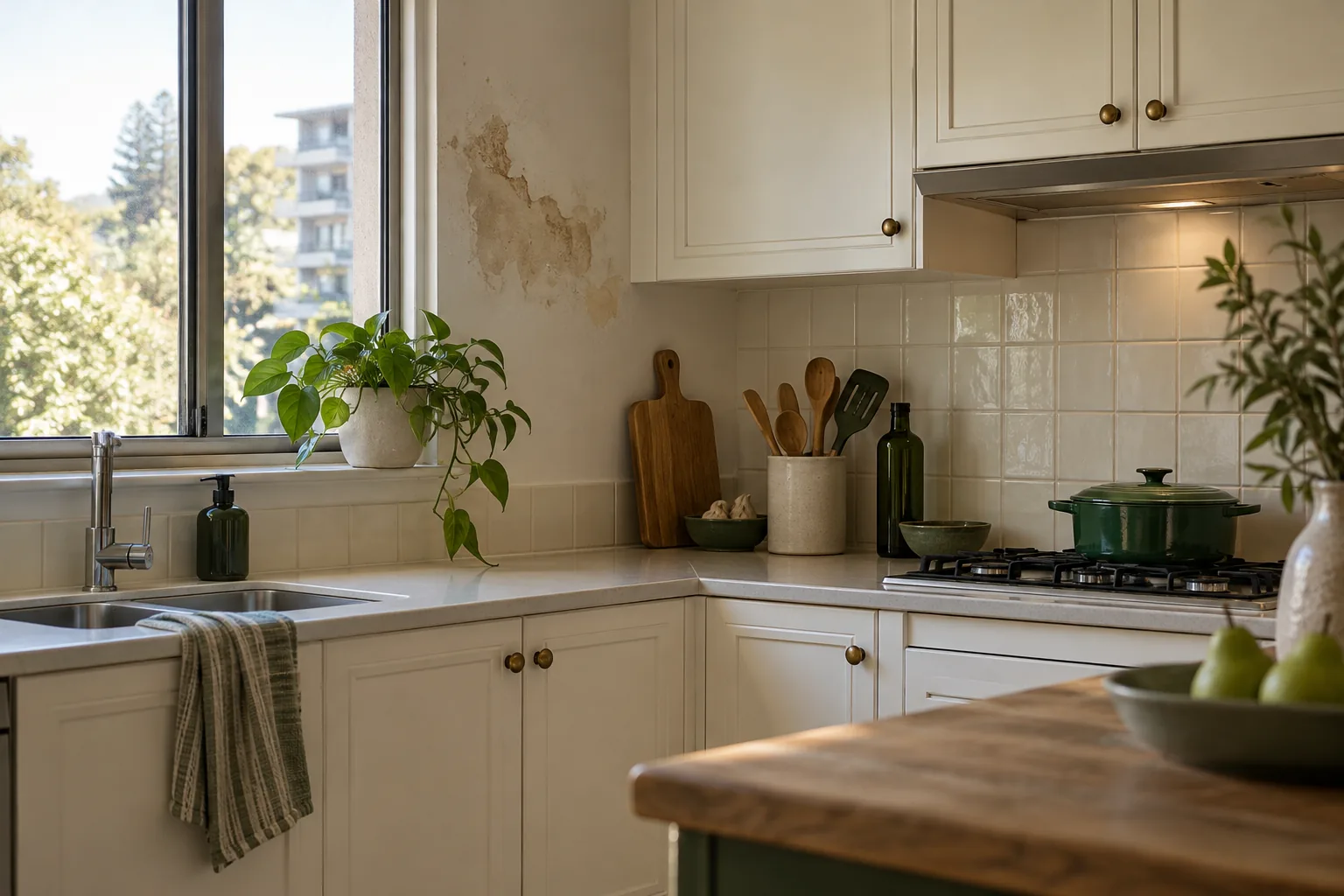
Timing is context rather than confirmation of the source
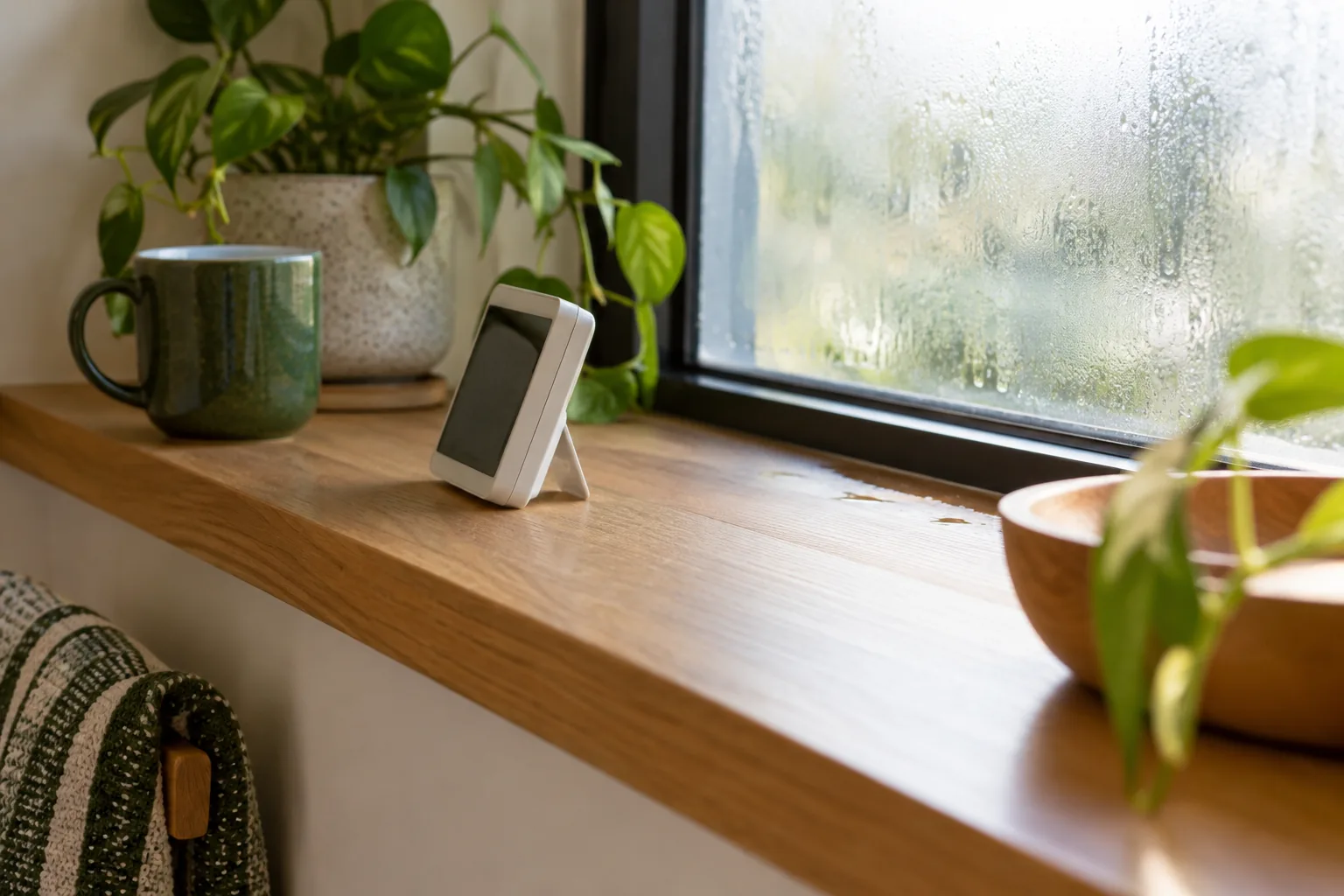
Give dates of actual wetting and known repair information, acknowledging whether water was seen or only suspected. The professional hygrometer supplies relative humidity in room air, not material moisture inside the lining or a reconstruction of the weather event. One reading cannot certify every concealed layer as dry.
An accessible assessment discussion may clarify uncertain visible symptoms before treatment. Known leaks and ventilation faults require separate correction. Continuing dampness may permit recurrence after growth is addressed, so follow reliable maintenance findings rather than assume the remediation application validates a particular roof, facade or plumbing diagnosis.
PLAN · FILTER · TREAT · REMOVE · CONTINUE
Treat agreed accessible contamination through confirmed stages
1
Assess the current exposed condition
Identify visible growth, material and reach, retaining event timing as context rather than proof of hidden extent or a confirmed source.
2
Establish HEPA before application
Set up the confirmed HEPA air scrubber before treatment begins, arranging clearance and equipment access in the nominated interior.

3
Use suitable HOCl methods
Apply HOCl appropriately, including ULV dry fog in most cases where suitable, without promising hidden-layer treatment or permanent prevention.
4
Physically remove included mould
Professional H-class filtered equipment supports removal of accessible contamination, separate from water-source repairs or rebuilding damaged finishes.
5
Continue final HEPA air cleaning
HEPA filtration runs during and after treatment; receive technician return instructions and clarify residual marks or separate source tasks.
Name the finishes rather than a presumed water path
Walls
Locate exposed wall growth and actual wetting observations, leaving unopened backing condition honestly qualified.
Ceilings
Describe overhead marks safely and their reliable dates, without treating timing alone as proof of a roof-space source.
Bathrooms
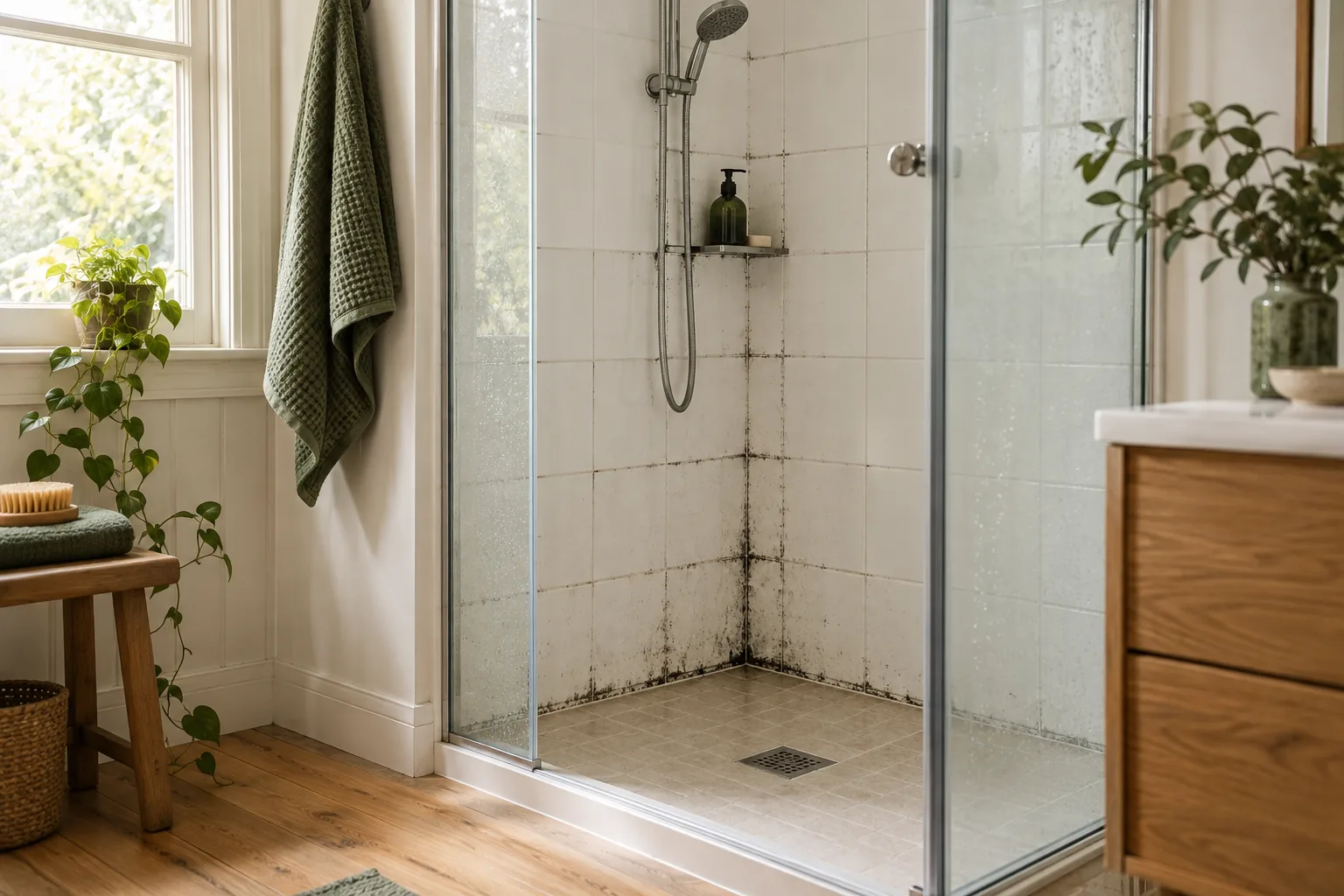
Identify bathroom paint or joint growth and actual use observations, with textiles and seal renewal outside standard treatment.
Kitchens
Explain reachable kitchen contamination separately from appliance faults, stored contents and plumbing work.
Accessible affected surfaces
Affected exposed hard floors need suitable agreement; carpet and hidden layers do not enter scope through an event-based description.
WHAT TO EXPECT
Prepare from the accepted room scope
Explain fragility and previous applications before clearance. Do not disturb material to demonstrate a suspected route or enlarge the request. People and pets leave the property during treatment and follow specific technician return advice. Average guidance is about three hours per room, varying with size, contamination and accessibility rather than a fixed interval from when a mark was first noticed.
The service is not hourly based. Cosmetic stains or old water damage may remain and decorating is separately quoted. Ask which surfaces were included. No laboratory result, signed clearance or certification of concealed dryness is confirmed by standard visible treatment, and a cleaner appearance does not prove the presumed source was corrected.
FOLLOW THE MOISTURE
Keep a useful record of actual changes
Reliable observations support follow-through without turning one event into an unverified local or building diagnosis.
Note directly observed wetting and fresh growth with their location and reliable event dates.
Maintain suitable extraction and arrange identified leak repairs separately.
Distinguish confirmed repair findings from suspected connections when sharing later information.
Quote contamination separately from source investigation
Describe current extent and known history through pricing applicability. Its room examples concern Mould Removal; confirm their use for the remediation requested. Roof tracing, concealed testing and building repairs are not inferred from treatment amounts, and no event-based tariff or guaranteed repeat term is established here.
CORA LYNN · EXACT ADDRESS & ACCESS
Confirm the Cora Lynn premises and observation history
Supply the full address and informed contact. Nearby links navigate separate enquiries rather than confirm regional attendance or identify the source at this interior.
Bayles · Monomeith · Nar Nar Goon · Tynong
Questions about remediation
Does noticing mould after rain prove a roof leak?
No single source is established from timing alone. Report actual water and reliable repair findings without diagnosing the route from the date.
Should I say water was seen when I only noticed a darker mark?
No. Distinguish direct wetting from appearance so the enquiry remains accurate.
Can a humidity reading recreate the earlier event?
No. Room-air relative humidity concerns its measurement context, not a reconstruction of previous water movement or concealed moisture.
Will remediation certify a suspected facade repair?
No repair certification is confirmed. Keep the source provider’s findings separate from treatment of accessible growth.
Does one timed observation establish hidden spread?
No concealed extent follows. Describe the actual exposed surfaces and acknowledge what remains unavailable or unknown.
What should be recorded if another wetting event occurs?
Note its location, date and actual water or growth, then pursue the relevant separate source response instead of rely on a permanent-prevention promise.
Discuss Cora Lynn growth from reliable observations
Call 03 8652 1296 with visible surfaces, access and genuine wetting dates. Agree remediation and separate source questions clearly.