
SURFACE TREATMENT · MOISTURE FOLLOW-THROUGH
Mould Remediation Dixons Creek
If the visible patch or room access has changed since an earlier enquiry, update those details before arranging remediation. At a Dixons Creek address, describe the current exposed finish and what is now reachable, then confirm availability. An older scope or photograph should not be treated as a promise covering every new section or preparation change.
Current observations inform the treatment request.
Changed access is discussed before attendance.
Earlier assumptions do not broaden the result.
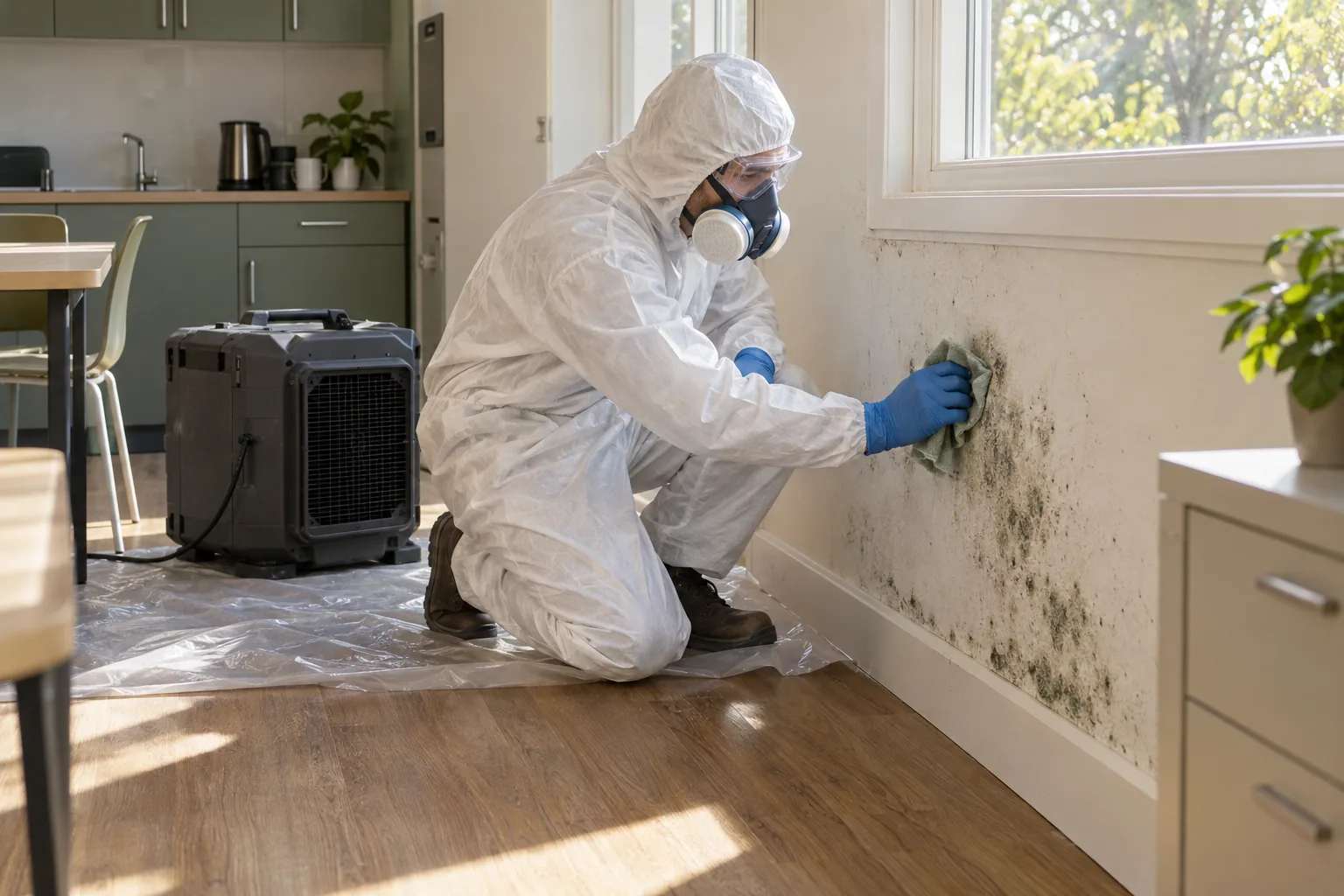

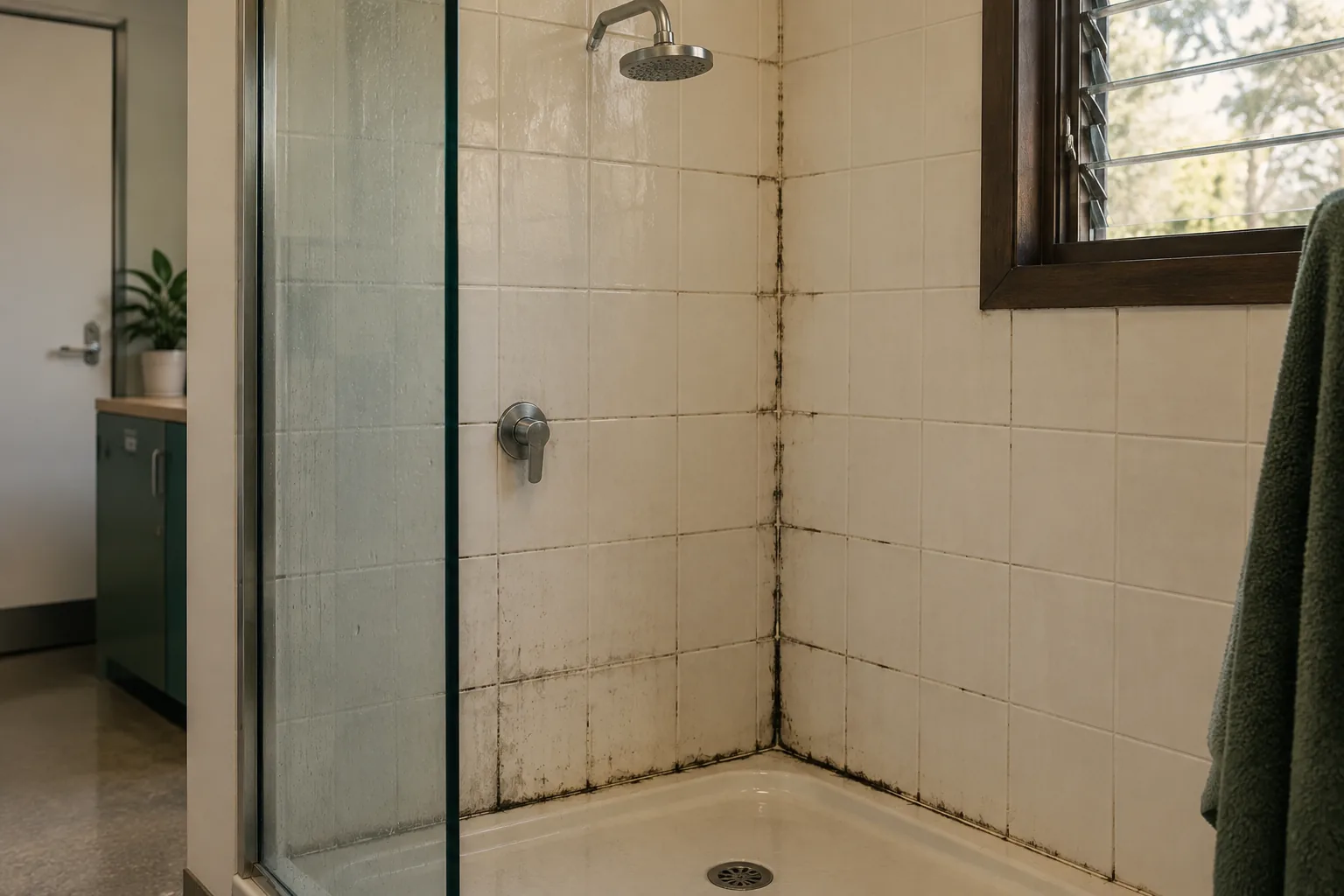
TREATMENT & FOLLOW-THROUGH
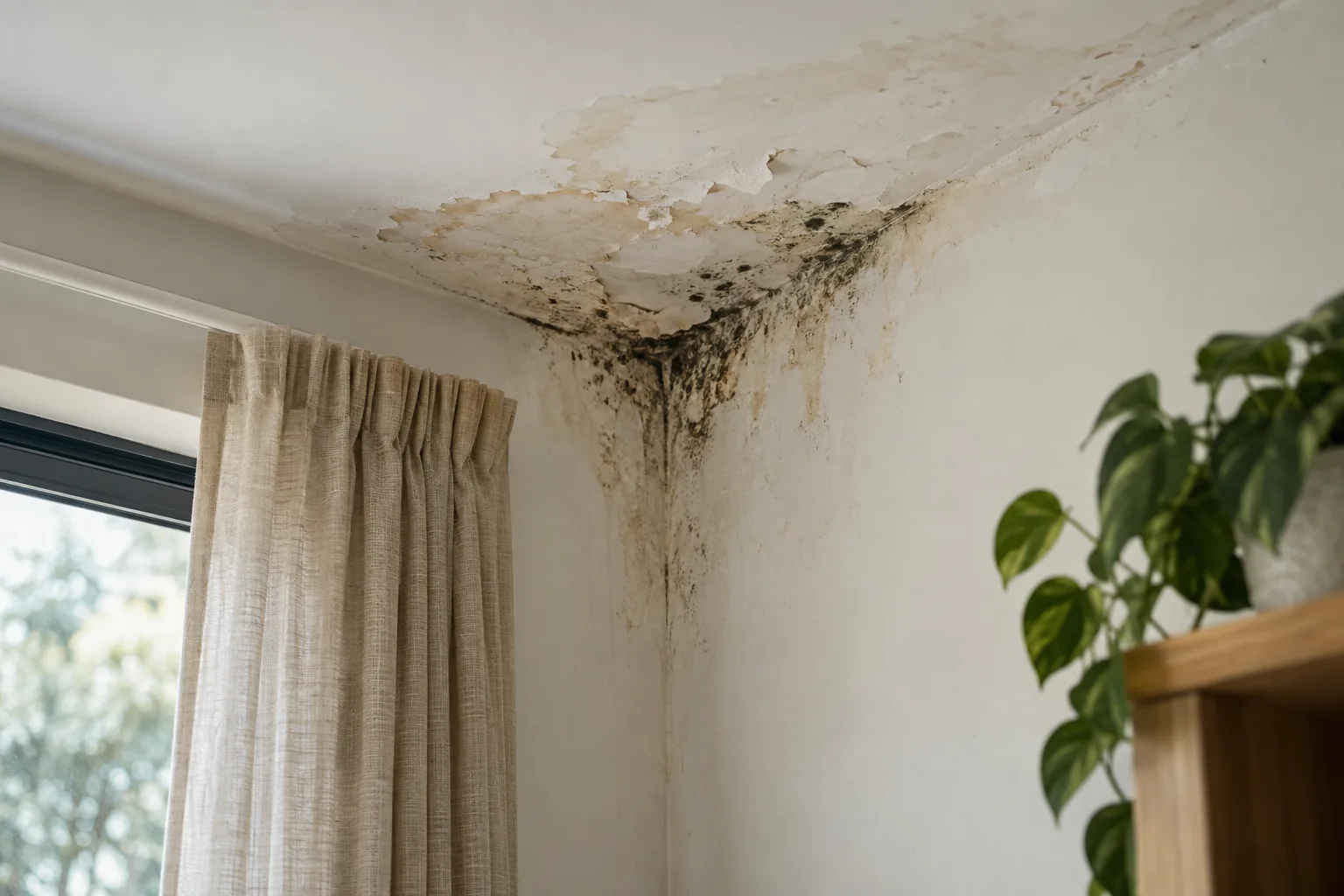
UNDERSTANDING REMEDIATION
A changed request needs a current boundary
Explain whether growth expanded, another finish became visible or a fixed obstruction was added. The confirmed remediation sequence can be discussed for suitable reachable contamination, but the surfaces to which it applies need an accurate present description. Do not ask the technician to infer today’s extent from an outdated close-up.
Have newly requested surfaces included explicitly. Changed material condition may affect suitability, while hidden layers and belongings remain excluded regardless of an older room description.
THE MOISTURE CONNECTION
Update water history alongside the visible extent
Provide reliable new wetting observations and explain any repair completed since the first request. A changed patch does not establish that the earlier source assumption was correct. A separate visible accessible inspection enquiry can discuss assessment where the current treatment need remains uncertain.
The professional hygrometer measures room-air relative humidity, not moisture within newly exposed lining or proof that another provider’s repair succeeded. An older reading cannot certify the present condition. Appropriate plumbing or building providers need to address ongoing defects. Surface treatment cannot guarantee future prevention if renewed water or ventilation problems continue, even where an earlier enquiry described a smaller patch.

PLAN · FILTER · TREAT · REMOVE · CONTINUE
Treatment based on the current accessible request
1
Review the updated visible scope
Assess present accessible contamination and finish condition, identify changes from the earlier enquiry and agree suitable current treatment surfaces.
2
Begin HEPA air protection
Set up the confirmed HEPA air scrubber before application after the updated work area is prepared; earlier room details do not replace current arrangements.

3
Choose suitable HOCl treatment
Use appropriate HOCl and ULV dry fog where suitable, without assuming newly exposed finishes share the original material’s application requirements.
4
Physically remove visible growth
Use professional H-class filtered equipment within the newly agreed reachable boundary, keeping textiles, repairs and concealed material excluded.
5
Continue filtration and explain the actual result
Maintain HEPA air cleaning during and after the process, then discuss current return instructions and the surfaces included at completion.
Describe each change on its actual structural face
Walls
Identify current wall growth and any obstruction added or removed since the earlier request.
Ceilings
A newly noticed ceiling patch needs its own reachable extent rather than inclusion inferred from the earlier wall photo.
Bathrooms
Bathroom structural changes are separately described, excluding fabric items and unconfirmed joint repairs.
Kitchens
Explain changed kitchen access around units without assuming appliance servicing or hidden backing treatment.
Accessible affected surfaces
Other exposed structural sections need agreement on present suitability; an earlier room label does not include every newly revealed layer.
WHAT TO EXPECT
Reconfirm preparation against the changed access
Give the precise Dixons Creek premises and explain current entry and obstructions when confirming availability. Ask whether preparation instructions need updating before moving contents. People and pets leave the property during treatment; the technician’s actual return advice should not be replaced by an interval remembered from another request.
The source’s approximate three-hour room average depends on size, contamination and accessibility. Changed extent should be discussed rather than preserving an assumed old completion time or hourly calculation. Cosmetic marks can remain, and repair or decoration stays separately arranged. No signed report, hidden dryness certificate or permanent prevention outcome is confirmed.
FOLLOW THE MOISTURE
Keep later changes connected to the completed scope
After advised return, retain the current treated boundary rather than the first enquiry’s description. Record fresh growth or water with the room, finish and reliable date. Follow relevant separate repairs, and describe new access before assuming additional material shares the completed surface result.
Distinguish updated treatment scope from older photographs or notes.
Report water observed after a separately completed repair.
Have newly revealed sections discussed before further work is assumed.
Clarify the updated request before relying on earlier cost
Provide changed extent, finish and access when discussing the quote. Confirm applicability of Mould Removal pricing guidance to remediation; an earlier enquiry does not establish a tariff for additional surfaces, an unchanged completion time or automatic inclusion of newly exposed material.
DIXONS CREEK · EXACT ADDRESS & ACCESS
Dixons Creek premises and neighbouring enquiry context
Christmas Hills and Yering pages help navigate another locality request. Supply the actual Dixons Creek address and changes since the earlier enquiry directly. Those links cannot confirm availability or transfer an old scope, quote or access arrangement between properties.
Kinglake · Christmas Hills · Yering · Rob Roy
Questions about remediation
Should expanded growth be reported before attendance?
Yes. Describe the current extent so suitable surfaces, preparation and the proposed scope can be discussed accurately.
Does the earlier photograph include a newly exposed section?
Not automatically. Identify the new face and have its inclusion agreed rather than extending the original image’s scope.
Can the old completion estimate remain a guarantee?
No fixed time follows from earlier assumptions. Discuss the actual size, contamination and access now.
Does a previous humidity reading certify the current wall dry?
No. Air measurements concern their time and location, not present material moisture or concealed dryness.
Will an earlier quote automatically cover added surfaces?
Do not assume additional inclusion. Clarify the changed request and applicable cost directly without inventing a pricing policy.
What should be retained after the updated work?
Keep the surfaces actually treated and current return advice clear. Distinguish that result from older enquiry notes and any future new concern.
Update the visible request before arranging treatment
Call 03 8652 1296 with the Dixons Creek premises, current patch and changed access. Confirm availability, suitable scope and preparation from today’s information.