
SURFACE TREATMENT · MOISTURE FOLLOW-THROUGH
Mould Remediation Eaglemont
If water affecting an Eaglemont room may come from an adjoining area, explain the observations and who can authorise access. Treatment of your visible ceiling or wall does not include permission to investigate another room or premises. Keep the exposed contamination and the separate source enquiry clear before booking.
Define your accessible treatment area
Identify the relevant source-repair contact
Keep adjoining access outside assumptions
TREATMENT & FOLLOW-THROUGH
UNDERSTANDING THE AFFECTED ROOM
A visible patch does not authorise wider investigation
Describe where water or growth appears and what is known about the area beside or above it. If another person controls that space, explain the access limitation. Do not present a suspected source as confirmed or assume a treatment booking includes entry elsewhere.
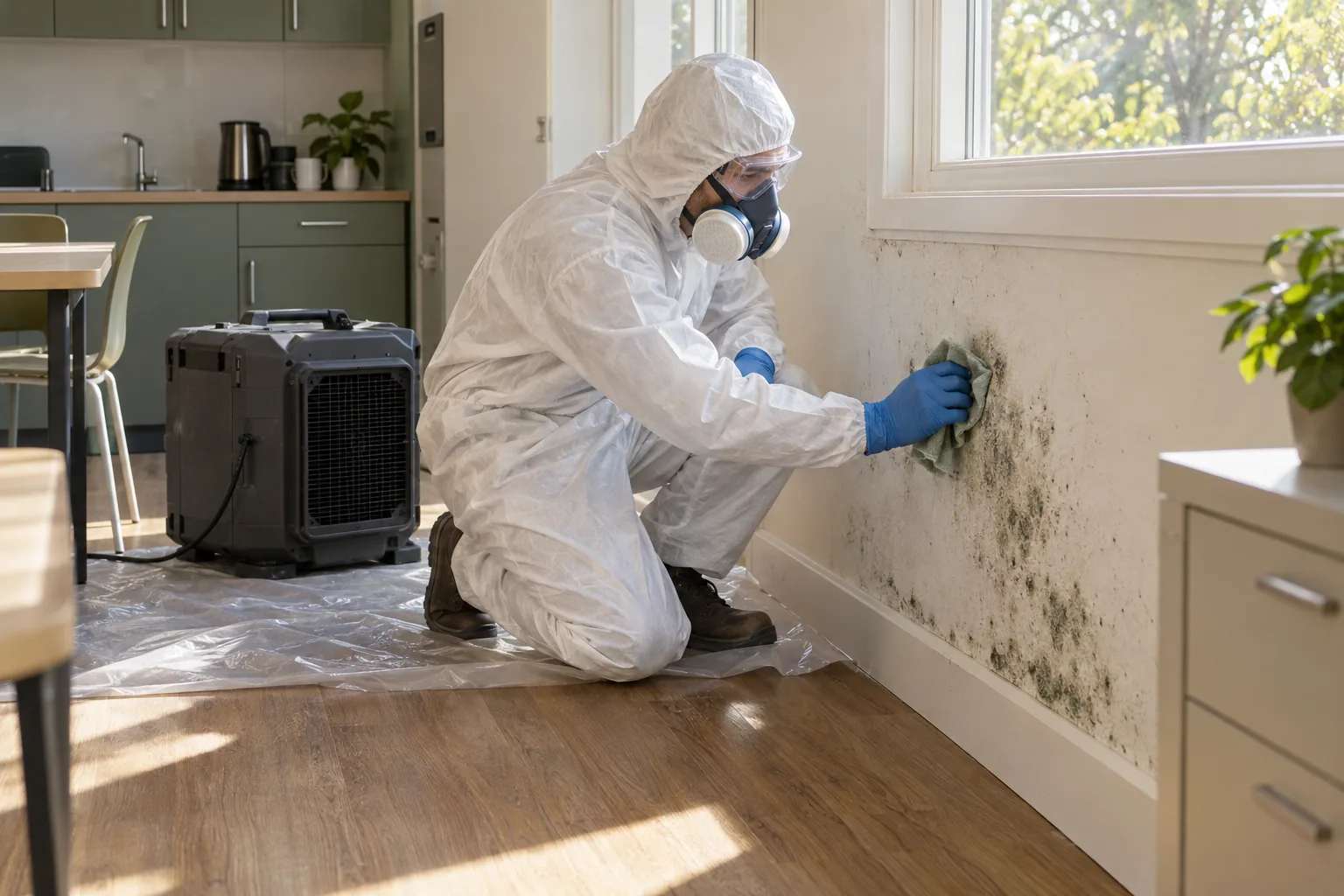
Our remediation service treats agreed exposed structural contamination through assessment, filtration, suitable application and physical removal. Define your authorised room separately from any adjoining source area; plumbing repairs and concealed investigation remain different tasks.
MOISTURE & CONTAMINATION
Record the wetting without diagnosing the neighbouring space
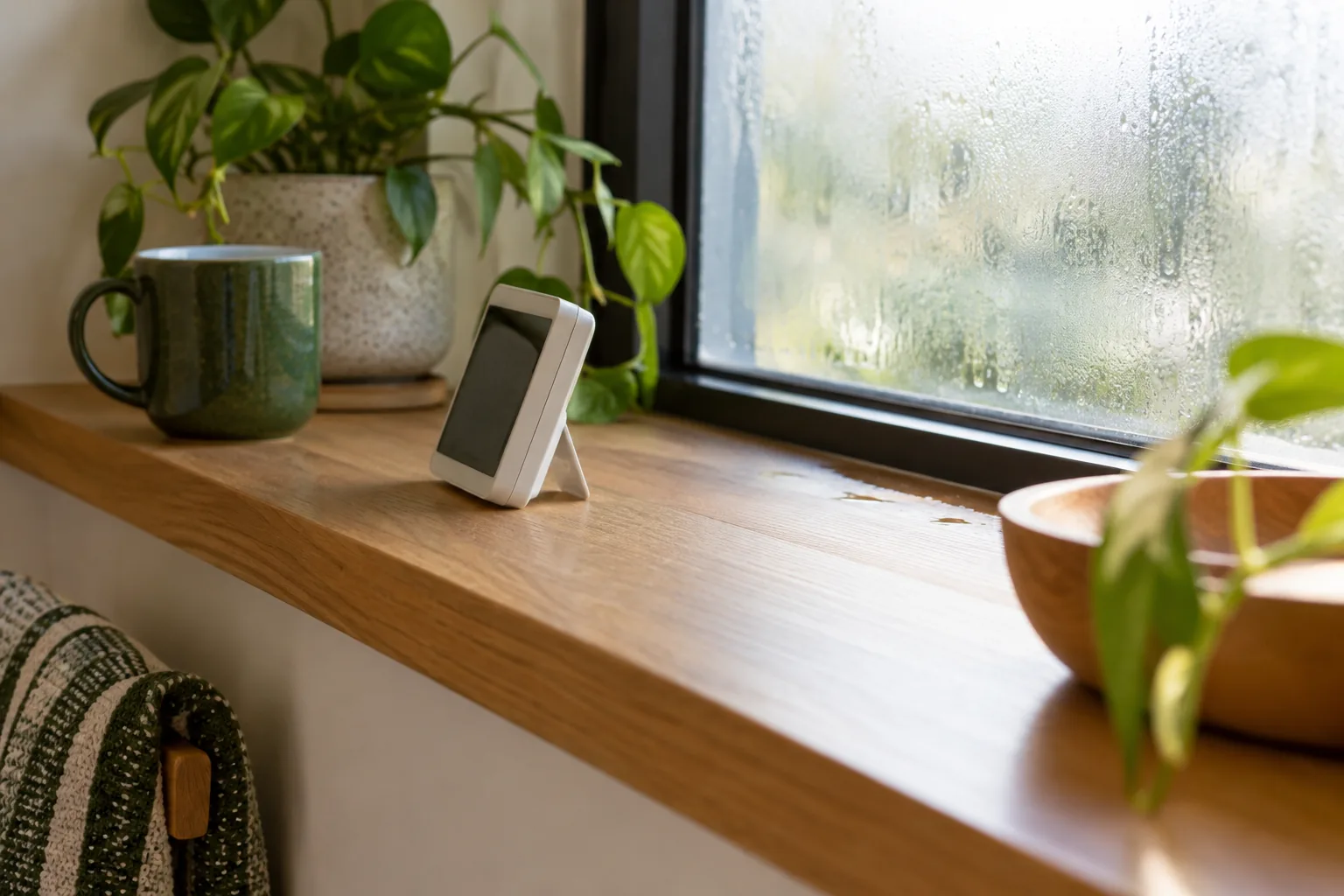
Note the timing, starting point and any repair already attempted. A professional hygrometer measures room-air relative humidity; it cannot establish moisture inside an adjoining lining or prove which component supplied the water. Missing access information should remain acknowledged rather than replaced with a guess.
Discuss accessible inspection if the visible condition requires clarification. Arrange the appropriate separate source response through the responsible contact. Remediating the exposed patch cannot prevent recurrence while water continues entering from an unresolved area.
A DEFINED TREATMENT SEQUENCE
Treat the authorised visible surfaces
1
Assess the nominated room
Show exposed growth and explain wetting and access history. Agree structural surfaces and identify concealed or adjoining concerns needing separate authority or investigation.
2
Prepare HEPA air protection
The technician sets up HEPA air protection before the nominated room is treated. It does not establish access to adjoining premises or clear hidden condition elsewhere.

3
Apply suitable HOCl treatment
HOCl follows the assessed plan. ULV dry fog is used in most cases where appropriate, without automatically extending treatment into another space or unseen cavity.
4
Physically remove visible contamination
Professional H-class filtered equipment is used for removal. Discuss finish damage beforehand; source repair and rebuilding remain separate from contamination removal.
5
Complete air cleaning and follow-through
HEPA continues during and after treatment. Confirm return instructions and remaining moisture or decorating tasks, without assuming the adjoining source was repaired.
Describe the actual exposed surfaces
Walls
Identify wall growth and any fixed obstruction. Conditions behind an adjoining lining remain outside standard visible access.
Ceilings
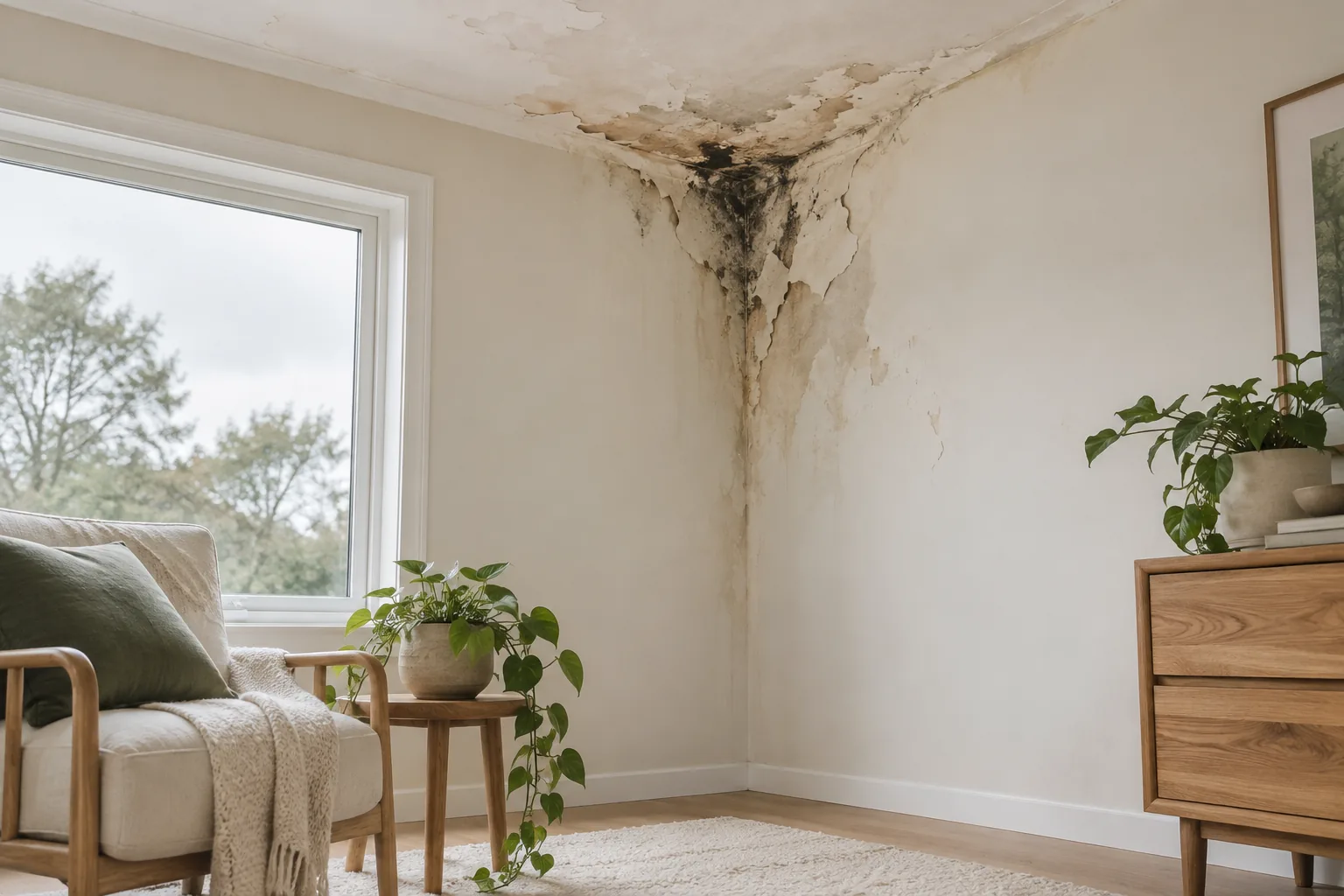
Show overhead patches safely and explain water timing. Treatment does not include repair or inspection of every area above the ceiling.
Bathrooms
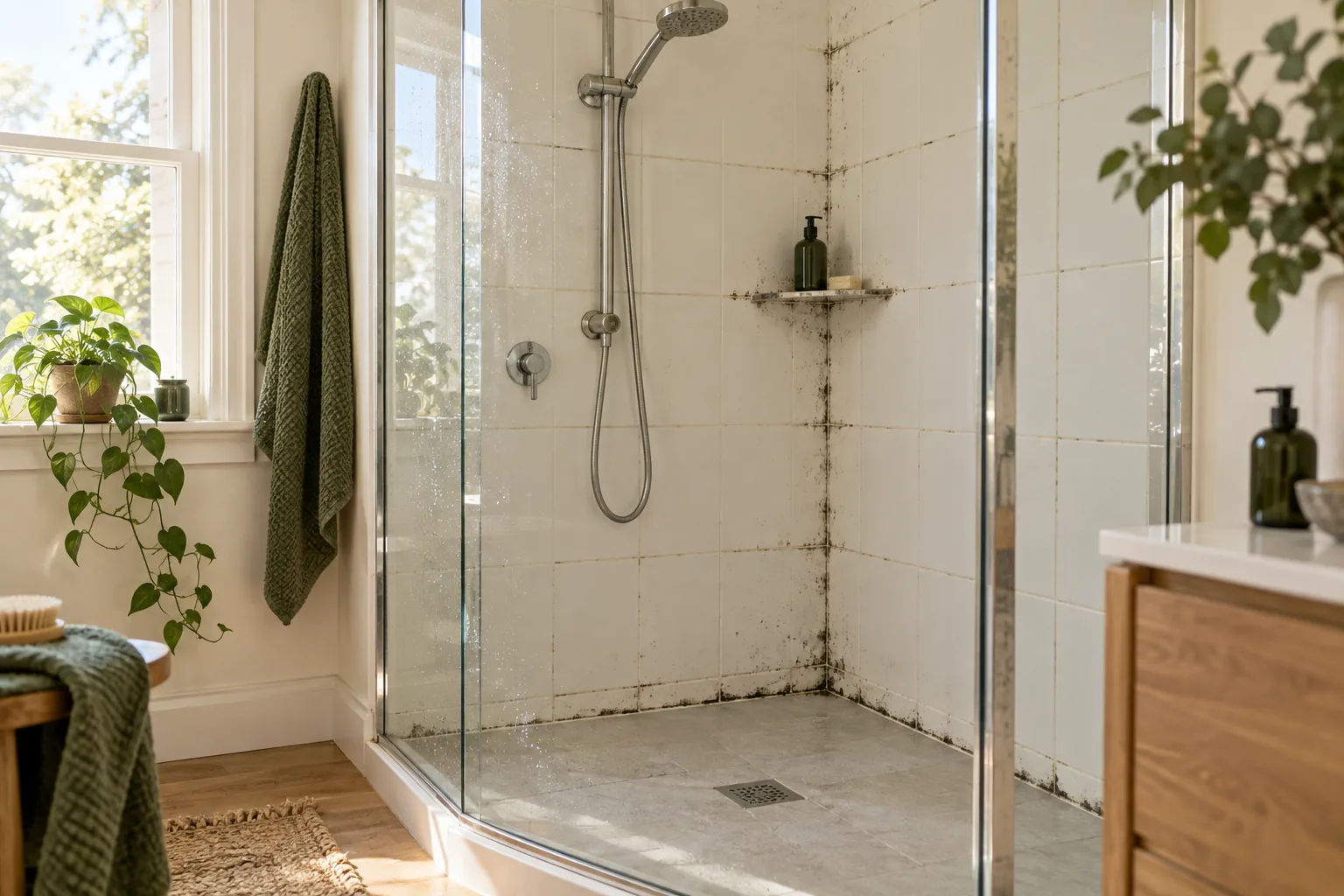
Describe structural bathroom contamination separately from towels. Plumbing and extraction observations can help frame separate source questions.
Kitchens
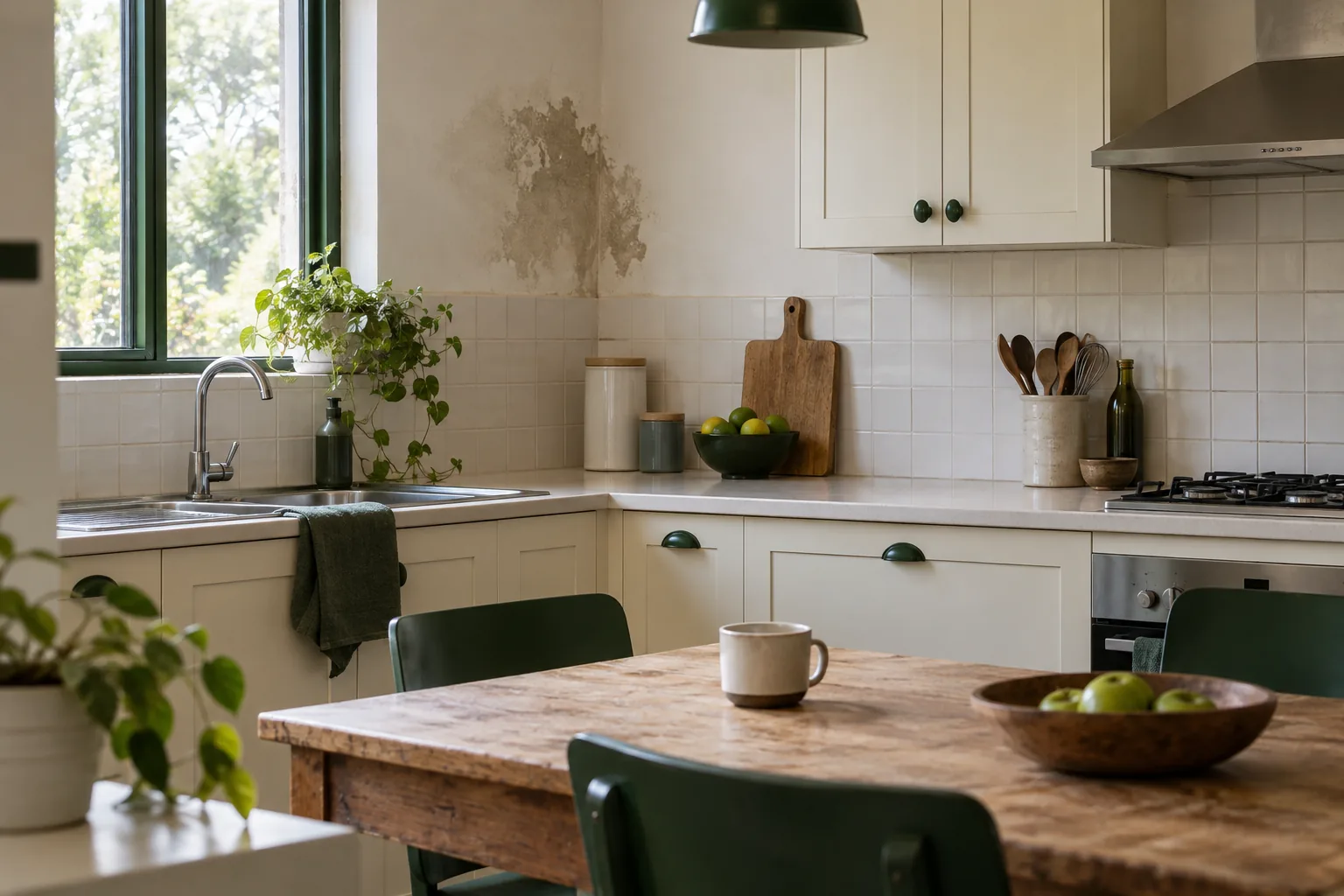
Mention exposed kitchen patches and known water events. Fixed cabinets or another room may restrict the area available for assessment.
Accessible affected surfaces
Explain the exposed floor affected by observed wetting. Carpet and furnishings remain excluded even if water also reached them from an adjoining area.
AFTER TREATMENT
Prepare the room while separate access is arranged
Agree clearance and fragile belongings. Confirm how everyone and their pets will leave for treatment and follow the technician’s advice for return to the nominated room. Allow around three hours per room as an average, while access and the exposed extent affect the actual treatment. The service is not hourly based or a promise that another premises investigation fits the appointment.
Cosmetic marks can remain and decorating is separately quoted. Ask what was treated and what source questions remain. A clean-looking ceiling cannot certify concealed dryness or completion of work elsewhere, so record fresh wetting before a new finish hides it.
KEEP MOISTURE IN VIEW
Keep the repair enquiry connected to new observations
Identify a person who can follow up continuing water entry, including any separate access arrangements. Existing growth treatment does not replace that practical source task.
Record new wetting dates and locations.
Maintain suitable extraction for the room’s own activities.
Arrange separate repairs through the appropriate responsible contact.
Quote the visible treatment and clarify wider work
Describe accessible extent and access limits when checking pricing applicability. The table is labelled Mould Removal. Do not assume a Remediation figure includes adjoining-premises investigation, plumbing repairs or shared-area restoration.
EAGLEMONT · EXACT ADDRESS & ACCESS
Eaglemont and nearby room enquiries
Give the actual address and authorised contact for the proposed surfaces. Nearby navigation cannot grant adjoining access or confirm attendance before the scope is considered.
Heidelberg · Bellevue · Bulleen · Ivanhoe
Questions about remediation
Can treatment include entry to the room above automatically?
No. Authority and scope for another area need separate discussion. Explain who controls that space and what is known about the wetting.
Does timing with upstairs use prove the source?
No. Timing is useful information, not a complete diagnosis. Share the observation without assuming a particular component has been confirmed faulty.
Will you repair an adjoining plumbing issue during remediation?
Repair is separate from treatment. Arrange the appropriate source response while agreeing the accessible contamination work.
Can a cleaner ceiling certify the area above is dry?
No. Visible improvement cannot establish concealed moisture or another area’s condition. Ask what further investigation is appropriate for that concern.
Should I describe access restrictions before requesting cost?
Yes. Explain the nominated surfaces and controlled adjoining space so the proposed scope is not based on assumed wider access.
What if water enters again from the suspected adjoining area?
Record the fresh event and contact the responsible repair person. Treatment addresses existing growth, while unresolved water entry can support recurrence.
Discuss the Eaglemont surface and source questions
Call 03 8652 1296 with visible growth, wetting history and access authority. Agree treatment while keeping adjoining repair work separate.