
SURFACE TREATMENT · MOISTURE FOLLOW-THROUGH
Mould Remediation Glen Huntly
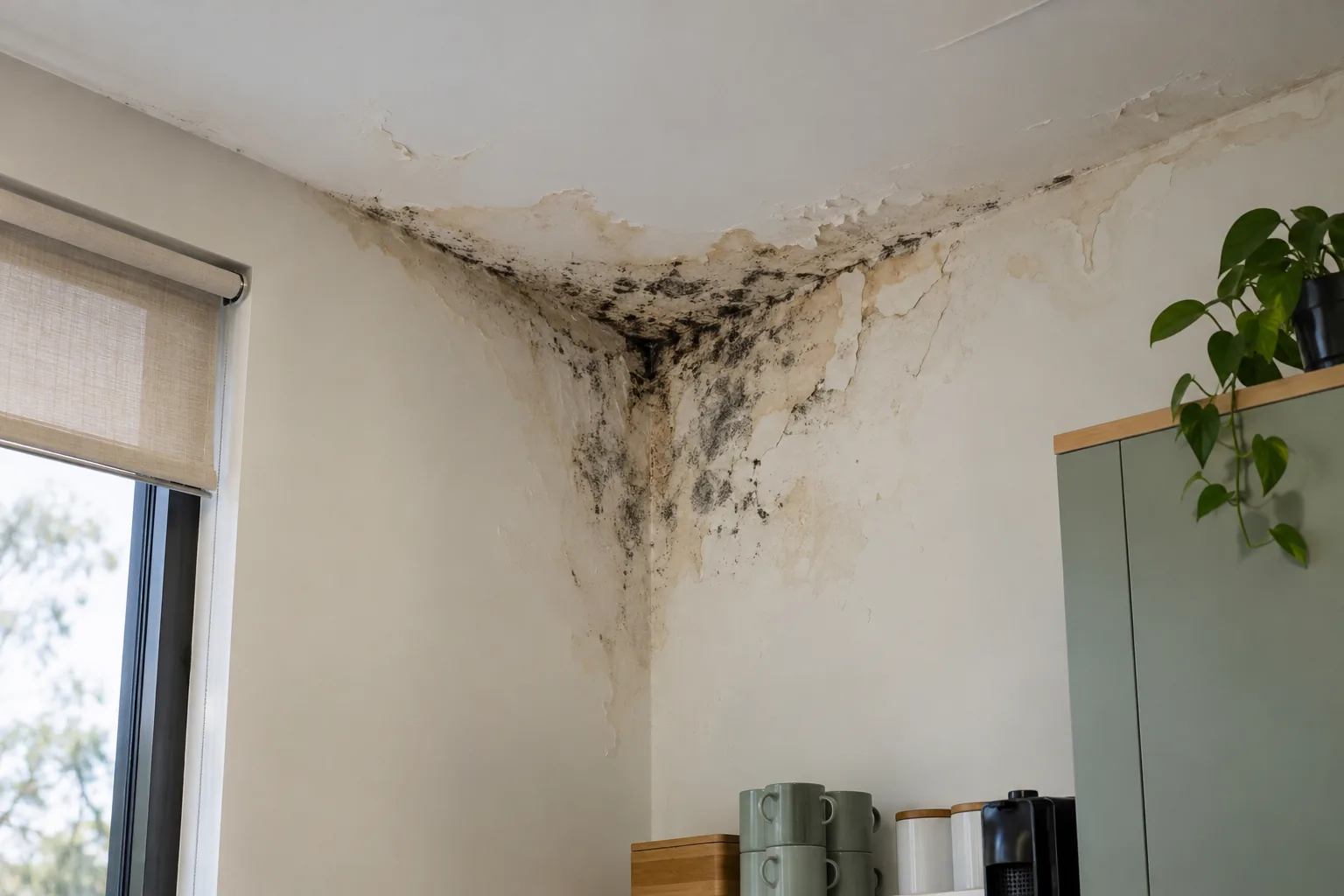
Growth beside a window can involve several surfaces that need different decisions. For Glen Huntly, describe the visible wall and ceiling junction, any affected curtains and what happens on the glass. Agree the structural treatment boundary without assuming a window repair or textiles service is included.
Window-side scope distinguished
Textiles kept separate
Condensation history discussed
TREATMENT & FOLLOW-THROUGH
UNDERSTANDING REMEDIATION
Identify the wall, frame and furnishings
Say where visible growth sits relative to the opening and whether curtains or furniture obstruct the wall. Note any frame defect you can see without dismantling it. A broad description of “window mould” can hide important distinctions between a structural surface, fitting and excluded belonging.
The remediation appointment concerns agreed visible accessible structural contamination. Curtains and other textiles are excluded, while window repair and concealed-frame investigation need separate discussion. Confirm the included finish and preparation before assuming every item around the opening will be treated.
THE MOISTURE CONNECTION
Record what happens at the opening
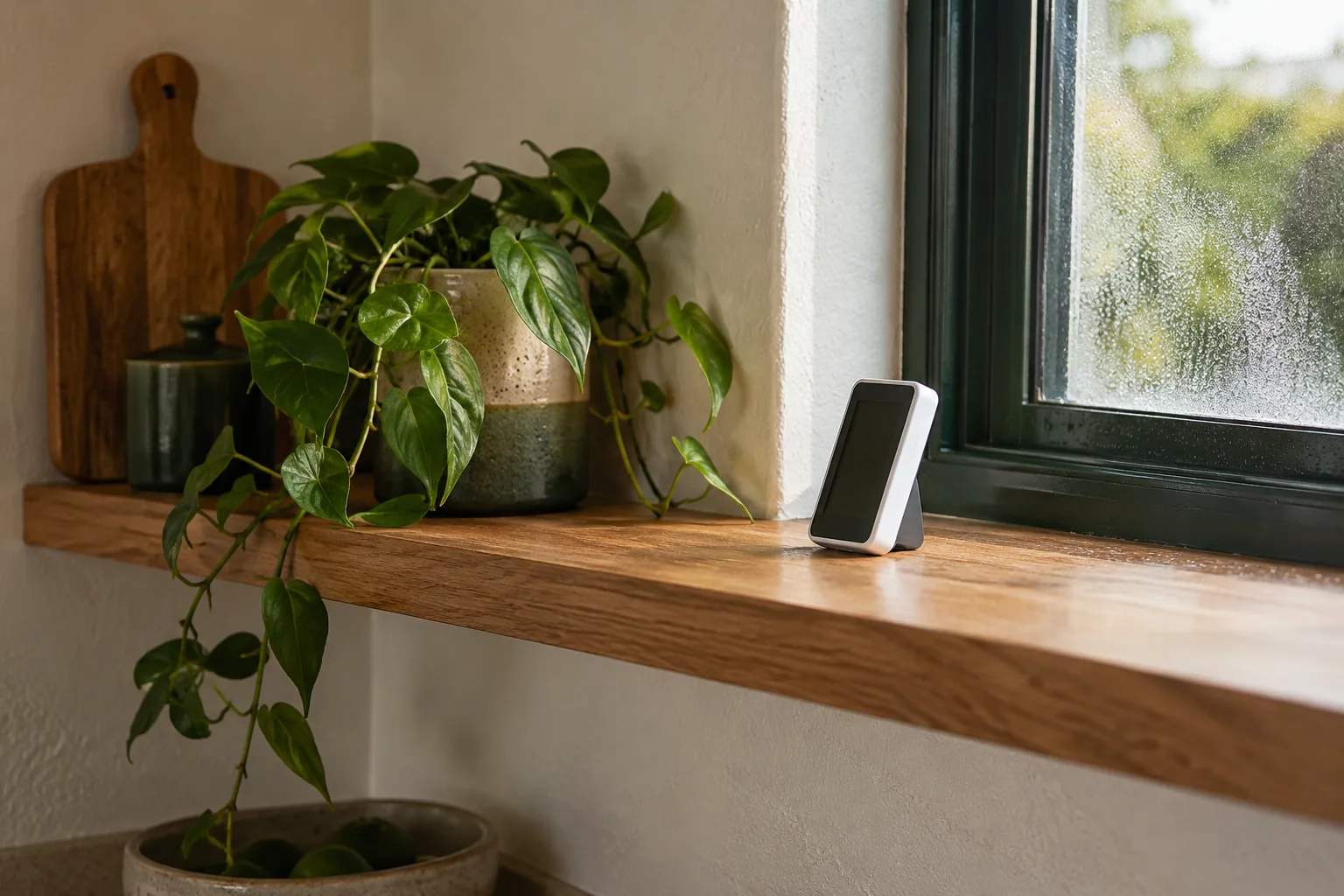
Mention when condensation appears, whether water enters during weather or whether nearby paint changes after wetting. These are useful observations, not a diagnosis of the window or wall. A failed frame, leak or other building fault needs the appropriate repair trade.
The professional hygrometer measures relative humidity in room air. It does not establish moisture inside the frame or behind the lining. For uncertain causes, discuss further assessment questions without promising a particular scanner, cavity opening or laboratory finding.

PLAN · FILTER · TREAT · REMOVE · CONTINUE
Treatment of the reachable structural finish
1
Review the visible edge
Assessment identifies the affected wall or ceiling and any obstruction at the opening. Explain fragile paint, fittings and separate frame-repair plans before scope is agreed.
2
Set up air filtration
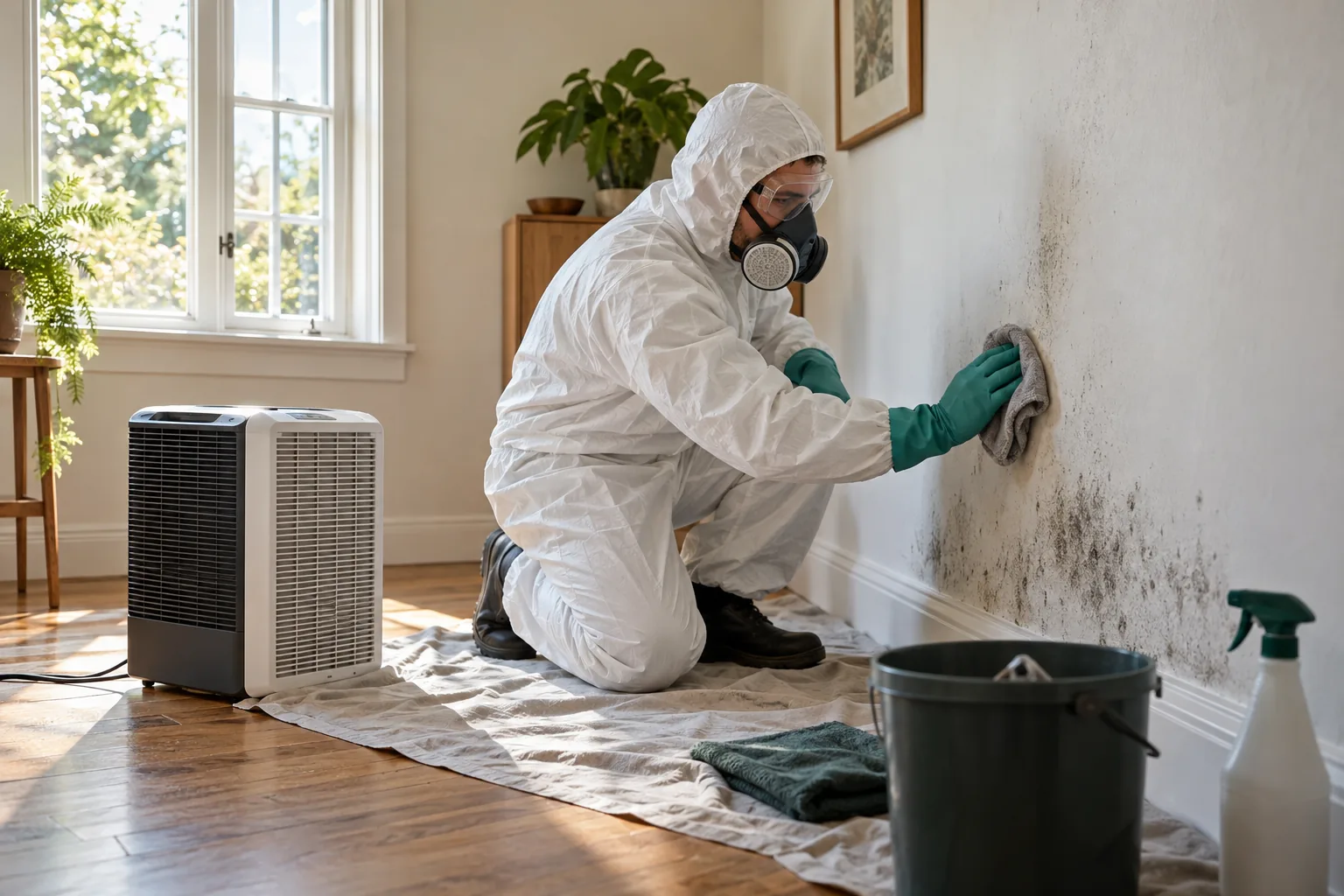
The HEPA air scrubber begins before treatment. Equipment placement needs usable room access rather than assuming the window itself provides an adequate working arrangement.

3
Apply suitable treatment
HOCl application is confirmed, with ULV dry fog where appropriate in most cases. Suitability for the included surface does not add curtain cleaning or concealed-frame treatment.
4
Physically remove visible growth
Professional equipment with H-class filtration removes accessible contamination. Frame replacement, repair and decorative restoration remain distinct from that process.
5
Continue the air-cleaning stage
HEPA operates during and after the work. Discuss remaining marks, return instructions and ongoing condensation concerns before restoring furniture or curtains around the area.
Keep each surface in view
Walls
For walls, describe the exposed patch beside or below the opening and any area still hidden by a furnishing.
Ceilings
For ceilings, identify junction growth separately rather than assuming it has the same source as marks lower down.
Bathrooms
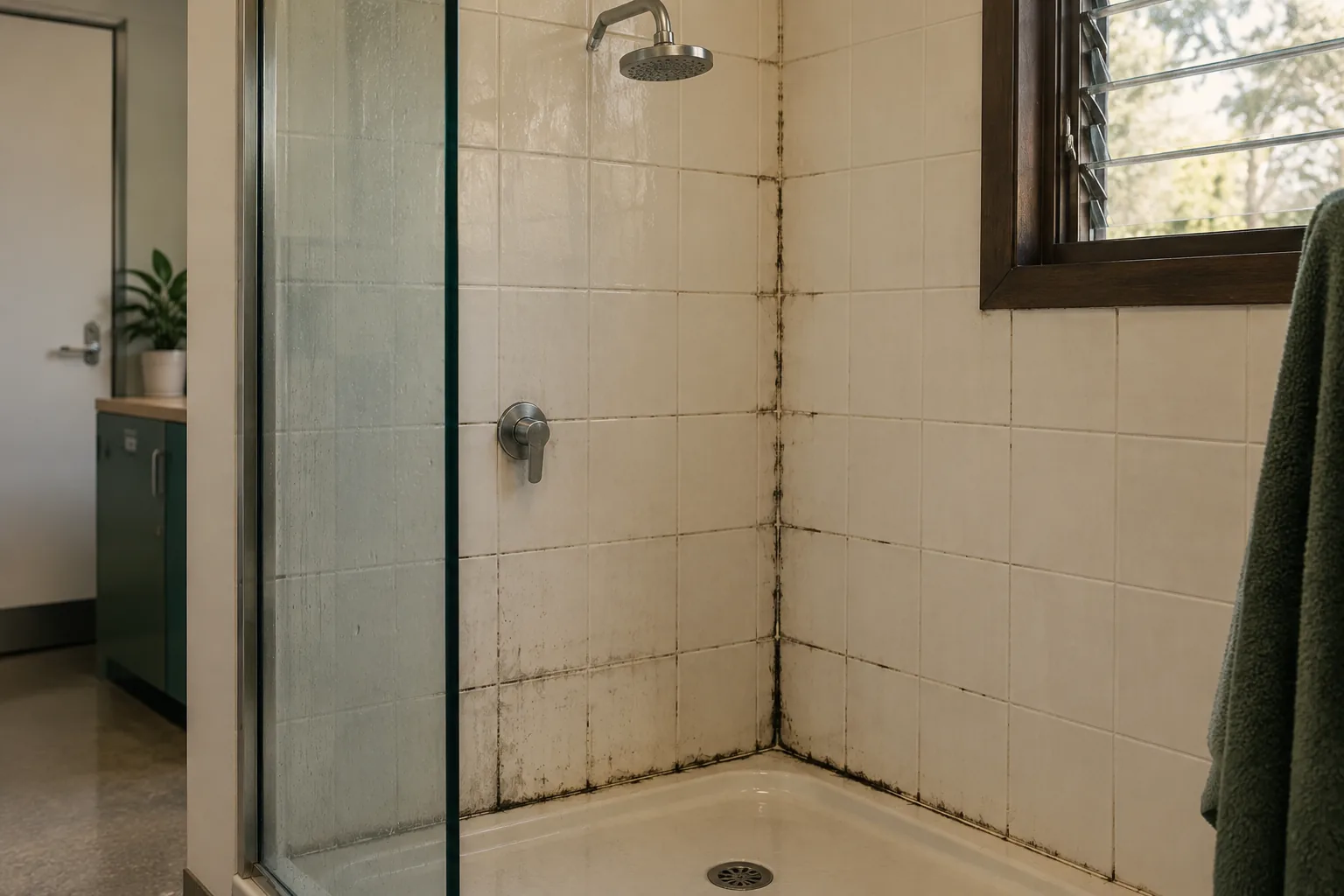
Bathroom wall or ceiling growth should be described alongside observed condensation; shower curtains and towels remain excluded.
Kitchens
Kitchen structural patches require their own account of nearby water use, access and fittings, without implying appliance treatment.
Accessible affected surfaces
An exposed structural floor beneath the window can be discussed separately. Rugs, carpet and curtains reaching the floor are not included textiles.
WHAT TO EXPECT
Prepare the opening and room access
Ask about clearing furnishings and fragile items before moving them. People and pets leave during treatment, with departure and return advice confirmed for the job. The source gives roughly three hours per room on average, varying with size, extent and access; window-side work has no fixed duration here.
Staining may remain after surface treatment, and repainting requires separate scope. The appointment does not certify the window watertight or concealed materials dry. Keep continuing dampness and excluded belongings on the follow-up list instead of treating improved appearance as a complete repair.
FOLLOW THE MOISTURE
Watch the conditions as well as the mark
Comparable observations help explain whether the same area is becoming damp again.
Note condensation timing and any renewed wetting beside the opening.
Arrange appropriate repair advice for observed water entry or a frame defect.
Maintain ventilation and avoid immediately hiding the treated patch behind furnishings.
Explain the window-side boundary when quoting
Check current pricing information and describe the structural surface, obstruction and separate frame concerns. The table is labelled Mould Removal; confirm how it applies to remediation. Curtain cleaning, window replacement and decorating are not established inclusions.
GLEN HUNTLY · EXACT ADDRESS & ACCESS
Enquiries near Glen Huntly
Provide the actual address and access arrangement for another nearby property. A similar window patch does not establish the same cause, scope or appointment availability; each enquiry needs its own discussion.
Carnegie · Caulfield · Ormond · Murrumbeena
Questions about remediation
Are the curtains treated with the adjacent wall?
No. Curtains are excluded textiles, so their condition needs a separate decision from treatment of the accessible structural surface.
Does condensation prove the window is faulty?
No. Condensation alone does not establish a frame defect or one moisture source; describe the observations and discuss appropriate checks.
Should I remove window trim before the visit?
Do not dismantle trim merely to expose more area. Explain what is visible and ask about suitable preparation and any separate repair work.
Will fog reach behind the frame?
Hidden-frame treatment is not promised. Agree the visible accessible boundary rather than using fog application as an assumption of concealed coverage.
Can furniture go back against the patch straight away?
Confirm completion and follow-up advice first. The layout should not prevent observation of renewed dampness or obstruct an outstanding repair.
What if the glass is clear but the wall remains damp?
Report the wall condition separately. Clear glass does not establish that structural materials are dry or that water-entry concerns are resolved.
Discuss the surface beside the opening
Call 03 8652 1296 with the visible patch, furnishings and wetting observations. Clarify treatment and the separate window or textile decisions.