
SURFACE TREATMENT · MOISTURE FOLLOW-THROUGH
Mould Remediation Lalor
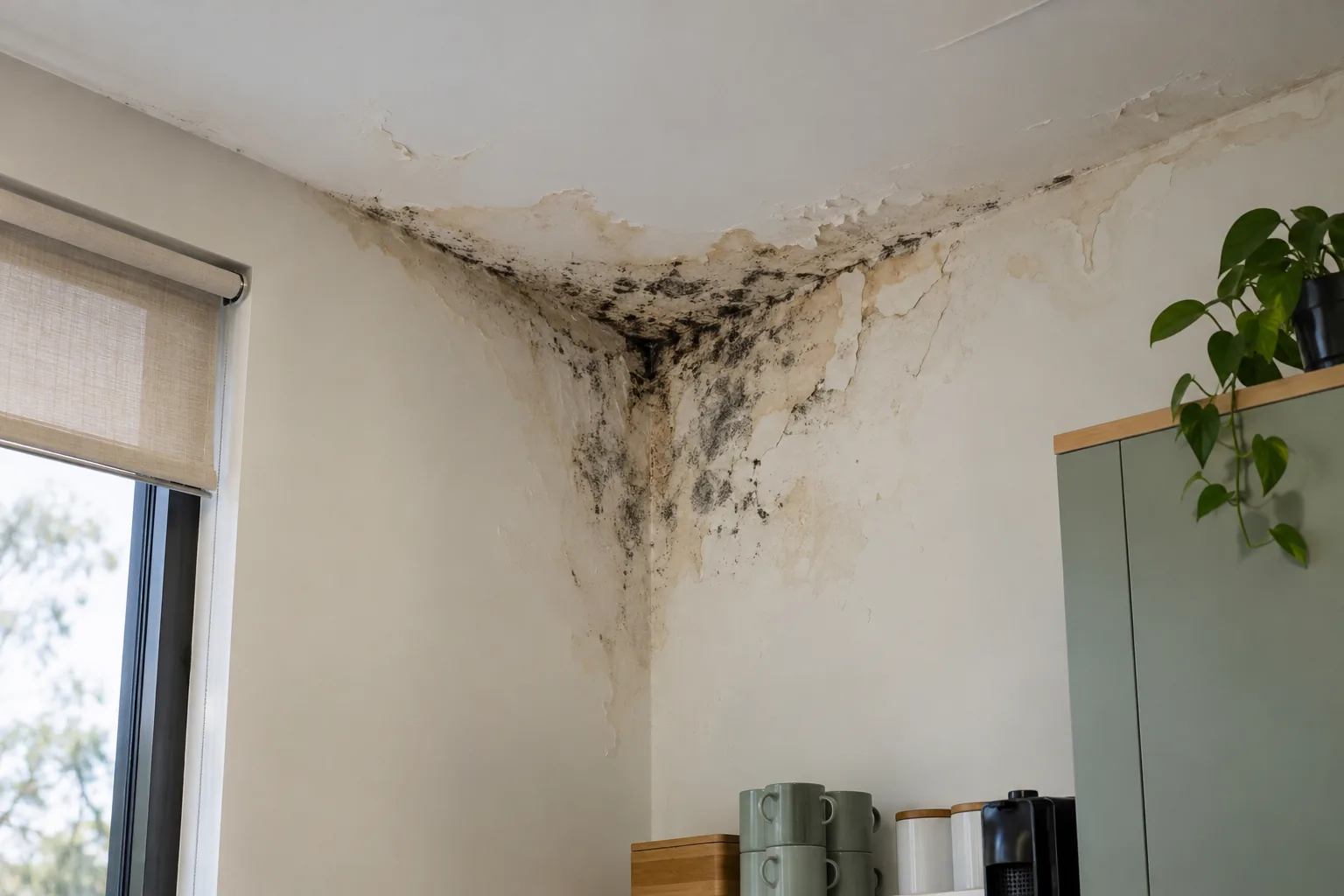
If growth runs along a ceiling-to-wall junction in a Lalor room, describe both exposed surfaces and their condition. A narrow line is not a view into the structure behind it. Agree overhead access and any material concerns before assuming treatment includes opening or repairing the junction.
Describe both adjoining surfaces
Keep concealed junctions outside assumptions
Plan separate source and finish repairs
TREATMENT & FOLLOW-THROUGH
UNDERSTANDING THE AFFECTED ROOM
The visible line and concealed joint are different areas
Explain whether paint is sound, peeling or marked, and whether a crack or wetting has been noticed. Do not widen a joint or scrape it to expose more material. Describe what is accessible now and leave concealed-condition questions for a separate discussion.
Remediation treats existing accessible structural contamination through assessment, filtration, treatment and removal. It does not automatically rebuild joints, open ceilings or repair plaster. Agree the wall and ceiling areas included rather than assuming a narrow patch makes every adjoining material available for treatment.
MOISTURE & CONTAMINATION
Timing can help describe a junction problem
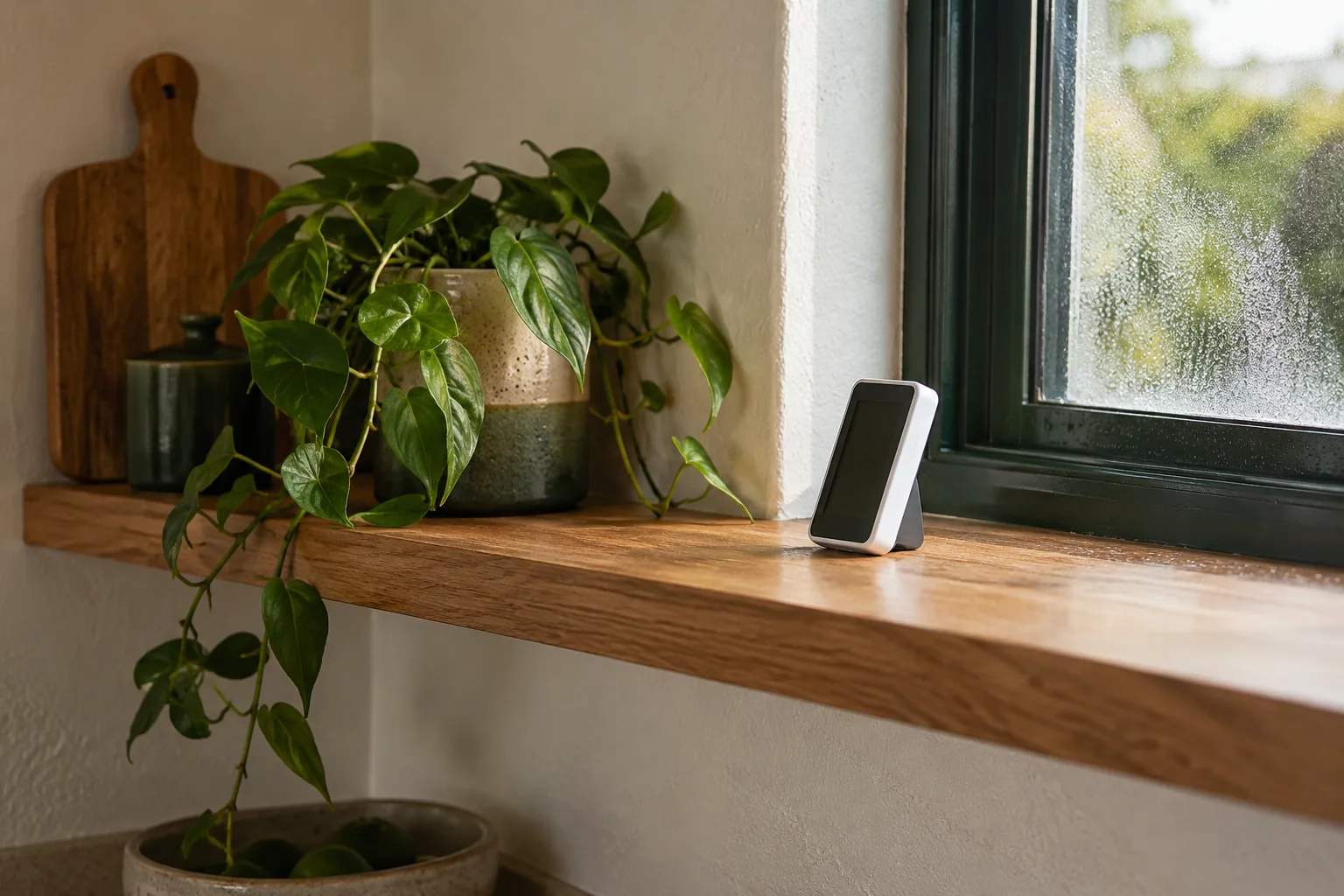
Note whether wetting follows rain, plumbing use or repeated condensation, without deciding the cause from the line’s position. The professional hygrometer assesses room-air relative humidity, not moisture within the joint or proof that the cavity above it is dry.
Discuss accessible inspection when the extent needs clarification. Leak and structural repairs are separate. Treating the visible surfaces cannot stop continued water entry, and recurrence remains possible if dampness persists behind or around the room.
A DEFINED TREATMENT SEQUENCE
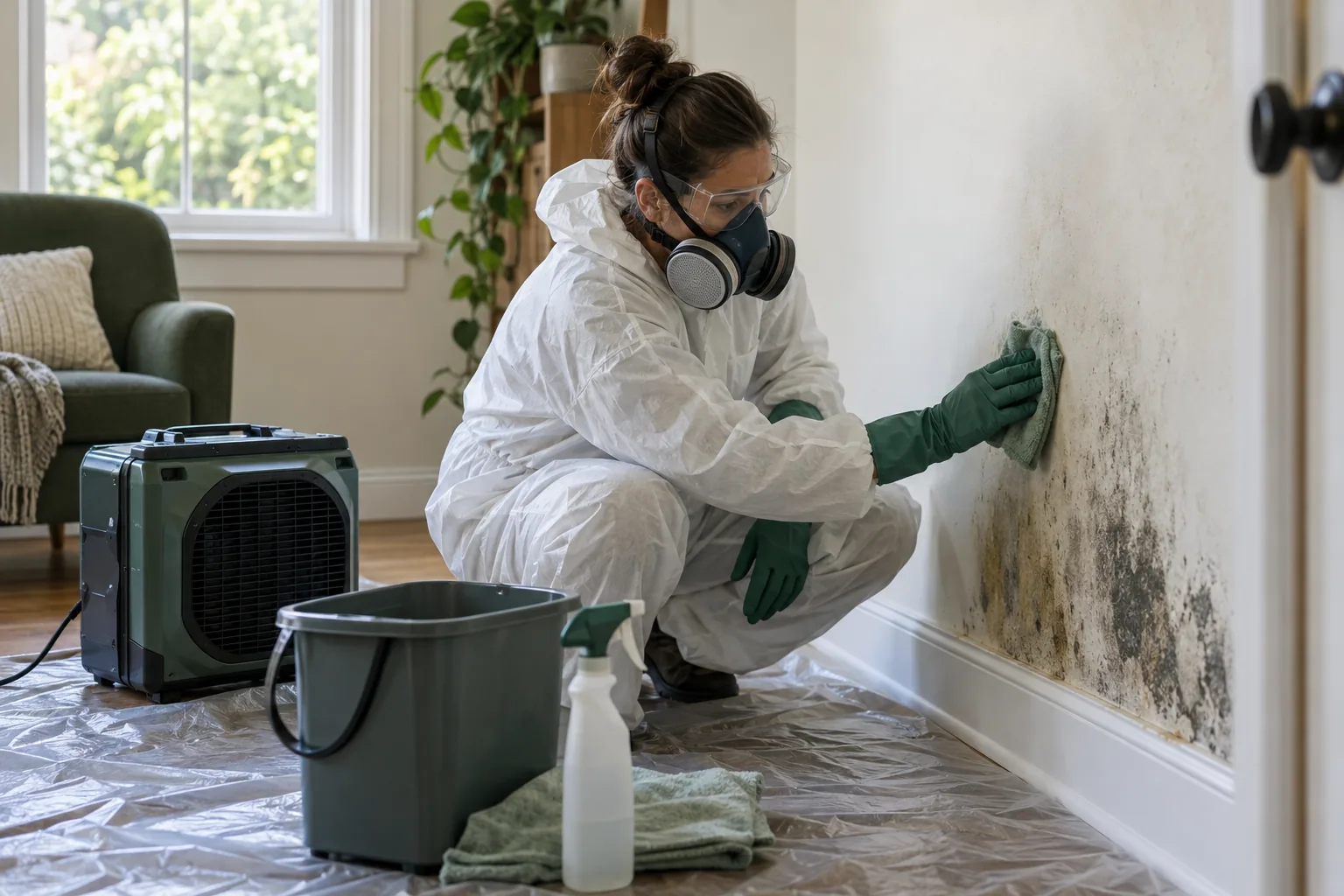
Treatment of the agreed wall and ceiling surfaces
1
Assess the exposed junction
Show both surfaces and explain finish damage or wetting. Agree access and boundaries, with concealed areas or repair needs identified separately.
2
Prepare HEPA air protection
A HEPA air scrubber is set up before treatment. Discuss overhead working space and equipment access; filtration is part of the process rather than a sterile-air promise.

3
Apply the suitable HOCl treatment
HOCl follows the assessed plan. ULV dry fog is used in most cases where appropriate, without promising treatment inside an unopened joint or ceiling cavity.
4
Remove visible contamination
Professional H-class filtered equipment is used for physical removal. Fragile finishes need discussion; rebuilding the junction and removing every stain are not assumed outcomes.
5
Complete air cleaning and review
HEPA continues during and after work. Confirm return instructions and remaining moisture or decorating questions before planning a new finish.
Describe adjoining surfaces individually
Walls
Identify the exposed wall finish beneath the junction. Fixed fittings can limit access beyond the visible patch.
Ceilings
Explain ceiling height and condition from a safe position. Treatment does not include repairs above the lining.
Bathrooms
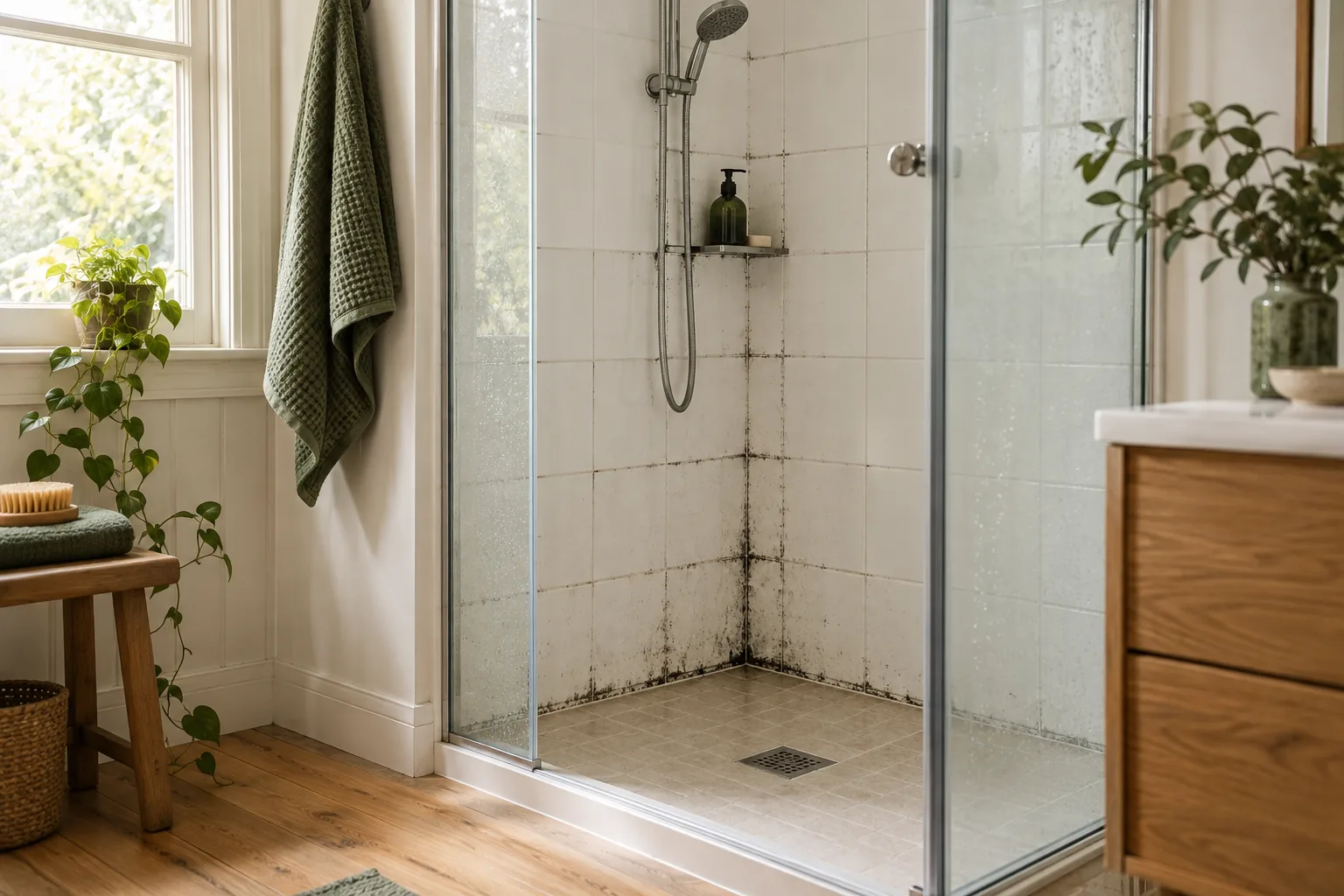
Show structural bathroom growth and extraction observations separately. Towels and other textiles are excluded.
Kitchens
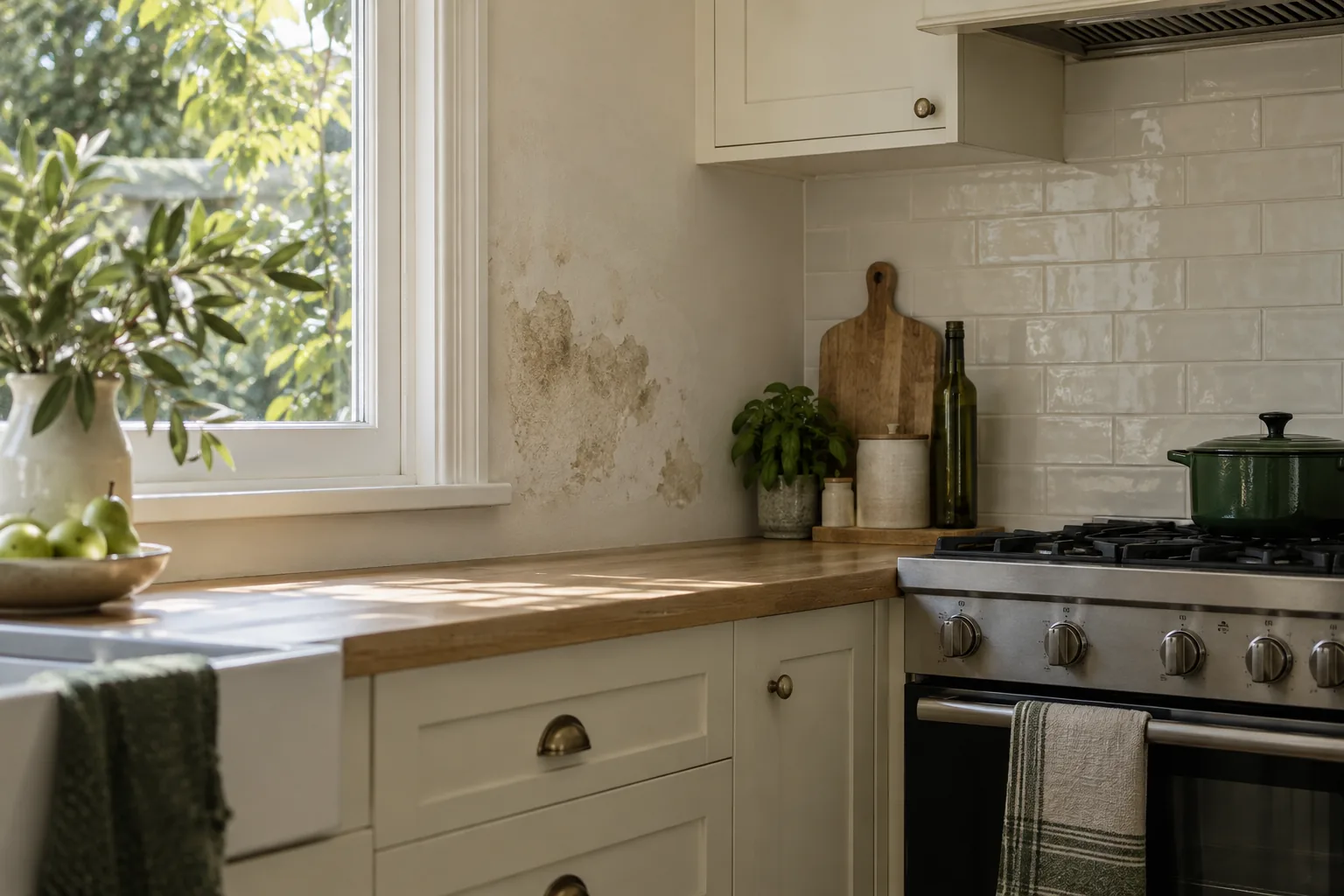
Mention exposed kitchen wall or ceiling marks and their own wetting history. Appliances and cabinetry are not automatically included.
Accessible affected surfaces
Mention any exposed floor growth independently of the ceiling junction. Carpet, furniture and hidden layers need their own scope decisions.
AFTER TREATMENT
Prepare the area below the junction
Discuss furniture clearance and fragile belongings before work. Ensure people and pets leave for the work, with the technician’s specific departure and return guidance followed. Average guidance is about three hours per room, varying with size, contamination and access. The service is not hourly based.
Cosmetic marks may remain, while decorating is separately quoted. Ask what was treated and what still needs repair or investigation. A refreshed junction cannot establish concealed dryness, and new wetting should be reported before the area is covered again.
KEEP MOISTURE IN VIEW
Follow renewed wetting at the junction
Keep the repair history and fresh observations together. The visual line alone is not a permanent explanation or prevention plan for the room.
Record fresh wetting and where it starts.
Use suitable extraction for steam-producing activities.
Arrange separate repairs where water entry continues.
Clarify both surfaces when discussing a quote
Describe extent, finish and overhead access when asking about pricing applicability. The published room table is labelled Mould Removal. Do not assume remediation includes plaster repair or decorating because the patch follows a joint.
LALOR · EXACT ADDRESS & ACCESS
Lalor and surrounding premises enquiries
Give your actual address and access information. Nearby service navigation cannot assess ceiling condition or confirm attendance for the proposed junction treatment.
Questions about remediation
Should I widen the crack to show the affected area?
Do not assume that is appropriate preparation. Describe the exposed condition and discuss any further access or investigation separately.
Does a line of growth prove the joint is leaking?
No. Position is useful context, not a diagnosis. Share wetting timing and known repairs without deciding the source from the line alone.
Are both the wall and ceiling automatically included?
Only the agreed surfaces are included. Describe each side of the junction so the accessible scope is clear before booking.
Will treatment rebuild a cracked junction?
Repair is separate from standard remediation. Mention damage early so plaster or structural concerns can be planned alongside the contamination work.
Can dry fog guarantee treatment above the ceiling?
No hidden-cavity coverage is promised. Standard scope remains visible and accessible; concealed concerns need separate investigation.
Should a decorator cover the line immediately afterwards?
Discuss the finish and remaining moisture issue first. No universal decorating interval is supplied, and cosmetic marks or separate repairs may remain.
Discuss the Lalor wall-ceiling junction
Call 03 8652 1296 with the exposed surfaces, height and wetting history. Agree treatment access and separate repair questions.