
VISIBLE SURFACES · THOUGHTFUL RESTORATION
Mould Remediation Monbulk
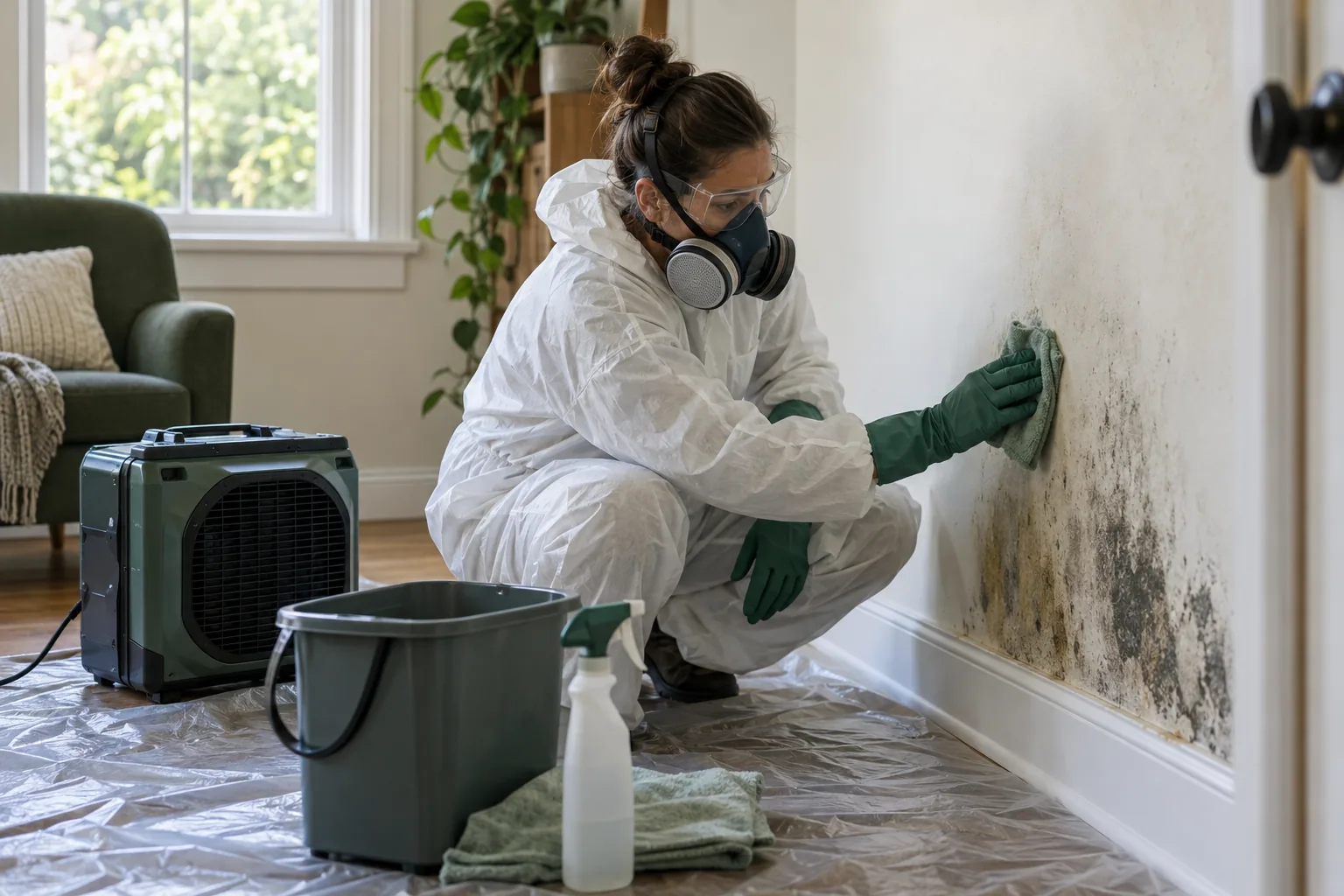
A ceiling access hatch can make roof-space work seem like a natural extension of treating a nearby mark. For Monbulk, describe the exposed interior surface first. Agree the structural treatment boundary without assuming hatch opening, insulation work or entry above the lining is included.
ASSESS · FILTER · RESTORE
Interior marks located
Roof-space limits distinguished
Separate access tasks discussed
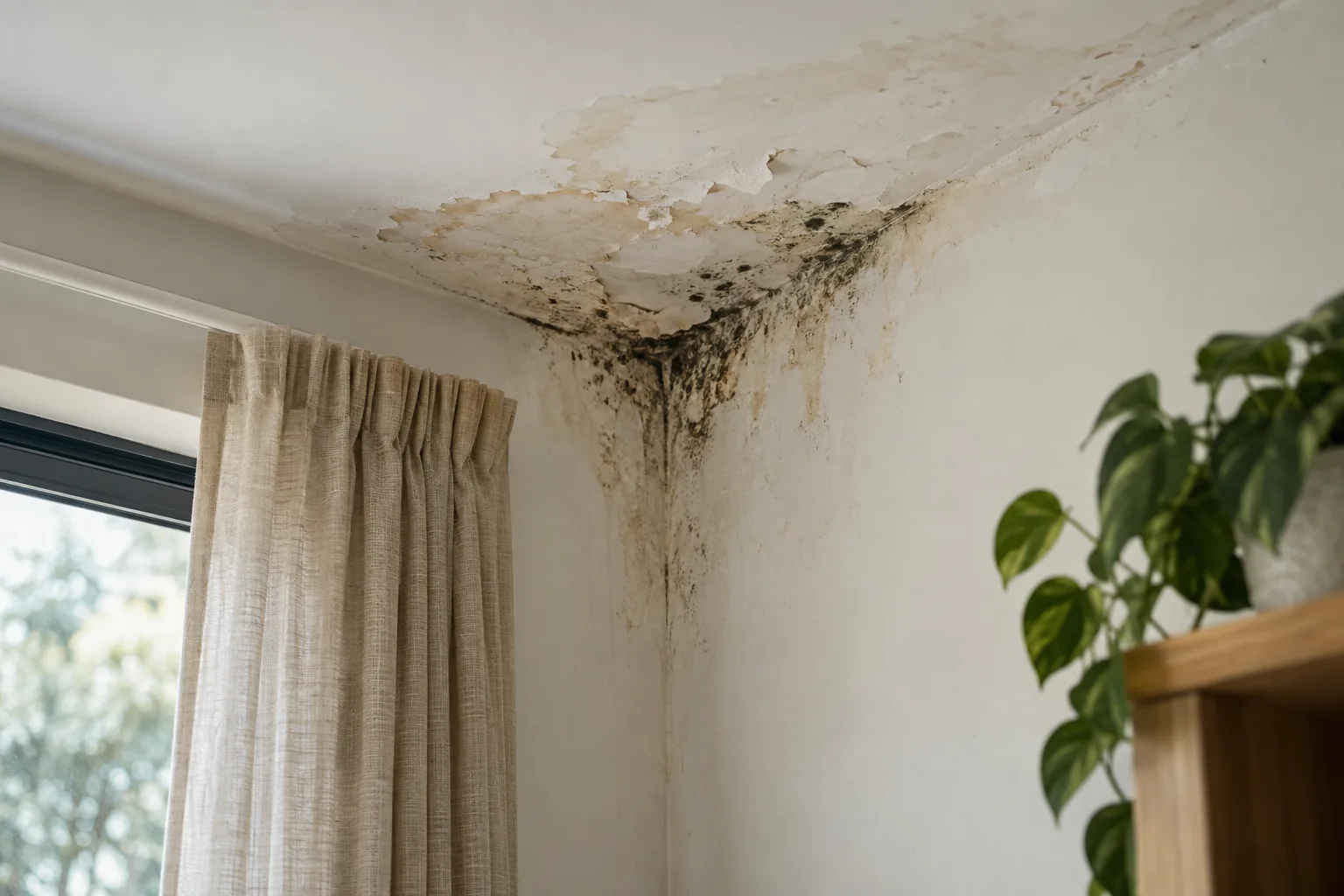
Describe what is visible from the room
Explain the patch’s position relative to the hatch and any obstruction below it. Mention whether the hatch has already been opened by another provider, without claiming that establishes this appointment’s scope. Do not climb into a roof space merely to strengthen a surface-treatment enquiry.
The confirmed remediation work concerns visible accessible structural contamination. Concealed-cavity investigation, insulation treatment and roof-space entry are not standard promises. Agree the reachable wall or ceiling finish separately from any other provider’s access or repair task.
Keep source history separate from the hatch
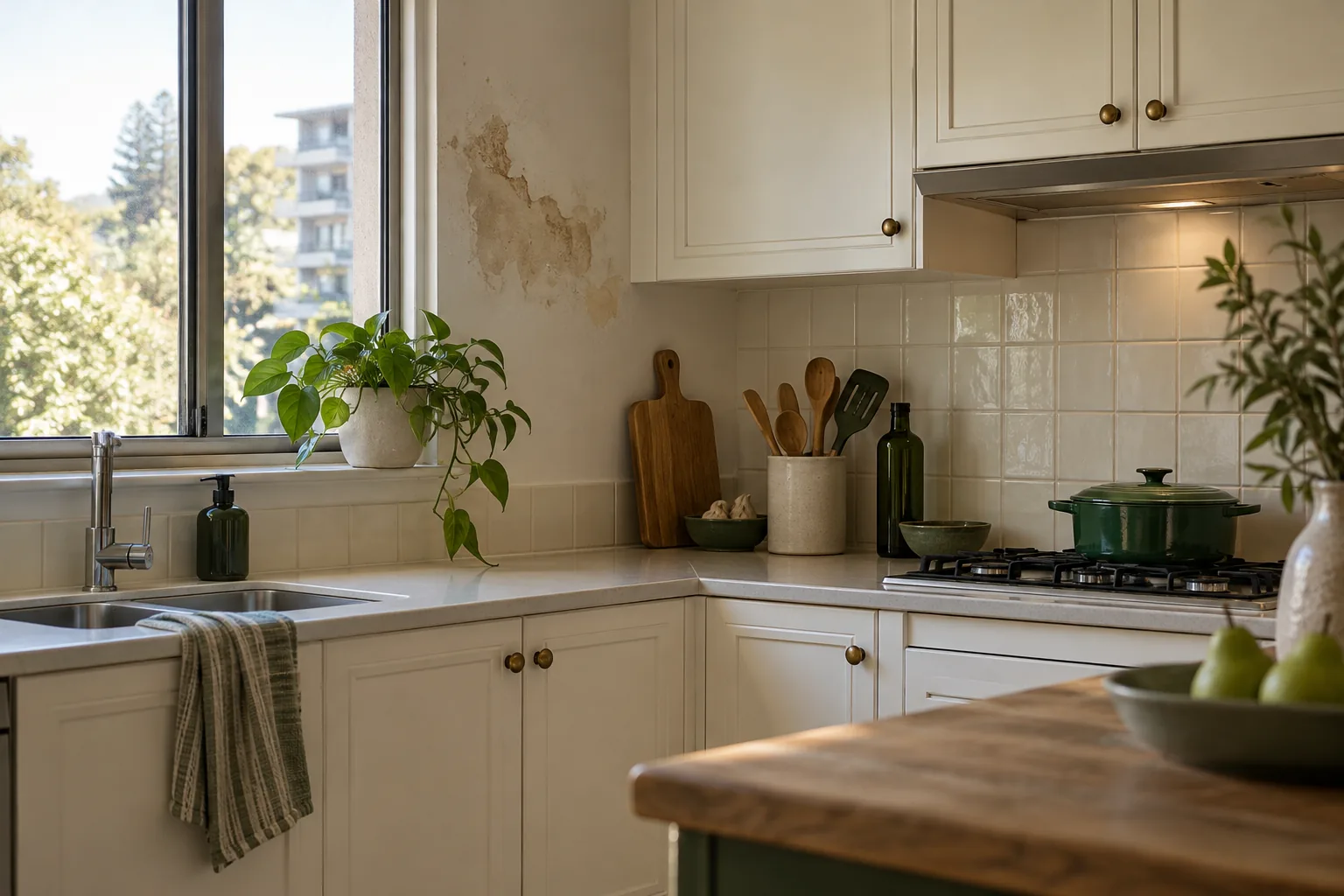
Describe leaks, condensation or wetting where observed and identify reliable repair findings if available. A hatch’s proximity does not prove a source or reveal the condition of insulation above it. Plumbing and building faults require separate appropriate repair advice.
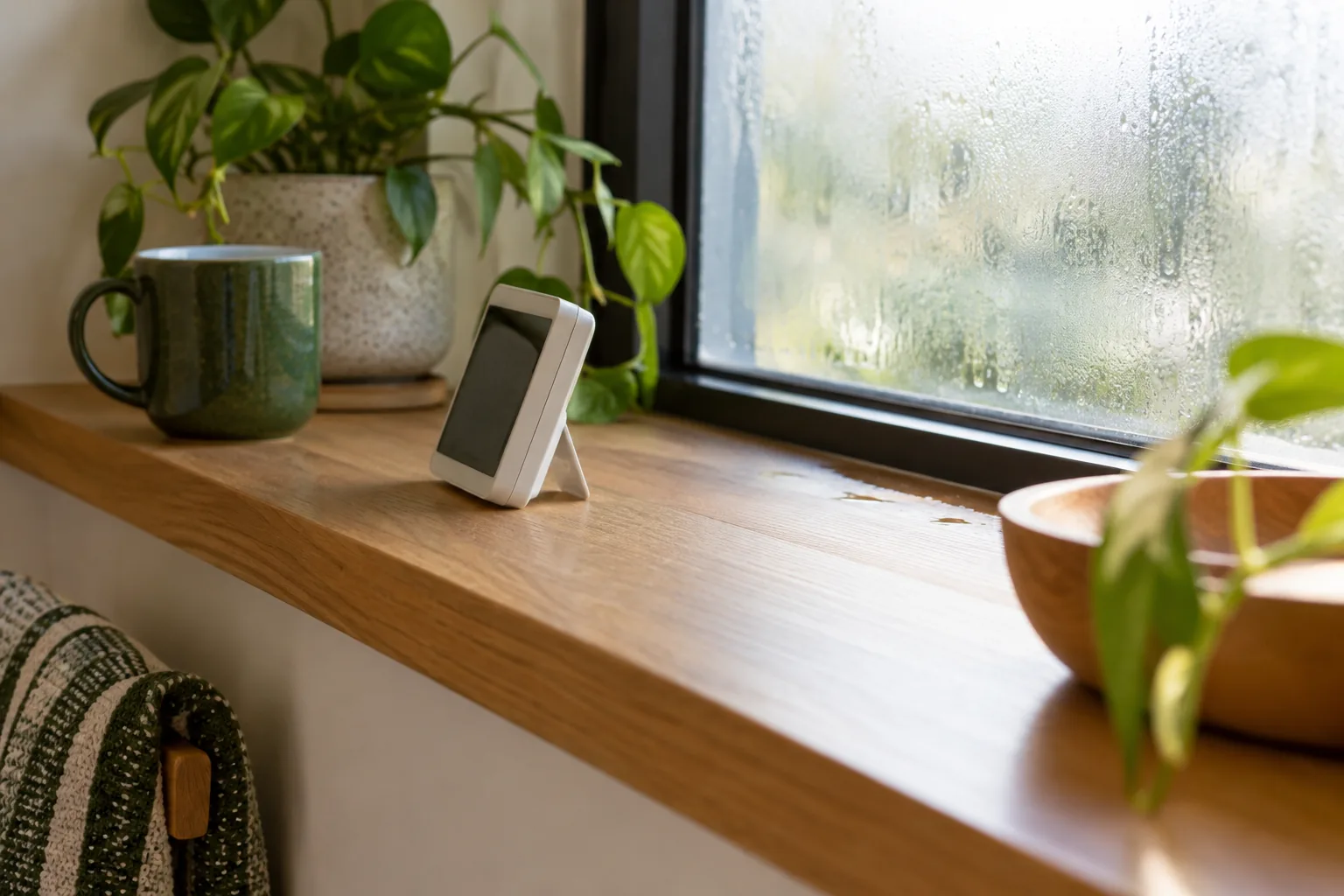
The professional hygrometer measures relative humidity in room air rather than moisture in ceiling board or hidden insulation. If the source remains uncertain, discuss assessment requirements. No particular material scanner, cavity opening or concealed-dryness certificate is confirmed.
PLAN · FILTER · TREAT · REMOVE · CONTINUE
Treatment of the included interior finish
1
Assess the visible ceiling scope
Review growth, finish and working access from the room. Distinguish the proposed structural surface from any roof-space concern before assuming the hatch creates an inclusion.
2
Establish filtration before application
The confirmed HEPA scrubber is set up before treatment. Equipment placement and clearance need planning for the interior work, separate from an unagreed hatch-entry arrangement.

3
Apply suitable treatment
HOCl is used within assessed scope, with suitable ULV dry fog in most cases. Fog does not guarantee contamination removal through the hatch or inside concealed layers.
4
Physically remove accessible growth
Professional H-class filtered equipment removes visible contamination on the included surface. Insulation handling, roof repairs and lining replacement remain separate tasks.
5
Continue air cleaning afterwards
HEPA operates during and after the process. Obtain return advice and discuss residual marks or source questions without treating completion as clearance of the roof space.
Use an interior structural surface list
Walls
For walls, identify separate exposed growth below or beside the ceiling area without assuming a hidden connection.
Ceilings
For ceilings, describe the actual finish and patch boundary, keeping the hatch and concealed space distinct.
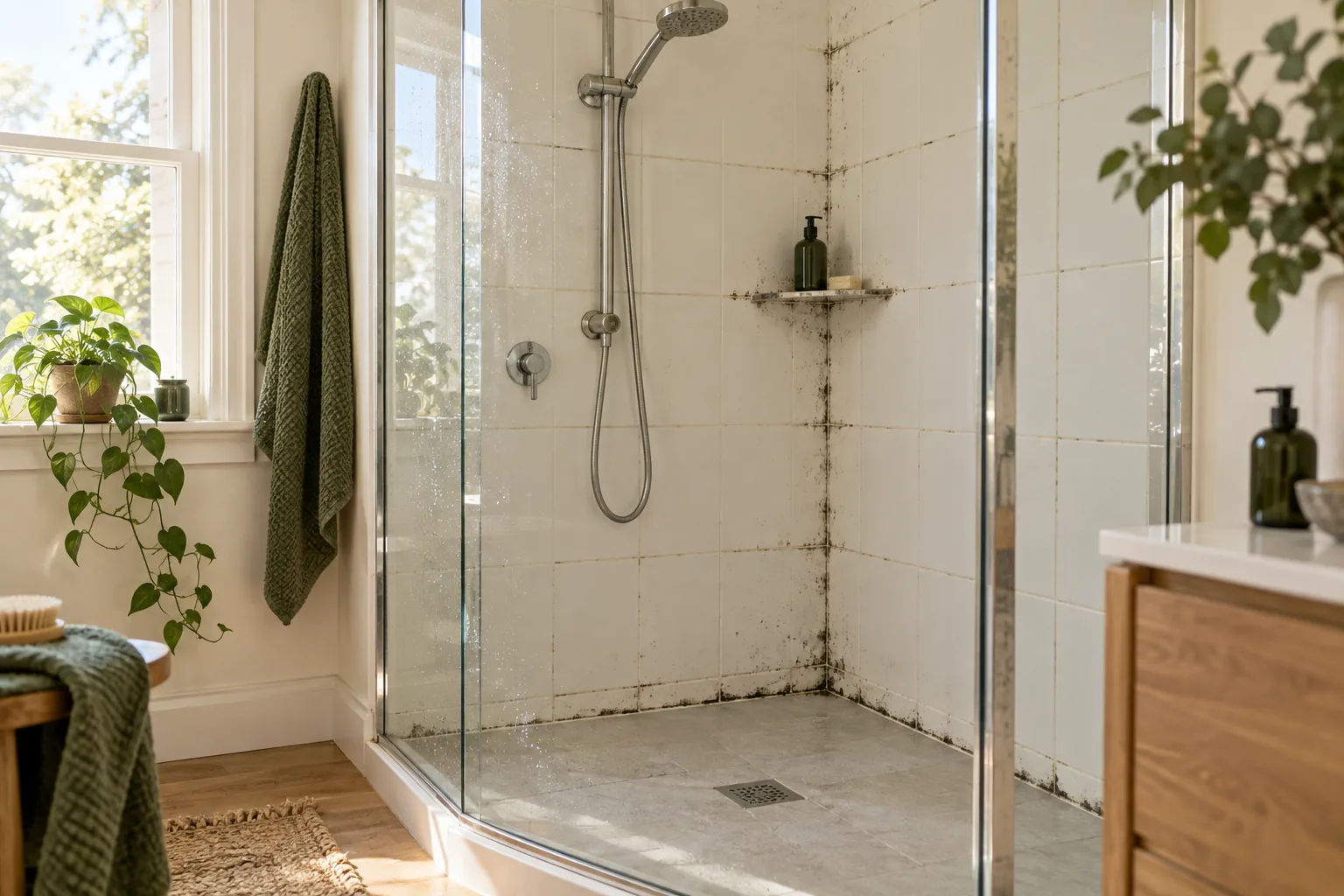
Bathrooms
Bathroom structural treatment needs its own scope, with extraction repairs, towels and mats separately considered.
Kitchens
Kitchen wall or ceiling areas should be distinguished from cabinetry, appliances and plumbing tasks.
Accessible affected surfaces
An exposed structural floor may be discussed, while carpet, rugs and insulation or other concealed material are not assumed inclusions.
WHAT TO EXPECT
Prepare without making unagreed roof-space access
Discuss room clearance, fragile fittings and any separate trade programme before attendance. People and pets leave during treatment and receive specific departure and return advice. Average guidance is around three hours per room, varying with size, extent and accessibility rather than a combined surface-and-roof-space timetable.
Cosmetic stains may remain and decorating is separately scoped. Standard treatment does not certify hidden materials dry or prevent recurrence under persistent dampness. Ask what surfaces were included so a later repairer does not rely on an overstated claim about the whole ceiling assembly.
FOLLOW THE MOISTURE
Keep later observations on their actual surface
Monitoring should not require entering concealed construction by assumption.
Describe fresh wetting or growth from a safe accessible position.
Arrange appropriate repair advice for continuing water entry.
Maintain ventilation and keep outstanding roof-space questions distinct from the completed interior treatment.
Do not infer a roof-space package from room examples
Use published price information with the exposed ceiling and access below it. The Mould Removal figures do not confirm a separate remediation-and-insulation tariff. Ask how they apply without assuming hatch entry, concealed treatment or structural repair is included.
MONBULK · EXACT ADDRESS & ACCESS
Other Monbulk-area enquiries
For a nearby property, provide its own exposed surfaces, authority and actual access arrangement. Similar ceiling features do not establish identical conditions or a combined appointment; availability requires confirmation for each address.
The Patch · Kallista · Sherbrooke · Olinda
Questions about remediation
Does a hatch make roof-space treatment standard?
No. Agree the exposed structural surfaces and discuss concealed or roof-space work separately rather than assuming entry is included.
Should I climb above the ceiling before calling?
No roof-space entry is required merely for the enquiry. Describe visible interior growth and known history safely.
Will insulation be treated with the ceiling patch?
No insulation-treatment inclusion is confirmed. Keep the concealed-material concern separate from the accessible interior surface.
Can fogging through the hatch provide clearance?
No concealed clearance is promised. Appropriate application does not certify the roof space or hidden layers unaffected.
Does room humidity measure the ceiling board?
No. Air relative humidity is not material moisture within the lining or insulation.
What if another provider opens the assembly later?
Report newly exposed information and seek a scope decision. Do not extend the earlier interior treatment boundary retrospectively.
Define the interior surface before assuming hatch work
Call 03 8652 1296 with the visible ceiling mark and repair history. Agree structural treatment and separate concealed-access questions.