
VISIBLE SURFACES · AGREED TREATMENT
Mould Remediation Southbank
If a Southbank room is in daily use, arranging treatment means planning for the people using it as well as the affected wall. Discuss visible contamination, pets, access and a suitable place to stay during the work.
Plan occupant arrangements early
Keep textiles outside the treatment scope
Confirm practical return instructions
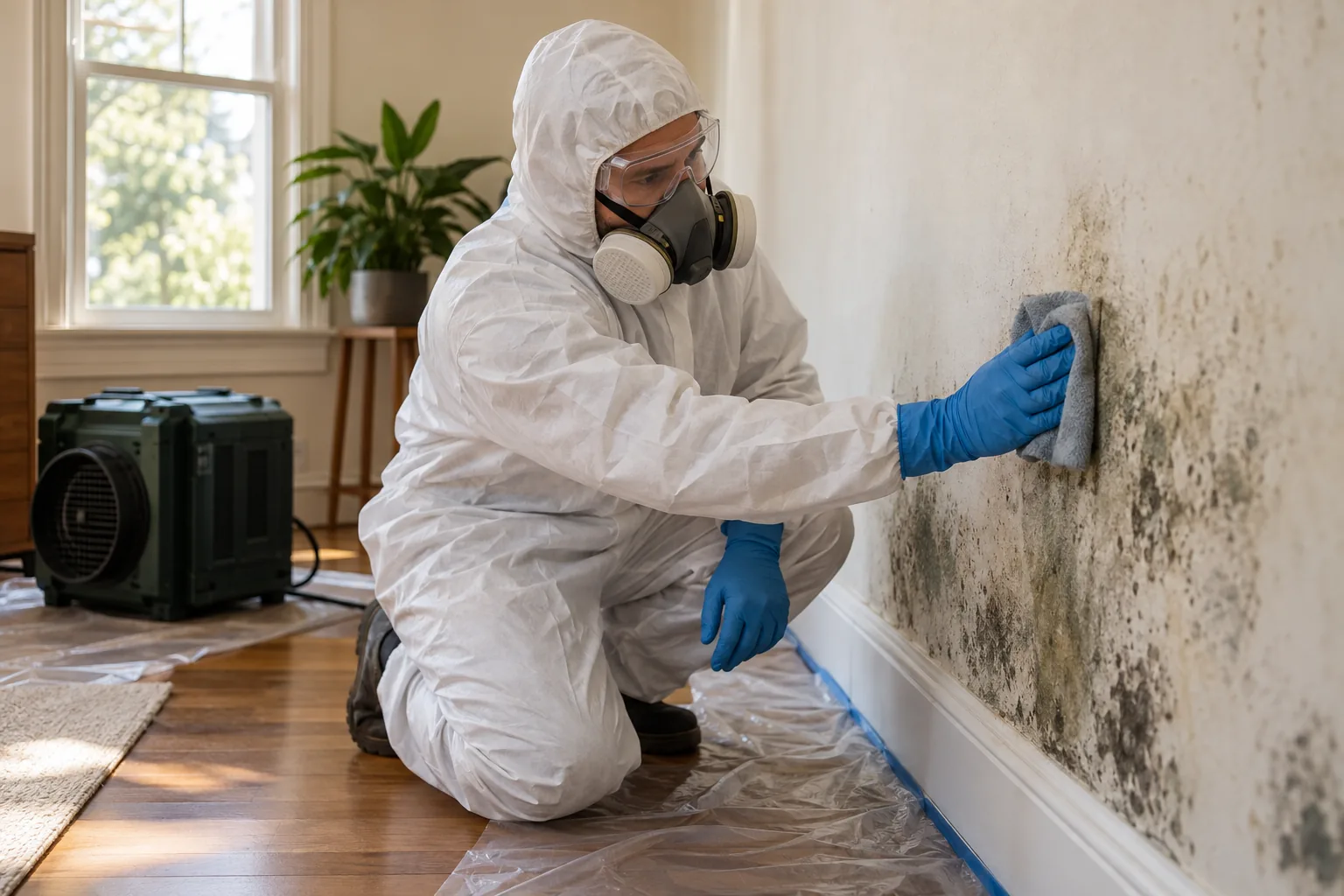

TREATMENT · FILTRATION · FOLLOW-THROUGH
A TREATMENT PLAN WITH CLEAR LIMITS
A room booking needs an occupancy plan
Describe the room and how adjoining spaces are used. Everyone and their pets leave the property during treatment. Discuss this before arranging work or accommodation; staying in a different room is not the stated preparation.
The remediation service addresses visible accessible structural contamination through assessment, treatment and removal. It does not clean bedding, curtains, mattresses or sofas. If those items are also affected, recognise their separate needs instead of expecting a room booking to cover everything within it.
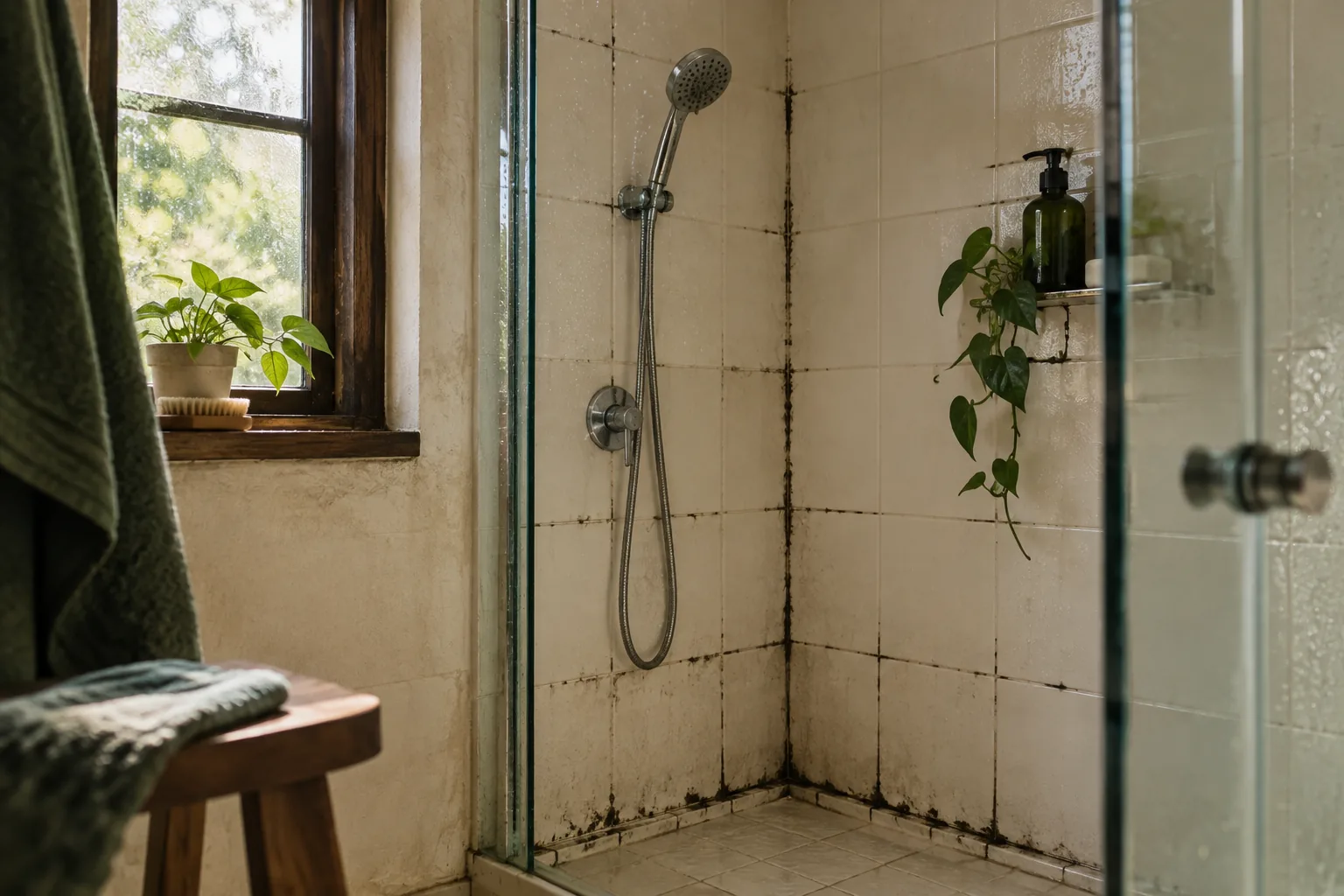
MOISTURE COMES FIRST
Record the conditions that keep returning
Describe condensation, recurring dampness or a known leak without treating them as interchangeable causes. Note where water appears and how often. A professional hygrometer assists with room-air relative humidity; it does not measure dryness inside a mattress or prove that concealed plaster is sound.
A separate inspection enquiry may help when the accessible symptoms need clarification. Leaks and structural faults require their own repair arrangements. Remediation treats existing growth, but continued wetting can undermine the result even if the room initially looks better.
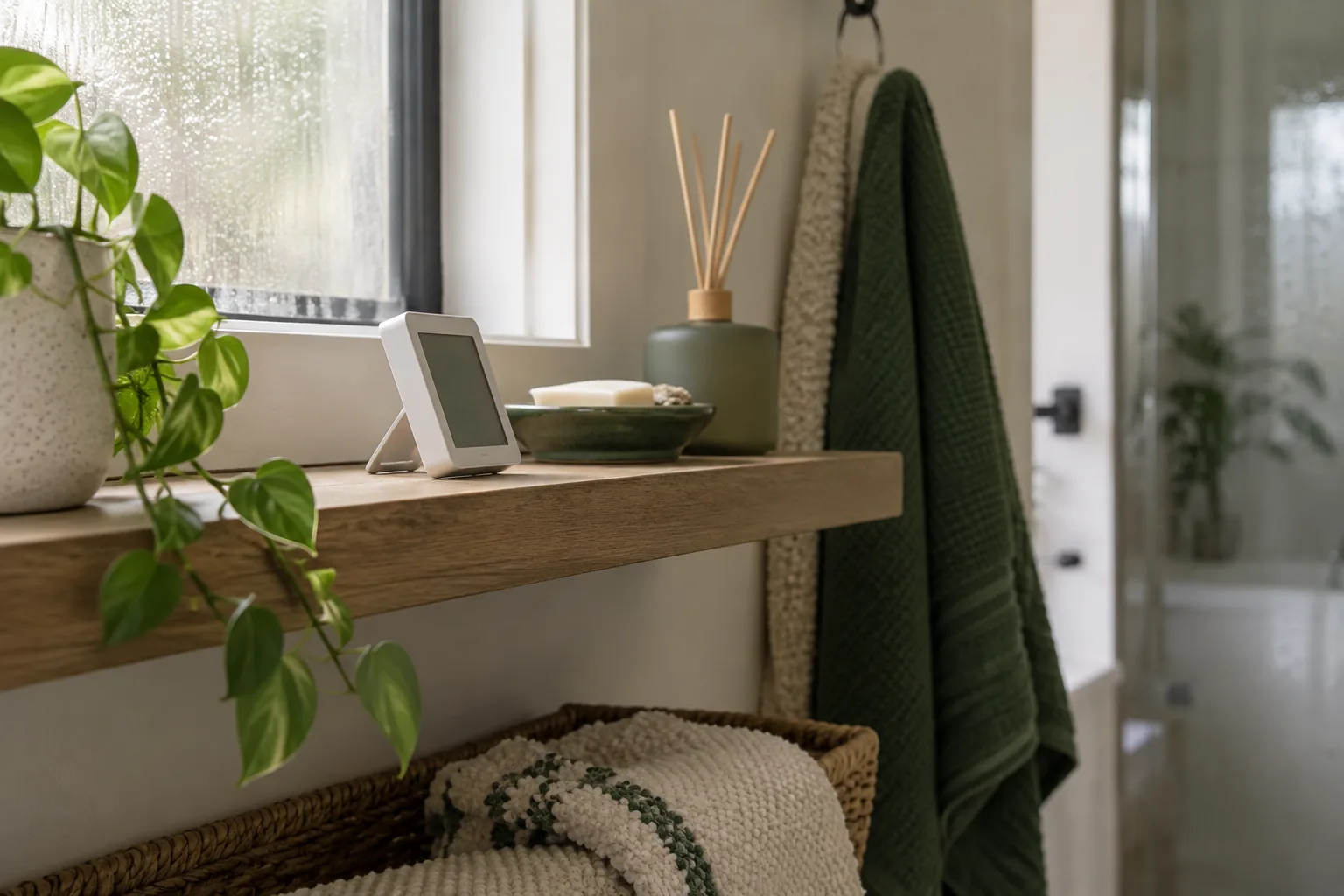
FROM PREPARATION TO FOLLOW-THROUGH
Treatment after the preparation is agreed
1
Check the exposed areas
Show the technician visible patches and explain room use. Agree which accessible walls, ceilings and floors need treatment, with furniture and textiles identified as separate items.
2
Prepare filtered air protection
A HEPA air scrubber is set up before treatment. Agree a clear work area for equipment; air filtration supports the process without replacing departure instructions for people and pets.
3
Use the suitable HOCl application
HOCl is applied according to the treatment plan. ULV dry fog forms part of most cases where appropriate, rather than being guaranteed for every finish or concealed area.
4
Remove visible mould physically
Professional H-class filtered equipment is used for removal. Discuss belongings near the exposed surface, rather than assuming heavy furniture movement or textile cleaning belongs to this step.
5
Finish air cleaning and handover
The HEPA scrubber continues during and after work. Obtain instructions for return and ventilation, and discuss any remaining marks or separate moisture action before resuming normal use.
Treat the building surfaces, identify other needs
Walls
Explain whether furniture blocks the affected wall. Agree any clearance before treatment without dragging a contaminated item through the room.
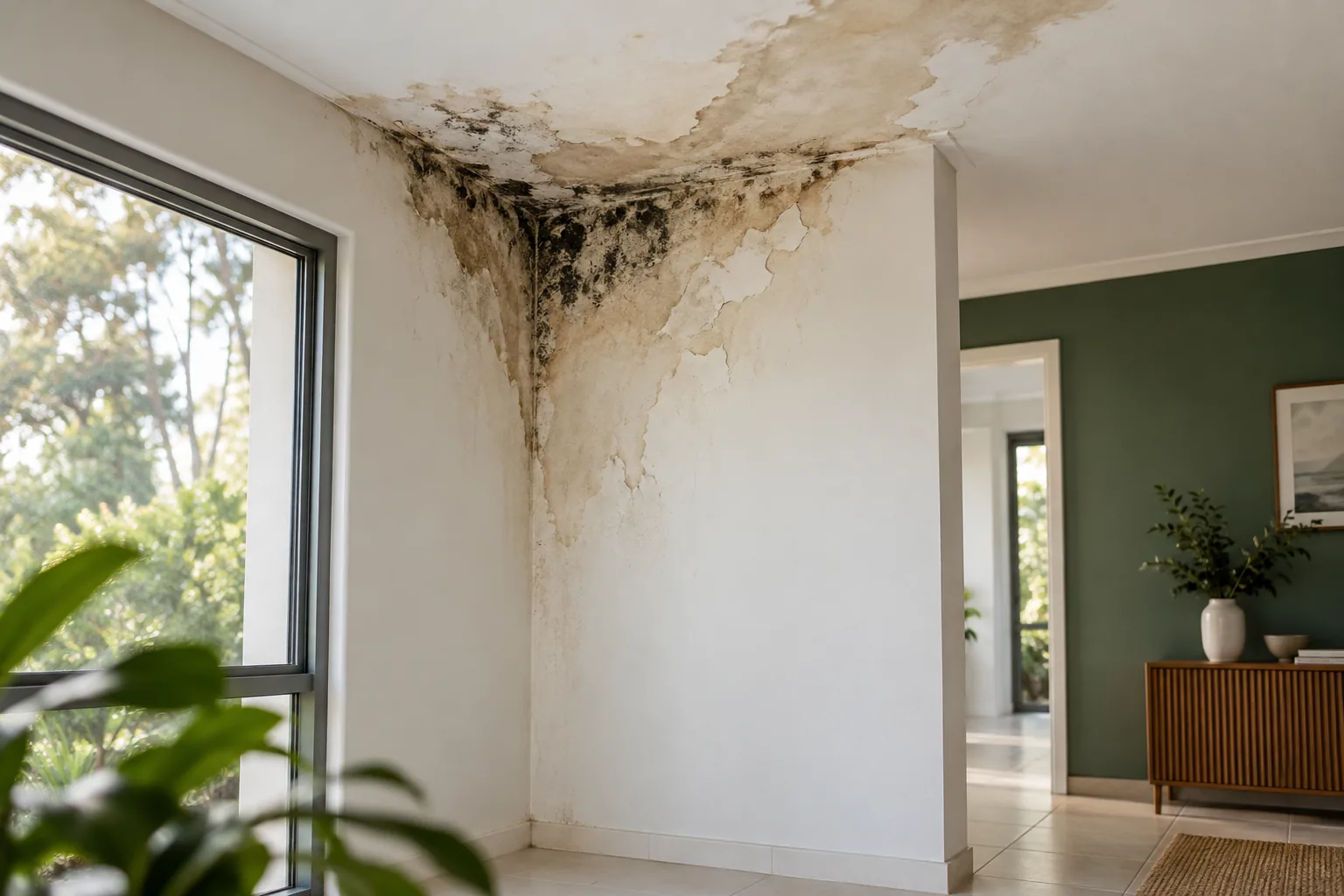
Ceilings
Point out ceiling growth separately from old water marks. Overhead access and a possible leak require discussion before work.
Bathrooms
Show affected walls and ceilings, and describe extractor performance. Towels and bathmats are not part of structural remediation.
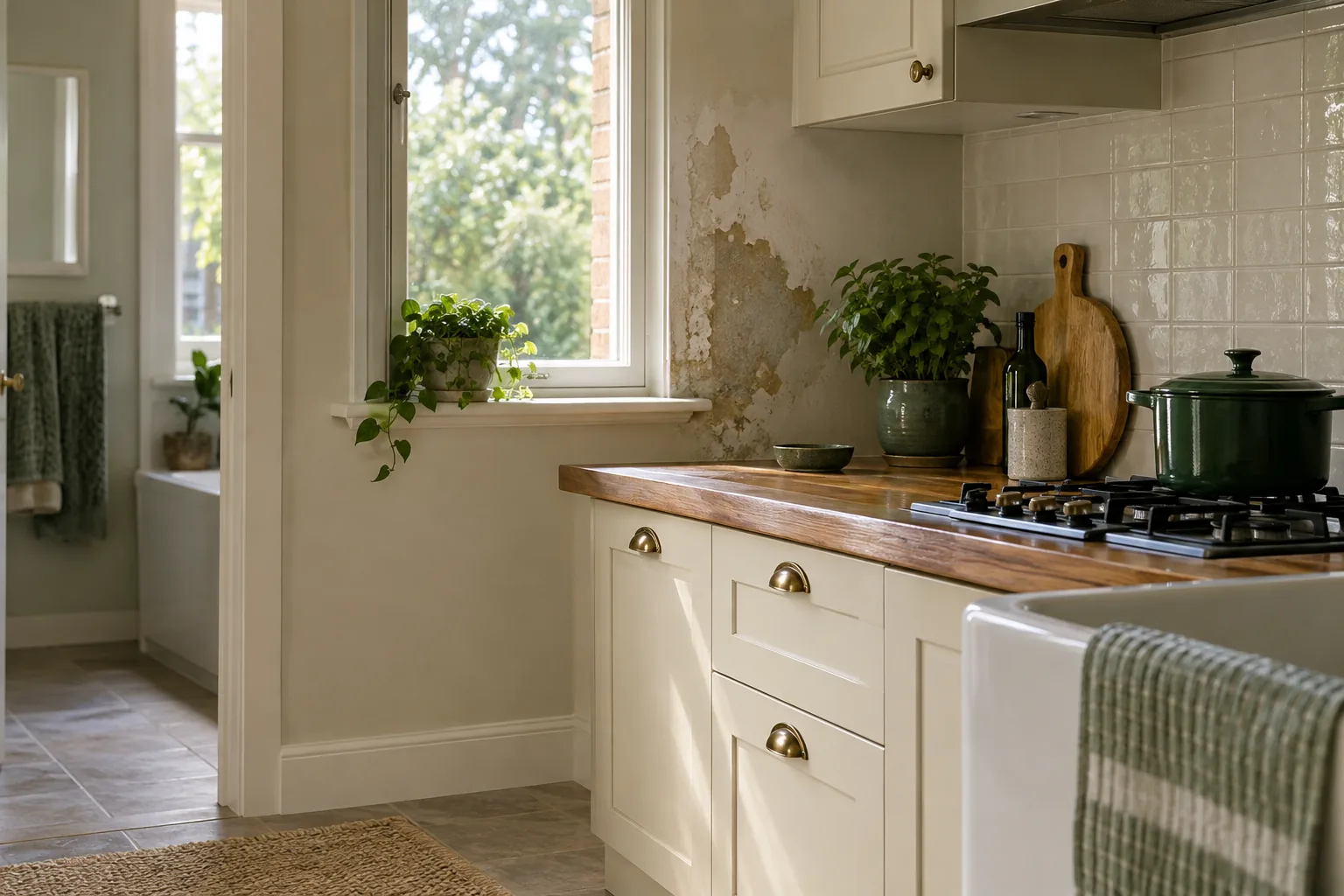
Kitchens
Identify exposed wall growth near steam or plumbing. Mention fixed cupboards so accessible surfaces are distinguished from concealed ones.
Accessible affected surfaces
A visible floor is considered within its finish and access limits. Carpet, upholstery and mattresses remain excluded even in the same room.
PREPARE FOR THE ACTUAL JOB
Practical arrangements before the appointment
Ask what belongings need moving and how fragile items should be protected. Confirm who will leave with the pets and how entry will be coordinated. Source guidance averages around three hours per room, depending on size, contamination and access; it is not a fixed return interval or hourly price.
Cosmetic discolouration may remain; decorating is separately quoted. Surface work does not treat concealed insulation. Record renewed dampness and revisit its source rather than assuming appearance proves the whole moisture problem is resolved.
AFTER THE TREATMENT
Return to a workable moisture routine
After following the technician’s return instructions, maintain ventilation suited to everyday room use and act on renewed wetting.
Use extraction during moisture-producing activities.
Keep a note of repeated condensation and fresh patches.
Organise separate leak repairs with the responsible person.
Cost depends on the agreed treatment enquiry
Describe affected structural surfaces and any access constraints. Check the pricing information and confirm its application to remediation: the listed room table is labelled Mould Removal. Excluded belongings and decorating should not be silently folded into those examples.
SOUTHBANK · EXACT ADDRESS & ACCESS
Access matters as much as proximity
Give the Southbank address and management requirements. Nearby geography does not confirm attendance, entry permission or treatment scope.
Melbourne CBD · Batman’s Hill · Yarra’s Edge · Victoria Harbour
Questions about remediation
Can my pet stay in an untreated bedroom?
The preparation guidance says people and pets leave the property during treatment. Arrange a suitable place for them and confirm the job-specific return instructions.
Should I move my sofa before the technician arrives?
Agree the clearance first. Explain whether the sofa is obstructing the wall and whether it is itself affected; upholstery is excluded from structural treatment.
Is my mattress included because the bedroom is being treated?
No. Mattresses are specifically excluded. Raise any suspected contamination separately so its needs are not confused with treatment of walls, ceilings or floors.
Can I schedule a meeting at home immediately afterwards?
Do not assume a return time. Confirm departure and return instructions for the actual job before making commitments that depend on using the property.
Will treatment include cleaning the curtains?
No; curtains and other textiles are outside scope. Mention affected items and discuss them separately from the accessible structural surfaces.
Does the average duration tell me when to open the windows?
No. Average working time is not a ventilation or re-entry instruction. Follow the technician’s specific advice for your treatment and return arrangements.
Plan Southbank treatment around real room use
Call 03 8652 1296 to discuss the affected surfaces, occupants and pets. Settle the preparation questions before arranging the appointment.