
SURFACE TREATMENT · MOISTURE FOLLOW-THROUGH
Mould Remediation Wattle Glen
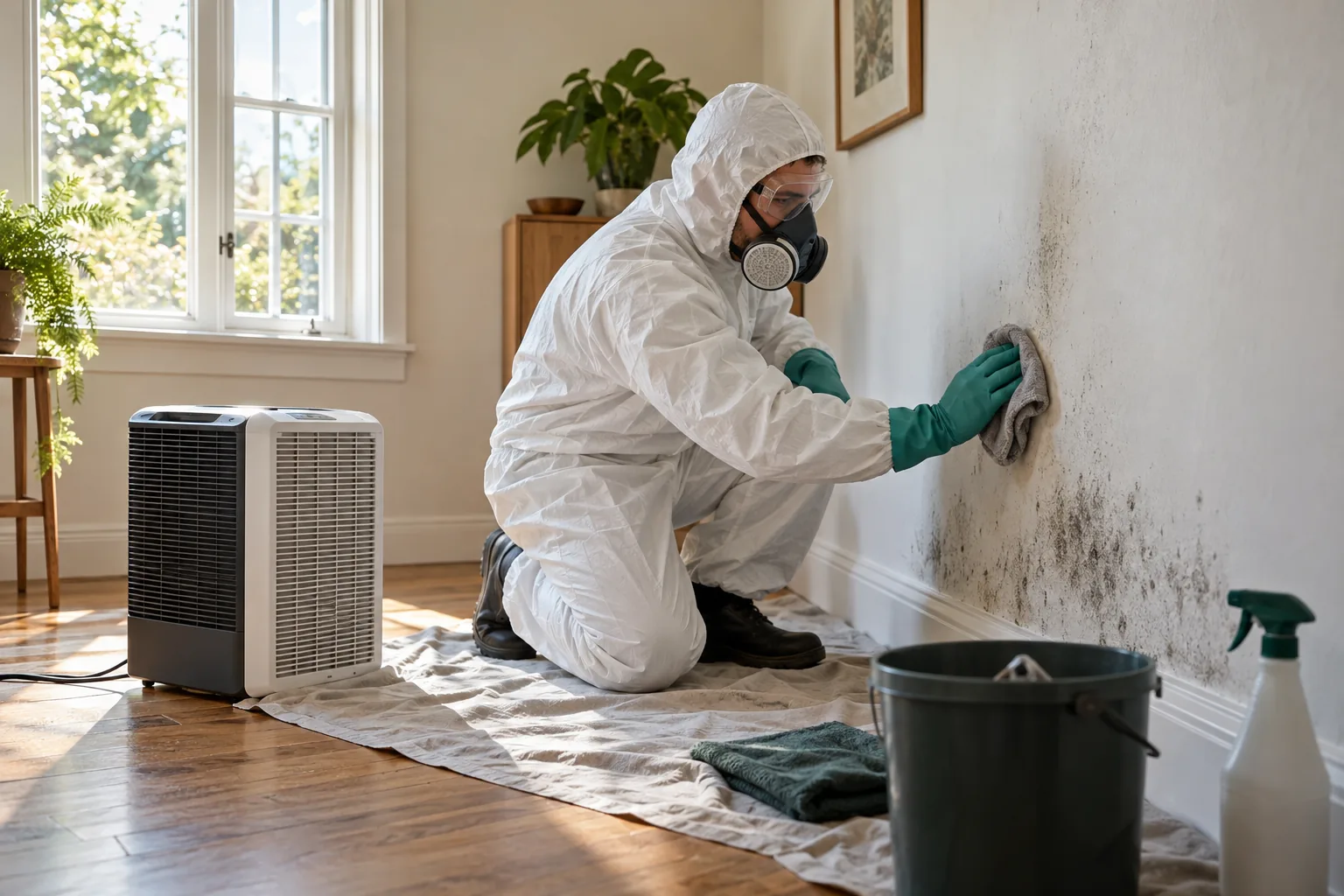
If a Wattle Glen room has growth on more than one material, describe each finish before expecting the same cosmetic outcome. A painted wall and an exposed floor can raise different access and condition questions. The treatment plan should follow the actual materials rather than a general statement that the room needs cleaning.
Identify materials surface by surface
Agree suitability before application
Separate contamination from finish restoration
TREATMENT & FOLLOW-THROUGH
UNDERSTANDING THE AFFECTED ROOM
Unknown materials should stay acknowledged in the enquiry
Explain what you know about the wall, ceiling or floor, including coatings and earlier repairs. If the material is uncertain, say so rather than guessing. Mention lifting, peeling or fragile areas without disturbing them to demonstrate the condition; their suitability needs assessment.
Our remediation service addresses existing accessible structural contamination through assessment, filtration, treatment and removal. It does not guarantee identical results across every material or restore all finishes. Furniture, textiles and hidden areas remain separate from the nominated exposed surfaces.
MOISTURE & CONTAMINATION
Different finishes do not establish different causes automatically
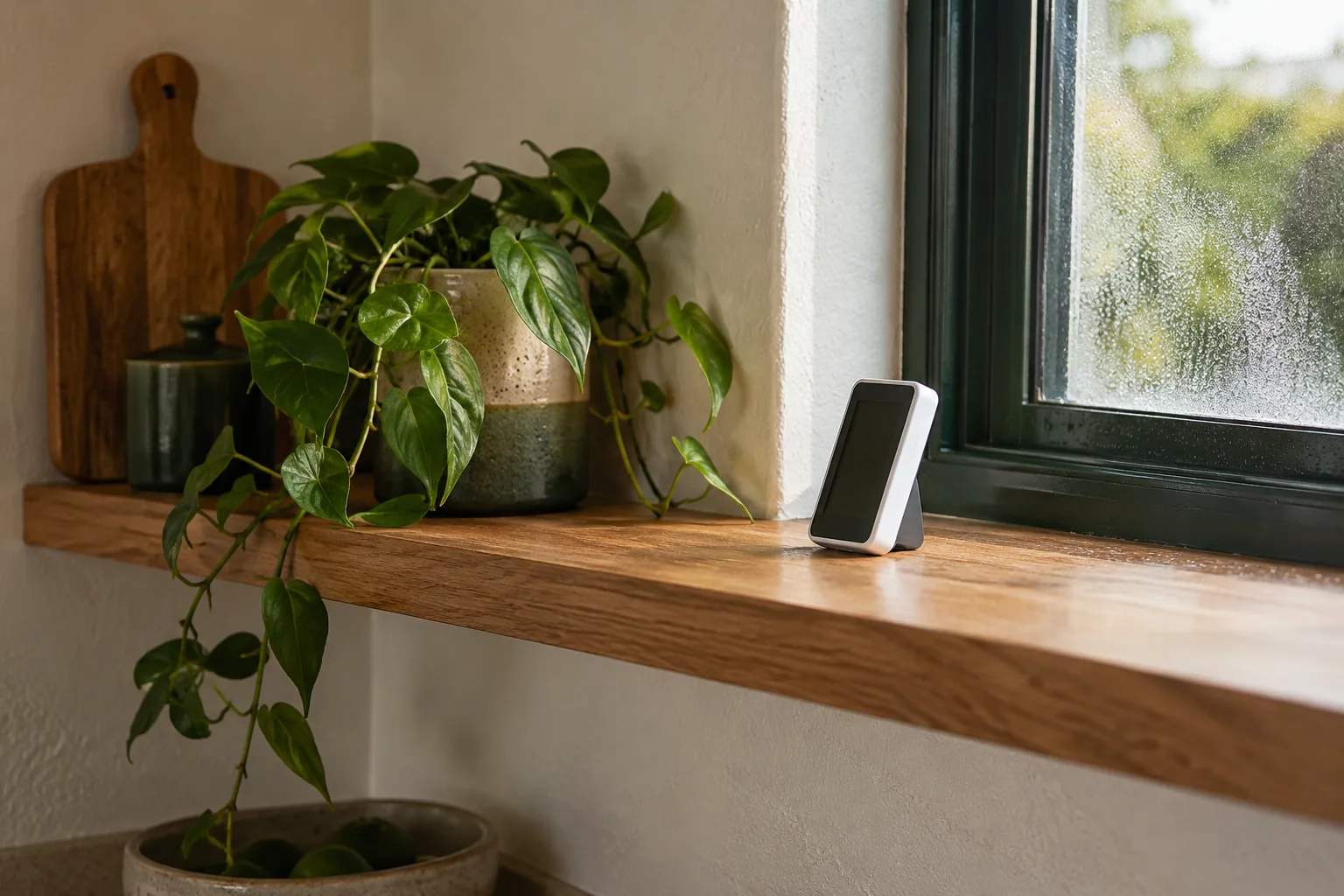
Record wetting and repair history for each observed area. The professional hygrometer assesses relative humidity in room air, not moisture inside every material. A dry-looking coating cannot certify the concealed layer beneath it, and similar marks do not prove a common source.
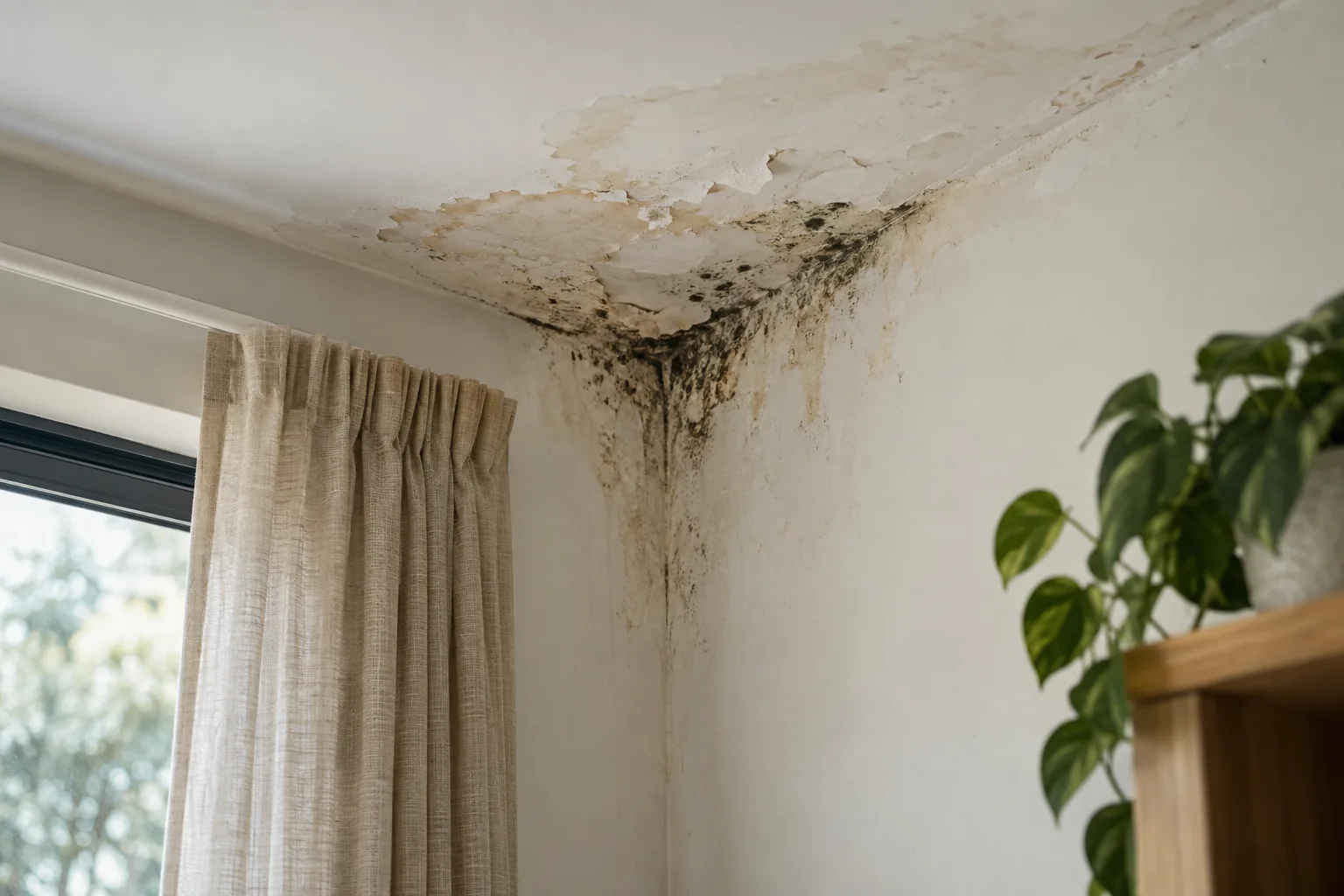
Discuss accessible inspection where the visible condition needs clarification. Plumbing and structural repairs are separate. Continuing dampness can permit recurrence, so treatment suitability and the source response should be considered together without assuming a new coating prevents future growth.
A DEFINED TREATMENT SEQUENCE
An assessed treatment sequence for the agreed materials
1
Review surfaces and finish condition
Show exposed contamination and describe known materials. Agree accessible scope and identify uncertainty, damage or hidden concerns needing another decision.
2
Establish HEPA air protection
HEPA filtration is prepared before treatment. Discuss equipment access and fragile surroundings; its role is air protection during work, not certification of material condition.

3
Apply suitable HOCl treatment
HOCl is used within the assessed plan. ULV dry fog is used in most cases where appropriate, without promising identical application suitability or cosmetic outcomes for all finishes.
4
Physically remove visible mould
Professional H-class filtered equipment is used for removal. Explain sensitive coatings beforehand; contamination removal is not rebuilding, refinishing or a guarantee of original texture.
5
Complete air cleaning and finish review
The HEPA scrubber runs during the treatment and afterwards. Obtain return advice and clarify residual marks and separate material or moisture tasks before restoring normal room use.
Give each structural material its own description
Walls
Identify the exposed wall finish and any obstruction. Unknown layers behind it require separate consideration.
Ceilings
Describe ceiling coating, height and wetting safely. Treatment does not repair the source above the material.
Bathrooms
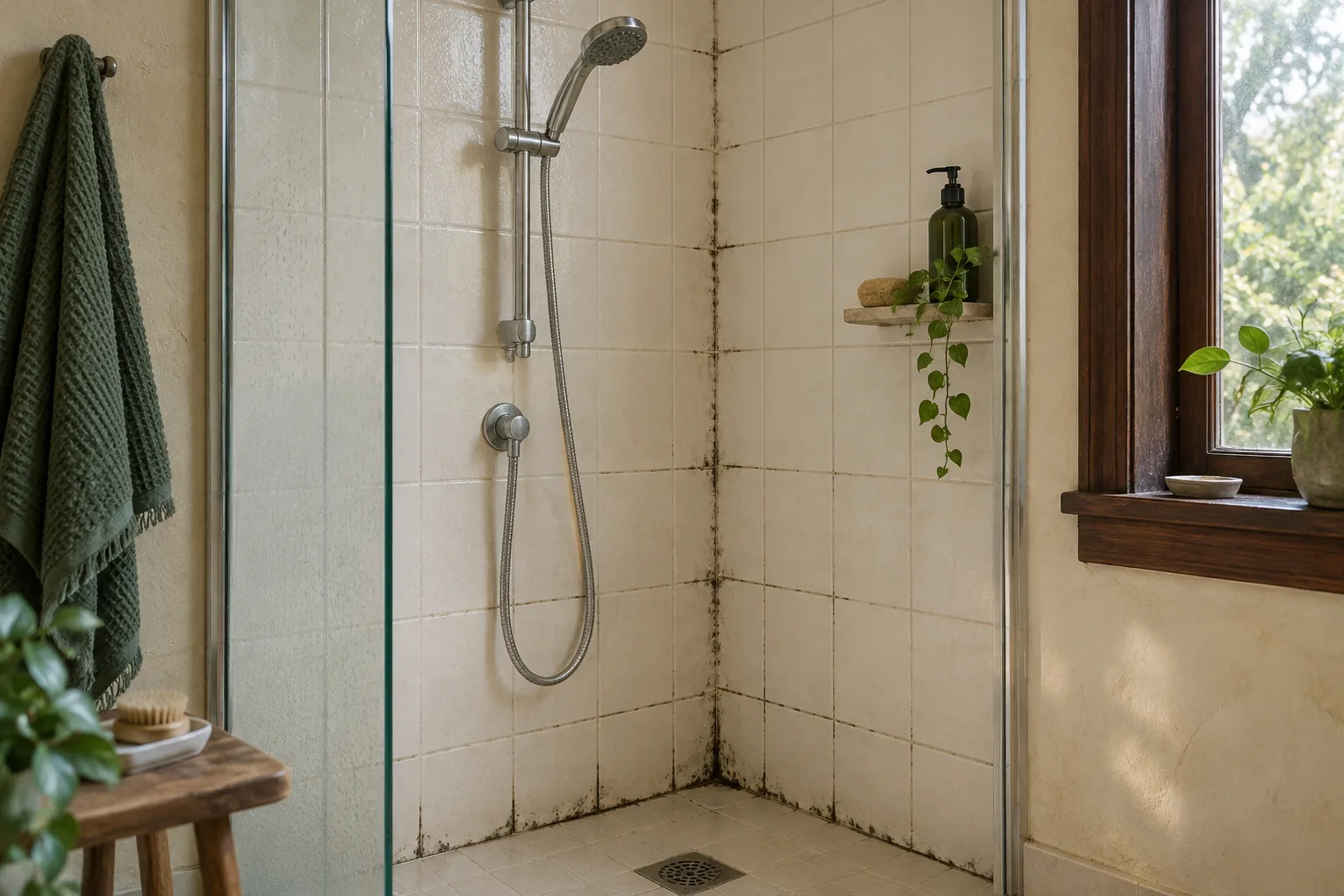
Show structural bathroom surfaces and damaged finishes separately from towels. Textile items remain excluded.
Kitchens
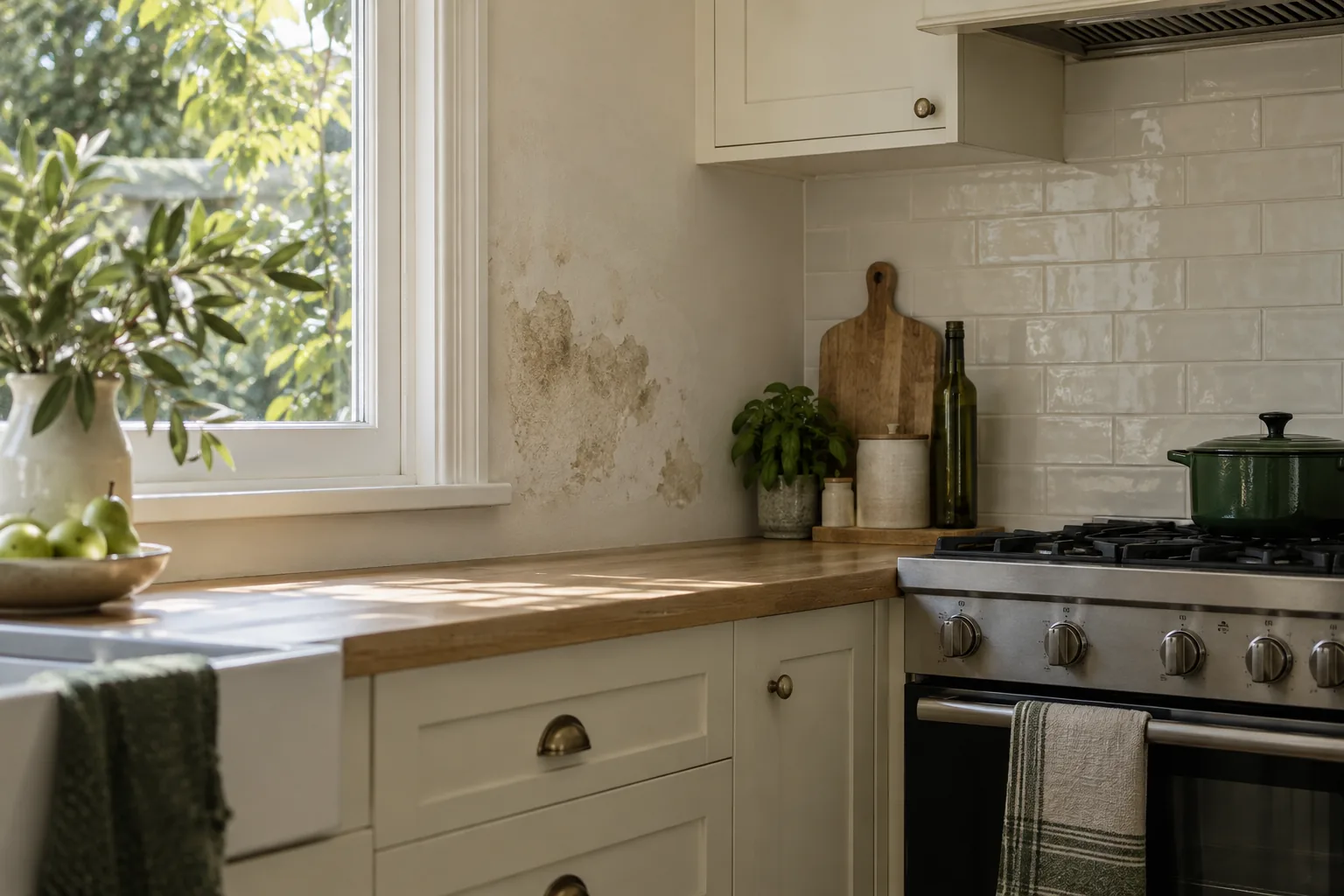
Mention accessible kitchen wall materials and plumbing observations. Cabinet finishes or appliances are not automatically part of structural treatment.
Accessible affected surfaces
Describe the exposed floor finish and any lifting edges. Carpet, furnishings and hidden layers require different scope decisions.
AFTER TREATMENT
Preparation should preserve the information needed for assessment
Discuss clearance and fragile items without stripping finishes on assumption. People and pets leave for treatment, following the technician’s specific departure and return instructions. Source guidance averages around three hours per room, varying with size, extent and access. Pricing is not hourly.
Cosmetic staining may remain and decorating is separately quoted. Ask which materials were treated and what still needs restoration or investigation. A changed appearance cannot establish concealed dryness, while new wetting should be reported before a finish or covering obscures it.
KEEP MOISTURE IN VIEW
Keep the source response ahead of cosmetic assumptions
A repaired appearance is not a prevention guarantee. Arrange practical attention to continued moisture alongside decisions about coatings and room use.
Record renewed dampness on the specific material.
Maintain suitable extraction during steam-producing activities.
Arrange separate repair of unresolved leaks or defects.
Explain materials when discussing the proposed quote
Describe visible extent and finish uncertainty when checking pricing applicability. Its room table is labelled Mould Removal. No material-specific Remediation tariff, refinishing allowance or universal cosmetic guarantee is confirmed by those examples.
WATTLE GLEN · EXACT ADDRESS & ACCESS
Wattle Glen and nearby premises enquiries
Give the actual address and material details you know. Nearby navigation cannot confirm finish suitability or attendance before the proposed surfaces are discussed.
Questions about remediation
What if I do not know the wall material?
Say it is uncertain and describe the visible finish. An honest account is more useful than a guessed material that could distort the scope discussion.
Can I expect one application to suit every coating?
Do not assume that. Explain each affected material and its condition so suitable treatment can be assessed for the actual surfaces.
Should I strip a finish to identify the layer beneath it?
Discuss the condition first. Stripping is not a confirmed preparation requirement, and concealed material questions need separate assessment.
Does similar growth on two materials prove the same source?
No. Describe each wetting history separately rather than diagnosing a common cause from similar appearance.
Will physical removal restore an original texture?
No universal finish restoration is promised. Discuss remaining cosmetic or material work separately from contamination removal.
What should I clarify before recoating the treated surface?
Confirm remaining marks, moisture questions and material concerns with the relevant trades. No universal coating interval or readiness certificate is supplied here.
Discuss Wattle Glen materials before treatment
Call 03 8652 1296 with exposed growth, finishes and wetting history. Agree suitability and separate restoration decisions.