
VISIBLE SURFACES · THOUGHTFUL RESTORATION
Mould Remediation Wesburn
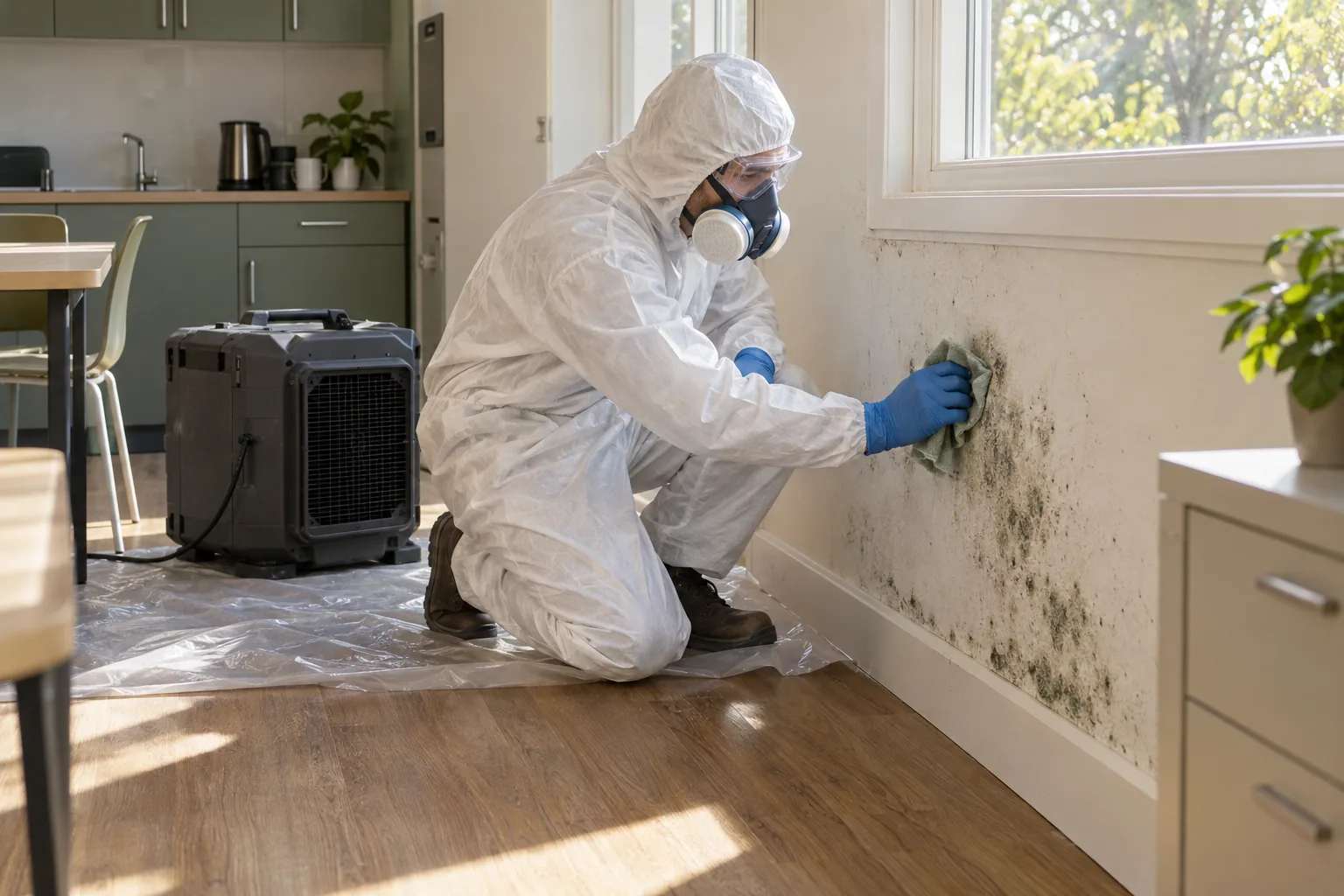
A damaged surface can raise a treatment question and a repair question at the same time. For Wesburn, describe visible growth separately from lifting, cracking or deterioration. Agree suitable remediation without assuming the appointment repairs the material or determines every concealed condition.
ASSESS · FILTER · RESTORE
Damage described separately
Suitable treatment discussed
Repair responsibilities retained
Use separate descriptions for separate concerns
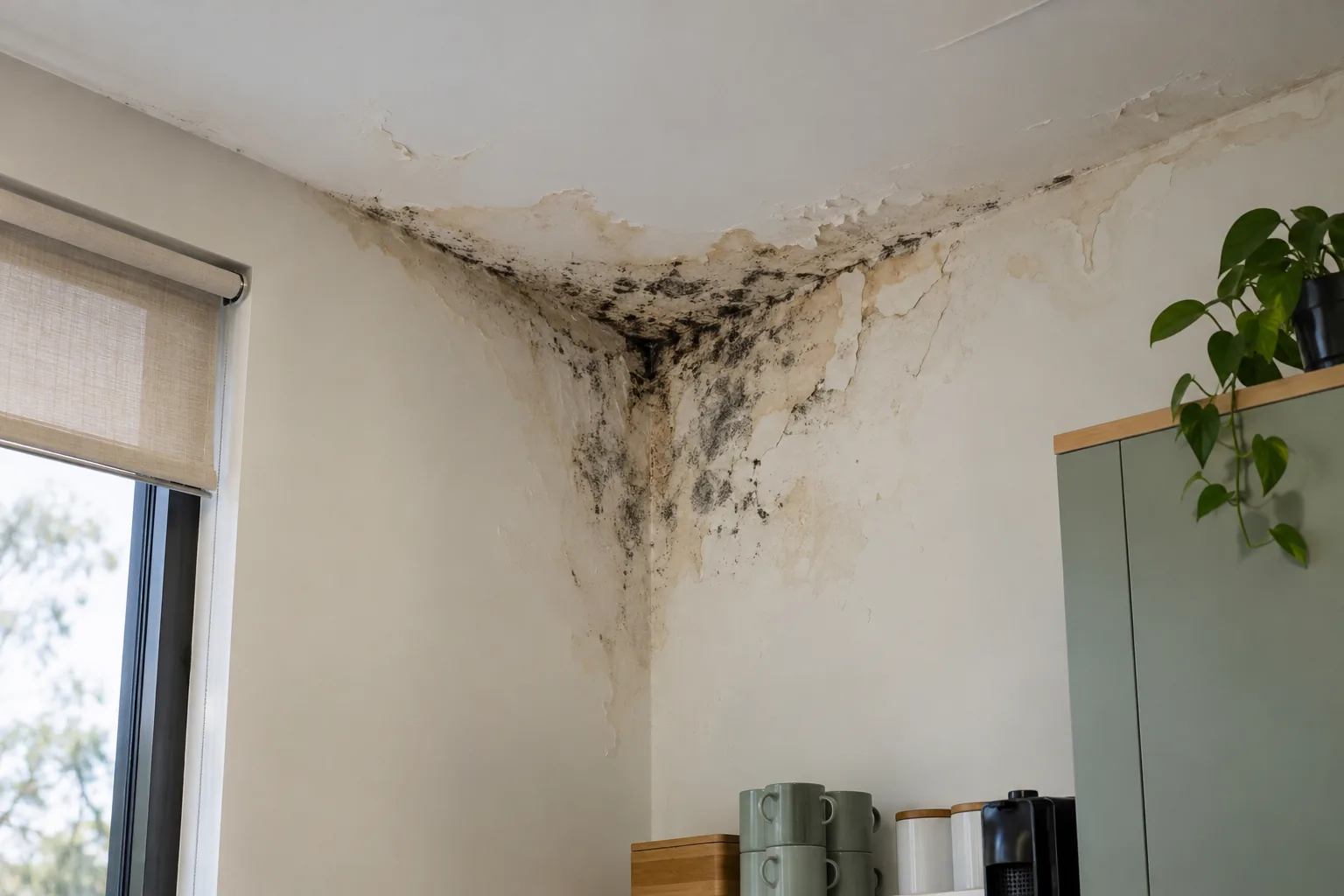
Explain the exposed finish, visible growth and any damaged edge without diagnosing composition or structural performance from appearance alone. Mention known earlier work. Do not scrape or pull material away merely to prove deterioration for the enquiry; describe the current accessible condition.
The confirmed service treats visible accessible structural contamination. Replacing linings, restoring a damaged feature and decorative matching are not automatic inclusions. Suitability needs discussion for the actual finish, with furniture, mattresses, carpet and textiles excluded.

The moisture issue still needs its own response
Describe leaks, condensation or continuing dampness as observations, keeping damage labels qualified. Treatment cannot repair a plumbing or building defect. A separate repair recommendation is useful information but does not establish that the source has already been corrected.
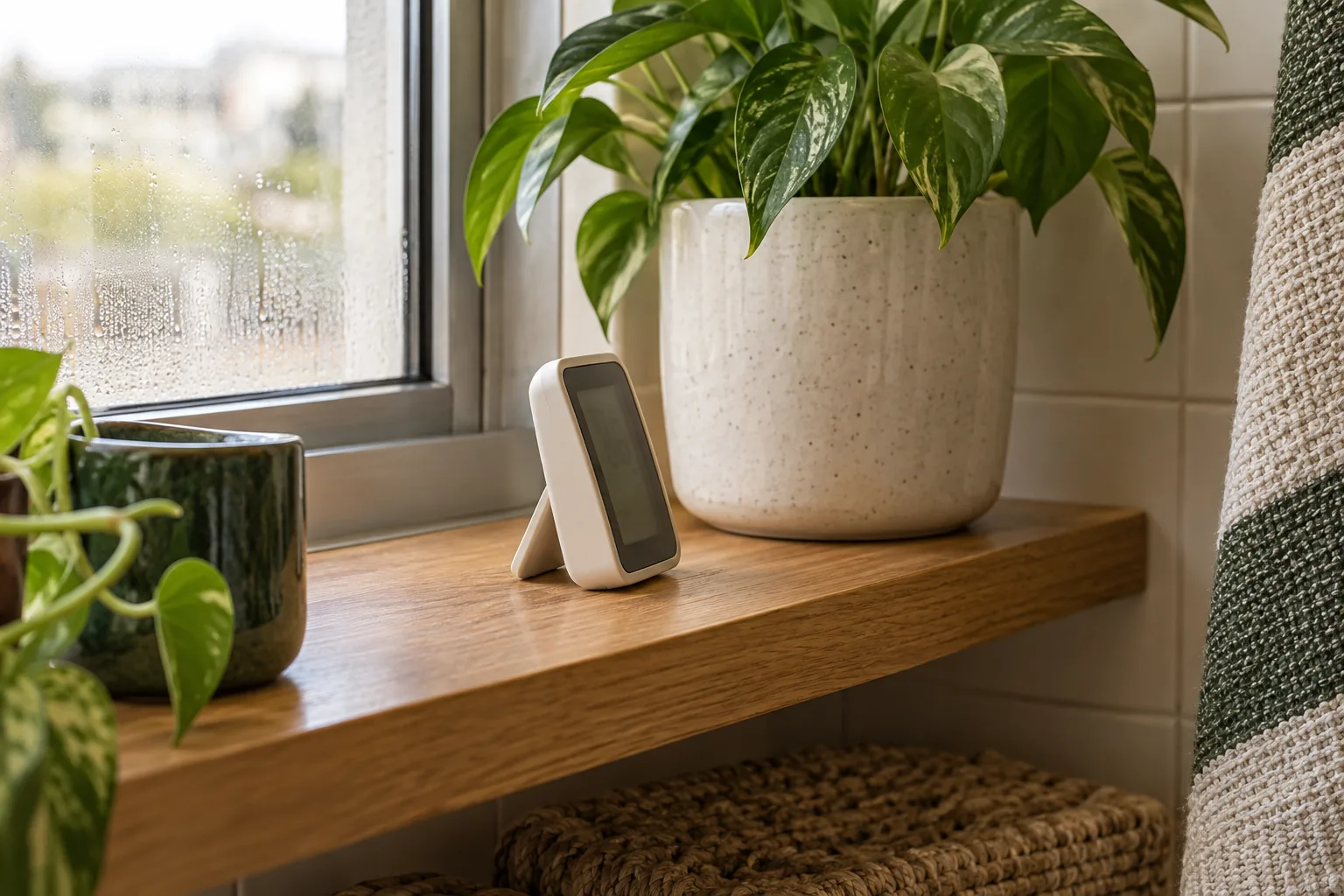
The professional hygrometer measures relative humidity in room air, not material strength or moisture within the damaged construction. If cause or condition remains uncertain, discuss assessment needs. Specific probes, destructive investigation and laboratory clearance are not confirmed.
PLAN · FILTER · TREAT · REMOVE · CONTINUE
Treatment within assessed material suitability
1
Assess the exposed finish
Review growth, damage information and workable access. Keep uncertain deterioration and separate repair findings clear before agreeing the structural treatment area.
2
Establish air protection first
The confirmed HEPA scrubber is set up before application. Equipment and technician access need planning around the actual finish and delicate surroundings.

3
Apply suitable treatment
The damaged finish needs a suitability discussion before HOCl application and appropriate ULV dry fog, used in most cases. No complete restoration or compatibility with every deteriorated material is promised.
4
Physically remove accessible growth
Professional H-class filtered equipment removes visible contamination within scope. Repairing cracks, replacing material and rebuilding decorative detail remain separate tasks.
5
Continue air cleaning afterwards
HEPA operates during and after remediation. Obtain return advice and discuss residual damage, marks and moisture questions without calling the entire surface restored.
Keep each structural concern specific
Walls
For walls, distinguish growth from finish damage and explain any covered remainder rather than assuming the whole face needs identical work.
Ceilings
For ceilings, record separate patches and deterioration with working access below.
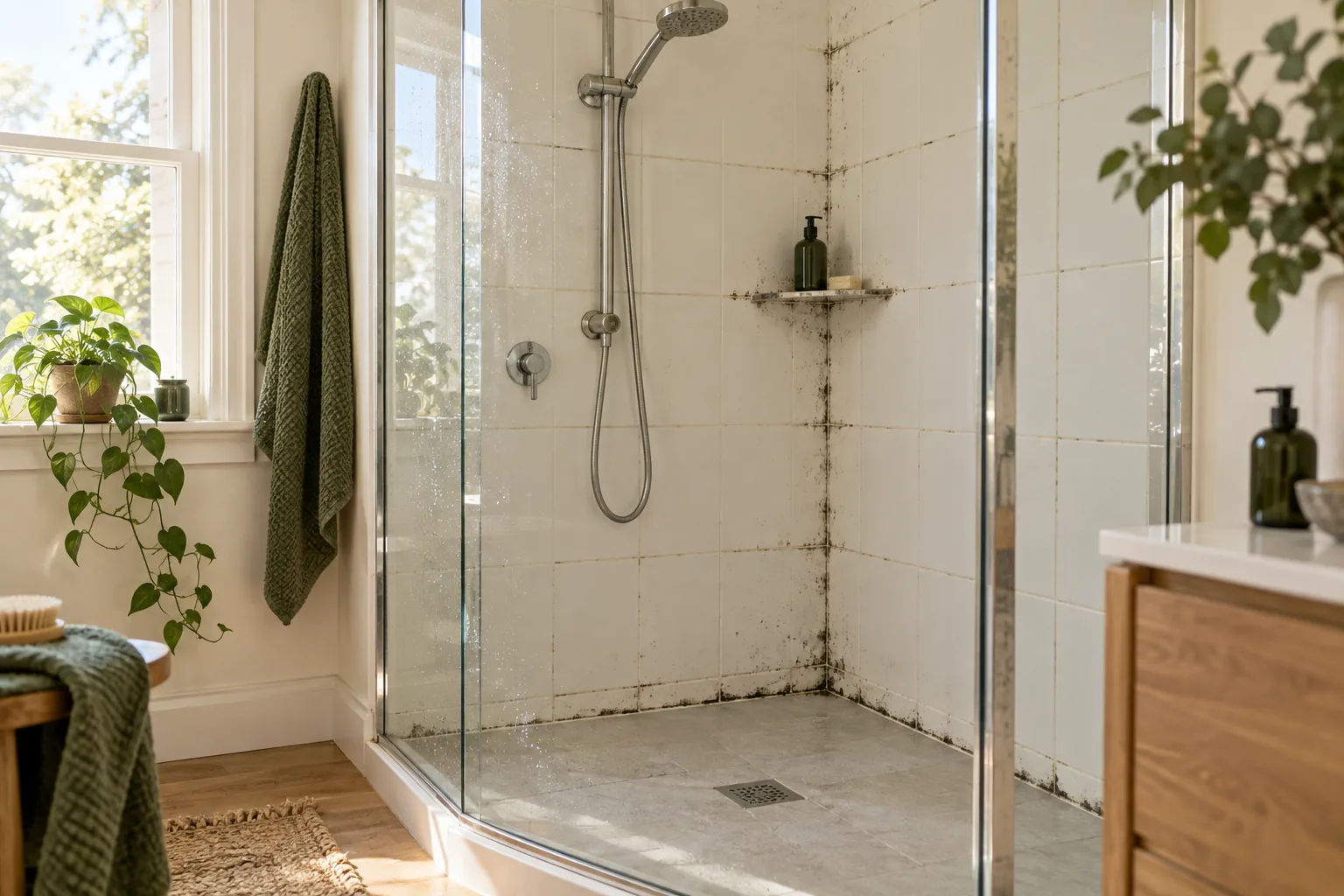
Bathrooms
Bathroom structural treatment needs its own scope, with repairs, towels and mats kept outside automatic inclusions.
Kitchens
Kitchen wall or floor concerns should be separated from appliances, cabinets and plumbing tasks.
Accessible affected surfaces
An exposed structural floor may be considered, while carpet, rugs and concealed underlying condition remain outside standard treatment.
WHAT TO EXPECT
Prepare without attempting the repair first
Discuss fragility, clearance and proposed repair work before attendance. People and pets must be away throughout treatment and follow instructions for departure and return specific to the job. Average guidance is around three hours per room, varying with size, extent and accessibility rather than a guaranteed material-repair programme.
Cosmetic stains and existing damage may remain, and decorating is separately scoped. Standard remediation does not certify concealed construction dry or guarantee prevention where dampness continues. Ask what was included so improved appearance is not mistaken for a finding that every repair question has been resolved.
FOLLOW THE MOISTURE
Monitor the actual surface without assigning a cause
A later change needs to be distinguished from damage that was already present.
Record fresh wetting or growth with the surface and date.
Arrange appropriate repair advice for continuing water entry or deteriorated material.
Maintain ventilation and keep the included area reasonably observable after work.
Do not infer repair work from a treatment amount
Use published pricing information with current extent, access and material concerns. The Mould Removal examples do not establish a separate remediation-and-reconstruction tariff. Confirm applicability without assuming replacement, decorative matching or specialist material certification is included.
WESBURN · EXACT ADDRESS & ACCESS
Other Wesburn-area enquiries
For another nearby property, provide its own finish condition, authority and access. Similar damage descriptions do not establish a shared cause or appointment programme; scope and availability need confirmation individually.
Questions about remediation
Does cracking prove the visible mark is mould?
No diagnosis follows from a damage label alone. Describe the actual growth and uncertainty separately from the repair concern.
Will remediation replace damaged lining?
Replacement is not automatically included. Agree the accessible contamination treatment and arrange material repair separately.
Should damaged edges be pulled off before calling?
Do not disturb them merely for the enquiry. Explain current condition and discuss appropriate preparation or separate repair work first.
Can the hygrometer assess material strength?
No. It measures room-air relative humidity rather than structural performance or moisture within the material.
Will the finish look renewed afterwards?
Complete cosmetic restoration is not promised. Existing damage or stains may remain and need separate repairs or decorating.
What should a later change be compared with?
Keep the actual surface, timing and previous damage clear. Distinguish fresh growth or wetting from unchanged deterioration rather than calling every mark a treatment failure.
Discuss treatment and material repair separately
Call 03 8652 1296 with visible growth, finish damage and moisture history. Agree the structural scope and outstanding repair tasks.