
BLAIRGOWRIE · MELBOURNE
Mould Removal Blairgowrie
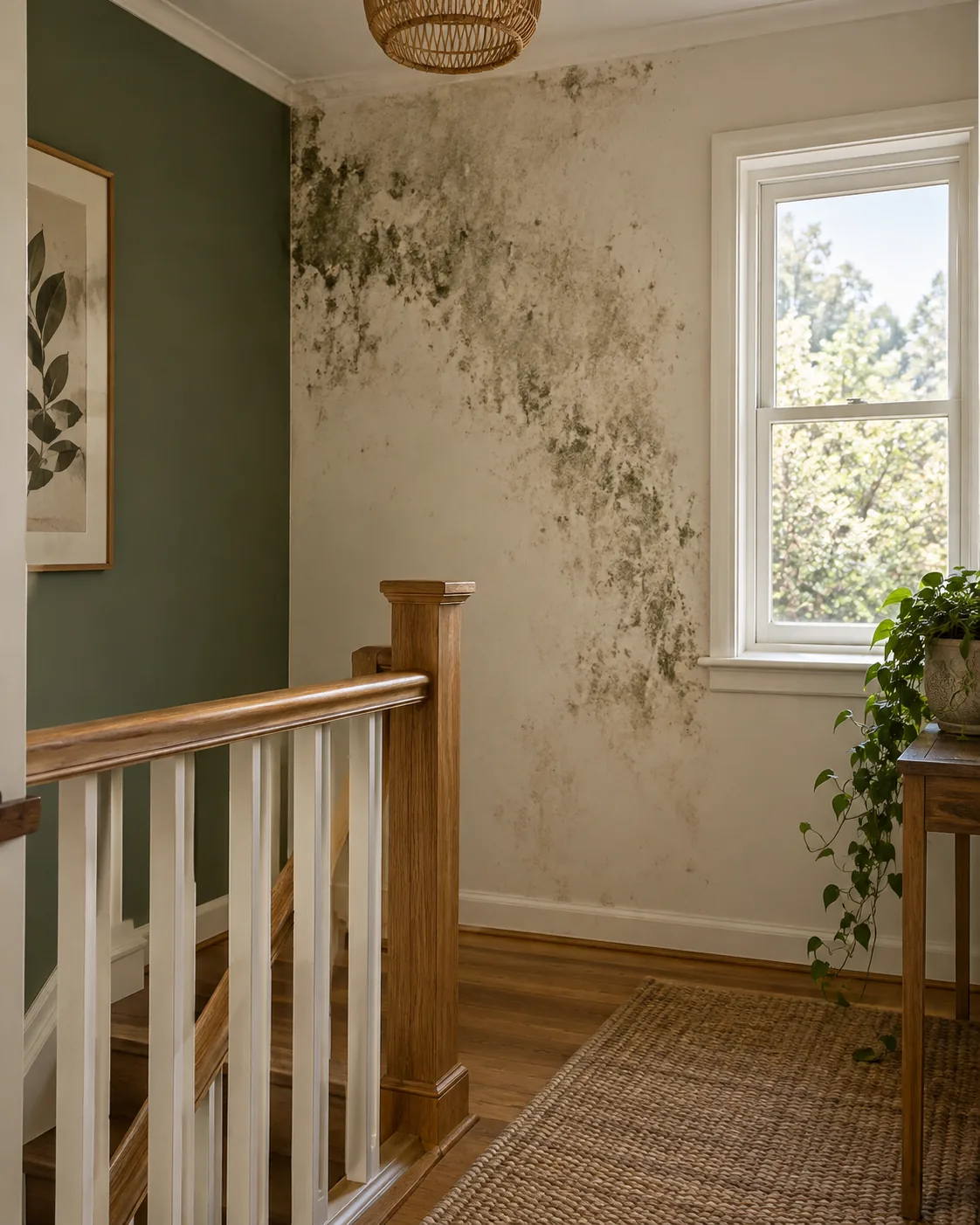
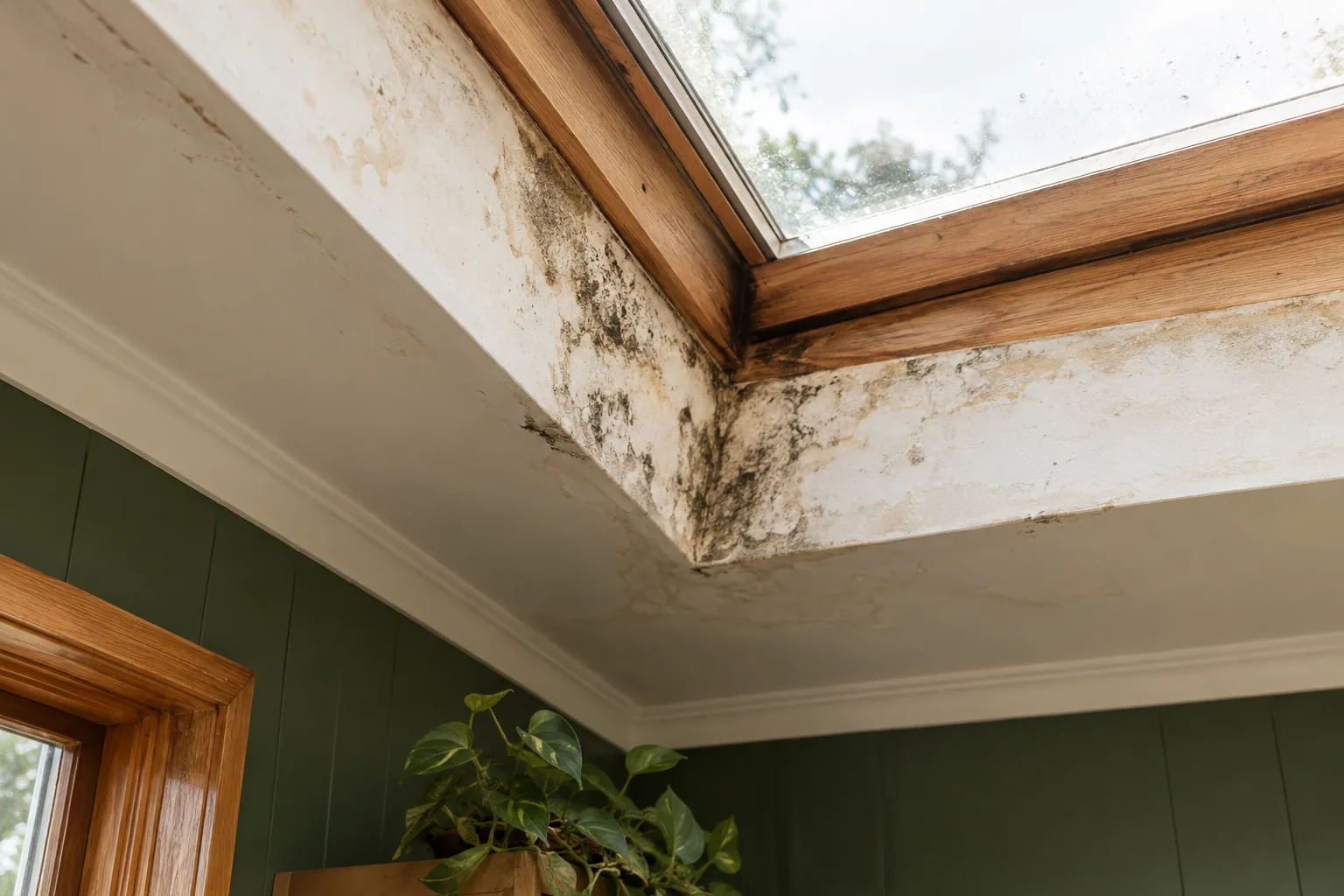
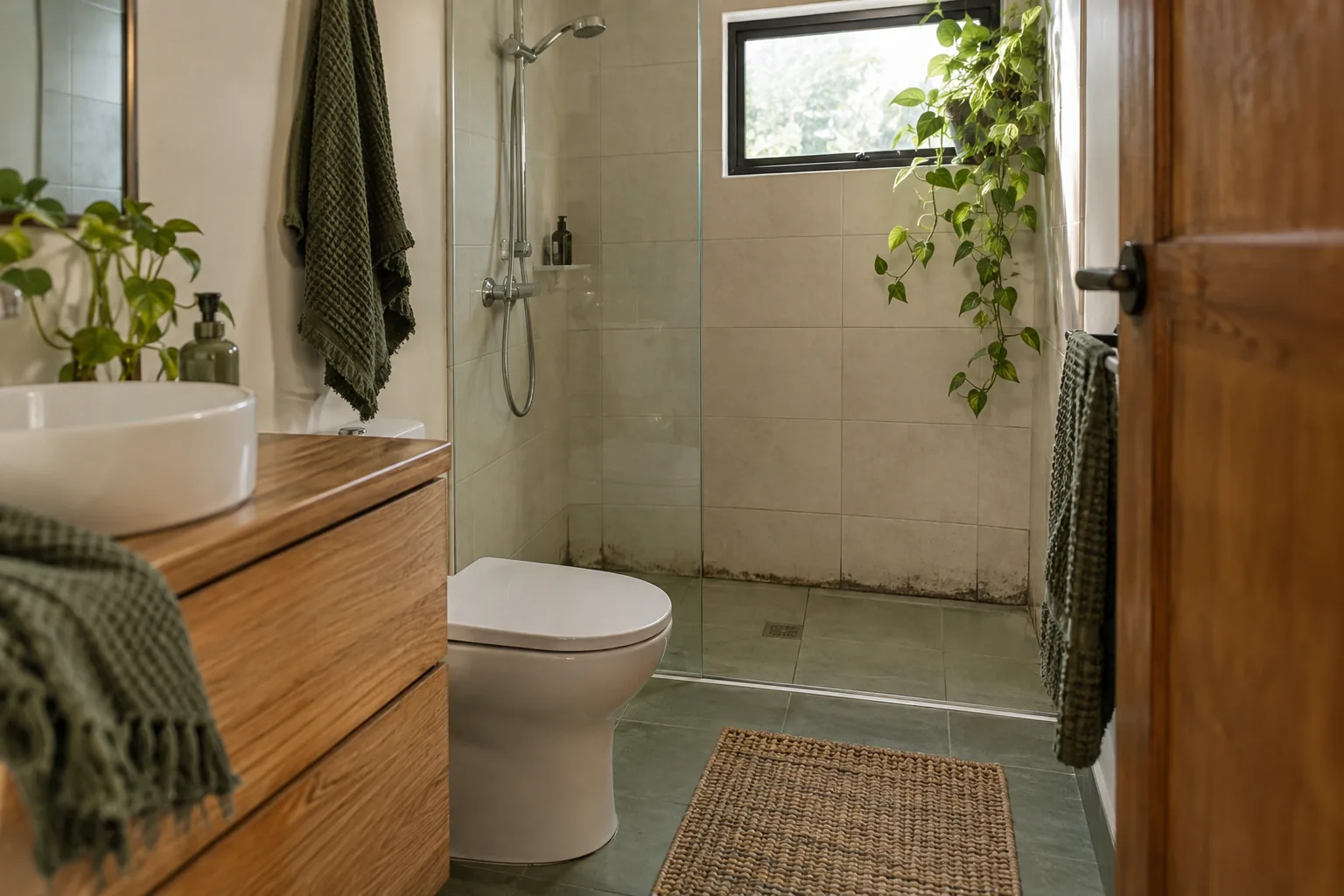
STORAGE · WALLS · AIR SPACE
A wall behind a wardrobe may look different from the rest of the bedroom. For Blairgowrie, describe what you can see without unsafe lifting, whether the cabinet is fixed and any recurring dampness. We confirm address availability and accessible structural work before arranging attendance.
Wardrobe access discussed
Furniture exclusion clear
Moisture follow-up planned
SURFACES & THEIR SETTING
The wall and wardrobe are different items
Blairgowrie appears in the Shire’s Peninsula foreshore information. The room layout matters more than a general assumption about coastal properties when discussing mould removal. Identify the structural wall separately from the furniture, clothing and stored belongings beside it.
A movable cabinet
Explain its size and what clearance already exists. Do not drag a heavy loaded wardrobe alone for photographs. Agree preparation so the accessible wall can be assessed without turning excluded furniture into part of the service.
Built-in storage
Say whether the affected surface is visible inside or behind a fixed fitting. Joinery removal is not automatically included. Inaccessible structural material can require separate access work or investigation, and the initial enquiry should make that limitation clear.
Assess the exposed finish carefully
Our inspection information describes assessment of visible areas and moisture conditions. Provide a room overview, current photographs and any earlier damp history. A cleared wall still needs consideration of its material, surface condition and possible source.
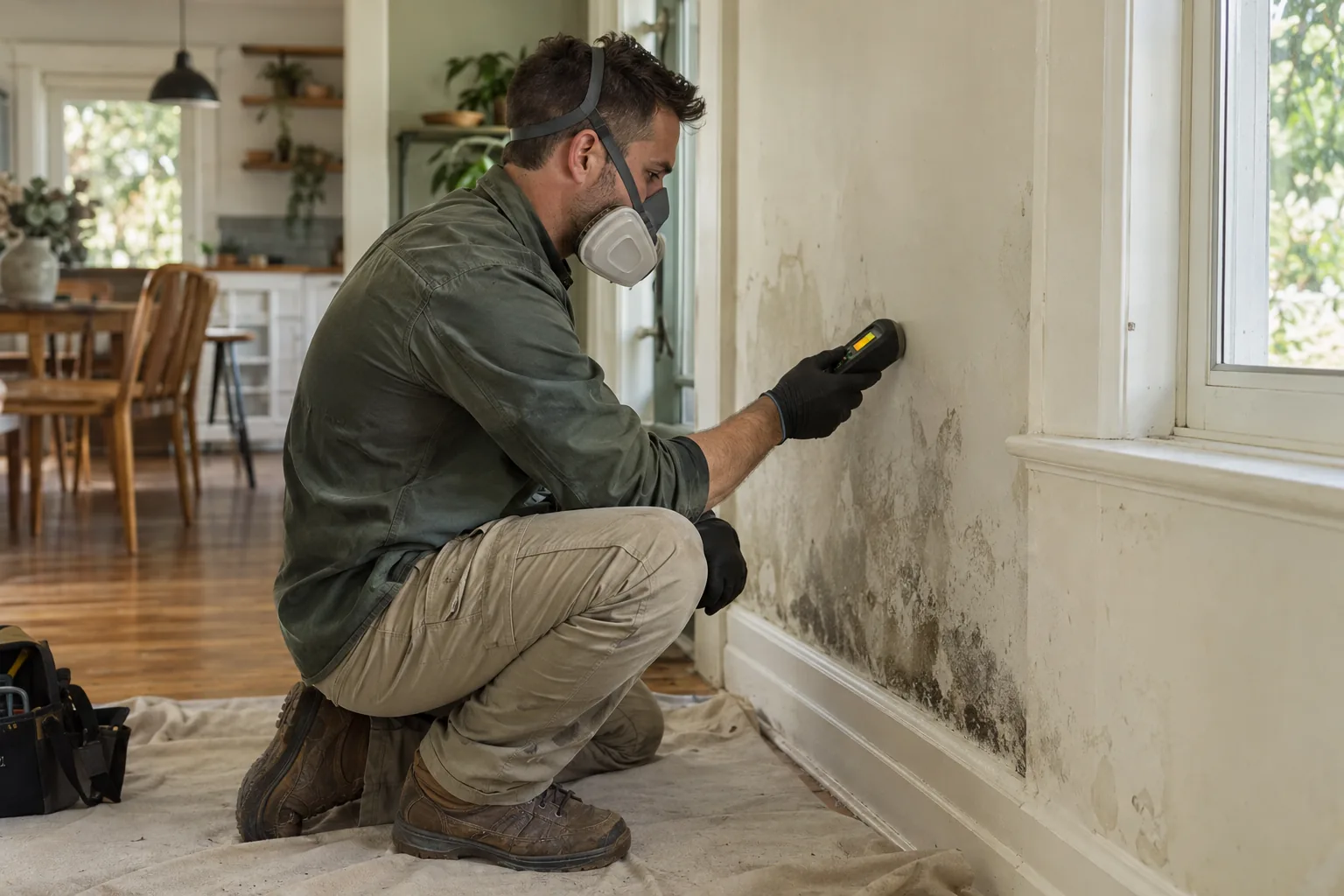
Cold-looking corners are observations
Record condensation or dampness when you actually see it. A corner’s position does not prove the precise cause of growth. Explain window, roof or plumbing issues alongside how often the bedroom is occupied and ventilated.
Damaged paint or lining
Mention flaking, softness and swelling before treatment expectations are agreed. Material deterioration may call for repair or replacement.
THE SURFACE REMOVAL PROCESS
From accessible assessment to handover
01
Inspect and define scope
Review visible growth and relevant humidity or moisture readings. Agree reachable wall, ceiling and hard-floor areas.
02
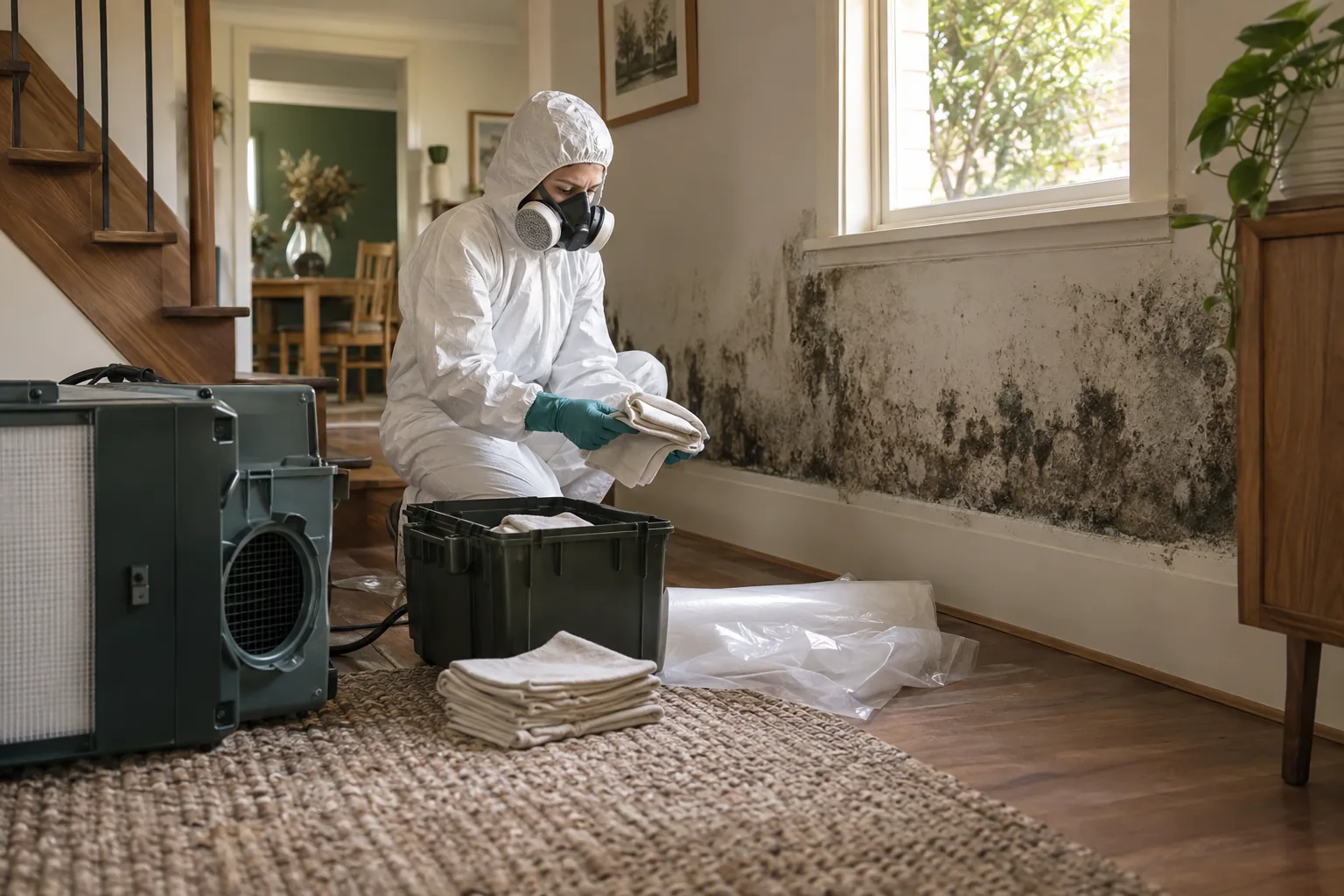
Prepare filtered air
Position the HEPA air scrubber with suitable power and clear room access. Discuss where occupants and excluded belongings stay during work.
03
Select suitable treatment
Appropriate HOCl use is chosen for the assessed finish. Report earlier sprays or coatings so the surface history is clear. Do not apply a fresh mixture to furniture or wall material before attendance as improvised preparation.
04
Apply within the plan
ULV application may be used where appropriate. Confirm people, pets and approved building arrangements beforehand. It does not turn clothing, furniture interiors or inaccessible cavities into included treatment areas.
05
Remove the visible residues
Professional physical removal uses equipment with H-class filtration where required. The agreed structural surfaces remain the focus.
06
Complete air cleaning
Final filtration follows the removal stages. Review remaining marks and any moisture correction needed separately. Confirm return instructions and a practical plan for observing the wall before storage is placed back beside it.
VISIBLE & ACCESSIBLE
Photograph more than the darkest patch
Bedroom wall
Show the exposed area and any furniture still obstructing it. A wider view helps explain reach and preparation requirements.
Ceiling above storage
Include marks near the room junction. Suspected roof or concealed damage needs separate consideration beyond the accessible surface service.
Window-side wall
Record recurring droplets or dampness if observed. Glazing or building defects are separate from treatment of the adjacent finish.
Hard floor at the cabinet edge
State the material and any wetness. Carpet, underlay, rugs and the cabinet itself are excluded from structural treatment.
PREPARATION & LIMITS
Time and cosmetic limits
The average guide is around three hours per room, varying with size, contamination and access. It is not hourly-based pricing. Fixed fittings or extensive clearance can affect planning even when the visible wall area seems small.
Treatment can remove existing contamination while leaving cosmetic staining or damaged coatings. Decorating is separately quoted where appropriate. Growth may recur if the moisture source persists, so replacing the wardrobe beside a still-damp wall is not a complete prevention plan.
AFTER THE SURFACE WORK
Keep the wall observable afterwards
Allow practical space between furniture and the wall where the layout permits. Check the surface periodically rather than covering every mark immediately. Furniture arrangement can support airflow and observation, but it cannot repair a leak or unsound building material.
Manage moisture from showers, cooking and indoor laundry alongside the bedroom’s ventilation. Note any recurring pattern and seek source advice when it continues. Remediation addresses assessed contamination, while repairs and ongoing room conditions require separate attention.
BLAIRGOWRIE · NEARBY LOCATION PAGES
Blairgowrie and surrounding locations
Nearby pages below help navigate Peninsula enquiries. Contact us with Blairgowrie’s actual street address, the room details and whether storage is fixed. Availability and preparation are agreed for that property, not inferred from a neighbouring location page.
Sorrento · Rye · Tootgarook
BEFORE YOU ARRANGE WORK
Questions for your enquiry.
Is the wardrobe treated along with the wall?
No. Furniture, clothing and other textiles are excluded. Discuss the structural surface and any agreed clearance separately from the cabinet and its contents.
Do you remove built-in wardrobes to reach a wall?
Fitting removal is not automatically included. Explain the obstruction before booking; inaccessible areas may need separate access work before structural treatment can be considered.
Can I send a photograph through a narrow gap?
It may help the initial conversation, but it cannot establish the full surface condition or safe access. Include a room view and explain what remains hidden.
Will moving furniture solve the mould source?
It may improve airflow or observation, but it does not repair water entry or prove the source is resolved. Describe dampness and relevant defects separately.
Should I place storage back immediately afterwards?
Follow the agreed return and preparation instructions. Discuss the wall’s condition and practical clearance rather than assuming treatment means furniture can cover any damp surface straight away.
Will marks on the clothing disappear during application?
Clothing is outside this service. Do not leave affected textiles expecting room application to clean them; they need separate consideration from the structural walls, ceiling and hard floor.
Discuss your Blairgowrie address
Call 03 8652 1296 with Blairgowrie’s exact address and whether the wardrobe is fixed. Discuss the exposed structural wall, material condition and clearance before assuming hidden surfaces or furniture can be included.
Useful references: Official local geographic reference