
GREYTHORN · MELBOURNE
Mould Removal Greythorn
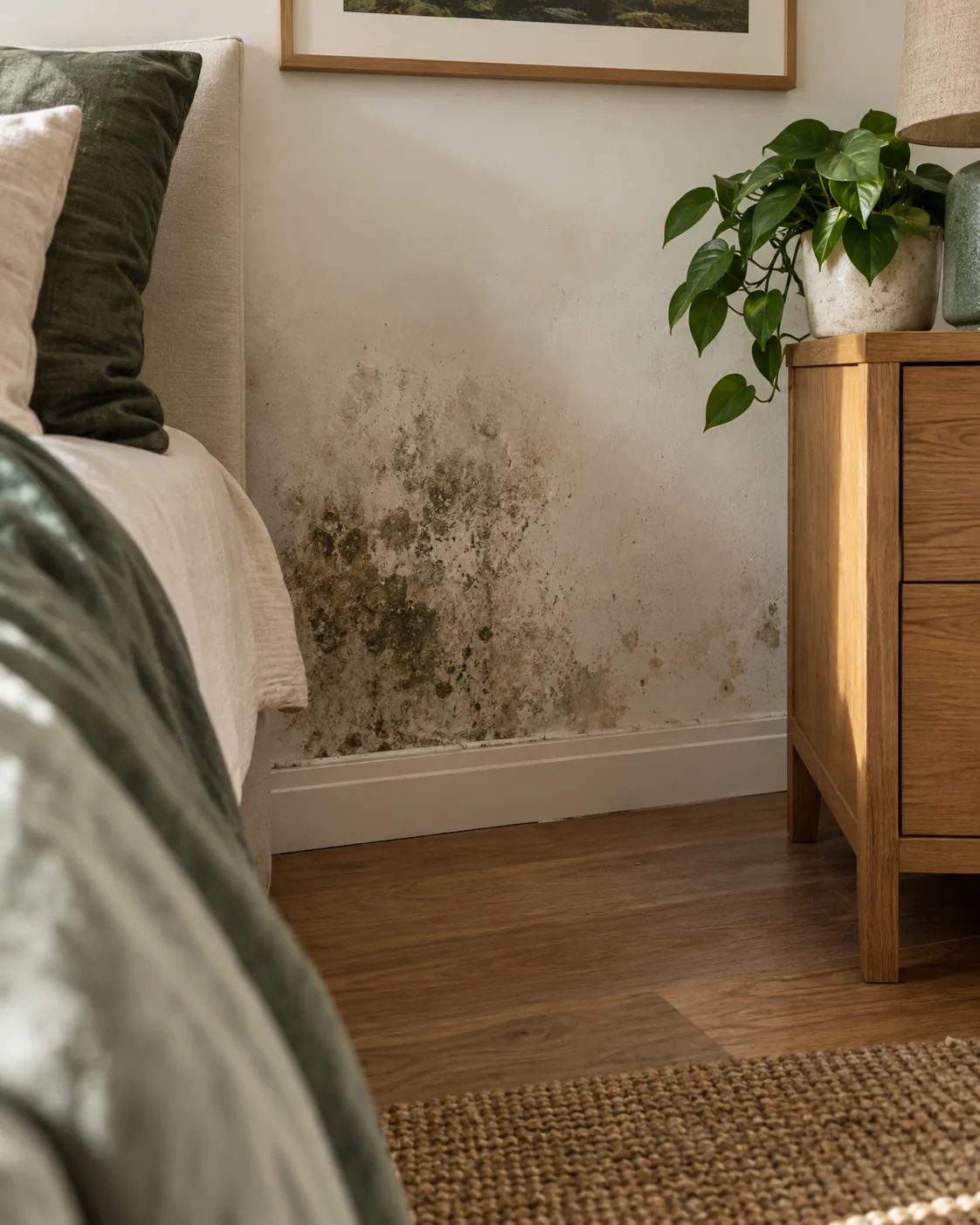
GREYTHORN / THE CEILING EDGE
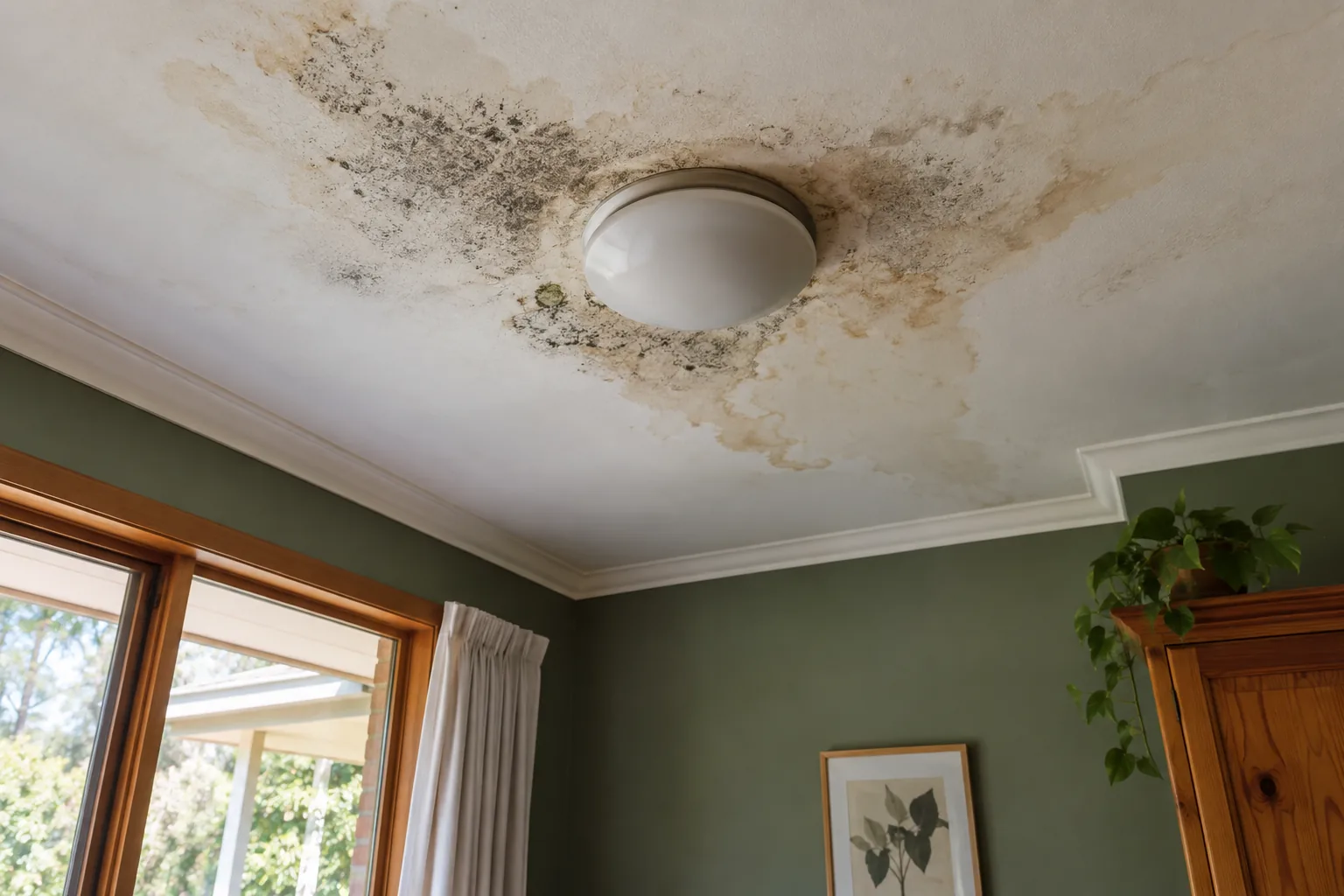
If growth appears at the edge of a Greythorn bathroom ceiling, describe how the room dries and whether the finish is peeling. Repeated wiping does not explain the moisture source. A useful enquiry separates the visible surface, room conditions and any unresolved repair.
Ceiling material reviewed
Drying conditions discussed
Treatment and repairs separated
SURFACES & THEIR SETTING
Use the local name with your property details
The Victorian Government lists Greythorn in Boroondara’s locality information. Give the street address and room details when calling; this guide does not assume a particular building age or common moisture issue throughout the area.
The whole ceiling helps
Provide a room view as well as the patch. A mould inspection can consider accessible growth and relevant humidity or moisture information. Mention paint damage without scraping or cutting the surface to demonstrate it.
Know who can approve work
If someone else manages the property, identify the authorised contact. The affected room list and preparation should be clear before a visit. A local name is not enough to establish entry, permission or the actual treatment scope.
Ask about drying and separate defects
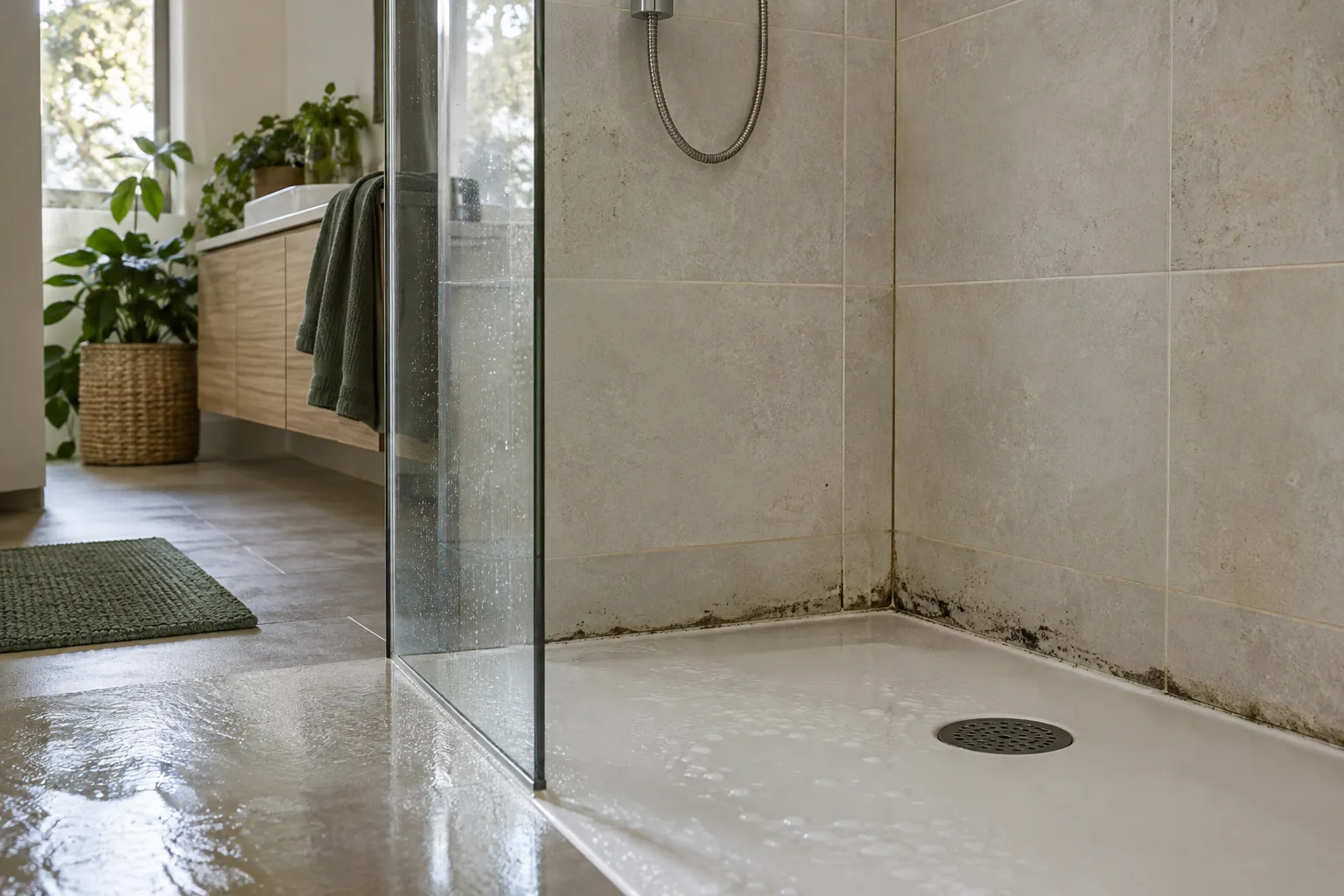
Tell us whether moisture clears between showers, whether extraction is functioning and what maintenance has occurred. Those observations guide questions without proving an unseen defect.
Visible structural areas
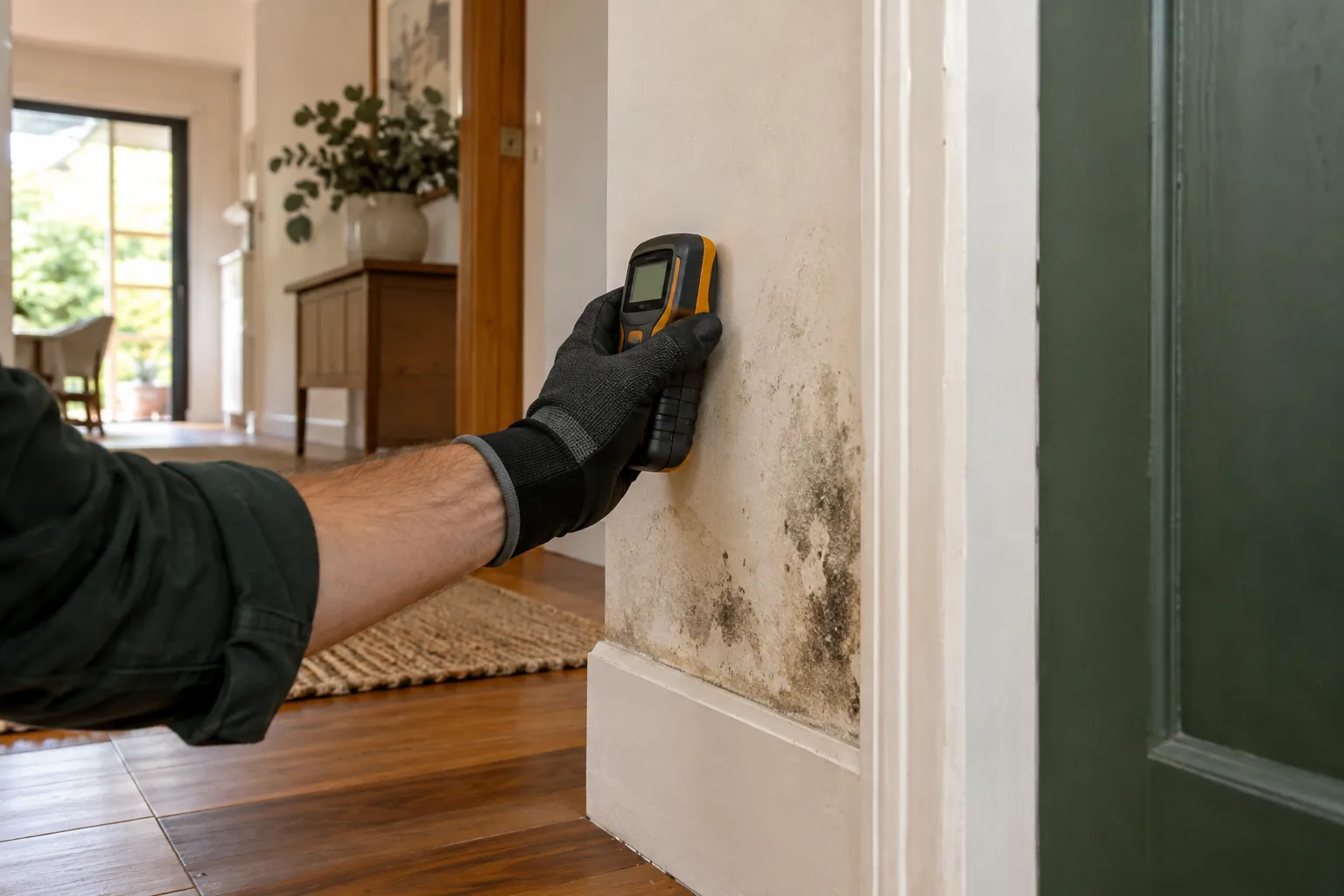
The removal service concerns accessible walls, ceilings and hard floors. Towels, curtains, carpet and other textiles are excluded. Fragile paint, soft plaster and concealed construction need clarification before a method is agreed.
Repairs remain separate
Plumbing, roof and waterproofing issues require appropriate repair or investigation. Treatment does not stop water entry or rebuild deteriorated material. Room readings offer context but cannot prove hidden dryness or the condition behind tiles.
THE SURFACE REMOVAL PROCESS
A planned bathroom sequence
01
Review the affected finish
The technician considers visible extent, material and room history. Hygrometer information may support the assessment. Concealed spaces and damaged or obstructed sections are limitations unless further investigation is separately agreed.
02
Prepare with HEPA filtration
Agree clearance and people or pet arrangements. Air filtration supports the work as appropriate. Personal items and textiles are cleared as directed but are not included in structural-surface treatment.
03
Select the appropriate treatment
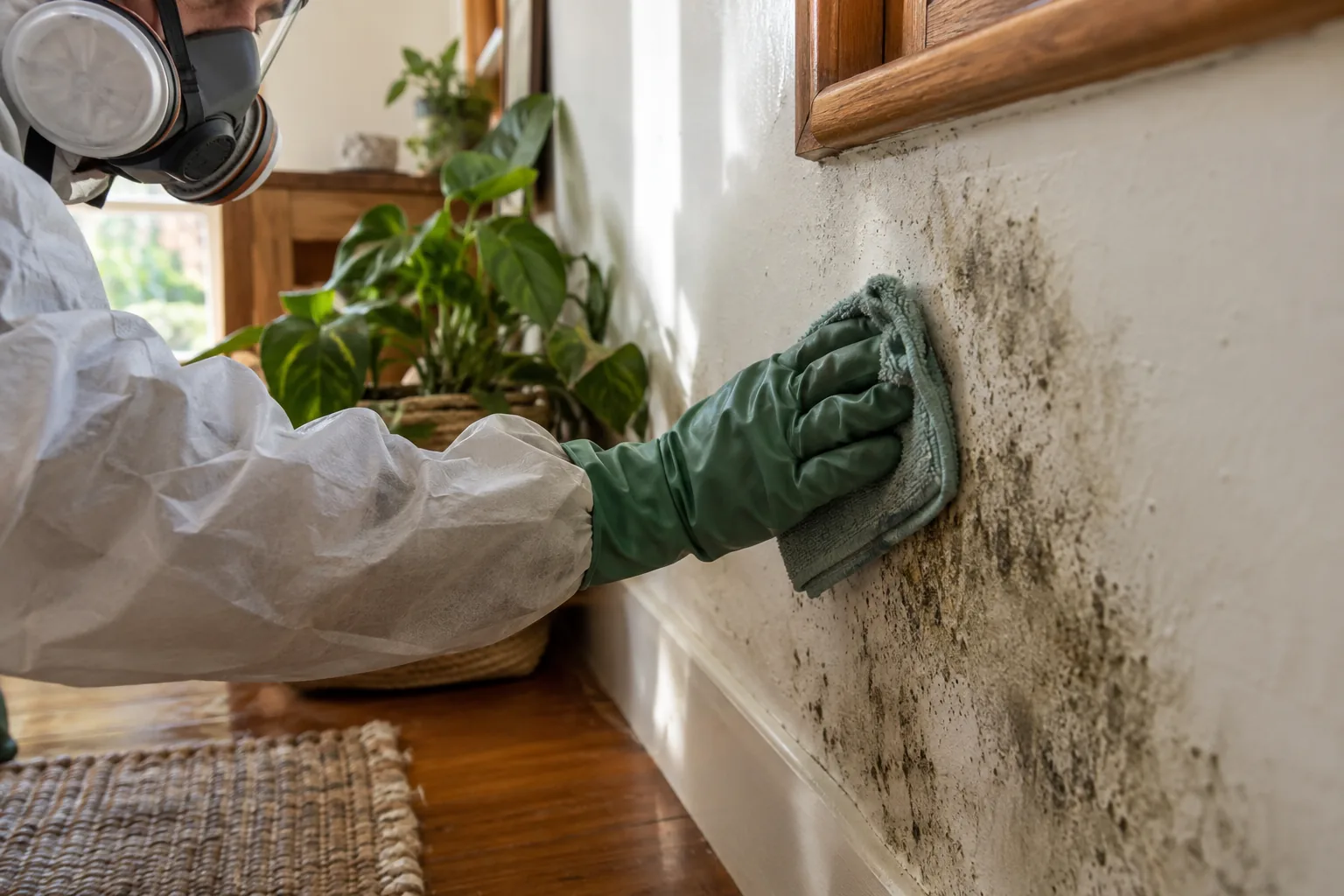
HOCl application is considered for the actual finish. Explain previous cleaners or delicate coatings. Treating growth does not guarantee cosmetic restoration of a ceiling already stained or damaged by moisture.
04
Include suitable ULV use
Fog application may form part of the plan. Confirm preparation and return timing. Alarm procedures need approval from the responsible person rather than independent disabling as a routine pre-visit instruction.
05
Remove accessible residue
Professional physical removal uses H-class filtered equipment where suitable. The agreed scope remains visible structural surfaces. Textiles, concealed waterproofing concerns and material reconstruction require different handling or separately arranged work.
06
Finish filtration and review
Final filtration continues as required. Discuss remaining appearance and outstanding moisture work. A clear handover separates treated growth from plumbing or ventilation repairs and any later decorating quotation.
VISIBLE & ACCESSIBLE
Surface details for the enquiry
Painted ceiling edges
Show the spread and coating condition.
Upper wall corners
Describe steam and drying.
Accessible hard floors
Identify the finish and water tracking.
Adjoining room sections
Name any affected surfaces outside the bathroom.
PREPARATION & LIMITS
A realistic time and finish discussion
Average room-treatment time is around three hours per room, with size, contamination and accessibility affecting duration. The service is not hourly-based. Agree the actual room scope before arranging a fixed absence from the property.
Remediation can leave cosmetic staining. Decorating is separately quoted, and source repairs remain separate. Growth may return under persistent damp conditions, so treatment is not presented as a permanent cure.
AFTER THE SURFACE WORK
Check how the room dries in practice
Use effective extraction where steam is produced and keep vents clear. Note whether surfaces dry between uses rather than relying on a fixed routine alone. Maintenance may be needed when dampness persists despite ordinary use of the system.
After agreed return arrangements, keep dated photographs of any fresh changes. Humidity observations can support follow-up advice but cannot diagnose hidden construction. Raise continuing wetness before covering the surface with another coat of paint.
GREYTHORN · NEARBY LOCATION PAGES
Greythorn and nearby guides
Nearby location pages provide orientation for the enquiry. Confirm your full address and affected bathroom surfaces when calling; geographic proximity does not establish identical construction, access or moisture conditions in neighbouring homes.
BEFORE YOU ARRANGE WORK
Questions for your enquiry.
Does ceiling-edge mould prove a roof leak?
No. Its position alone cannot identify the source. Explain rainfall changes, shower use, extraction and repair history.
Should I scrub before the inspection?
Describe the condition and provide photographs without damaging the finish. Scraping or aggressive cleaning may complicate the enquiry. Material and preparation should be discussed before attempting to expose more of a fragile surface.
Can towels be treated in the same room?
Textiles are excluded. Agree their clearance and separate handling rather than assuming room treatment includes laundering or restoration. The service covers accessible structural walls, ceilings and hard floors within the scope.
Will peeling paint be repaired?
Repair and decorating are separate work. Mention peeling or softened material before booking so limitations can be discussed. Treatment of growth does not reconstruct the finish or guarantee a new-looking ceiling.
Does the service repair bathroom ventilation?
Ventilation maintenance or repair is separate. Explain what happens when the system operates and whether wetness clears. A running fan alone does not confirm effective extraction or establish the cause of growth.
Can the adjacent bedroom be included?
Identify its affected accessible surface in the enquiry. The room list and scope need agreement rather than automatic inclusion of connecting spaces. Furniture, mattresses and other textiles remain excluded.
Talk through the ceiling and room conditions
Call 03 8652 1296 with your Greythorn address, visible finish and drying observations. Discuss assessment, preparation and the surface limits before booking.
Useful references: Victorian Government Boroondara localities