
ROOMS · MATERIALS · MOISTURE
KNOXFIELD · MELBOURNE
Mould Removal Knoxfield
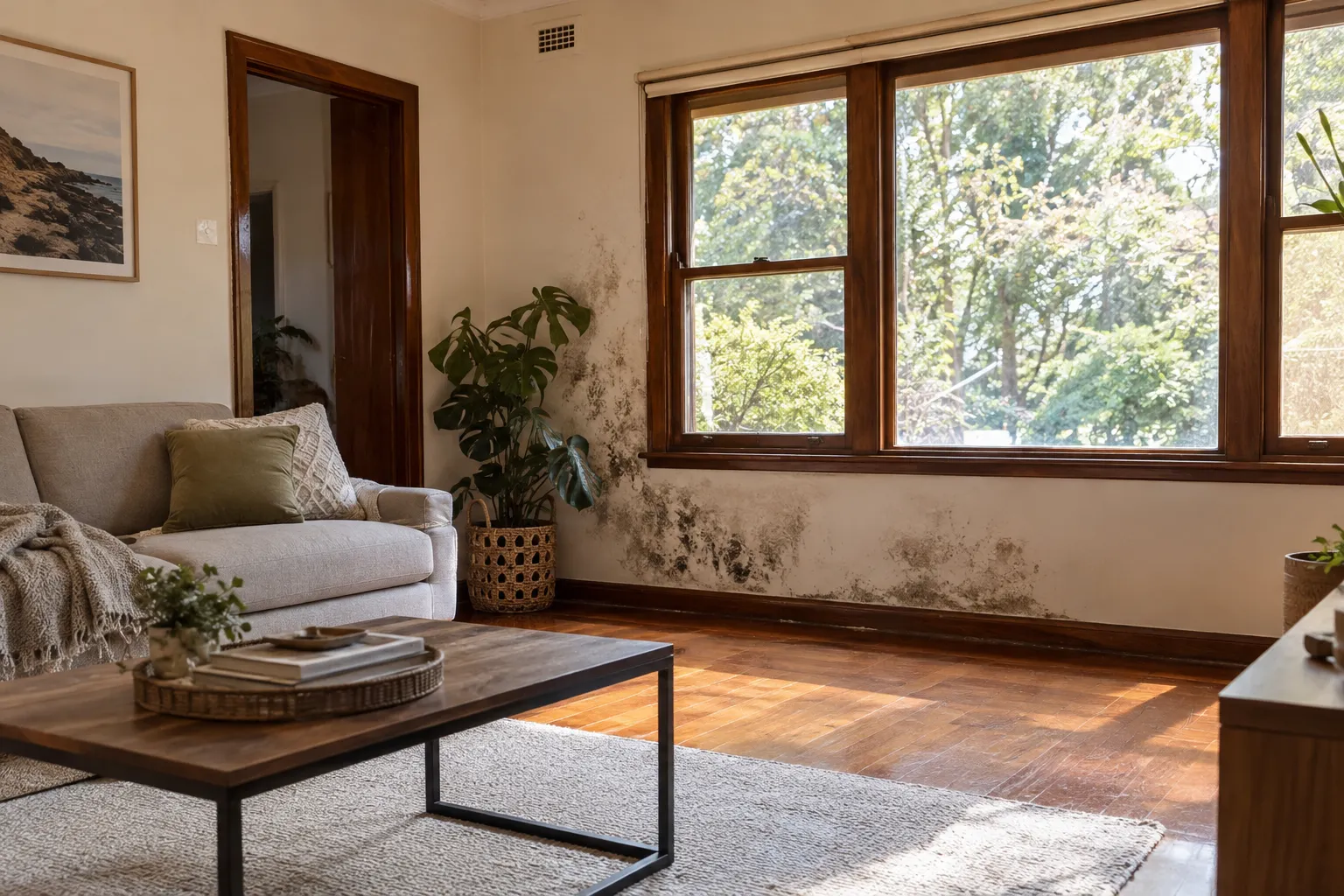
A wet carpet edge and an affected wall should be discussed together. For Knoxfield, explain the wetting event before focusing on surface cleaning. Carpet, underlay and plaster can have different conditions, and a visible wall-removal scope should make those boundaries clear.
Material condition considered
Accessible work agreed first
Moisture observations kept in view
THE ROOM TELLS A STORY
The wall and floor share a history.
Knoxfield is among the localities identified by Knox Council.
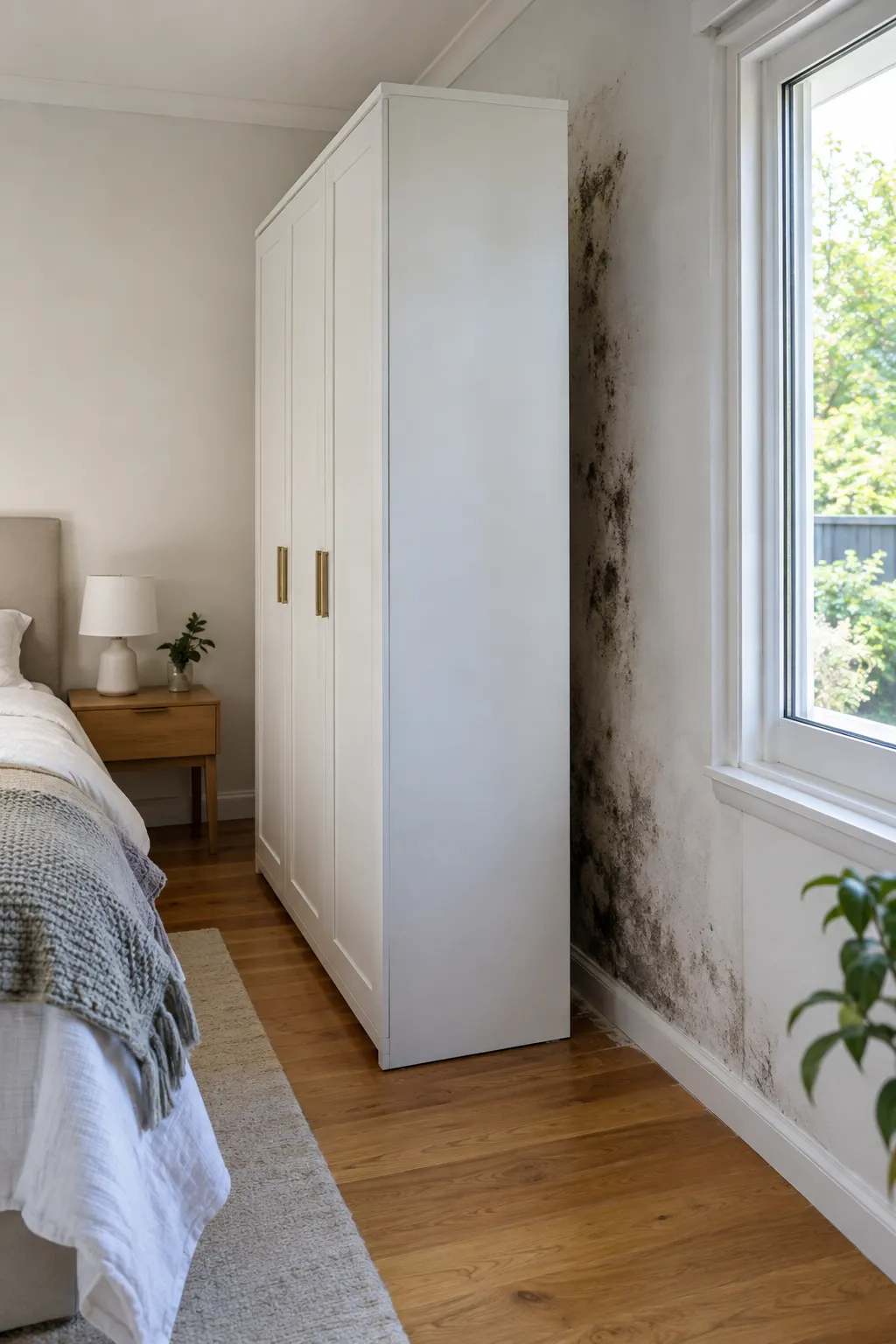
If water reached a carpet edge, describe which rooms were wet and whether the floor covering was lifted or dried. A wall that now looks dry does not confirm the condition underneath carpet or behind a skirting board. Discuss those access limits before planning removal of visible growth.
UNDERSTANDING MOISTURE
Look beyond a dry-looking carpet face.
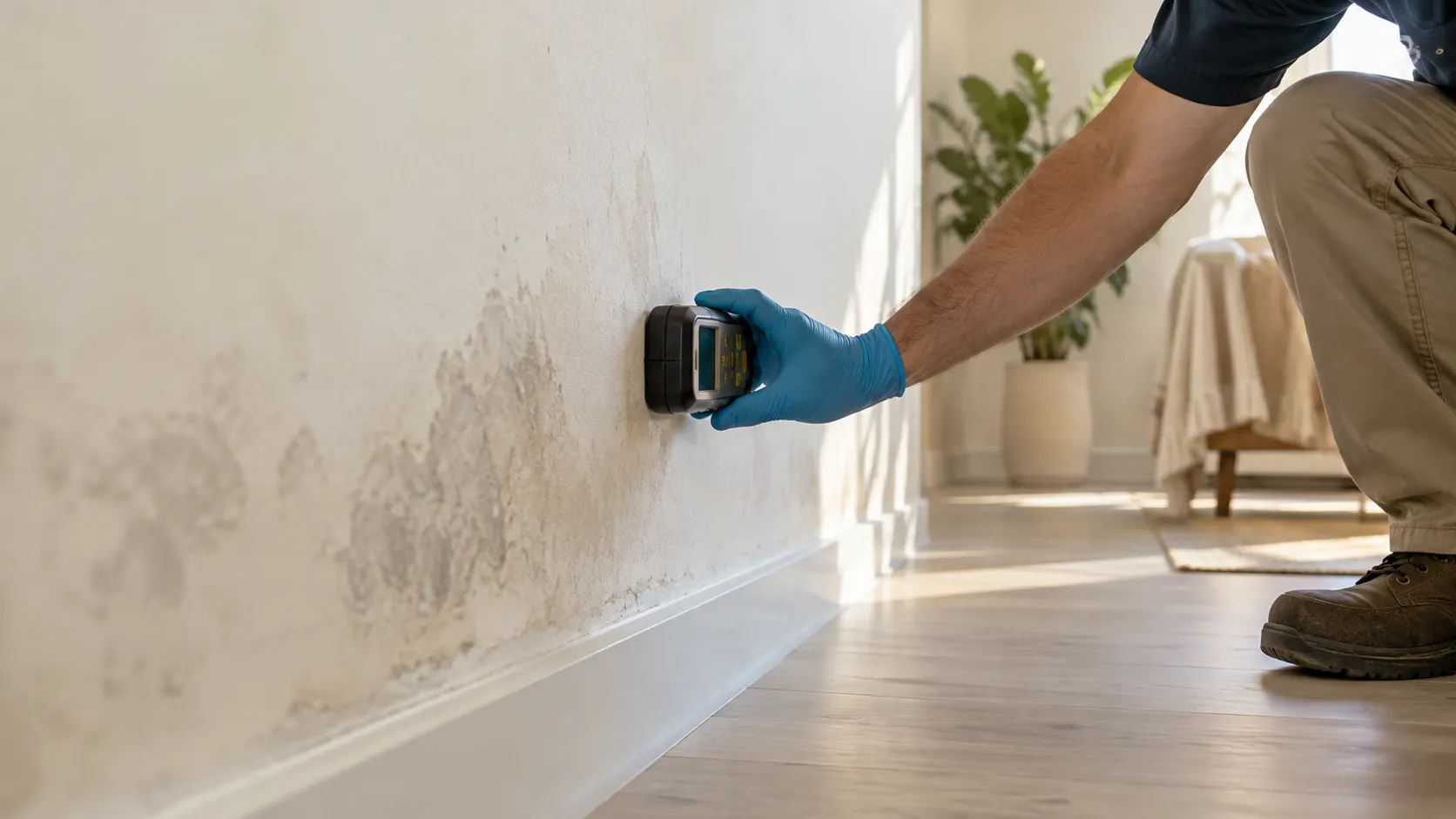
Extent of the incident
Explain which rooms and floor edges became wet, not only where growth is now visible. The original water path can be relevant to adjoining materials, even if some surfaces dried sooner or have already been replaced.
Drying and reinstatement
Describe whether carpet was lifted and what drying was undertaken before furniture returned. A chronology is useful context without claiming that any particular drying period establishes every concealed layer as sound or dry.
Accessible material condition
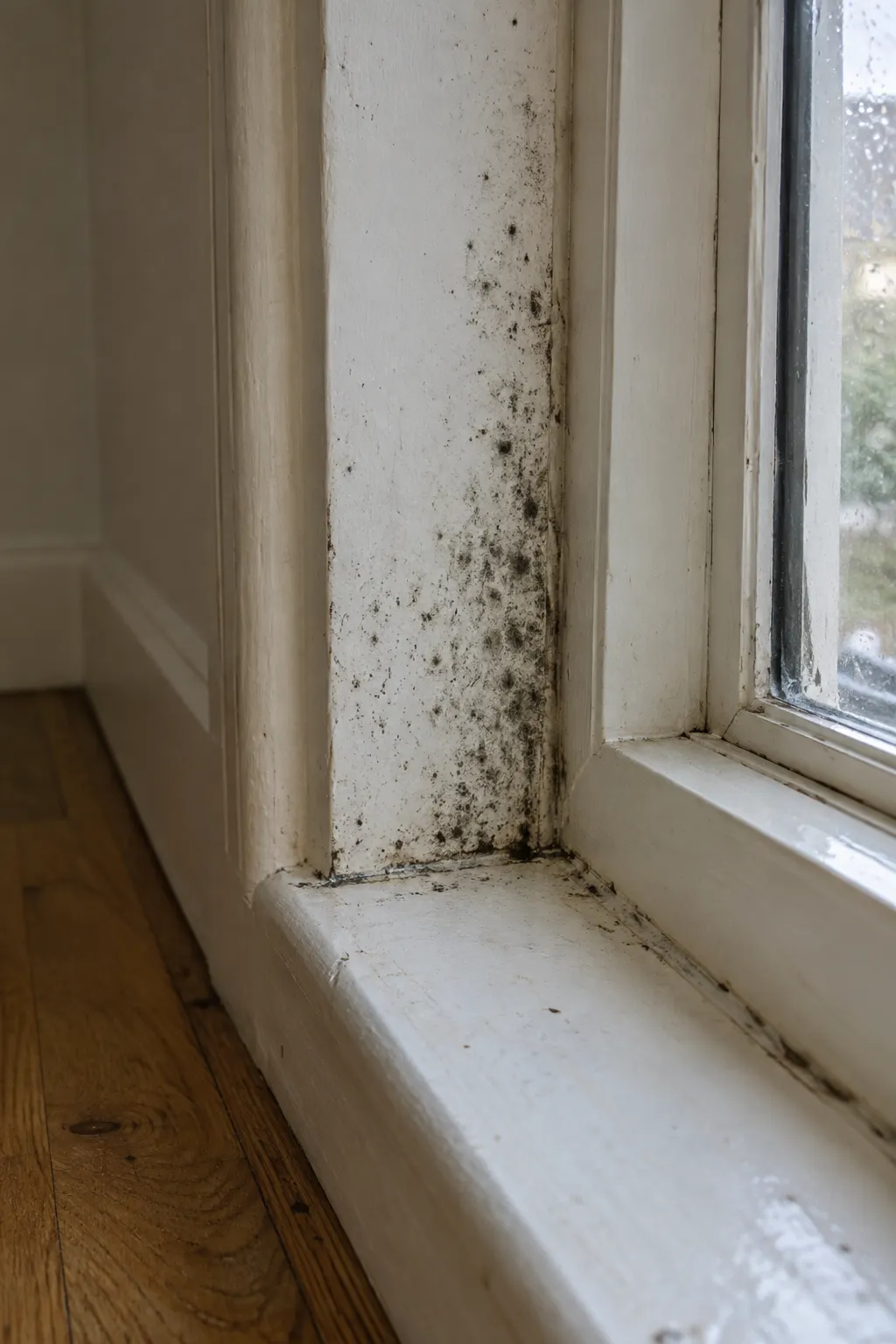
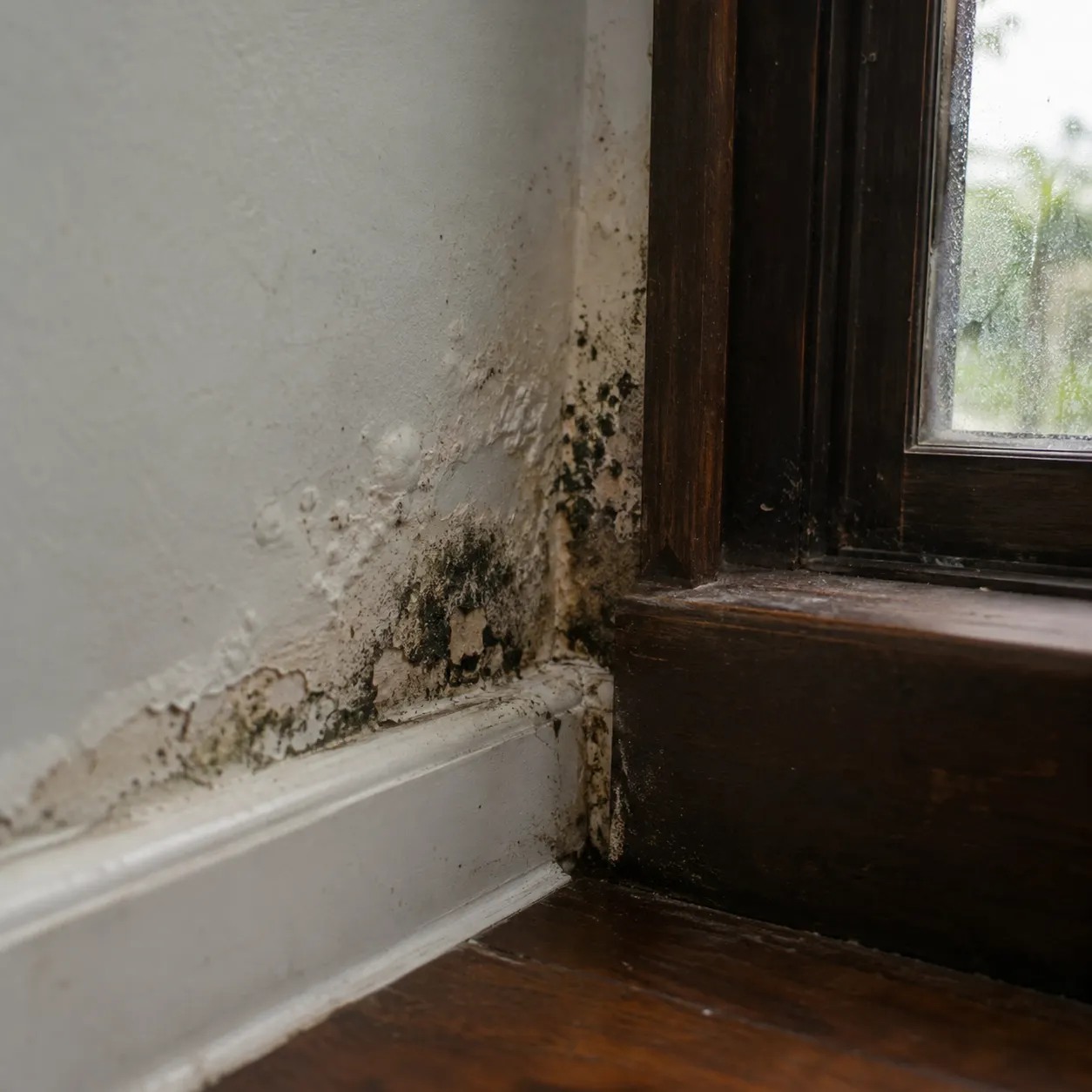
Mention swollen skirting, soft plaster or persistent damp at the junction. A mould inspection can consider visible evidence, while underlay, closed cavities and other concealed layers may need separate access and assessment.
OUR REMOVAL PROCESS
Agree the wall work around the wetting history.
Keep the water record
Retain photographs from the incident and explain what they show. Earlier wider views can describe the original extent better than a current close-up of the darkest part of the wall.
Mention floor-covering work
Tell us what was lifted, dried, discarded or replaced. Those are separate events and should not be compressed into a single statement that the room was fixed after it became wet.
Clarify who handles materials
Replacement of flooring or damaged trim needs a separate decision and suitable assistance. Make those boundaries clear so the accessible removal task is not mistaken for reinstatement of the whole interior.
01
Define the reachable surfaces
List the wall, skirting and flooring observations separately. Provide a wider room view and approximate extent. The removal scope concerns agreed accessible surfaces, not an automatic assessment or restoration of every material affected by water.
02
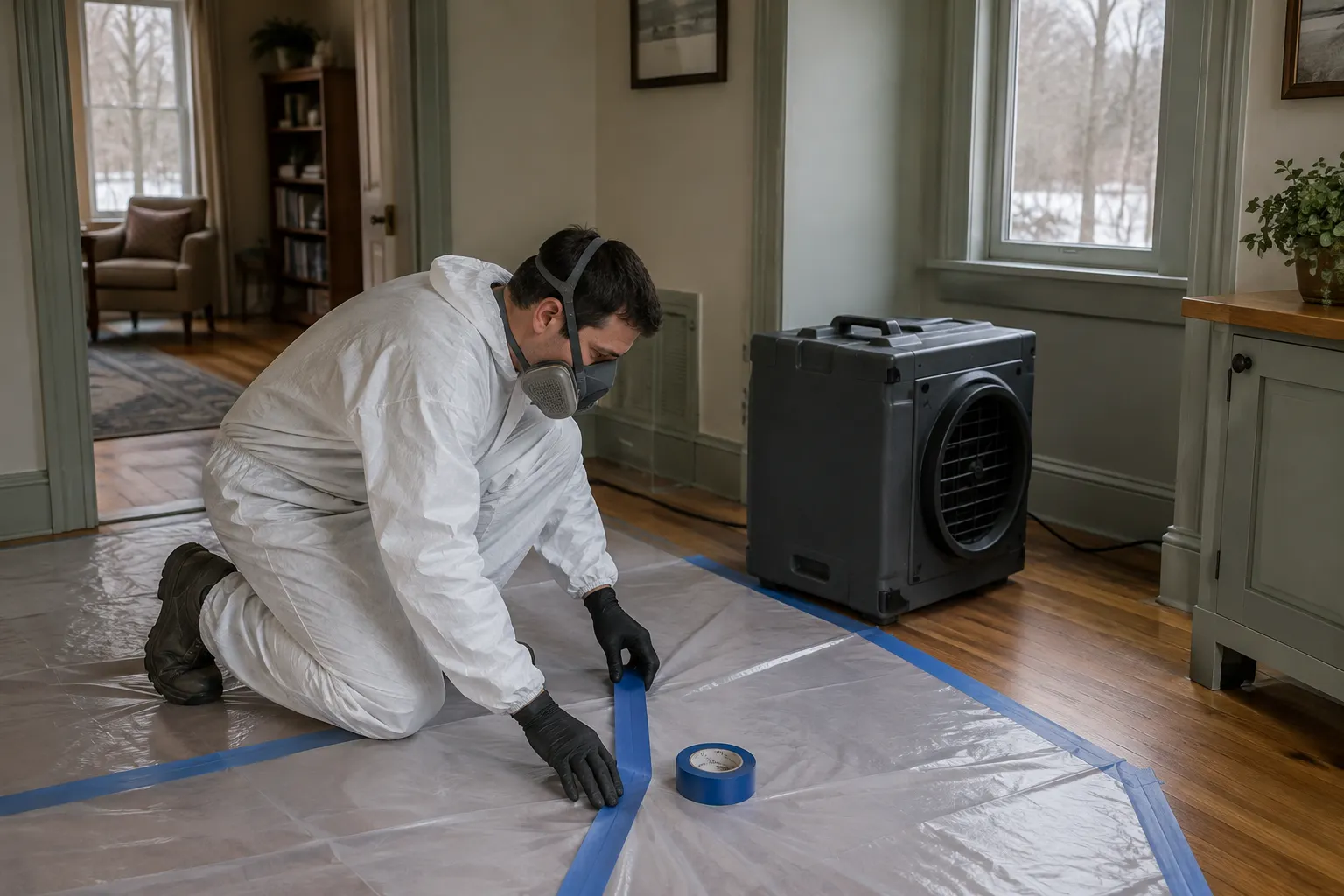
Prepare without hiding the junction
Discuss furniture, floor protection and any access needed beside the carpet. Avoid returning belongings over a questionable edge before the plan is clear. Protection and equipment should reflect the room condition and occupants’ concerns raised before the appointment.
03
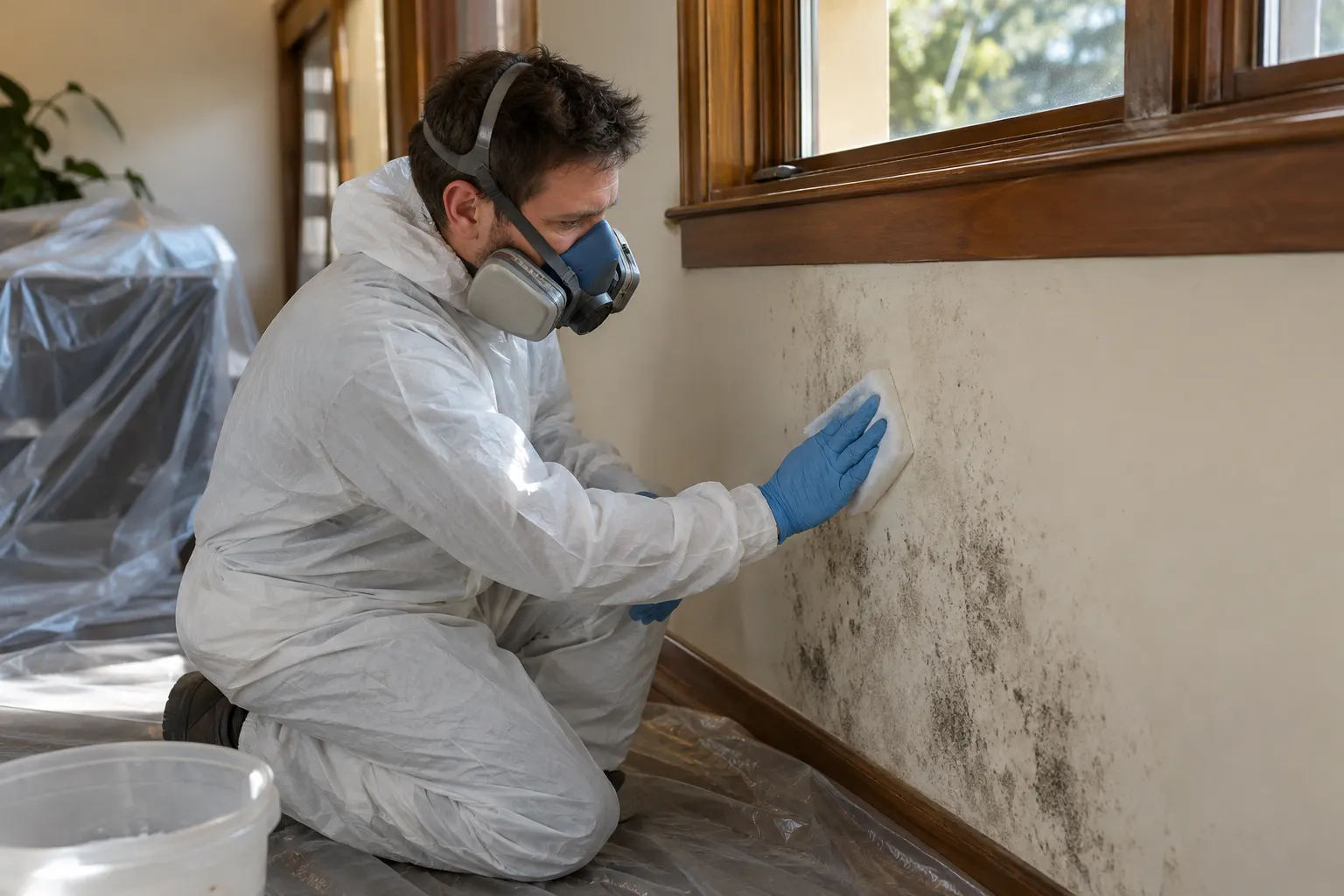
Review repair decisions
Consider remaining staining and damaged finishes after accessible work. Remediation planning connects moisture and materials, but wall removal does not restore wet underlay or confirm the condition beneath a floor covering that remains in place.
COMMON AREAS AFFECTED
A water event affects materials differently.
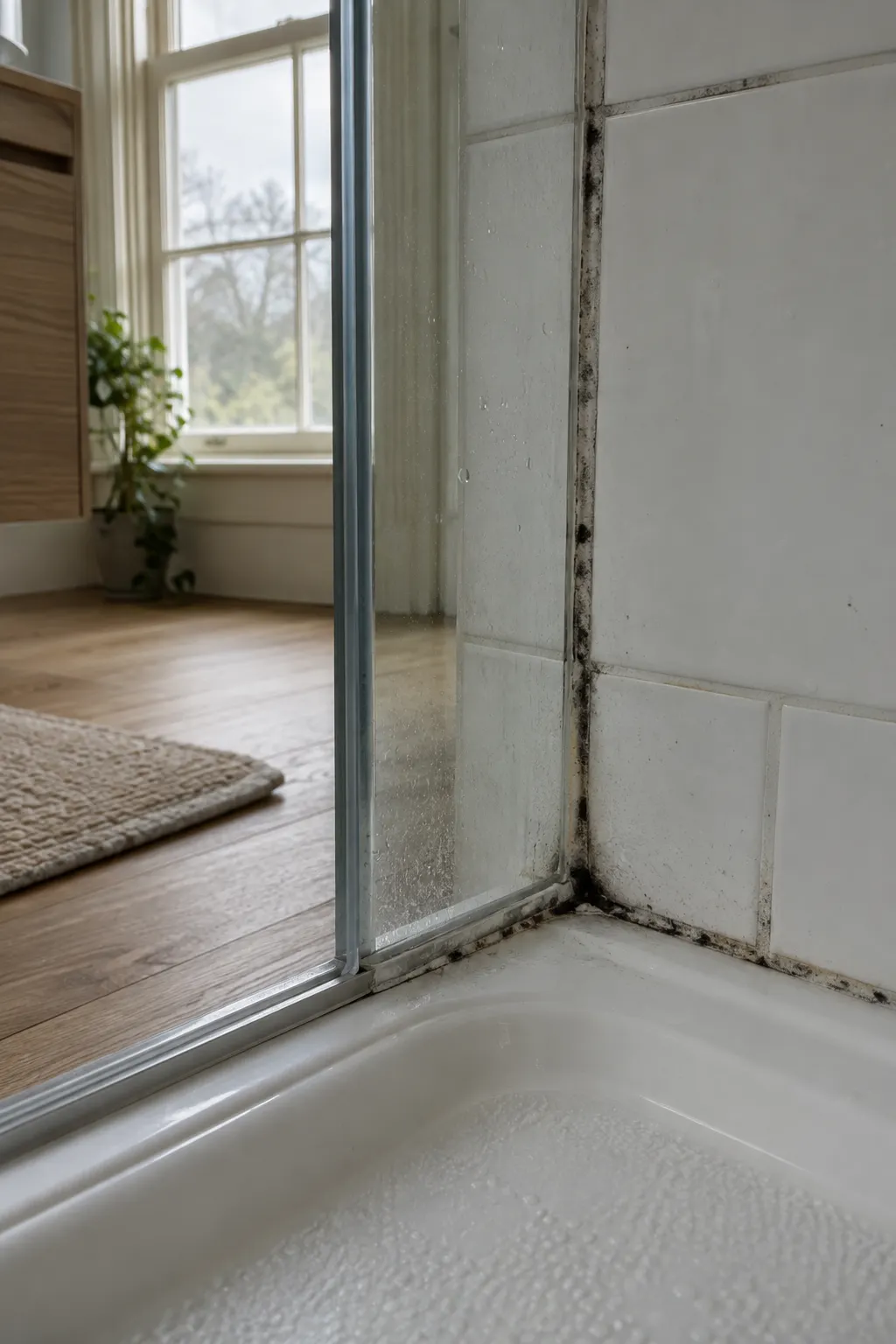
Bathroom surfaces
Bathroom growth may occur independently of a carpet wetting event. Identify affected joints and paint, with the shower-drying routine described separately from another room’s water history.
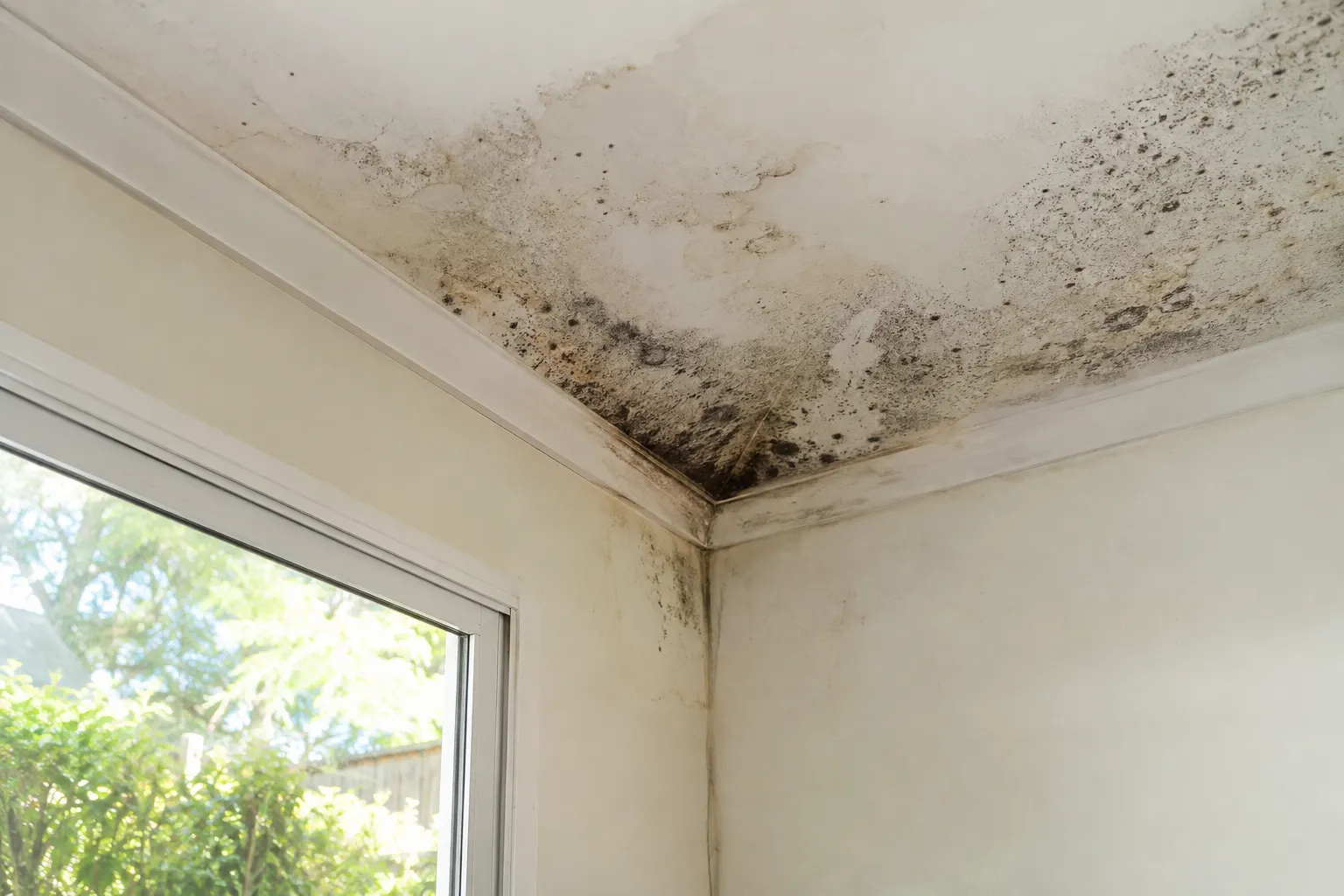
Ceiling condition
A ceiling stain needs its own timing and lining condition recorded. Do not assign the same cause to every mark simply because water damage has occurred elsewhere in the property.
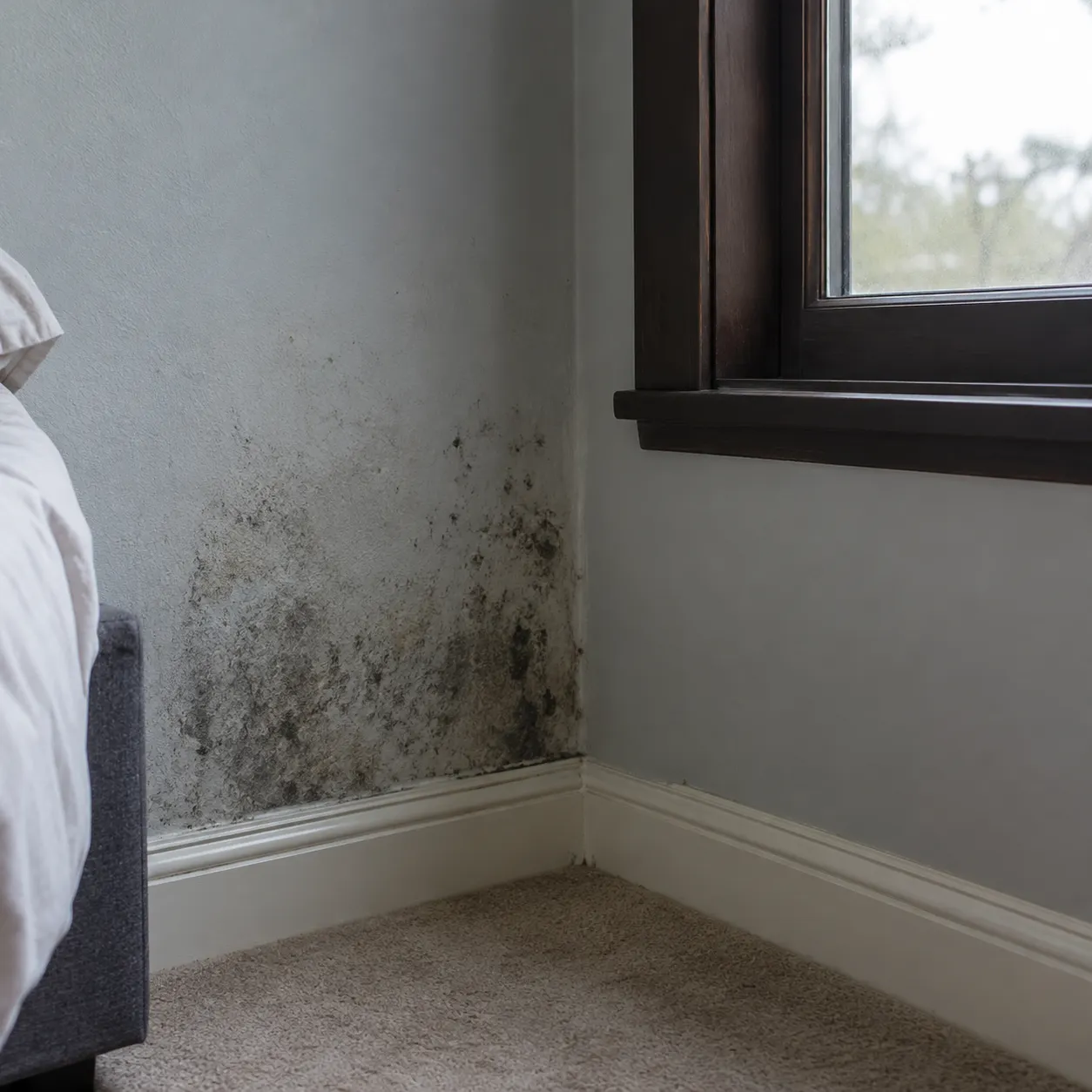
Walls and finishes
At a carpet edge, describe the wall finish, skirting and access together.
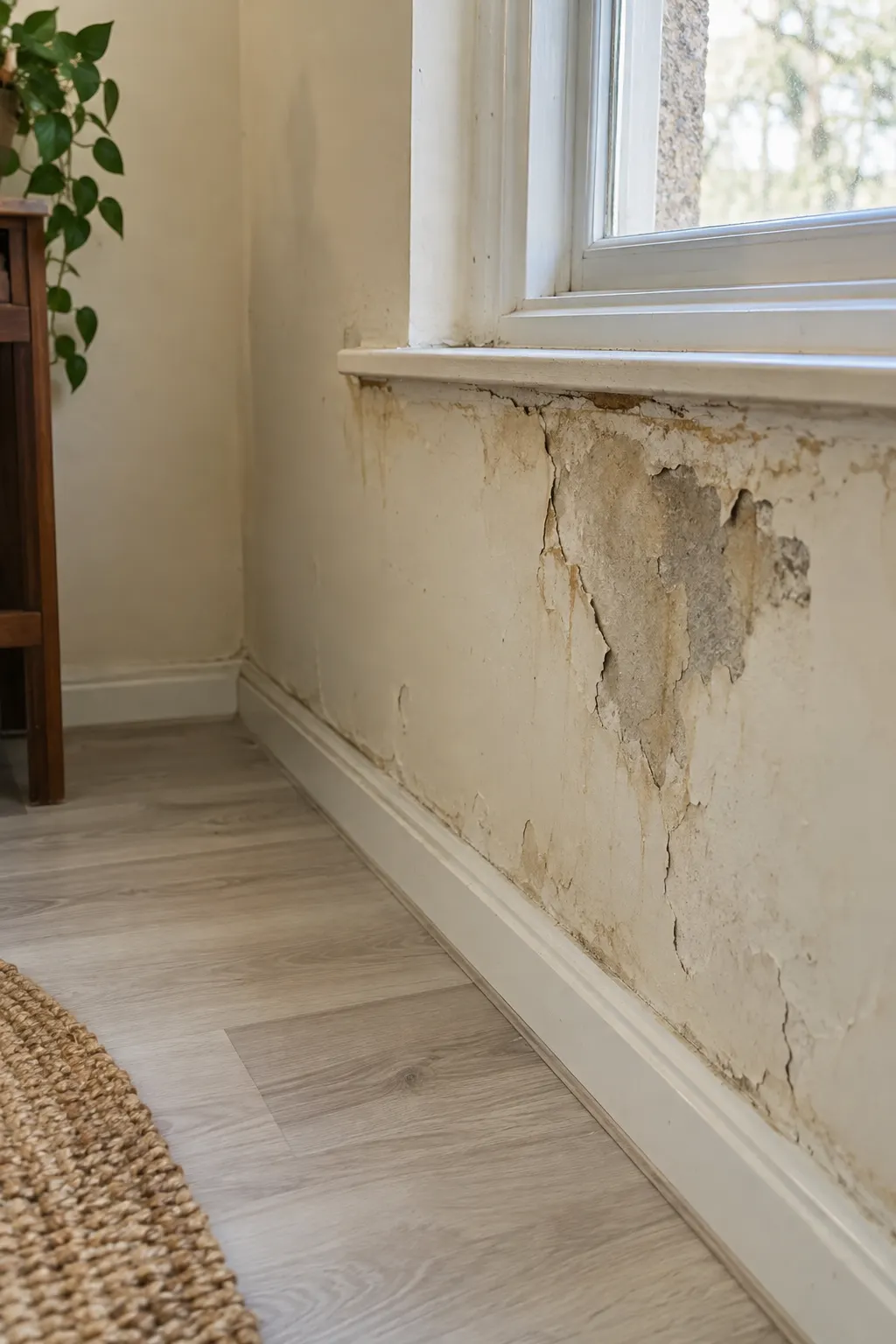
After water damage
A water-damaged room may contain concealed wet layers despite a dry-looking surface.
PREVENTION STARTS WITH
Keep the layers
in the conversation.
A practical household check
Keep records of the wetting and drying sequence. Do not push furniture back over the affected floor edge simply because the top feels dry. Ask about the adjoining materials before decorative repairs make them difficult to inspect.
Review after reinstatement
Once separate repair and drying decisions are complete, keep the accessible junction observable. Record renewed damp or lifting paint before moving furniture permanently into place. A recurring patch should prompt a review of the source and materials rather than repeated decorative treatment of the wall face.
KNOXFIELD & NEARBY
Around Knoxfield
Related nearby guides cover Scoresby, Rowville and Wantirna. Use the other property’s incident sequence when enquiring there, rather than transferring this floor-and-wall history to a different interior.
BEFORE YOU CALL
The useful
questions.
Does a dry-looking carpet prove the underlay is dry too?
Appearance at the surface cannot establish the condition underneath. Explain the water incident and any drying work already undertaken. Assessing or replacing affected floor coverings may be separate from the wall-removal appointment, particularly where materials are concealed or deteriorated.
Will wall removal include lifting the carpet?
That is not assumed. Describe access and material concerns first so any floor-covering work can be planned separately. The agreed appointment should state the accessible surfaces and what remains concealed.
Can old incident photos still help after the floor is replaced?
Yes, clearly dated photos can show the original wetting extent and layout. Explain what changed afterwards so the images supplement current condition rather than being treated as a picture of the room today.
What if the skirting has swollen?
Mention swelling before work is arranged. A damaged material may need repair or replacement outside visible removal; cleaning does not restore its previous shape or establish its concealed condition.
Should I put furniture back before the enquiry?
Describe the room first and avoid concealing the relevant junction unnecessarily. Heavy belongings should be moved with a practical safe plan, especially where floor-covering condition or access is still being assessed.
How do I start a Knoxfield enquiry?
Call 03 8652 1296 with the address, water history and room photos. Discuss availability, preparation and any separate flooring or material work before the accessible removal scope is arranged.
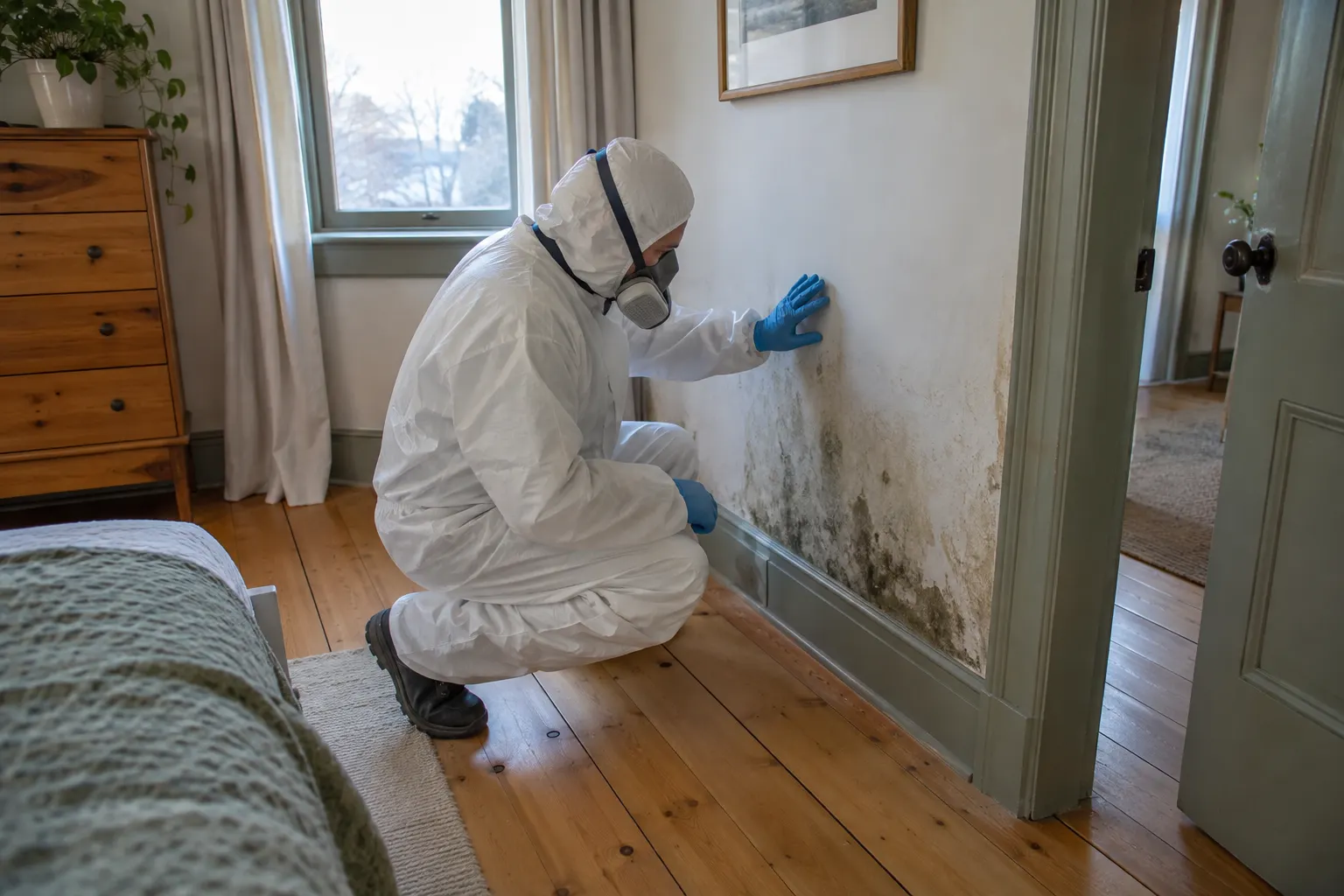
TELL US WHAT YOU CAN SEE
Bring the wetting sequence.
A useful call explains the incident, drying and current wall condition. Discuss address availability and practical access, with flooring, concealed materials and reinstatement kept distinct from the agreed removal task.
Local context: Knox — municipality history