
KONAGADERRA SPRINGS · MELBOURNE
Mould Removal Konagaderra Springs
KONAGADERRA SPRINGS / THE ROOM AND ROOF
A Konagaderra Springs enquiry should start with the exact property address and the room that needs attention. If growth followed a roof leak, explain whether water still enters and which repairs have been completed. Availability and the accessible treatment scope can then be discussed.
Property availability discussed
Roof history taken into account
Accessible surfaces clearly identified
SURFACES & THEIR SETTING
Use the full property details
Planning Victoria’s consultation report names Konagaderra Springs, and Hume Council recognises the wider Konagaderra area. Confirm the actual street address and postal locality when enquiring rather than relying only on a neighbourhood description.
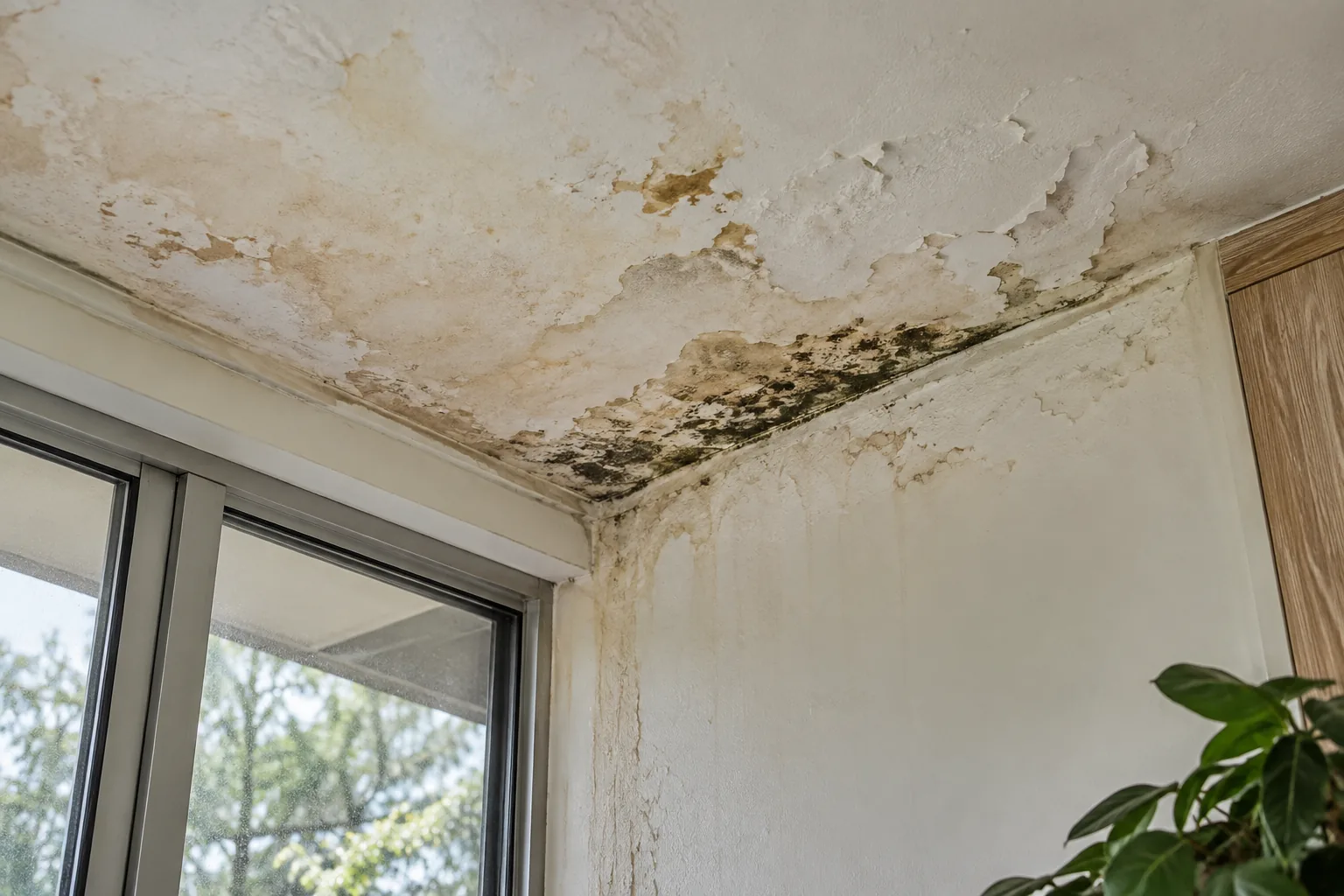
A ceiling beneath a repaired roof
Provide repair dates and explain whether the ceiling remains damp, soft or marked. A mould inspection can consider accessible condition. It does not establish the condition of every roof-space material or confirm hidden dryness from a room photograph.
Arrange entry before travel
Give the contact meeting the technician and any access constraints. Availability is address-based and must be confirmed. Do not assume the location page guarantees an appointment, identifies an on-site office or establishes that every nearby property can be treated.
Growth, water damage and hidden construction
Report each concern separately. A visible patch may sit on a finish that is already deteriorated, and that condition affects the possible work.
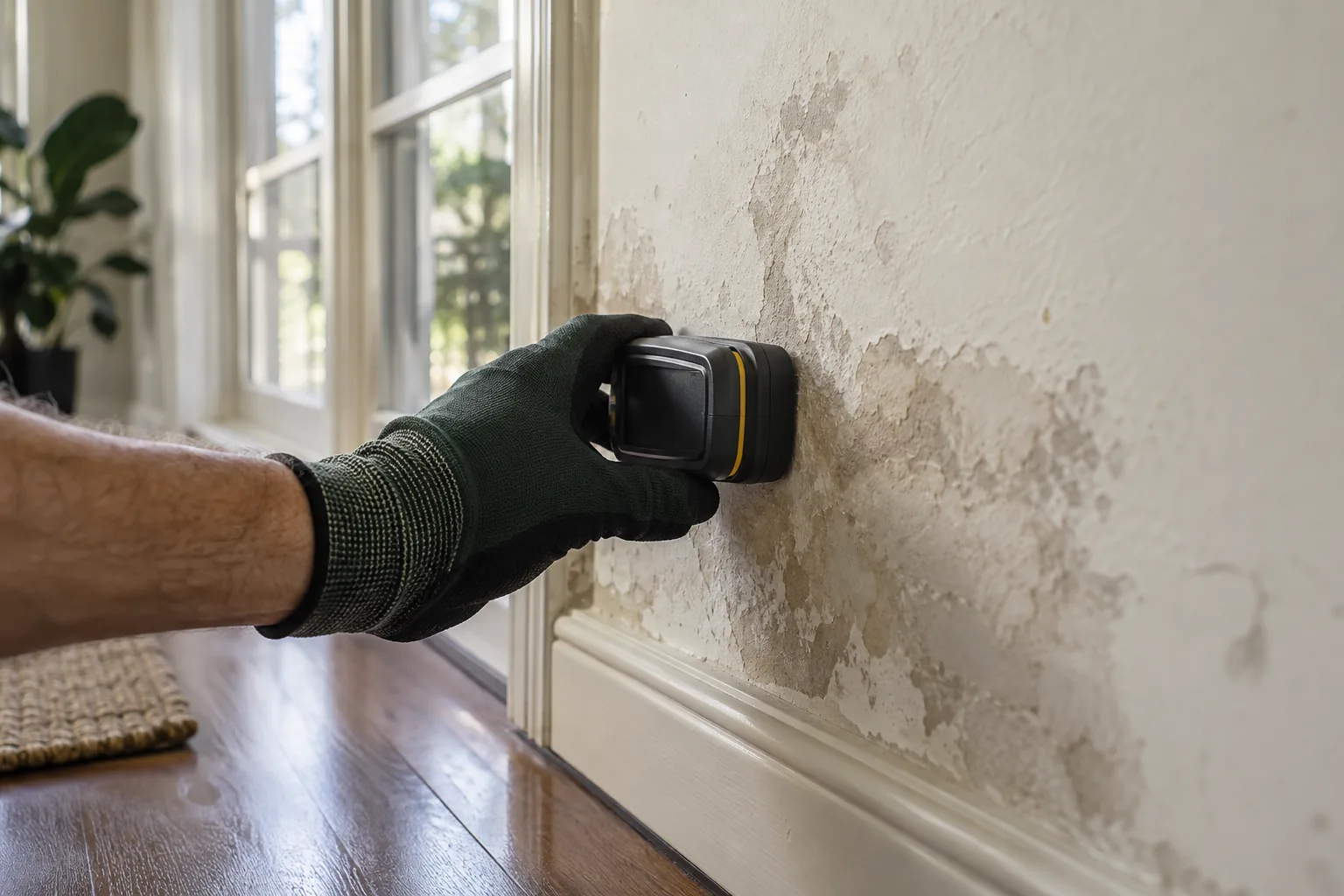
Define the visible surface
Our removal service covers accessible walls, ceilings and hard floors. Mention fragile coatings or areas blocked by belongings. Furniture, carpets, curtains, mattresses and clothing are excluded, while concealed cavities require separate investigation.
Keep the source repair distinct
Roof, plumbing and structural defects need the appropriate separate repairs. Supply any notes about continuing water entry. Room humidity readings offer context but do not prove that insulation or material inside construction is dry.
THE SURFACE REMOVAL PROCESS
Six stages for an agreed interior scope
01
Assess growth and material
The technician reviews accessible extent, surface condition and relevant history. Hygrometer information may support that review. Deteriorated material or concealed sections are limitations rather than automatically included in a standard surface treatment.
02
Prepare with air filtration
Agree room clearance and people or pet arrangements. HEPA filtration supports the work as appropriate. The entry contact should understand preparation, and potentially affected belongings should not be dispersed simply to clear a photograph.
03
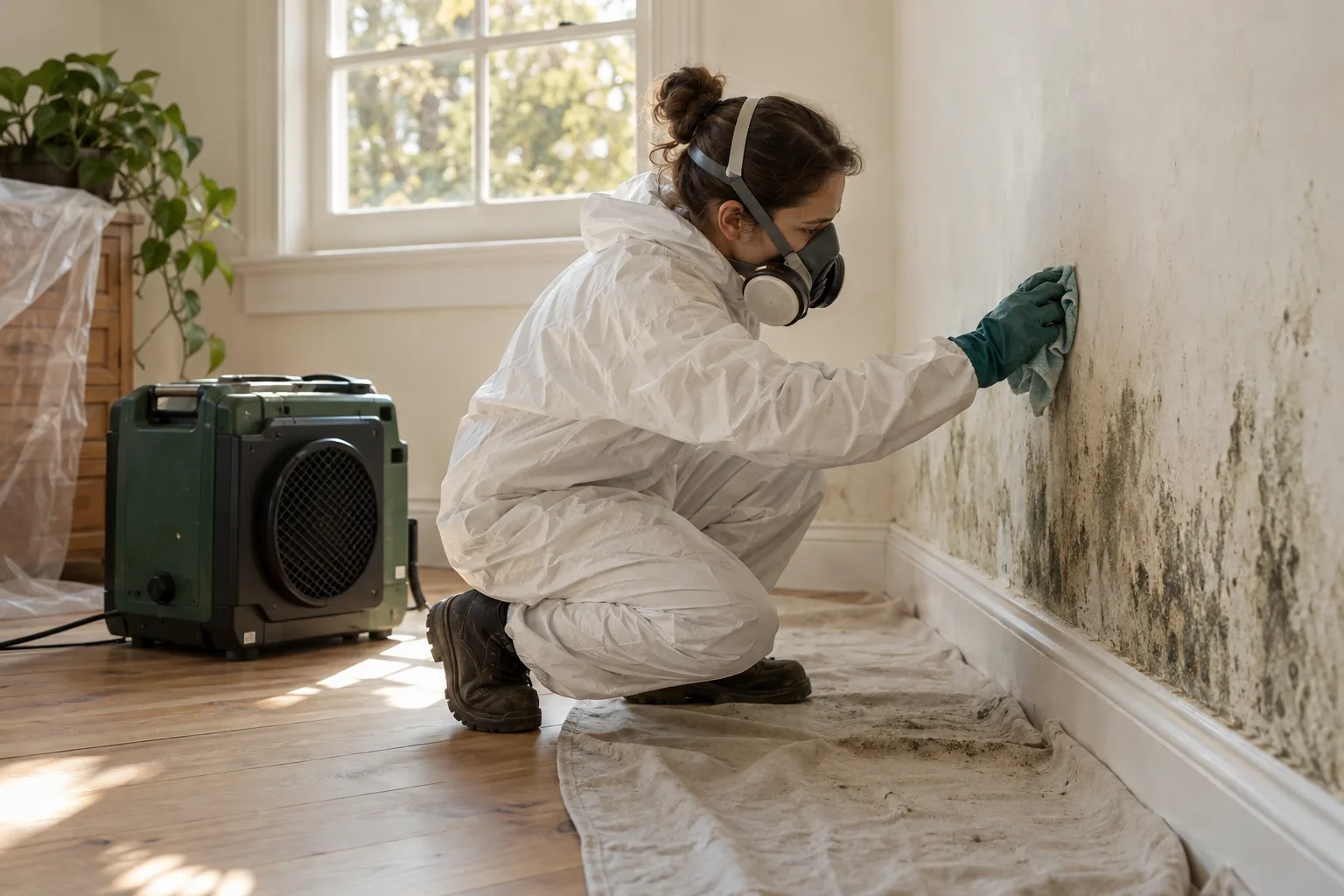
Choose suitable HOCl application
The method is considered for the actual finish. Explain previous cleaning attempts or delicate paint. Treating growth is different from repairing a damaged ceiling or guaranteeing removal of all cosmetic staining.
04
Include ULV application if appropriate
Fog application may be part of the agreed process. Confirm preparation and return timing. Any building alarm arrangement requires an approved procedure with the responsible person; do not disable systems independently.
05
Remove accessible residue physically
H-class filtered equipment is used as suitable for physical removal. The work remains on agreed structural surfaces. Hidden roof-space materials, furniture and textiles need separately defined investigation, handling or repair.
06
Finish filtration and review limits
Final air filtration continues as required. Discuss remaining marks and outstanding source or decorating work. The handover should leave clear next steps without promising that future dampness cannot support new growth.
VISIBLE & ACCESSIBLE
Useful interior observations
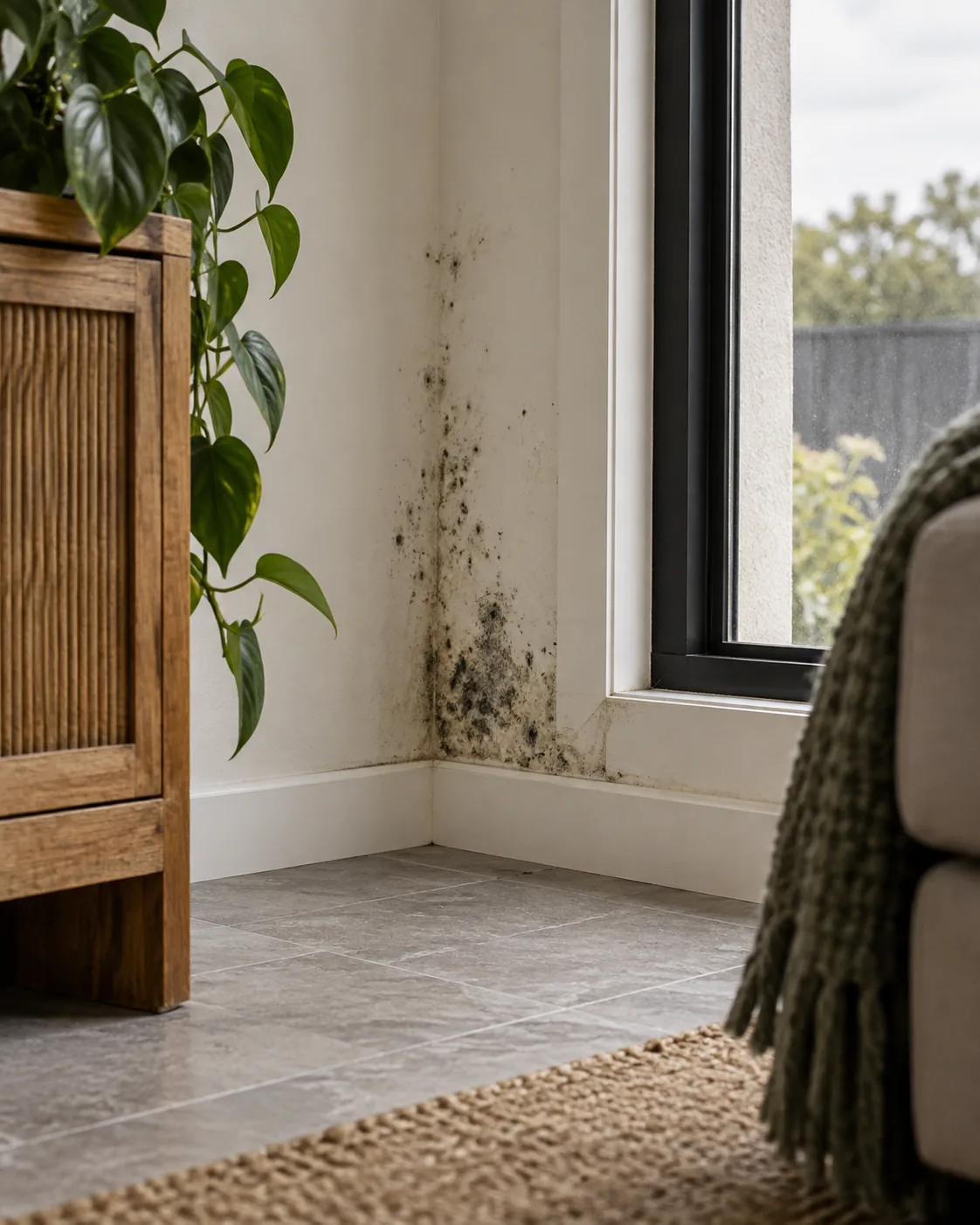
Ceiling below a leak
Give wetness and repair history.
Adjacent wall sections
Show the spread and finish.
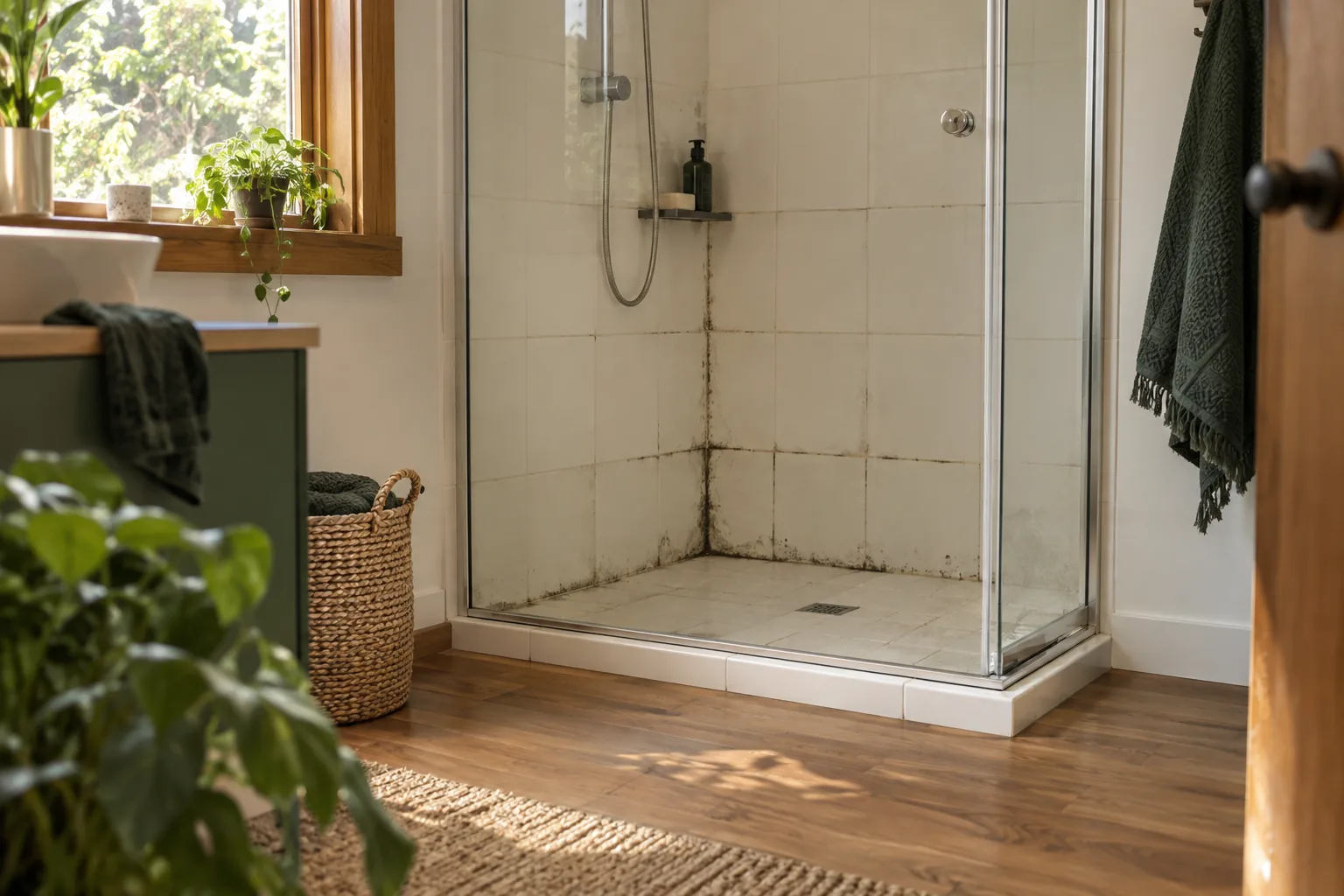
Bathroom ceilings
Explain extraction and drying.
Hard-floor perimeters
Identify the finish and signs of water tracking.
PREPARATION & LIMITS
Plan around the actual work
Around three hours per room is an average working estimate, not a guaranteed duration. Size, contamination and access affect timing, and the service is not hourly-based. Confirm the scope and available visit before planning a fixed absence.
Remediation may leave cosmetic stains. Decorating requires a separate quotation; roof or plumbing repair is also separate work. Growth can recur when water entry or persistently damp conditions remain unresolved.
AFTER THE SURFACE WORK
Make roof and room follow-up accountable
Retain repair records and note whether dampness changes after rainfall. Check effective extraction where steam is produced and keep vents clear. A room moisture routine does not replace investigation of an active roof defect.
After the agreed return time, keep the treated area accessible enough to monitor. Dated photographs and humidity observations can help explain recurrence, without proving hidden dryness. Seek repair advice before covering continuing wetness with paint or storage.
KONAGADERRA SPRINGS · SURROUNDING ADDRESS ENQUIRIES
Nearby address guides
Use the nearby location links for orientation, then provide the full Konagaderra Springs property address. Confirm access and availability for the actual premises rather than assuming a local name establishes the visit conditions.
BEFORE YOU ARRANGE WORK
Questions for your enquiry.
What address details do you need?
Give the street, property number and postal locality as well as Konagaderra Springs. Local estate descriptions can be used differently.
Can you inspect the roof space too?
Ordinary treatment covers visible, accessible structural surfaces. Concealed roof-space concerns require separately defined investigation and appropriate access.
Should roof repair happen first?
Tell us whether water still enters and what work has been completed. Repair remains separate, and the appropriate sequence depends on material condition. Removal cannot keep a surface dry beneath an unresolved leak.
Does treatment repair a damaged ceiling?
No material reconstruction is assumed. Mention soft plaster, peeling finishes and instability before booking. Treatment of growth is different from repair or replacement of construction and separately quoted decorating.
Is visit availability automatic?
No. Availability is discussed for the exact address, scope and access arrangements. A location page provides enquiry information, not a confirmed booking or a promise that every nearby property receives the same service.
What should I record afterwards?
Keep the agreed scope, remaining marks and repair notes, then date any new dampness. Those details help a follow-up conversation distinguish cosmetic staining from fresh growth and an unresolved source problem.
Discuss the property and ceiling history
Call 03 8652 1296 with the Konagaderra Springs address, affected room and known repairs. Confirm availability and assessment limits before booking.
Useful references: Hume Council locality reference · Planning Victoria Konagaderra Springs reference