
LANGWARRIN · MELBOURNE
Mould Removal Langwarrin
When mould appears in a regularly used family room, preparation needs to account for the way people use the space. For Langwarrin enquiries, describe the wall, nearby furnishings and any moisture history. Call 03 8652 1296 to check address availability and discuss accessible work. Toys, soft furnishings and building surfaces are separate material questions; they should not all be assumed included in one wall-cleaning proposal.
Room-use preparation
Material-specific scope
Moisture questions considered
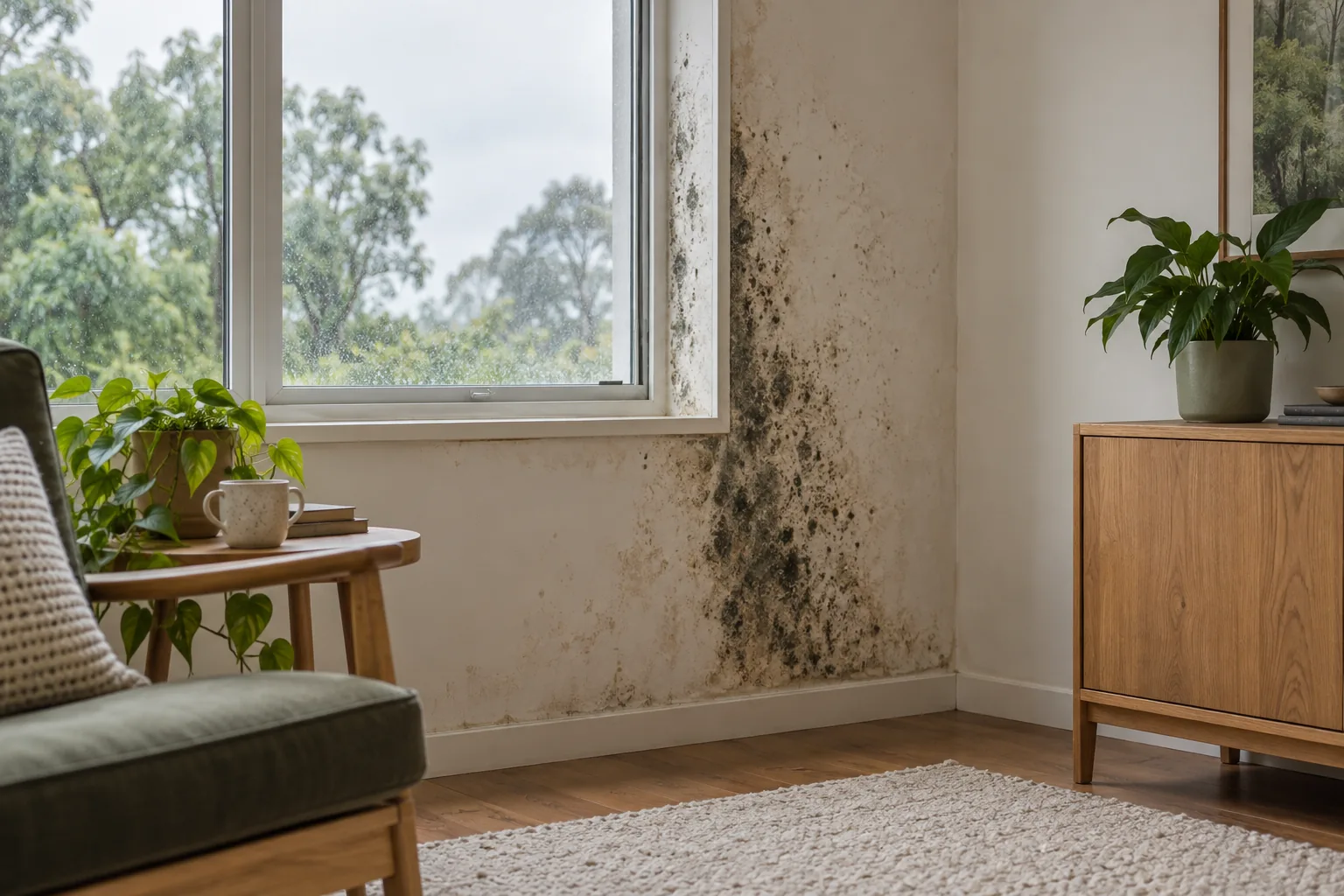
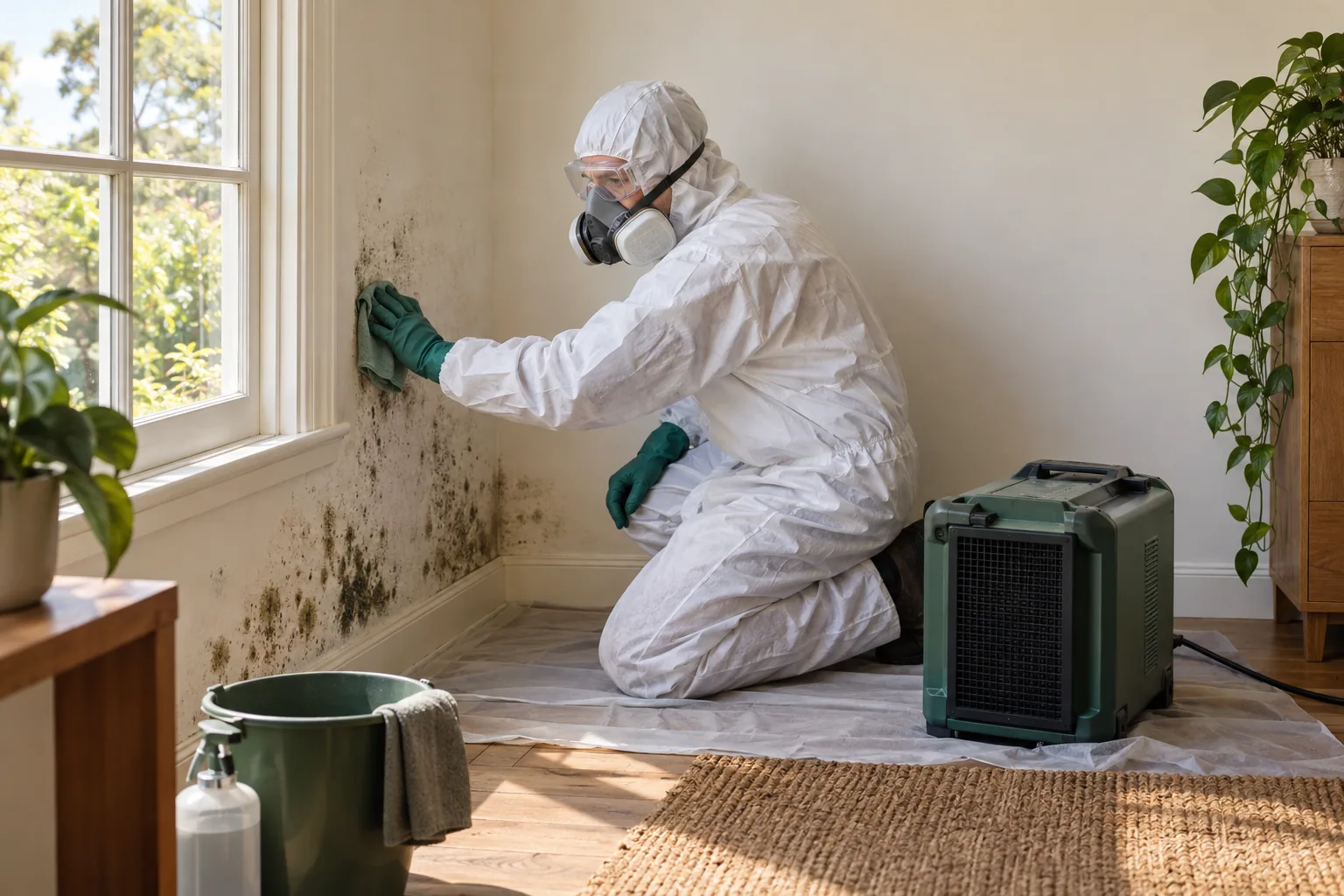
FAMILY ROOM · PLAY AREA · WALLS
THE HOME, IN CONTEXT
Describe the actual room arrangement
Frankston Council publishes several neighbourhood character guideline areas for Langwarrin. The locality contains different settings, so describe your building and room rather than assuming one house type. Give the precise address and access route when enquiring.
Keep belongings in the room view
A broad photograph showing furniture and storage helps plan practical access. Tell us which items can be moved safely. Do not clear growth-covered belongings by brushing them or carrying them through other rooms without advice.
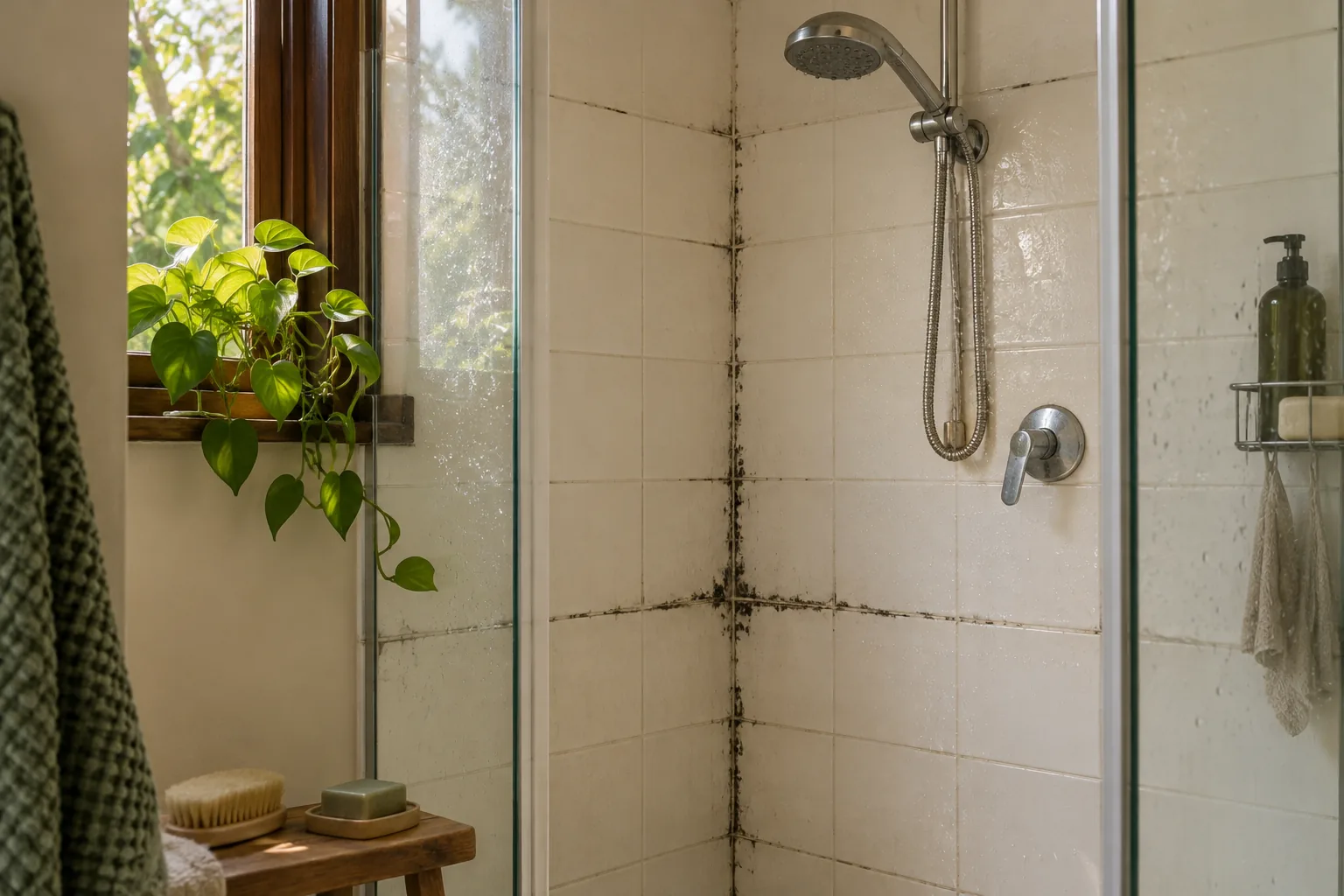
Note when wetness occurs
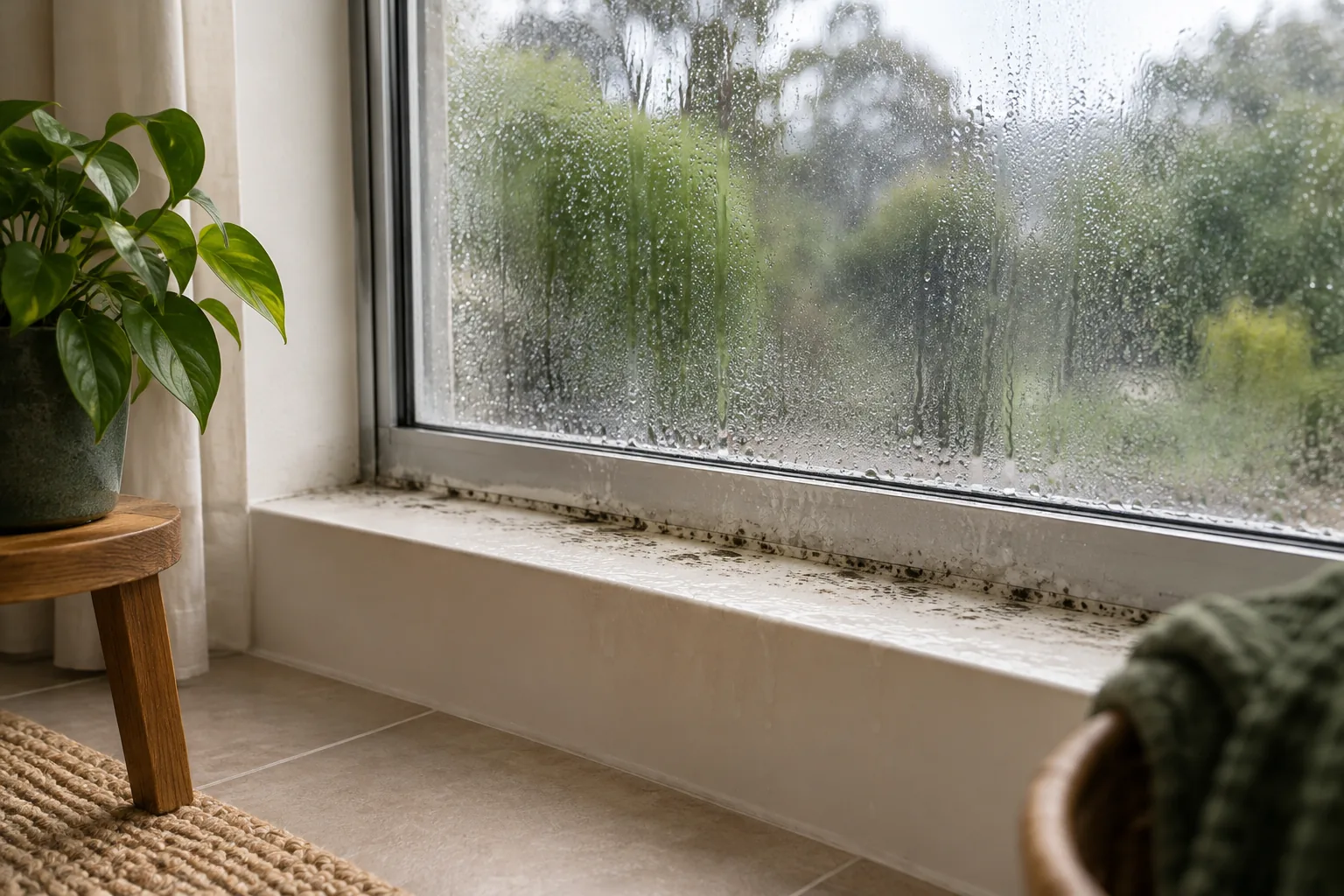
Record spills, window droplets and any known leak separately. A well-used room can have several moisture inputs. Its use alone does not explain growth or establish that occupants are responsible for the conditions.
INSPECTION & MOISTURE
Consider materials before a cleaning plan
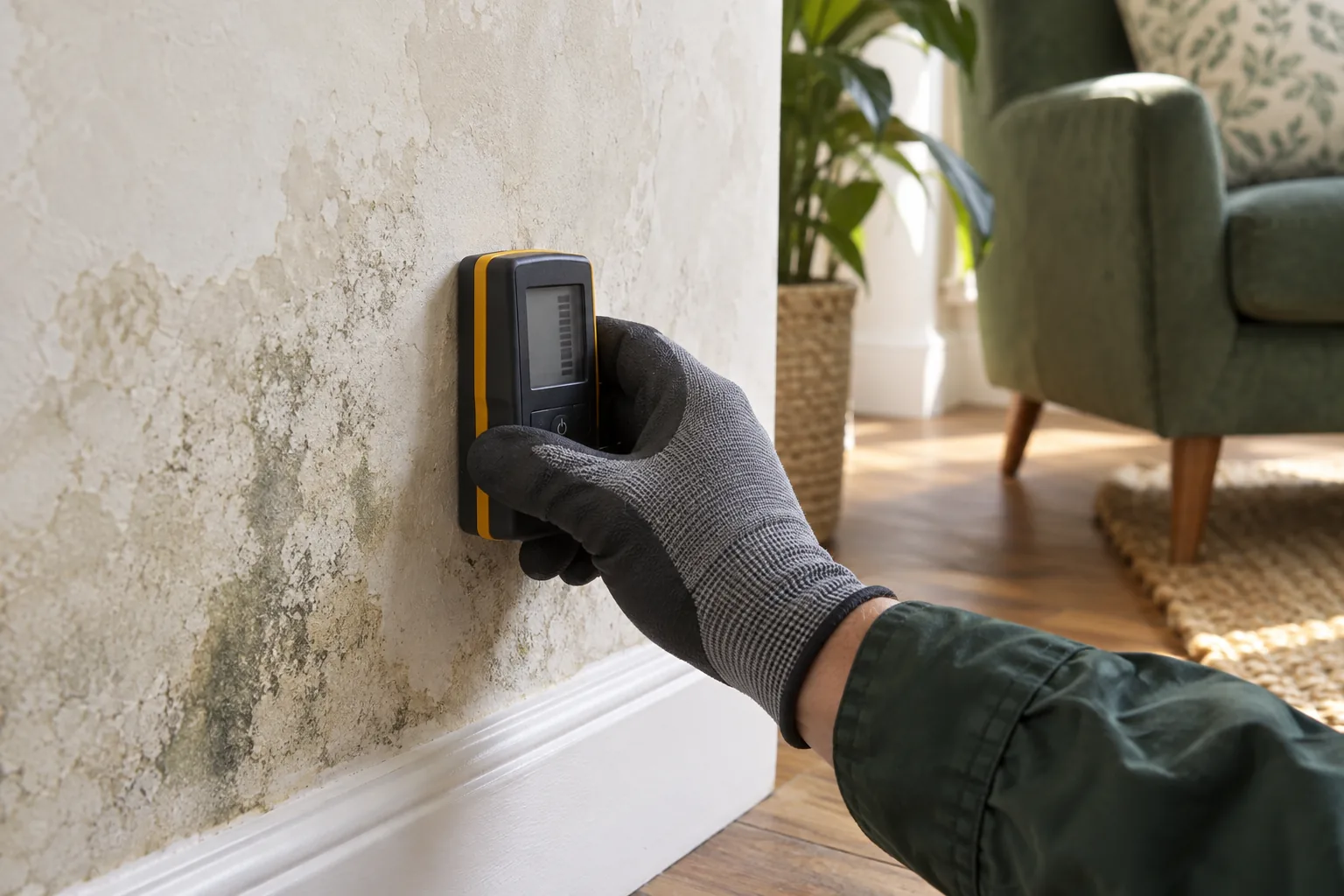
A family-room assessment discussion can identify accessible walls, finish condition and missing information. If a patch is partly hidden, state the limitation rather than opening up the room yourself.
Identify delicate or absorbent finishes
Wallpaper, fabric panels and upholstery differ from coated plaster. Describe the materials as far as known and mention damage. Suitable handling should reflect the actual surface, not simply the label ‘family room’.
Discuss room use early
Explain whether the room connects to other occupied spaces or is the main storage area. Preparation and access need a workable arrangement. Avoid assuming people can continue using the immediate work area as normal.
A CONNECTED PROCESS
Plan around the room’s everyday function
Map the patch and furniture
Send wide photographs with close views of distinct areas. Include an approximate patch size and known wetting event. Check availability before committing to furniture movement or alternative room arrangements.
Define suitable surfaces
Discuss removal from accessible family-room walls separately from toys, textiles and furniture. Different items may need different assessment or care decisions, and concealed material is not automatically included.
Agree preparation
Ask which sound contents should be relocated and what must remain undisturbed. Plan heavy furniture handling carefully. Keeping a path clear should not involve dragging affected items past other occupied spaces.
Treat suitable family-room walls
Separate toys and soft furnishings from the work before physical removal and material-compatible wall treatment. HEPA filtration may be appropriate for the agreed area. A wall method cannot restore damaged lining or be assumed suitable for upholstery and internal cushioning.
Review before restoring storage
Record the agreed work and remaining finish limitations. Return items only as appropriate to their condition and room arrangements. An improved wall appearance does not establish that every nearby belonging has been assessed.
WHERE MOULD APPEARS
Different materials beside the same wall
Painted plaster
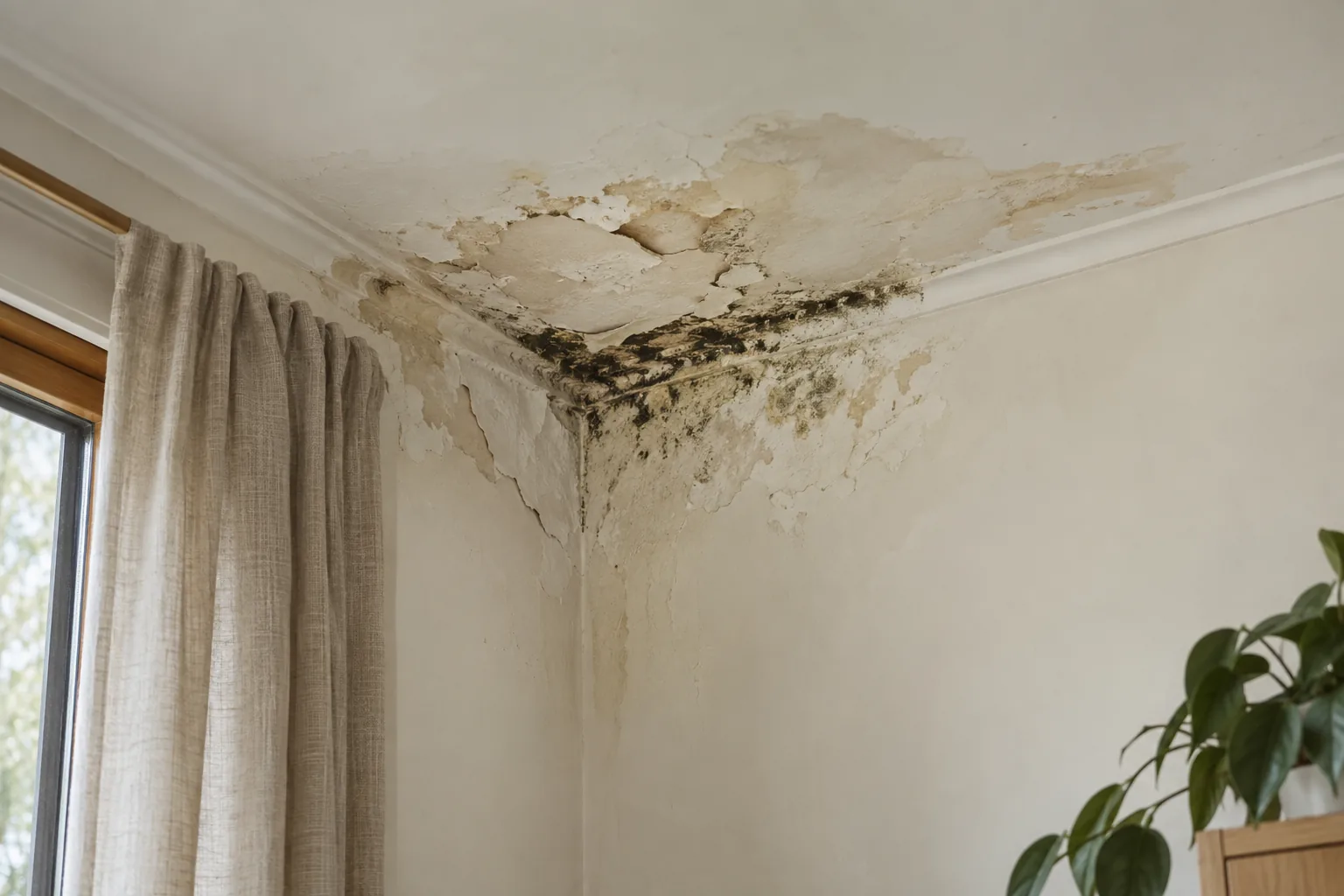
Report peeling, blistering or old stains. Material damage can alter suitability for cleaning. A small dark patch does not guarantee that the coating beneath is firm or that decoration will be unnecessary.
Ceiling over the family room
Include overhead growth if observed, with a wide view showing storage and furniture below. Surface condition and practical reach matter. A cleaner wall elsewhere does not establish the cause or condition of the ceiling patch.
Storage unit backing
A board close to the wall can conceal dampness or show its own damage. Explain whether it is freestanding or fixed. Access and retention decisions should account for both the item and wall.
Window-side trim
Mention wet glass, cracked joints and swollen timber individually. Those observations guide questions without proving a cause. Surface cleaning cannot restore degraded joinery or stop water entering through a defective assembly.
MAKE SPACE FOR DRYING
Keep observation possible after work
Where practical, position storage so previously affected surfaces can be checked. Keep a record of recurrence and wetting events. Room layout can support observation and airflow, but it cannot guarantee prevention when a water source remains unresolved.
Maintain working ventilation and respond promptly to actual spills or leaks. Avoid placing damp belongings against walls for extended storage. If wetness persists despite changed use, investigate further instead of repeating surface cleaning alone.
LANGWARRIN & NEARBY
Nearby property enquiries
Compare location information for Baxter Frankston Pearcedale. Give the exact property address when calling; a nearby page does not confirm an available appointment.
QUESTIONS WORTH ASKING
Before the visit.
Are toys included in wall removal?
Not automatically. Tell us about affected items separately and clarify their materials. Contents care and retention decisions should not be inferred from a proposal for accessible painted walls.
Can the family room stay in use during work?
Discuss occupancy and preparation before a visit. The arrangement depends on the agreed work and room layout. Do not assume normal use of the immediate area without checking instructions.
Does furniture spacing prevent recurrence?
It may improve practical airflow and inspection access, depending on the room. It does not stop a leak or restore damaged lining. Continued wetness needs its own investigation.
What if I am worried about someone’s symptoms?
A cleaning enquiry cannot determine a medical cause. Seek appropriate health advice for symptoms, and describe the building conditions separately. Avoid relying on mould colour as a measure of health risk.
Should I repaint before relocating storage?
Address moisture, growth and material condition first. Repainting can hide useful information while leaving conditions unchanged. Decoration should follow the appropriate assessment and repair sequence.
How do I arrange a Langwarrin enquiry?
Call 03 8652 1296 with the address, room layout and moisture history. Availability and preparation can then be checked before furniture is moved or room-use arrangements are made.
START WITH YOUR ROOM
Discuss the room and its belongings
Call with a broad room view and surface details. A defined wall scope, practical preparation and separate contents questions support a realistic enquiry for your Langwarrin property.
Useful references: Frankston City Council — neighbourhood character guidelines