
ROOMS AFTER A WATER EVENT · MOISTURE · SURFACES
LYSTERFIELD · MELBOURNE
Mould Removal Lysterfield
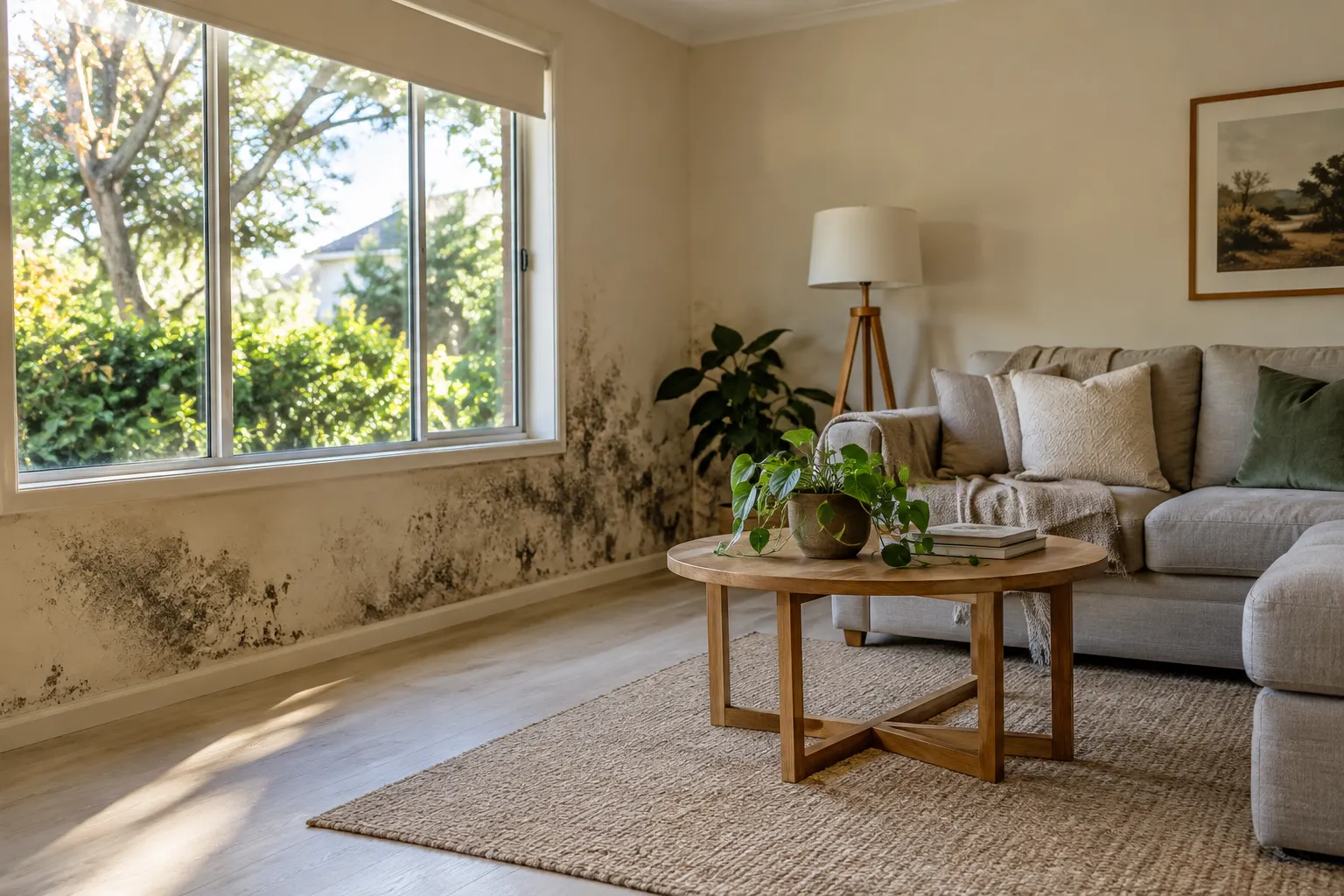
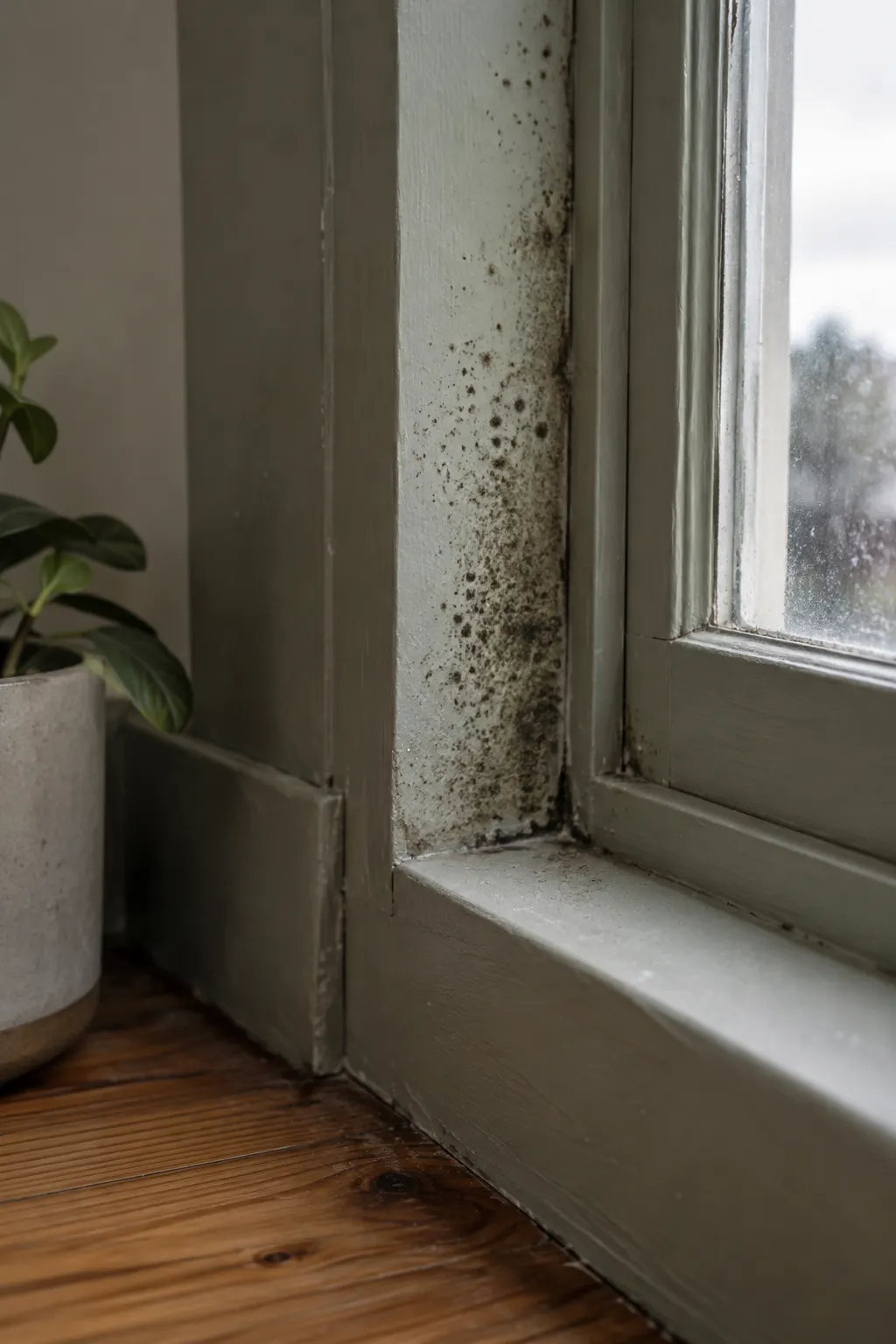
After water enters a room, the next decision depends on what became wet and how long it stayed that way. A Lysterfield enquiry should describe the event before focusing on the visible mould.
Visible material considered
Moisture history discussed
Access and scope agreed
THE ROOM TELLS A STORY
Make the water history clear
Knox’s local information includes Lysterfield. If a room has been affected by overflow or water entry, list the walls, flooring and furnishings separately. Drying and material replacement may sit outside accessible surface cleaning. Do not assume that a room is ready for repainting because the visible water has disappeared.
Start the inspection enquiry with the event that wet the room and the materials it reached. This avoids treating a clean-looking exposed wall as evidence that every furnishing or concealed building area has already been assessed.
UNDERSTANDING MOISTURE
Make sense of
the room after a water event.

Air and drying
After a water event, separate normal room moisture from material that has stayed wet. Describe current observations and the earlier event instead of assuming every remaining mark is new growth or active leakage.
Water entering
The original source, duration and repair history matter. If entry continues, arrange the appropriate investigation; surface treatment cannot substitute for stopping water or deciding how affected materials should dry.
The material itself
Wet paint, board, timber and furnishings have different suitability questions. List known damage and reachable surfaces so retention or replacement decisions are not hidden inside a general promise to clean the room.
OUR REMOVAL PROCESS
A clear scope.
A careful sequence.
Keep the room history
Write down the event’s timing, approximate affected areas and what happened afterward. Information about prolonged wetness can matter as much as the photograph of visible growth.
Make access practical
Identify which furnishings, coverings or temporary equipment block the surfaces. Discuss who handles each item before access to the room is arranged.
Agree the next decisions
Ask what drying information or material assessment is still required. Cosmetic restoration should follow those decisions rather than hide uncertainty about previously wet areas.
01
Assess the water-affected interior
List materials touched by the water event before discussing accessible mould removal. Walls, flooring and furnishings can need different drying, cleaning or replacement decisions.
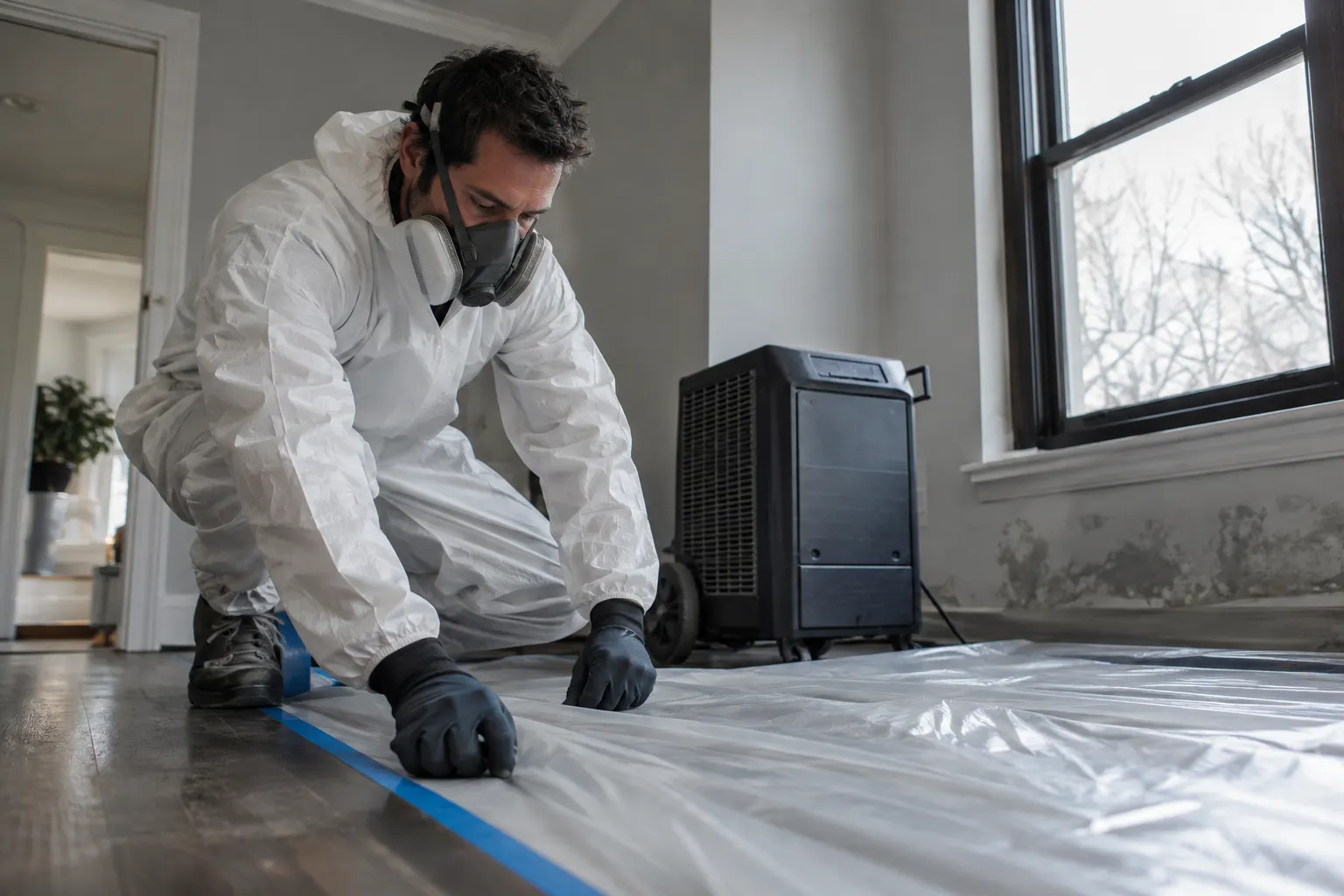
02
Prepare the working area
Confirm that the room can be accessed and what damaged belongings remain. Preparation should avoid treating contents handling or building repair as an automatic part of surface work.
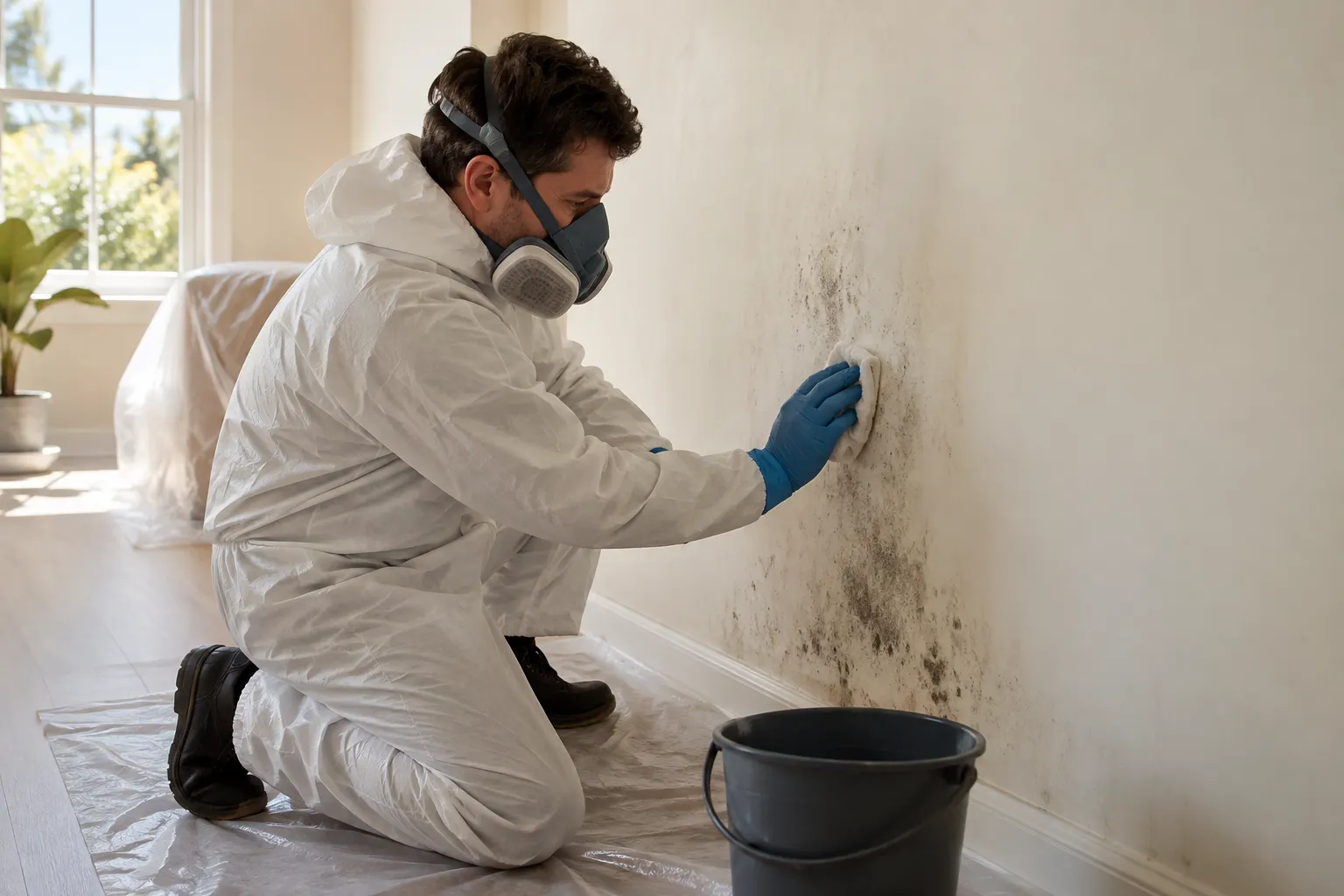
03
Remove and review
Review the work against the agreed list of surfaces, retaining the water-event history. A cleaner room appearance cannot settle the condition of materials excluded from that visit.
COMMON AREAS AFFECTED
Different surfaces.
Different decisions.
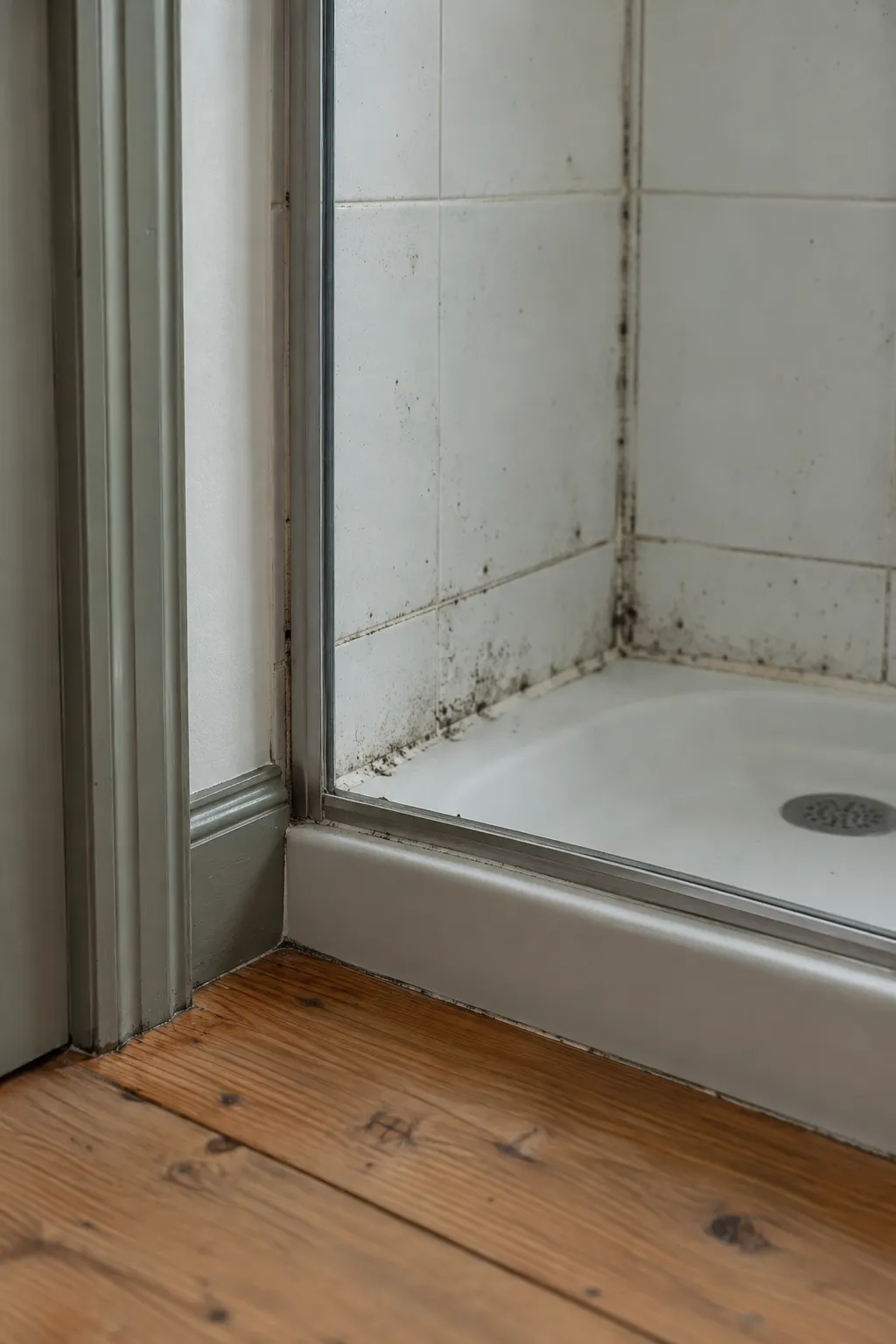
Bathroom junctions
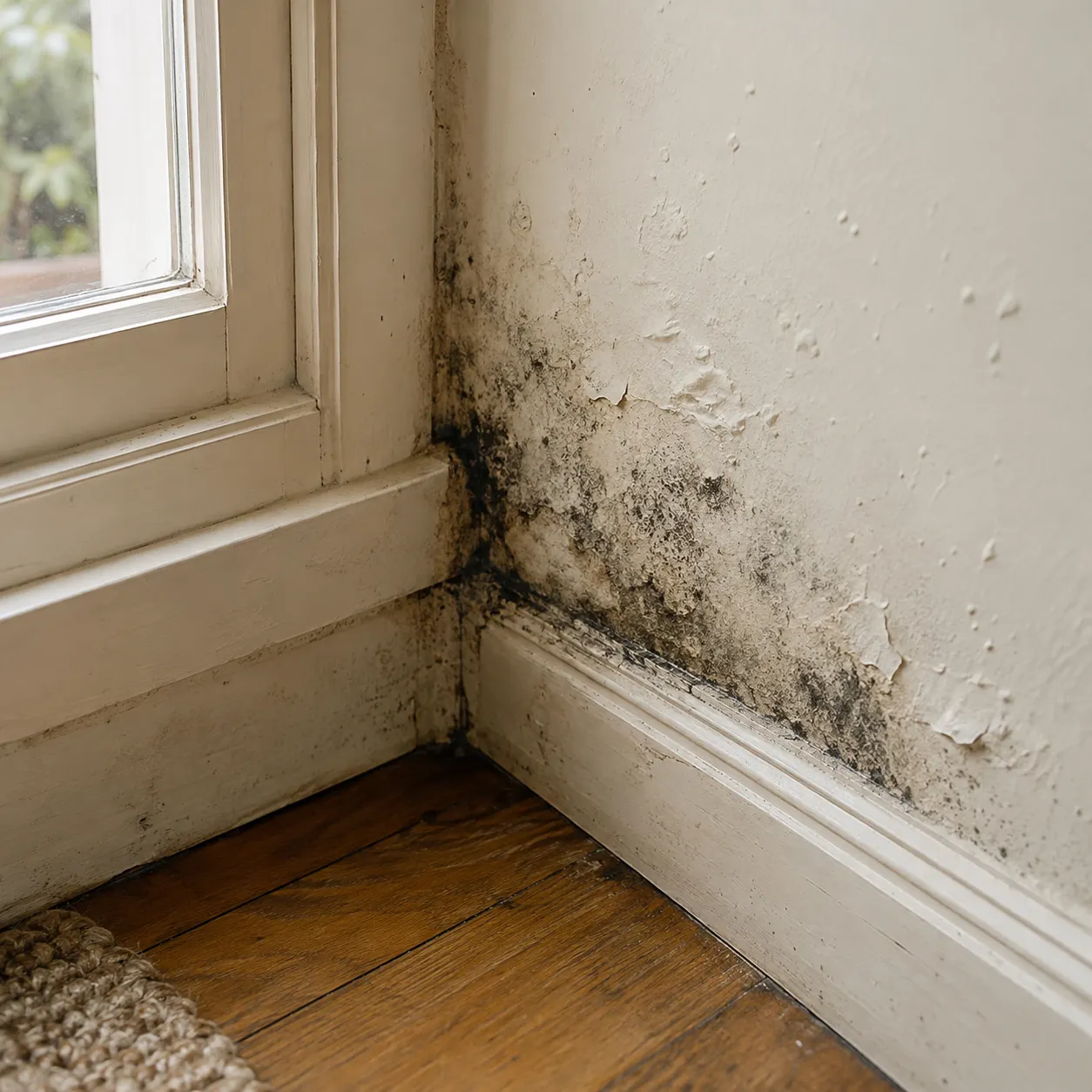
A bathroom overflow can affect surfaces outside the enclosure. Identify what became wet and what has changed since, keeping damaged joints and surrounding material as separate parts of the account.
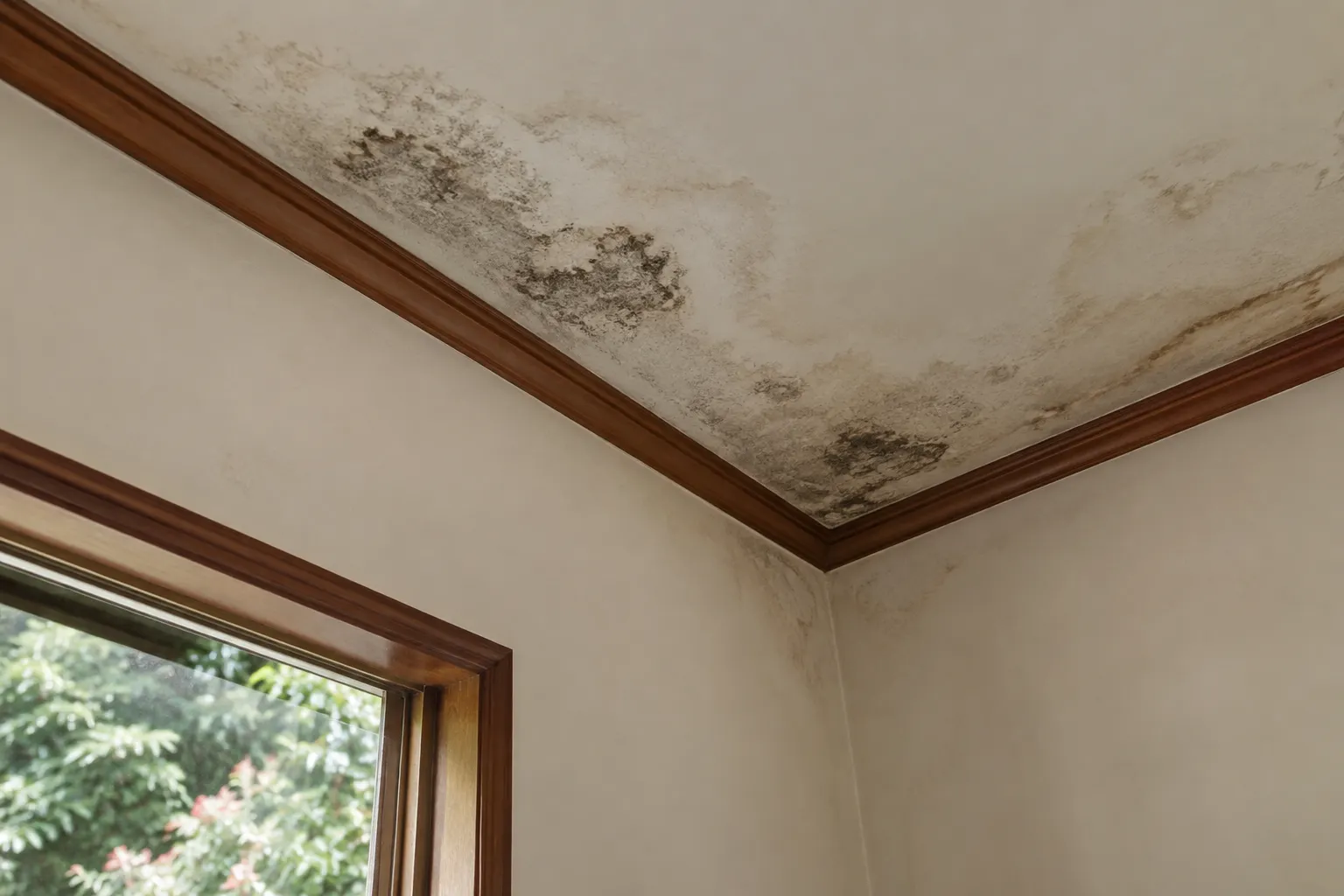
Ceiling surfaces
Where the ceiling was involved, note stains, loose coating or shape changes safely. Its material condition may remain a question even after the visible water has disappeared.
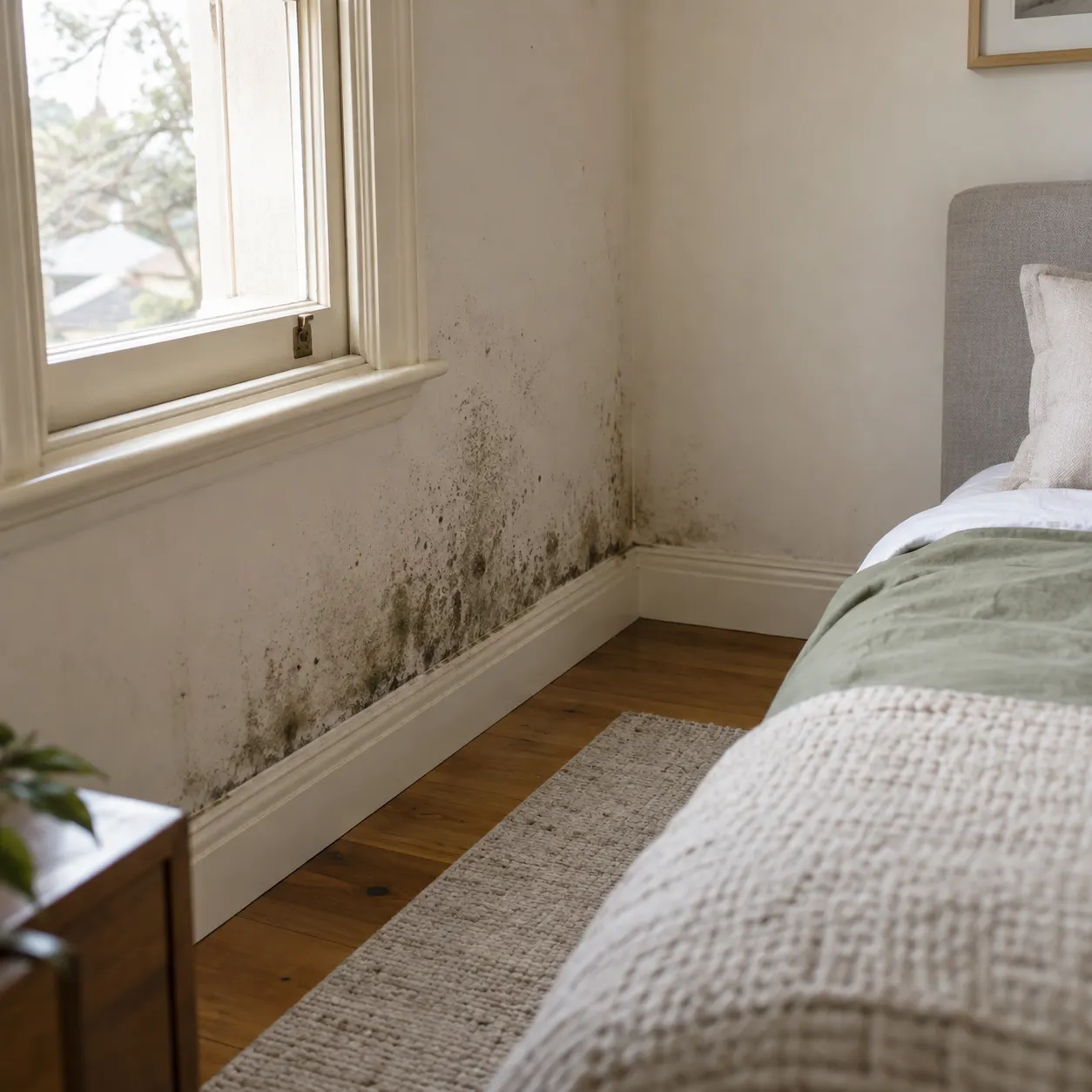
Painted walls
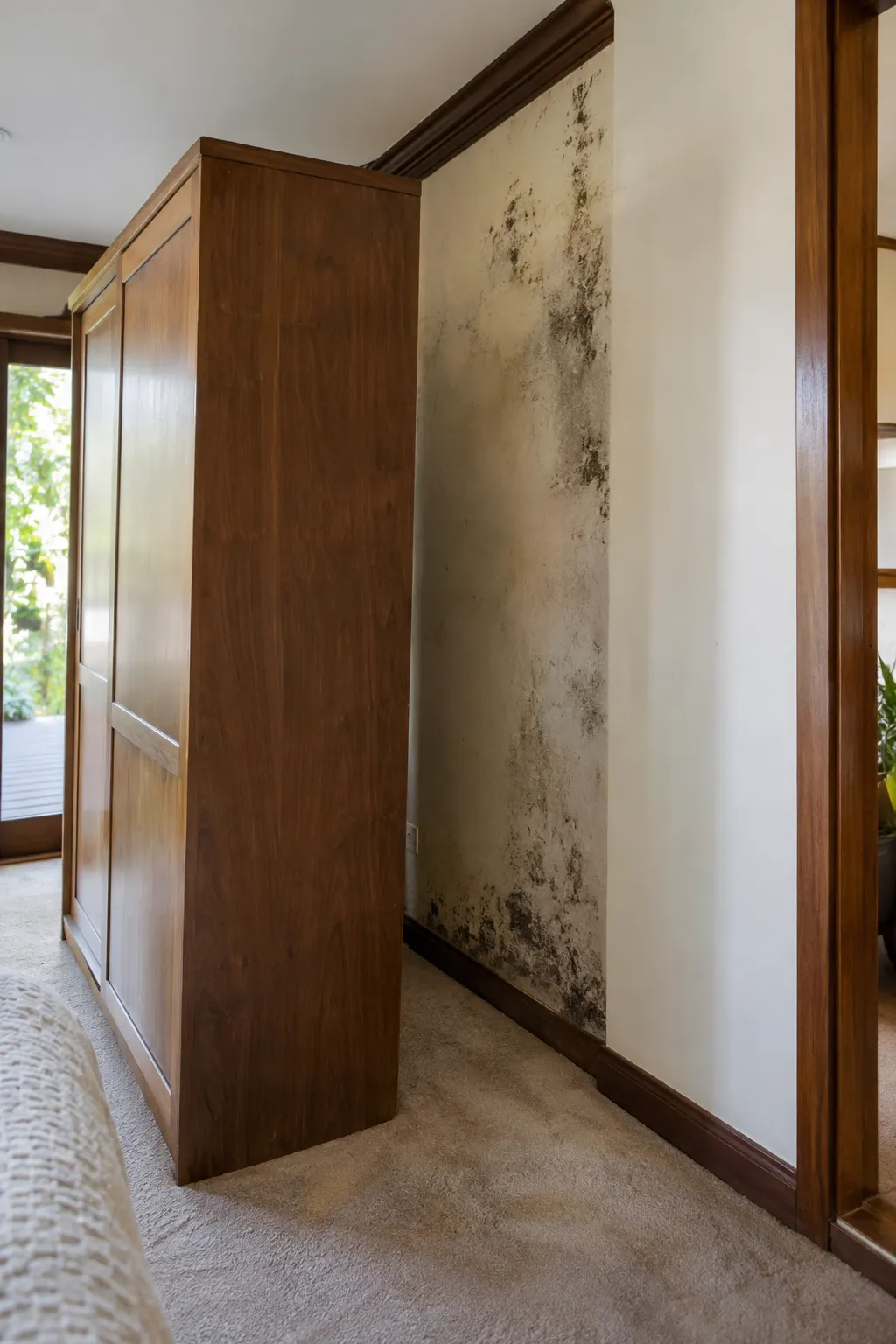
Show how far the wall was wet and where growth is now visible. Old photos and event dates help explain the relationship without proving every concealed surface has the same condition.
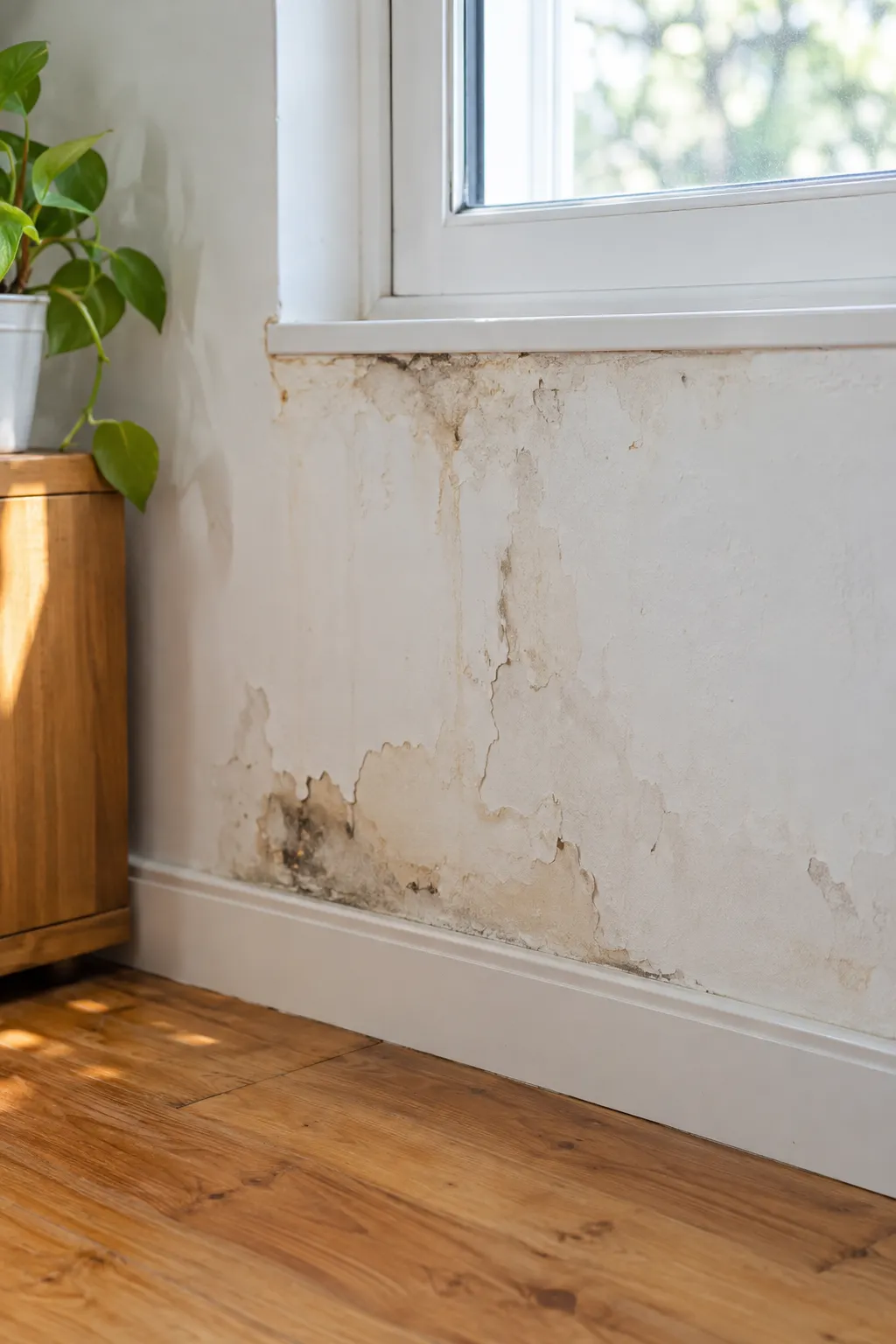
Water-affected rooms
Contents, coverings and concealed building materials may need decisions beyond accessible removal. State what is known from the event and what has not yet been assessed or exposed.
PREVENTION STARTS WITH
Keep moisture
in view.
Observe the drying pattern
Retain drying and repair information, then observe the room during normal use. Follow up on fresh moisture rather than relying on the floor looking dry or a recently repainted wall appearing clear.
Follow up before decorating
Plan restoration around the assessed condition of wet materials. Ask how remediation after water entry relates to contents handling, source repair and any replacement tasks still required.
LYSTERFIELD & NEARBY
Lysterfield and nearby rooms.
For a property nearby, read Rowville or Upper Ferntree Gully. A Lysterfield water-event enquiry needs its own address, material list and repair sequence; confirm the next arrangement rather than assuming the same removal scope follows every overflow.
BEFORE YOU CALL
The useful
questions.
Does the disappearance of standing water mean the room is ready?
Not necessarily. Materials and finishes can need further drying or assessment, so describe what became wet and what handling or repair occurred afterward.
Can all water-affected materials be retained?
Their condition and suitability determine that decision. Accessible surface removal should not promise restoration of every furnishing or damaged building material.
What event details are useful?
Record when water entered, the affected rooms and how long surfaces stayed wet if known. Include source repairs, drying arrangements and subsequent changes.
Are damaged contents included automatically?
Discuss them separately from building surfaces. Their handling, cleaning suitability or replacement needs may differ from the removal scope agreed for reachable walls.
Should I paint as soon as the room looks dry?
Clarify moisture and material decisions first. A dry appearance alone cannot settle the condition of previously wet board or the suitability of a damaged coating.
What should a Lysterfield water-event call include?
Give the address, event sequence and affected materials. Mention ongoing entry, known repairs and access limits so the appropriate inspection and removal questions can be planned.
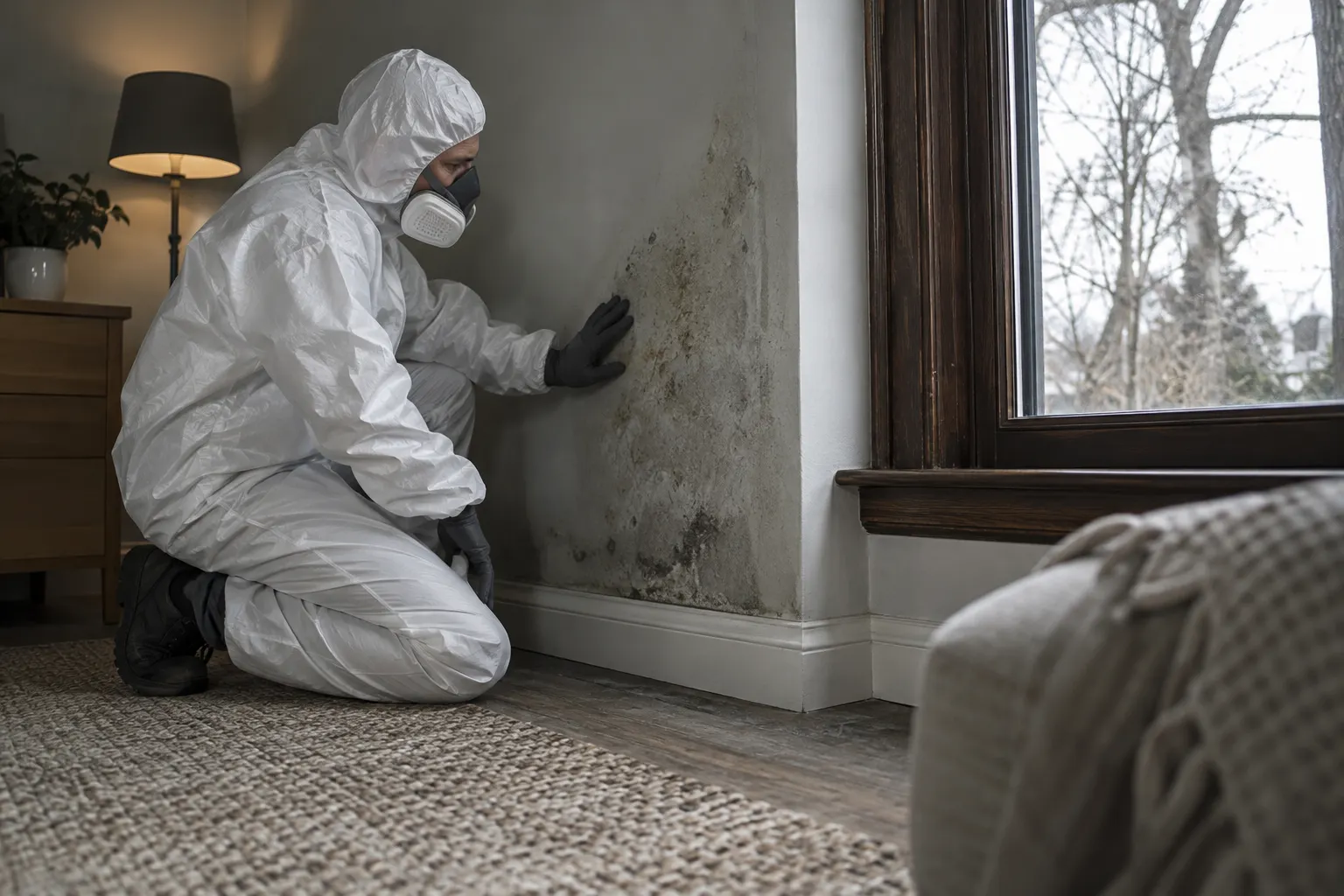
TELL US WHAT YOU CAN SEE
Talk through
the room history.
Give a short sequence of the water event, repairs and current visible changes. On 03 8652 1296, discuss your Lysterfield address and the remaining material or access questions before the work is scoped.
Local context: Knox localities