
MONASH UNIVERSITY · MELBOURNE
Mould Removal Monash University
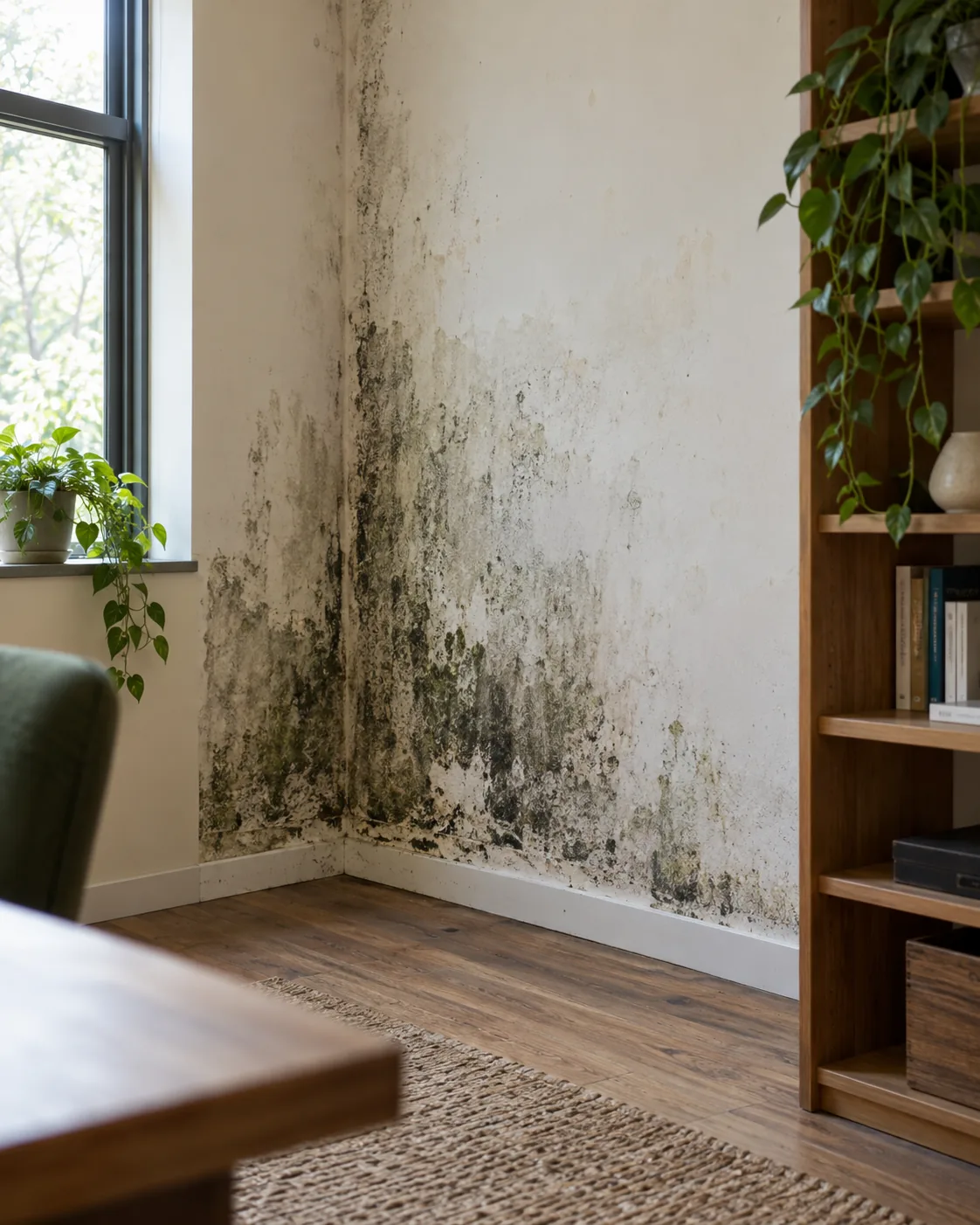
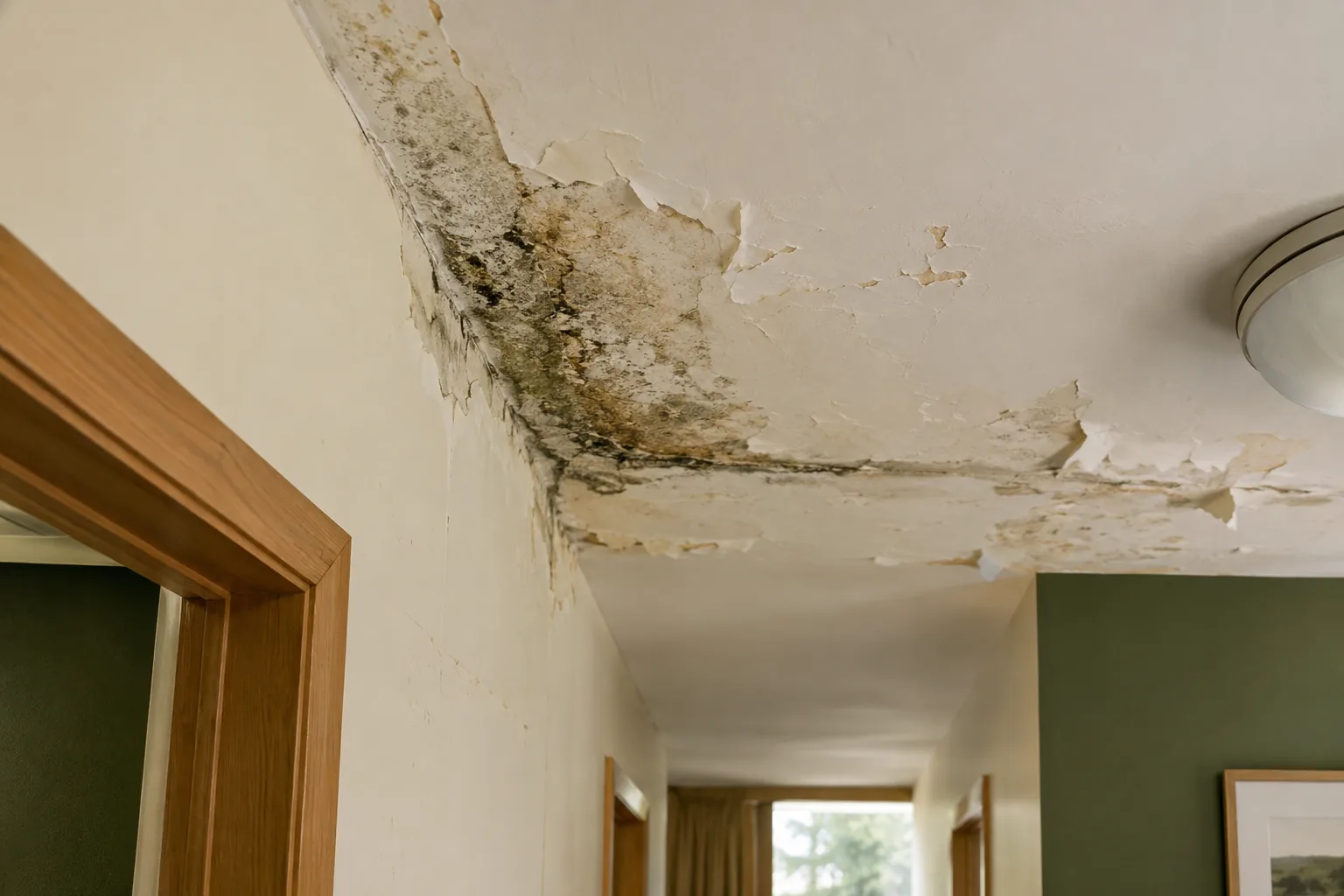
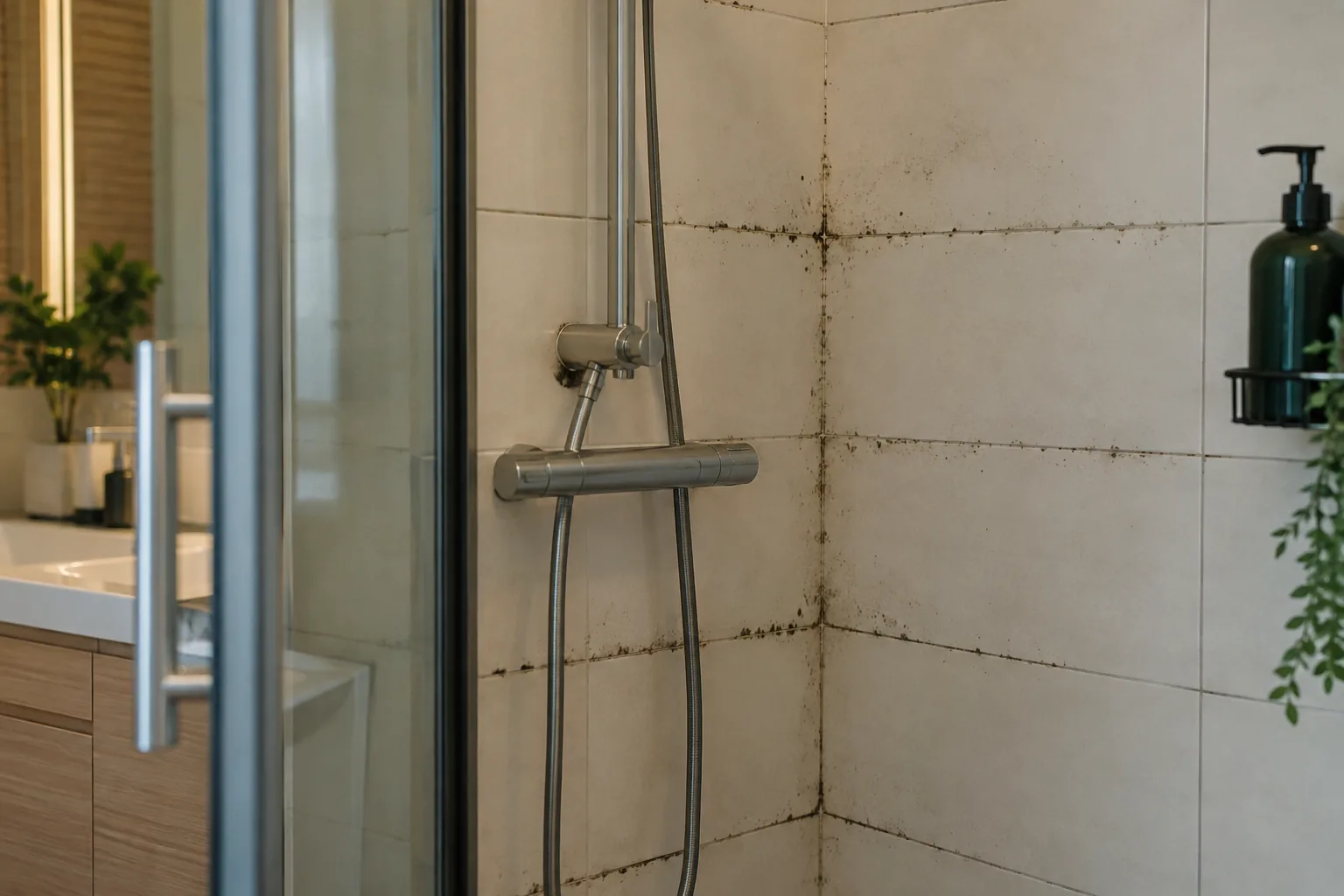
ADDRESS · MANAGEMENT · ROOM
A room enquiry near Monash University’s Clayton campus needs the property address and responsible contact. Describe whether the concern is in privately managed accommodation or another interior premises. We discuss accessible structural surfaces without implying a university contract, campus approval or a separate suburb.
Property identity clarified
Approval contact identified
Room preparation explained
SURFACES & THEIR SETTING
Identify the premises accurately
Monash University’s main campus is in Clayton. The university name is a landmark or institutional reference, not a substitute for the address. This page does not claim affiliation with the university or permission to work in its buildings.
A privately managed room
If growth is in rented accommodation near the campus, identify the room and who can approve work. Our inspection overview covers visible growth and moisture conditions. A student’s occupancy does not establish authorisation for repairs or treatment.
An institutional enquiry
A campus premises enquiry requires the responsible facilities contact and its approved procedures. Room use, access and safety-system arrangements must be coordinated. We cannot infer approval from a building name or a request by an individual occupant.
Describe the actual moisture problem
Explain whether the patch follows a leak, appears beside glazing or recurs near a wet room. Occupancy type does not diagnose the cause. Known maintenance concerns should be discussed with the property’s responsible person separately from removal.
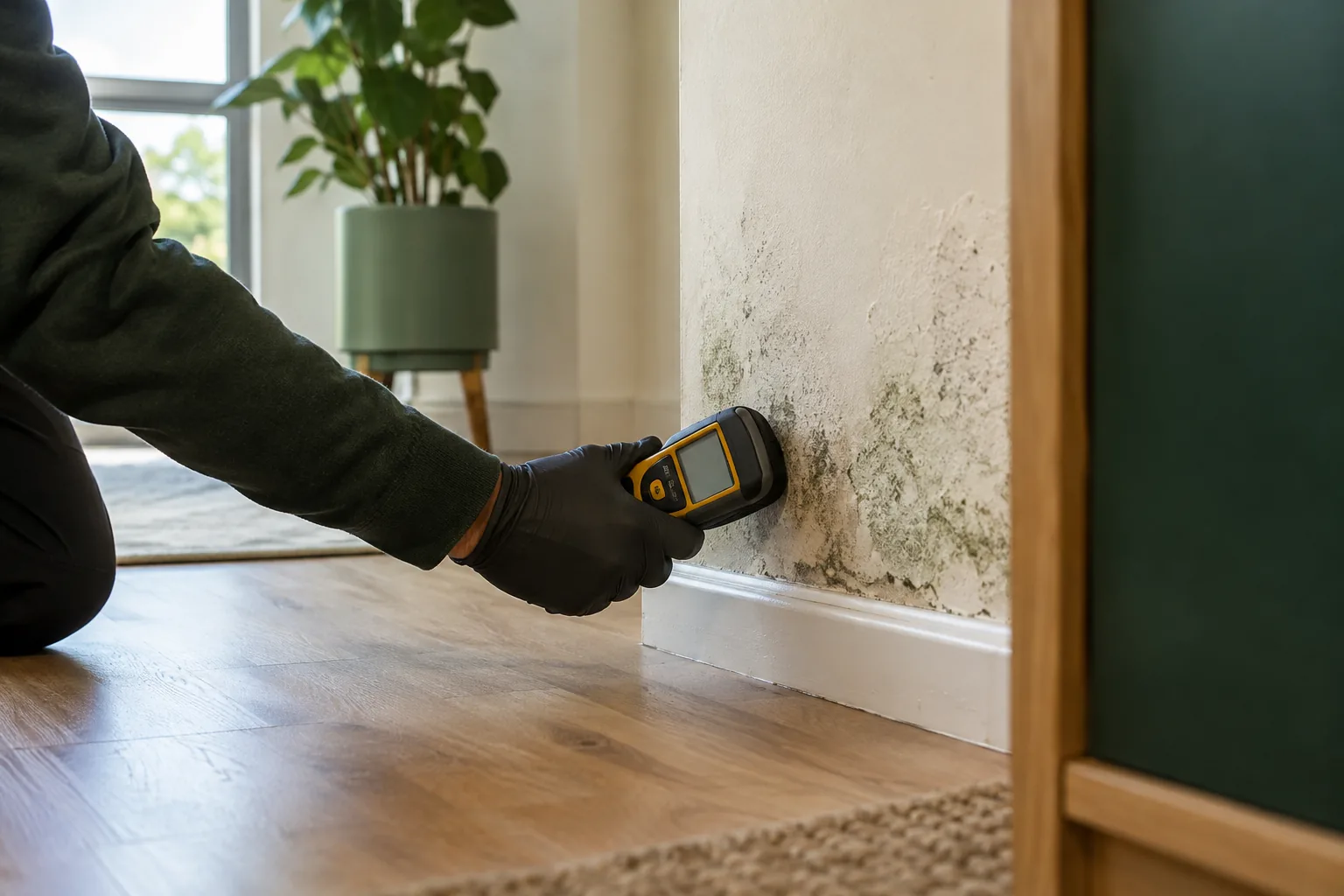
Materials and access
Give the finish and any obstruction. Built-in furniture can prevent reaching a wall, and loose plaster may need repair. Do not dismantle fittings or disturb material to prepare enquiry photographs.
Assessment boundaries
A hygrometer supports moisture assessment. It does not certify plumbing, ventilation plant or concealed materials. Further investigation can be needed where the visible patch is only part of a larger building concern.
THE SURFACE REMOVAL PROCESS
A properly authorised room sequence
01
Inspect agreed surfaces
Check accessible walls, ceiling and hard floor within the approved room. Clarify boundaries with the authorised contact. Other bedrooms, common areas or institutional spaces are not automatically included.
02
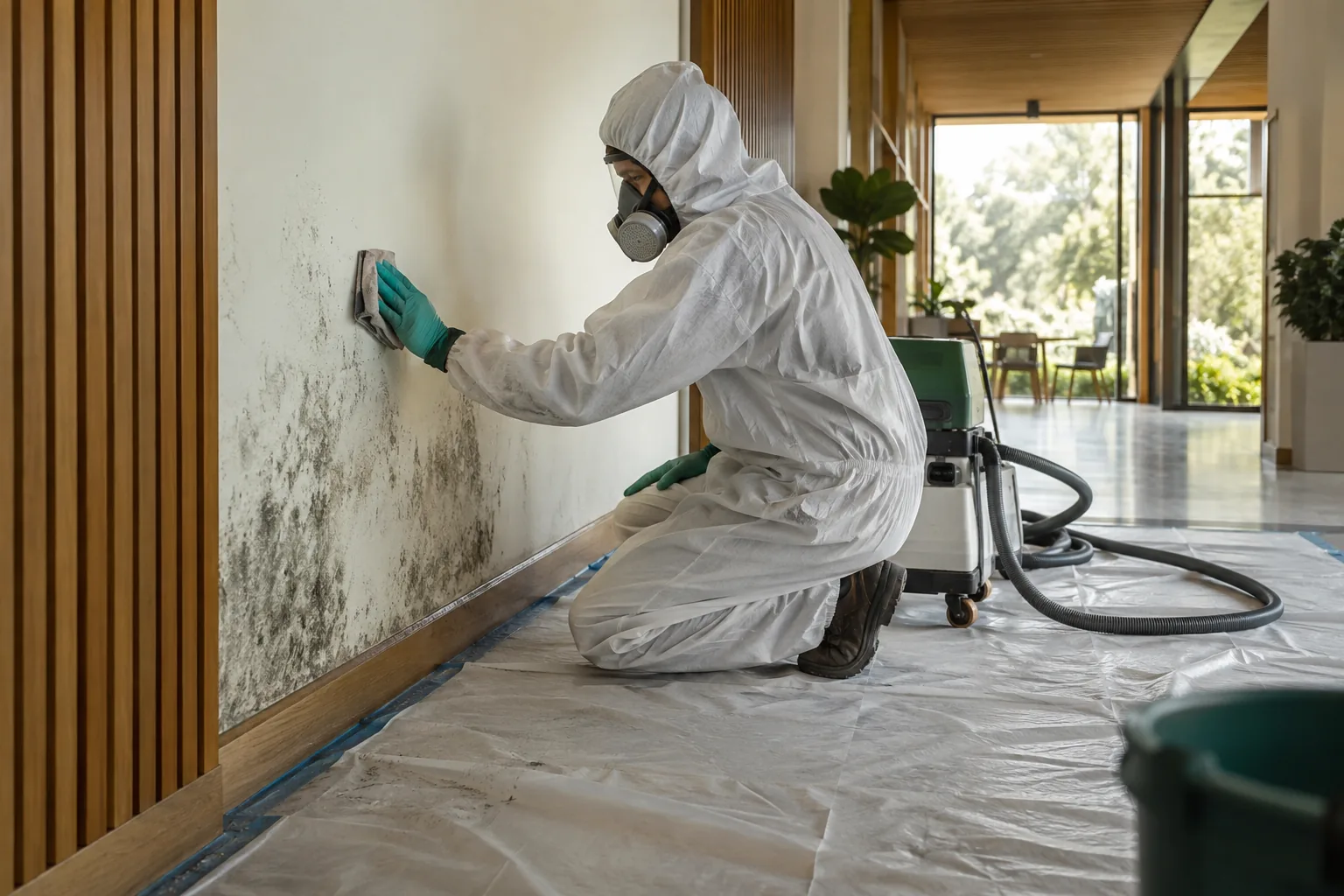
Prepare HEPA filtration
Set up air filtration and working-area protection. Agree clearance and occupant or pet arrangements where relevant. Shared entries and building procedures should be coordinated before treatment, not inferred from ordinary student access.
03
Choose compatible treatment
HOCl treatment may form part of the assessed method. Material condition and compatibility guide its use. Treatment does not guarantee a new-looking finish or certify a tenancy or campus facility.
04
Discuss ULV application
Where appropriate, explain a ULV stage and its preparation to the responsible contact. It supports the agreed room scope without authorising work in concealed spaces or adjoining occupied rooms.
05
Remove accessible growth
Use suitable physical removal equipment with H-class filtration. The remediation process combines treatment and removal. Furniture, mattresses, carpets and textiles are excluded regardless of accommodation type.
06
Finish filtration and handover
Continue filtration and review treated surfaces with the appropriate contact. Explain staining, unresolved moisture and separate repair needs. The handover is not a university approval, accommodation certification or whole-building declaration.
VISIBLE & ACCESSIBLE
Room surfaces to describe
Bedroom walls
Give furniture access and the finish condition. A bed or desk beside growth is not included itself.
Ceiling corners
State height and any leak report. A ceiling stain alone cannot establish the source.
Wet-room walls
Identify shared or private access and known plumbing concerns. Source repairs remain separate.
Hard floors
Name the material and any damage. Carpeted room flooring is excluded from the structural scope.
PREPARATION & LIMITS
Keep tenancy and treatment boundaries clear
The service covers visible accessible walls, ceilings and hard floors as agreed. Furniture, sofas, mattresses, curtains, carpets, clothing and textiles are excluded. The responsible person should define the included room and distinguish belongings, fittings and common areas needing other arrangements.
Working time averages about three hours per room, depending on access and extent; pricing is not hourly. Cosmetic marks can remain. Repainting or decorating requires a separate quote, and occupants follow job-specific return instructions rather than an assumed class or accommodation timetable.
AFTER THE SURFACE WORK
Follow up through the responsible contact
Record recurring wetness and report suspected defects to the property manager or facilities contact. Review everyday extraction and moisture control where relevant. Do not treat repeated cleaning as a replacement for investigating a leaking fitting or damaged building finish.
The general service scope explains structural-surface work. If growth returns, revisit its moisture source. Responsibility for repairs and room access should remain clear, rather than being inferred from the university landmark or the occupant’s status.
MONASH UNIVERSITY · NEARBY LOCATION PAGES
Nearby Clayton-area navigation
Notting Hill, Clayton and Huntingdale provide nearby locality pages. Choose the property’s actual address and identify its approval contact. These links do not imply work within university buildings or an institutional relationship.
BEFORE YOU ARRANGE WORK
Questions for your enquiry.
Is this a Monash University-approved service?
No institutional approval or affiliation is claimed. This page supports appropriately authorised address enquiries near the Clayton campus. A campus job would require the responsible facilities contact and its own confirmed procedures.
Can a student book treatment without permission?
Confirm who can authorise the work under the property arrangement. An occupant may not control shared areas or building systems. Involve the responsible manager before approving scope and preparation.
Are mattresses included in a student room?
No. Mattresses, furniture and textiles are excluded. Identify affected belongings separately so their handling is not mistaken for the accessible walls, ceiling or hard floor included in treatment.
Can you treat a university building?
An enquiry needs the authorised facilities contact, exact premises and approved scope. This page does not establish access or an existing contract, and availability must be confirmed for the proposed work.
Will adjoining residents need arrangements?
Discuss occupants, shared entries and the planned method before booking. Restrictions are job-specific. Do not assume neighbouring rooms can operate normally or require closure without an agreed preparation plan.
Does removal certify the accommodation?
No such certification follows this structural-surface service. We discuss surfaces treated and outstanding concerns; repairs, concealed areas and broader accommodation responsibilities remain separately assessed.
Discuss the actual Clayton-area room
Call 03 8652 1296 with the address, room and authorised contact. We can discuss assessment and preparation without relying on the university name as permission.
Useful references: Official local context