
RECENTLY REPAIRED LEAKS · MOISTURE · SURFACES
MOUNT WAVERLEY · MELBOURNE
Mould Removal Mount Waverley
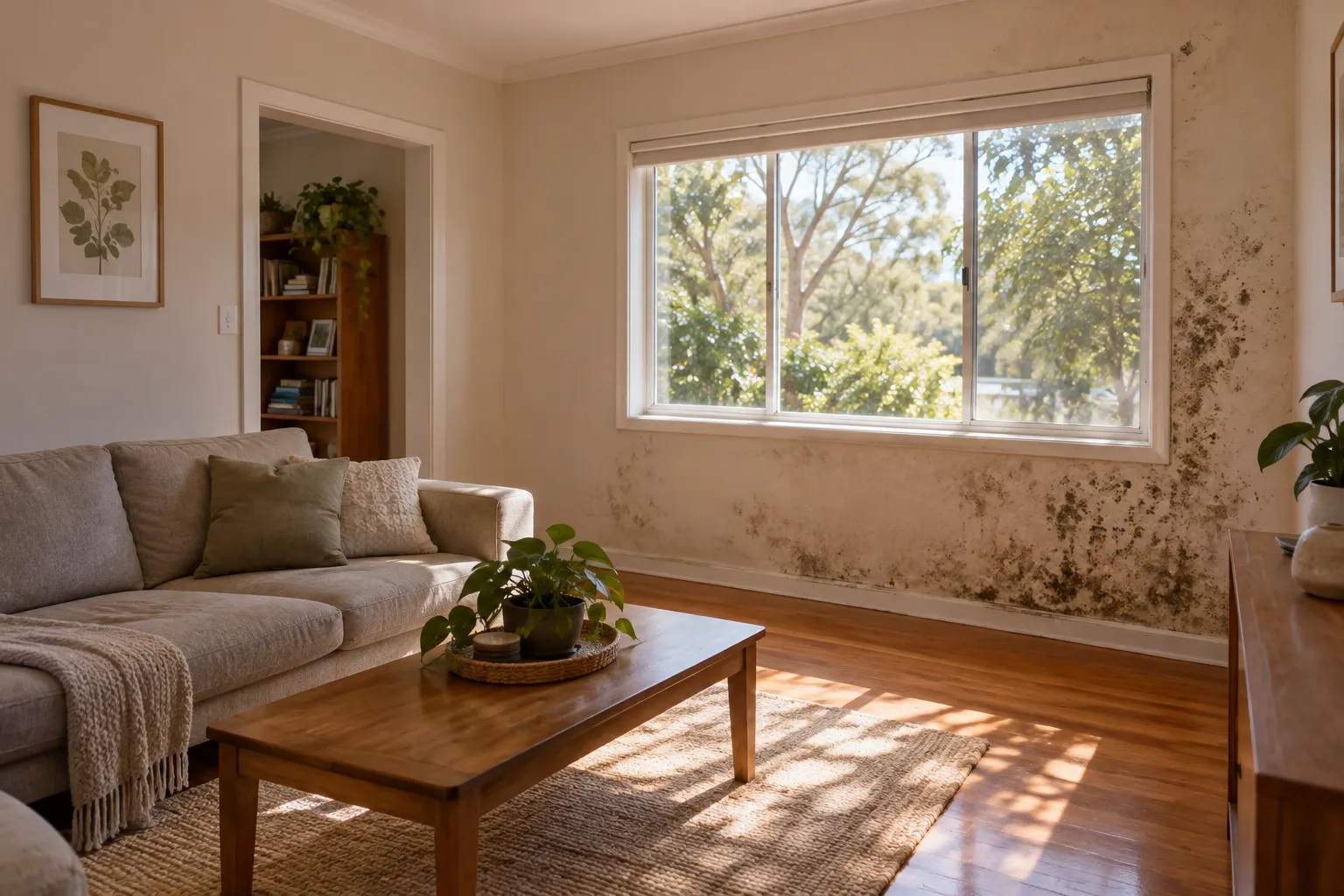
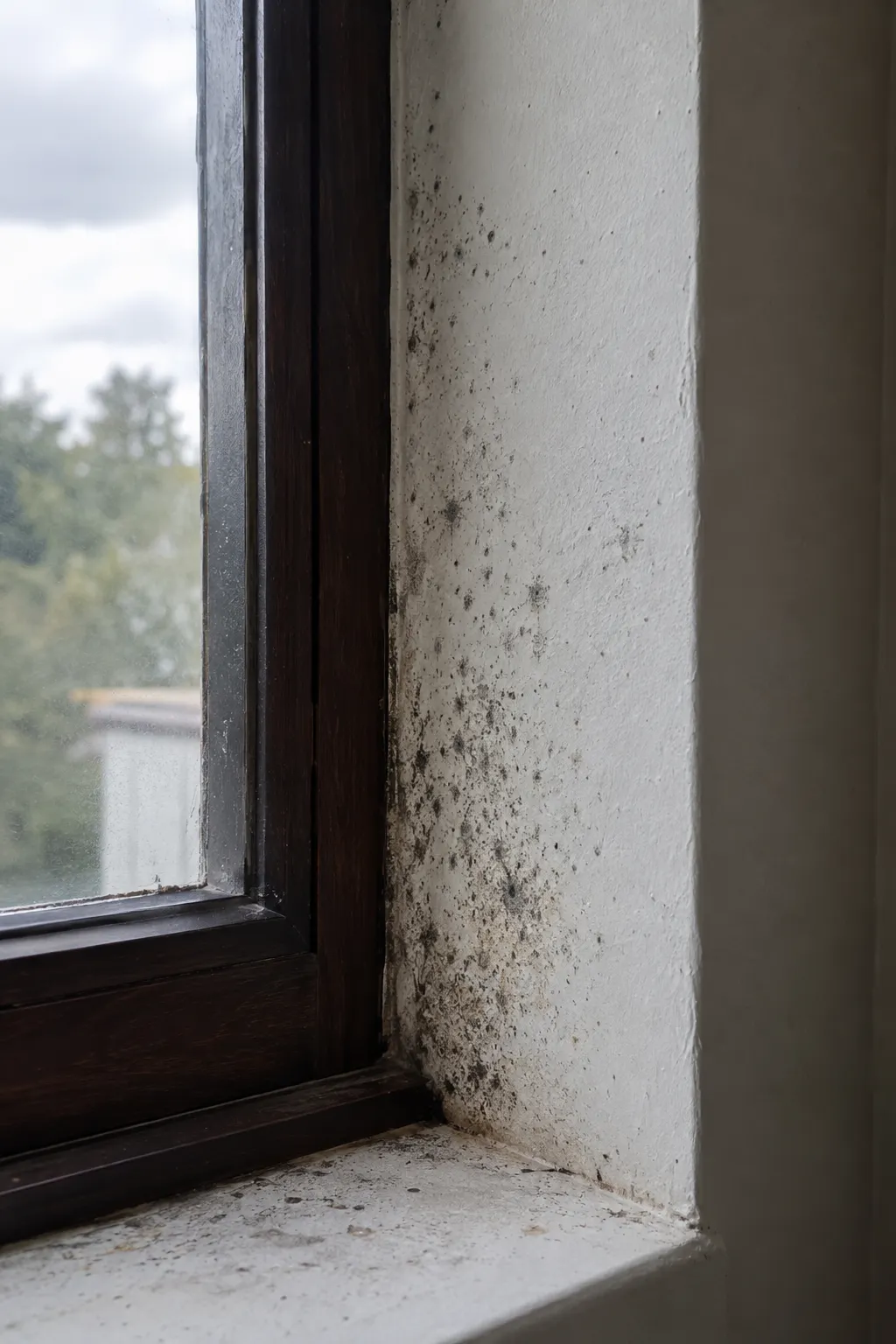
Repairing a leak and dealing with the affected room are different stages. In Mount Waverley, describe when water stopped entering, how the material dried and what remains visible on the surface.
Visible material considered
Moisture history discussed
Access and scope agreed
THE ROOM TELLS A STORY
The leak stopped; what happened next?
Mount Waverley is listed among Monash’s suburbs. If a repair has already been completed, keep its date and any drying information for the assessment. A dry-looking wall can still have damaged paint or board. Conversely, a residual stain alone does not establish active moisture or identify mould.
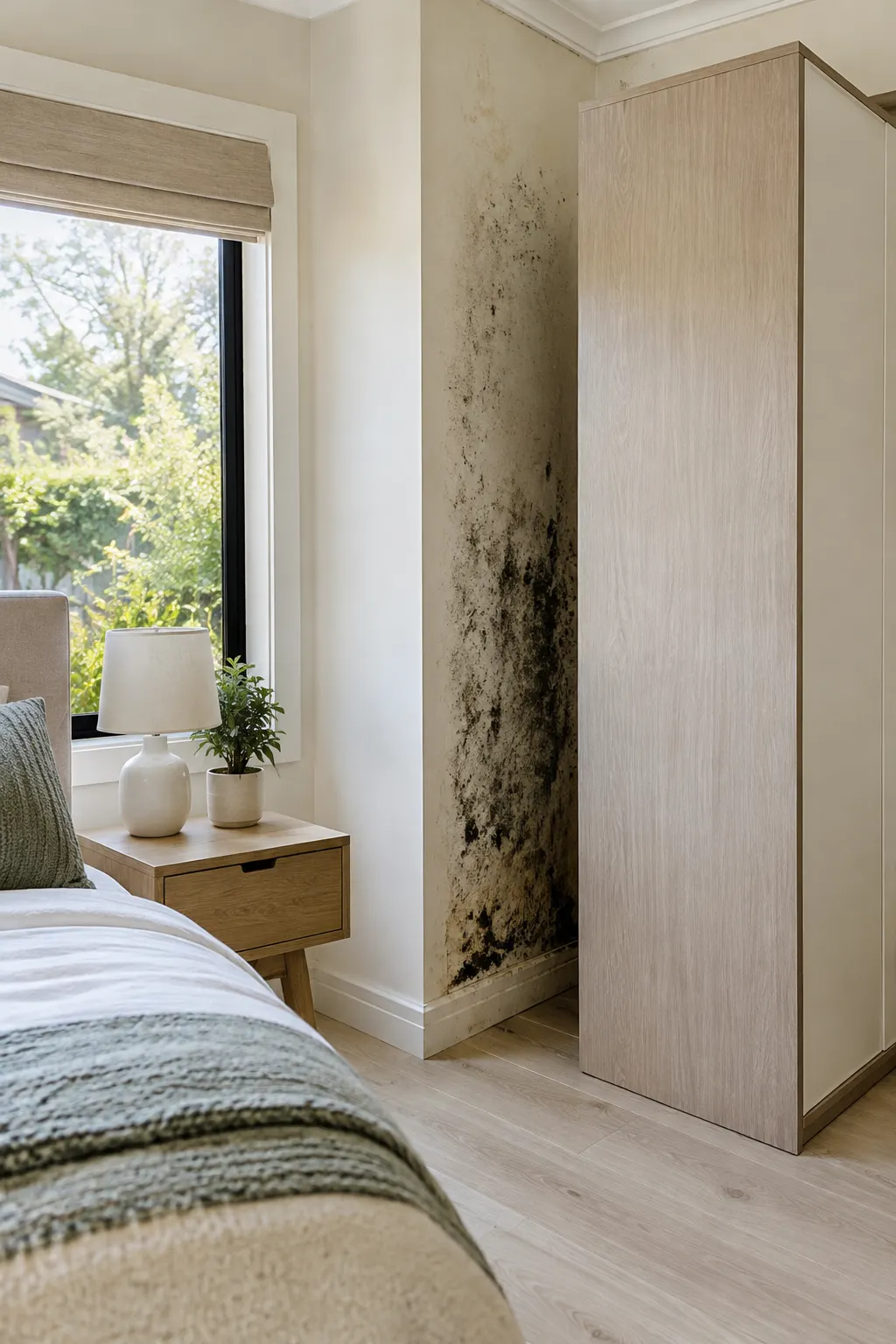
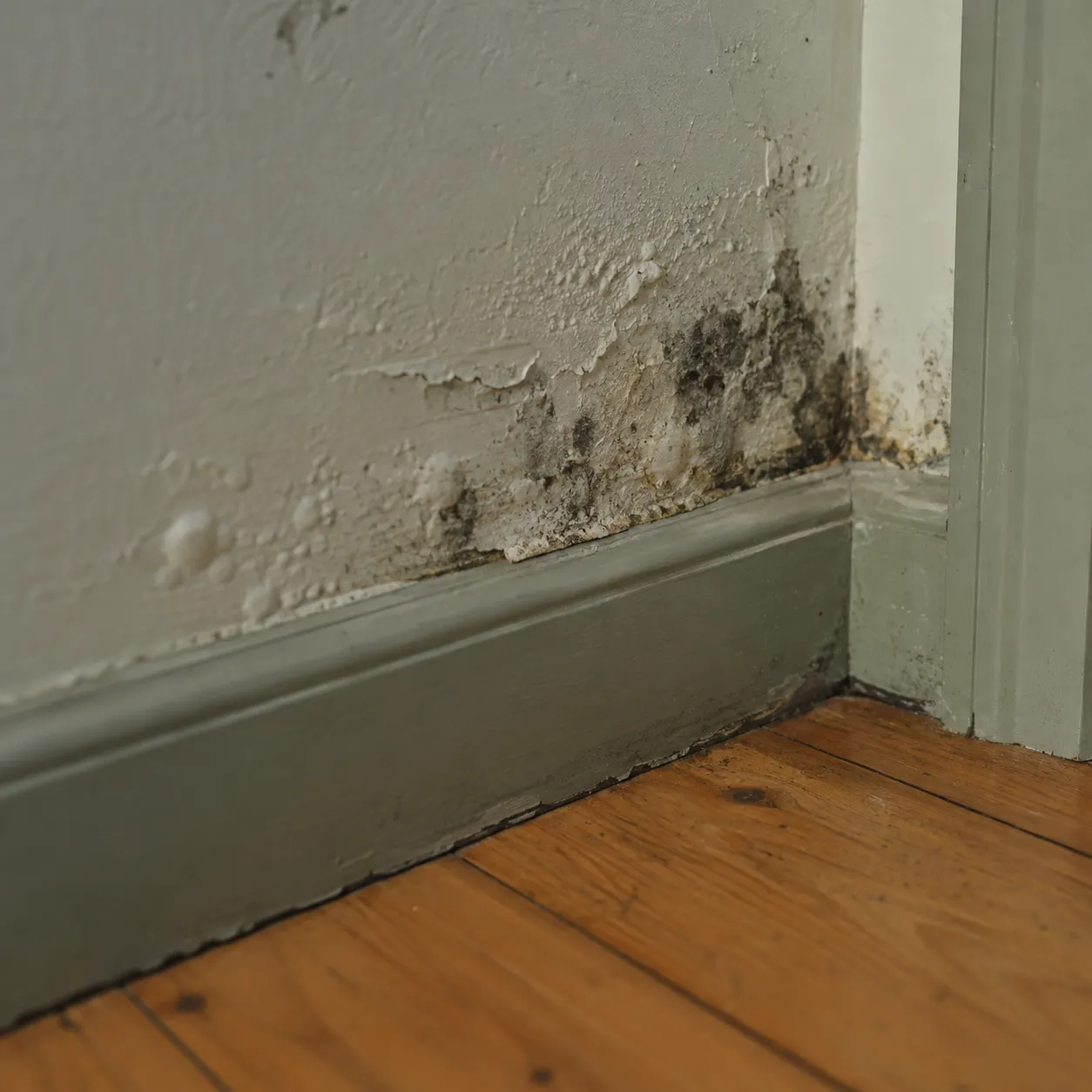
Describe the present wall separately from the original leak. When arranging a follow-up inspection discussion, explain repairs, drying and later painting so the current material condition is considered in its actual sequence rather than from a single mark.
UNDERSTANDING MOISTURE
Make sense of
drying since the leak stopped.
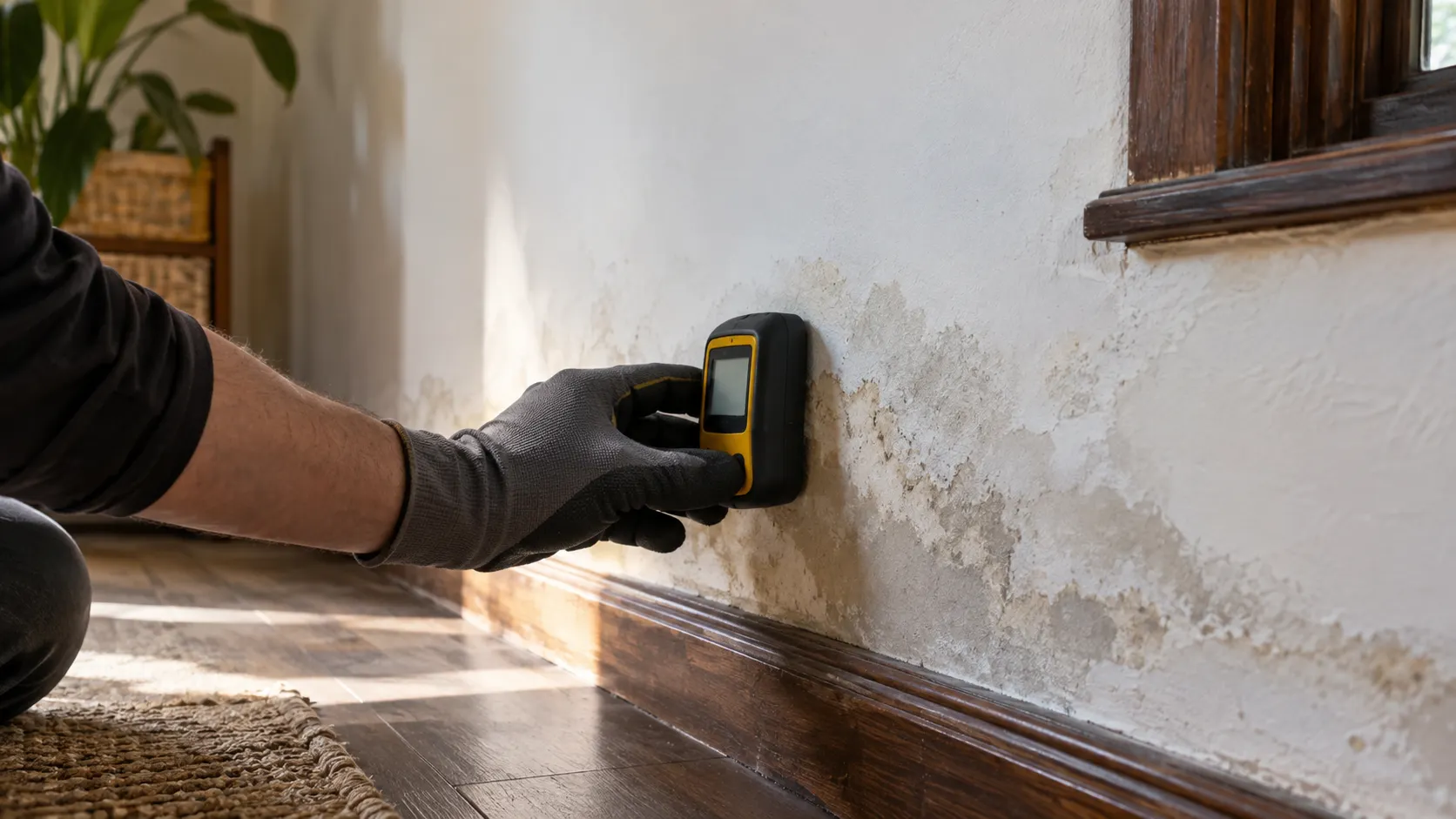
Moisture in the air
After a repair, observe whether current dampness differs from the earlier event. A wall may look dry while its finish remains damaged, so record moisture observations and coating condition separately.
The water history
Keep the original source and repair dates available. If a fresh stain develops, compare it with that sequence rather than assuming either that the leak has returned or that every mark is old.
Check the finish
Previously wet board, trim and paint may have different retention needs. Ask about the actual condition of accessible material; a successful source repair does not restore damaged finishes automatically.
OUR REMOVAL PROCESS
From observations
to surface work.
Keep the room history
Keep any details of the repair, drying arrangements and subsequent decorating. They help put the current patch into a sequence instead of treating it as an isolated event.
Make access practical
Explain whether the repair trade still needs access or whether fixtures remain removed. Coordinating those tasks can avoid covering a wall before the remaining decisions are clear.
Agree the next decisions
Ask about retained or damaged material, particularly if the finish no longer adheres. A leak that has stopped does not automatically make every wet surface suitable for repainting.
01
Assess the previously wet wall
Bring the leak and repair dates into the surface removal discussion. The remaining wall needs assessment of its finish and moisture condition, not just the size of the stain.
02
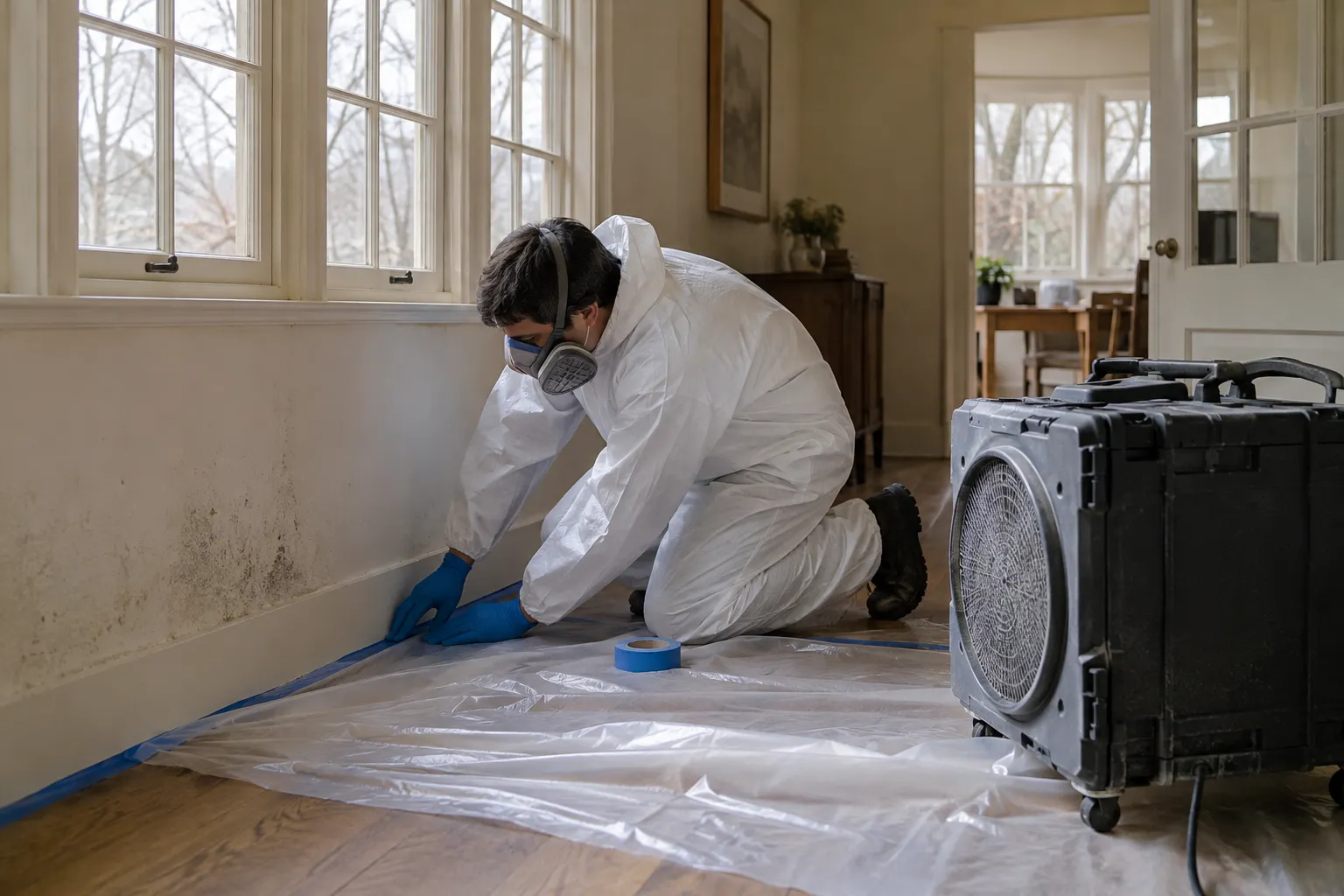
Prepare the working area
Protect the repaired area while making the marked surface accessible. Tell us if temporary coverings or equipment remain from earlier drying or building work.
03
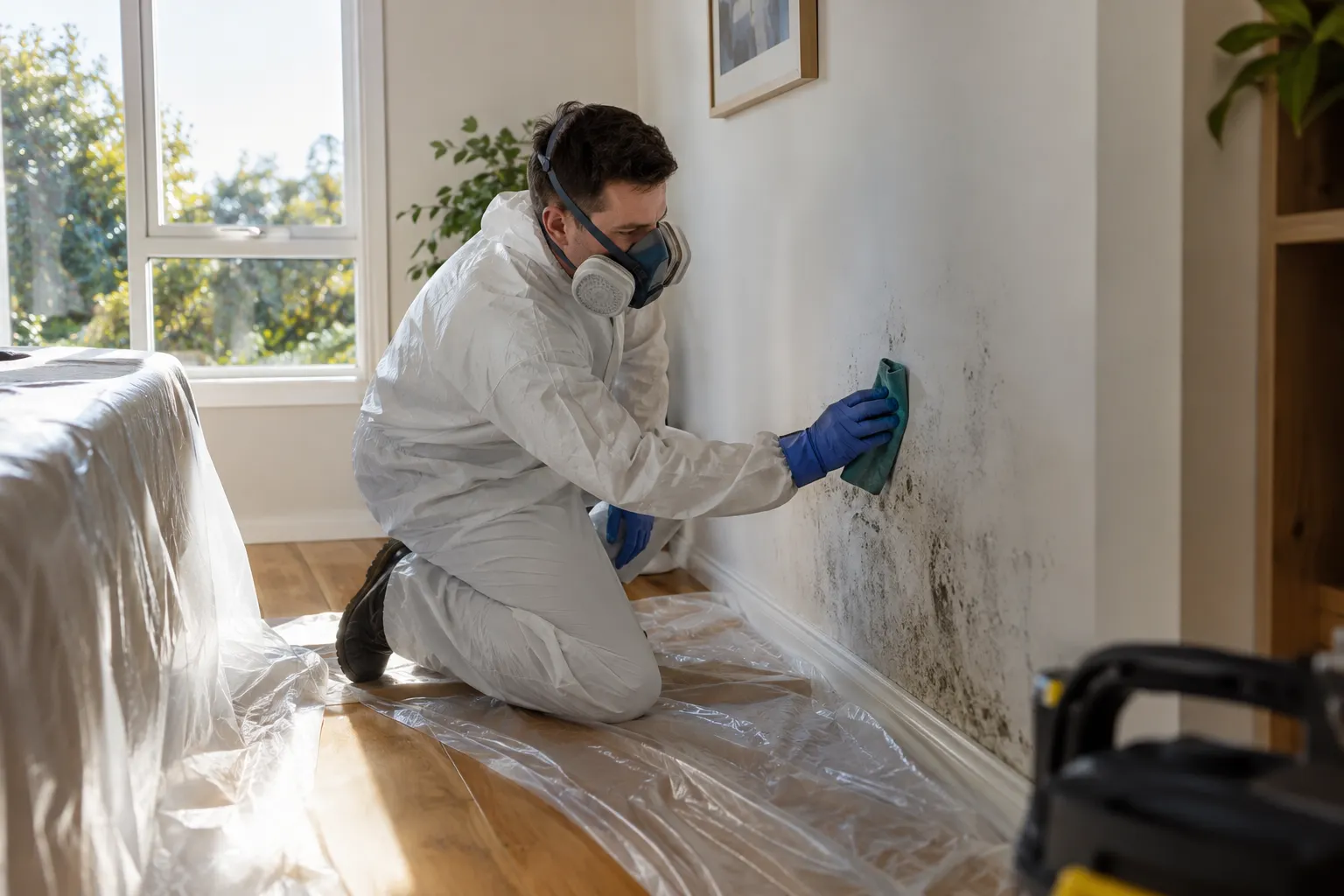
Remove and review
After treatment, compare new observations with the original repair record. A residual mark and fresh dampness carry different meanings; explain either change rather than assuming the leak has restarted.
COMMON AREAS AFFECTED
Different surfaces.
Different decisions.
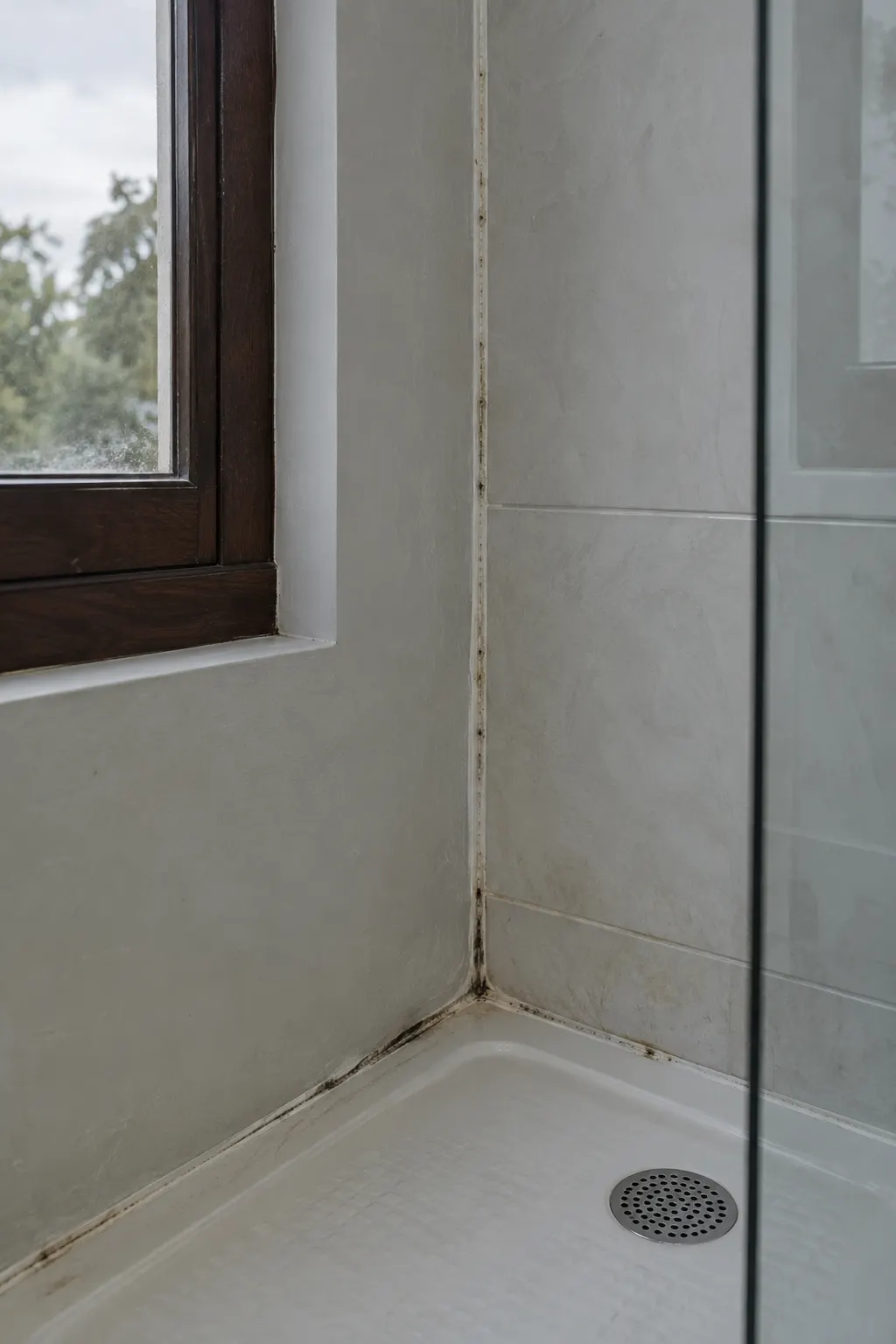
Bathroom junctions
A repaired bathroom leak can leave marks on several surrounding surfaces. Identify which remain accessible and whether joints, paint or cabinetry were affected before deciding the appropriate removal boundary.
Ceiling surfaces
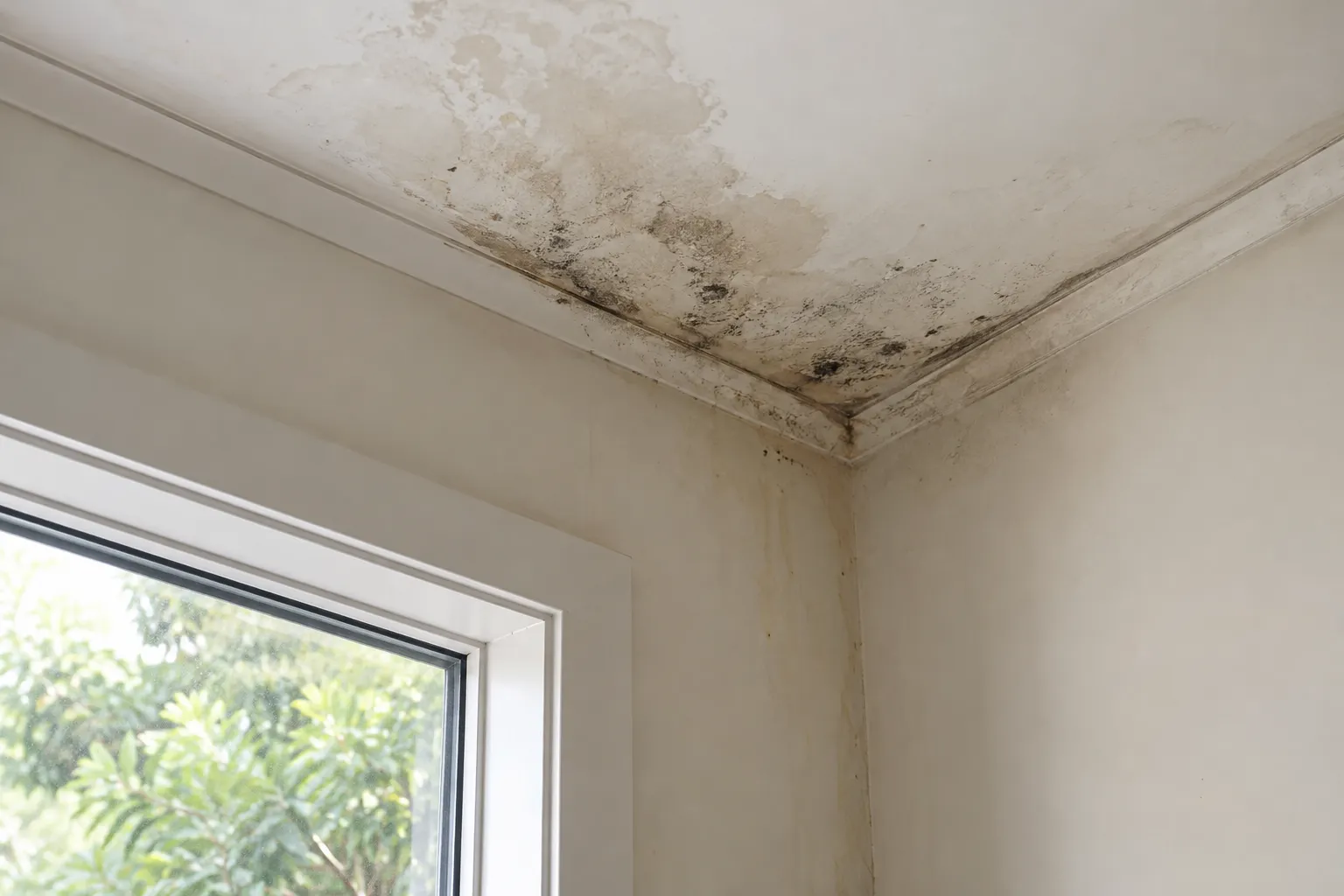
If a ceiling was wet, explain whether its shape or coating changed. An old stain, active dampness and damaged board are separate observations, not interchangeable signs of the same condition.
Painted walls
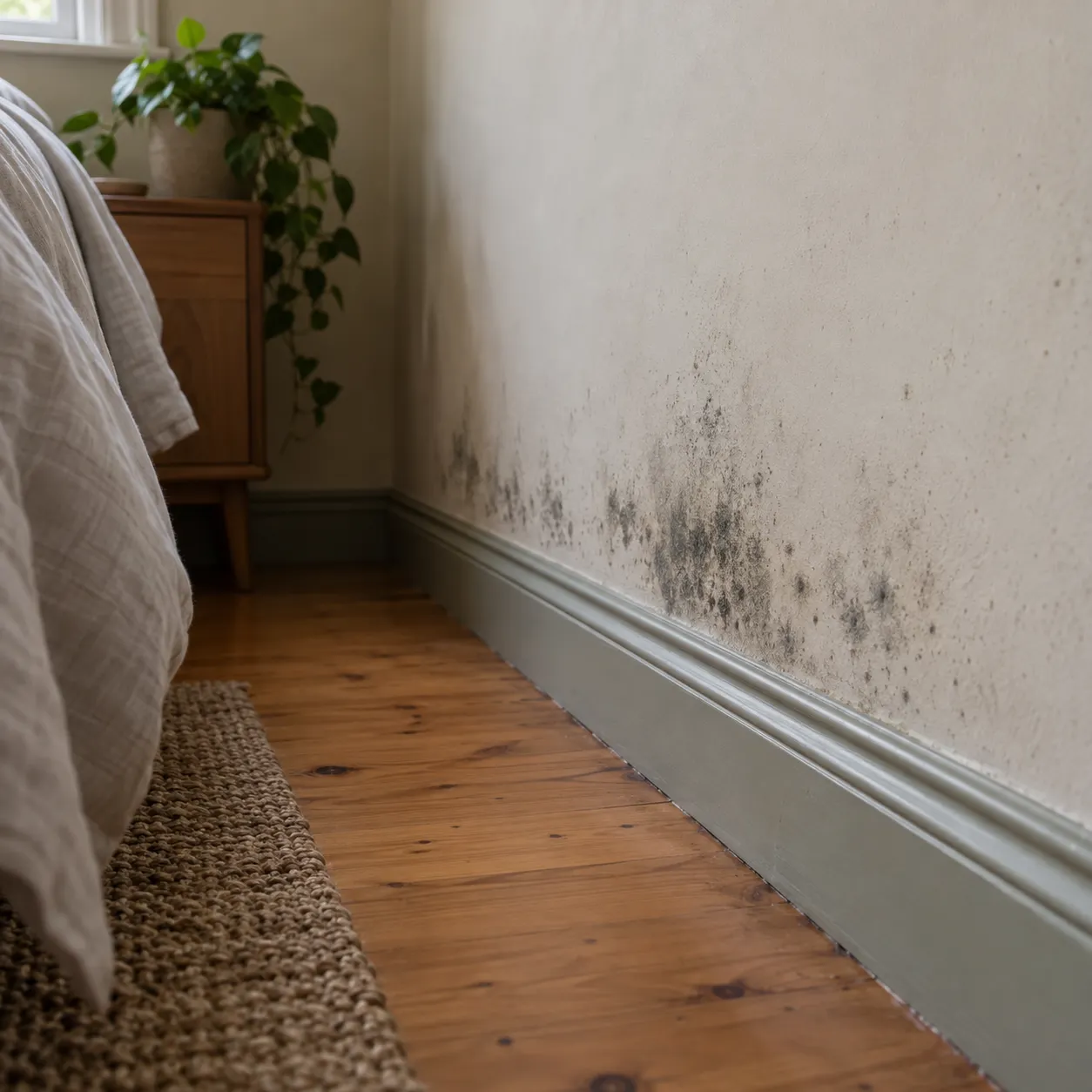
Photographs taken before repair can help compare the wall’s current extent. Include any repainting or patching performed since then so appearance is not assessed without its history.
Water-affected rooms
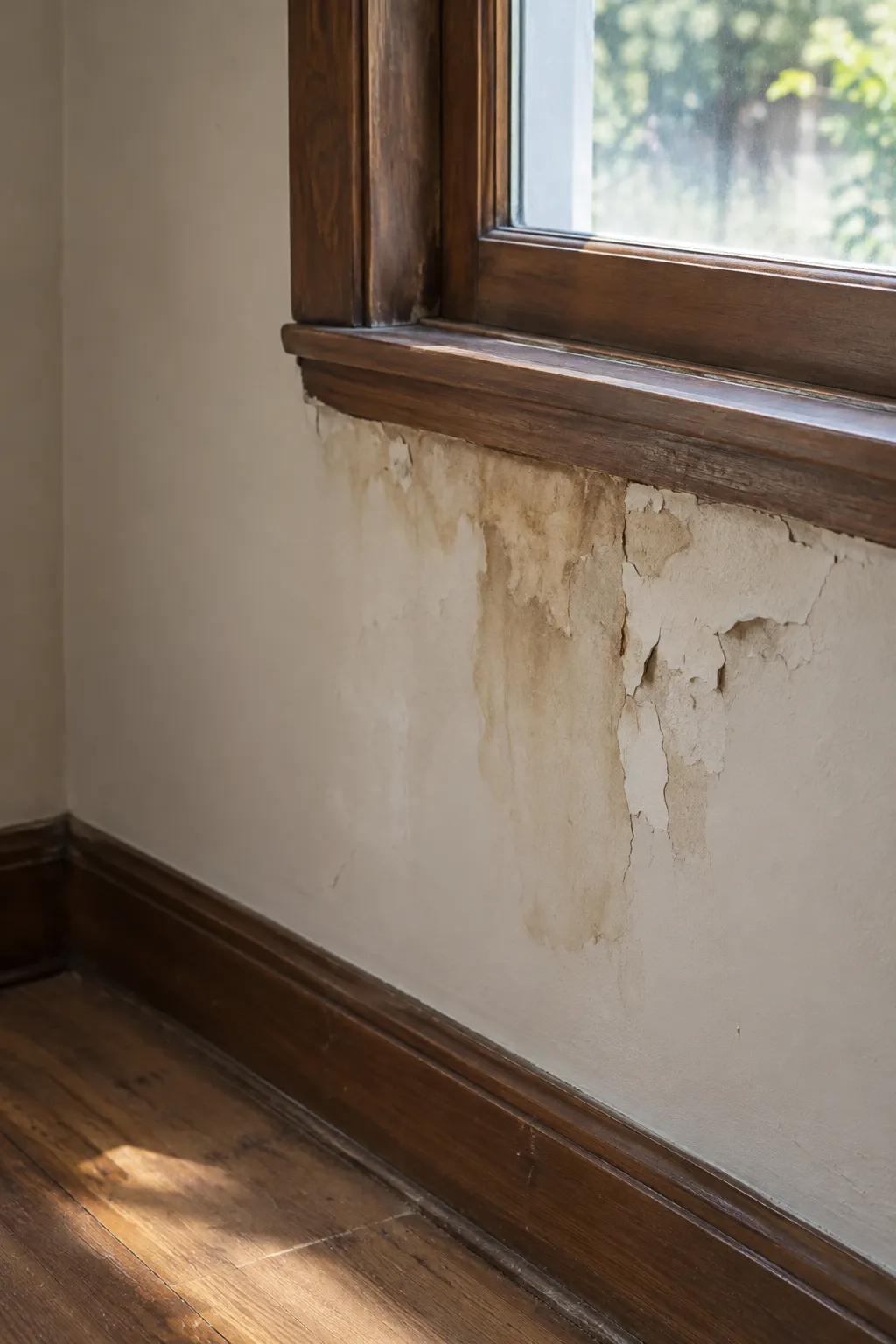
List what became wet and how it was handled after the event. Drying or replacement of affected contents and concealed material may remain outside accessible surface cleaning.
PREVENTION STARTS WITH
Help the room
dry between uses.
Observe the drying pattern
Observe the previously wet location through normal room use and later weather. Report fresh moisture promptly, keeping the repair record as context rather than relying solely on a newly decorated surface.
Follow up before decorating
Clarify outstanding drying or material questions before commissioning another finish. Discuss how remediation after water damage fits with completed repairs and any replacement decisions that remain.
MOUNT WAVERLEY & NEARBY
Mount Waverley and nearby rooms.
Nearby guides for Chadstone and Notting Hill can assist another address enquiry. For Mount Waverley, give the actual property location and repair history, confirming access and arrangements before deciding what remaining surface work is suitable.
BEFORE YOU CALL
The useful
questions.
If the leak was fixed, why assess the wall again?
The source and the affected material are different questions. Remaining growth, damaged coatings or new moisture observations can still require an appropriate surface assessment.
Does an old stain prove mould is active?
Not by itself. Explain whether the surface is changing and what treatment or repair occurred so present condition can be considered in context.
What repair information should I keep?
Dates, the affected source and any known drying or replacement work are useful. Earlier photographs can also show what changed after the repair.
Can damaged board always stay after cleaning?
Retention depends on its condition and suitability. Surface removal should not imply that softened, swollen or deteriorated material will necessarily be restored.
When should repainting be discussed?
After moisture and material decisions are clear. A suitable decorator may need to consider remaining damage even where the source has already been repaired.
What helps a Mount Waverley follow-up enquiry?
Give the address, original event and repair history, then describe current marks or dampness. Mention access and any finish applied after the water stopped entering.
TELL US WHAT YOU CAN SEE
Start with
the affected surface.
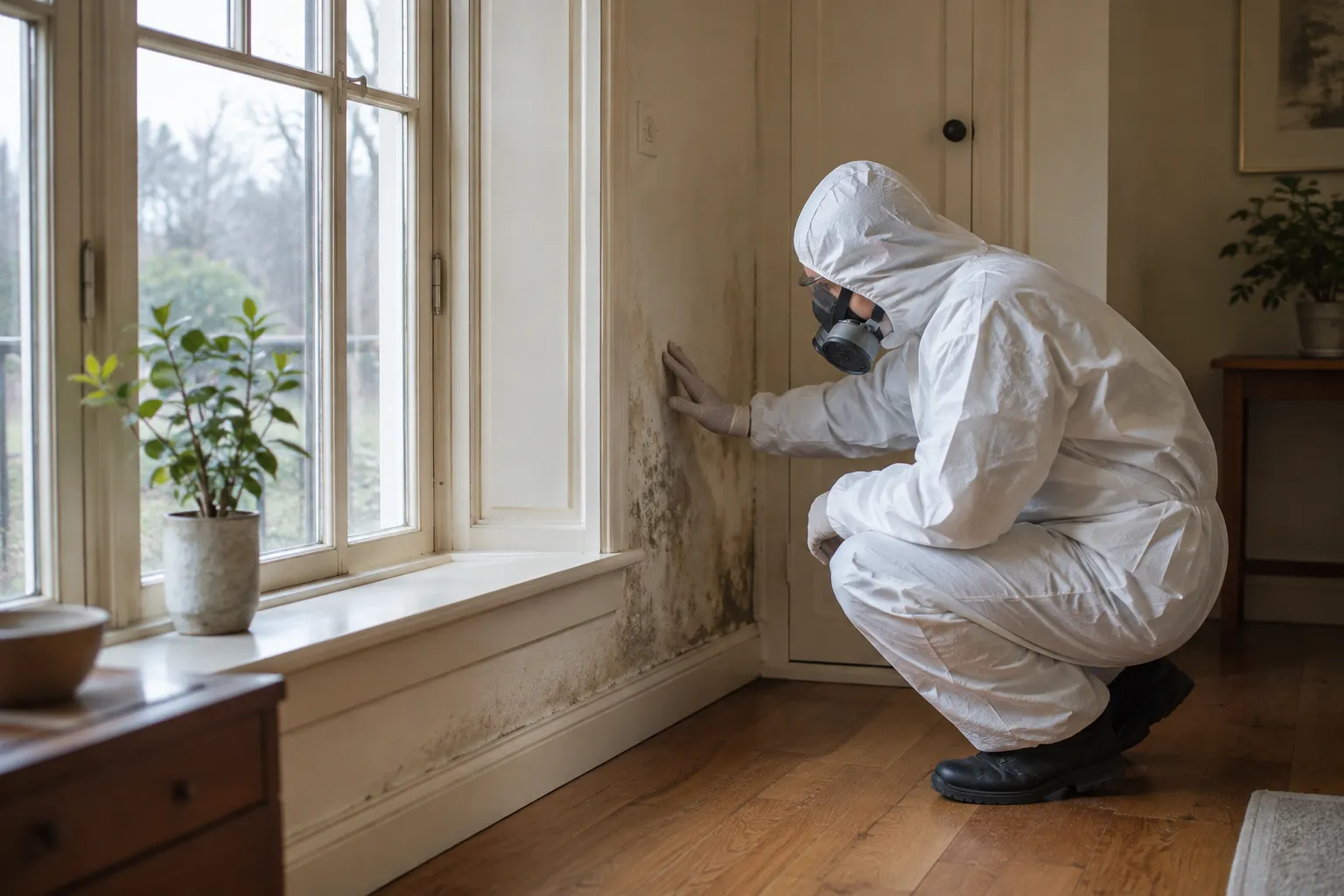
The repair date, earlier photographs and current wall condition can all help. Contact 03 8652 1296 to discuss the next step for the affected room at your Mount Waverley address.
Local context: Monash suburb profile