
NUTFIELD · MELBOURNE
Mould Removal Nutfield
Mould along an entrance hallway can be awkward because the room is also the route through the house. At a Nutfield address, describe the affected wall or ceiling, door positions and anything narrowing the passage. We can discuss a surface-removal enquiry that recognises everyday access, while checking material condition and keeping roof, door-seal or other water-entry repairs distinct from cleaning the visible finish.
Passage access considered
Visible condition reviewed
Scope explained before work
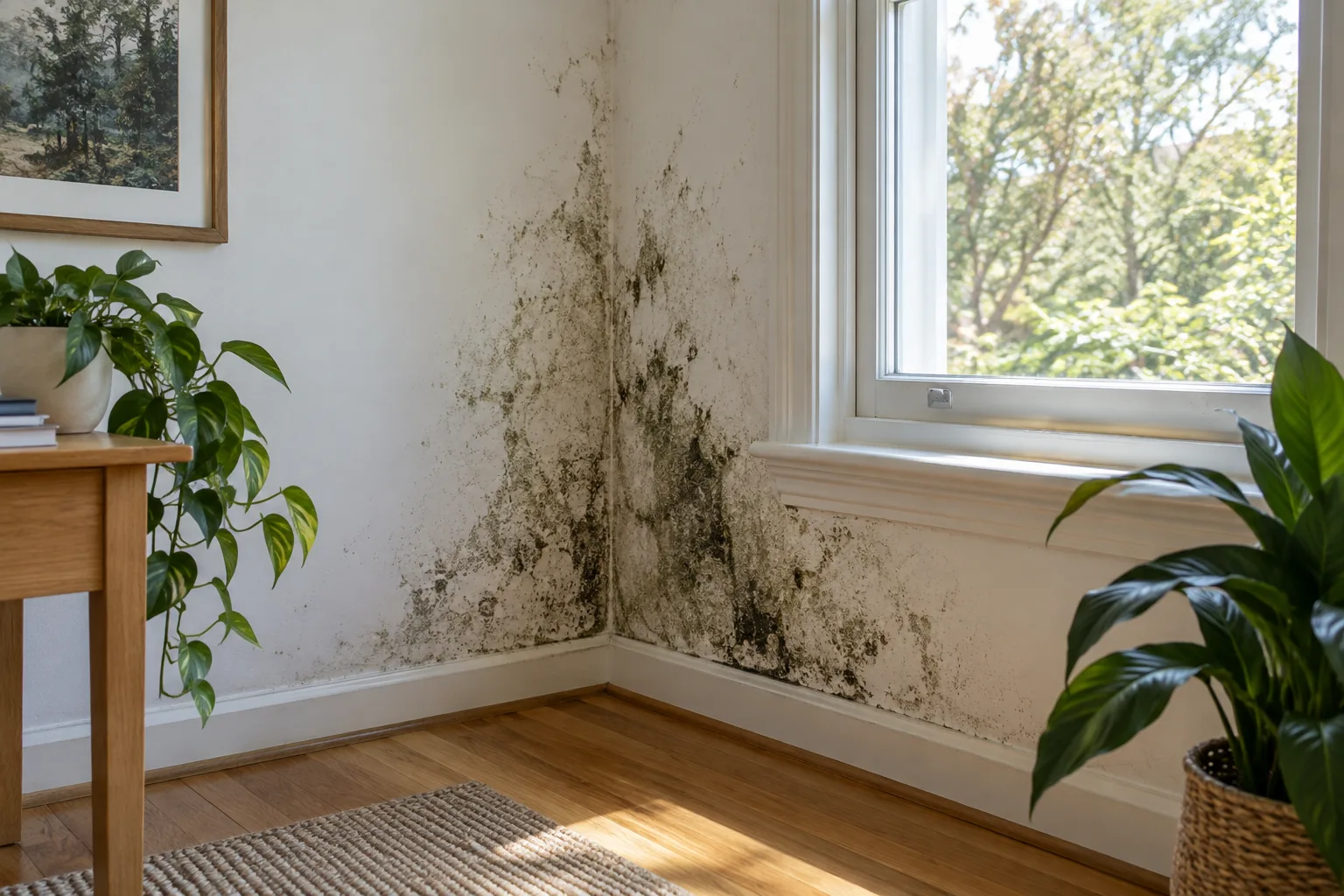
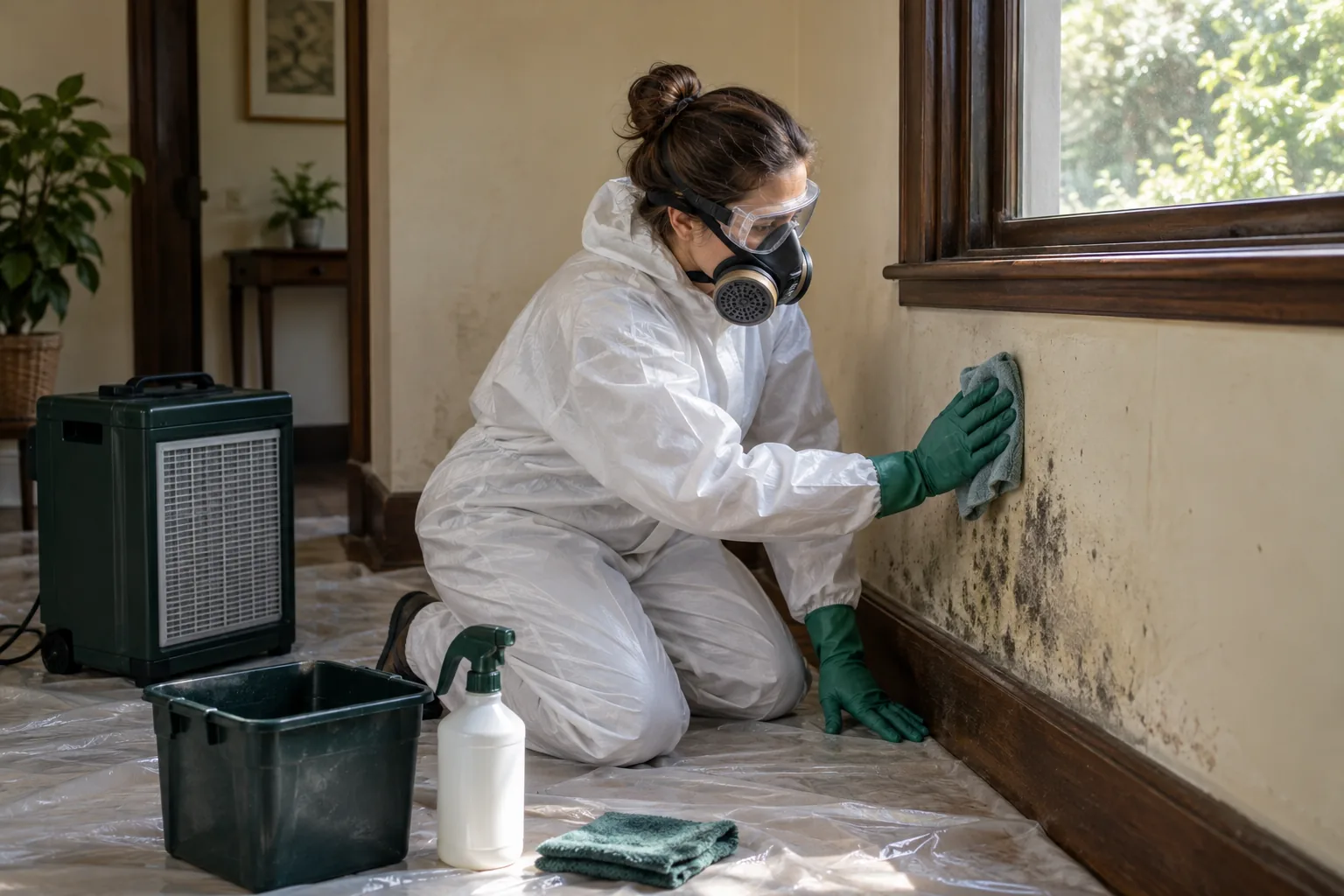
Hallways · Trim · Ceilings
THE HOME, IN CONTEXT
Locate the Nutfield dwelling clearly
Nutfield is named on Nillumbik’s official Green Wedge map. Give the actual address and the entrance used to reach the hallway; a locality description does not show whether a gate, porch or separate driveway needs to be arranged.
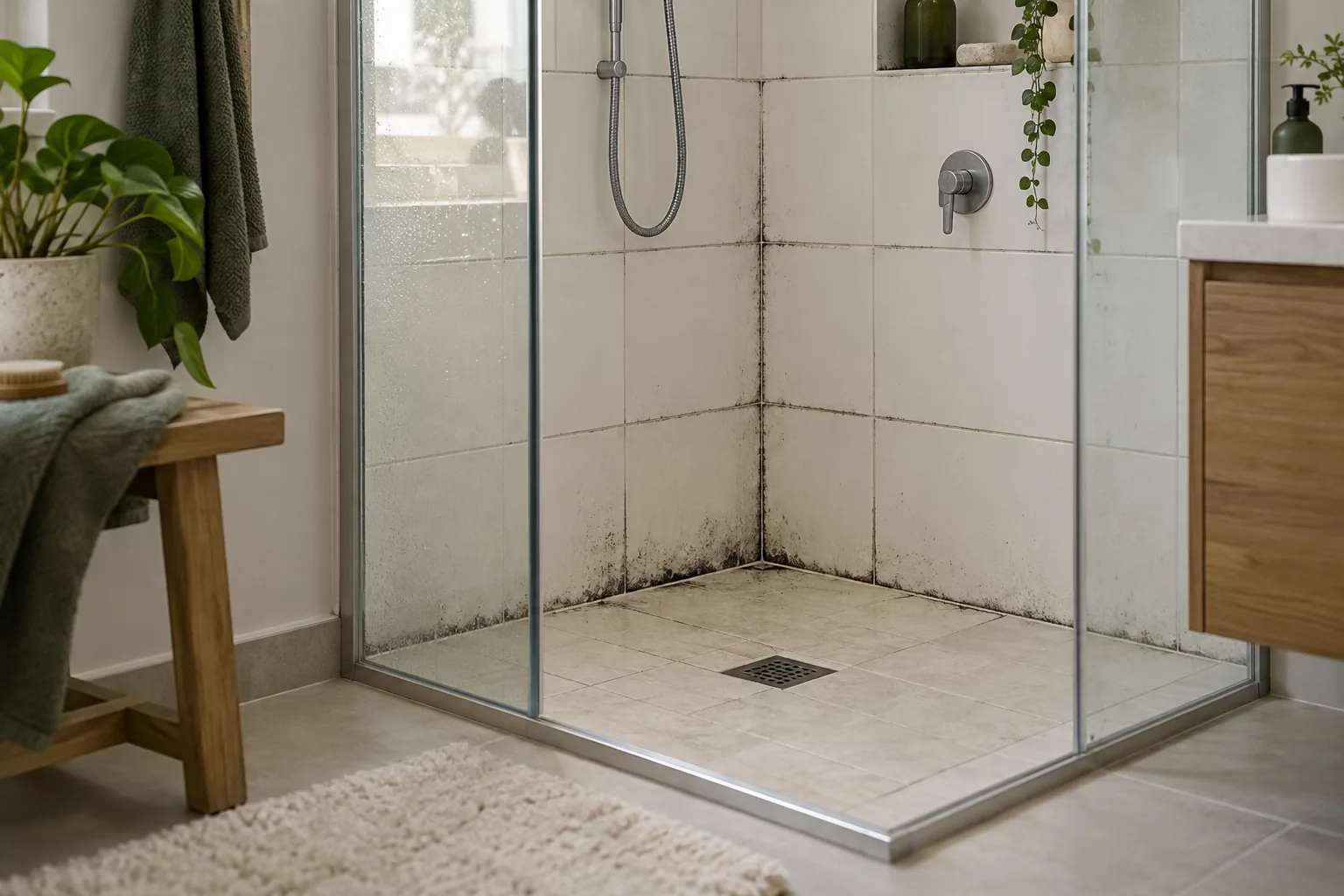
An entrance wall with recurring marks
If a patch appears near the front door, note whether rainwater, wet footwear or a nearby window has been observed. These are enquiry details, not diagnoses. A photograph showing the door frame and the wall can help distinguish the visible finish from fittings that may need other attention.
Maintain a workable route
A hallway may connect bedrooms, a bathroom and the kitchen. Explain that layout before arranging work so household movement can be discussed. Move loose shoes and bags through an agreed preparation plan, while fixed furniture and narrow turns should be identified as access constraints.
INSPECTION & MOISTURE
Understand the affected junction
The meeting point of wall, trim and ceiling can reveal different material questions. An inspection discussion is helpful when a visible mark extends around a doorway or accompanies an expanding water stain.
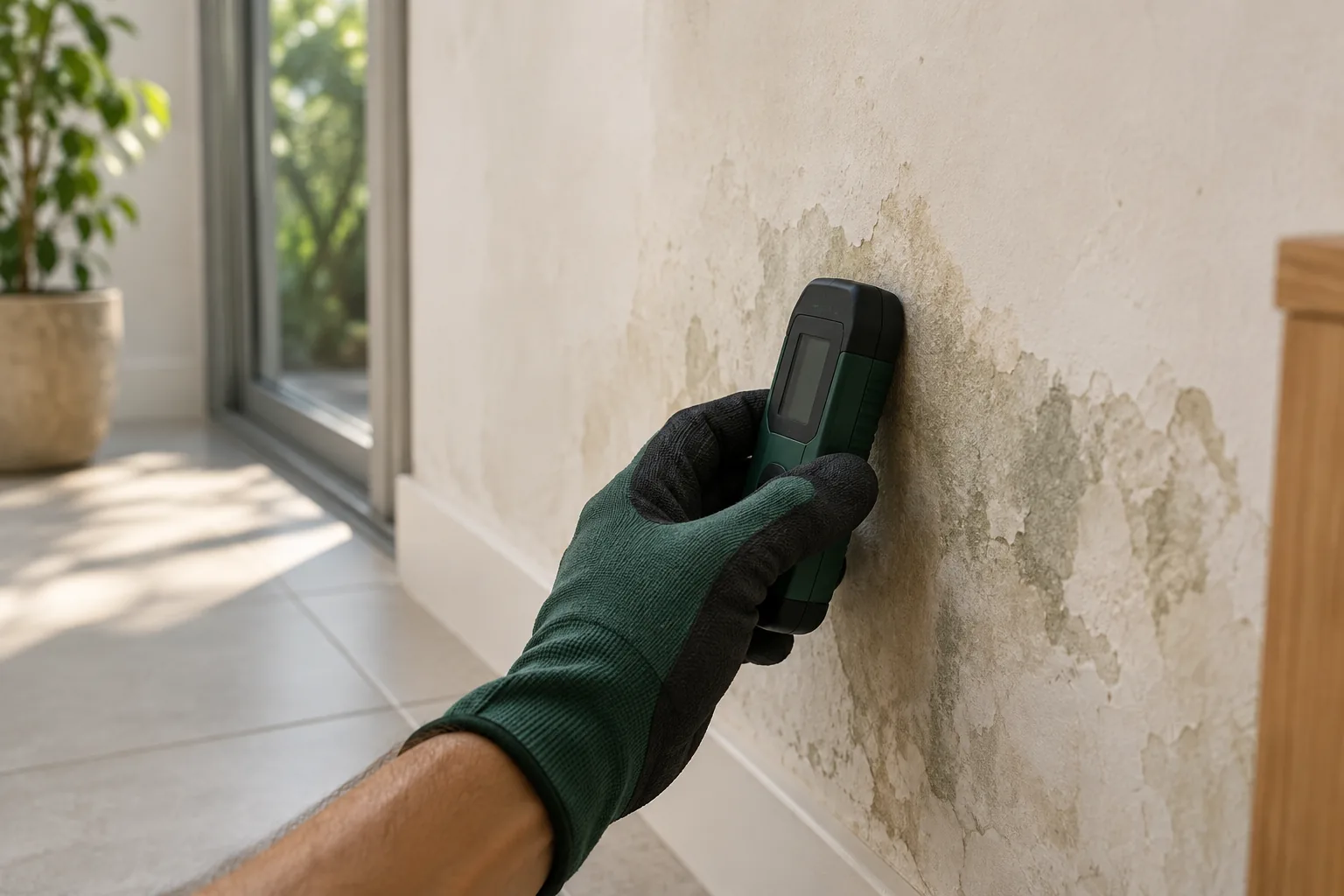
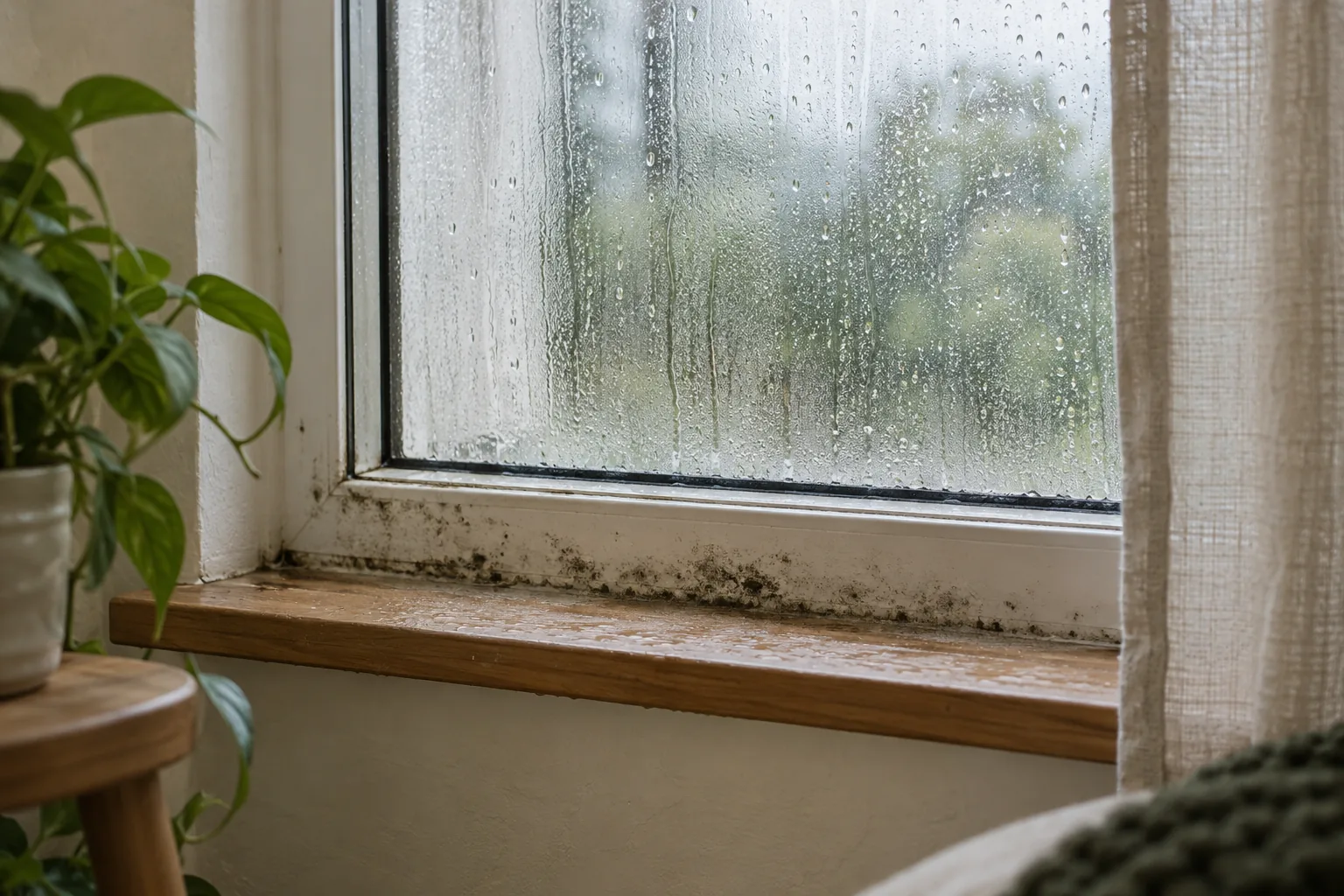
Describe the paint and trim
Mention lifting paint, softened plaster or timber that looks swollen. A sound painted section may be suitable for cleaning, but deteriorated finishes should not be treated as equivalent. Avoid sanding the patch before its condition has been discussed.
Keep a weather and event record
Note when fresh wetness appears and whether the door, roof or nearby window has been repaired. A hallway stain after rain is useful evidence for a responsible trade, but it does not establish the route water took into the building.
A CONNECTED PROCESS
Plan work without losing the passage
Map the affected section
Describe which wall face and ceiling edge are marked. Identify adjoining doorways and the route that normally takes people through the area.
Agree household arrangements
Discuss room access before clearing the hallway. Keep keys, bags and daily essentials available outside the proposed area so people do not need to enter unexpectedly.
Review surface condition
Assess accessible paint and trims and raise any unstable lining. If material needs replacement or a fitting repair, distinguish that task from the planned removal work.
Remove visible growth
Appropriate physical cleaning, treatment and HEPA filtration may form the method. Remediation preparation can help with questions about a connecting space rather than a closed room.
Review the junction afterwards
Identify remaining stain, finish damage and any unresolved wetness. Ask for the method-specific use instructions and retain photographs for the relevant repair contact where needed.
WHERE MOULD APPEARS
Entrance details that change the enquiry
Door-frame margins
Growth beside a frame may involve paint and timber. Mention both materials and any recent seal repair without assuming the frame is the water source.
Low wall scuffs and marks
Ordinary scuffing can coexist with growth. A clear photo and the timing of changes are more useful than labelling every dark spot as mould.
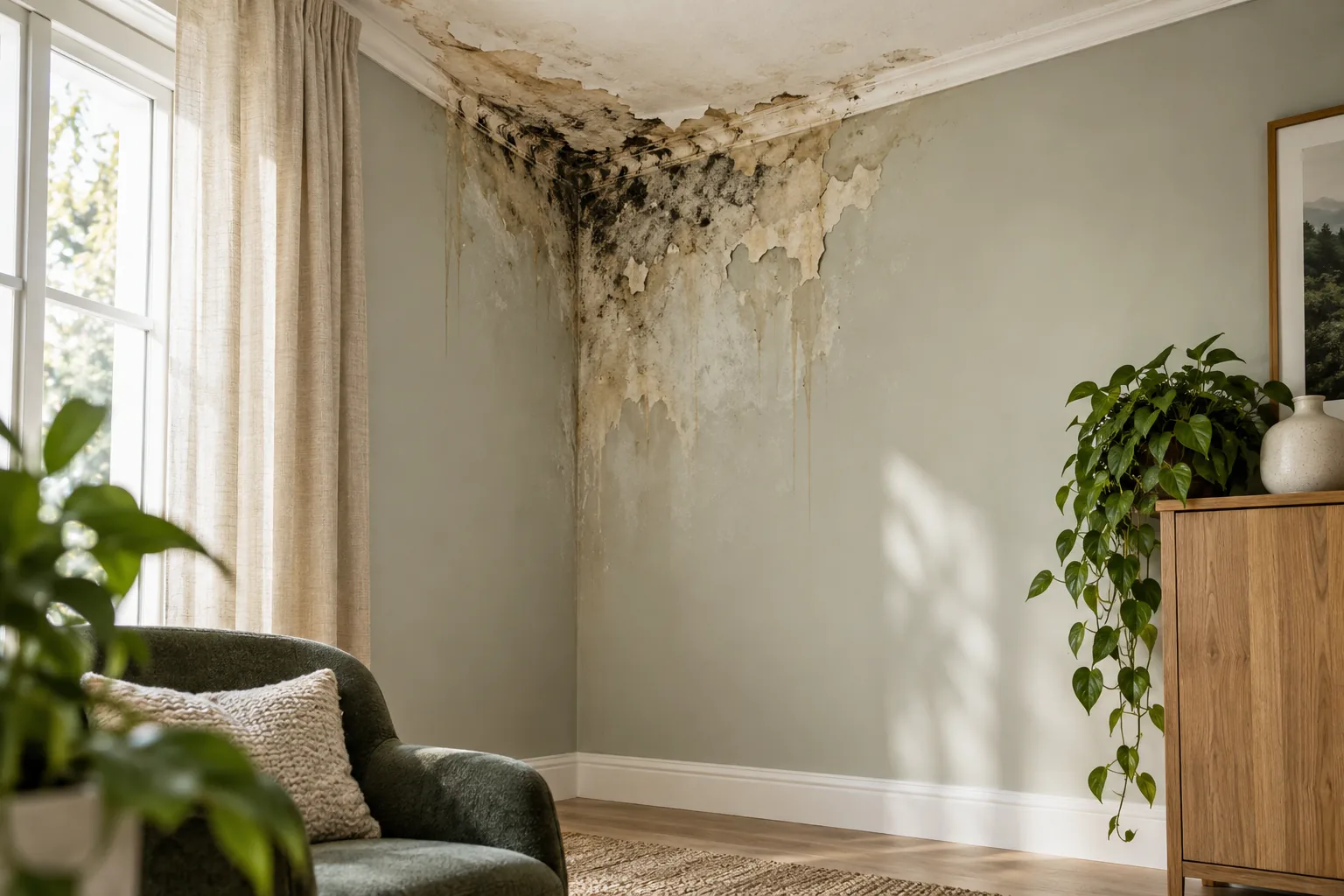
Ceiling over the passage
Overhead work needs realistic clearance. Photograph from the floor and mention lights or other fixtures rather than climbing in a narrow hallway.
A corner behind a console
Describe whether furniture can be safely moved by the household. A concealed patch cannot be assumed accessible while the console remains against it.
MAKE SPACE FOR DRYING
Keep the entrance observable
After separate moisture concerns are addressed, check the affected junction during ordinary household use. Notice fresh dampness after a known event and keep a dated photograph rather than repeatedly covering the stain. A clear chronology is useful if a roof or door specialist is involved.
Do not leave wet mats or footwear pressed against the marked wall, and preserve enough space to inspect its lower edge. These habits support observation but cannot promise that growth will not return. Surface removal and correcting a source of water remain separate parts of managing the problem.
NUTFIELD & NEARBY
Checking Nutfield property details
Confirm address availability with the street and entrance information. These supplied surrounding location pages provide useful context: Cottles Bridge, Hurstbridge, Yarrambat.
QUESTIONS WORTH ASKING
Before the visit.
Can we use the hallway while work takes place?
Discuss the household route and proposed method beforehand. The access plan should be agreed for the actual area, rather than assuming a connecting passage can stay in ordinary use.
Should I sand a stained door frame first?
No preparation involving abrasion should be assumed. Explain the finish and damage so material suitability can be considered before disturbing it.
Does rain-related staining prove a roof leak?
It raises a water-entry question but does not prove the entry point. Share the timing and pattern with the appropriate building or repair professional.
Are entry mats included?
Mats are separate textile items. List them if affected, but do not assume they form part of cleaning accessible walls, ceilings and floors.
What if paint comes away near the corner?
Tell us about unstable paint or lining before arranging removal. The material may need repair or replacement rather than an ordinary surface clean.
Do rural entry arrangements matter?
Yes. Provide gates, driveway access and the meeting point with the full address so practical entry and appointment availability can be checked.
START WITH YOUR ROOM
Start with the hallway layout
Call 03 8652 1296 with the Nutfield address and a description of the marked doorway or ceiling edge. Explain the household route and known wet events so preparation and surface suitability can be discussed together.
Useful references: Nillumbik Shire Council — Green Wedge map