
ROOMS · MATERIALS · MOISTURE
SPRINGVALE · MELBOURNE
Mould Removal Springvale
A bathroom that stays wet long after a shower needs more attention than a fresh coat of paint. For a Springvale enquiry, describe the ceiling, fan and nearby bedroom walls together. This helps separate an accessible cleaning task from ventilation or building work that needs another trade.
Material condition considered
Accessible work agreed first
Moisture observations kept in view
THE ROOM TELLS A STORY
Ask how the bathroom dries.
Springvale is a suburb of the Greater Dandenong municipality, as identified by Council.
Where a bathroom has no openable window, the extraction path is worth discussing. A fan can make noise without adequately moving moist air outside. Include ceiling corners in your photos, and explain whether the room dries between uses. Avoid assuming every dark joint is the same material problem.
UNDERSTANDING MOISTURE
Water, airflow and the ceiling finish.
After the shower
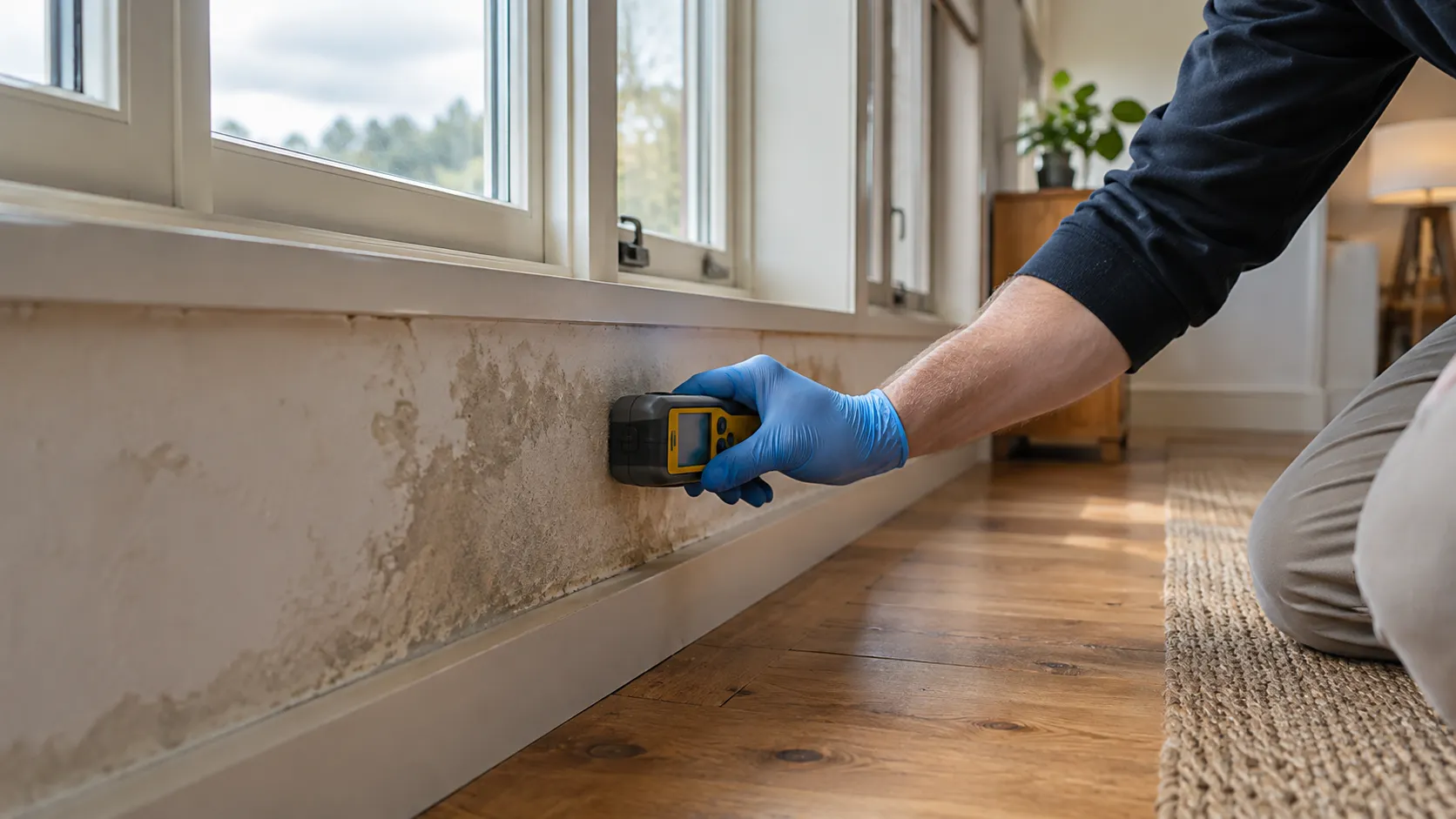
Observe how long mirrors, walls and the ceiling remain visibly wet. Record that alongside fan use rather than treating one fixture as the proven cause. The drying pattern is useful evidence for the initial conversation.
Beyond the tiles
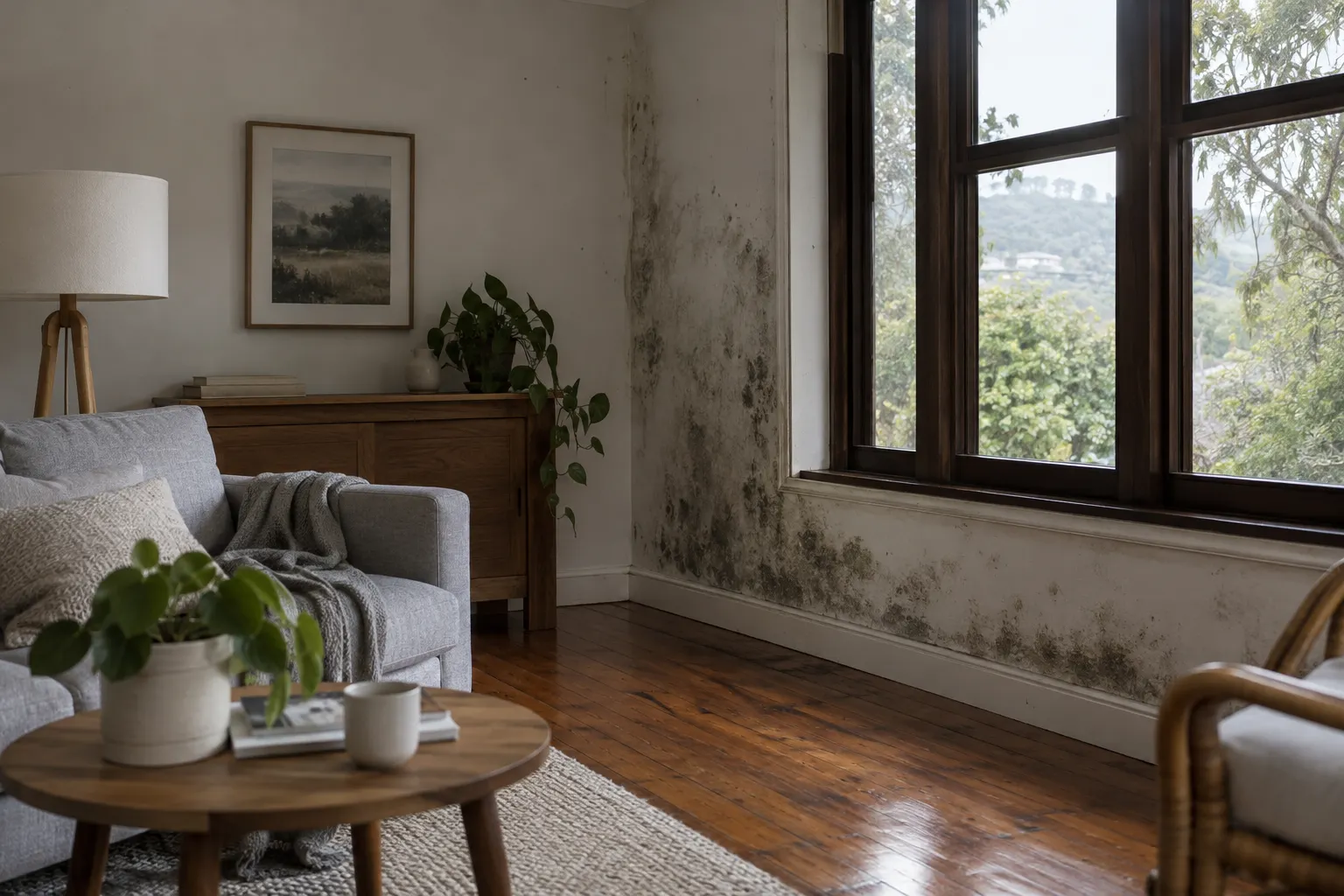
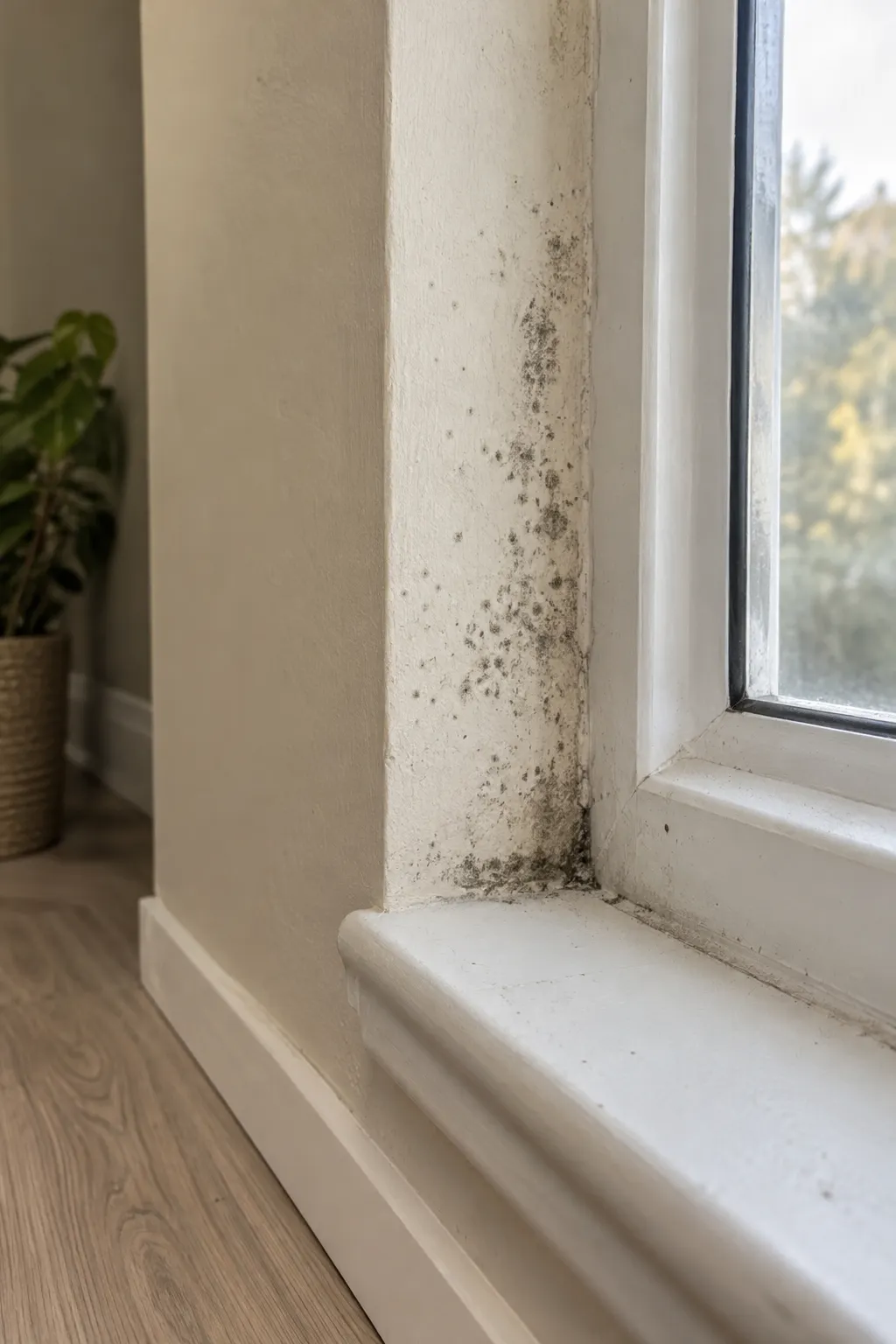
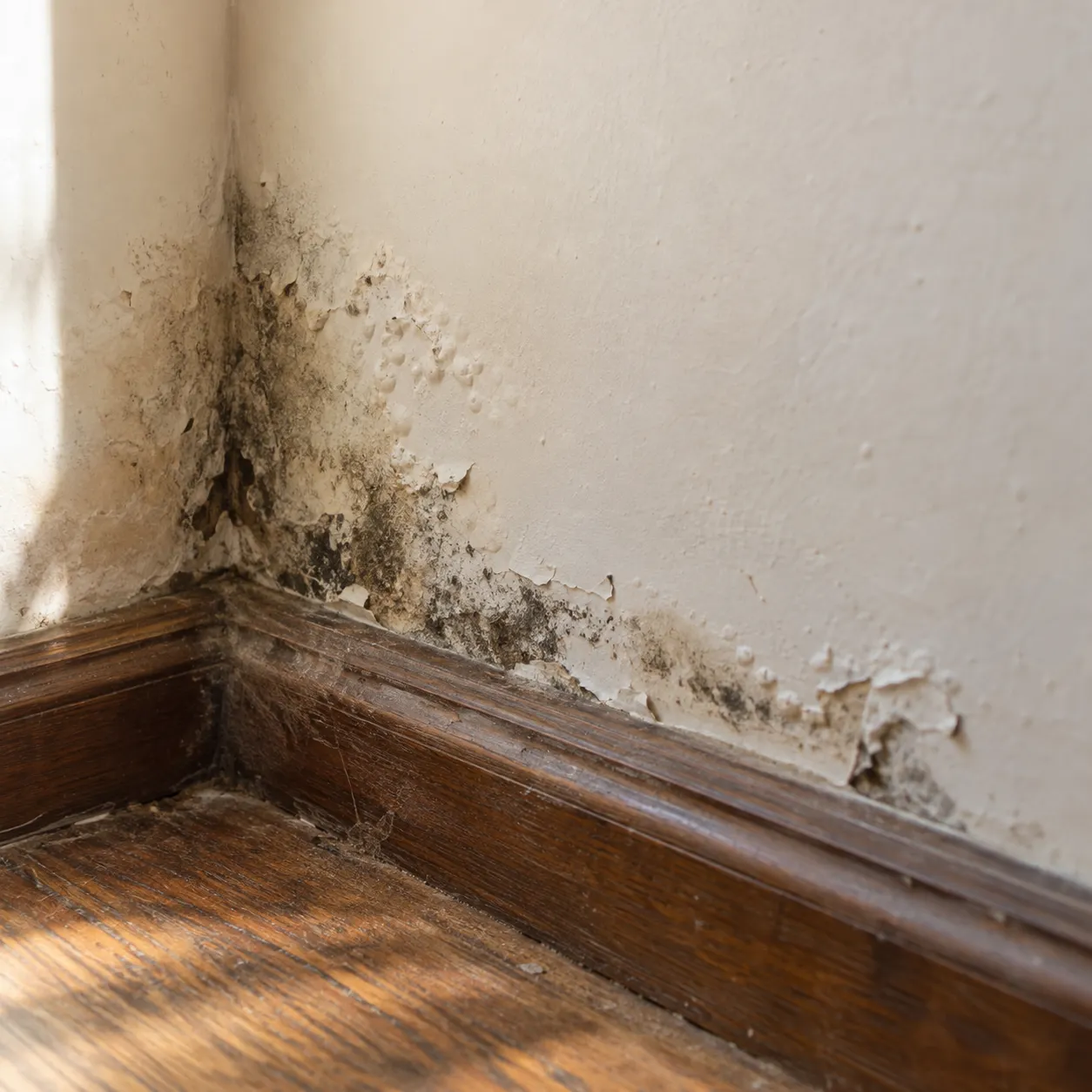
Growth on adjacent paint deserves attention even when shower tiles look clean. Several finishes can be affected, each with different material condition and access. Mention lifting paint or a soft lining before the appointment is planned.
A separate leak possibility
A bathroom ceiling can still be affected by roof or plumbing water. Describe rainfall changes and earlier repairs. A mould inspection considers accessible evidence without reducing every wet-room enquiry to condensation.
OUR REMOVAL PROCESS
Plan the room before treating the finish.
Keep a room view
Photograph the shower, ceiling and extraction point together. A dark-joint close-up cannot show how the affected finish relates to the rest of the bathroom or explain whether access is restricted.
Explain previous cleaning
Tell us which surfaces have already been cleaned and whether marks returned. Avoid applying several new products before the appointment merely to change the photograph; the original pattern can be useful information.
Separate the fan task
A ventilation technician may need to investigate airflow or discharge. Make that arrangement distinct from accessible removal so a fixture fault is not hidden by improved surface appearance or confused with a cleaning task.
01
Identify each affected surface
List paint, grout, silicone and any cupboard lining separately. Send a room view showing the fan and window, if present. An agreed removal scope depends on those materials, their condition and the approximate visible extent.
02
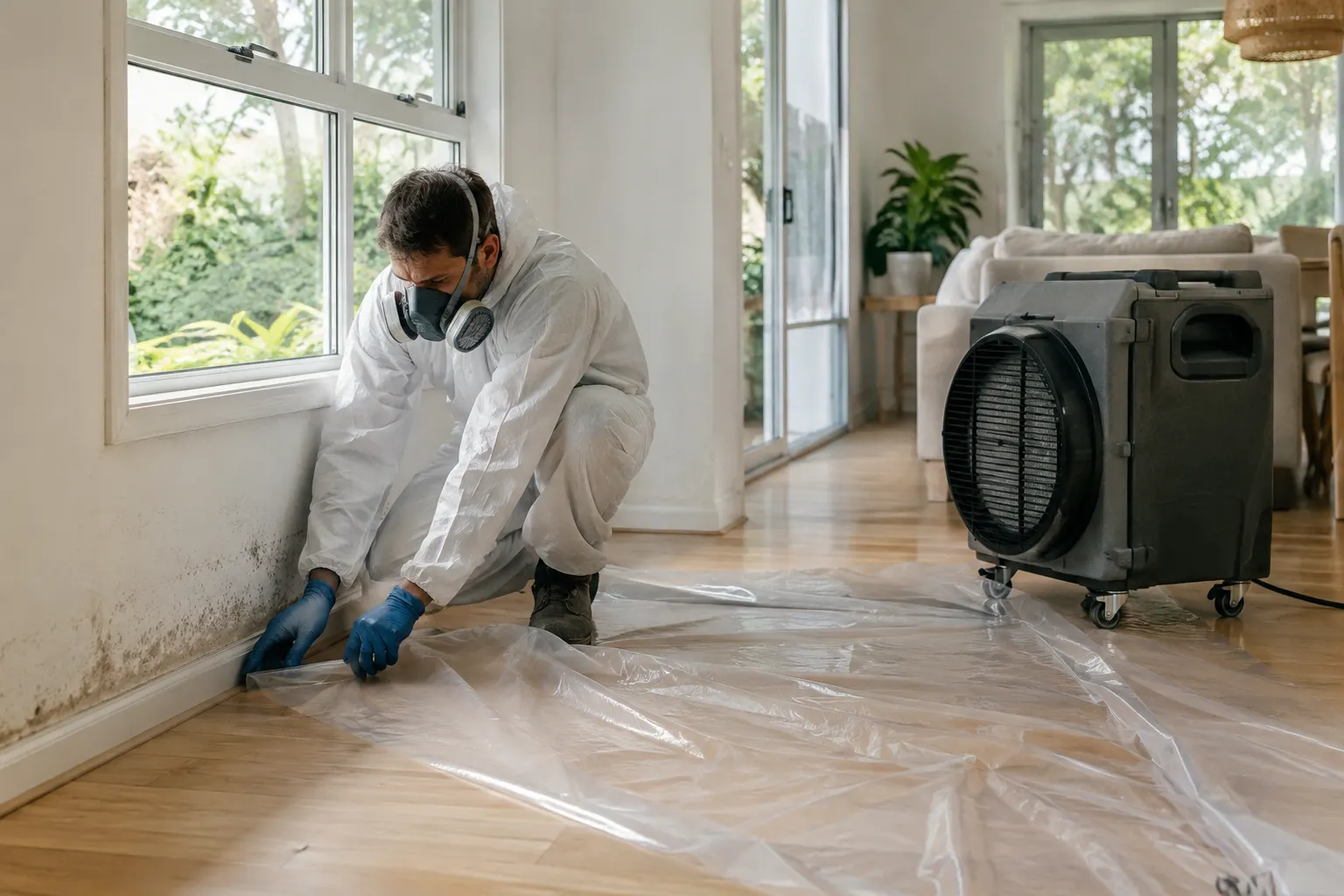
Make preparation specific
Discuss bathroom belongings, delicate finishes and working access. Equipment and protective measures should suit the agreed task. Tell us about occupants’ concerns before the appointment so preparation and any limitations can be understood in advance.
03
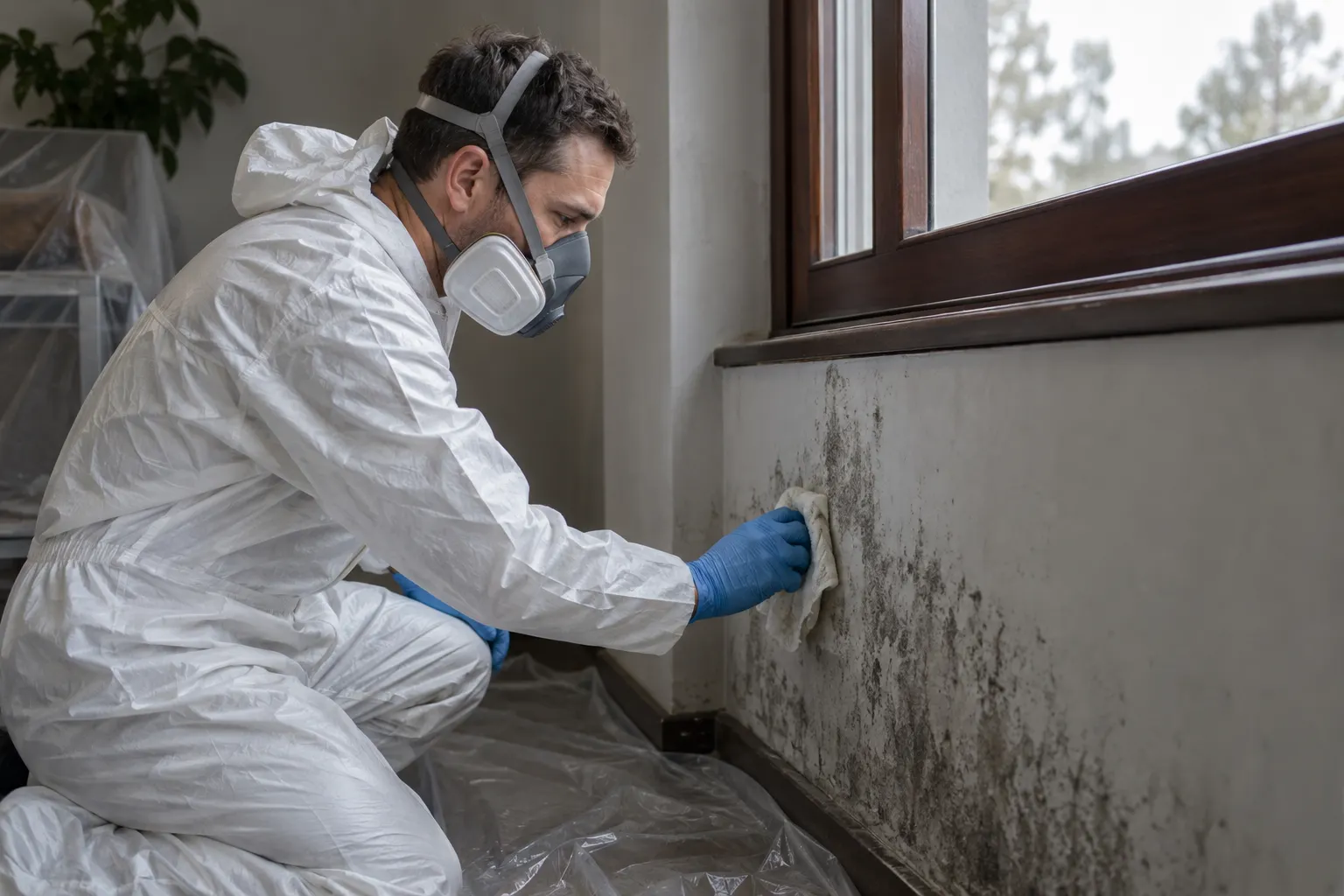
Connect removal with drying
Review accessible treated areas and remaining finish condition. Remediation keeps inadequate extraction or unresolved water entry in view. Cleaning a ceiling does not establish that the fan works correctly or that damaged material has recovered.
COMMON AREAS AFFECTED
Different finishes in the same home.
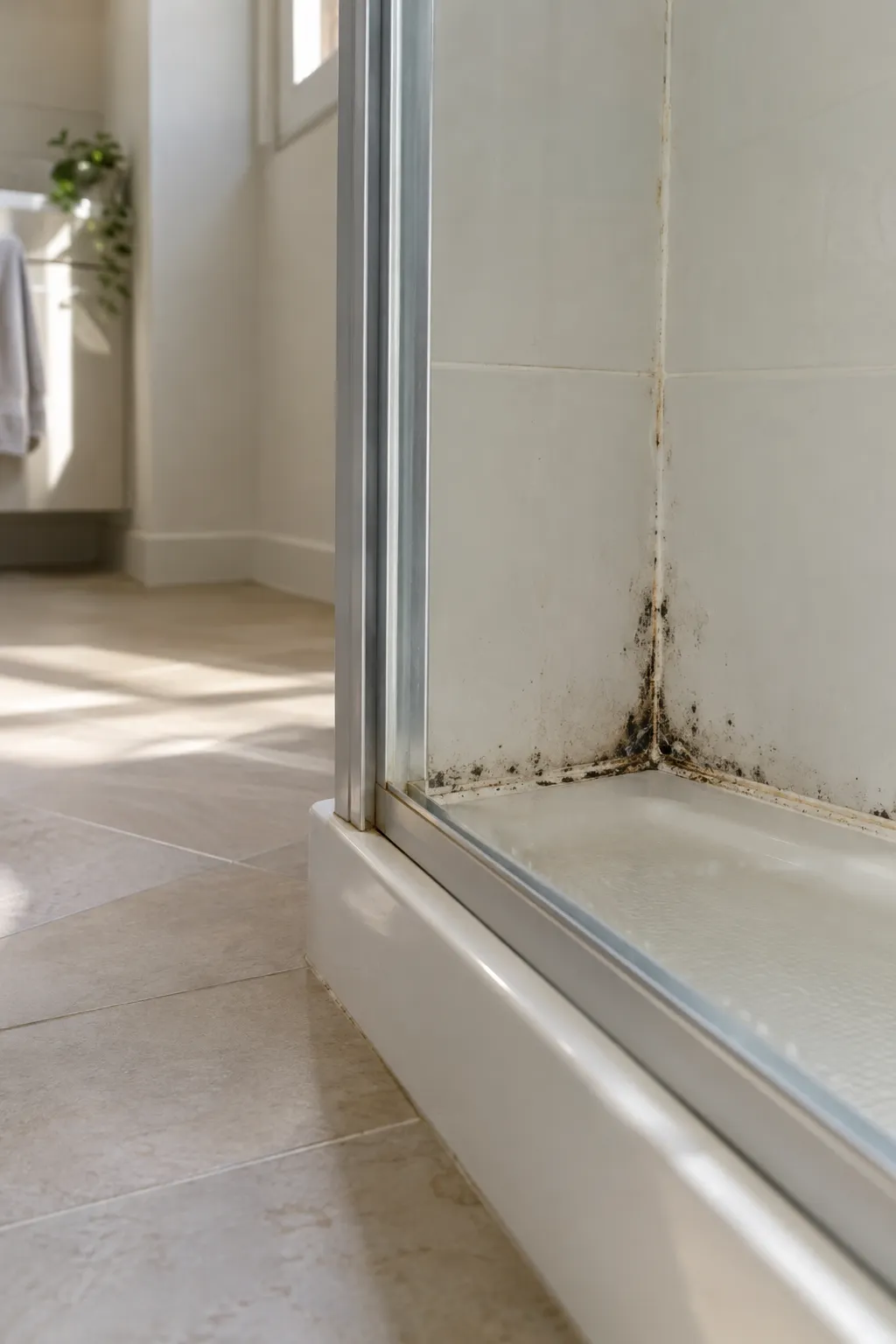
Bathroom surfaces
A shower joint can be affected through or beneath its surface material.
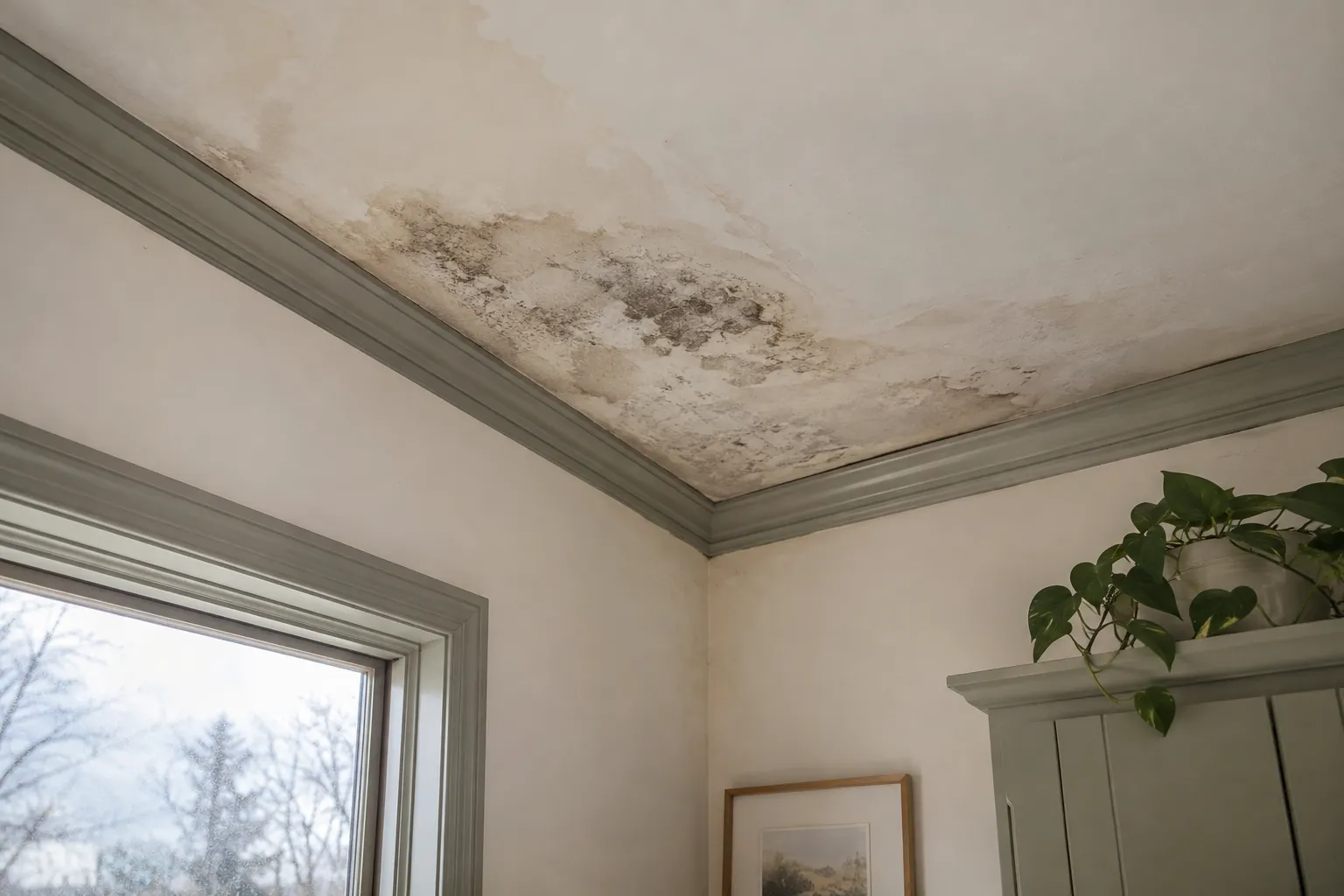
Ceiling condition
Painted bathroom ceilings need their condition noted before work. Peeling or soft areas may require material attention alongside accessible growth rather than a promise that the original finish will look unchanged.
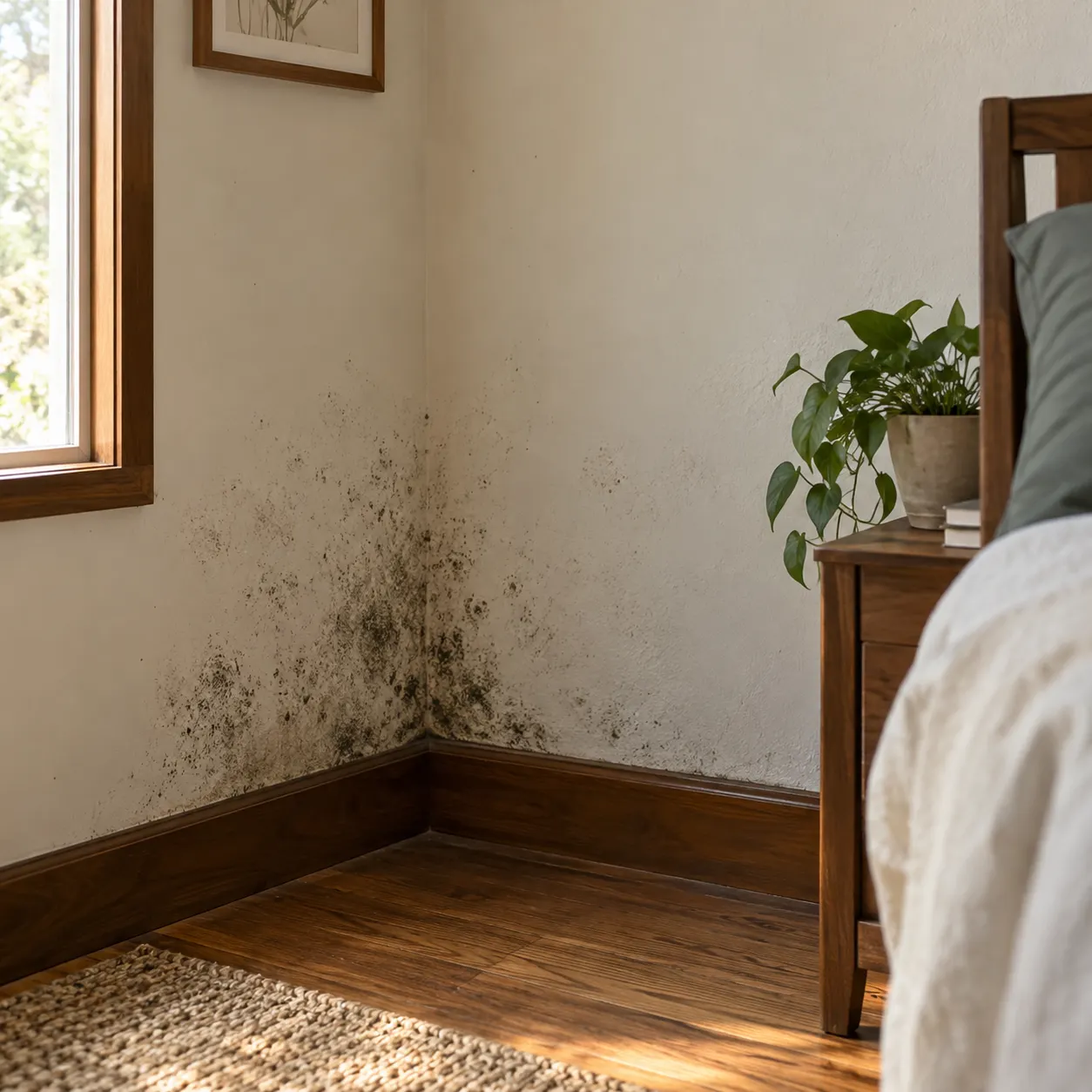
Walls and finishes
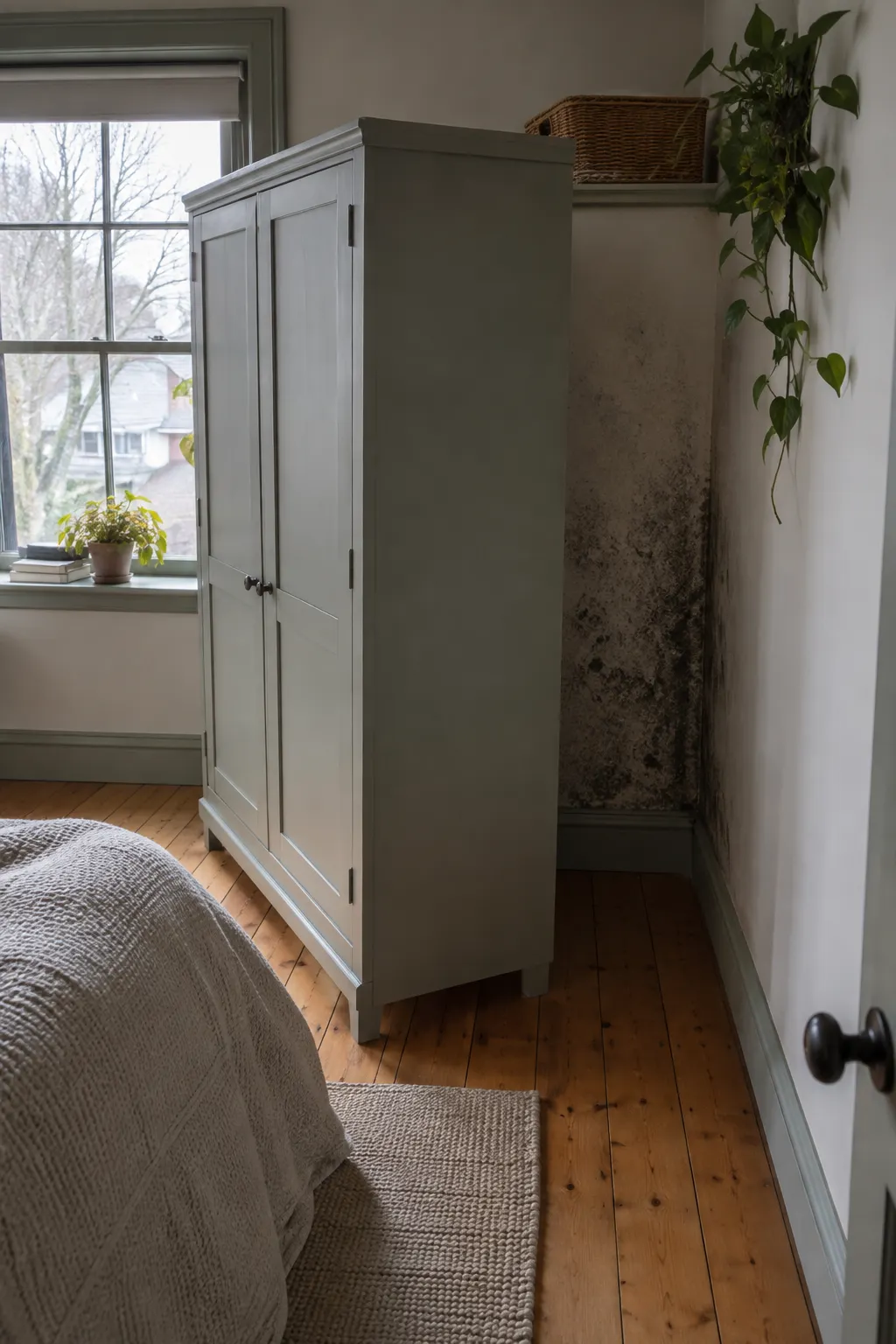
A bedroom wall near the bathroom may have its own window or furniture-related pattern.
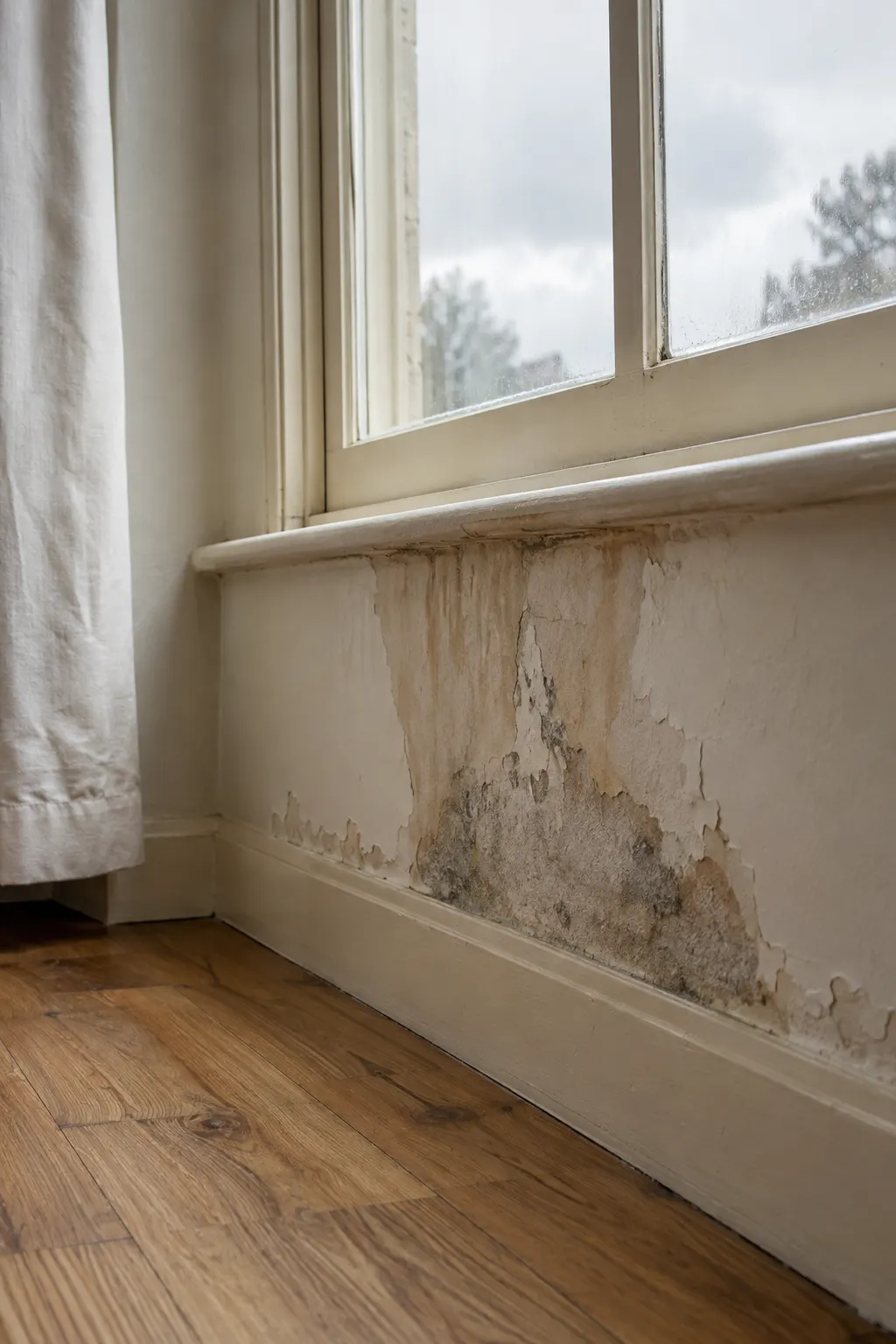
After water damage
After a plumbing incident, cupboards and adjacent linings may stay affected beyond the obvious wet spot.
PREVENTION STARTS WITH
Let the room
dry between uses.
A practical household check
Use the available exhaust during showering and allow the room to dry afterwards. If moisture remains despite normal use of the fan, report that pattern. Keep vent grilles accessible, and ask the appropriate trade about poor extraction rather than repeatedly cleaning the same ceiling.
Follow up persistent wetting
If the bathroom remains wet despite its normal extraction routine, record that observation for the appropriate trade. Removal cannot replace suitable ventilation. Continue checking accessible ceiling corners after repairs rather than judging the room solely by clean tiles or a polished shower screen.
SPRINGVALE & NEARBY
Around Springvale
For an enquiry beyond this bathroom, explore Noble Park, Mulgrave and Clayton. A nearby property may have different extraction, room access and materials, so its preparation should be discussed separately.
BEFORE YOU CALL
The useful
questions.
Does a noisy exhaust fan prove the bathroom has enough extraction?
No. Noise does not establish airflow or where the air is discharged. Tell us whether mirrors and walls remain wet after use. A suitable ventilation trade can check the installation; surface removal should not be presented as a replacement for that work.
Will cleaning restore damaged silicone?
Silicone condition needs a separate decision. Removing accessible growth does not necessarily eliminate discolouration through the material or restore a failed joint. Explain which joints are affected before a method is agreed.
Is a bathroom window essential for the enquiry?
Describe the ventilation that actually exists, including a window, fan or both. The assessment should consider drying behaviour rather than assume one fixture determines every moisture problem in the room.
Can a ceiling patch be from a leak despite shower moisture?
The possibilities are not mutually exclusive. Tell us about rain-related changes or previous plumbing work as well as normal bathroom use so evidence of another water pathway is not overlooked.
Do I need to clear every bathroom shelf?
Discuss preparation first. The working area and affected surfaces determine what needs moving or protecting. Do not disturb visibly affected items without understanding how they should be managed.
How do I start a Springvale enquiry?
Call 03 8652 1296 with the address, room photographs and drying observations. Discuss availability, accessible materials and any ventilation or repair question that should be dealt with separately.
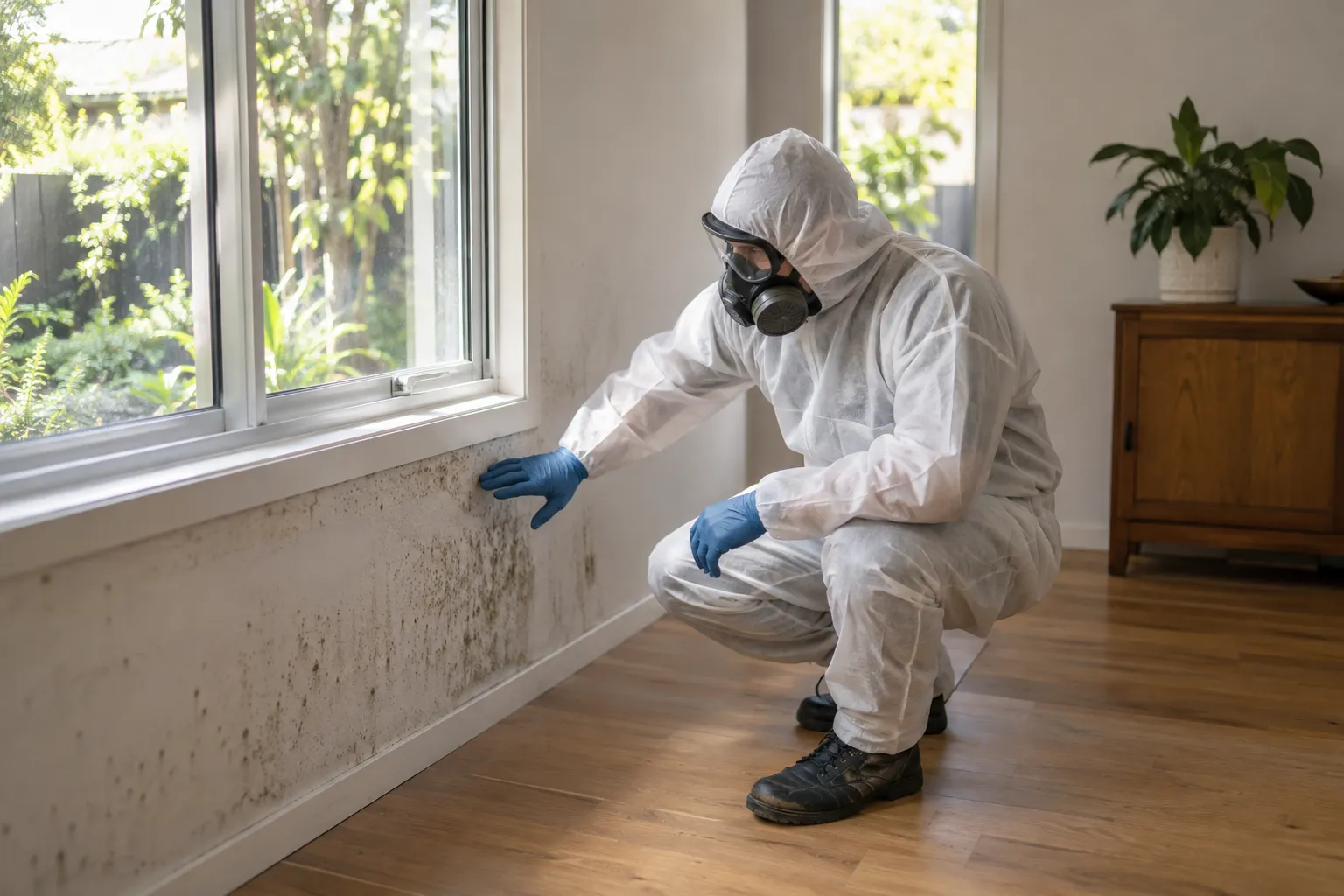
TELL US WHAT YOU CAN SEE
Describe what stays wet.
A useful first call includes the ceiling, fan and adjoining finishes. Discuss the address and room condition so accessible removal, preparation and separate ventilation work can be considered before the appointment.
Local context: Greater Dandenong — local statistics