
DECORATIVE FINISHES · MOISTURE · SURFACES
TOORAK · MELBOURNE
Mould Removal Toorak
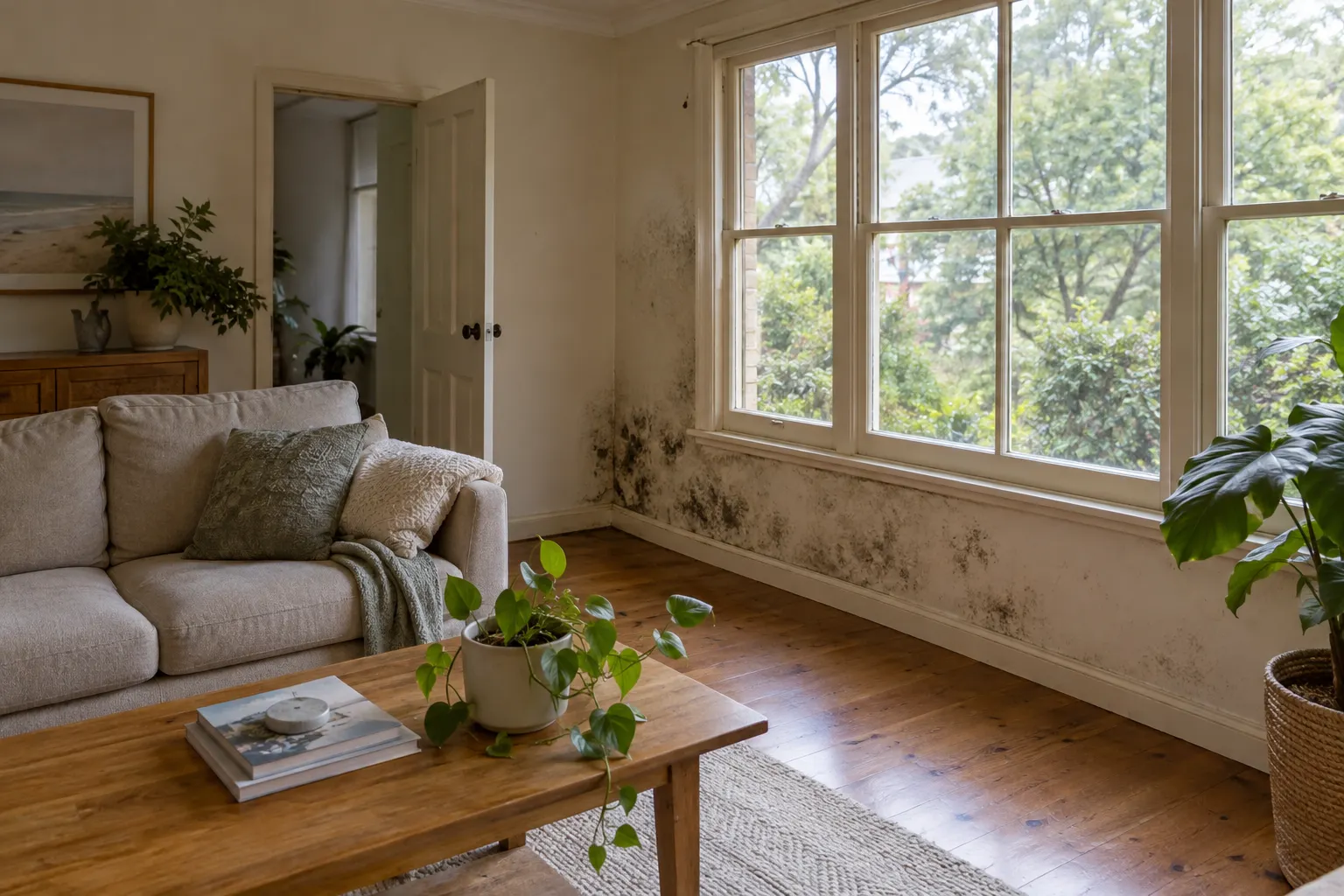
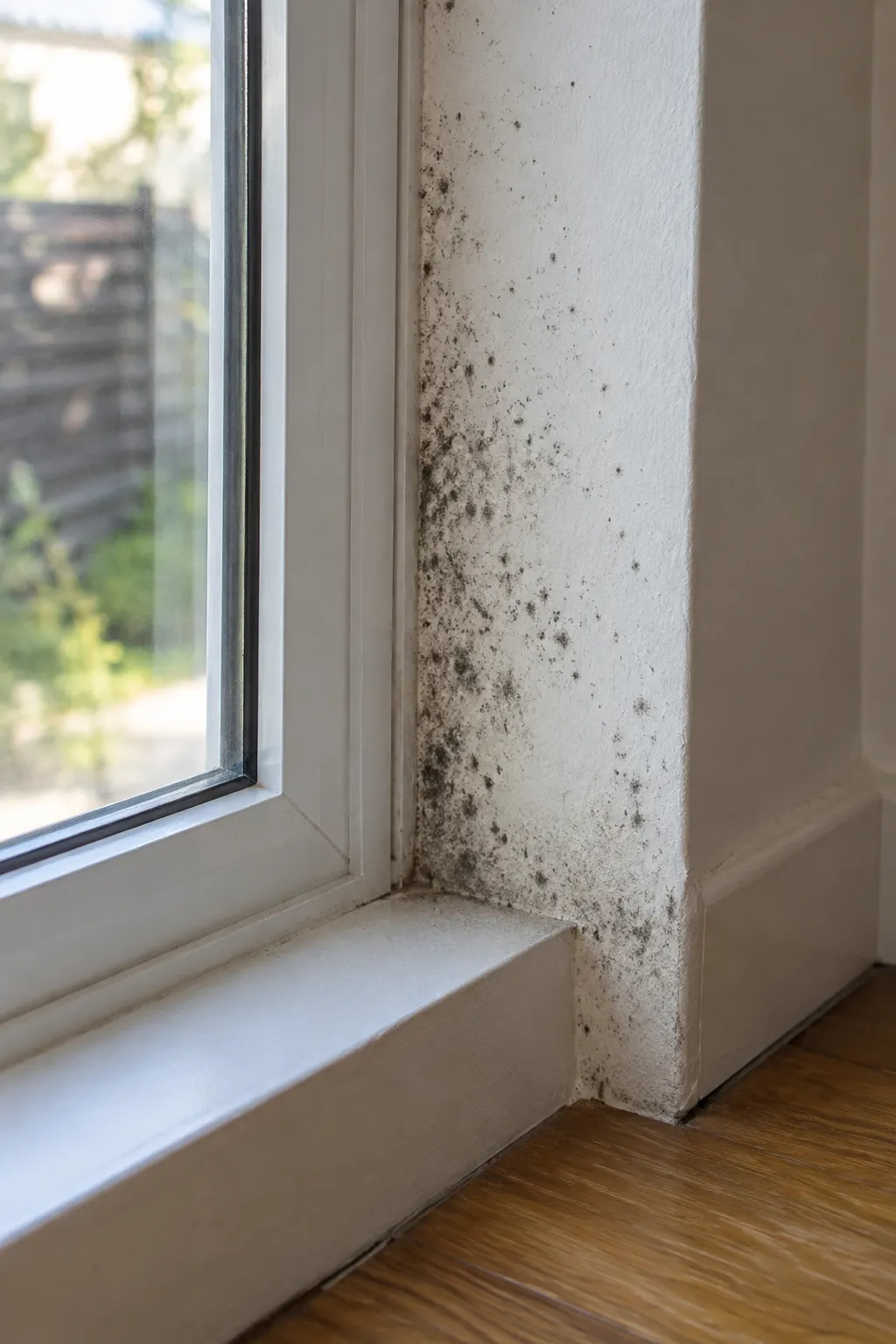
A painted panel, wallpaper edge or decorative cornice needs a careful assessment before cleaning. For a Toorak property, identify the finish and any area that has already lifted or discoloured.
Visible material considered
Moisture history discussed
Access and scope agreed
THE ROOM TELLS A STORY
Care for the finish as well as the surface
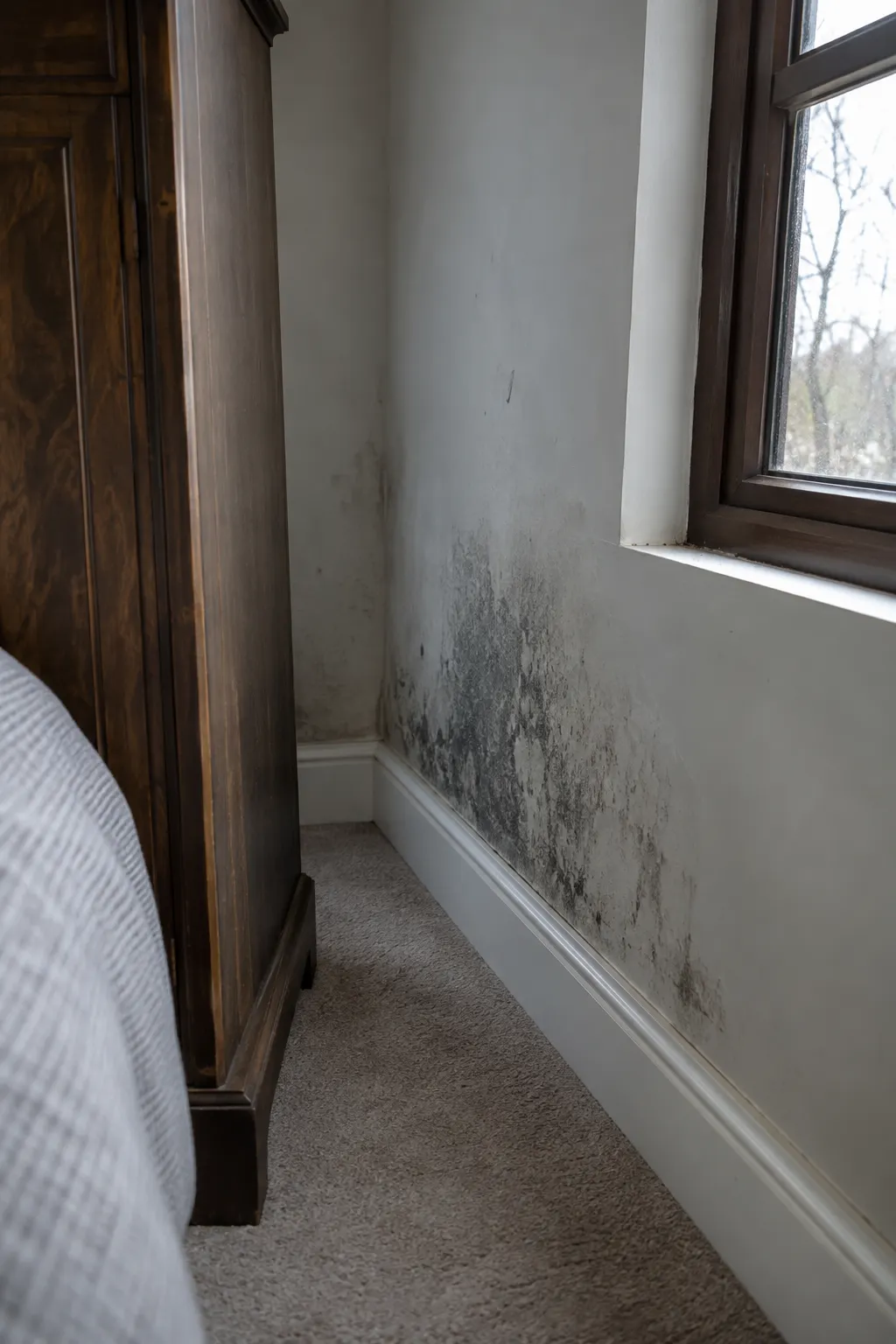
Stonnington includes Toorak among its suburbs. If your room has a delicate finish, its condition matters more than the address: an intact painted surface is different from paper lifting off damp plaster. Describe any earlier decorating work and avoid trial treatments on an inconspicuous area without discussing suitability.
Before an inspection of the marked finish, identify any wallpaper, decorative coating or repaired plaster you know about. Explain what should be retained and what has already lifted, so suitability is considered before a treatment changes the surface.
UNDERSTANDING MOISTURE
Make sense of
changes beneath the finish.
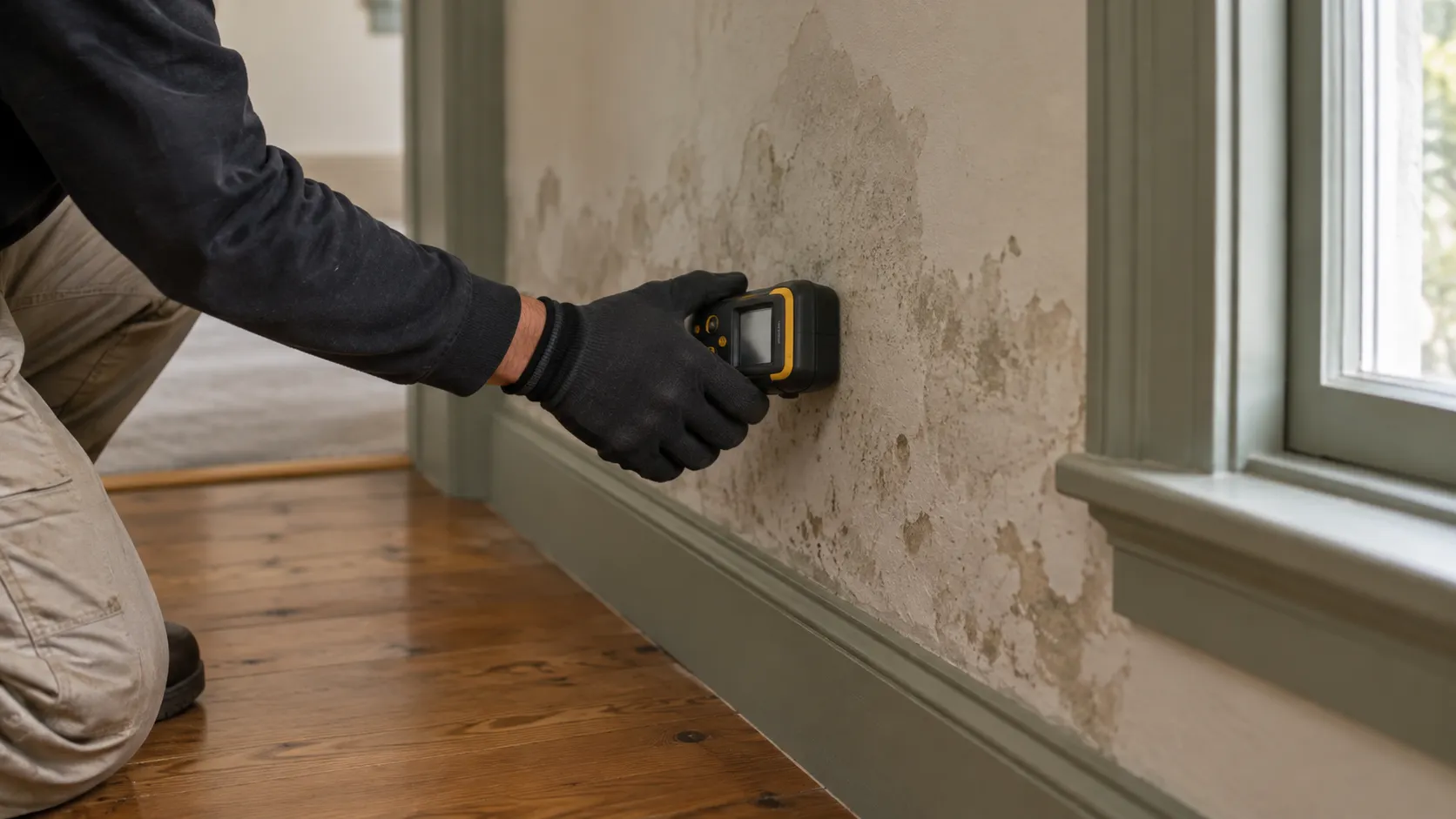
Air and drying
A delicate finish can hide moisture until its edge lifts. Note dampness in the room and at nearby windows, but do not infer the wall’s condition by peeling back wallpaper.
Water entering
If the mark follows rainfall or a fixture leak, report that sequence. A decorative surface needs source investigation where appropriate; treating the visible face cannot repair the building behind it.
The material itself
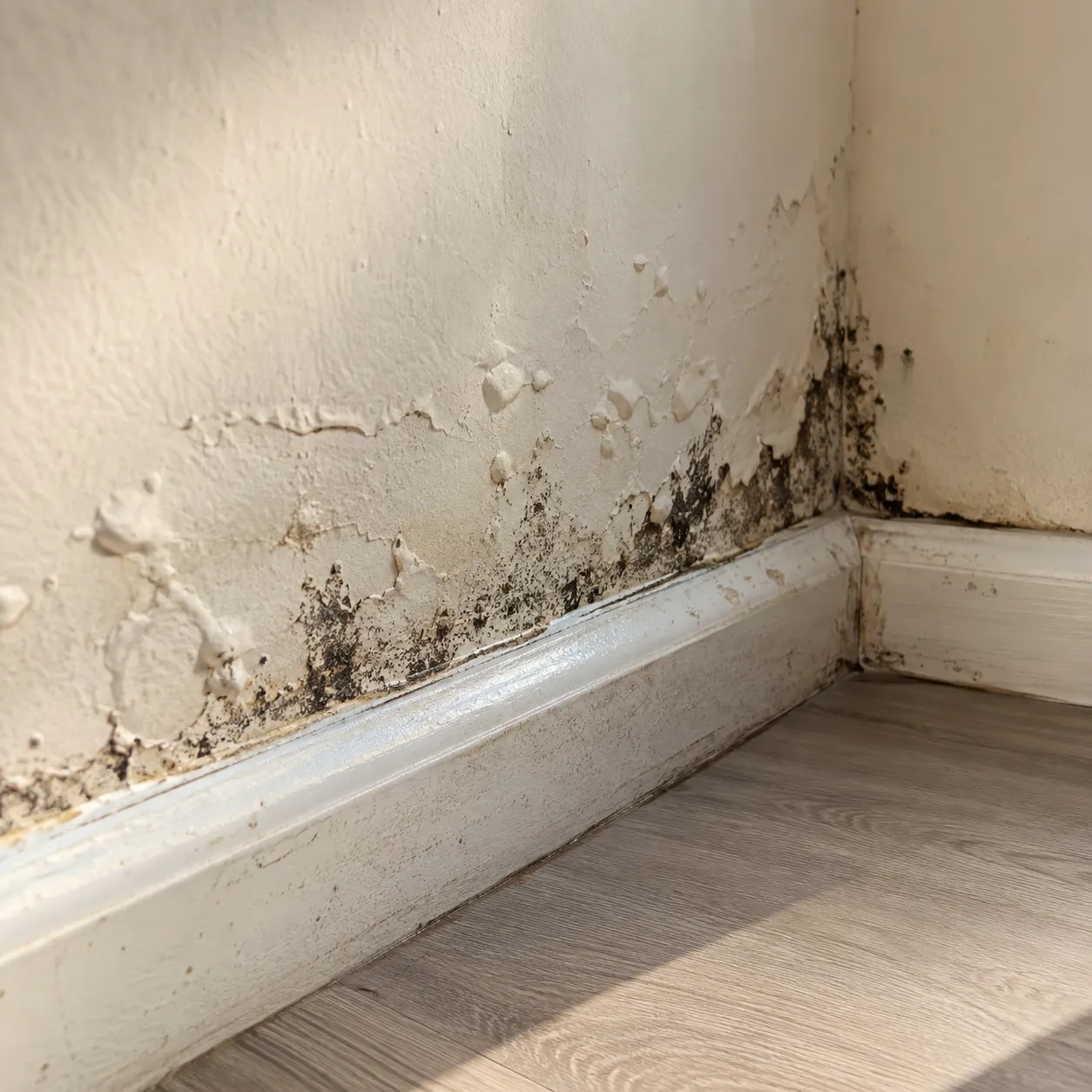
Identify the coating, paper or plaster detail as accurately as you can. Lifting edges and fragile material change the suitability discussion and may require restoration beyond accessible mould treatment.
OUR REMOVAL PROCESS
A clear scope.
A careful sequence.
Keep the room history
Have a room photograph and a close detail of the finish ready. Describe whether discolouration arrived before the paper lifted or after moisture became visible.
Make access practical
Mention fixed panels, cornices and fragile decoration that could limit access. Work on the reachable face should not imply permission to remove original or decorative components.
Agree the next decisions
Ask for a distinction between surface treatment and finish restoration. If the area remains damp, settle the moisture investigation before arranging a new paper or coating.
01
Assess the decorative wall finish
Describe the finish before asking about accessible mould removal. Wallpaper, decorative paint and loose plaster require a suitability discussion rather than a trial of one standard treatment.
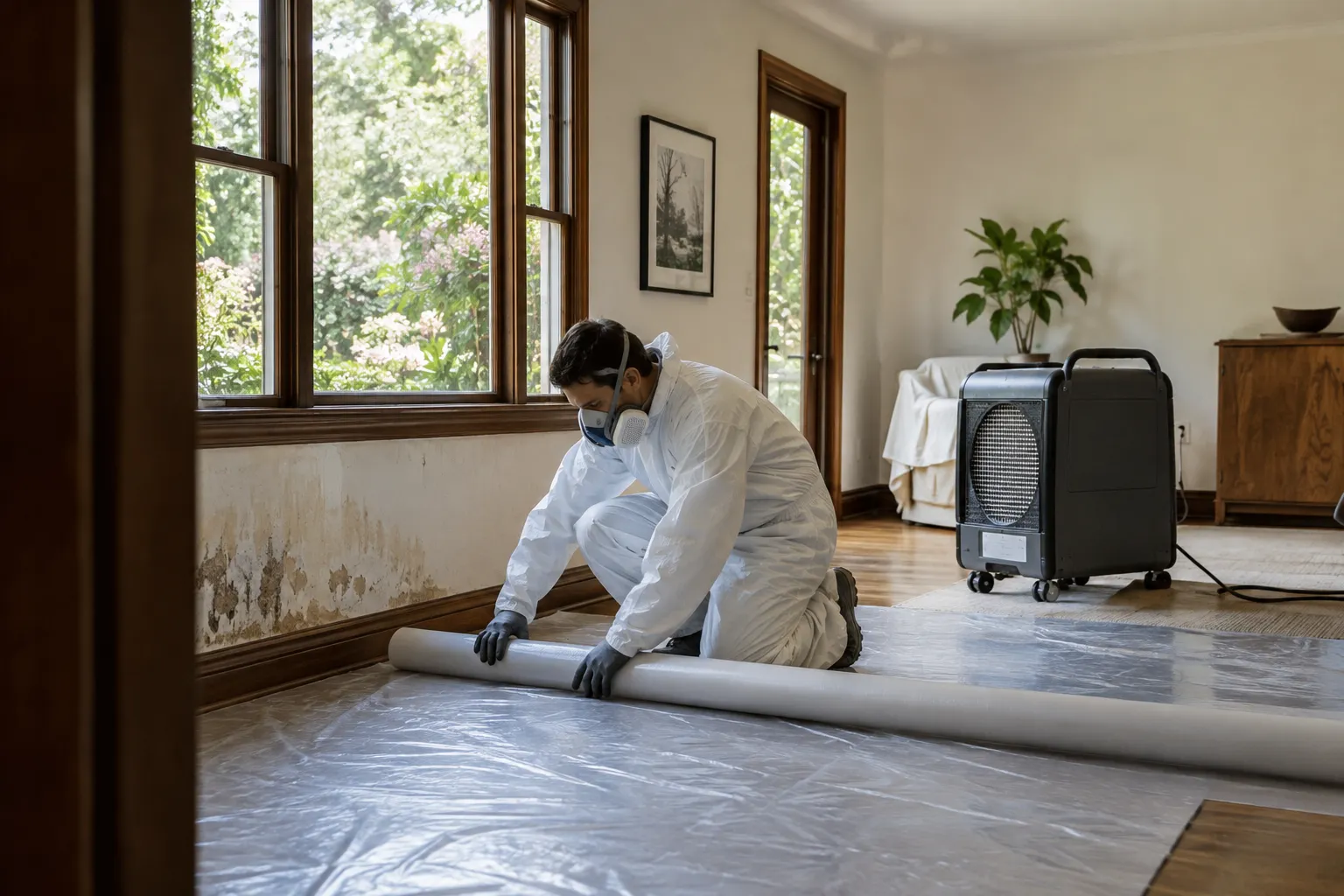
02
Prepare the working area
Keep the affected panel visible while protecting furnishings beside it. Flag delicate details, lifted edges or previous restoration so preparation respects the materials in the room.
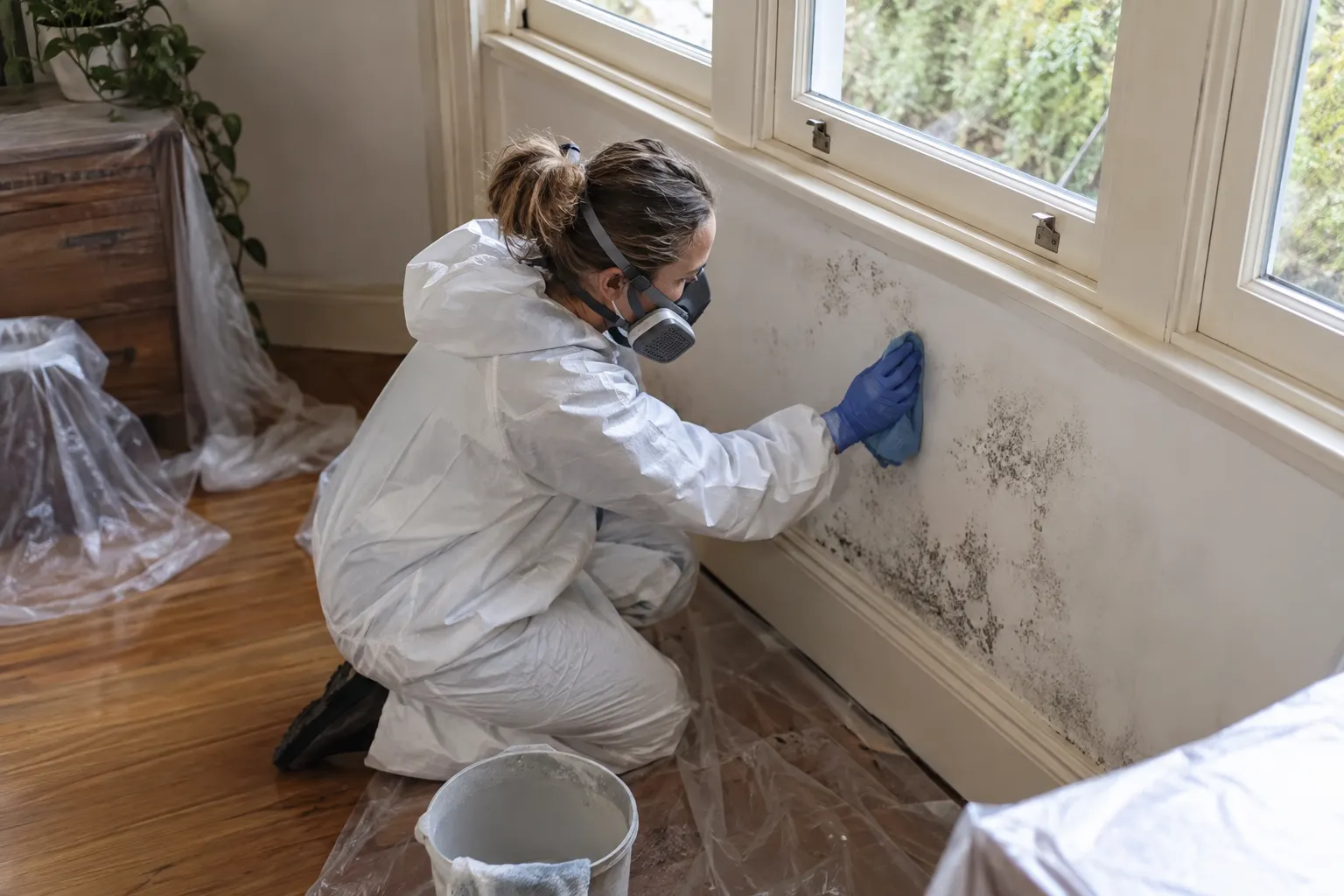
03
Remove and review
Look at the treated surface alongside any finish damage that remains. A cleaning outcome cannot repair lifting paper or decide what a decorator should retain.
COMMON AREAS AFFECTED
Different surfaces.
Different decisions.
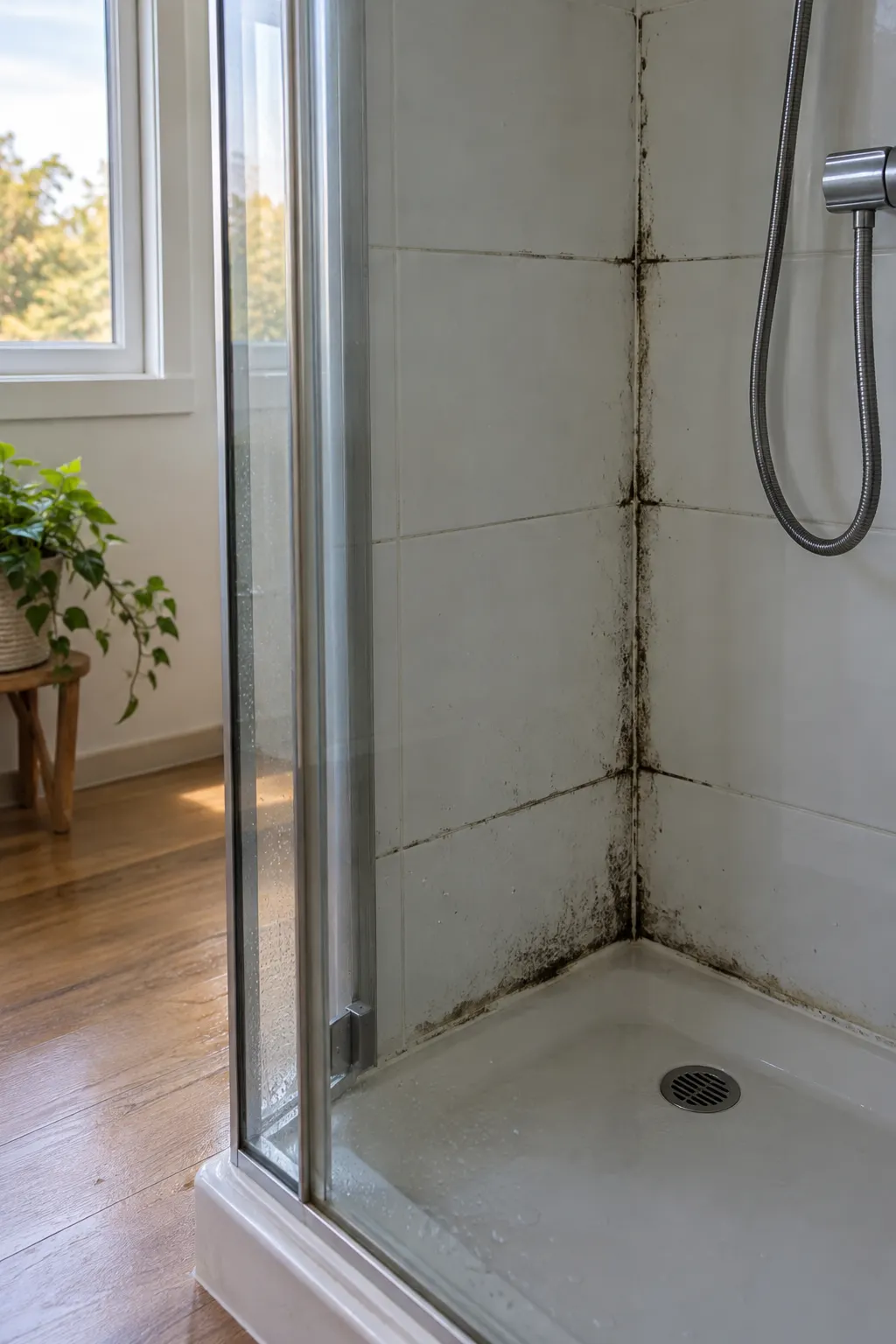
Bathroom junctions
A bathroom finish may differ from decorated surfaces elsewhere in the room. Include both materials if affected, rather than assuming a method suitable for tiled joints suits wallpaper.
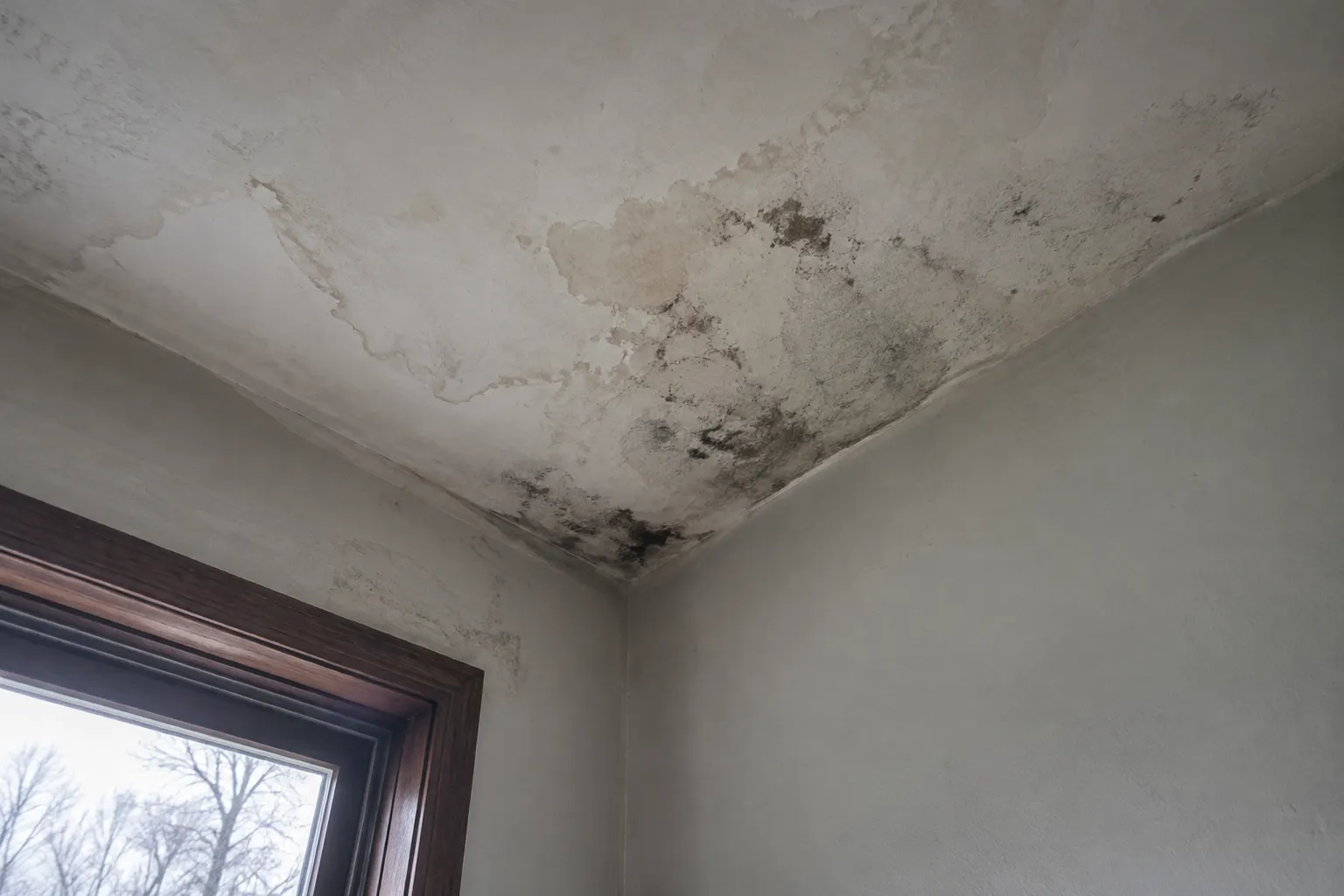
Ceiling surfaces
A cornice can need careful access and a condition assessment of its own. Tell us about loose decoration or earlier repairs without reaching up to disturb the edge.
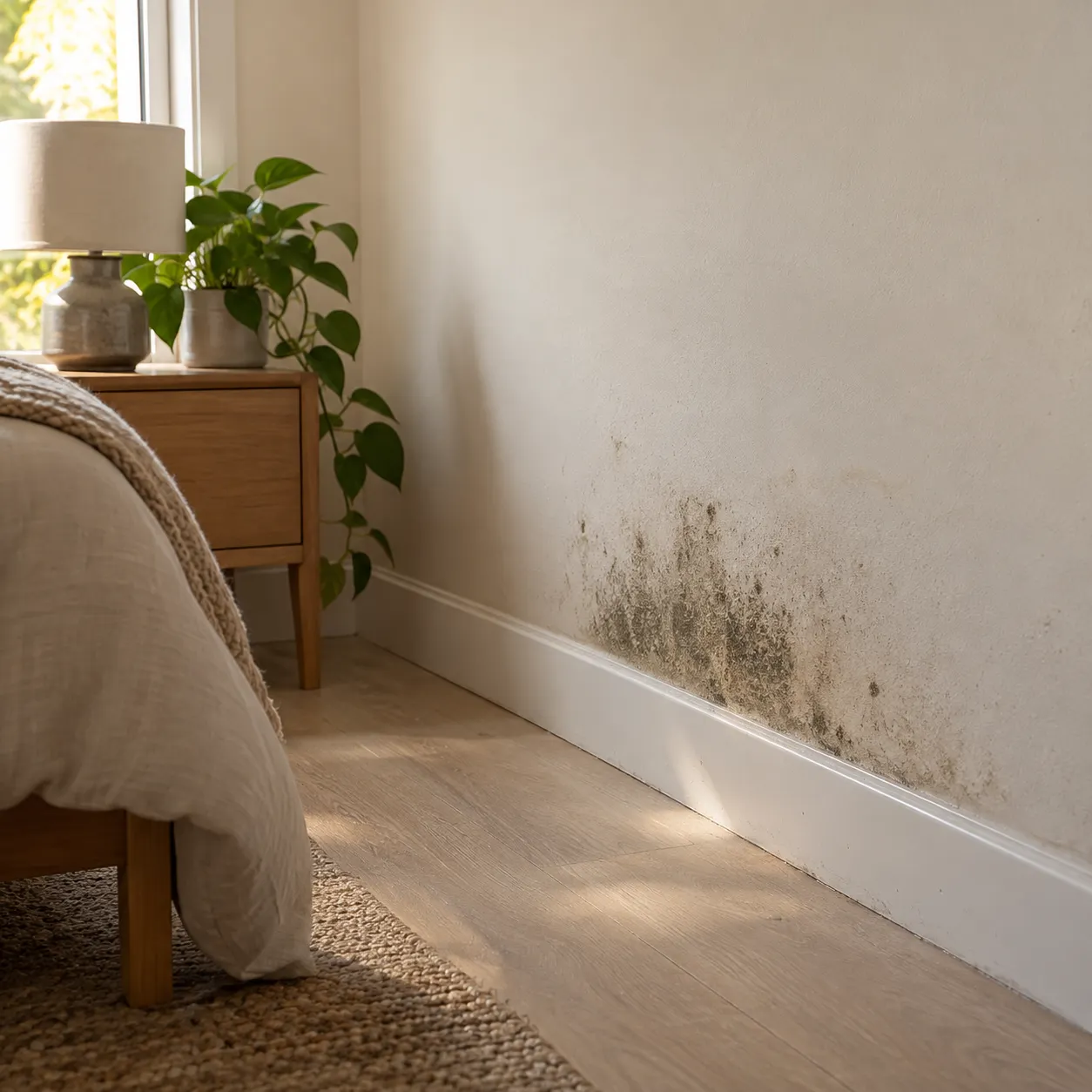
Painted walls
For the marked panel, distinguish intact coating from lifted or stained areas. Preserving a clear part of the finish may matter as much as defining the affected extent.
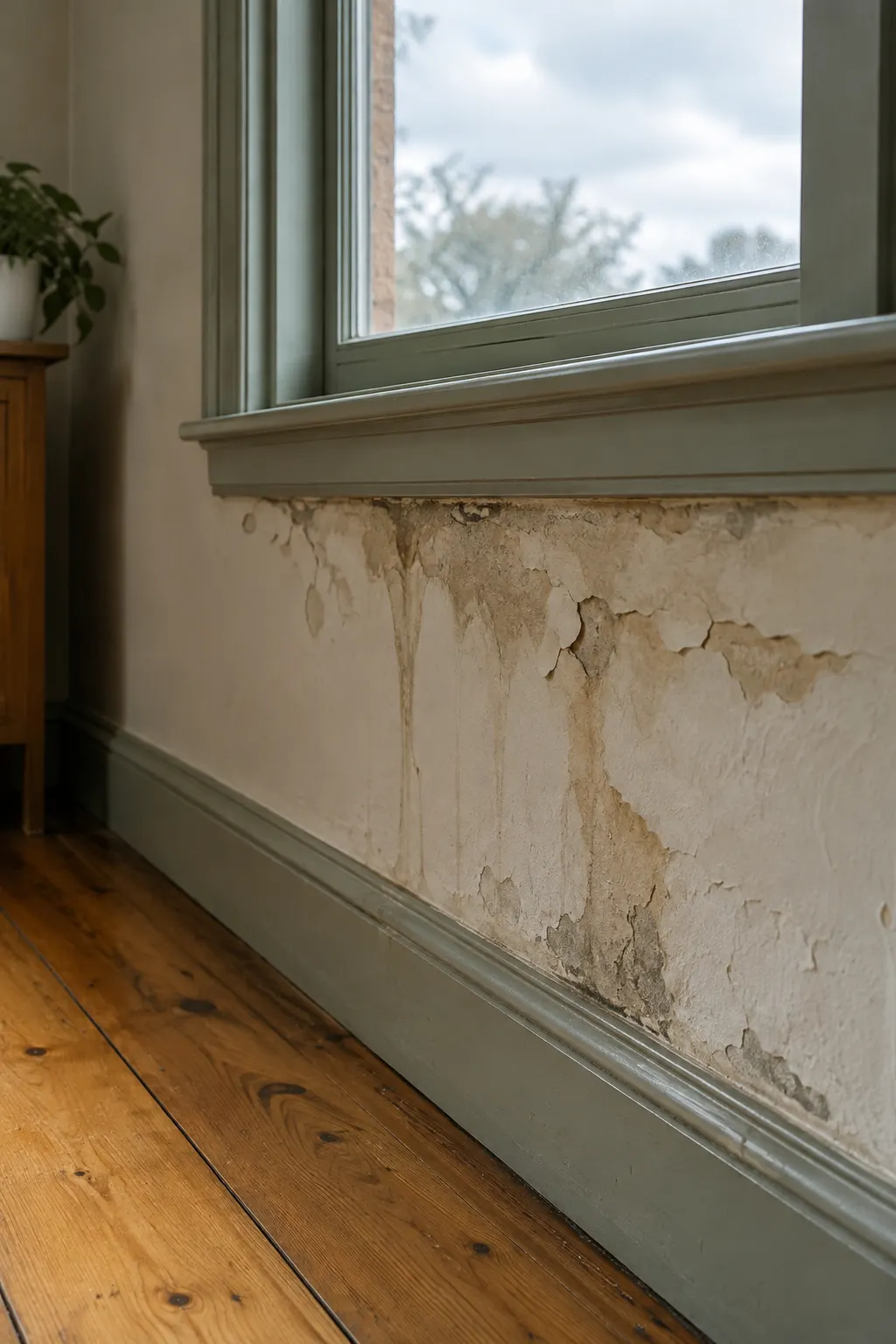
Water-affected rooms
After water entry, describe damage beneath the decorative coating if it is already visible. Opening or stripping a surface to establish hidden condition is a separate decision.
PREVENTION STARTS WITH
Keep moisture
in view.
Observe the drying pattern
Keep the affected detail observable and record further changes. Address continuing dampness before selecting new decorative materials; a beautiful replacement finish cannot resolve the room’s moisture source.
Follow up before decorating
Discuss retention and repair expectations with suitable trades before redecorating. If several finishes are affected, remediation planning should distinguish reachable treatment from restoration of the materials themselves.
TOORAK & NEARBY
Toorak and nearby rooms.
The Burnley and Prahran guides cover nearby locality enquiries. For a Toorak room with decorative finishes, supply the actual address and material details; proximity does not make another property’s treatment appropriate for fragile paint or paper.
BEFORE YOU CALL
The useful
questions.
Can mould treatment preserve every decorative finish?
Suitability depends on the material and its condition. Explain what should be retained, but do not assume damaged paper or fragile coatings can always be restored.
Should I lift wallpaper to inspect underneath?
Discuss investigation first. Disturbing a fragile surface can change the scope and expose material that needs a different access or repair decision.
Does a cornice need the same method as a wall?
Not necessarily. Its finish, condition and access may differ, so include it separately when describing the affected room.
Will a room photo identify the coating?
It may help, but it cannot settle every material question. Provide any known decorating history or product information rather than guessing from appearance.
When can a decorator cover the patch?
Agree on the moisture and material decisions first. Continuing dampness or an unsuitable damaged base should be resolved before a new decorative finish is planned.
How do I prepare a Toorak enquiry?
Describe the marked finish, its condition and any earlier restoration. Include clear photos and the property address so access and scope can be discussed.
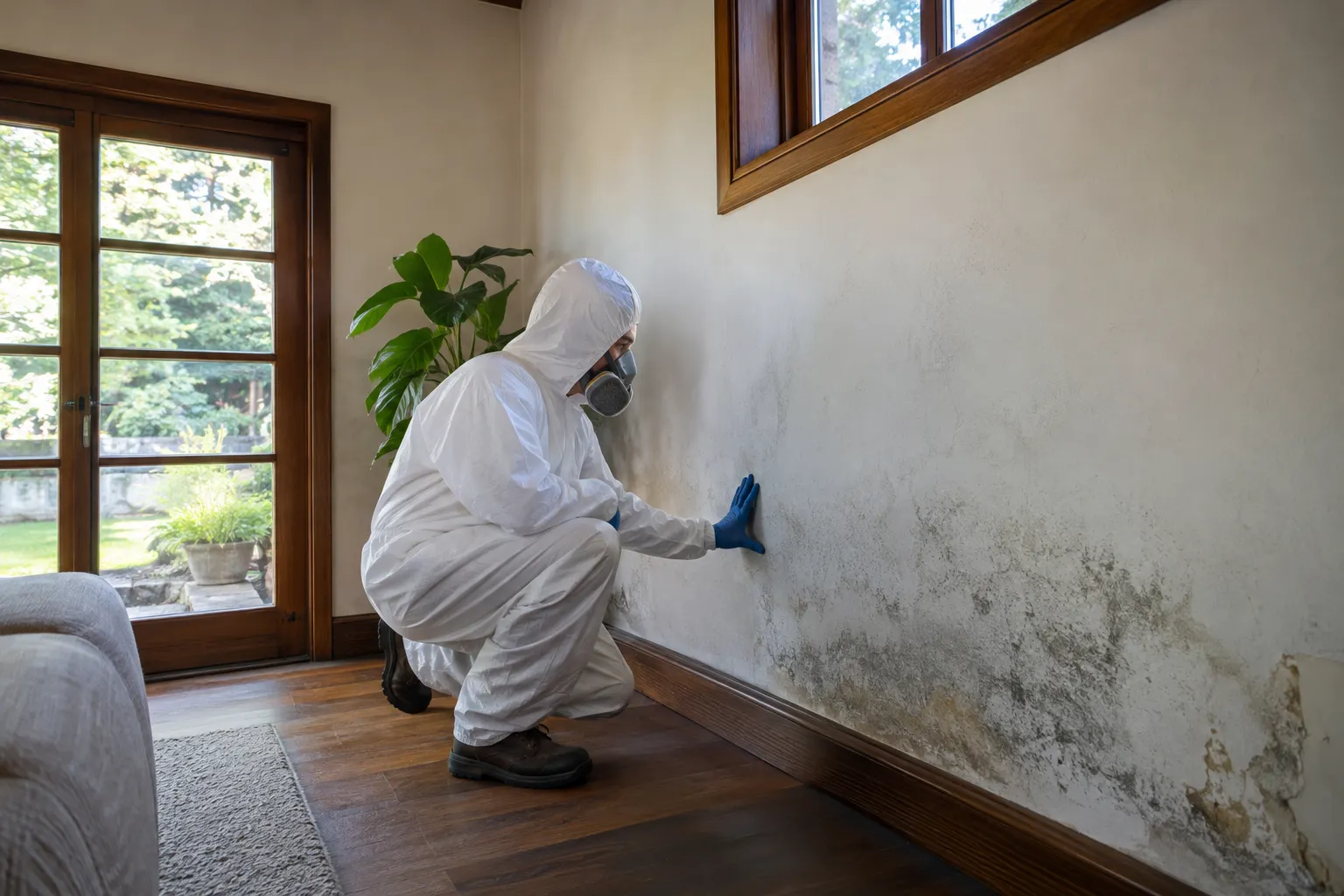
TELL US WHAT YOU CAN SEE
Talk through
the room history.
Talk about the finish you want assessed and any moisture history behind it. On 03 8652 1296, we can discuss the information needed for a suitable next step at your Toorak property.
Local context: Stonnington suburbs