
TYABB · MELBOURNE
Mould Removal Tyabb
A small room can have a modest visible patch and a complicated access problem. For Tyabb enquiries, describe its use, wall lining and what stands between the entrance and affected surface. Call 03 8652 1296 to check address availability and discuss suitable work. The aim is a defined enquiry about the actual room, keeping storage contents, concealed material and building repairs separate from accessible surface cleaning.
Actual materials considered
Access limitations identified
Moisture history discussed
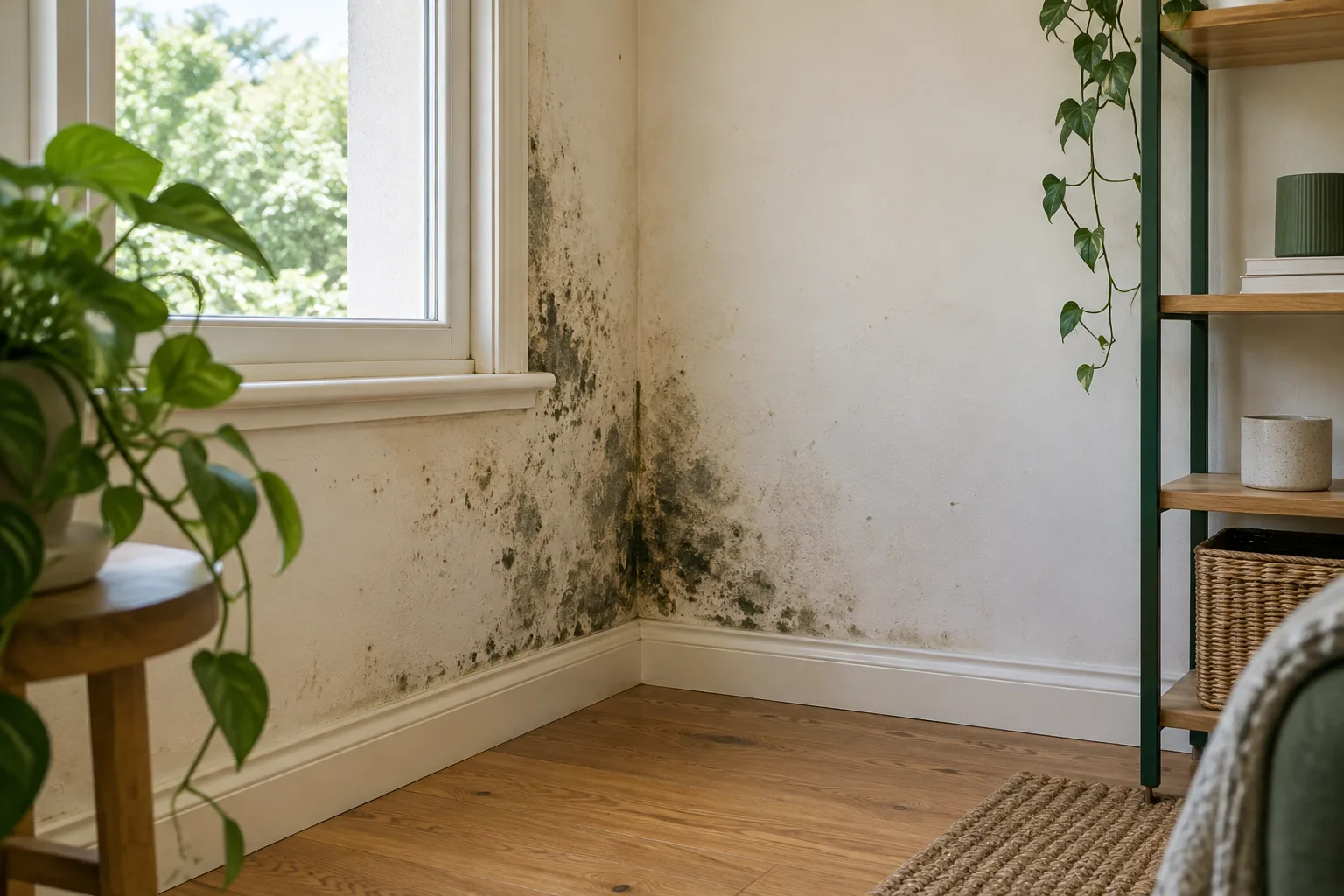
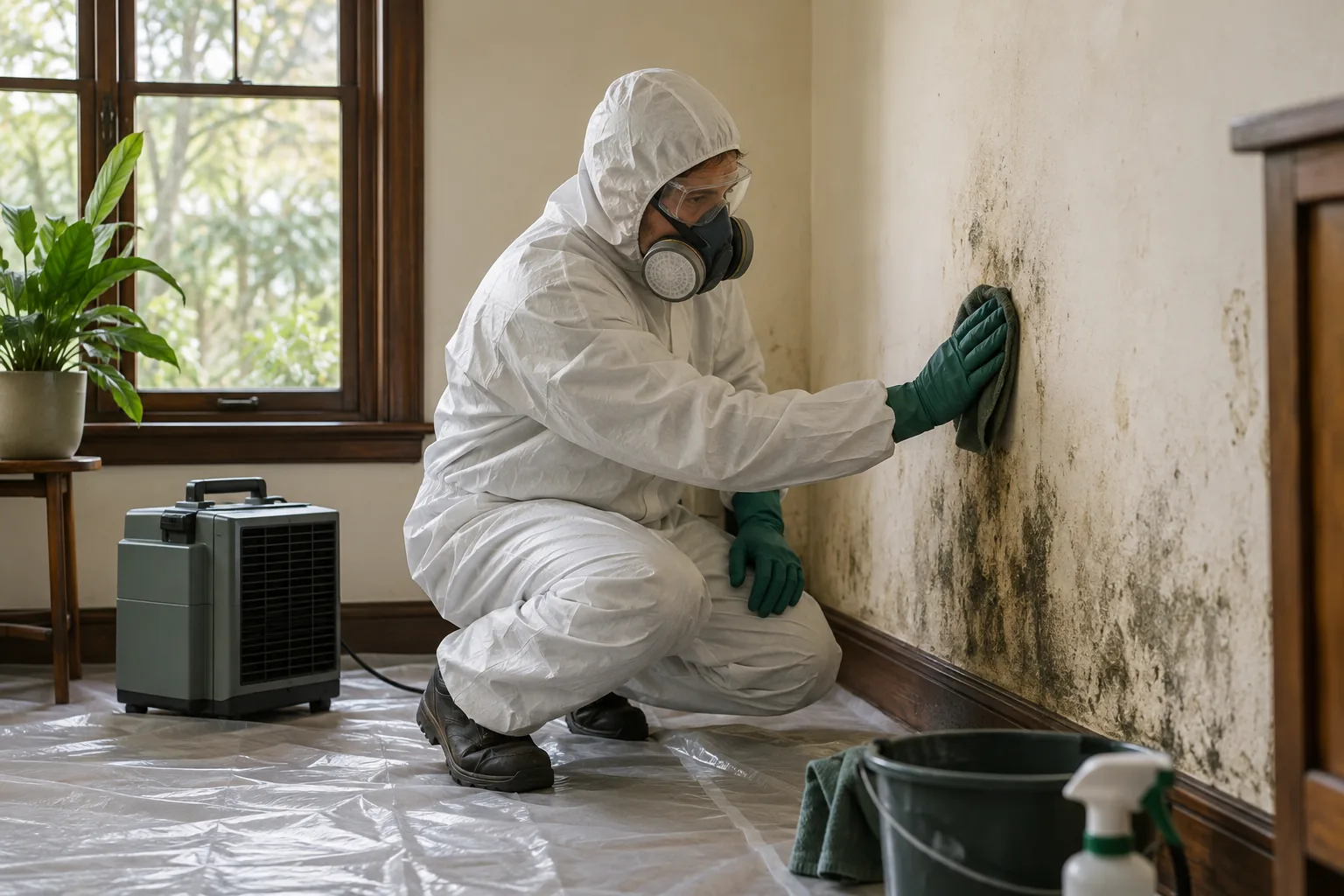
SMALL ROOM · LINING · STORAGE
THE HOME, IN CONTEXT
Use the particular building, not a township assumption
Council’s Tyabb Township Plan places Tyabb between Somerville and Hastings. Give the property address and building entrance when enquiring. The plan’s township context does not establish the construction or condition of your room.
Explain how the room is used
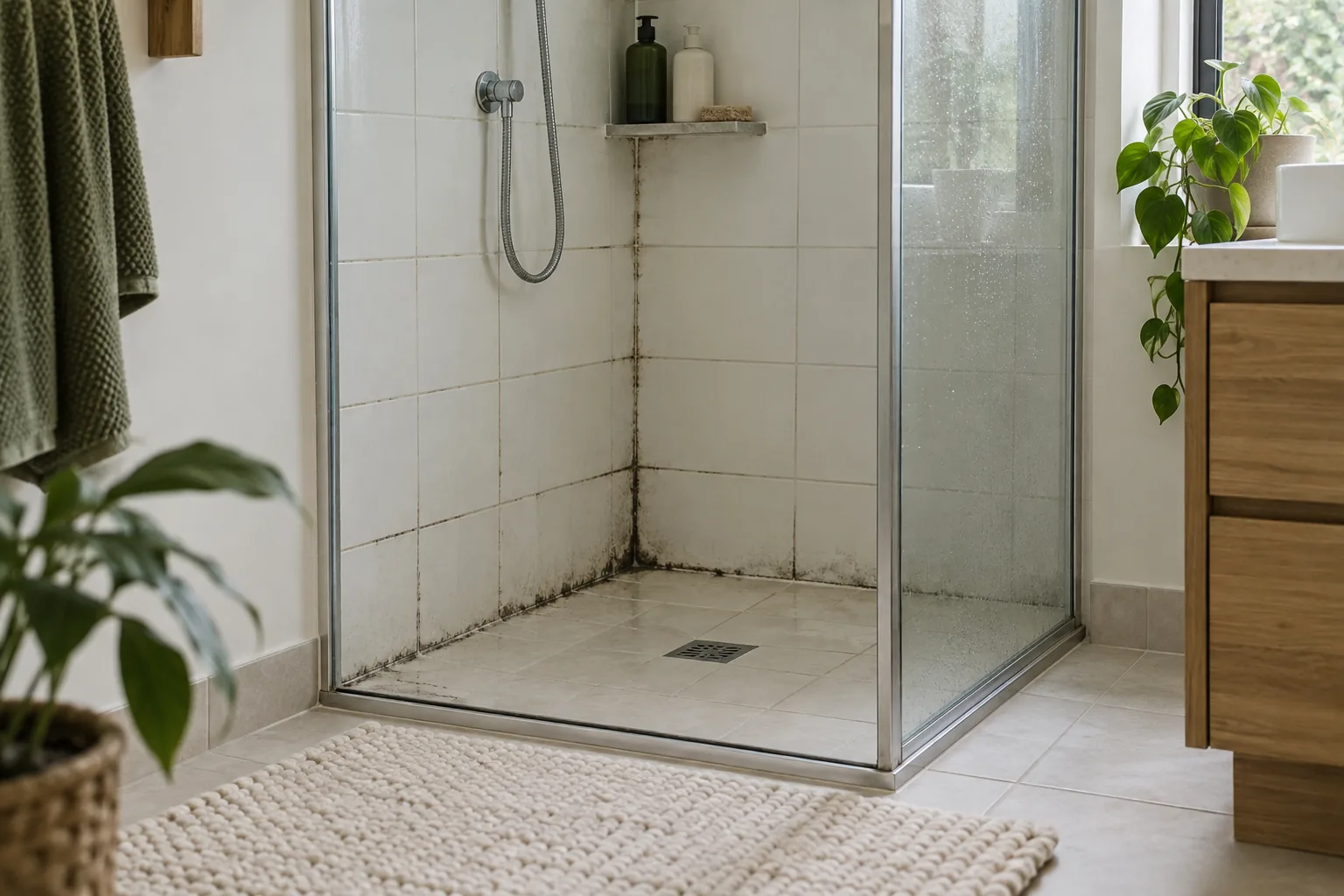
A study, storage space and utility room can have different wetting histories. Describe the actual use and recent changes. The room label alone cannot show why a wall has become affected.
Identify lining where possible
Painted plaster, timber panels and unfinished boards need different decisions. Tell us what you know and what remains uncertain. Do not strip a finish to identify the material for a photograph.
INSPECTION & MOISTURE
A small-room assessment needs a wider view
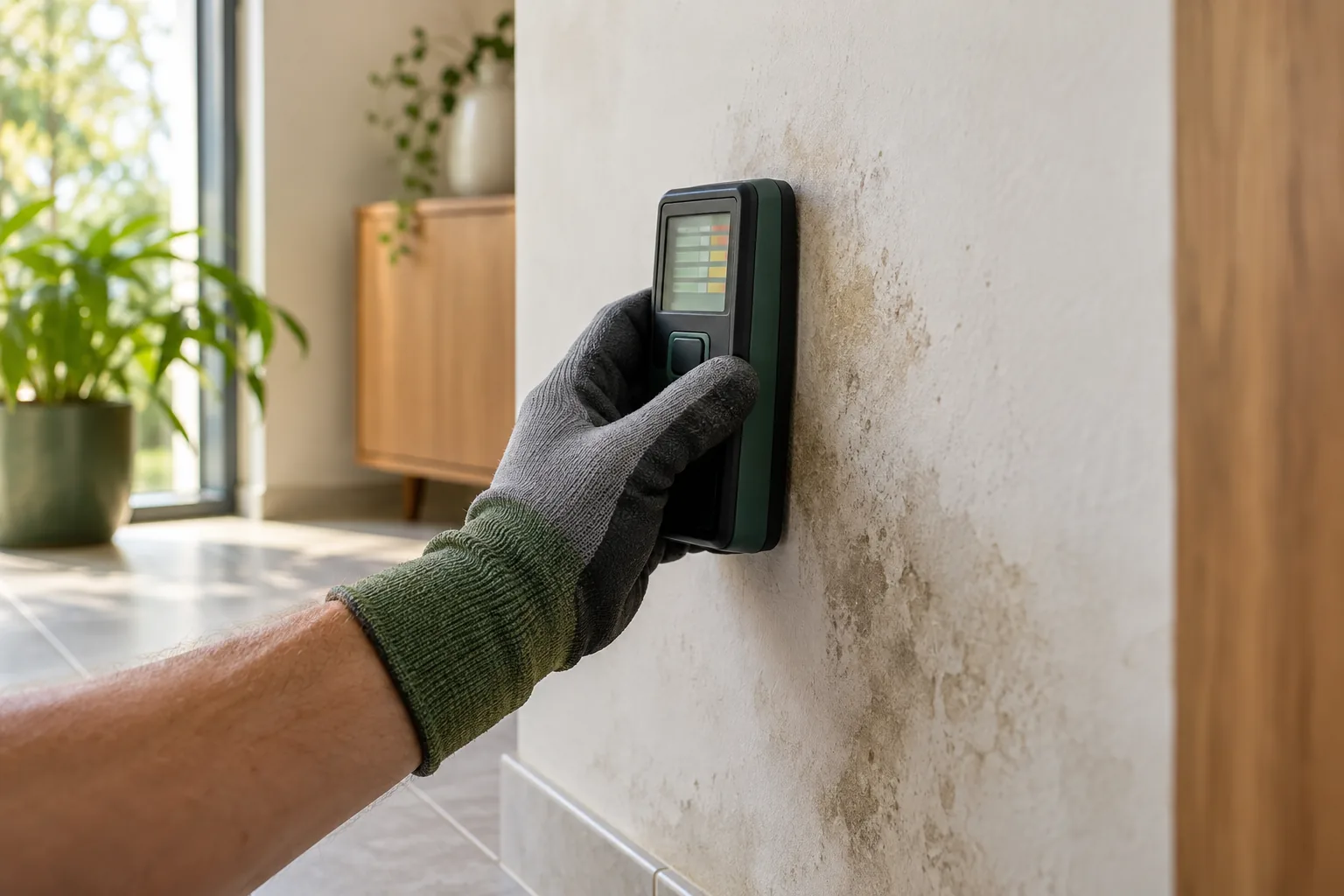
A surface assessment discussion can consider the layout and growth distribution. Include a full room view and known water incidents rather than providing only a close image with no access context.
Describe fixed obstructions
Shelves, benches and cupboards can hide the lining. State which are fixed and which could be moved safely. Work access should not depend on unexpected dismantling after a visit has been arranged.
Report damaged edges
Loose panels, swollen trim and damp floor junctions deserve mention. Do not probe them. Material damage can change the next step even when the visible growth covers a relatively small area.
A CONNECTED PROCESS
Define the small room clearly
Confirm location and access
Identify the building, room and entry route when checking availability. Include steps or narrow doors. A nearby location page does not establish that your property has a workable appointment arrangement.
Map visible material
Describe patch size and where it meets another finish. Discuss removal from suitable accessible surfaces without grouping all boards and coatings under one generic wall-cleaning assumption.
Plan preparation
Ask which sound belongings can be moved and who can handle heavy items. Keep the route practical. A clear room should not be created by brushing growth or dragging affected storage through other areas.
Treat the defined small-room surfaces
Choose physical removal and material-suited treatment for the reachable sound finishes, discussing HEPA filtration where appropriate. Limited clearance must remain part of the plan. A small room does not make damaged lining or surfaces behind a fixed bench automatically suitable for cleaning.
Review the boundary
Record what was included and which areas remain concealed. Keep finish limitations clear before repainting or restoring storage. A cleaner accessible section cannot establish the state of the lining behind a fixed bench.
WHERE MOULD APPEARS
Small-room details that deserve their own question
Painted panel
Describe peeling or soft sections and whether the panel is known to have been wet. The coating may hide damage. Cleaning cannot restore weakened material simply because its face becomes more presentable.
Ceiling lining in the small room
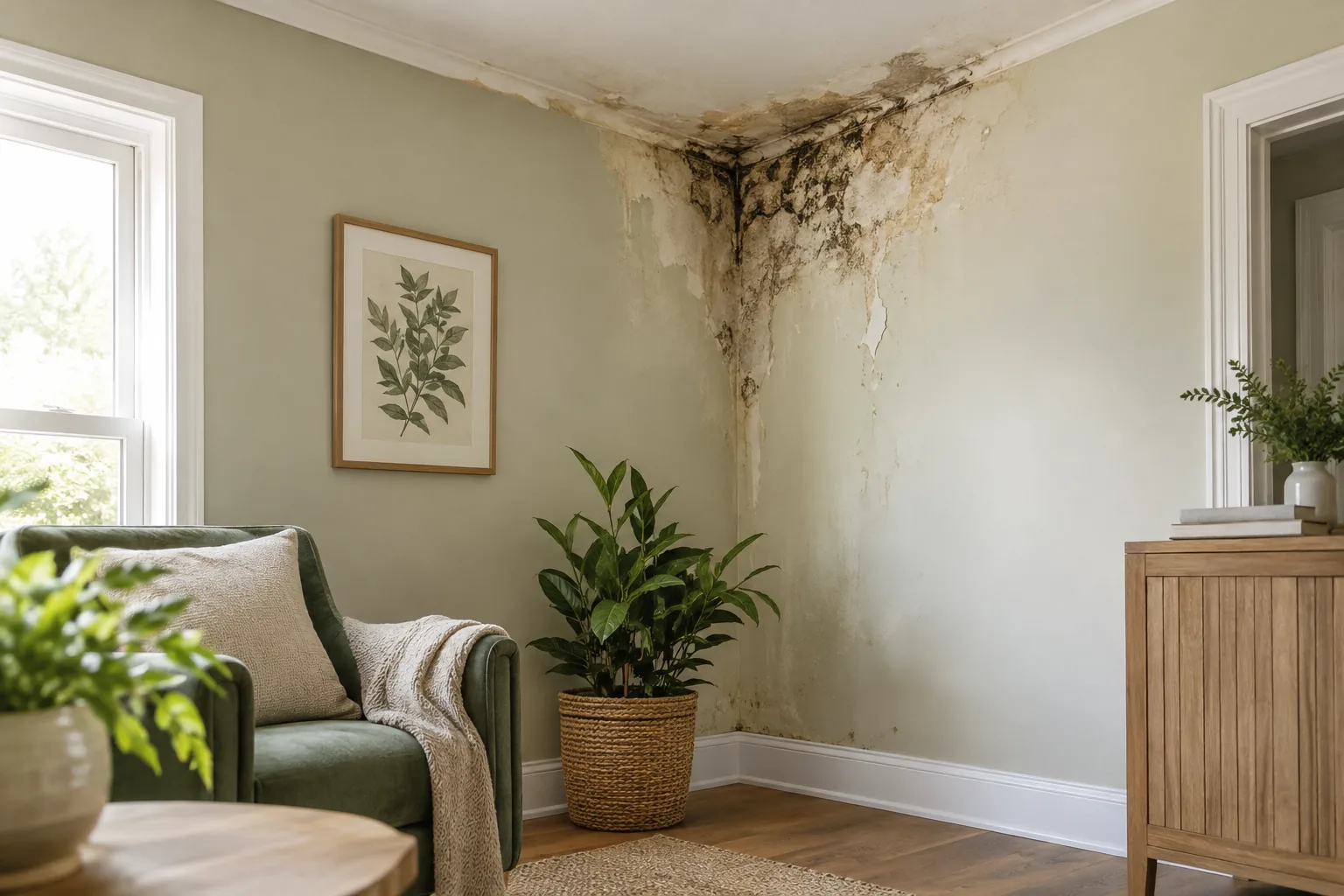
Describe overhead growth, coating and height if affected. Unfinished lining may need a different suitability decision from firm paint. Avoid opening panels to identify concealed material before access and handling are agreed.
Floor-to-wall edge
Visible dampness at the base may warrant another source investigation. Describe its extent and timing. The junction position alone does not prove a particular moisture diagnosis.
Window-side corner
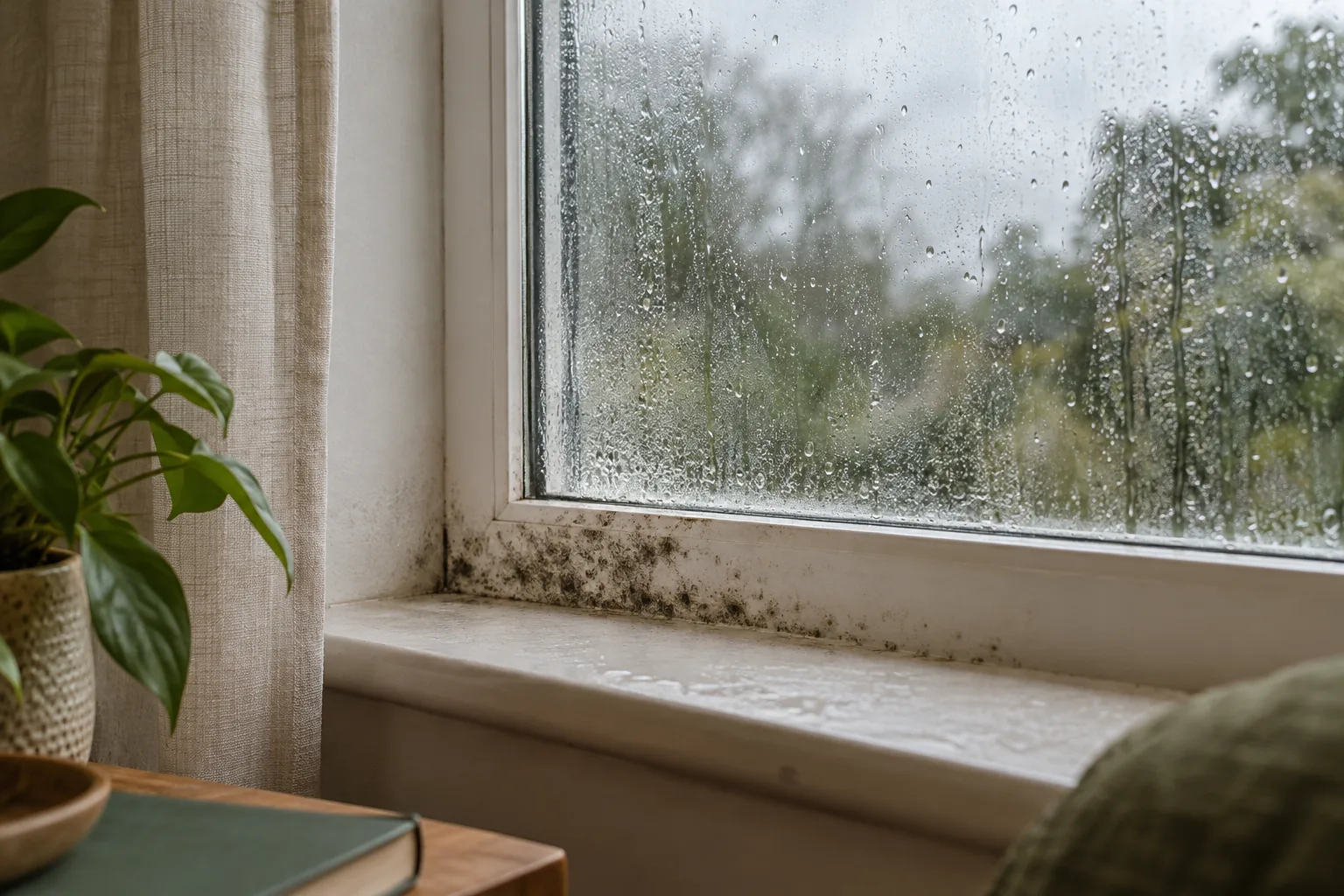
Include droplets, stains and trim condition in the room history. Several moisture routes may be relevant. Avoid assuming that window location makes condensation the complete explanation.
MAKE SPACE FOR DRYING
Leave enough access to observe change
After agreed material and moisture work, make practical checks possible around previously hidden surfaces. Keep room photographs and a short timeline. If growth returns, the same identifiable locations provide better information than a general statement that the room smells damp.
Store items dry and maintain suitable ventilation equipment where present. These habits may help reduce retained moisture, but cannot guarantee prevention. Persistent wetness requires further investigation rather than a stronger cleaner on the same lining.
TYABB & NEARBY
Nearby property enquiries
Compare location information for Somerville Hastings Pearcedale. Give the exact property address when calling; a nearby page does not confirm an available appointment.
QUESTIONS WORTH ASKING
Before the visit.
Is a small patch always a small job?
Not necessarily. Material condition and access matter as well as area. Describe fixed obstructions and damage so the enquiry reflects what can safely be reached and what may need another decision.
Can unfinished boards be cleaned like painted plaster?
Do not assume that. Material and condition influence suitability. Explain what is known about the lining, and keep replacement or repair questions separate where boards have deteriorated.
Should shelving be removed first?
Discuss whether removal is necessary and who can do it safely. Fixed shelving may conceal additional material. Opening the space should follow an agreed access plan rather than an improvised preparation step.
What should I photograph when the room is cramped?
Show the doorway, fixed fittings and affected wall together where possible, then add a closer view from a safe position. Explain any area that cannot be seen. The layout helps distinguish camera visibility from practical access for treatment.
Can cleaning repair a damp floor junction?
It cannot stop the source or restore damaged material. Surface work may address suitable visible growth while the water route and floor condition require appropriate investigation or repair.
How do I start a Tyabb enquiry?
Call 03 8652 1296 with the address, room use and layout photographs. Explain materials and access restrictions so availability and practical preparation can be checked before anything is dismantled.
START WITH YOUR ROOM
Discuss the room before opening it up
Call with the visible condition and building access details. A clear surface boundary and separate repair questions help organise a realistic Tyabb enquiry without assuming concealed areas are included.
Useful references: Mornington Peninsula Shire — Tyabb Township Plan