
WARBURTON · MELBOURNE
Mould Removal Warburton
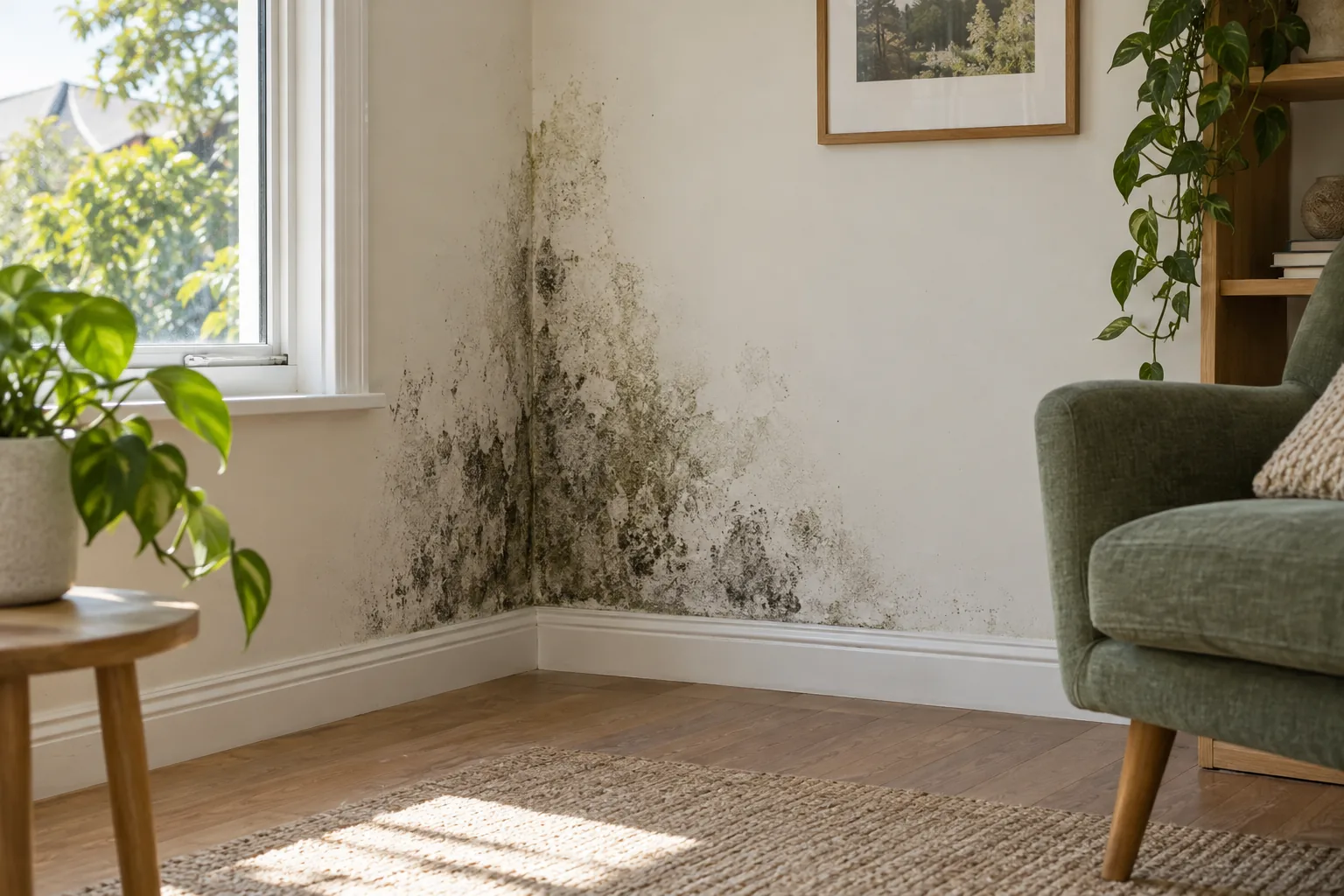
For a Warburton enquiry about a reopened room, describe its recent use, visible surfaces and known water entry. A cleaner wall cannot explain concealed damage. Call 03 8652 1296 to check availability and discuss access before moving stored belongings.
Visible growth considered
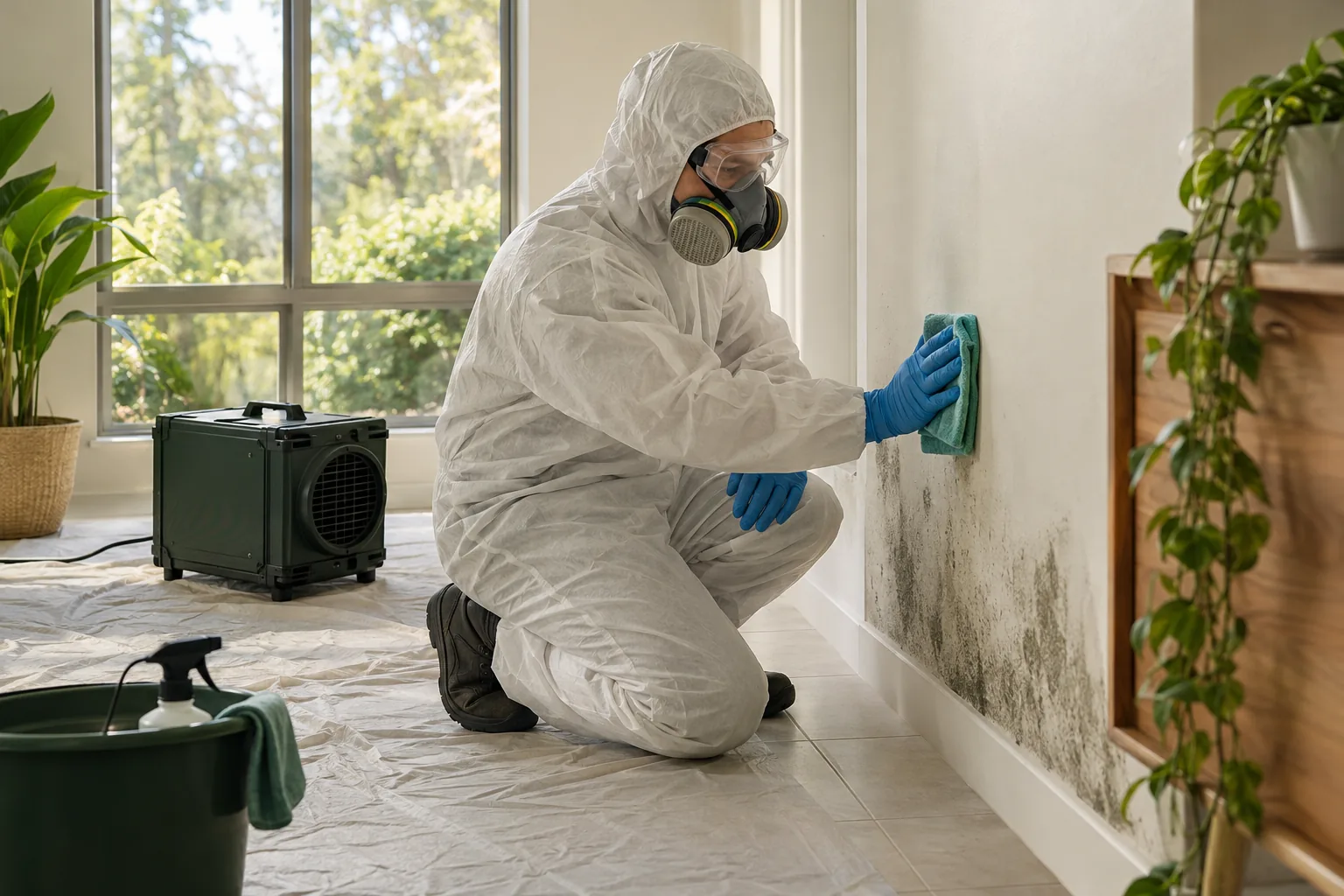
Storage access planned
Repair boundaries explained
ROOMS · WALLS · STORAGE
THE HOME, IN CONTEXT
Reopening a room with a useful history
Warburton is listed as a Yarra Ranges locality by the Victorian Government. Give the complete property address for a visit enquiry. If a room has been unused, say how long and whether anyone checked its condition during that period.
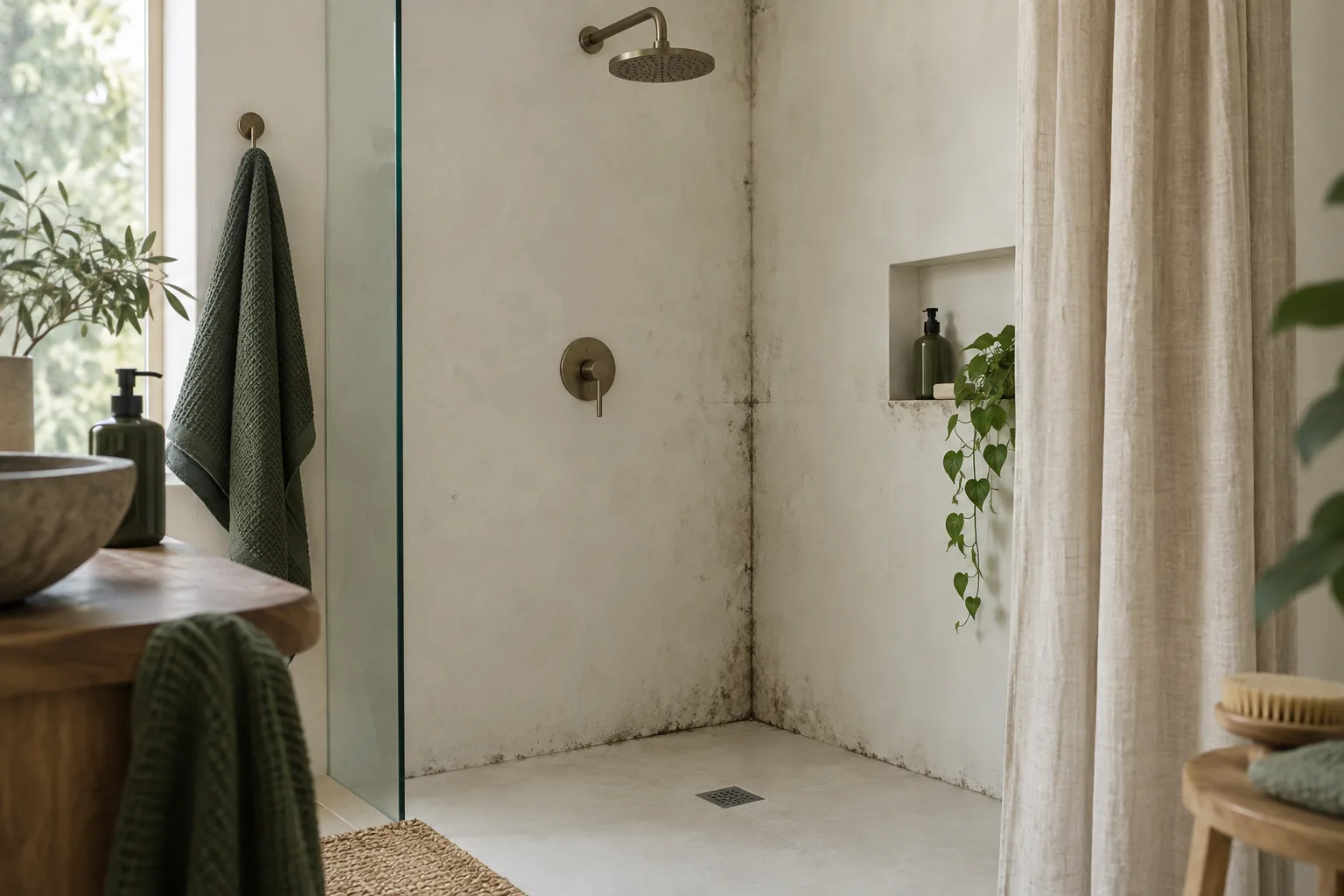
What changed during the closure?
Note heating, ventilation and any known roof or plumbing incident. The enquiry is about this building’s history, not an assumption about the township.
Keep stored items separate
Describe boxes, bedding or furniture beside affected walls. They may obstruct access or have their own damage. Do not assume a wall-cleaning proposal covers everything stored in the room, or shake dusty belongings to reveal the patch.
INSPECTION & MOISTURE
Inspection before a furnishing reset
A room condition assessment can frame the questions before rearranging furniture. Show growth distribution and material condition. Odour does not identify a hidden source by itself.
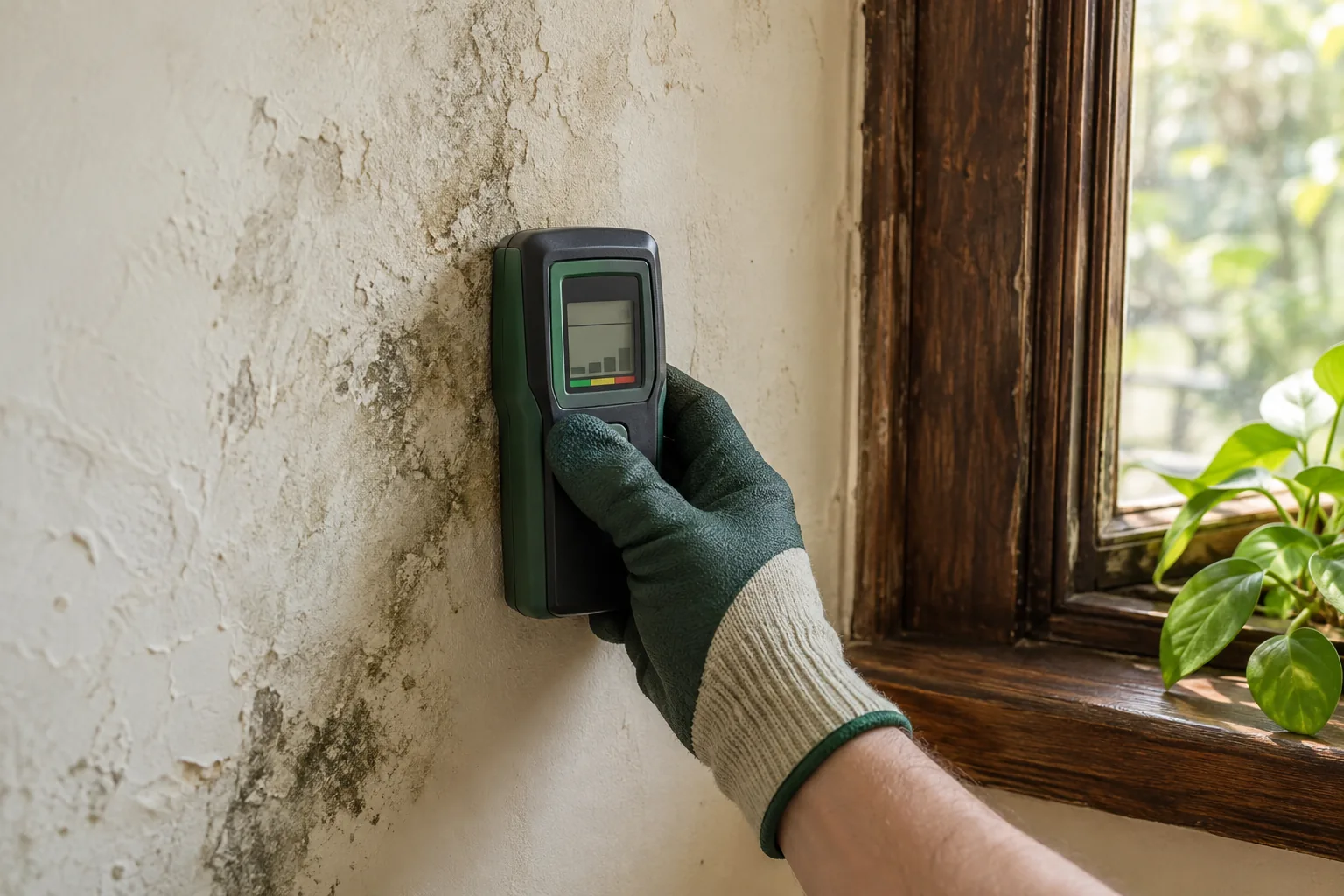
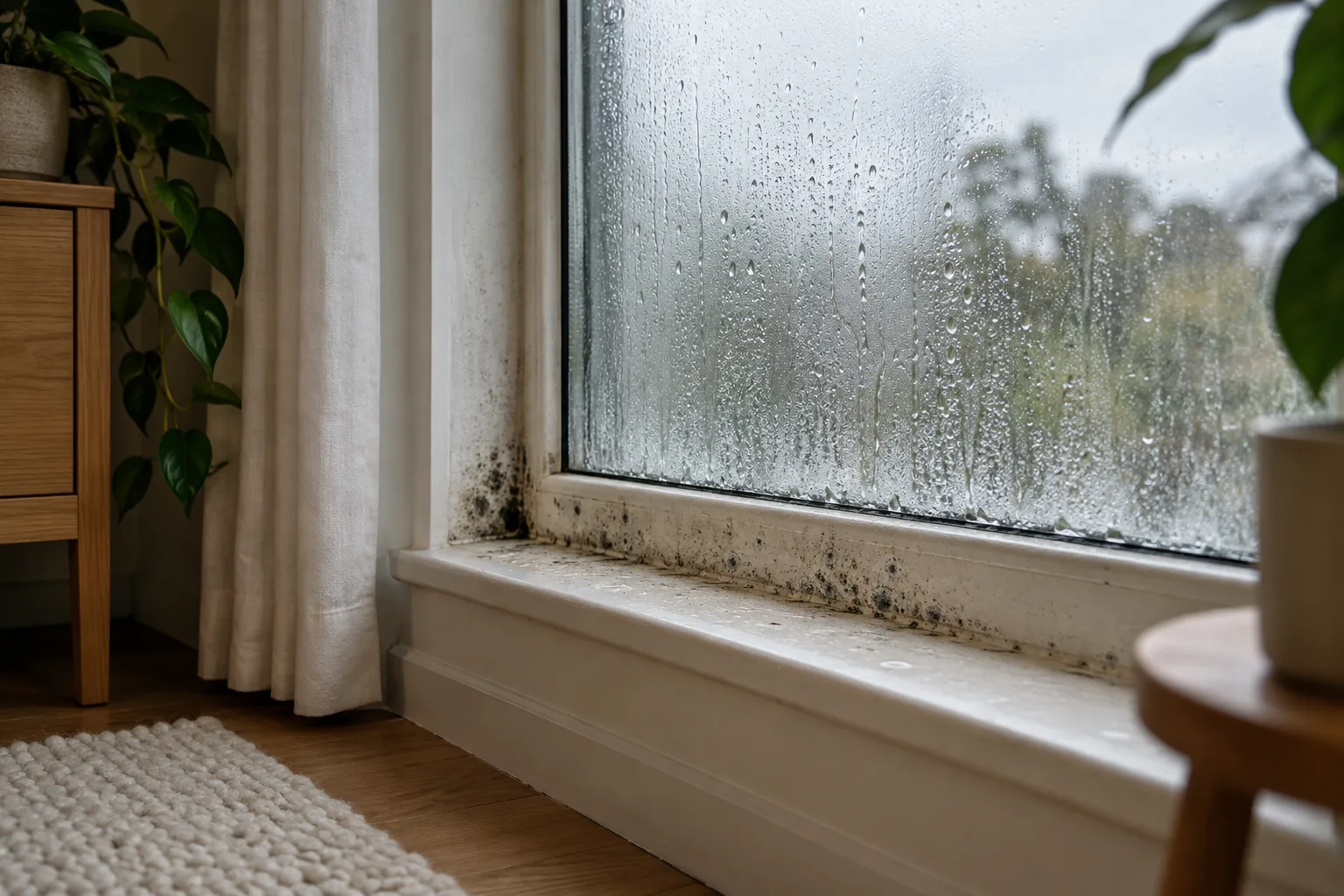
Check the room perimeter visually
Look at accessible wall bases, window edges and ceiling junctions without lifting coverings. Describe any staining or swollen trim. Separate visible information from areas you cannot see; that boundary matters when agreeing the next investigation.
Tell us about power and entry
If the building has been shut, mention utility availability, key access and steps to the room. A visit needs more than the ability to unlock the front door. Avoid switching on equipment that appears water affected.
A CONNECTED PROCESS
A staged approach to the reopened room
Share the condition
Send one broad room view and close photographs of distinct patches. Include a timeline rather than describing all marks as recent. Confirm the address and whether someone can provide access when a visit is considered.
Sort the scope
Discuss fixed walls separately from stored goods and upholstered items. Visible surface removal depends on the material and reachability; the amount of furniture in the room can change preparation and access.
Plan belongings handling
Ask which sound items can be moved and how affected contents should be managed. Do not create a clear room by dragging mouldy furniture across other areas. Heavy or fixed pieces may need a separate handling arrangement.
Treat the suitable building surfaces
Separate the exposed wall from affected stored goods before selecting physical removal and material-suited treatment. Where appropriate, HEPA filtration supports the room work. Softened linings and unresolved leaks still need their own decisions; treatment cannot make every stored item suitable to keep.
Record the review
Keep the agreed room boundary and remaining concerns in a simple record. If odour persists after accessible work, revisit the source question. Do not interpret an improved appearance as proof that concealed cavities have been assessed.
WHERE MOULD APPEARS
When a room contains several material types
Painted plaster
Firm plaster and a deteriorated lining require different decisions. Mention bubbled paint, soft areas or repeated water stains. Those details help prevent cosmetic cleaning from becoming the assumed answer for a damaged wall.
Furniture backs
A freestanding cupboard can hide a separate affected surface. Photograph what is visible without moving it unsafely. Ask about the item and wall individually; the decision to keep a furnishing is not automatic.
Floor coverings
Visible growth or wetness on carpet belongs in the enquiry but not an assumed wall scope. Describe the material and wetting event. Lifting it or checking underneath may need an agreed specialist assessment.
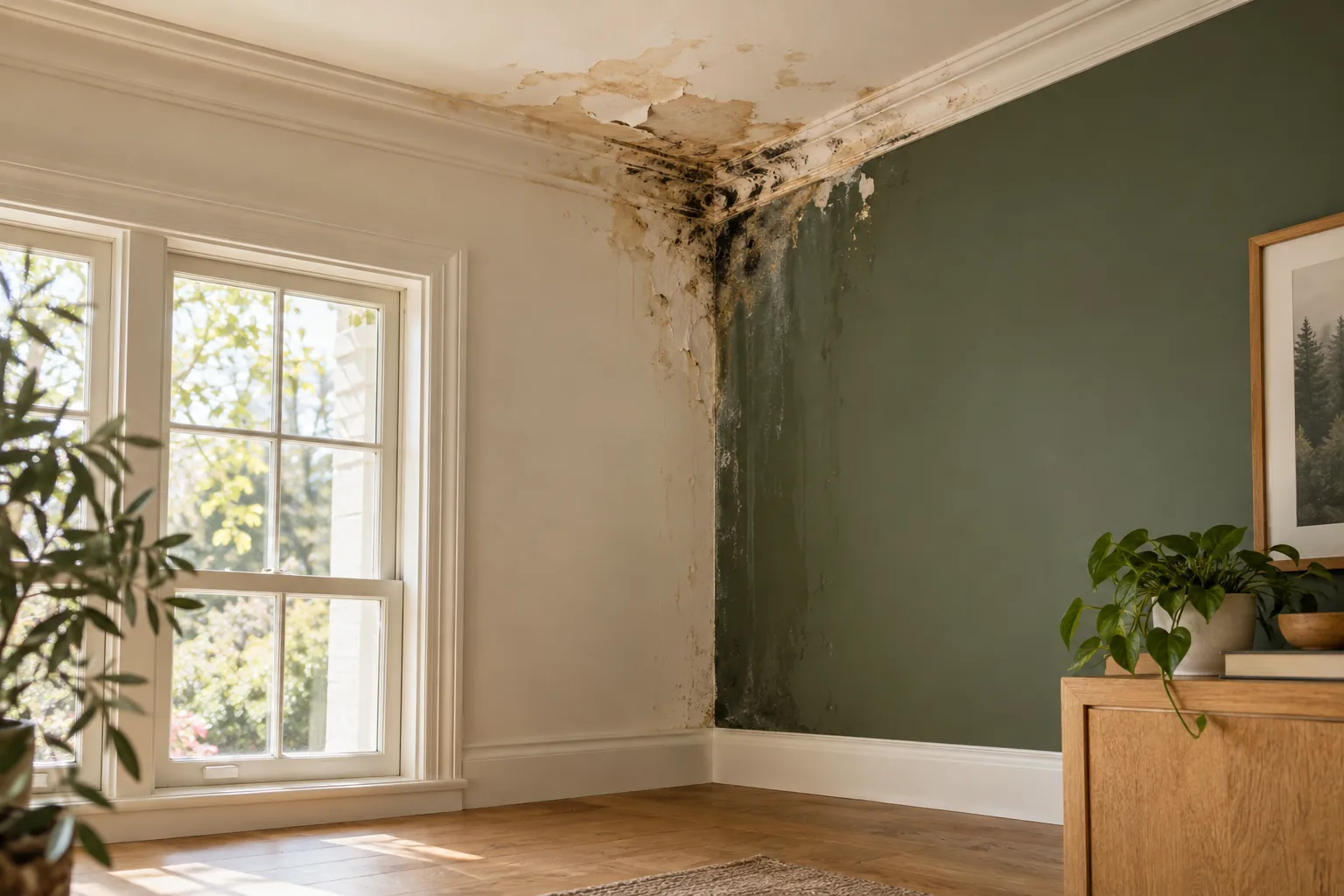
Ceiling corners
A corner patch may be worth comparing with other areas of the room. Report whether it changed after rain or while the property was vacant. Its location is useful evidence, not a diagnosis of roof failure.
MAKE SPACE FOR DRYING
Keep reopening from hiding the problem
Before redecorating, resolve the outstanding moisture and material questions. Keep photographs from the reopened room so later observations are comparable. New furniture placement should leave practical access to surfaces that previously remained unseen.
If the property will be closed again, arrange a reasonable plan for checking wetness and building condition. Ventilation and heating choices depend on the building and equipment. A maintenance routine supports early detection but cannot guarantee mould will not return.
WARBURTON & NEARBY
Nearby property enquiries
Compare location information for Millgrove Wesburn Yarra Junction. Give the exact property address when calling; a nearby page does not confirm an available appointment.
QUESTIONS WORTH ASKING
Before the visit.
Does a closed room always need whole-house treatment?
No. The visible room, other observations and material condition guide the scope. Describe separate concerns individually.
Can an odour locate the mould?
An odour can prompt further questions, but it cannot reliably locate or identify a source. Explain where it is strongest and any wetting history. Accessible surface work should not be represented as a concealed-space investigation.
Should I throw away everything in the room?
Do not make a blanket decision from a wall photograph. Different materials and degrees of damage matter. Discuss affected contents separately and seek appropriate guidance for items whose condition cannot be judged from accessible views.
Can I repaint before reopening to visitors?
Resolve the moisture and material concerns first. Painting over growth hides information and may leave the conditions unchanged. A decorative timetable should follow a sensible assessment and repair sequence rather than decide it.
What if I cannot attend the property?
Explain key access and who is authorised to make decisions. A proposed visit also needs safe room access and agreed preparation. Availability is checked for the actual address; access arrangements do not themselves confirm a booking.
How do I begin a Warburton enquiry?
Call 03 8652 1296 with the address, room closure history and photographs. Identify the accessible walls and separately list damaged contents. Those details make it easier to discuss scope and determine whether a visit can be arranged.
START WITH YOUR ROOM
Plan the room before moving it all
Call to discuss the reopened room and remaining wetness. Confirm availability and preparation before clearing belongings or organising decoration around a possible appointment.
Useful references: Victorian Government — Yarra Ranges localities