
YARRA BEND · MELBOURNE
Mould Removal Yarra Bend
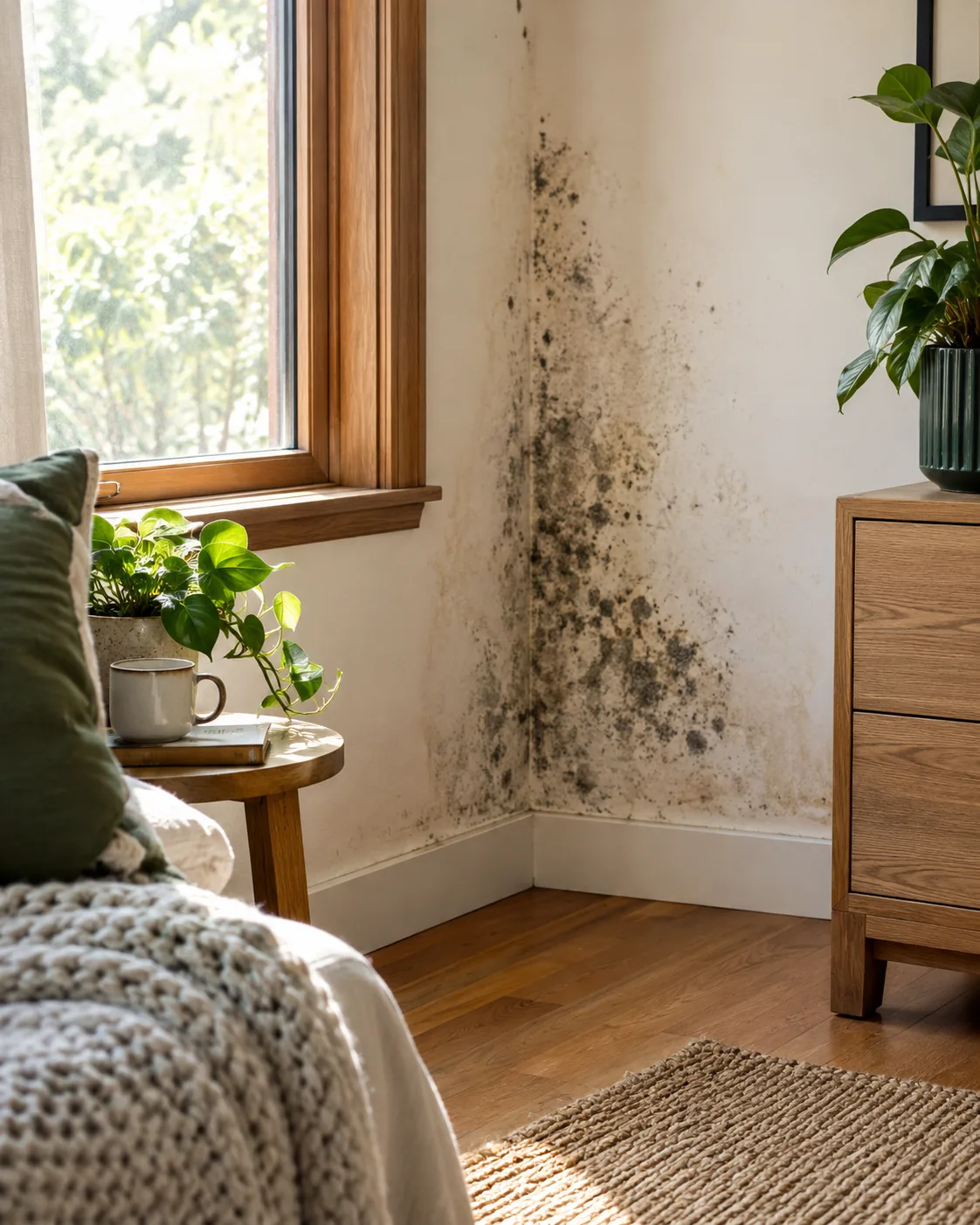
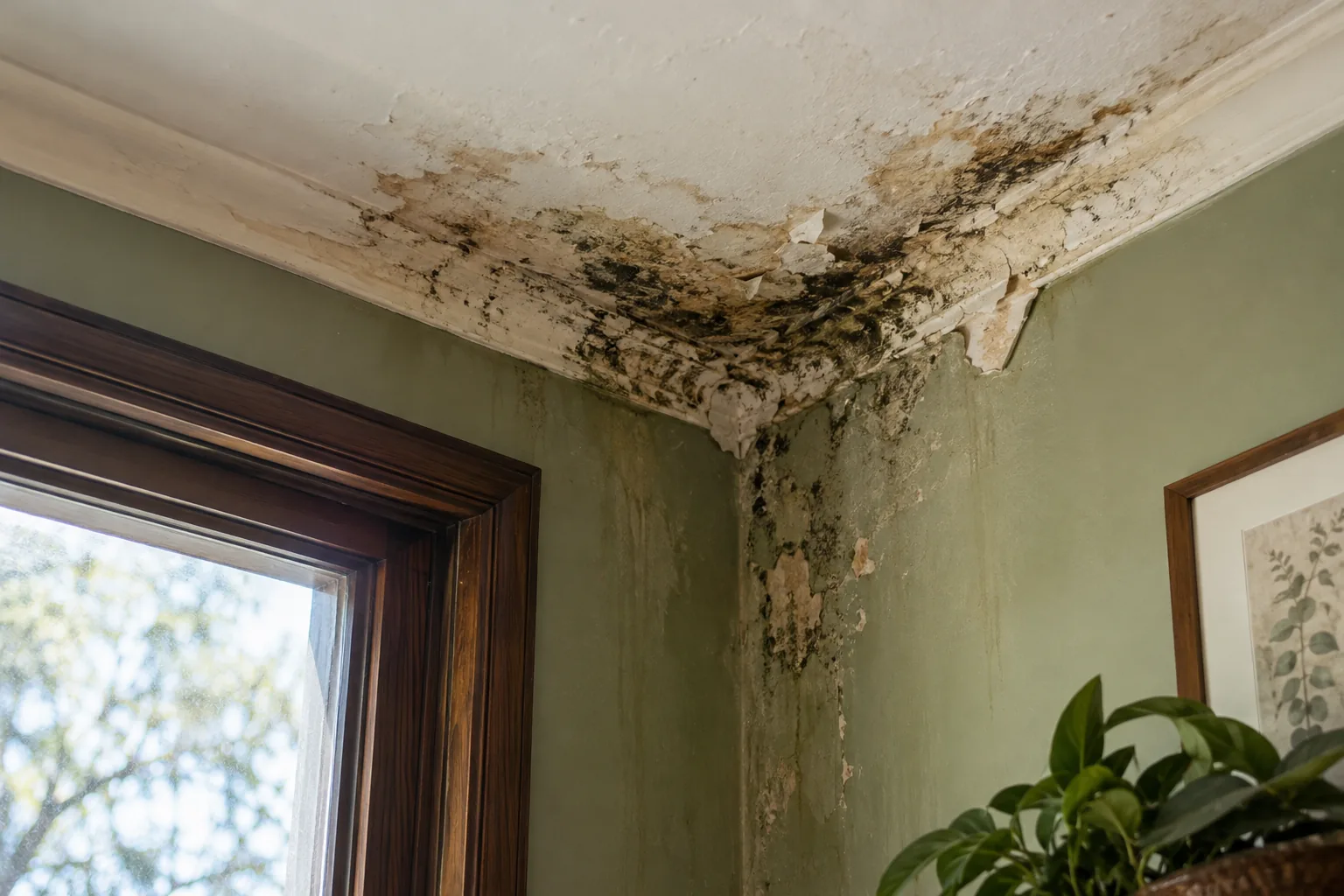
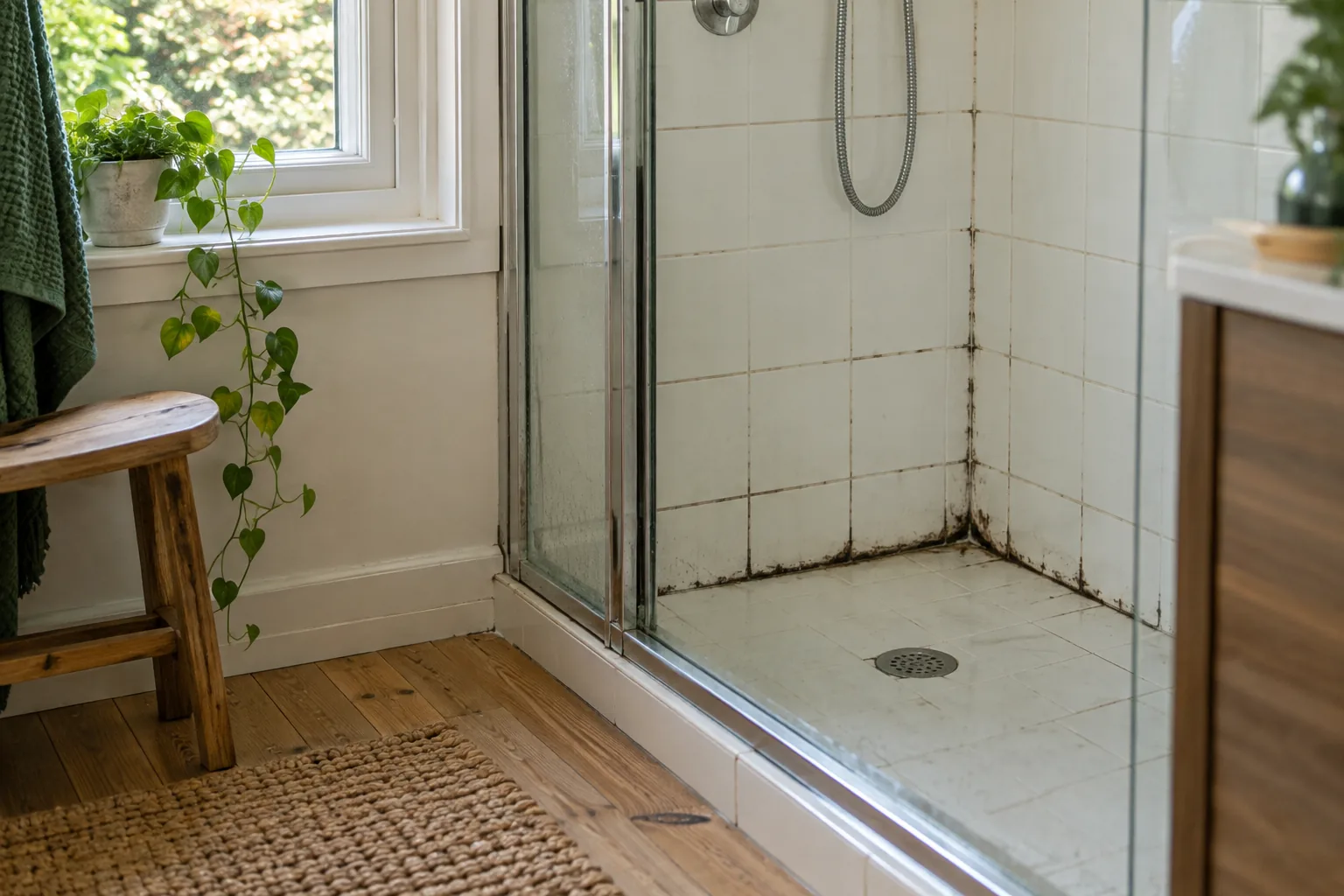
YARRA BEND / THE ACTUAL INTERIOR
A Yarra Bend-area enquiry should identify the actual building before the affected room. Growth on an interior wall cannot be explained simply by a nearby park or river. Tell us what is visible, how the room is used and whether water entry continues so suitability can be discussed.
Actual property clarified
Room observations prioritised
Access and availability discussed
SURFACES & THEIR SETTING
Use the place name as orientation
Parks Victoria recognises Yarra Bend Park. This page concerns enquiries for actual nearby interiors, not a claim to treat parkland or to operate a local office. Provide the street address and premises contact.
Begin with the indoor evidence
Describe the wall finish, visible extent and wetness. A mould inspection can review accessible condition and relevant room information. A park or river nearby is not proof of the cause, and no exposure pattern is assumed for your property.
Clarify the premises and entry
State whether the enquiry concerns a home, office or other interior, and who can approve access. Availability is confirmed for the actual address. Restricted entry or building permission needs discussion before any treatment plan is arranged.
Ask practical questions about the surface
Tell us whether growth appeared after a leak, beside a window or following changes to room use. Observations provide context without proving an unseen defect.
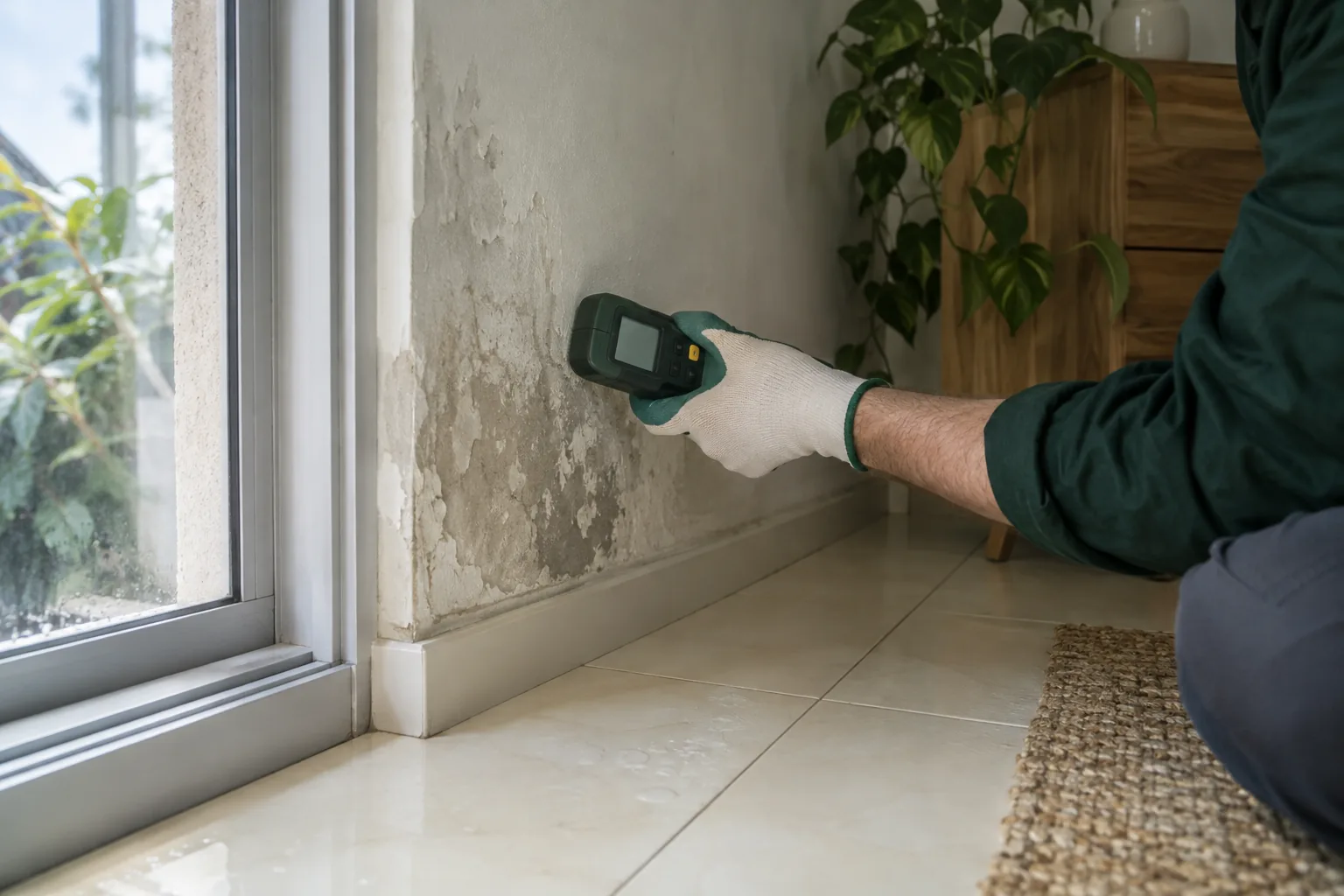
Accessible growth only
The removal service covers visible, reachable walls, ceilings and hard floors. Fragile paint, soft plaster and blocked sections need clarification. Furniture and textiles are excluded. Concealed construction needs a separate assessment and access arrangement.
Separate repairs from treatment
Roof, pipe and structural defects need appropriate separate work. Supply maintenance history where available and explain current wetness. Room humidity readings cannot establish that hidden materials are dry or that all water entry has stopped.
THE SURFACE REMOVAL PROCESS
A defined scope before a method
01
Review extent and material
The technician assesses visible growth, finish and access, considering the history and hygrometer information where useful. Hidden cavities and damaged or obstructed areas remain limitations unless further investigation is separately agreed.
02
Prepare and filter the air
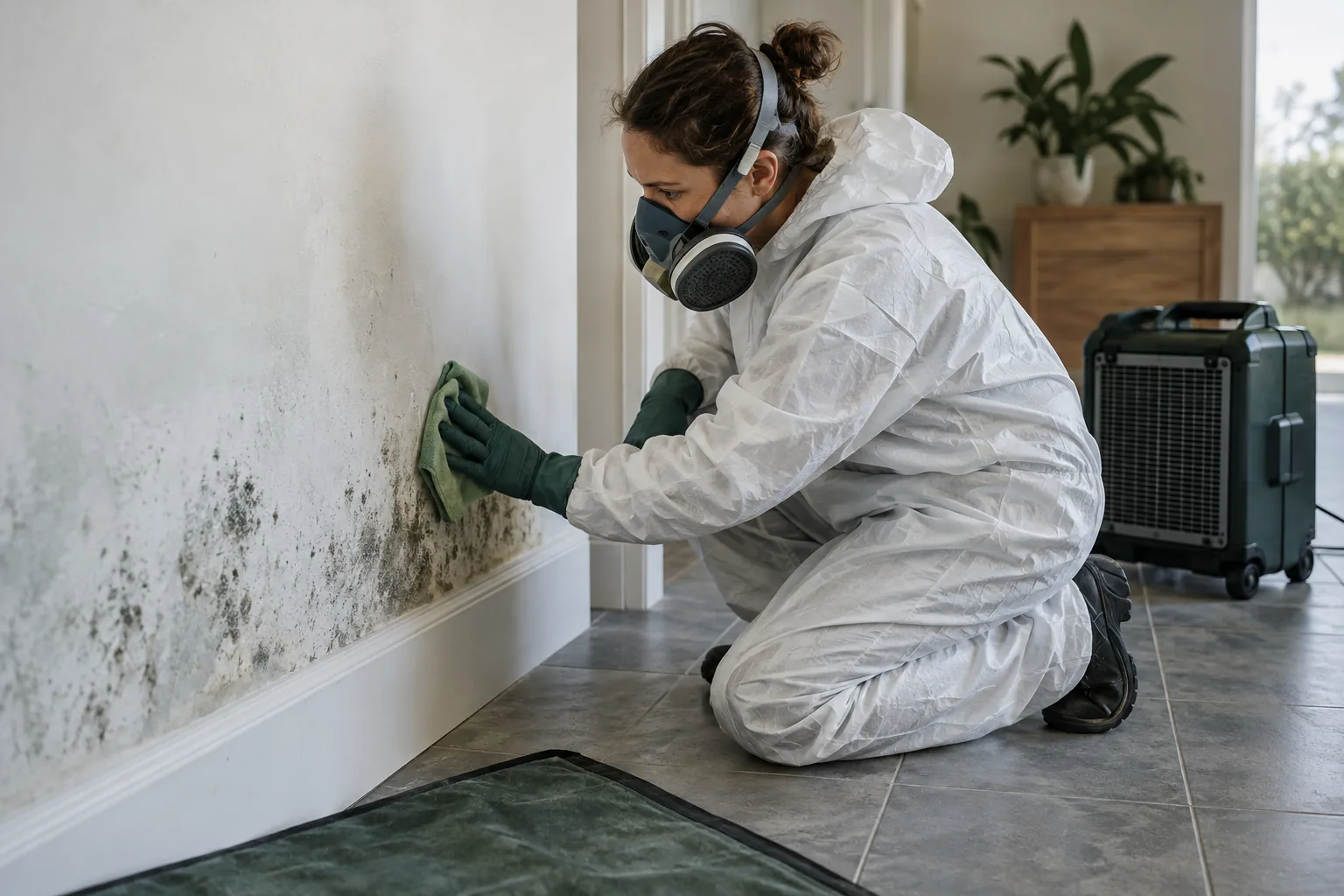
Agree belongings clearance, occupant arrangements and equipment entry. HEPA filtration supports the planned work. Do not assume furniture or stored contents receive treatment because they are moved to reveal a structural surface.
03
Select appropriate application
HOCl treatment is considered for the actual condition. Mention delicate coatings or previous cleaning attempts. The method addresses growth without promising a renewed finish on material already stained or deteriorated.
04
Discuss suitable fog use
ULV application may be included where appropriate. Follow the preparation and return plan. Any alarm procedure requires an approved arrangement with the responsible person rather than independent switching off before work.
05
Remove visible residues
Professional physical removal uses H-class filtered equipment as suitable. Treatment stays on the agreed structural surfaces. Textiles, furniture and hidden construction need a separately defined enquiry, handling or repair scope.
06
Complete filtration and review
Final filtration continues as required. Discuss remaining appearance and outstanding moisture work. A handover should identify practical next steps rather than imply that proximity to a place name explains or resolves the entire problem.
VISIBLE & ACCESSIBLE
Describe the interior, room by room
Window-side walls
Note condensation and the material.
Bathroom ceilings
Explain extraction and drying.
Storage-room sections
State what blocks access.
Hard-floor edges
Identify the finish and water tracking.
PREPARATION & LIMITS
Confirm timing and the cosmetic limits
Around three hours per room is an average working estimate. Size, contamination and access affect duration, and the service is not hourly-based. Confirm address availability and the actual scope before planning a fixed visit window.
Remediation may leave staining, with decorating separately quoted. Source repair is separate too. A damp room can support recurrence even after growth is treated, so no permanent prevention promise is made.
AFTER THE SURFACE WORK
Use observations that can guide repairs
Check functioning extraction where steam is produced and keep vents clear. After the agreed return time, allow sensible airflow around belongings. Focus on actual water entry and room conditions rather than attributing every mark to nearby outdoor features.
Retain dated photographs and maintenance notes if the surface changes again. A humidity log can support advice without proving hidden dryness. Raise recurring wetness with the appropriate contact before covering the area with storage or fresh paint.
YARRA BEND · SURROUNDING ADDRESS ENQUIRIES
Yarra Bend and the actual nearby address
Nearby guides help locate the enquiry, but give the street and postal suburb as well as Yarra Bend. The place name may be used for orientation around parkland; it does not create a new bounded suburb or confirm access.
BEFORE YOU ARRANGE WORK
Questions for your enquiry.
Does this service treat Yarra Bend Park?
This enquiry page concerns actual interior structural surfaces at identified properties. It does not claim parkland treatment or a park-based office.
Does living near the river explain the growth?
It does not establish a cause by itself. Explain leaks, room use, extraction and material condition.
What if the building has restricted entry?
Name the authorised contact and any permission or escort requirement. Access and availability must be confirmed before booking.
Can hidden wall areas be included?
Ordinary treatment concerns visible, accessible surfaces. Concealed cavities or insulation need separately defined investigation. Fog application does not establish their condition or automatically make inaccessible construction part of the scope.
Are belongings in a storage room treated?
Furniture, clothing, curtains, carpet and other textiles are excluded. Agree clearance and separate handling where necessary. Treatment of the revealed wall does not constitute restoration of the room’s contents.
What should I provide before calling?
Have the street address, visible surface details and relevant repair history ready. Dated photographs and entry constraints help explain the enquiry. They cannot alone confirm the source or the condition of concealed material.
Confirm the interior behind the place name
Call 03 8652 1296 with the Yarra Bend-area property address and accessible surface concern. Discuss availability, access and the assessment before booking.
Useful references: Parks Victoria Yarra Bend Park