
YERING · MELBOURNE
Mould Removal Yering
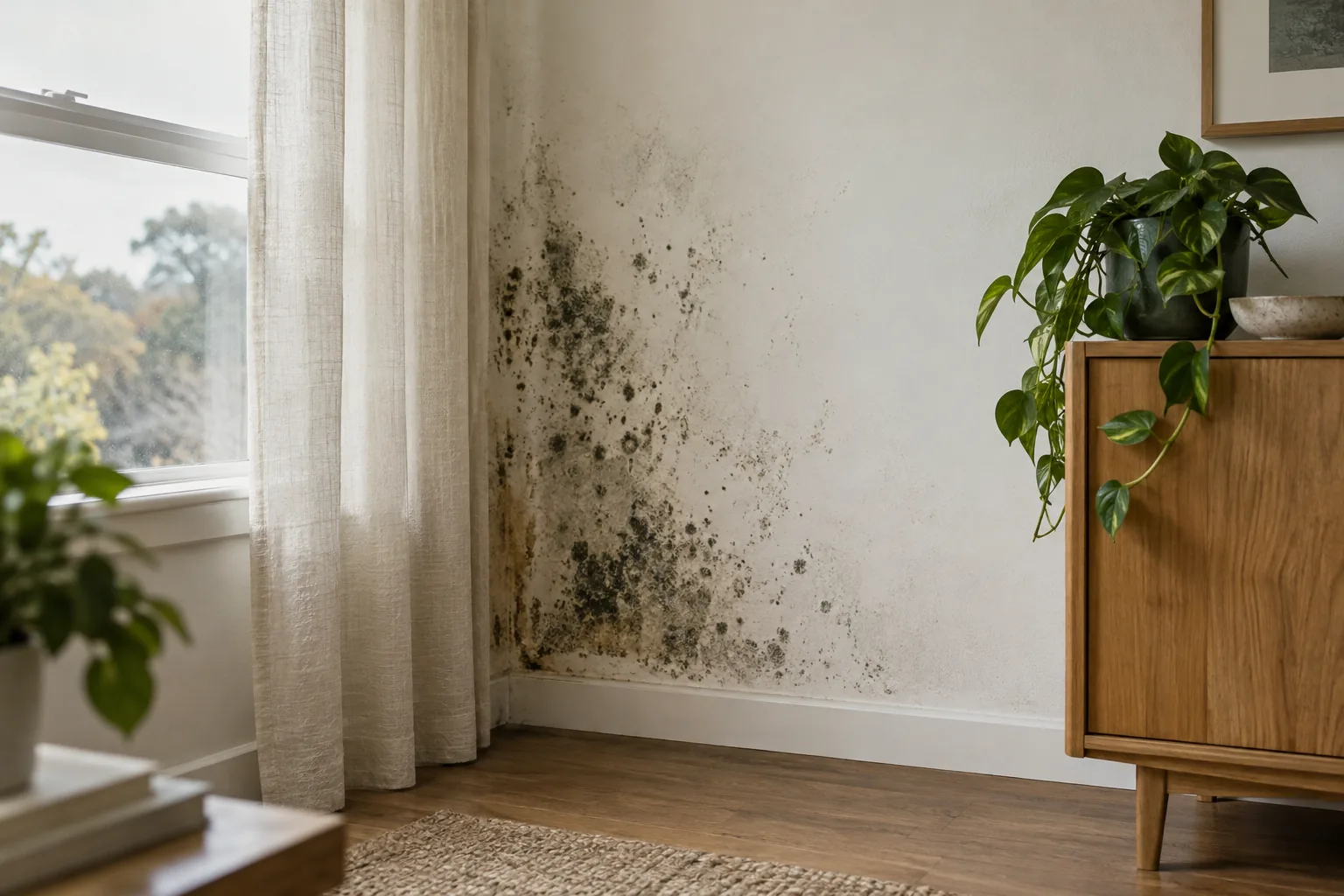
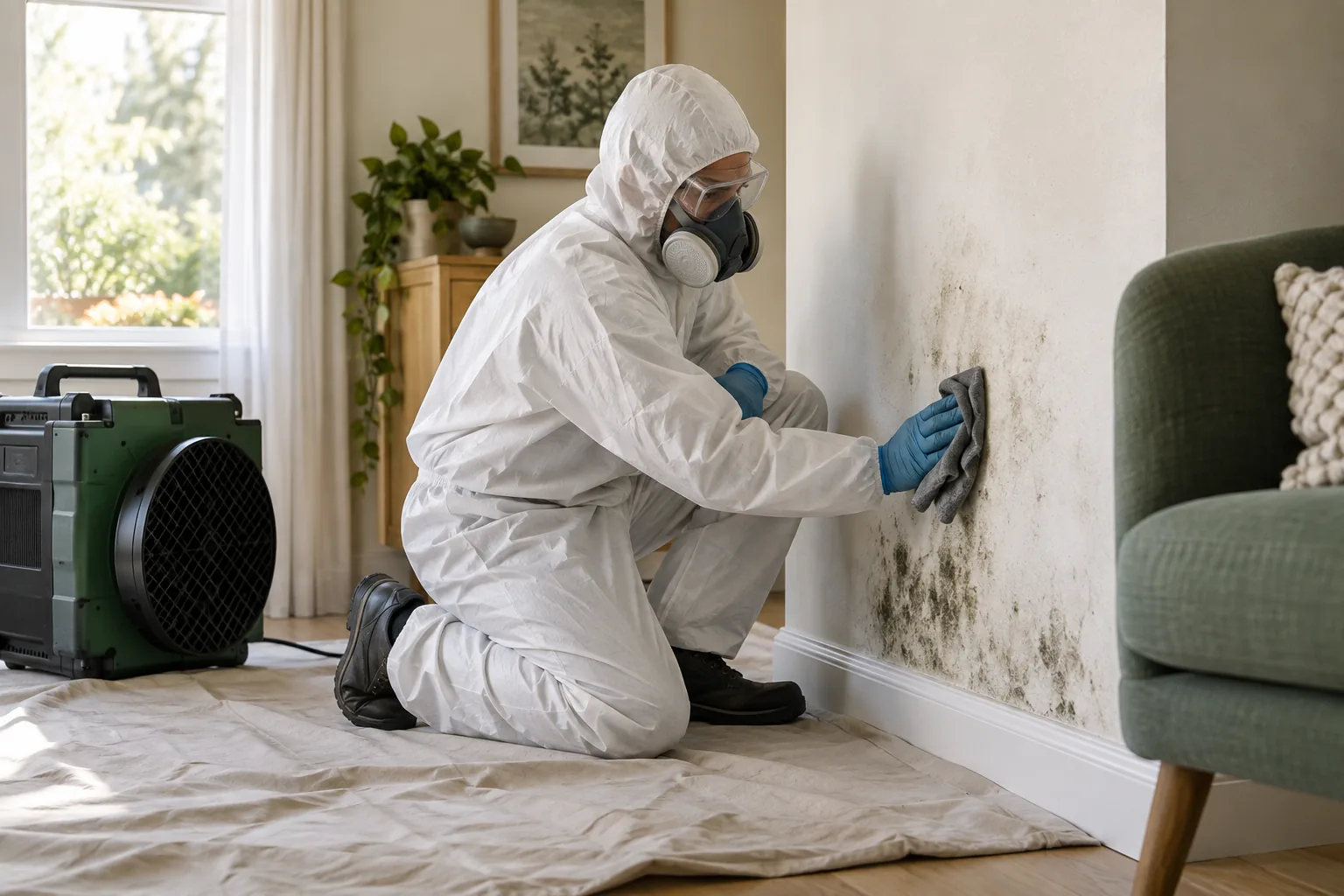
When several rooms in Yering show mould, compare their patterns before assuming one whole-house cause. A bathroom ceiling, window reveal and cupboard wall can have different materials and moisture histories. We can discuss which accessible areas need assessment and treatment, the appropriate preparation and appointment availability for your address, with each repair question kept linked to the room concerned.
Room-by-room comparisons
Material-specific scope
Clear source-repair boundaries
Walls · Ceilings
THE HOME, IN CONTEXT
Different rooms may tell different stories
Council’s current ward descriptions include Yering in both Ryrie and Chirnside locality information. Give the exact street address when enquiring, then identify the affected rooms rather than using a broad district description to imply one building or access arrangement.
List observations consistently
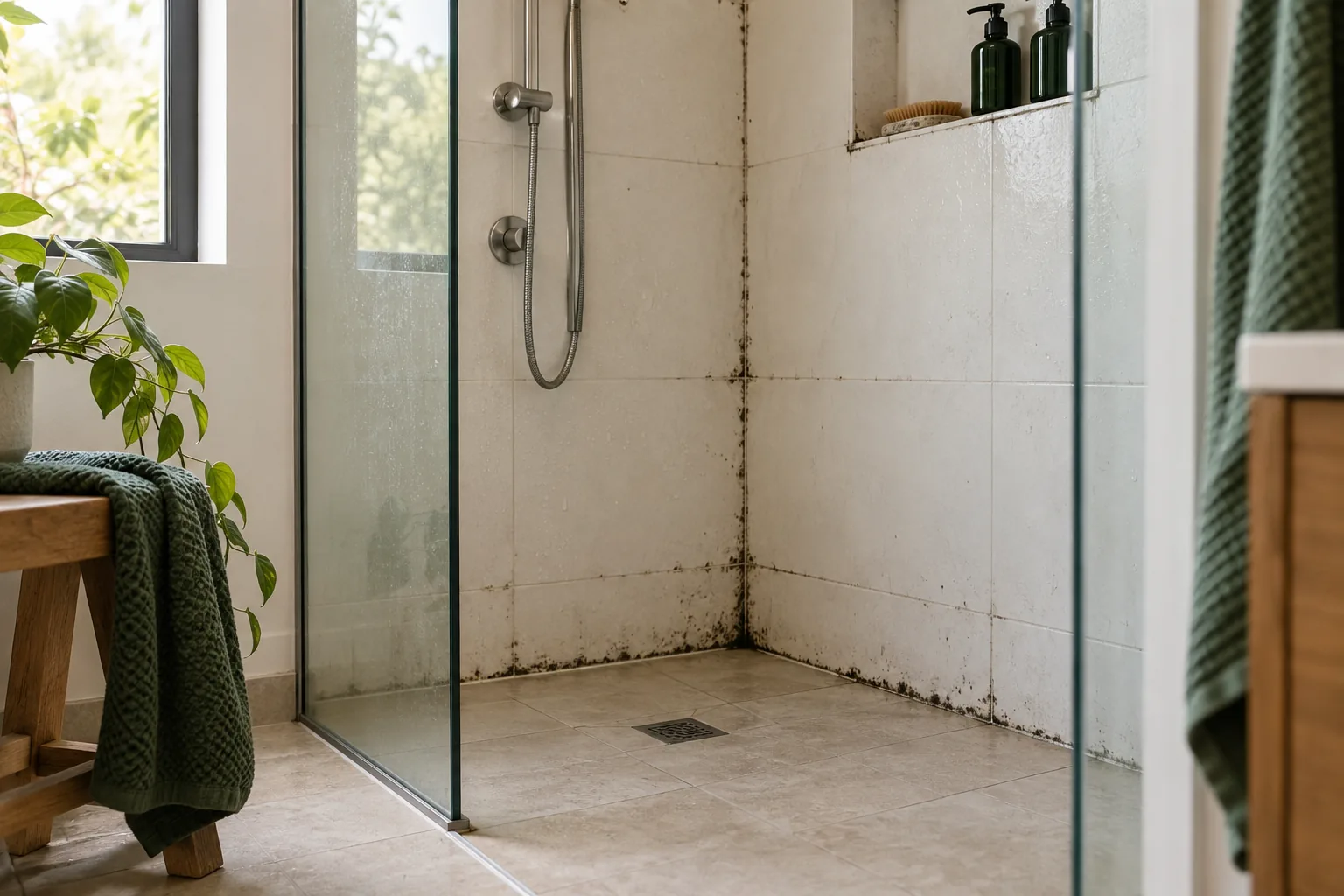
For each room, record growth, staining, visible water and any odour separately. Use similar photograph framing where possible so a small bathroom corner is not compared unfairly with a cropped close-up of a bedroom wall. Include the room’s ordinary use and recent repairs.
Do not merge different finishes
Explain paint, trim, tiles and cupboard backing as distinct materials. A removal plan should follow the actual condition and reachable scope, not assume similar-looking marks require the same method throughout the home.
INSPECTION & MOISTURE
Compare observations before choosing treatment
A comparison should identify useful similarities and differences without turning them into a diagnosis from photographs alone.
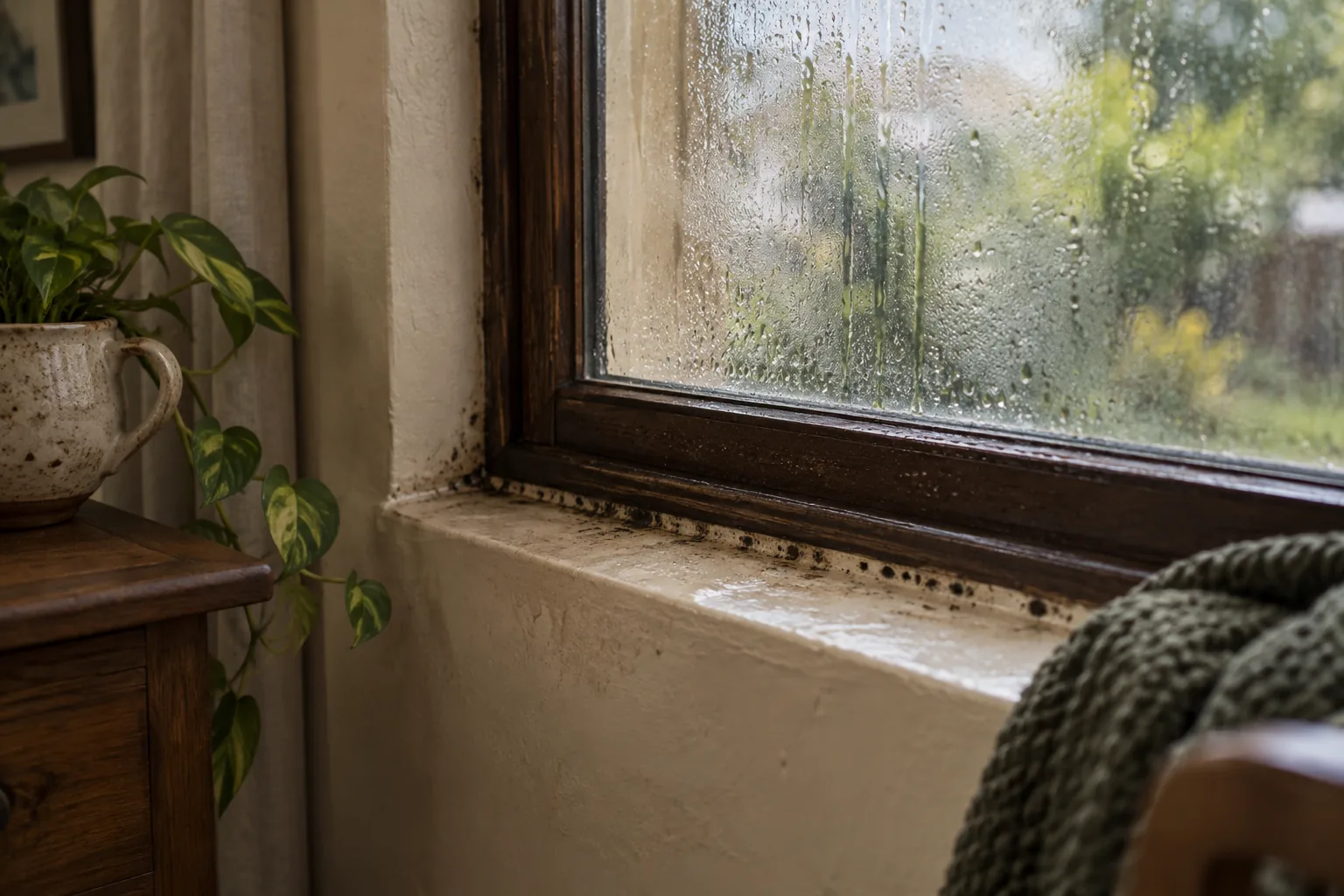
Compare when changes occur
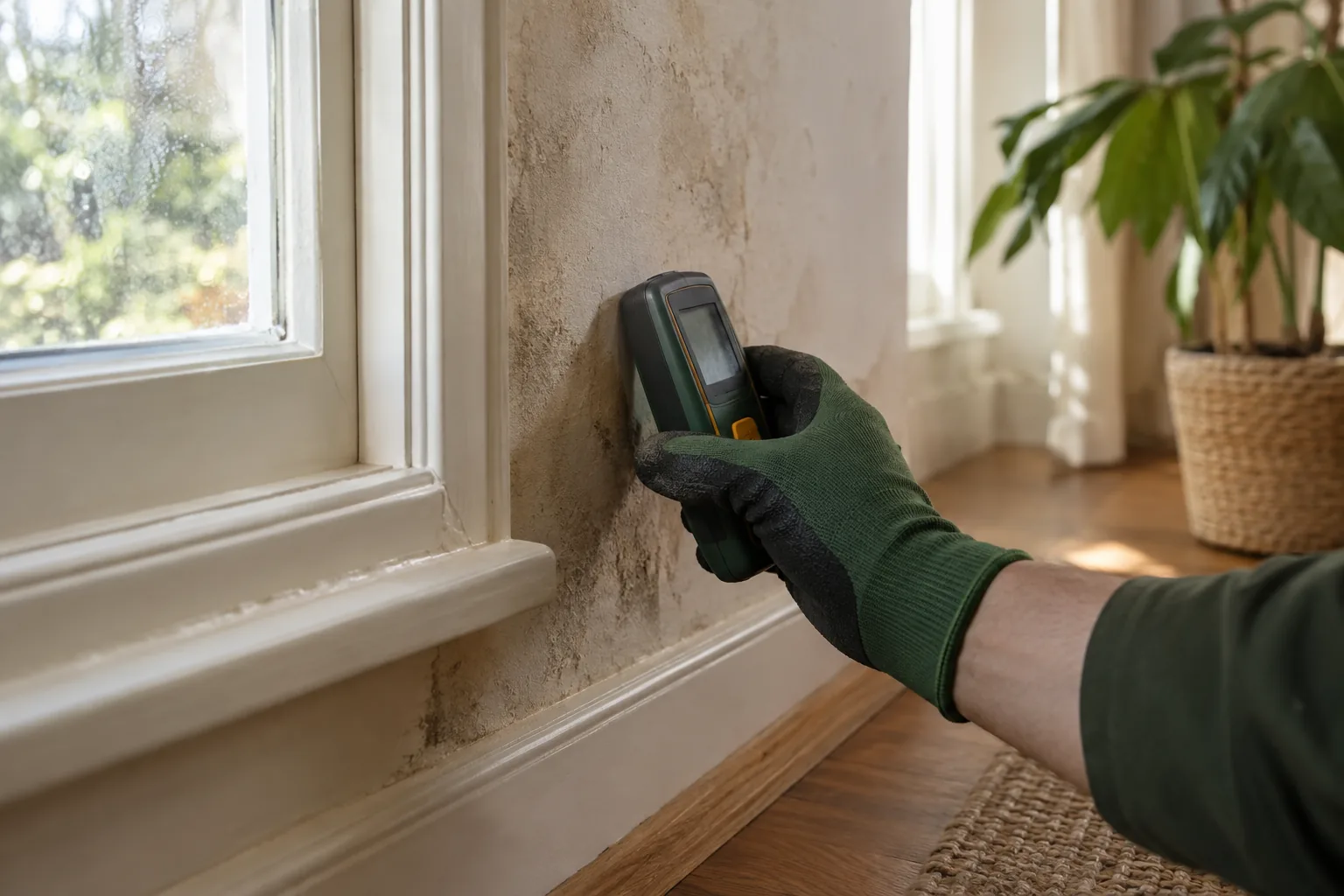
Track bathroom use, window condensation and weather-related changes for the relevant room. A pattern affecting only one opening asks a different question from spots appearing in several wet areas. Mention known repair dates and whether any location remained unchanged after work.
Choose the assessment question
Discuss inspection when the different observations do not identify a sensible treatment sequence. Ask which accessible findings can help prioritise rooms and what needs a plumbing, window or building investigation. Retain the distinctions between rooms even if one appointment can assess several of them.
A CONNECTED PROCESS
A work plan for the affected surfaces
Set a defined room list
Agree visible walls, ceilings and suitable hard floors in each included room. Identify damaged finishes before treatment. Textiles are excluded. A multi-room enquiry should not automatically expand to cupboards, cavities or all belongings without a separate access and condition discussion.
Agree preparation per room
State furniture and fixed-fitting restrictions individually. Confirm who moves removable belongings and how the rooms will be reached. Suitable protective equipment and protection should be appropriate to the task rather than treated as a single vague whole-house preparation instruction.
Plan controlled surface work
Organise HEPA filtration and a practical work zone for the agreed areas. Keep plumbing or equipment movement separately assigned. Avoid disturbing original patches to make their photographs look alike; the differences may be useful evidence for assessment.
Treat the appropriate finish
Physical removal and suitable treatment address accessible growth according to the material. The remediation discussion can identify damage or concealed questions separately. Cleaning one room cannot establish that a different room’s source or lining condition is resolved.
Review the comparisons afterwards
Record treated locations, staining and outstanding repairs by room. Monitor the former patches under their normal conditions. If one room recurs, use its own history to reconsider the source rather than assuming every room needs another identical treatment.
WHERE MOULD APPEARS
Give each surface its own description
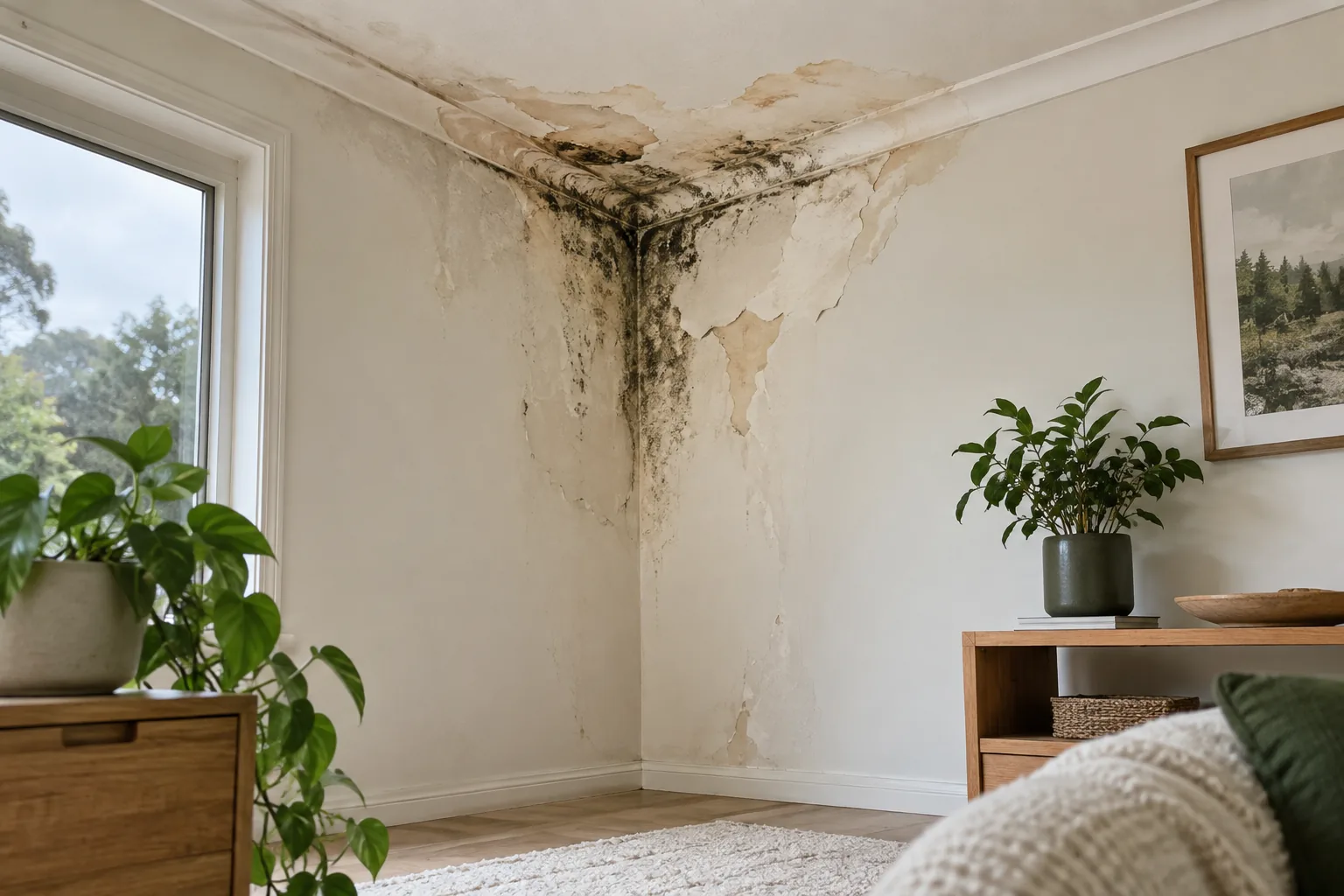
Bathroom ceiling
Describe extraction and shower timing independently. A ceiling patch should not be judged only by the cleanliness of tile faces.
Window wall
Compare different openings and whether changes follow rain or indoor condensation. One frame may need a separate repair question.
Cupboard surface
Identify backing material and what is hidden by fixed joinery. Stored clothing and linen remain outside the surface-removal scope.
Hard floor
Give its own water history and material description. Textile coverings and concealed floor layers require separate handling or investigation.
MAKE SPACE FOR DRYING
Keep the source and the surface in view
After source repairs and treatment, keep the room comparison as a maintenance record. Check the same places rather than judging recovery by the room that looks best. Dated photographs help show whether a remaining mark is stable or changing.
Match prevention to the cause actually identified. Wet-room extraction, an opening repair and improved circulation serve different purposes. Surface cleaning does not replace those tasks or guarantee against recurrence where another room continues to have damp conditions or damaged material. Keep the comparison manageable: name the room, mark location and observation date on each photograph. A sequence from one wall is easier to interpret than an unlabelled collection from different parts of the property.
YERING & NEARBY
Nearby location guides
These guides help describe separate enquiries at surrounding addresses; keep each property’s room comparison independent: Coldstream, Yarra Glen, Christmas Hills.
QUESTIONS WORTH ASKING
Before the visit.
Do several affected rooms prove a whole-house moisture problem?
No. Compare room use, position and repairs before assuming one shared source or treatment scope.
Can one appointment consider different rooms?
Describe the rooms and access first so an appropriate assessment or removal scope can be agreed.
Should all photographs look the same?
Use helpful wider views, but do not alter the patches. Their actual differences may inform the assessment.
Does a multi-room request include belongings inside cupboards?
Textiles are excluded, and other belongings need separate preparation or handling rather than automatic inclusion.
Can each room need a different repair?
Yes. Different water sources and materials can require separate maintenance or trade investigations.
What confirms Yering availability?
Call with the full address and room comparison so suitable entry, preparation and appointment availability can be discussed.
START WITH YOUR ROOM
Talk through the room in Yering
Call 03 8652 1296 with the address and a clear affected-room list. We can discuss the useful comparisons, accessible scope and preparation needed before confirming suitable availability.
Useful references: Yarra Ranges — council locality information