
PAINT THAT KEEPS PEELING · MOISTURE · SURFACES
BAYSWATER · MELBOURNE
Mould Removal Bayswater
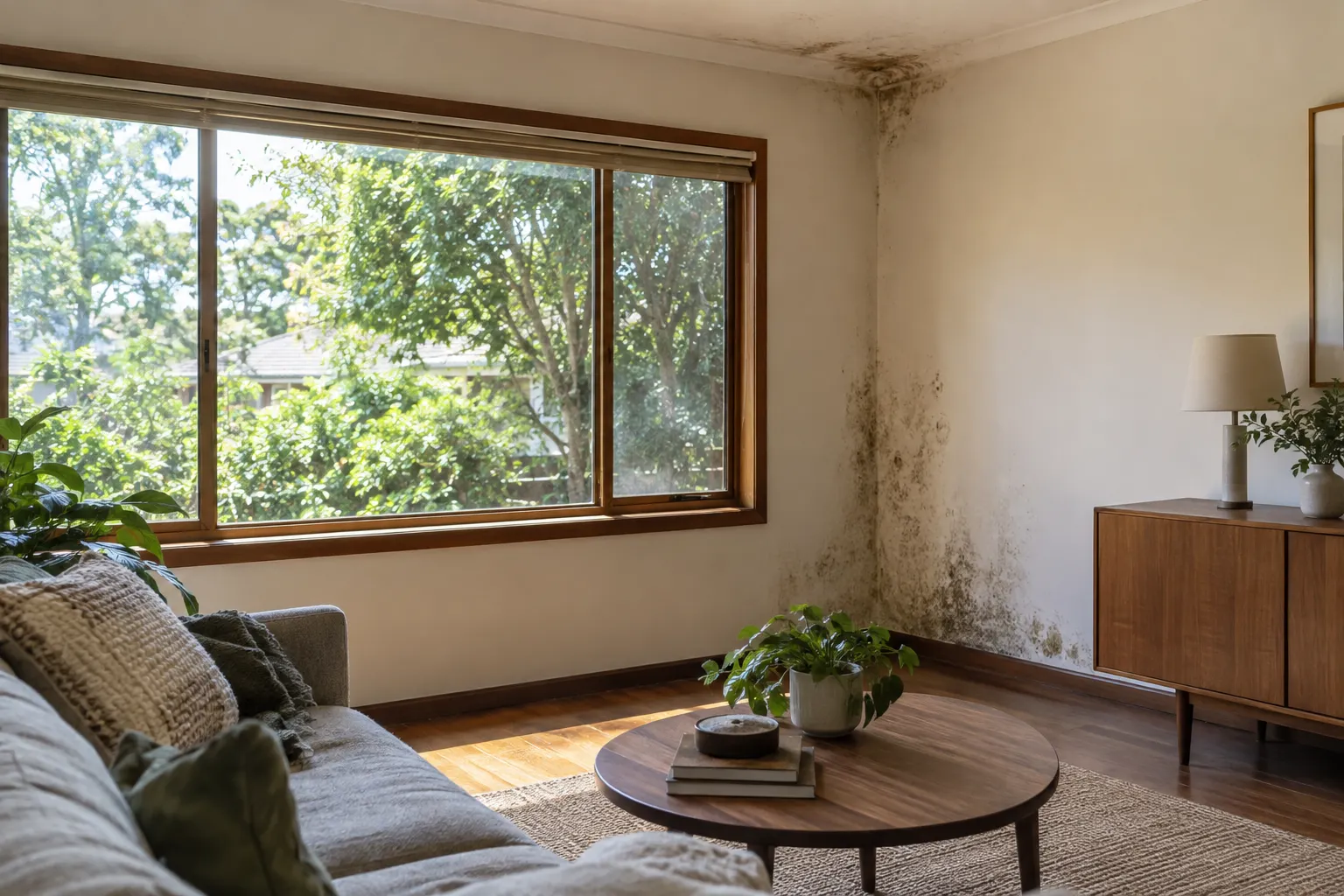
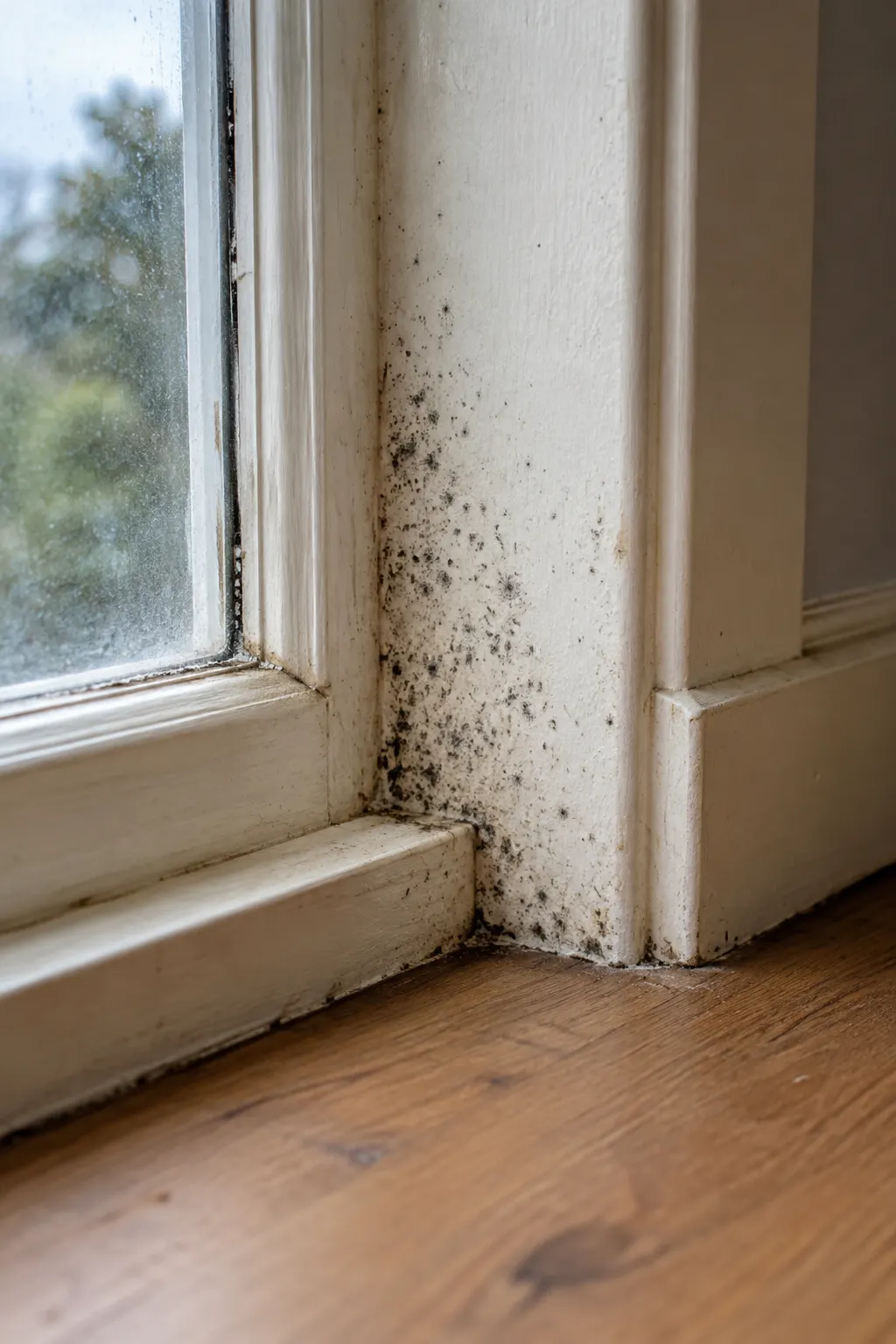
Peeling paint can change how an affected wall should be handled. A Bayswater enquiry should cover surface condition, visible mould and whether moisture is still present beneath the damaged finish.
Visible material considered
Moisture history discussed
Access and scope agreed
THE ROOM TELLS A STORY
The paint is part of the evidence
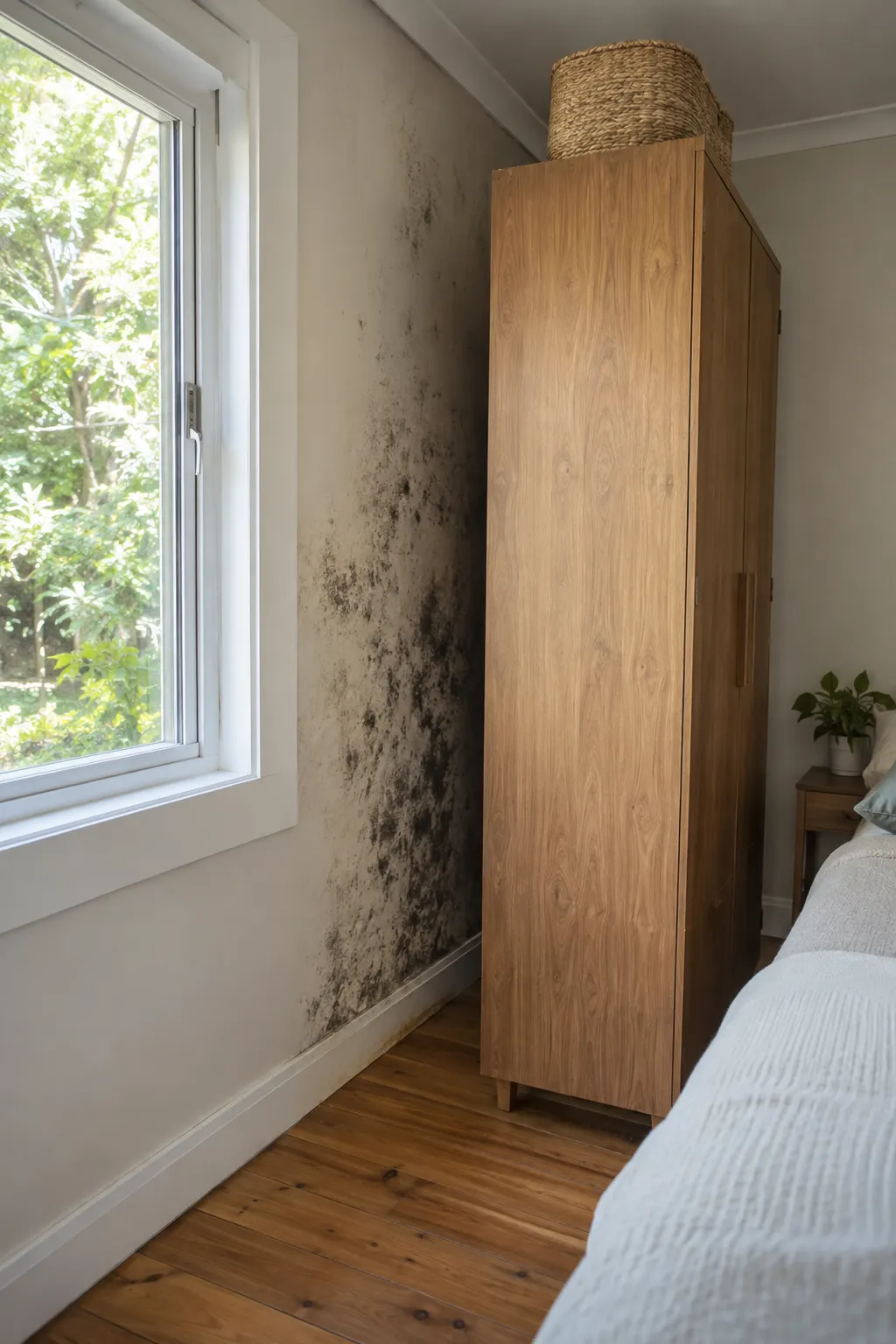
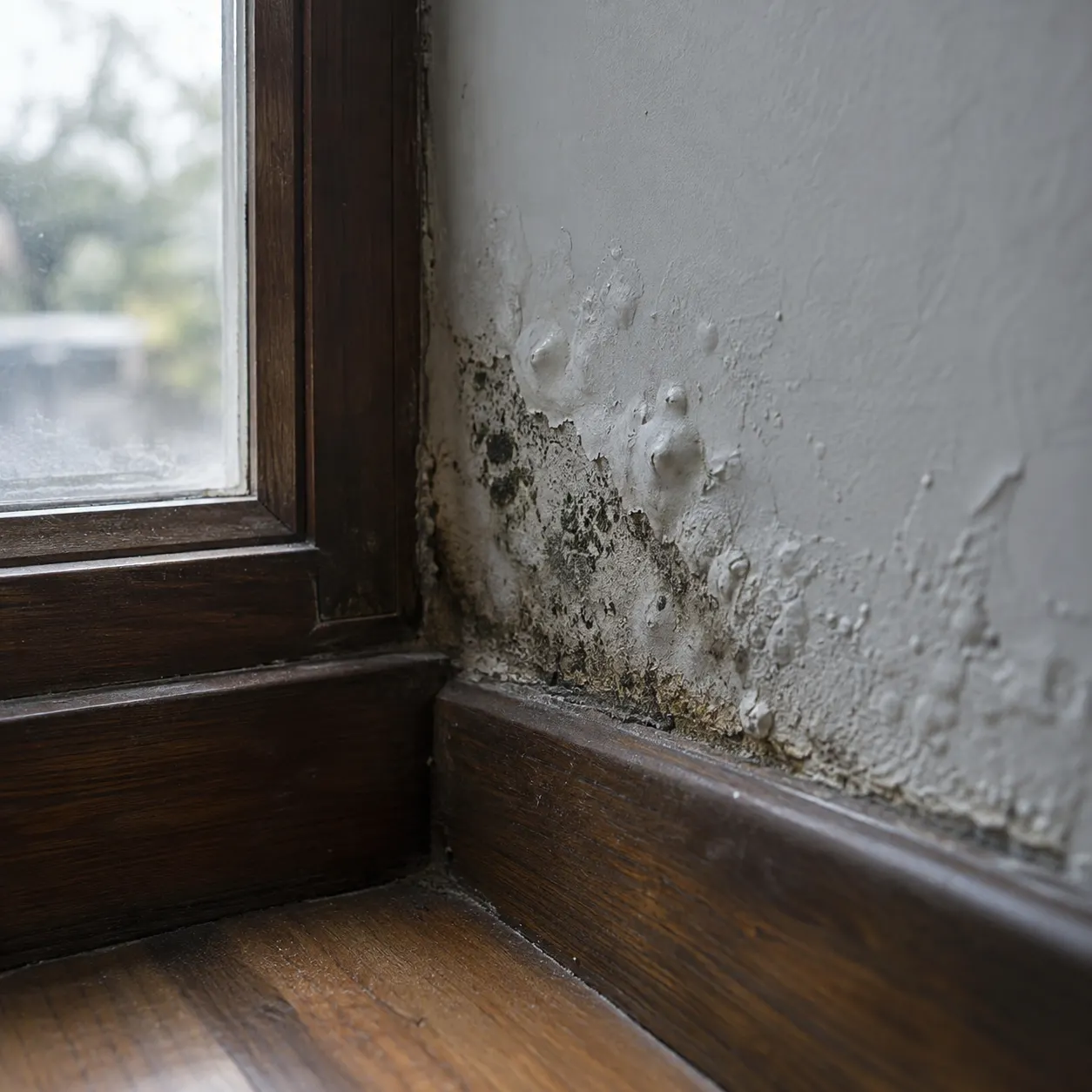
Knox’s municipality includes Bayswater. When a finish is bubbling or flaking, discuss that damage before arranging surface cleaning. Loose coatings, softened board and intact paint do not have the same scope. Keep photos of changes over time and describe any earlier repair that covered the patch.
Keep the damaged finish intact for the initial inspection discussion. Photos of bubbling or peeling alongside the visible growth help explain suitability, while moisture history and previous decorating remain separate evidence about what may need follow-up.
UNDERSTANDING MOISTURE
Make sense of
changes in the painted finish.
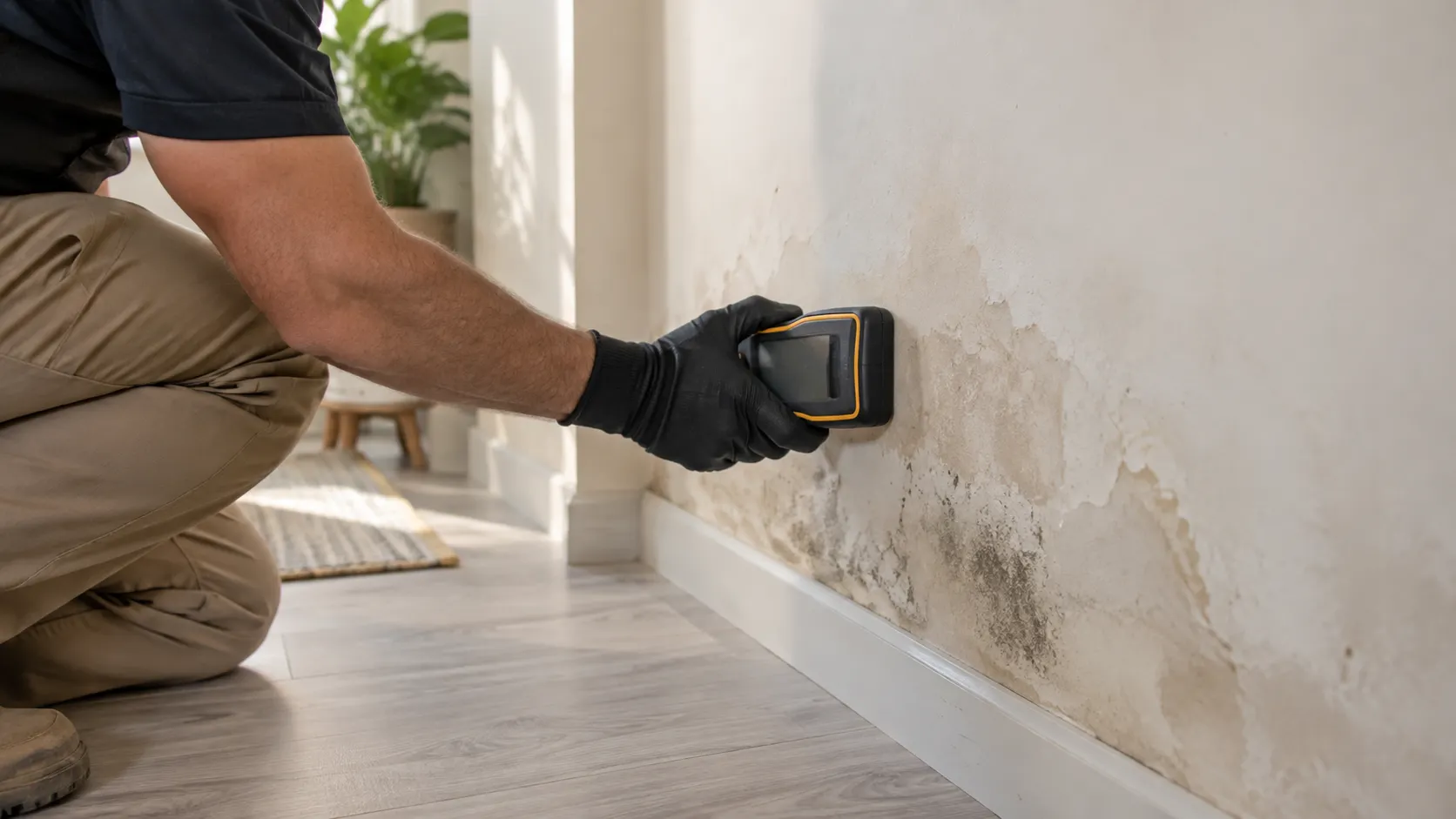
What stays damp
Record whether the painted surface stays damp or only looks damaged. Changes in texture, repeated droplets and timing provide a better account than judging the room solely by the peeling area.
Leaks and repairs
Rain-linked blistering or a known fixture event deserves source investigation. Surface treatment cannot establish why paint lost adhesion, so include earlier repairs and any continuing moisture observations.
Accessible evidence
Loose coatings and exposed board affect what can be treated suitably. Describe the damage without scraping it away; retention, preparation and later decoration may require decisions beyond cleaning intact paint.
OUR REMOVAL PROCESS
Plan the work
around the room.
Keep the room history
Keep photos from before and after any earlier repainting. They show whether the patch has changed shape, whether blistering preceded it and what repair was attempted.
Make access practical
Explain if furniture conceals the peeling edge or whether the area is difficult to reach. Access should expose the existing condition without scraping off uncertain material.
Agree the next decisions
Discuss drying and finish suitability before applying another coat. Covering flaking paint can hide the evidence without addressing why that part of the wall stays wet.
01
Assess the peeling painted wall
Describe lifting paint, growth and exposed board before arranging surface removal. The finish may need repair or replacement decisions rather than the same treatment as intact paint.
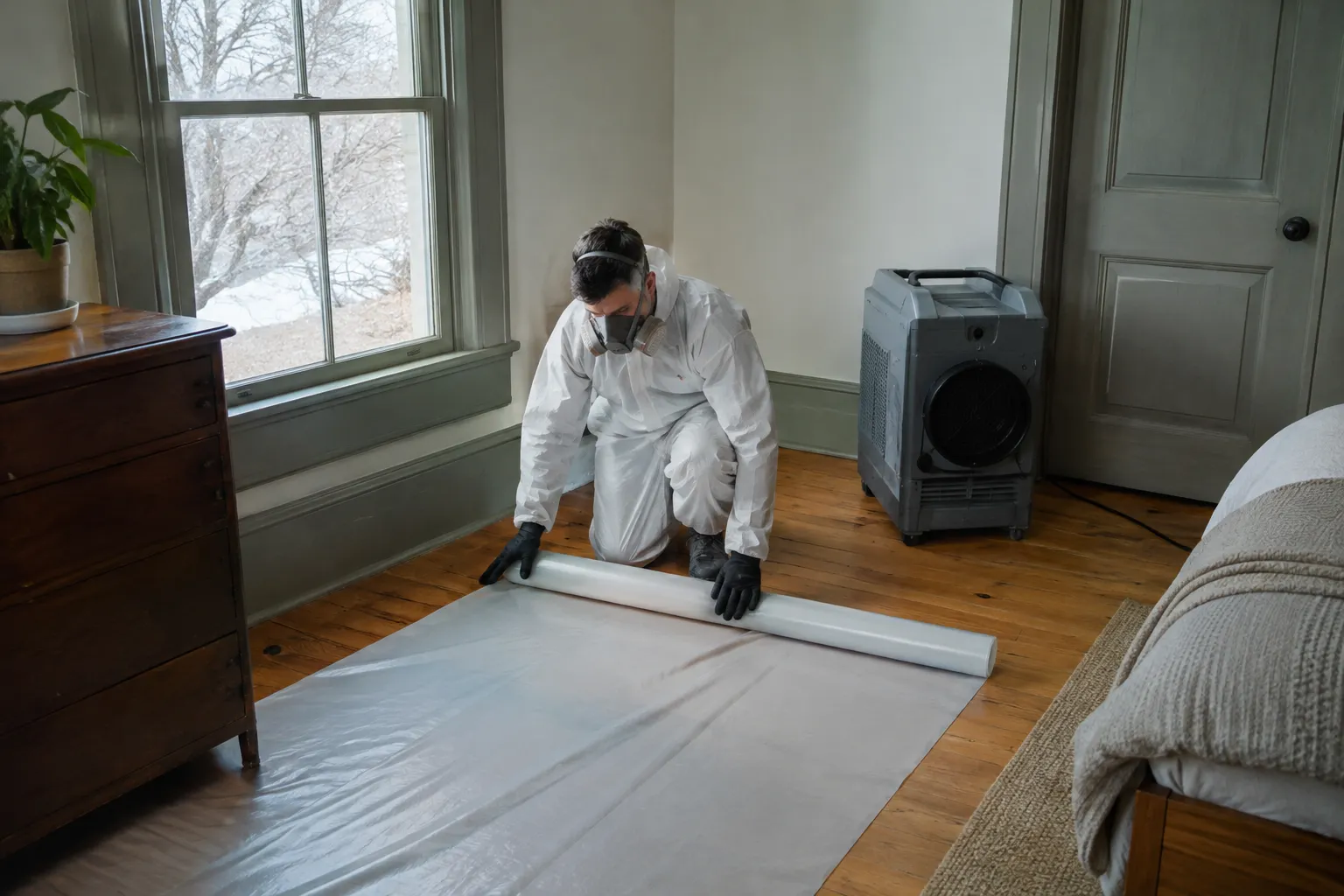
02
Prepare the working area
Leave loose finishes undisturbed for assessment and protect nearby furnishings. Mention any recent coating so preparation takes account of the surface beneath the visible marks.
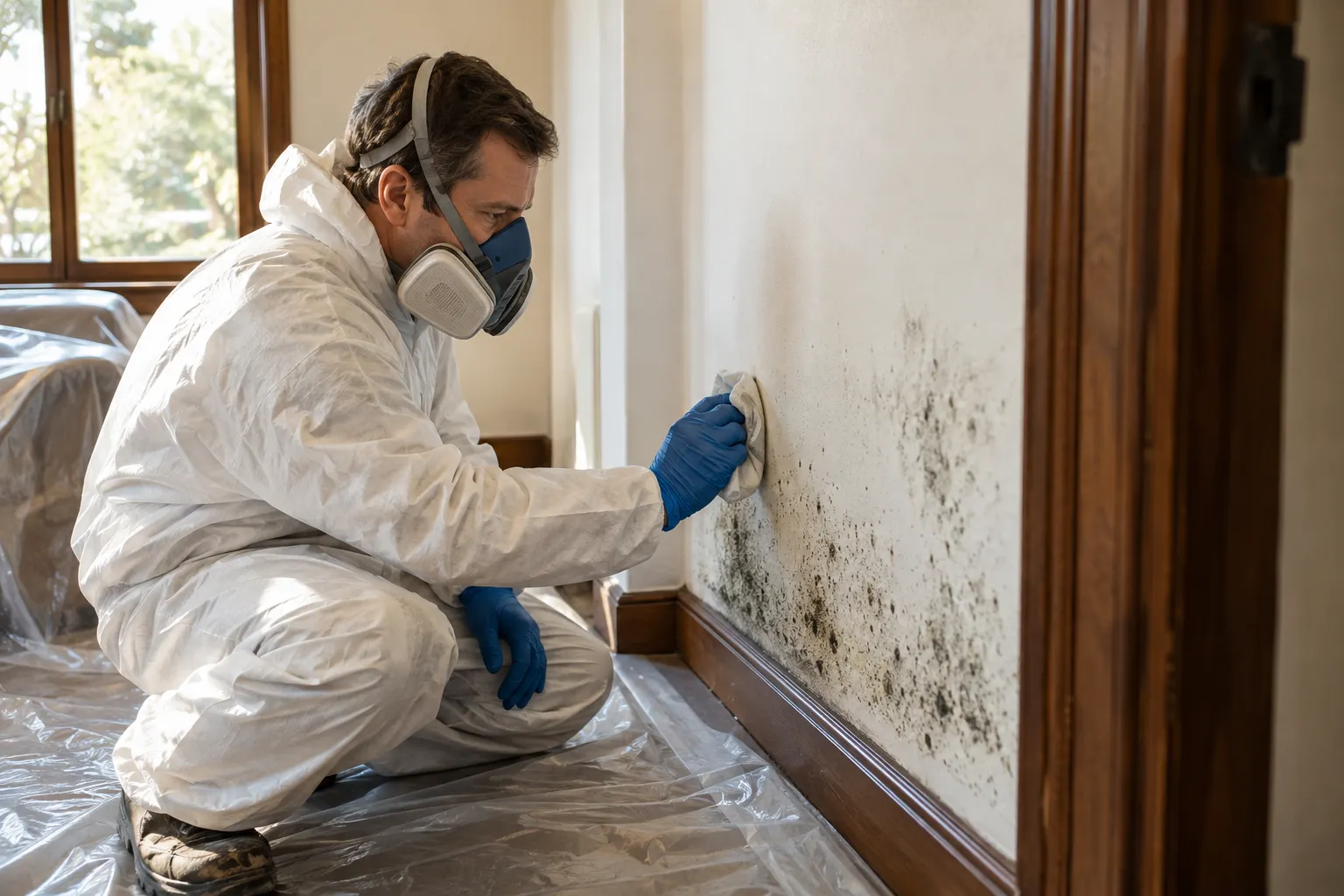
03
Remove and review
Review what remains of the finish after agreed work. A cleaner-looking wall may still have poor adhesion or damaged material that a decorator needs to assess.
COMMON AREAS AFFECTED
Different surfaces.
Different decisions.
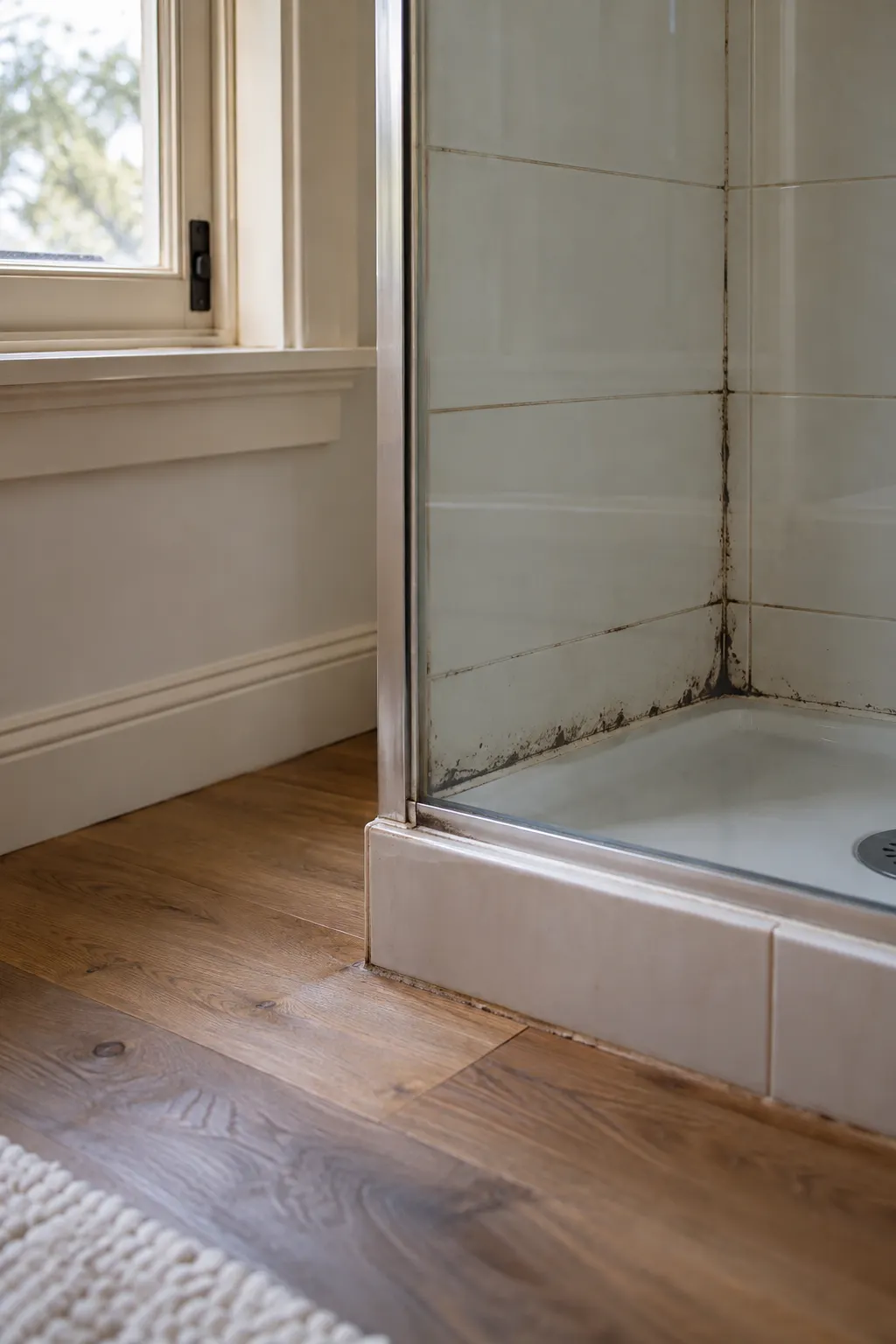
Bathroom junctions
If bathroom paint is peeling, distinguish it from silicone or grout in the enclosure. Different finishes can have different damage and repair needs, even after the same period of moisture.
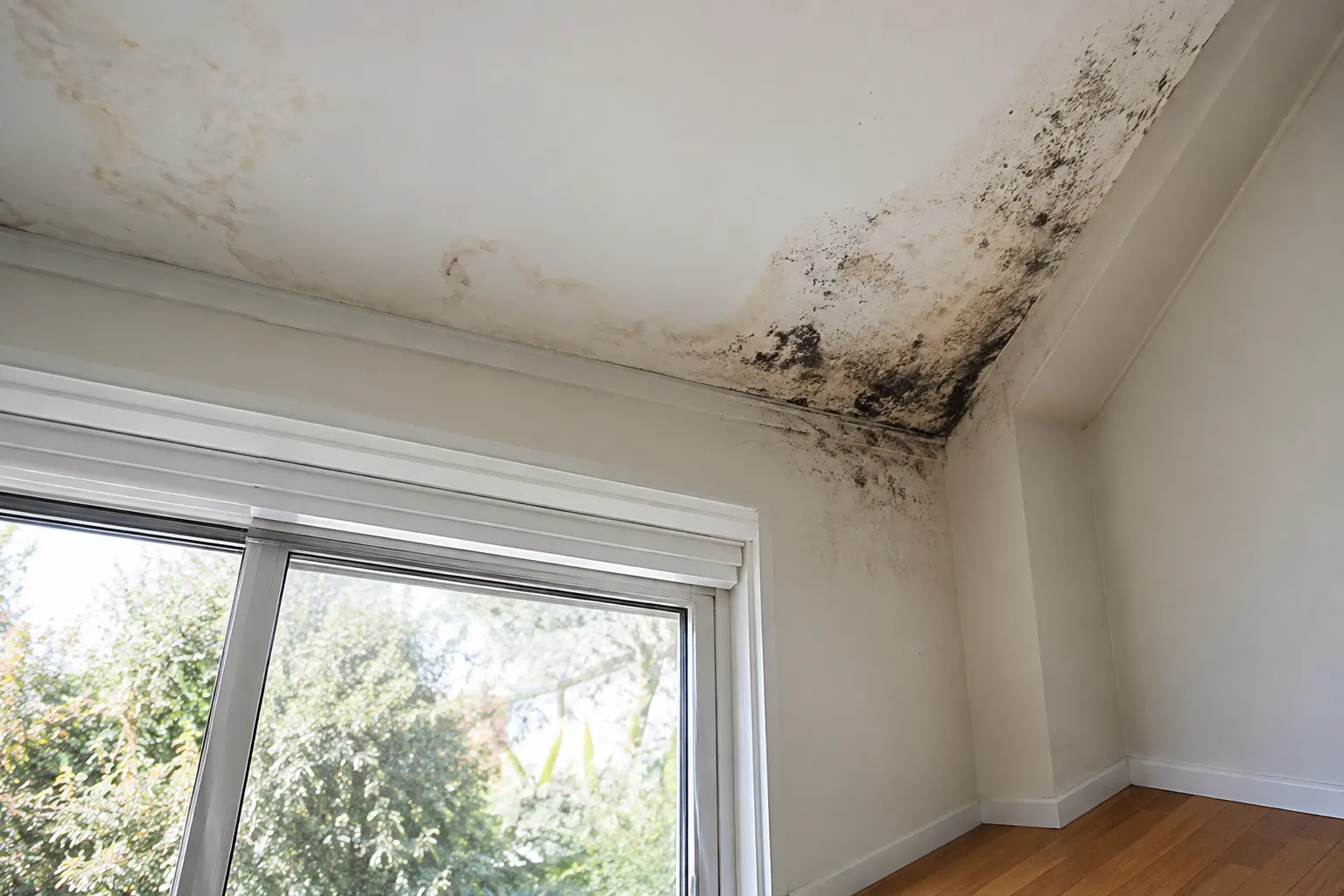
Ceiling surfaces
Ceiling paint lifting near a stain should be included in the scope discussion. Do not reach up to test uncertain material; room photos and a description can start the conversation.
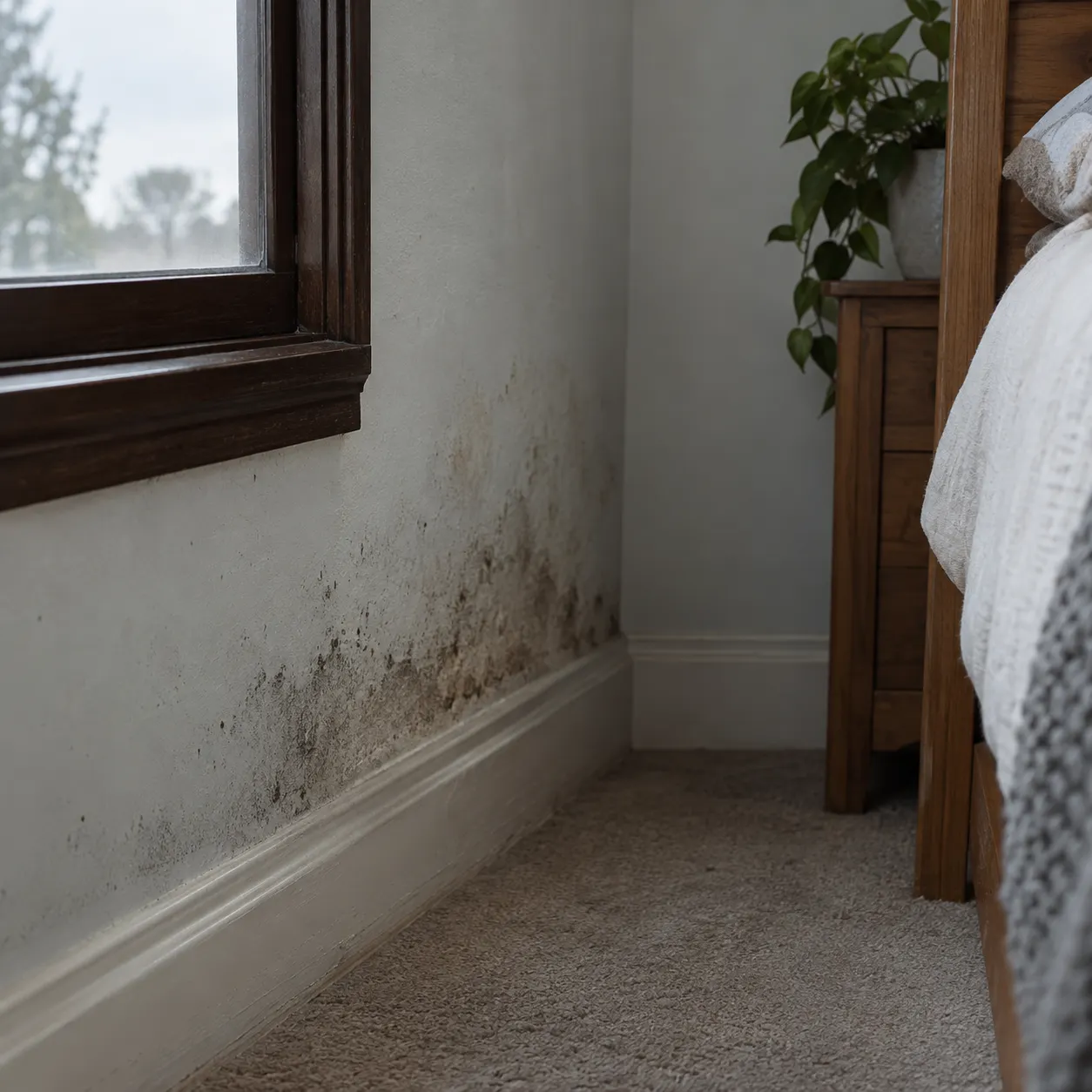
Painted walls
Show both marked paint and adjoining clear areas. Their condition helps explain the boundary, while the appearance of the loose edge alone cannot settle the state of the substrate.
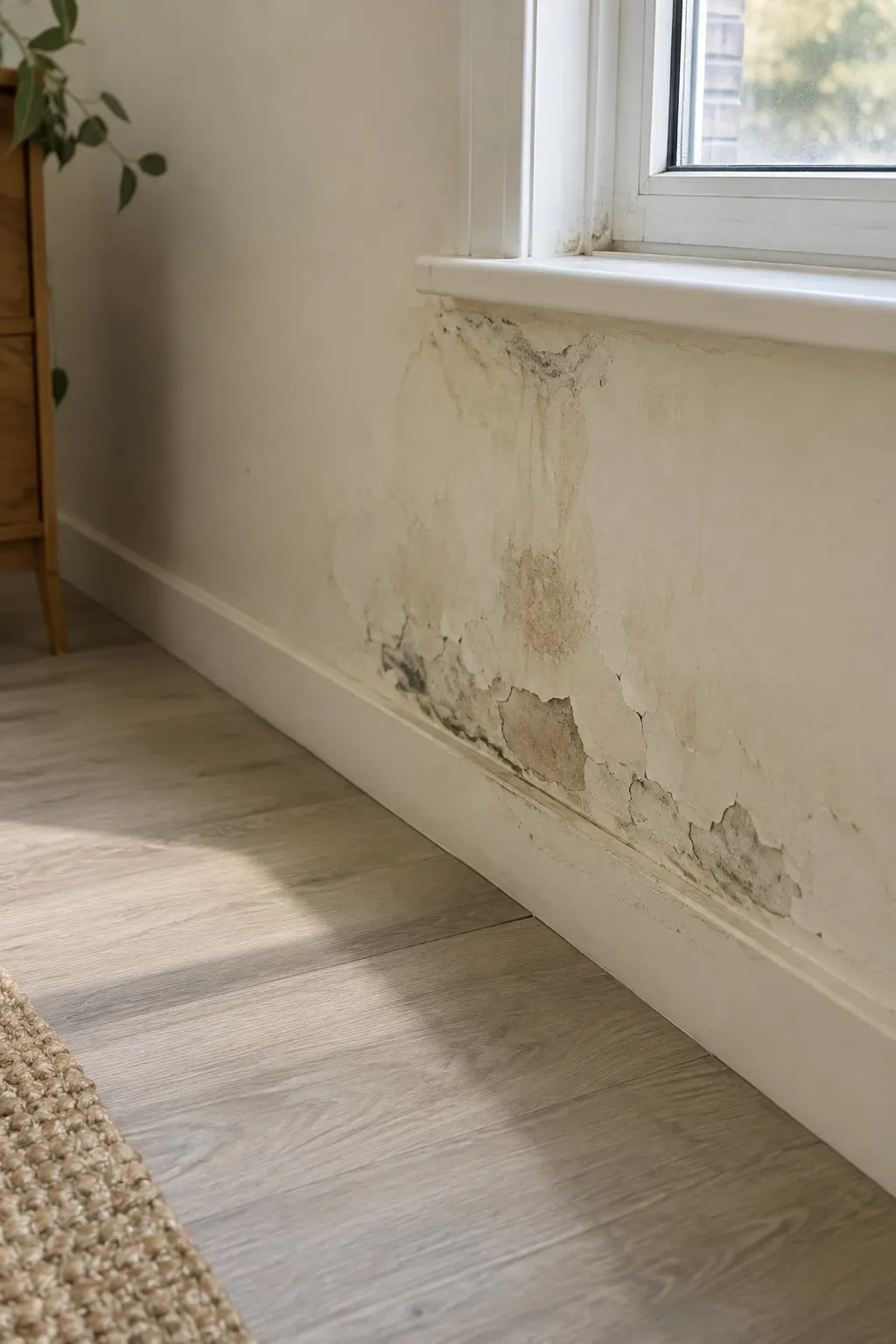
Water-affected rooms
An earlier wet event may have affected more than the visible coating. Record any known board or trim damage so removal is not confused with restoration of deteriorated materials.
PREVENTION STARTS WITH
Follow the source.
Protect the finish.
Observe the drying pattern
Keep the damaged finish visible while the moisture issue is considered. Prompt follow-up on new wetness is more useful than applying repeated coats over a patch that continues to change.
Follow up before decorating
Discuss a sound base and drying before redecorating. If damage extends across finishes, a remediation plan should clarify treatment limits alongside repair or replacement of unsuitable material.
BAYSWATER & NEARBY
Bayswater and nearby rooms.
The guides for Heathmont and Boronia may help with a close-by property. In Bayswater, provide the actual room and address, explaining finish damage and access, so the next decision is grounded in that wall rather than another locality’s example.
BEFORE YOU CALL
The useful
questions.
Is peeling paint itself proof of mould?
It shows a finish problem, but appearance alone does not identify every cause or confirm visible growth. Describe the marks and material changes together.
Should I scrape loose paint before assessment?
Discuss the condition first. Disturbing an uncertain finish can alter the work and repair needs, while clear photos can show the existing evidence safely.
Can cleaning restore paint adhesion?
Removal of visible growth is different from repairing a failed coating. A suitable repair or decorating decision may remain after the accessible surface work.
Why mention an earlier repaint?
Its date and preparation help explain what changed. Include whether moisture or source repairs were considered before the new finish was applied.
What if the area blisters again?
Record fresh dampness and the timing of the change. Recurrent material damage deserves another source or finish assessment rather than an automatic additional coat.
What helps a Bayswater paintwork enquiry?
Provide the address, affected room and photos of the finish. Mention softness, loose material, water history and practical access so suitability can be discussed.
TELL US WHAT YOU CAN SEE
Describe the mark.
Plan the next step.
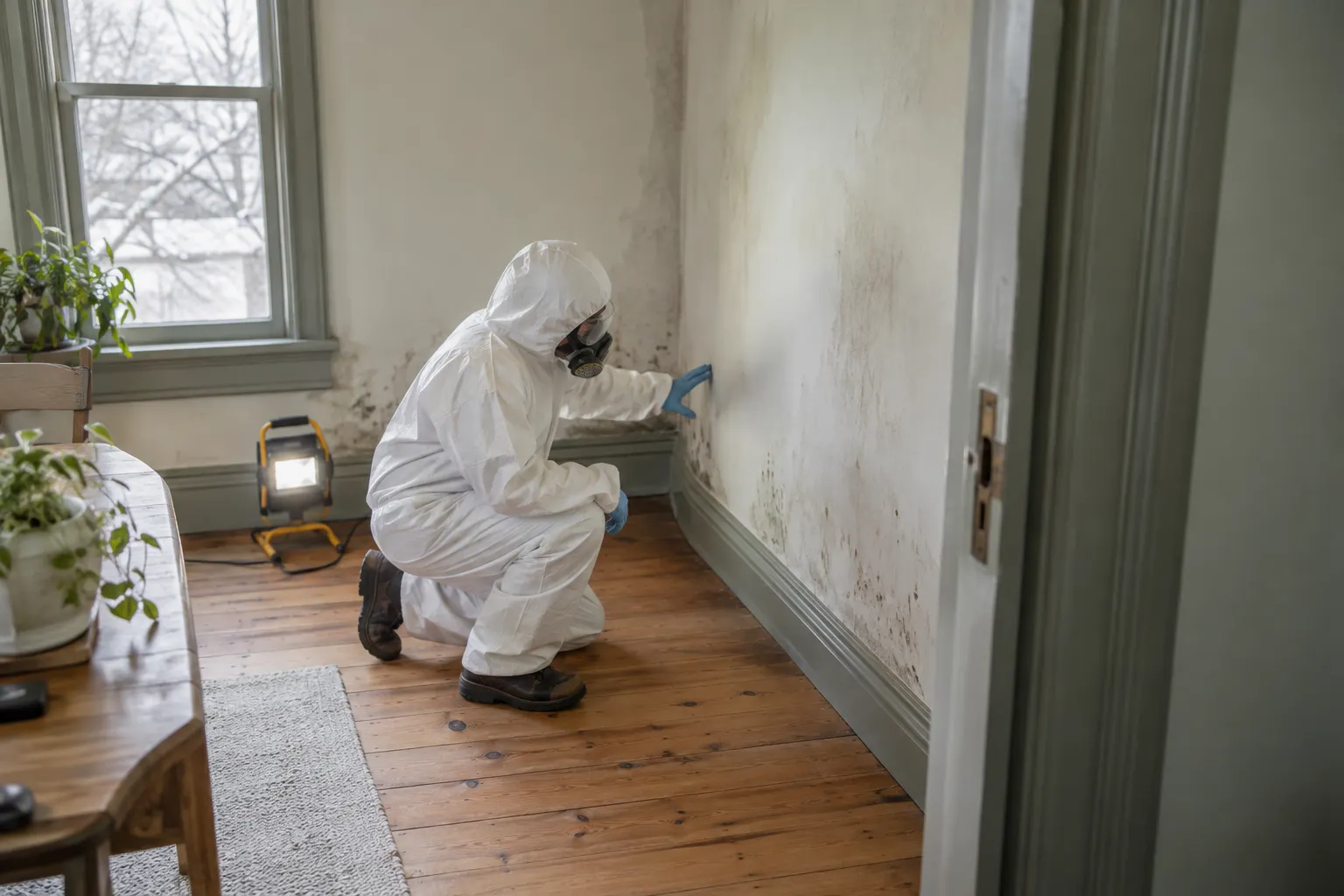
Describe the peeling finish and any earlier repairs on 03 8652 1296. With the Bayswater property address and safe photographs, the surface, moisture and access questions can be discussed before work is planned.
Local context: Knox localities