
ABOVE · BELOW · EVIDENCE
HEATHMONT · MELBOURNE
Mould Removal Heathmont
A ceiling mark below another room needs a clear account of what happens above it. For a Heathmont enquiry beneath an upstairs bathroom or laundry, describe the affected finish and relevant water-use history without assuming the source has already been identified.
Room relationship recorded
Ceiling condition considered
Source and surface scope separate
THE ROOM TELLS A STORY
One mark below.
Questions in two rooms.
Heathmont is included in Maroondah’s locality listing. In a home with an affected ceiling below a wet area, the relationship between rooms is useful context rather than proof of a particular fault. Explain where the overhead room sits, which activities precede a change and any plumbing or building repairs already undertaken.
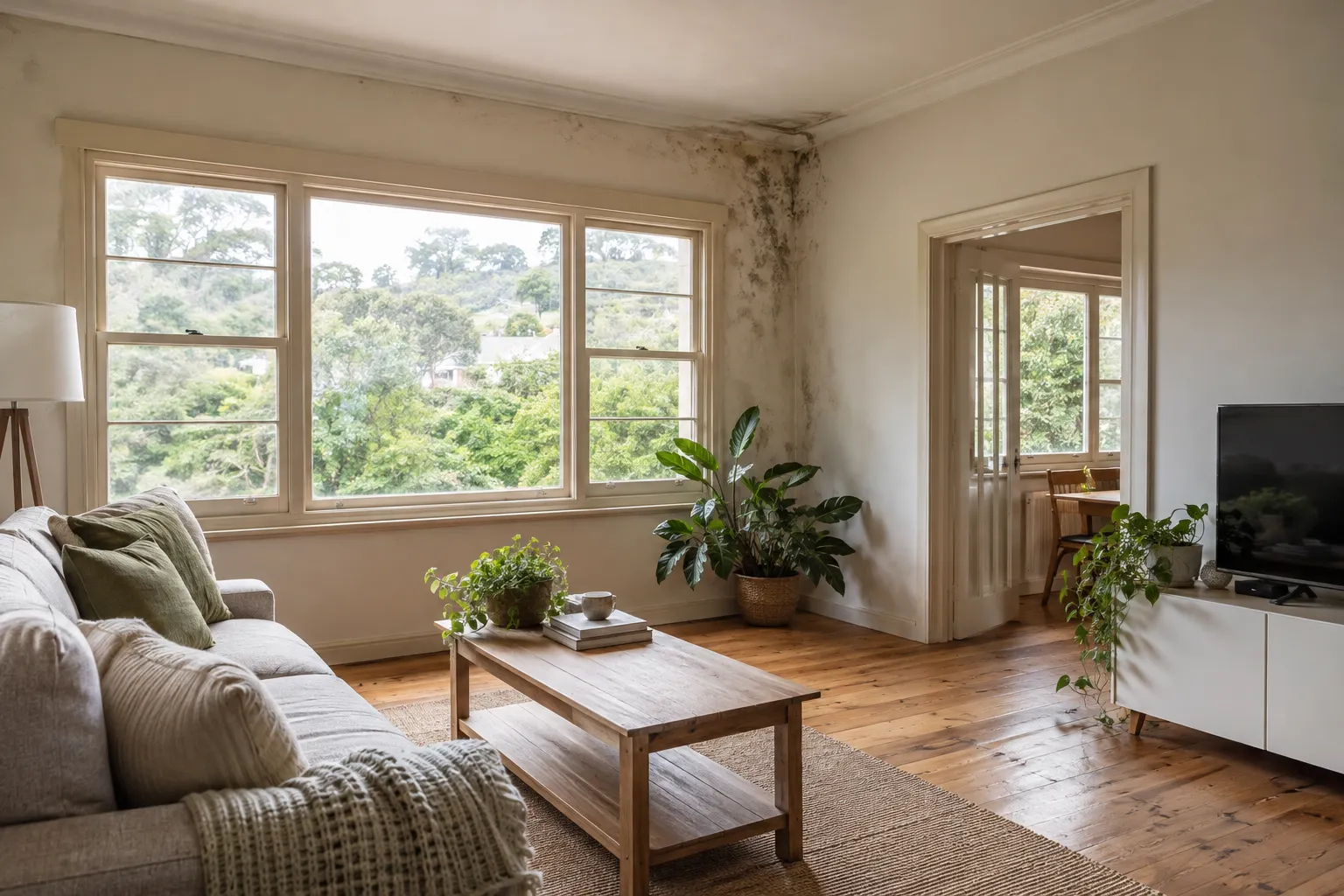
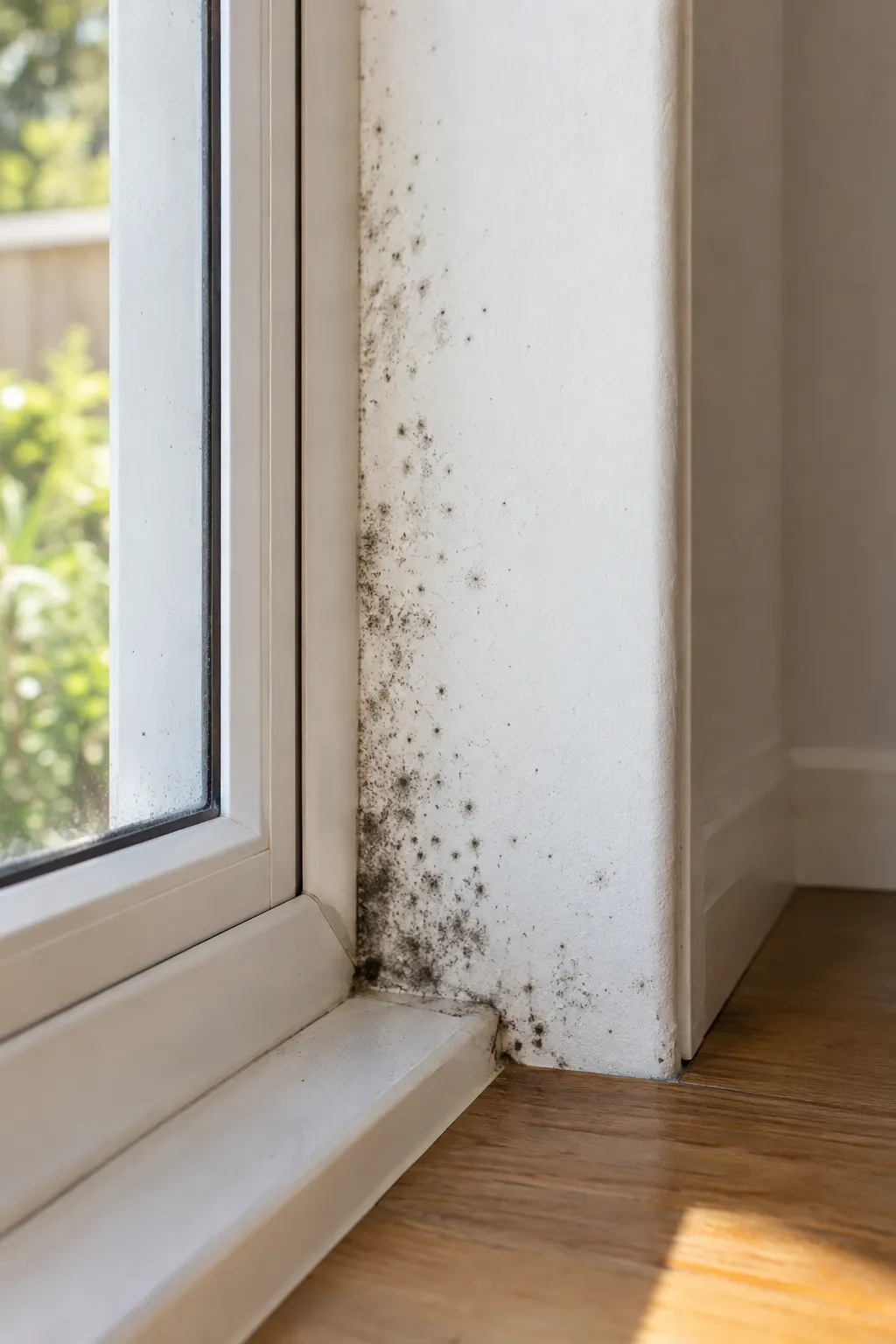
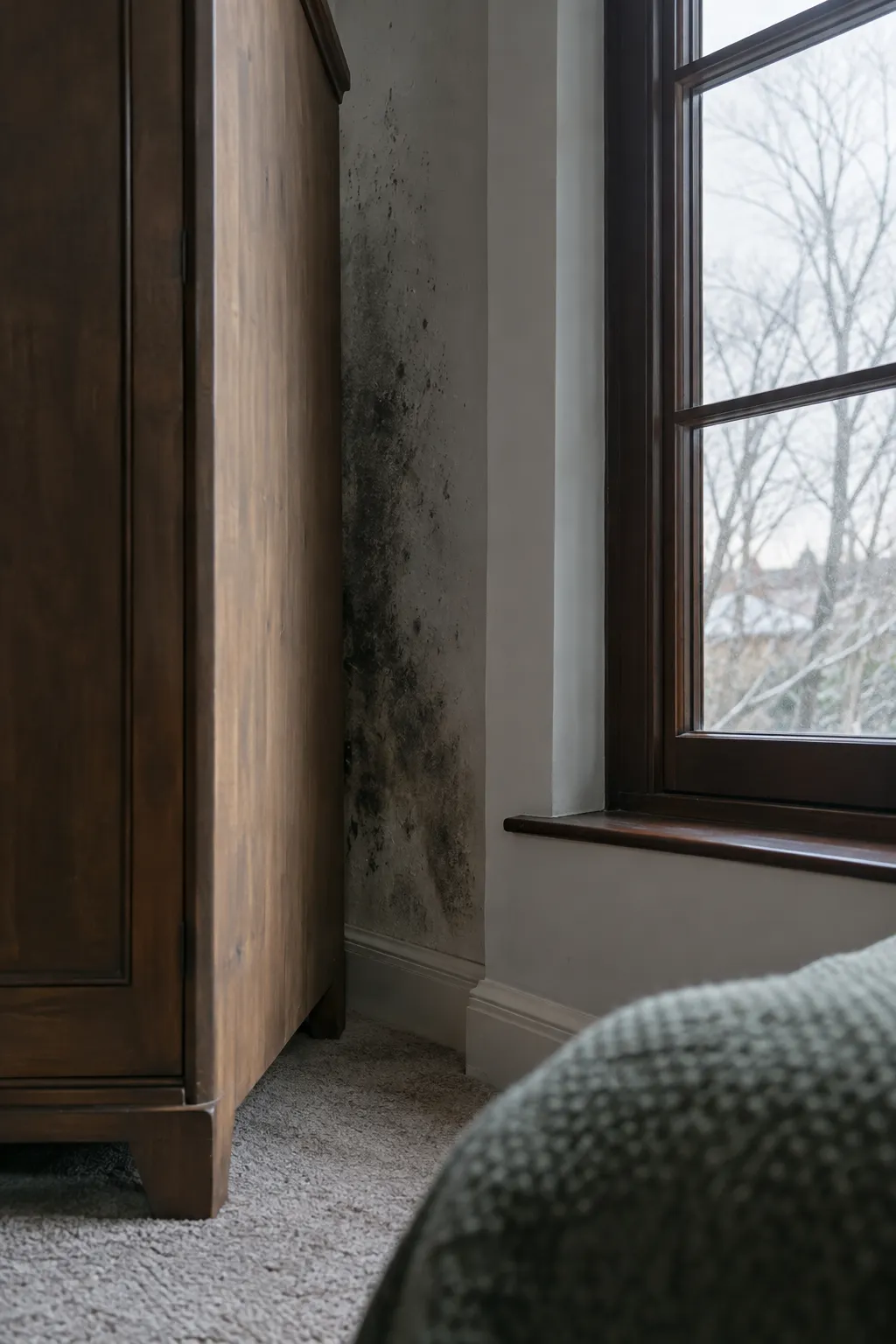
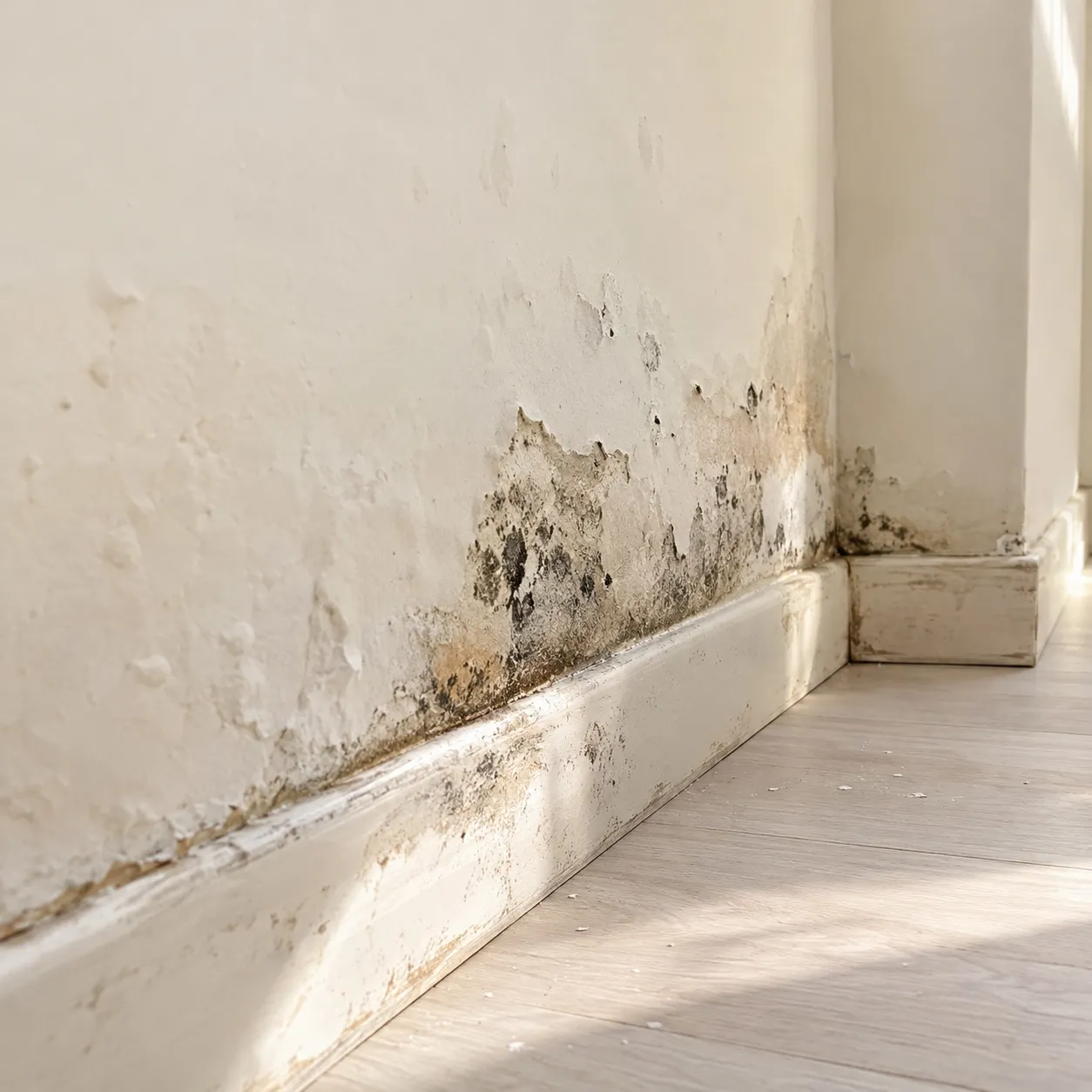
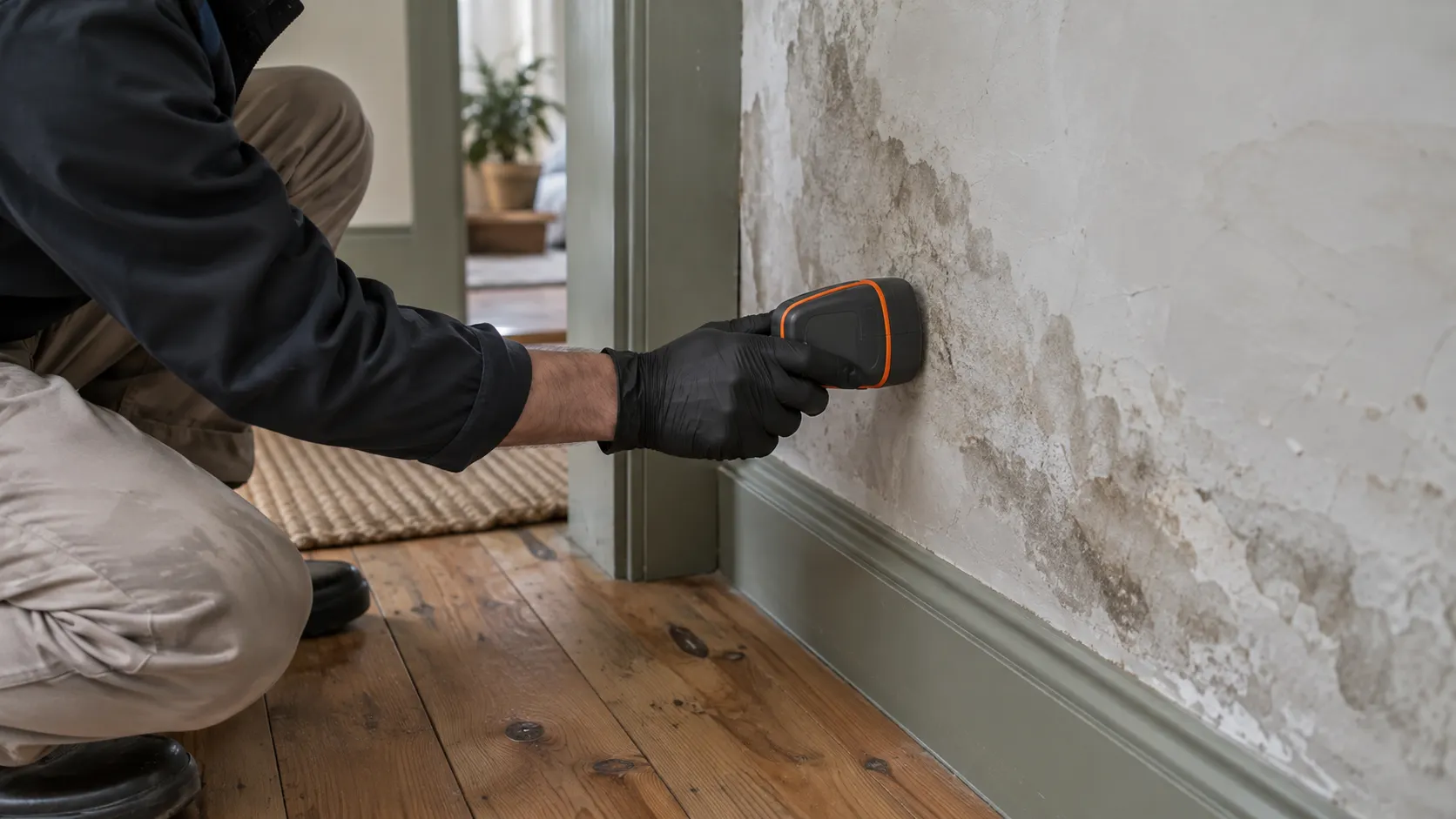
Show the lower room from floor level and identify the stain relative to fixed features. Mention distorted board, peeling paint or nearby fittings. Inspection can consider accessible evidence, while concealed pipes, waterproofing or structural concerns may require appropriate separate investigation and access.
UNDERSTANDING MOISTURE
Connect the observations.
Avoid a premature diagnosis.
Timing with upstairs use
Record whether the lower mark changes after showers, washing or other relevant activity. Keep ordinary observations factual without conducting improvised tests. A relationship in timing may justify source investigation, but cannot establish which concealed component is responsible.
Changes after repairs
Retain dates, work descriptions and photographs from before and after a repair. Water entry, drying and material replacement are different actions. A repaired fitting does not itself establish that the ceiling below is dry, sound or ready for decoration.
The overhead material
Describe softness, sagging or distortion without touching weakened board. Accessible checks have limits where the ceiling assembly remains closed. Removing visible growth cannot restore deteriorated material or certify the hidden space above the finish.
OUR REMOVAL PROCESS
Keep both rooms
in the work history.
Describe the upstairs position
A simple room relationship can clarify the enquiry without opening a concealed assembly. Include relevant water-use observations and any existing trade findings, while keeping unverified source assumptions out of the record.
Keep photographs across appointments
Use recognisable lower-room features and dates so changes can be compared after each repair. A new close image is most useful when the wider position remains clear.
Agree the repair responsibilities
Ask who is investigating the source and who will decide on deteriorated material. A removal appointment should have a defined role within that sequence rather than absorb every building concern by implication.
01
Clarify the lower surface scope
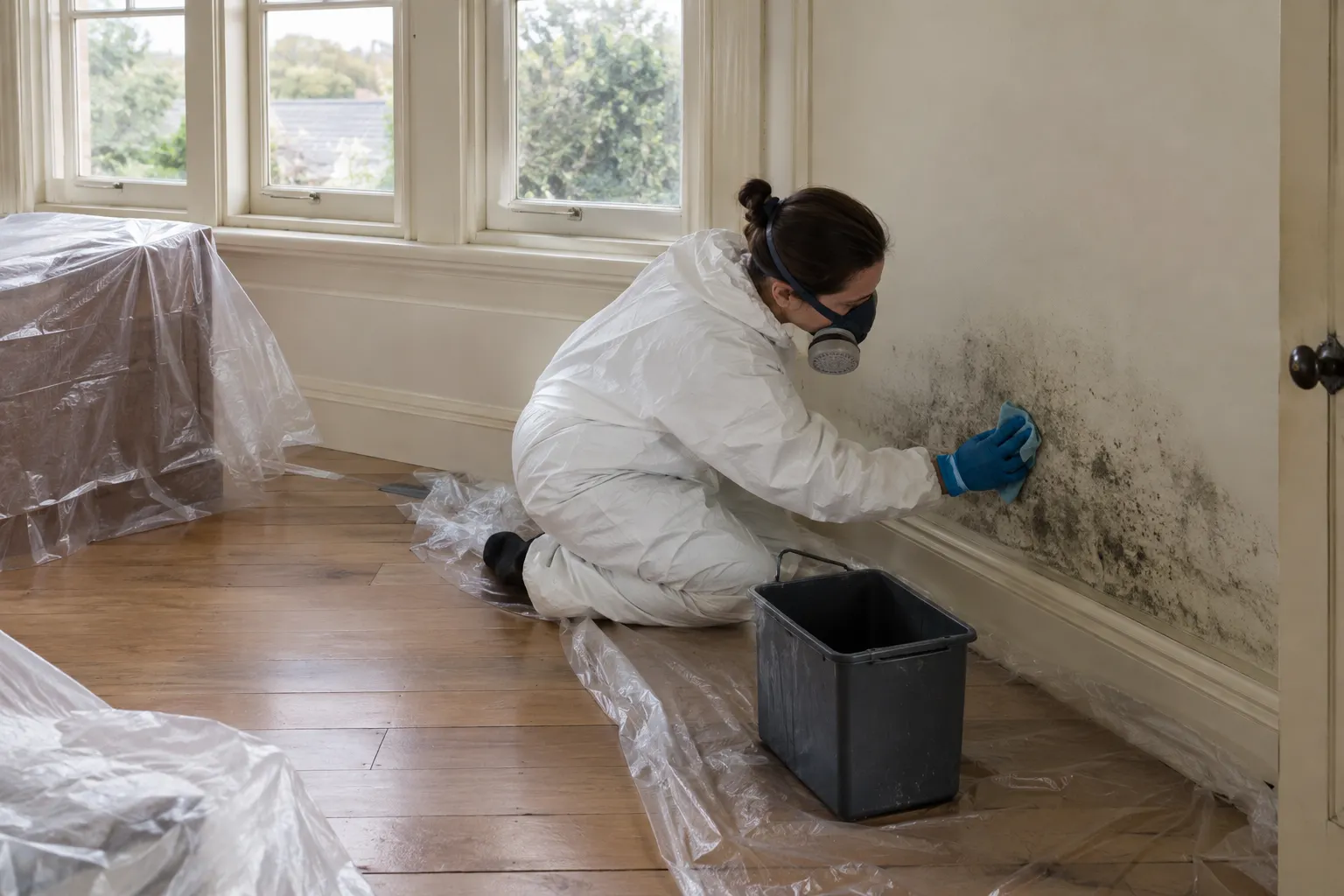
Describe the visible ceiling through mould removal, including height, extent and damaged sections. Identify unresolved source concerns above it. The proposed work should distinguish accessible growth from concealed inspection, plumbing or building repairs.
02
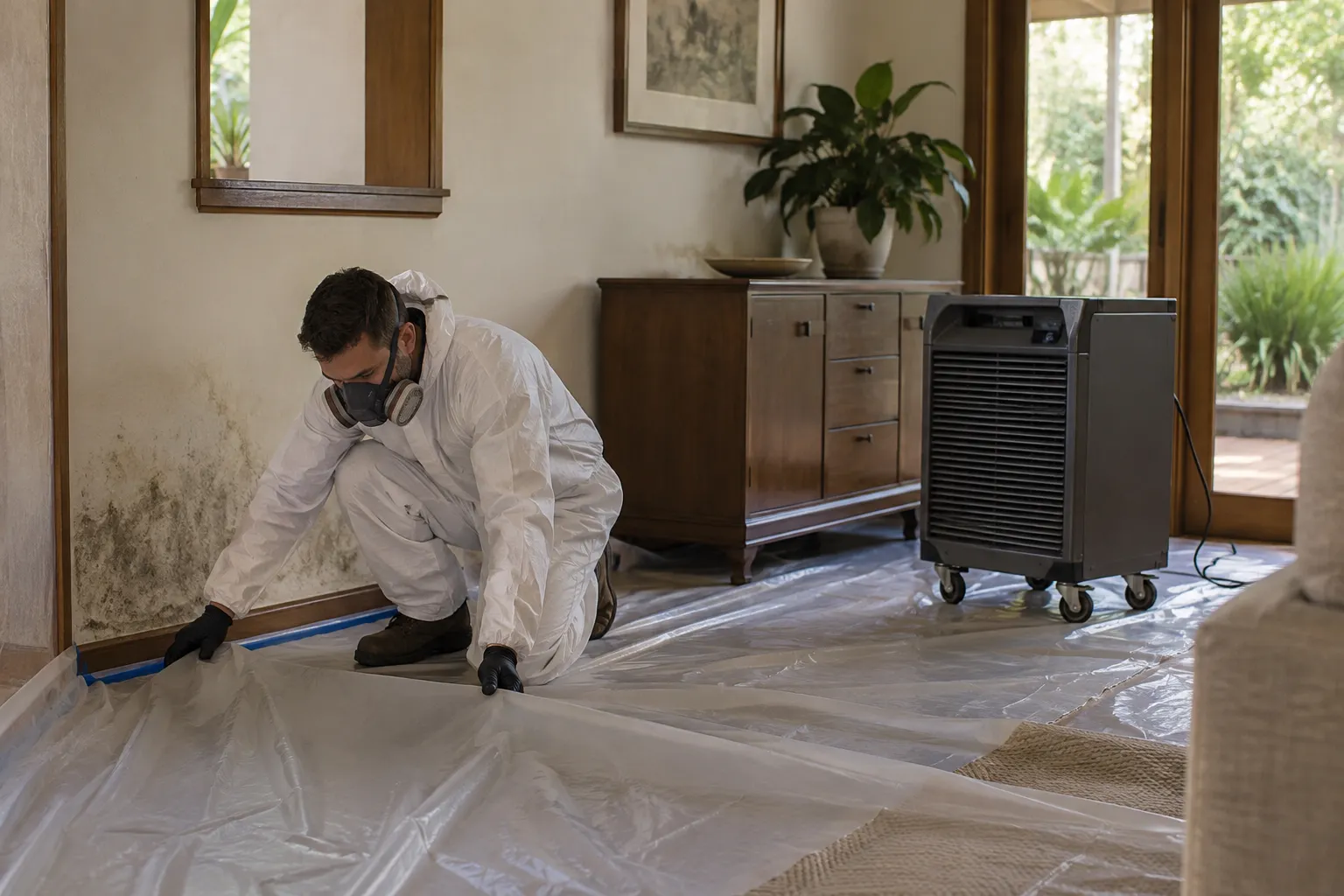
Plan ceiling access and protection
Explain furniture, fragile belongings and fittings beneath the patch. Agree what loose items should move and how the area will be protected. Do not open the ceiling, disconnect fixtures or climb onto furniture simply to prepare for photographs.
03
Review the wider sequence
Discuss treated surfaces, remaining stains and material decisions. Remediation connects removal with moisture and repairs, while the upstairs source and damaged board may need separate trades. Keep those actions identifiable after the accessible finish is addressed.
COMMON AREAS AFFECTED
Upstairs use.
Downstairs evidence.
The room above
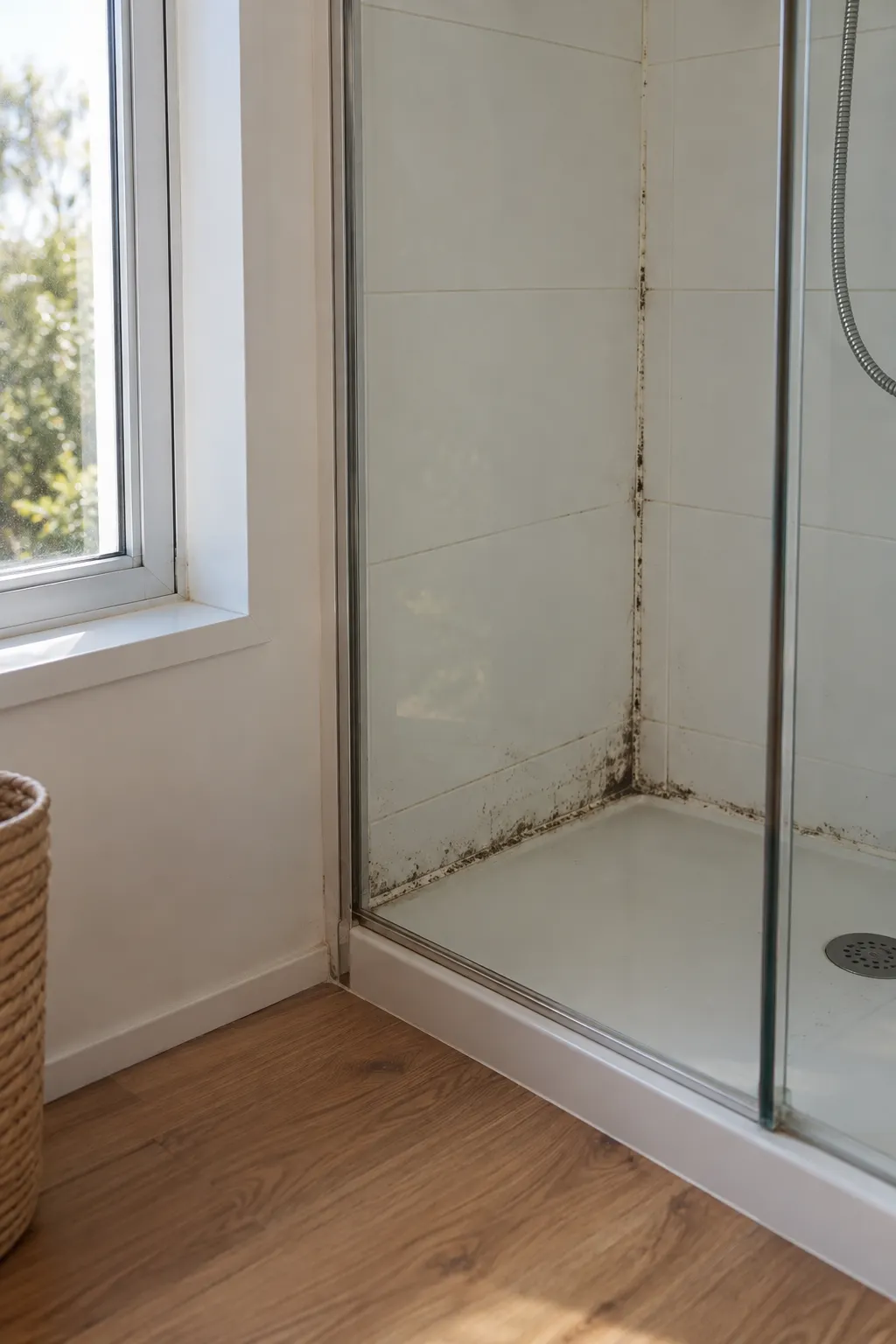
Report relevant shower or plumbing history without declaring it the confirmed cause of the lower mark.
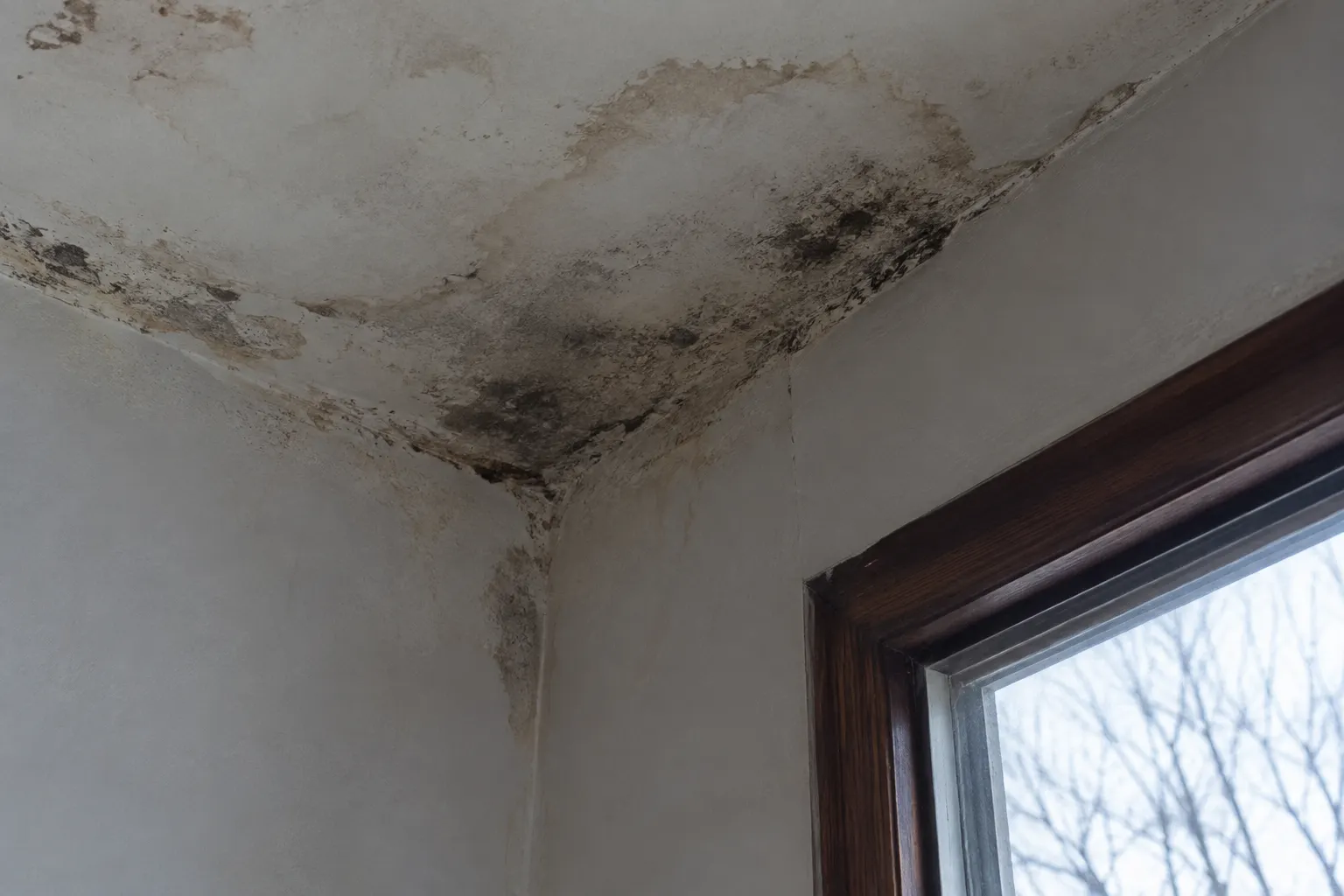
The affected finish
Record its extent and condition from a safe floor-level position.
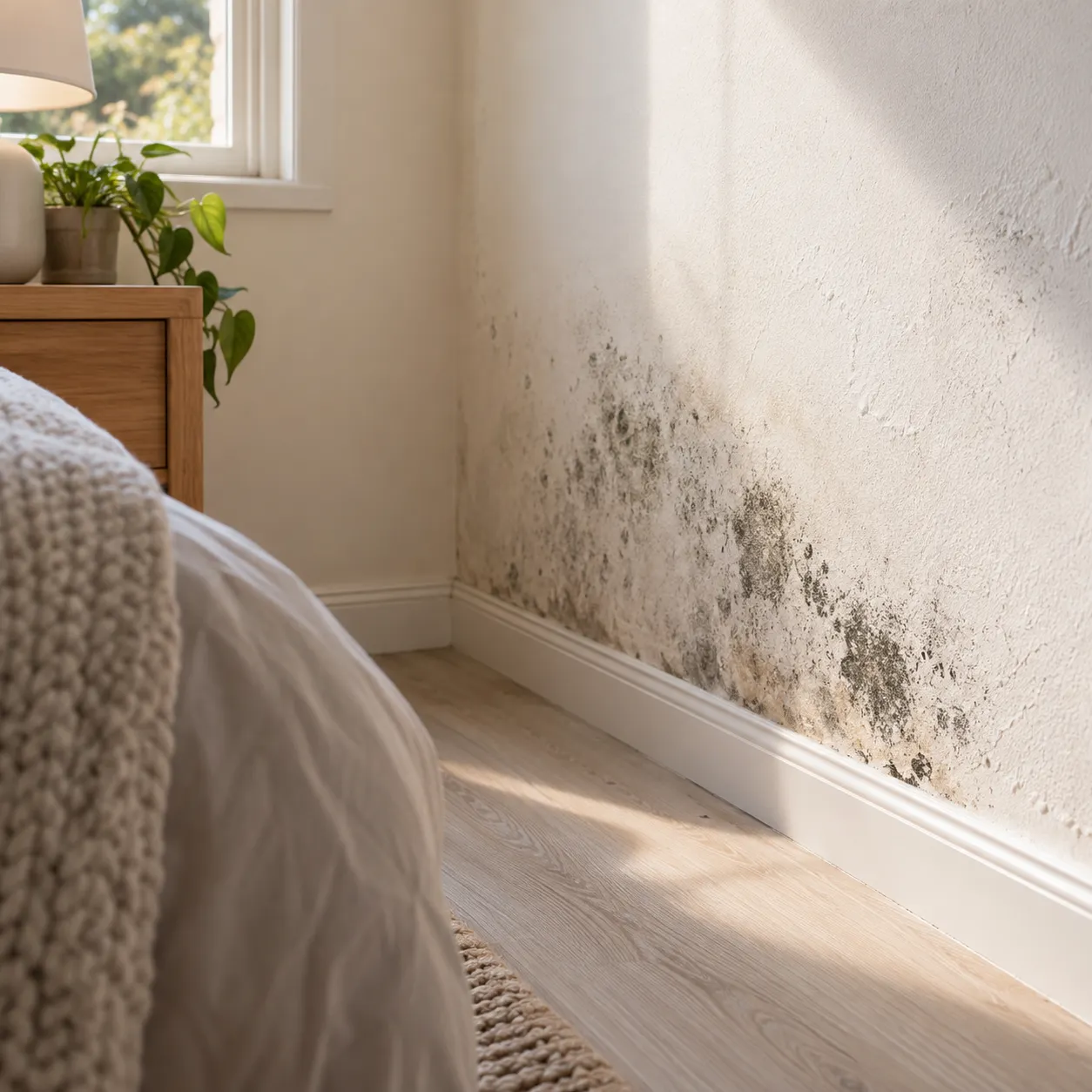
Adjoining lower walls
Note whether stains or growth continue beyond the ceiling junction into accessible paint.
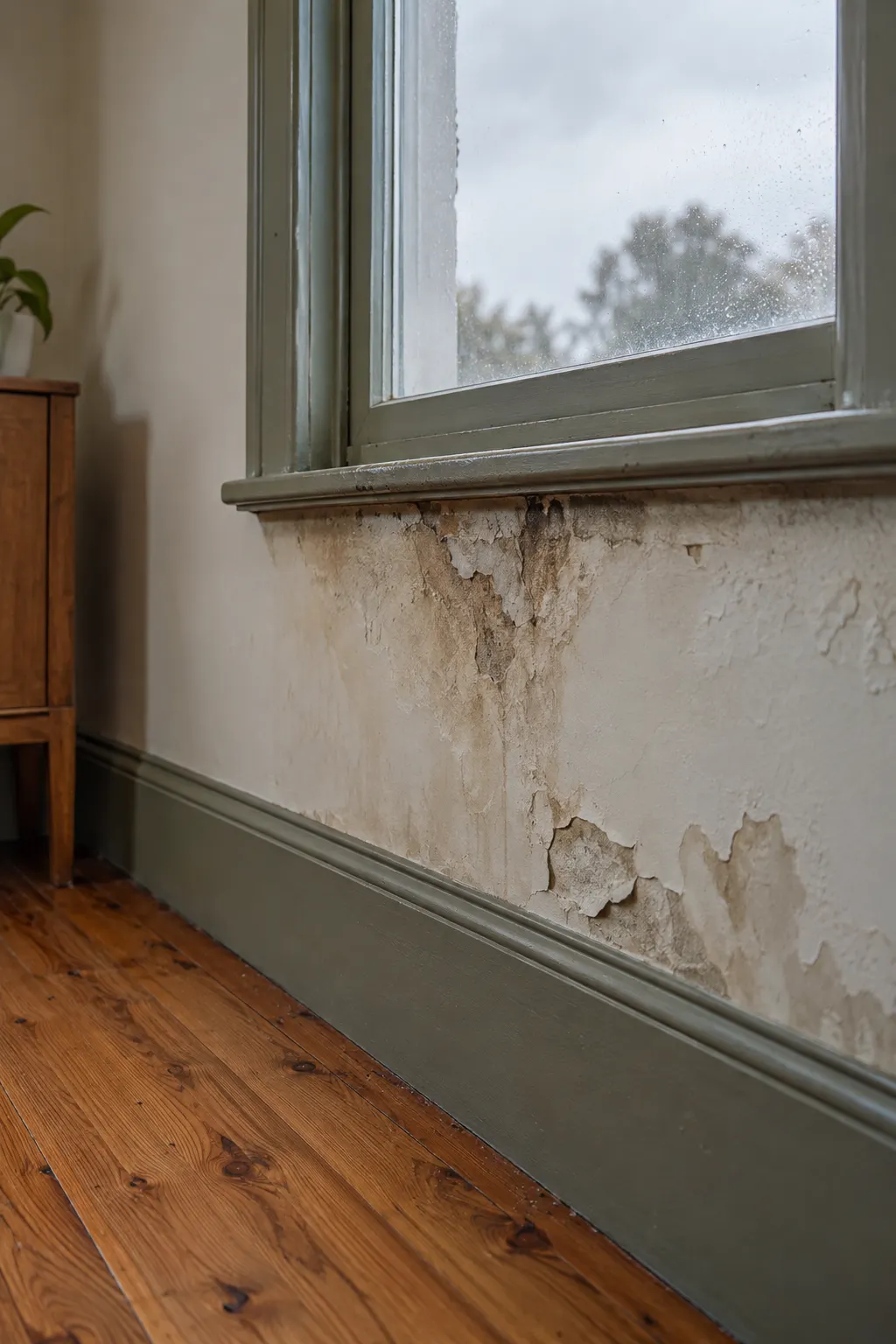
Deteriorated board
Repair or replacement may be needed after the source and drying questions are addressed.
PREVENTION STARTS WITH
Resolve the source.
Keep the lower room in view.
Follow comparable use after repairs
Retain ordinary-use observations and relevant repair dates. If the same lower-room mark changes again, share the new evidence with the appropriate source-investigation contact. Avoid assuming a cleaner appearance or completed fitting repair establishes every concealed material is resolved.
Discuss decoration last
Ask about drying and ceiling-board condition before covering the mark. A new coating cannot repair upstairs water entry or restore weakened plaster. Coordinate source work, material decisions and surface treatment so outstanding actions remain clear rather than disappear behind a finished-looking ceiling.
HEATHMONT & NEARBY
Heathmont and
connected local enquiries.
Explore the Ringwood guide and Croydon guide for nearby household questions. Give your Heathmont street, room relationship and ceiling access when confirming availability and the next step.
BEFORE YOU CALL
Questions below
an upstairs wet area.
Does a stain below a bathroom prove a pipe is leaking?
No. The room relationship is relevant context, but concealed plumbing or other sources need appropriate investigation before a specific cause is established.
Should a shower be run to test the mark?
Avoid improvised source testing. Record ordinary-use observations and arrange suitable investigation so another water event is not created merely for evidence.
Can surface removal repair weakened ceiling board?
It does not restore material strength. Explain distortion or softness when calling; building assessment or replacement may need separate arrangements.
Does a completed plumbing repair mean the lower ceiling is dry?
Not automatically. Drying and material condition have their own assessment needs, especially where earlier water damage remains visible.
Should the ceiling be opened for photographs?
Do not disturb a concealed assembly simply for a surface enquiry. Floor-level images and existing trade reports can support the initial conversation.
Which records help coordinate several trades?
Keep source reports, repair dates, drying work and dated lower-room photographs together. Confirm each outstanding action and its responsibility separately from surface removal.
TELL US WHAT YOU CAN SEE
Explain above and below.
Discuss the sequence.
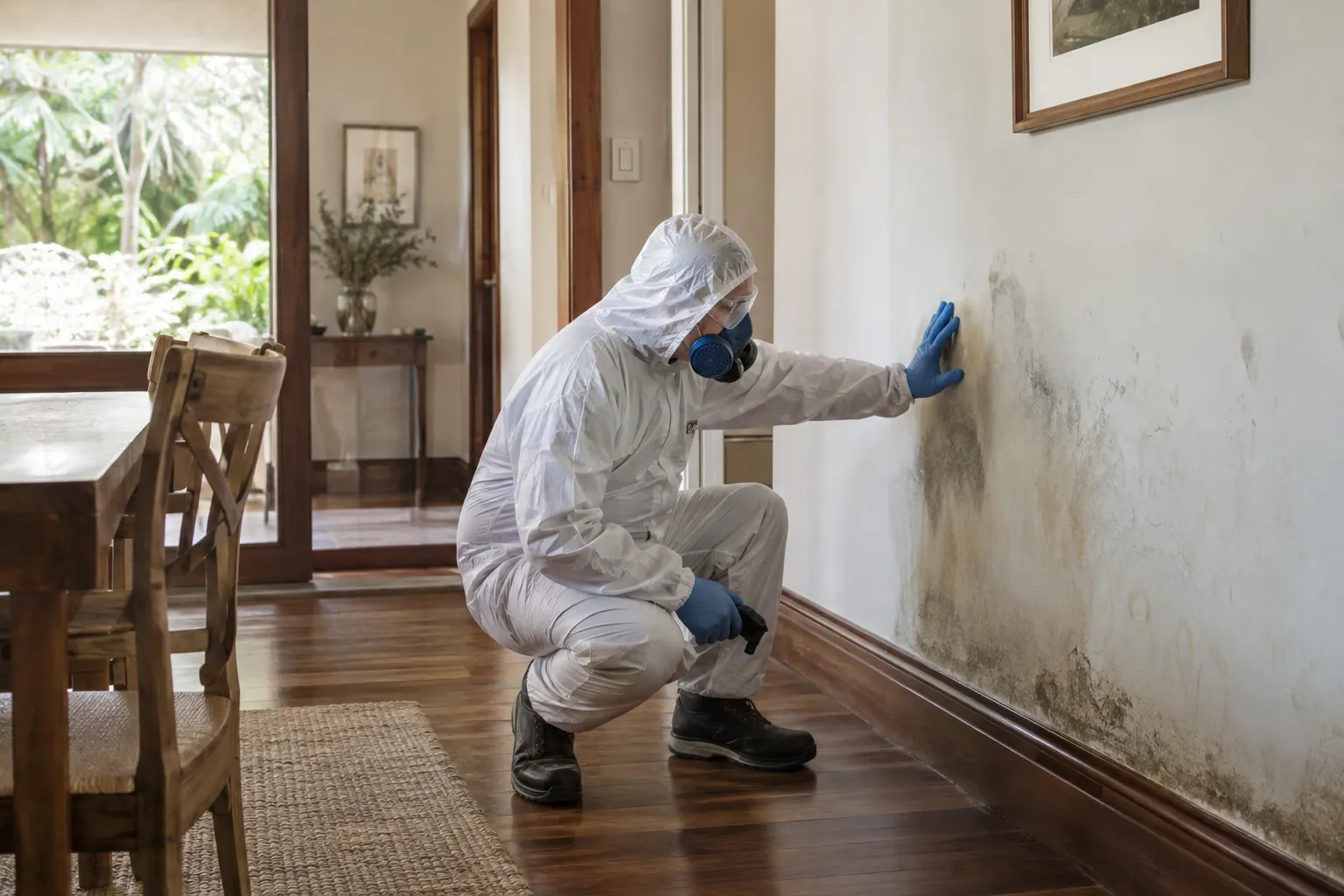
Call 03 8652 1296 with your Heathmont address, ceiling photographs and repair history. Discuss accessible assessment and the remaining moisture or material questions.
Local context: Maroondah locality information