
OPENING · WEATHER · SURFACE
RINGWOOD · MELBOURNE
Mould Removal Ringwood
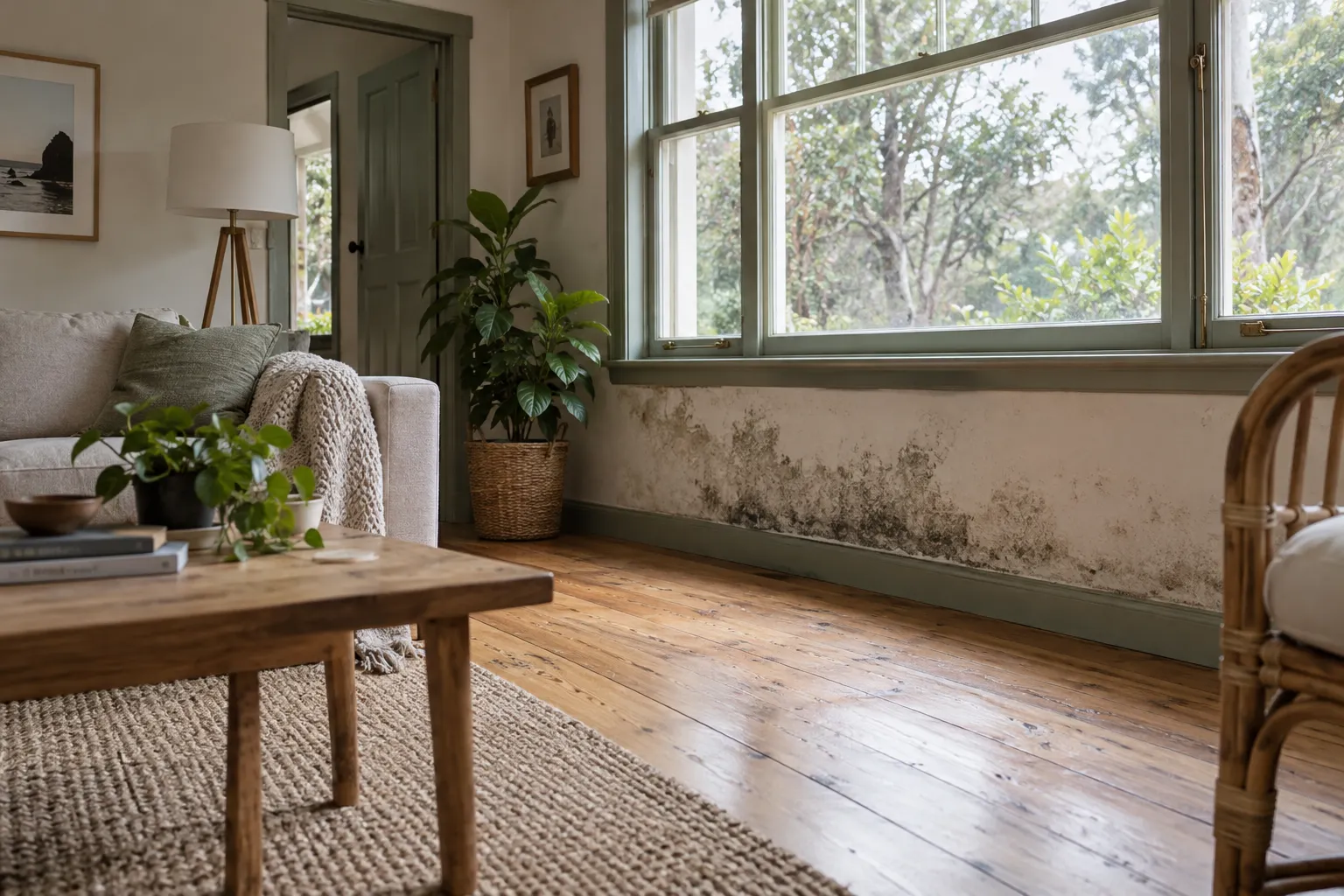
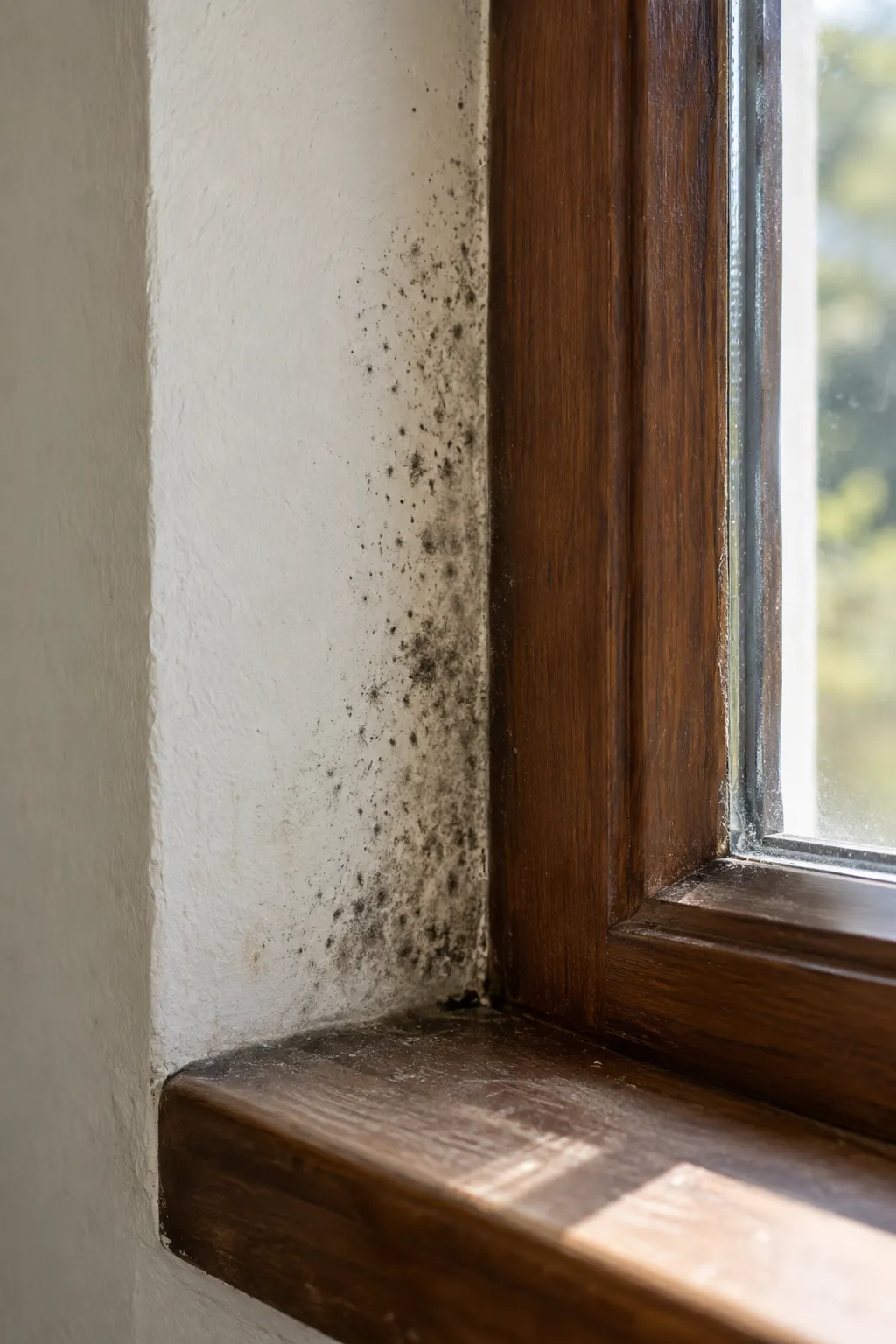
A balcony-door corner can bring indoor condensation and weather-related questions into the same enquiry. If mould appears beside an opening in Ringwood, describe exactly where water is seen and how the adjoining floor or wall has changed. Keep those observations separate.
Opening and finish distinguished
Weather timing recorded
Indoor access scope clear
THE ROOM TELLS A STORY
Beside the door.
At the room’s edge.
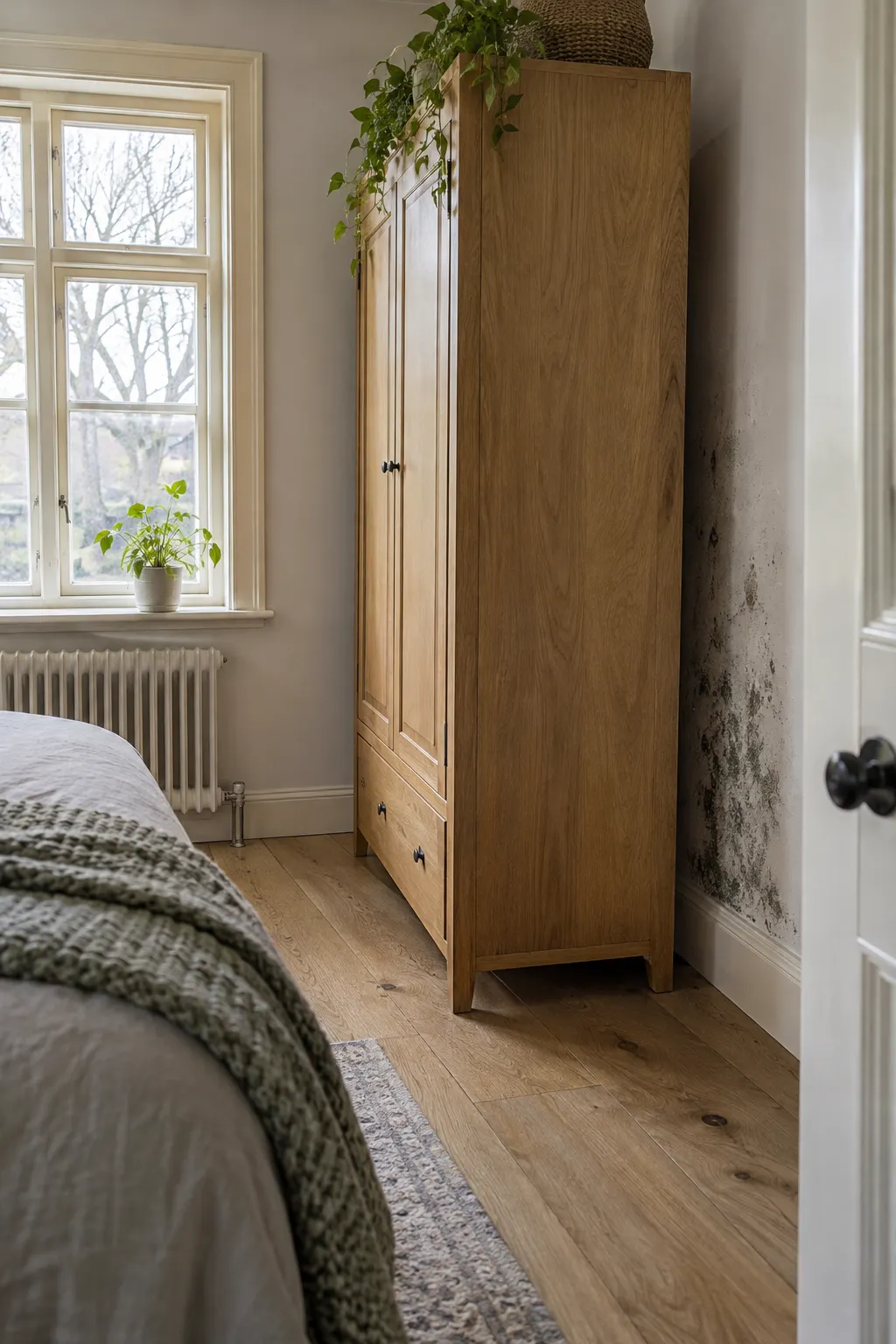
Ringwood is included in Maroondah’s locality information. For an opening onto a balcony, identify whether growth is on painted plaster, trim or another adjoining material. Describe the door arrangement and accessible corner without assuming the opening, balcony or whole building has the same condition as the visible patch.
Record ordinary droplets separately from water appearing after rain. Keep repair correspondence where external or shared building elements are involved. An accessible inspection can consider indoor evidence, while balcony drainage, weatherproofing or facade repairs may require separate investigation and access.
UNDERSTANDING MOISTURE
Two water patterns.
One clear record.
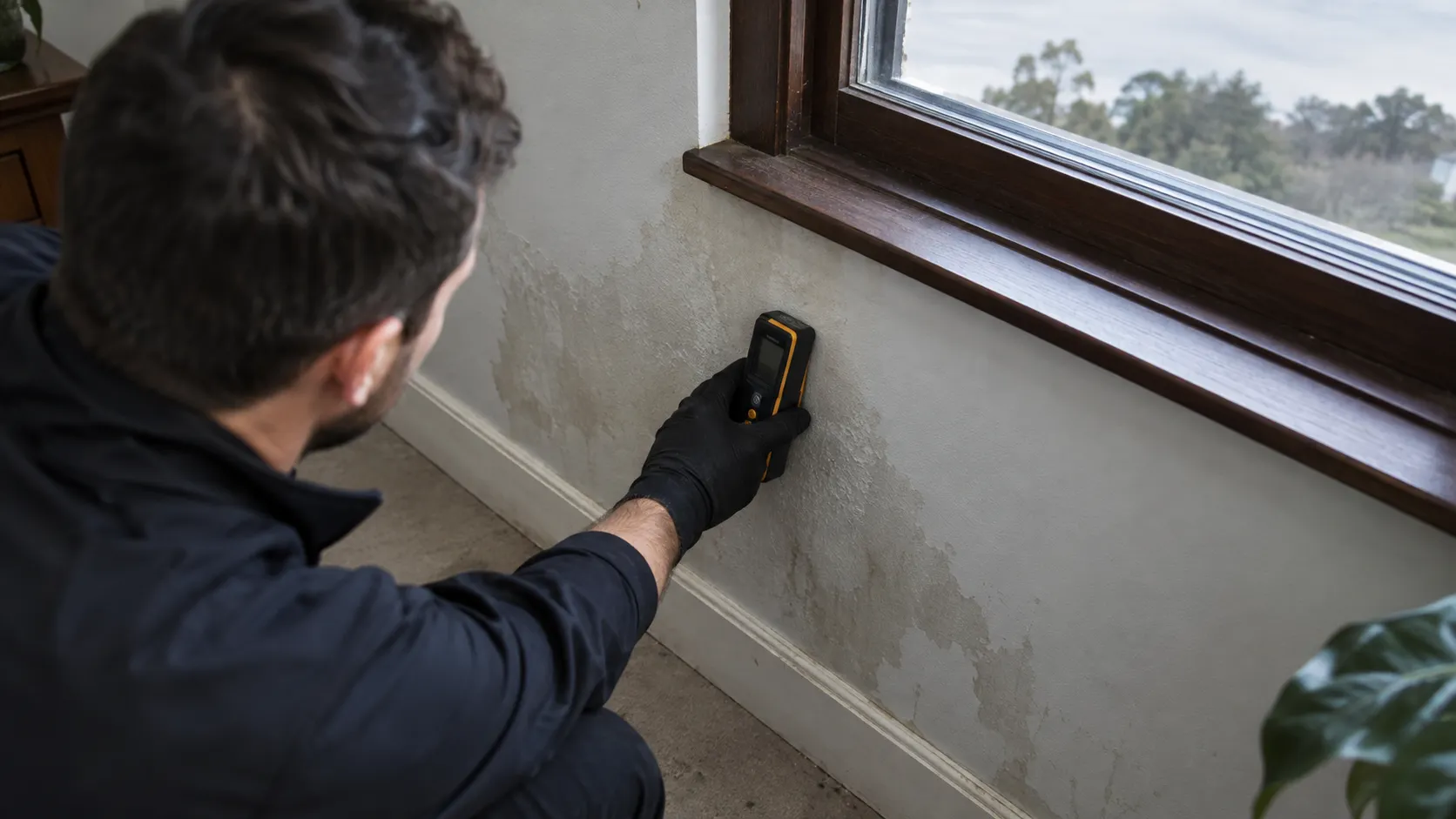
Water during normal use
Notice condensation on glazing and whether it reaches a frame, track or adjacent finish. Record the time and drying pattern. Moisture at an opening deserves context, but its appearance alone cannot establish that an external building fault is responsible.
Changes during weather
If the corner becomes wet after rain, retain dated views and describe the observed location. Do not conduct improvised water tests or enter restricted exterior areas. Relevant building or repair contacts may need that evidence to investigate the source appropriately.
Wall and floor consequences
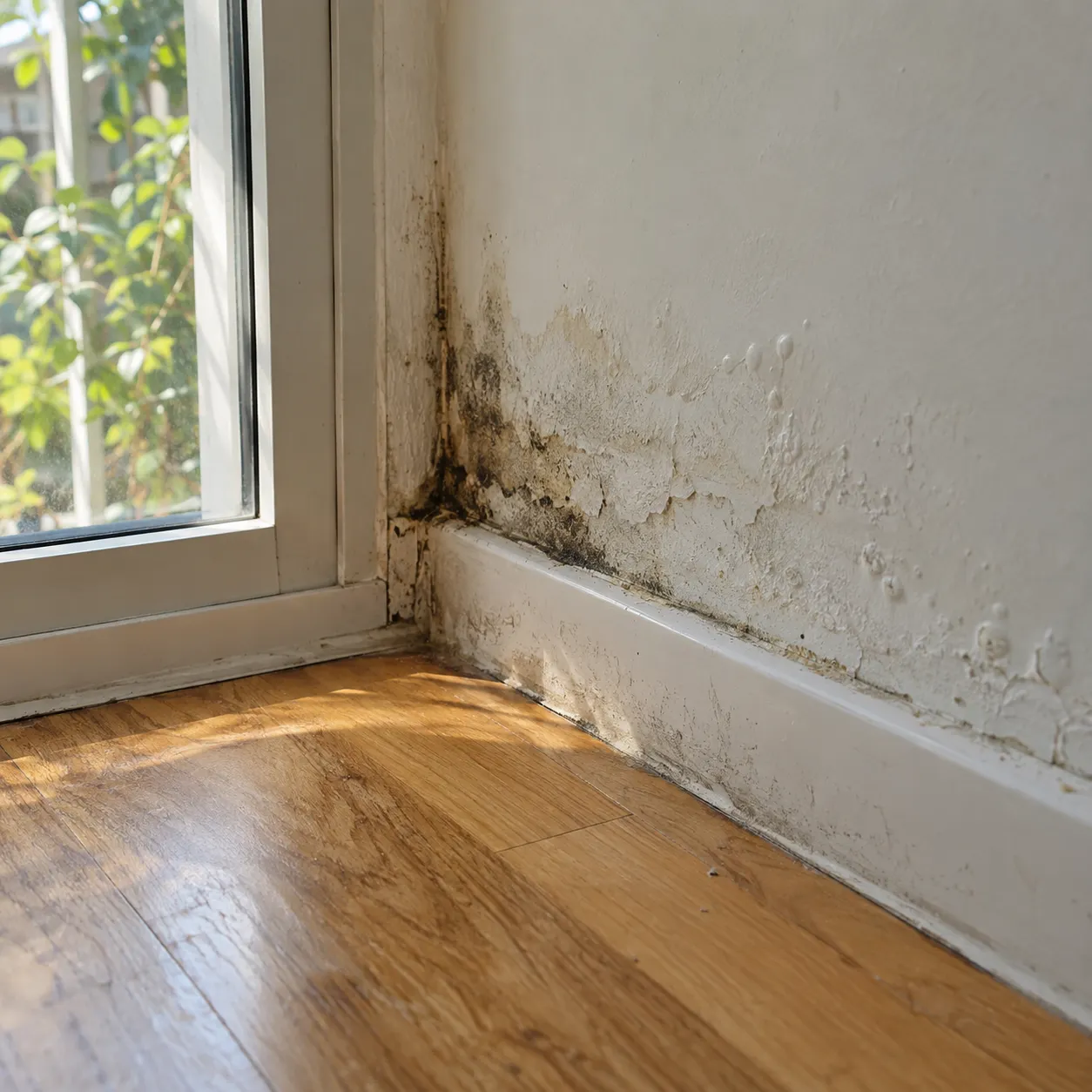
Peeling paint, softened plaster or swelling near the doorway may need material decisions. Accessible assessment cannot certify concealed framing or waterproofing. A cleaner indoor surface does not demonstrate that the door assembly, drainage or building envelope has been repaired.
OUR REMOVAL PROCESS
Keep the indoor task
and external questions distinct.
Show the opening in context
Include a wider room image and close visible views of the affected corner. Identify the relationship to the doorway and floor without needing unsafe exterior access.
Keep weather evidence dated
Write down the rain event and observed change, separately from routine glazing droplets. This distinction can prevent two different moisture patterns being combined into an unsupported single cause.
Retain building communications
Keep relevant repair requests, reports and dates. Explain what was actually completed and what remains outstanding, particularly where several property or trade contacts have been involved.
01
Describe the surface scope
Identify visible indoor growth through mould removal, including the materials and reachable extent. Mention external repair concerns without assuming they are part of the same service. The work boundary should remain clear around the opening.
02
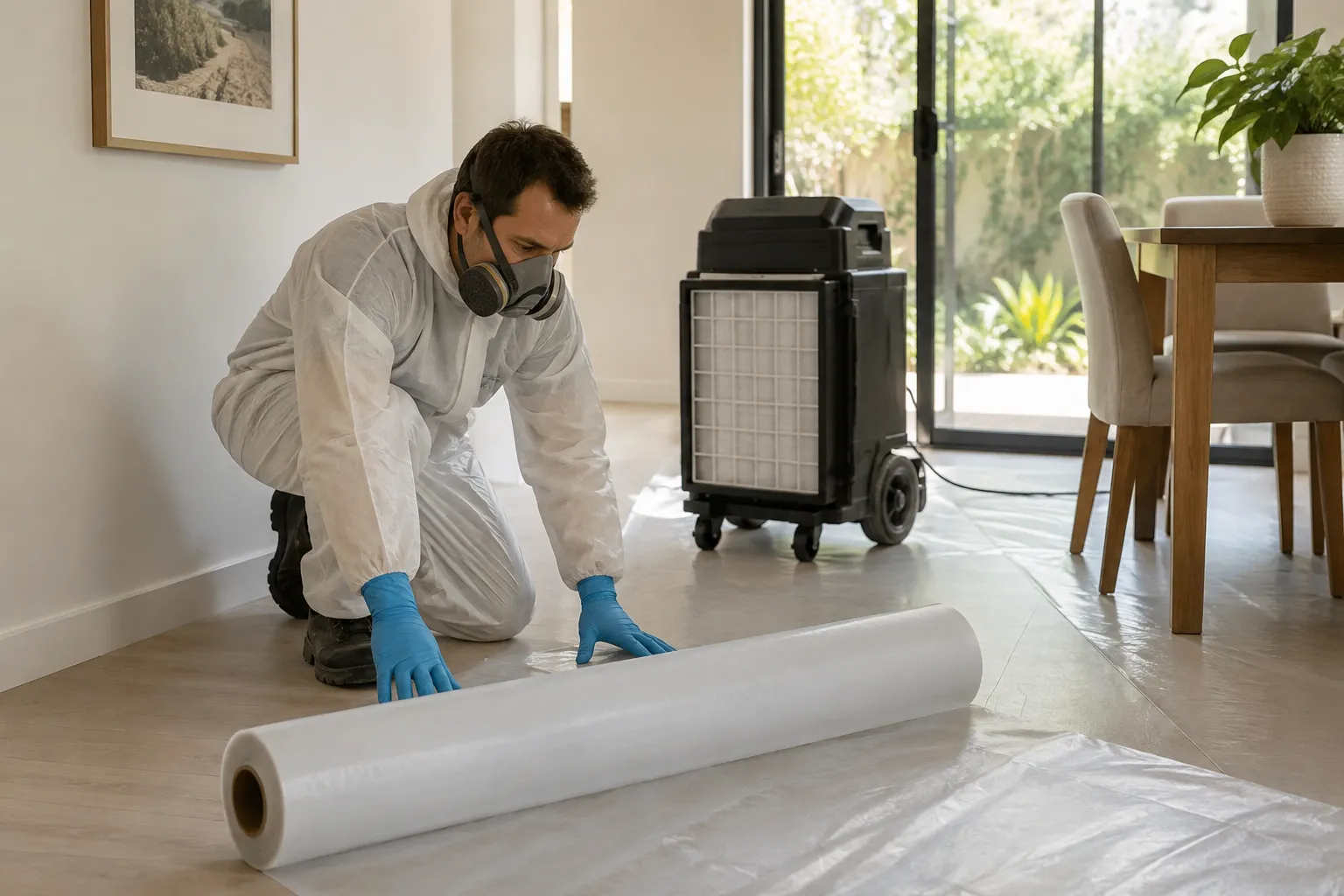
Agree doorway access
Discuss furniture, fixed coverings and the route into the room. Explain any building access arrangements and protection needs. Do not dismantle tracks or seals, move heavy glazing components or remove coverings simply for an ordinary surface photograph.
03
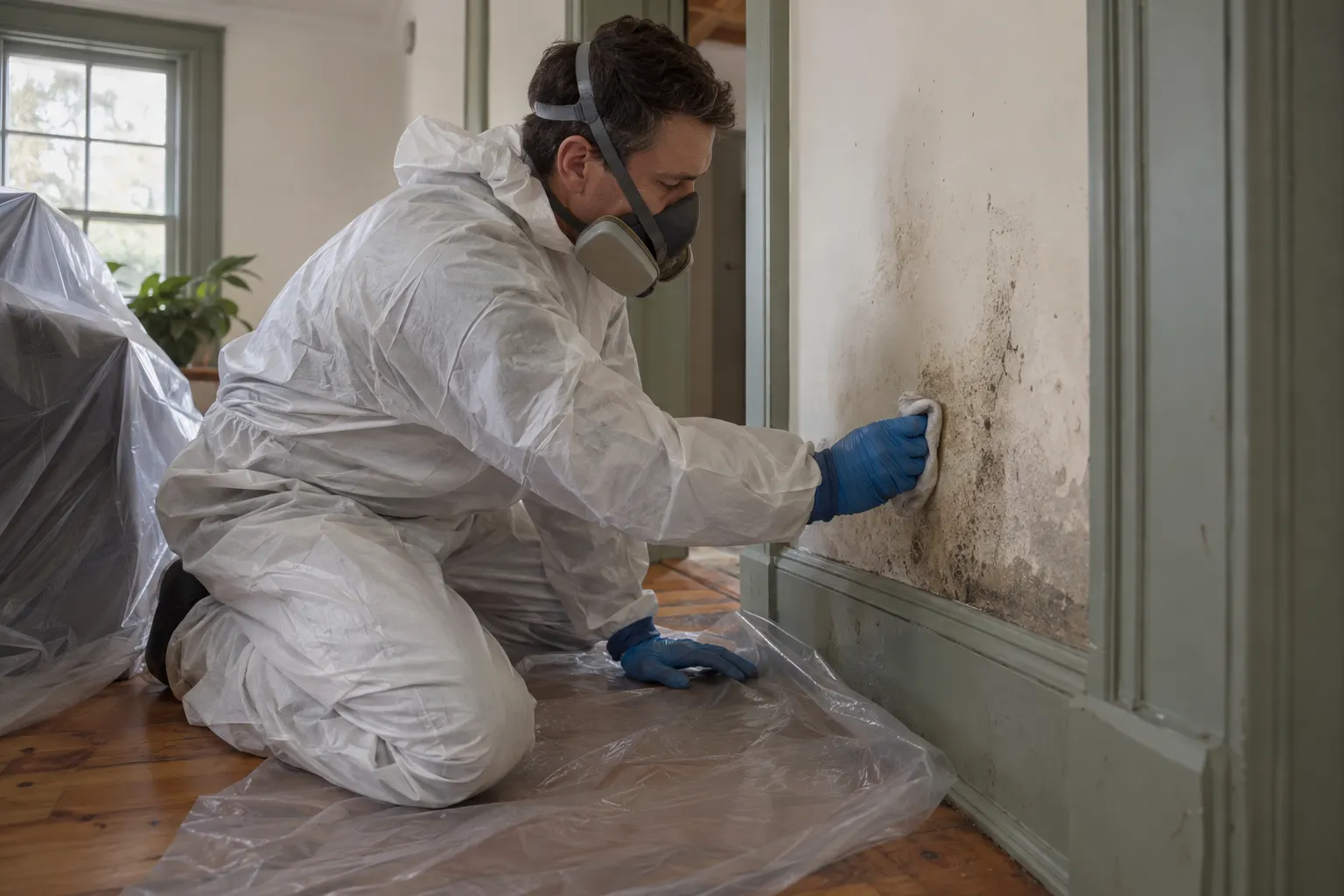
Coordinate the follow-up
Review remaining indoor stains and material concerns. Remediation connects removal with moisture decisions, while balcony or opening repairs remain separate responsibilities. Keep outstanding actions visible even when the accessible room finish looks improved.
COMMON AREAS AFFECTED
The doorway
and adjoining finishes.
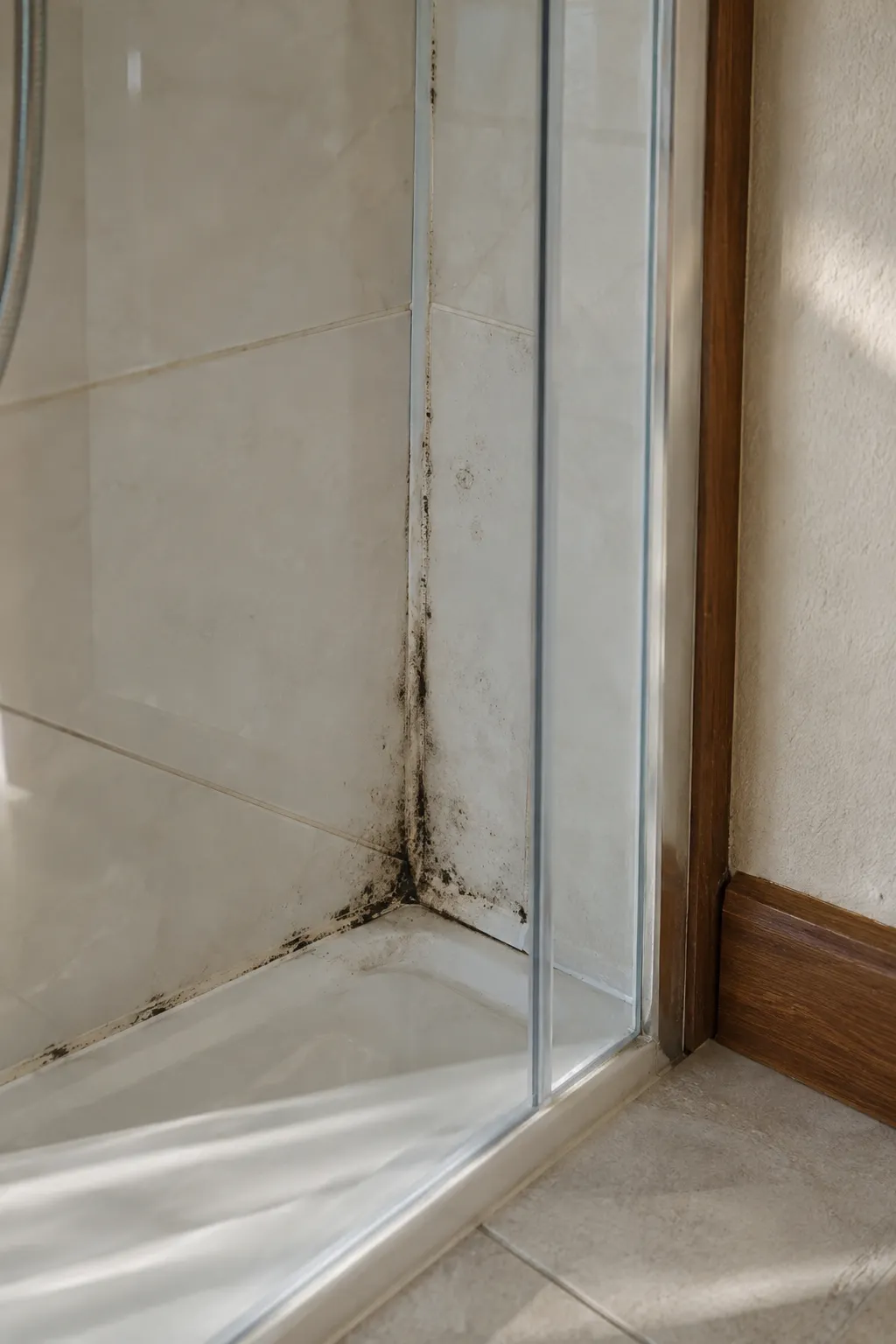
A separate indoor source
Report wet-room moisture as context where relevant, without assigning the doorway an identical cause.
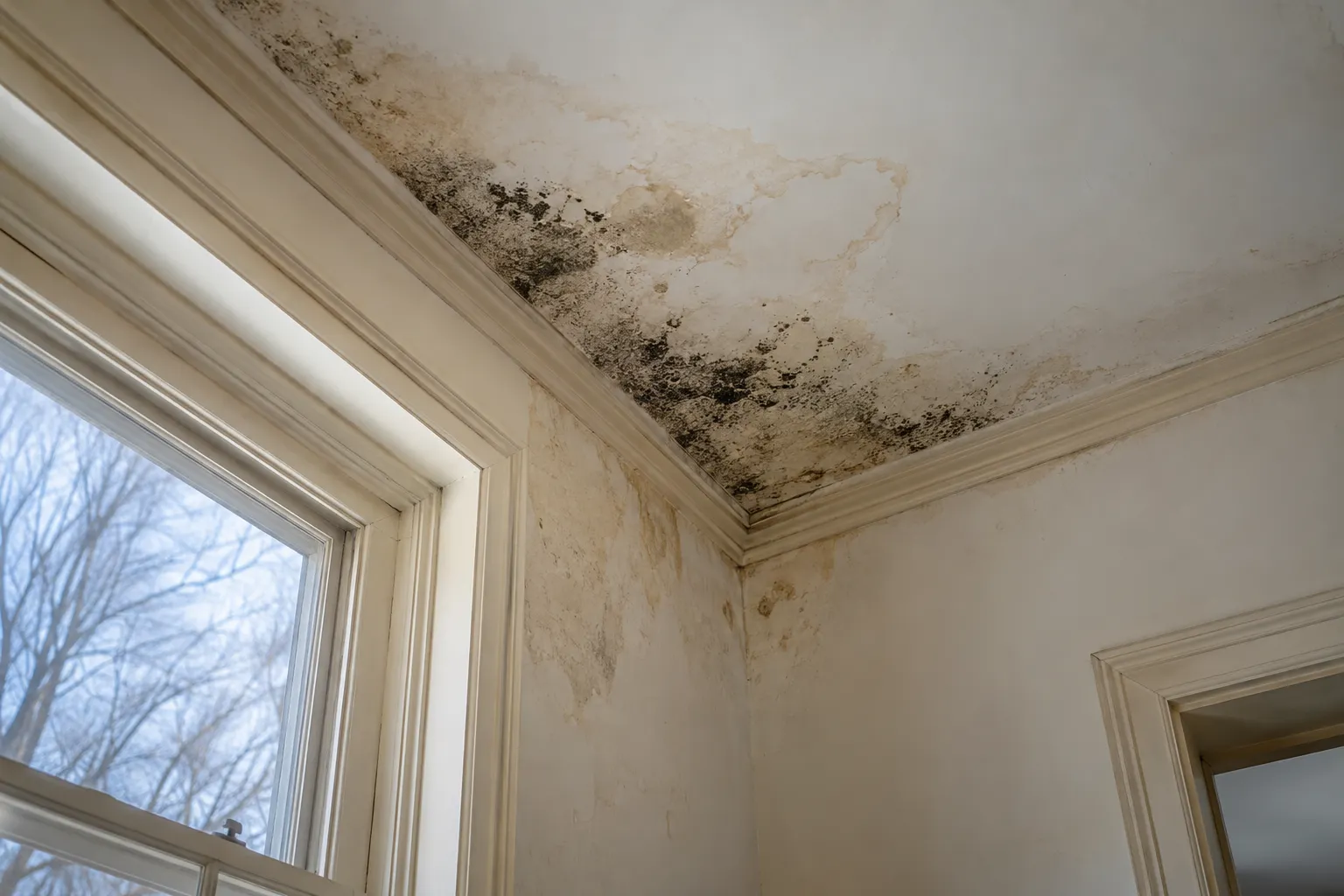
Marks above the opening
Note staining or growth at the upper junction and its relationship to weather events.
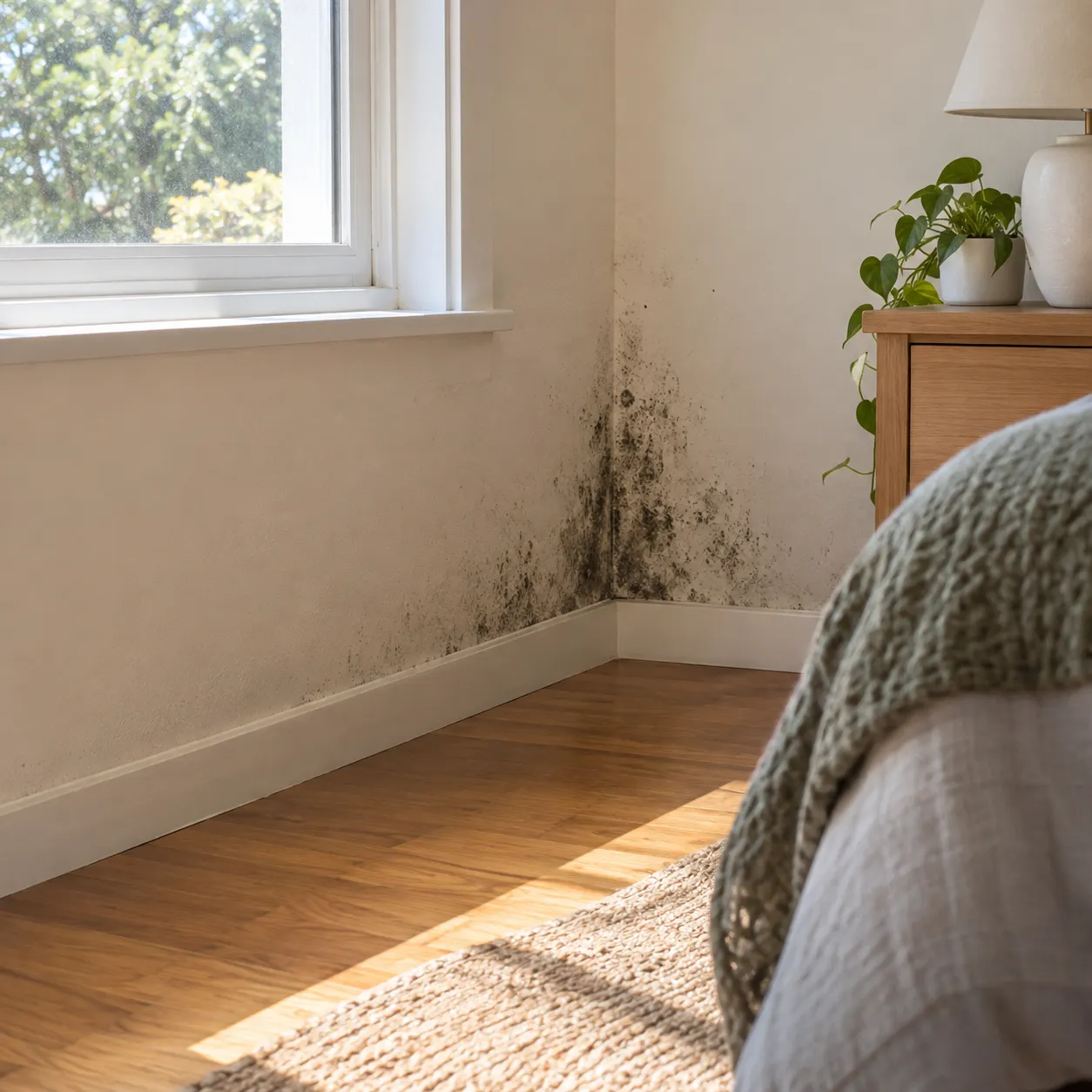
Indoor corners
Describe accessible paint, plaster and trim beside the door individually.
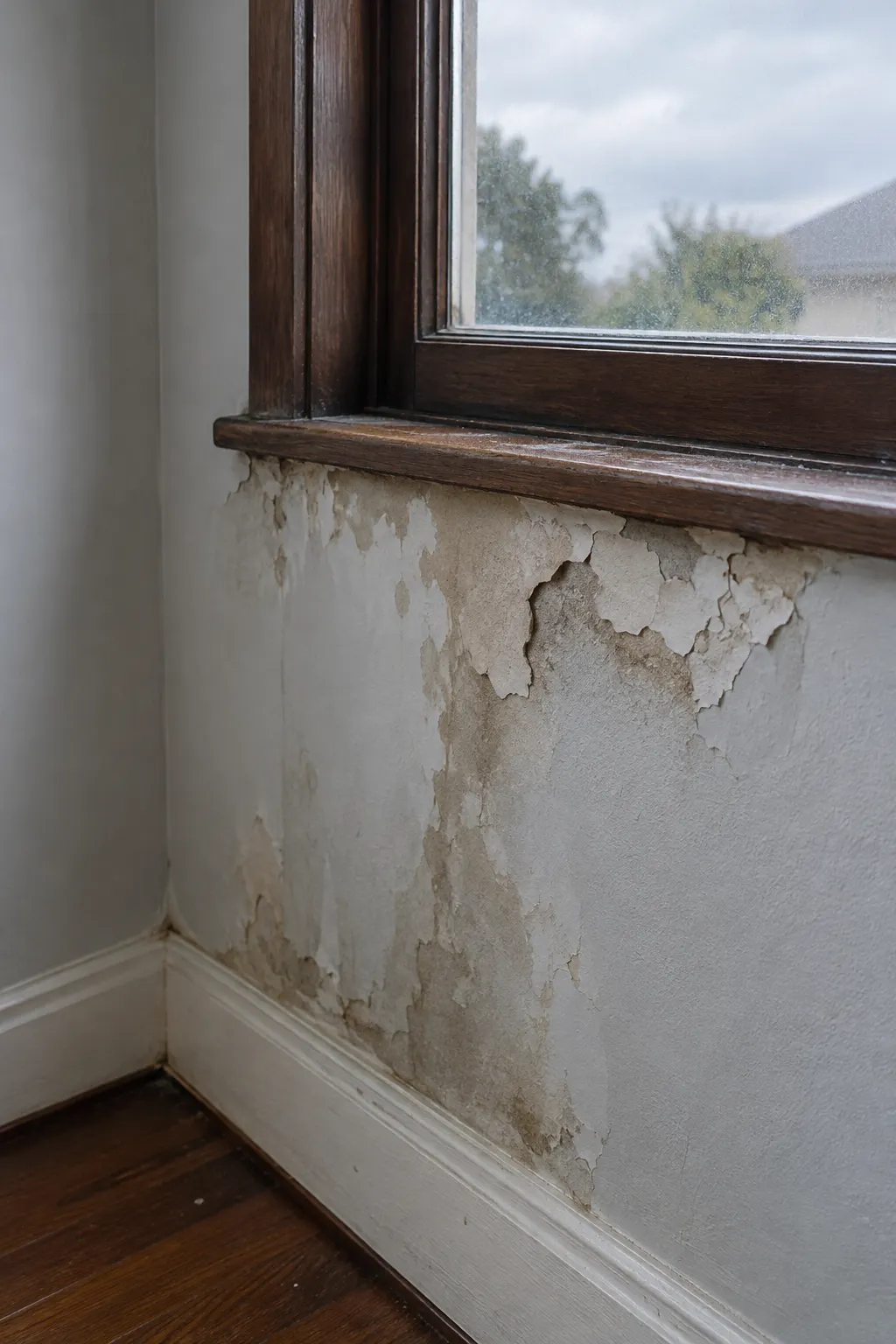
Deteriorated edges
Damage at wall or floor junctions may need repair after the water question is addressed.
PREVENTION STARTS WITH
Watch the next event.
Keep repairs connected.
Record rather than repeatedly test
Compare normal-use condensation with relevant weather observations from a safe position. Keep the same recognisable corner in dated photographs. If water continues to enter, refer the evidence to the appropriate building or repair contact rather than improvising tests or assuming surface removal sealed the opening.
Avoid covering a wet junction
Discuss drying and the state of damaged material before repainting or restoring floor finishes. Room ventilation can assist indoor moisture control, but does not renew weatherproofing or drainage. Clear responsibility for source repairs matters alongside the accessible removal scope.
RINGWOOD & NEARBY
Ringwood and
connected local guides.
Explore the Heathmont guide and Mitcham guide for nearby household enquiries. Give your Ringwood street, opening arrangement and weather observations when confirming availability and access.
BEFORE YOU CALL
Questions at
a balcony doorway.
Does wetness beside the door prove balcony waterproofing failed?
No. Record the location and timing, then seek appropriate source investigation. An indoor appearance cannot establish the concealed condition or specific defect.
Can surface removal repair door seals or drainage?
Those are separate building or trade questions. The indoor accessible scope should not imply repair or certification of the opening or balcony assembly.
Should I conduct a water test before calling?
Avoid improvised testing. Dated observations from ordinary weather events and existing repair reports can support the initial enquiry without creating another water problem.
What if common property may be involved?
Coordinate with the relevant building contact and retain communications. A surface appointment does not determine responsibility for external or shared components.
Can damaged flooring be restored during removal?
Discuss its material and condition separately. Surface work does not automatically include drying, repair or replacement of an affected floor assembly.
Which photographs explain the doorway best?
Show the full indoor opening and the visible corner, including adjoining finishes. Keep condensation and weather-related dates distinct without seeking unsafe exterior views.
TELL US WHAT YOU CAN SEE
Explain the opening.
Describe the water timing.
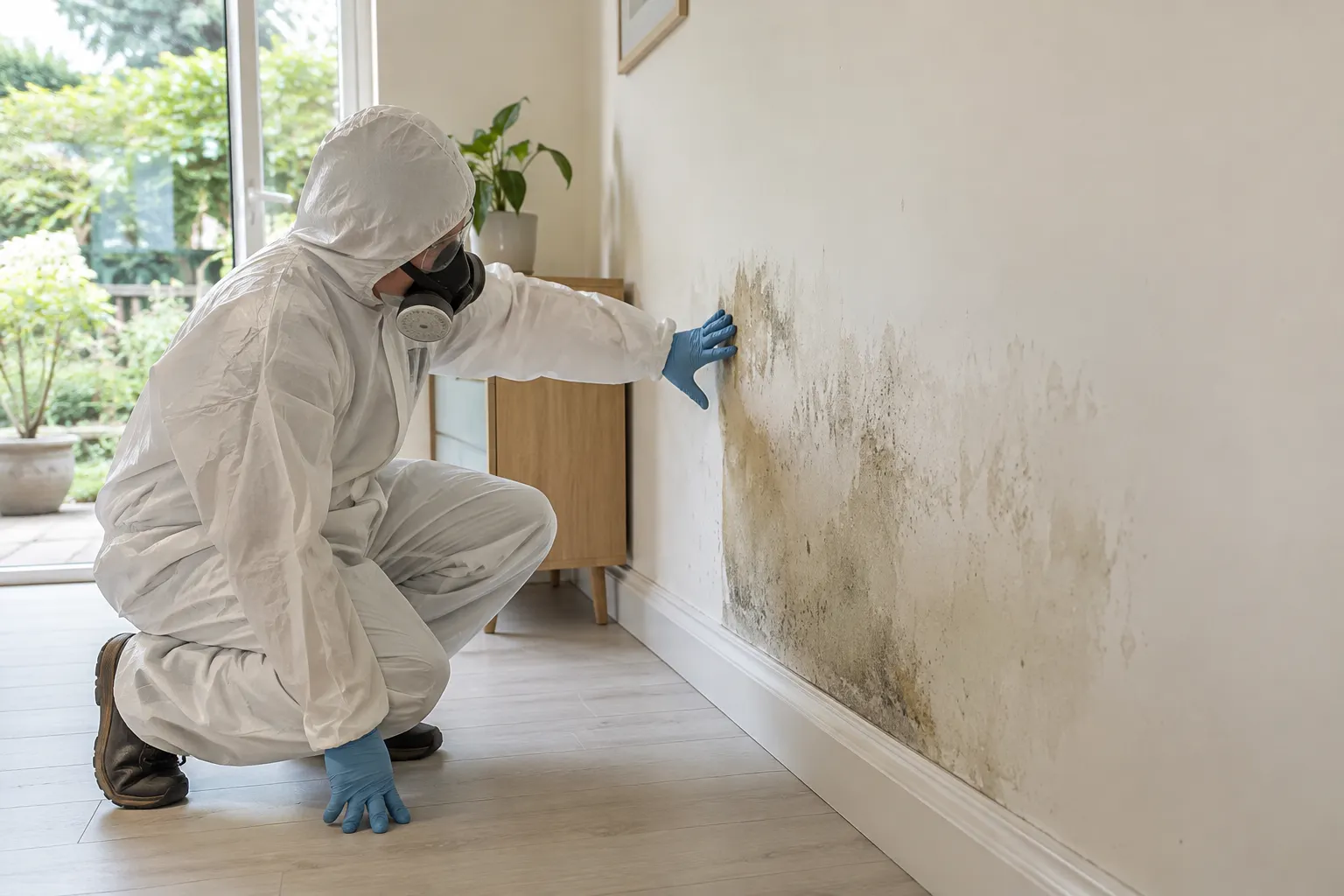
Call 03 8652 1296 with your Ringwood address, indoor photographs and repair history. Discuss the accessible assessment and appropriate next step.
Local context: Maroondah locality information