
OUTLET · SURFACE · SCOPE
BOX HILL · MELBOURNE
Mould Removal Box Hill
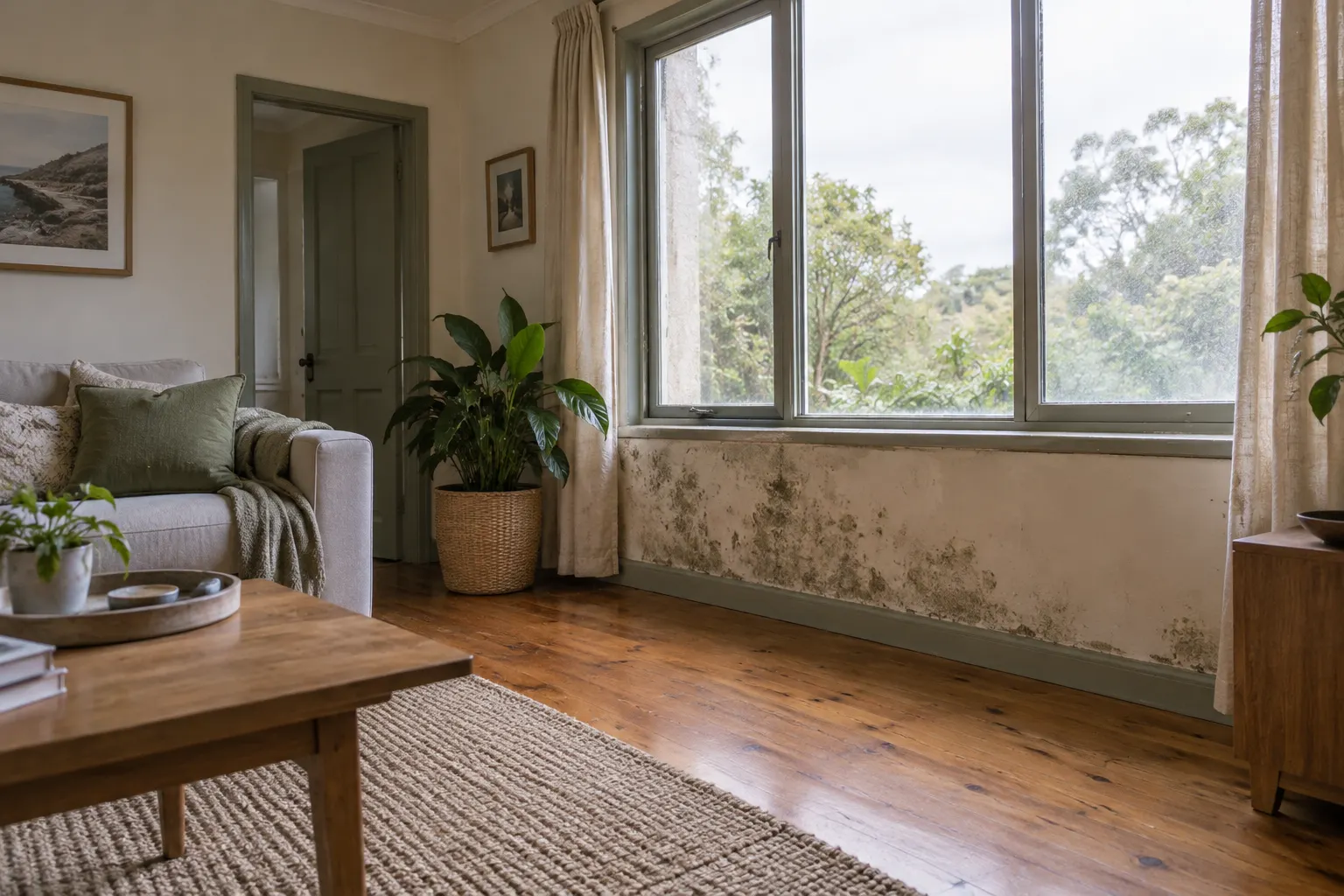
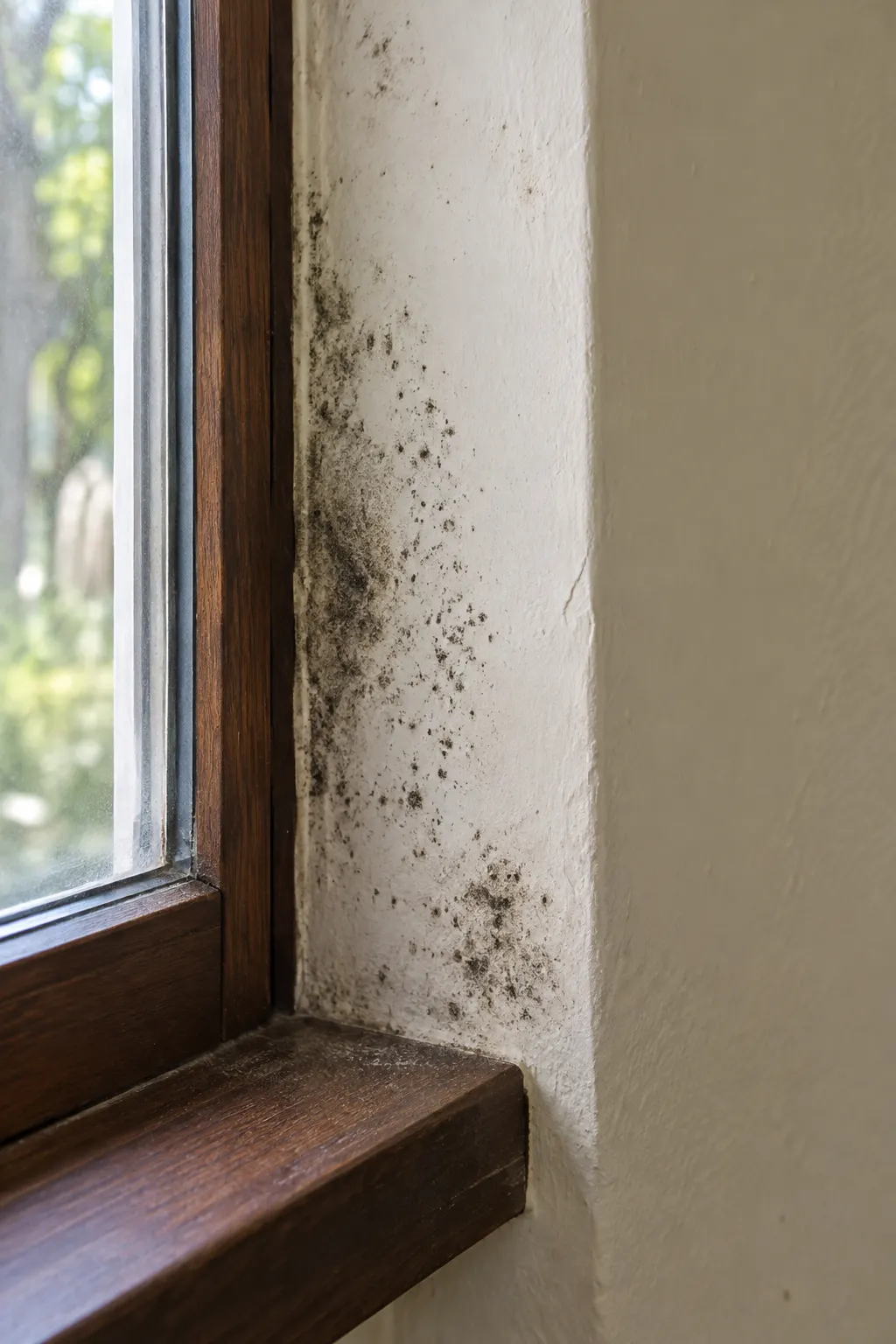
Growth near an air-conditioning outlet can raise questions about both the finish and the equipment nearby. For a Box Hill enquiry, identify the wall or ceiling showing mould and keep equipment servicing separate from assessment of the accessible building surface.
Affected finish identified
Equipment concerns separated
Accessible scope clarified
THE ROOM TELLS A STORY
Near the outlet.
Still a surface question.
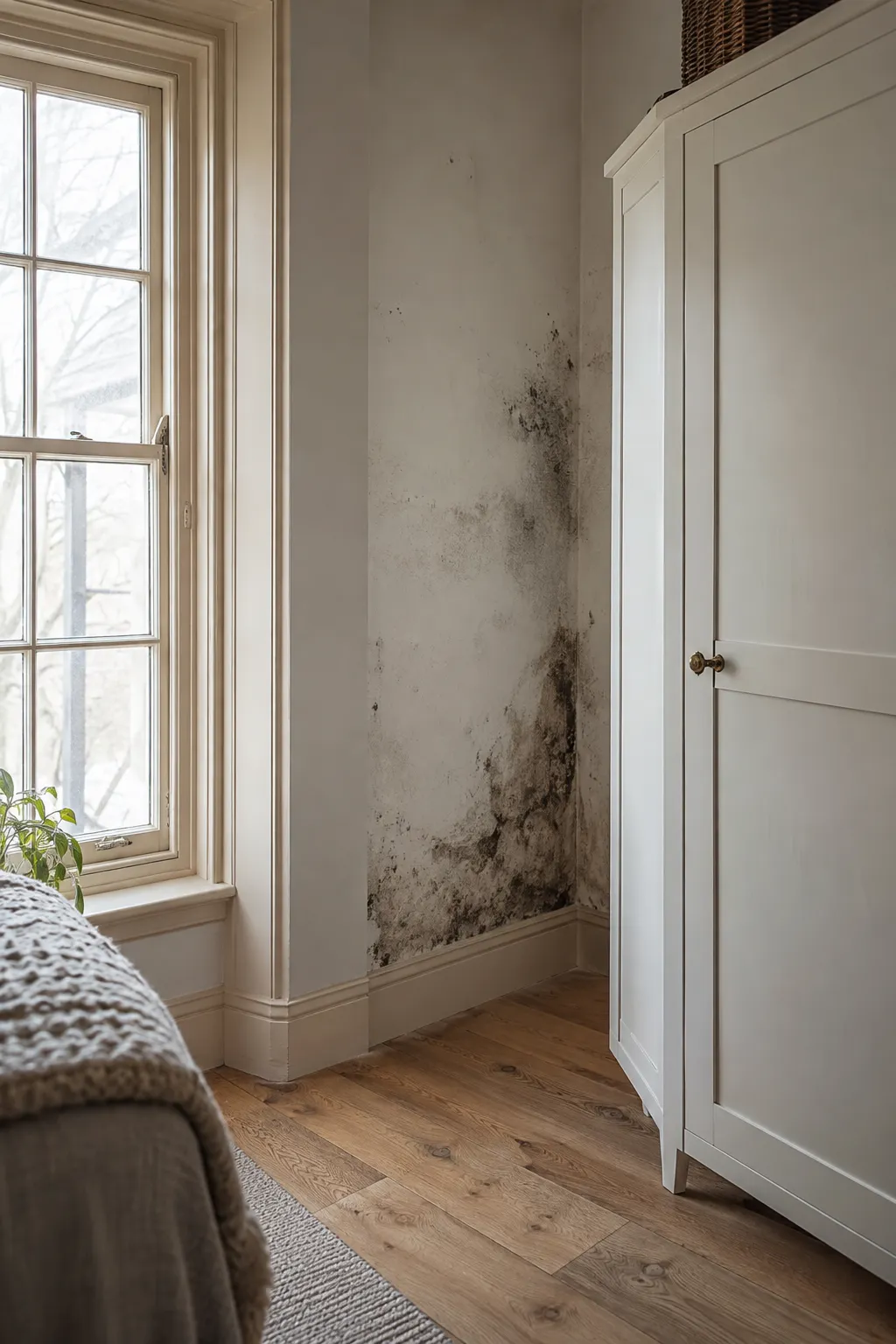
Box Hill is included in Whitehorse’s locality information. A mark beside cooling equipment does not prove that the unit caused it, that the growth is inside it or that an ordinary wall service will inspect its components. Describe the exact position: on paint, around an opening or elsewhere in the room. Keep equipment history available.
Record whether the mark changes during operation and whether other walls or windows show moisture. Photographs of the full room and affected finish help discuss inspection. Suspected equipment faults, discharge or internal contamination may need a suitable equipment specialist rather than a conclusion from surface appearance.
UNDERSTANDING MOISTURE
Locate the moisture.
Keep the boundaries clear.
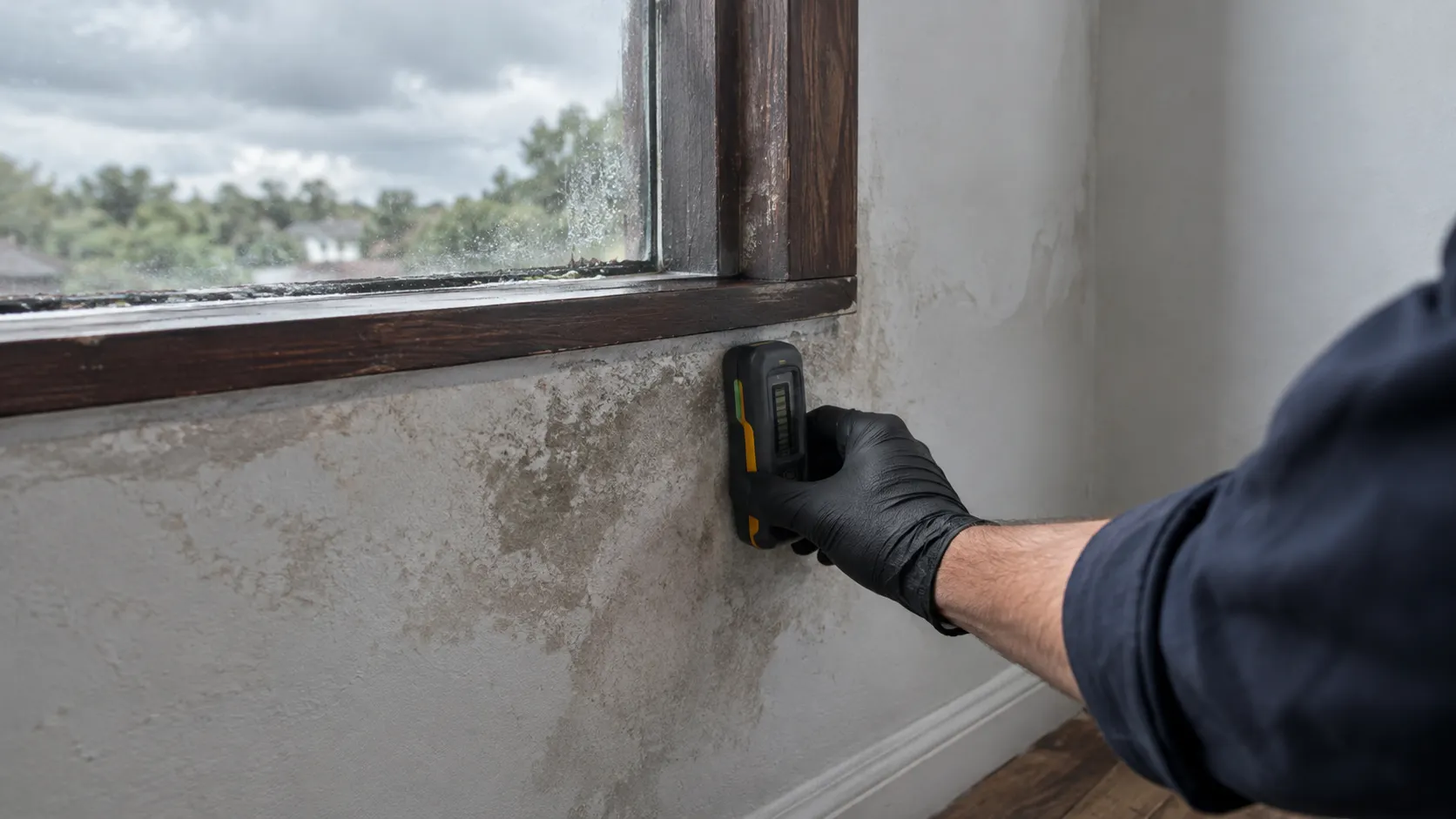
Timing around operation
Note when the system runs and when dampness becomes visible. Compare periods when it has not operated, without conducting improvised tests or dismantling anything. This sequence is relevant evidence, but cannot establish the internal equipment condition or a definitive source.
The surrounding finish
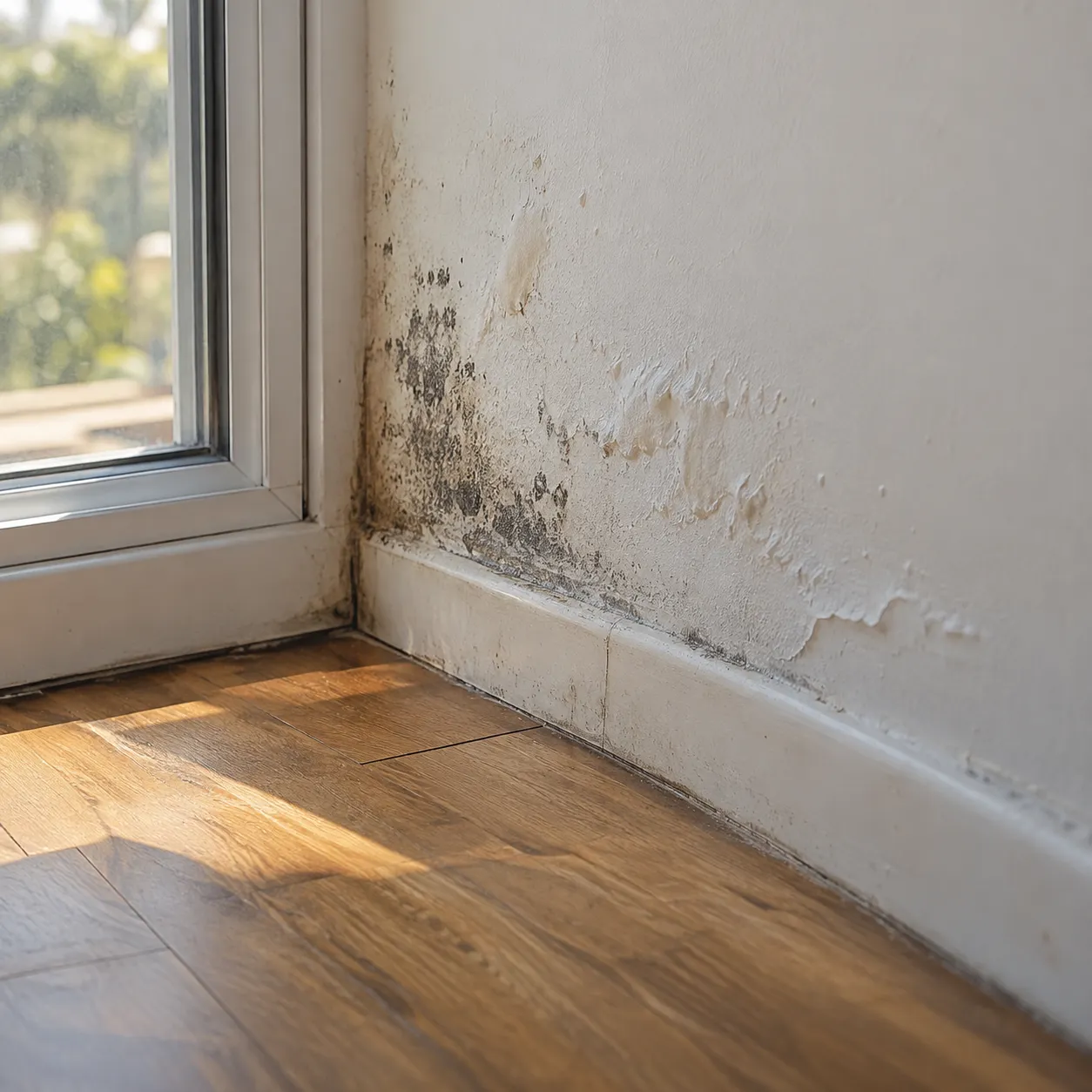
Describe lifted paint, staining or softened board separately from a grille or unit casing. Accessible moisture checks contribute to the building-surface assessment. They do not automatically assess concealed pipework, insulation, drainage or every layer around the opening.
Other room clues
Keep rain-related stains, window condensation and previous leaks in view. Proximity to an outlet can distract from another moisture source. Any continuing water entry or equipment concern needs appropriate investigation alongside decisions about removing visible growth from the finish.
OUR REMOVAL PROCESS
Describe the position.
Separate the services.
Retain the equipment record
Keep installation or servicing dates and the relevant work description. Explain any change noticed afterwards without assuming attendance by a technician establishes that the current issue is resolved.
Show the outlet in context
Include a wide view identifying the nearby window, ceiling and affected paint. This can distinguish an isolated mark from a broader room pattern that should be reported separately.
Ask about the correct follow-up
Clarify which questions concern the visible finish and which require equipment advice. Keep repair recommendations outside the removal scope identifiable so they are not overlooked after the surface work.
01
Agree the building-surface scope
Explain the affected wall or ceiling through mould removal, identifying the outlet and nearby finishes. State what is accessible without opening equipment. Internal servicing should not be implied by including a surface close to a unit.
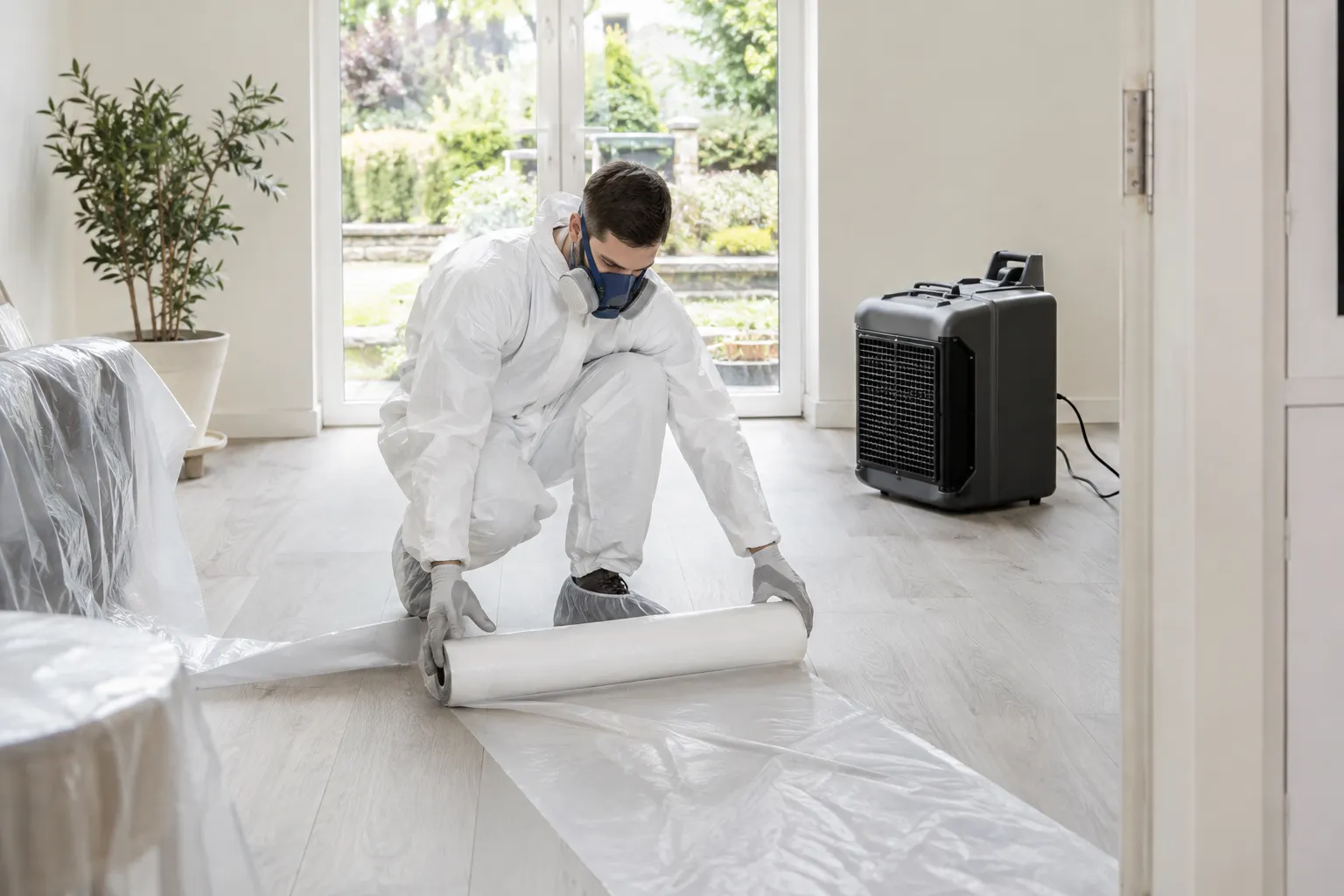
02
Plan safe practical access
Mention height, furniture and the fixed equipment arrangement. Agree preparation and protection before the visit. Do not remove grilles, disconnect components or probe the affected area merely to make it look ready for a surface appointment.
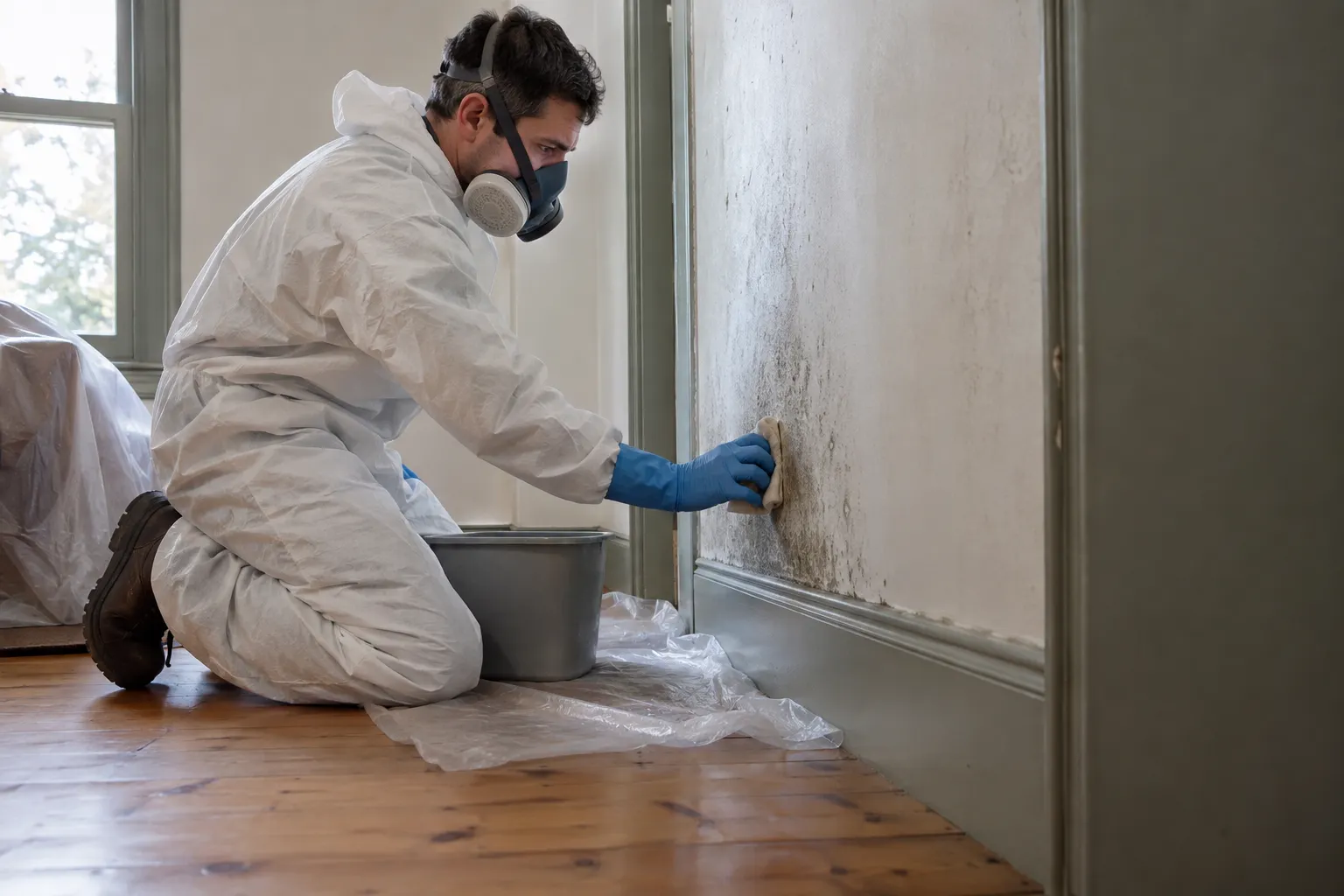
03
Review outstanding specialist questions
Discuss remaining staining and moisture issues. Remediation connects these with material decisions, while equipment diagnosis or repair may require another specialist. A treated wall cannot certify that a cooling system’s internal condition is satisfactory.
COMMON AREAS AFFECTED
The outlet area
and room comparisons.
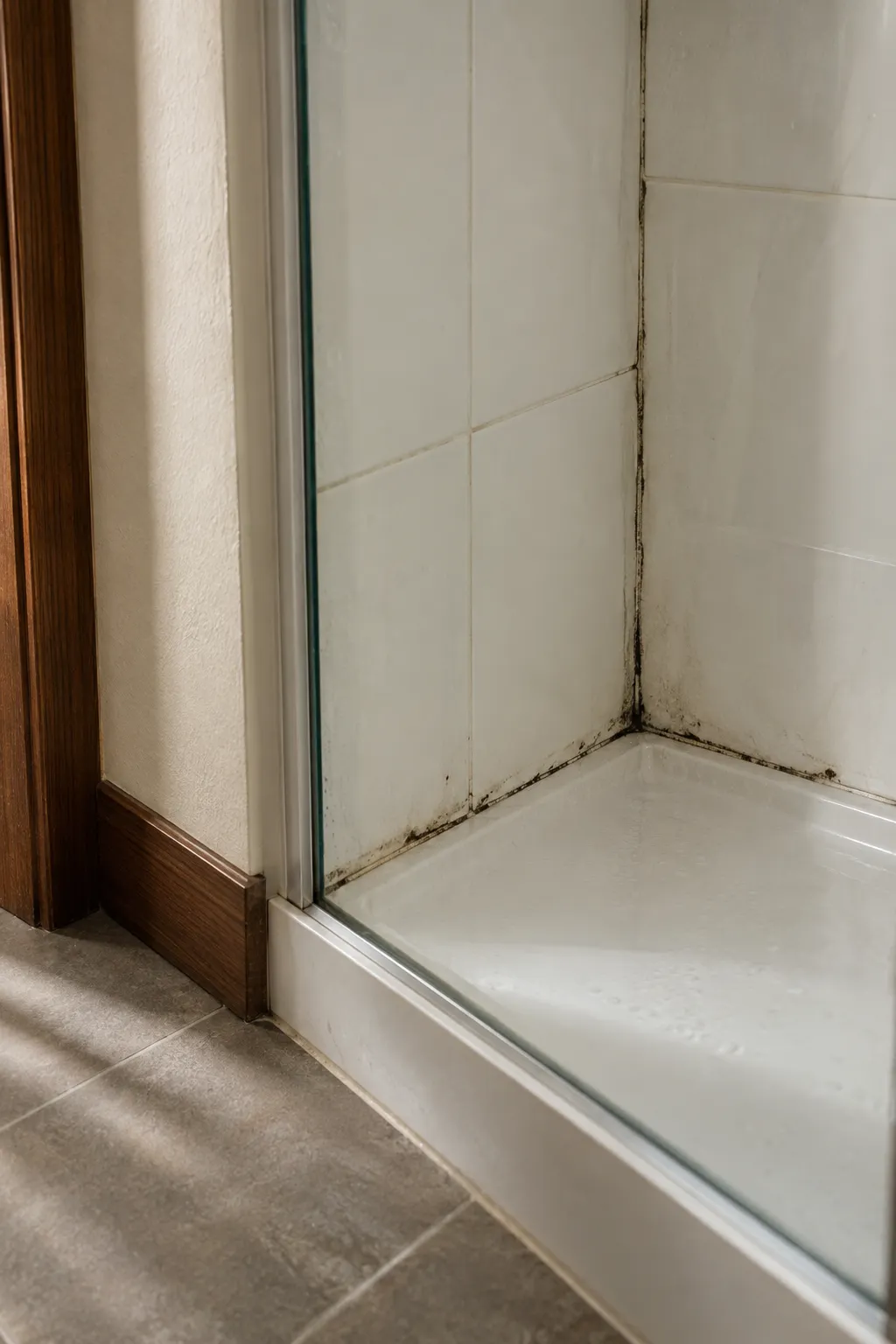
Separate moisture use
Report wet-room observations only as relevant context, not as proof of the outlet’s condition.
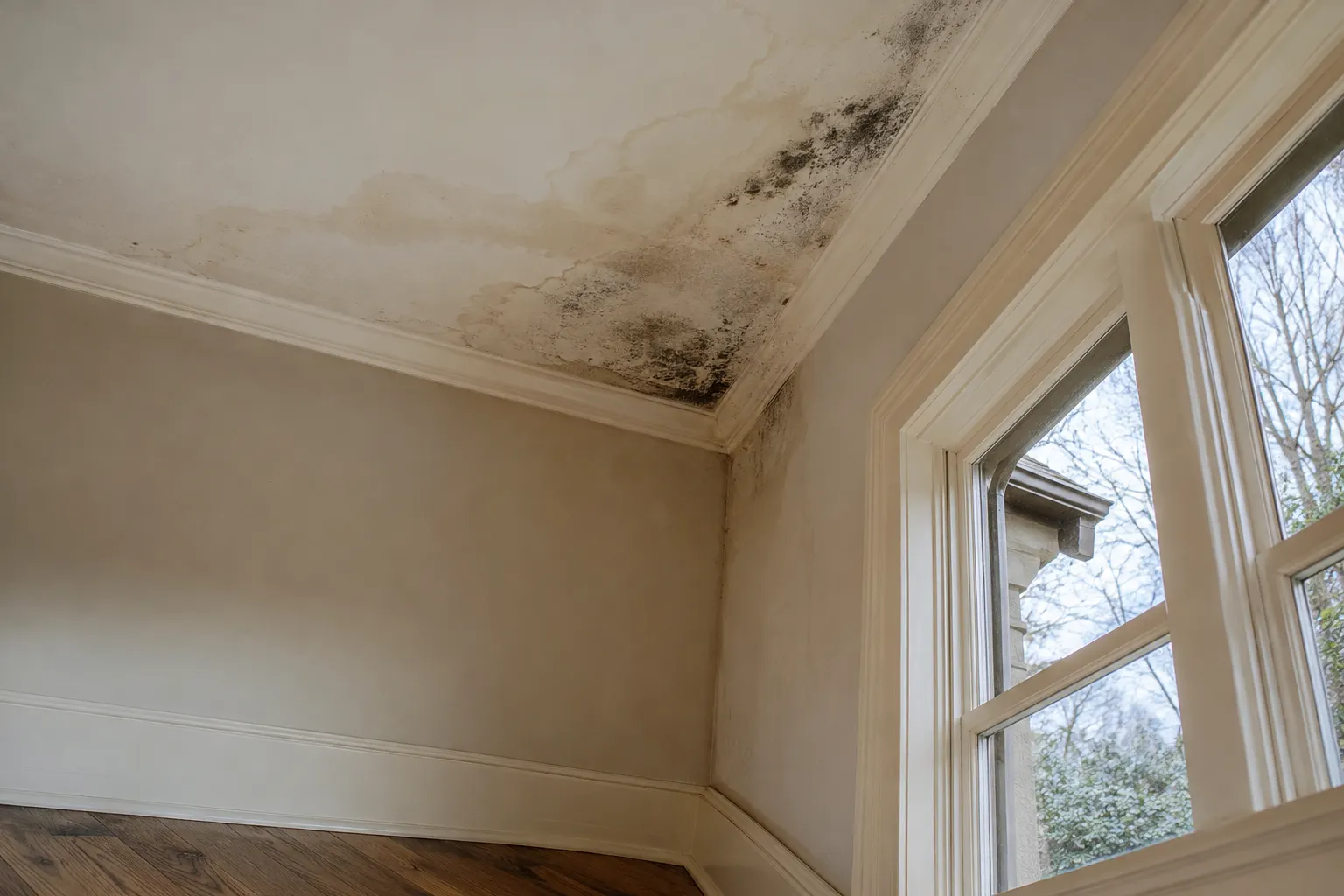
Overhead marks
Describe staining around the opening and any damage or weather-related change nearby.
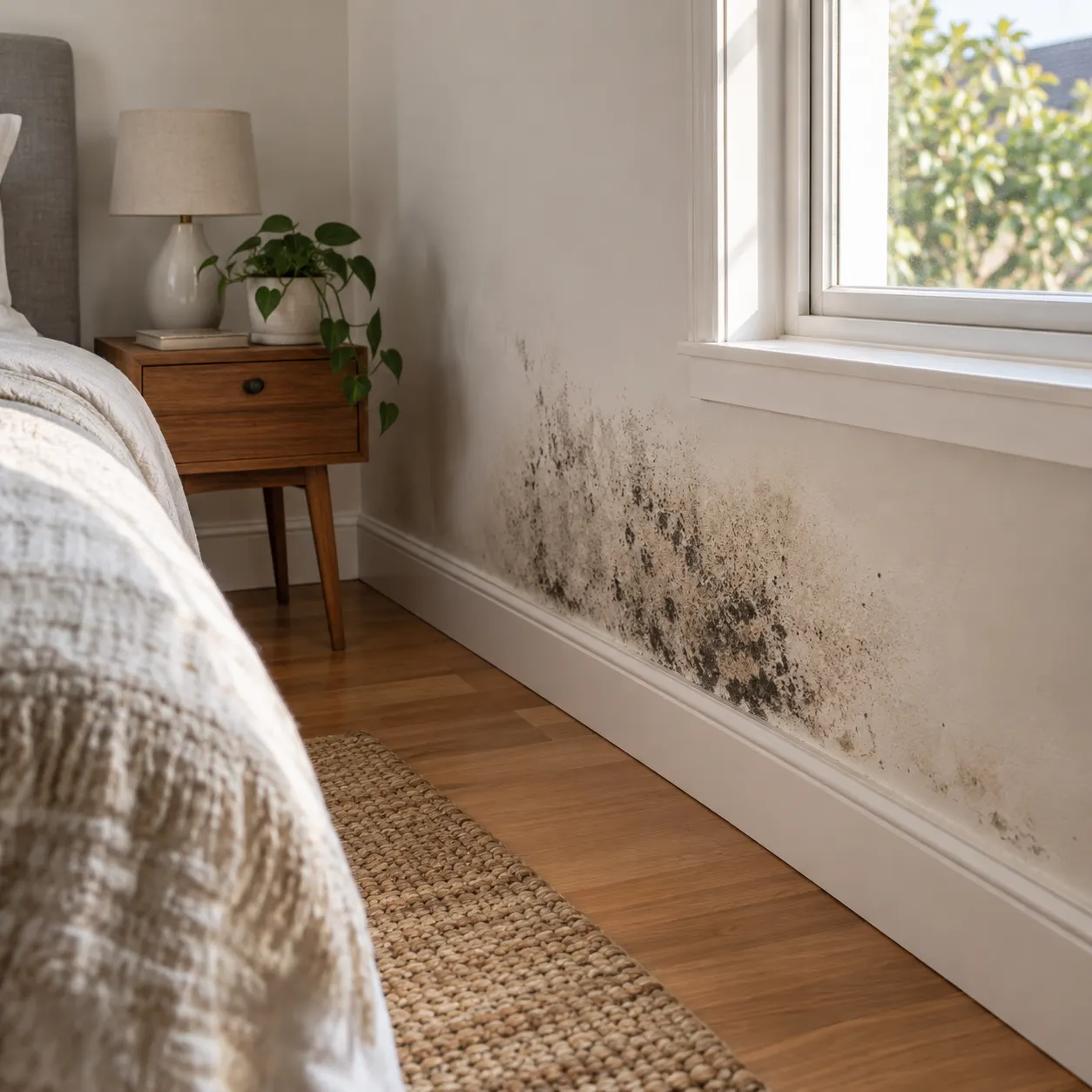
Paint beside equipment
Identify the actual building finish and visible extent without opening the unit.
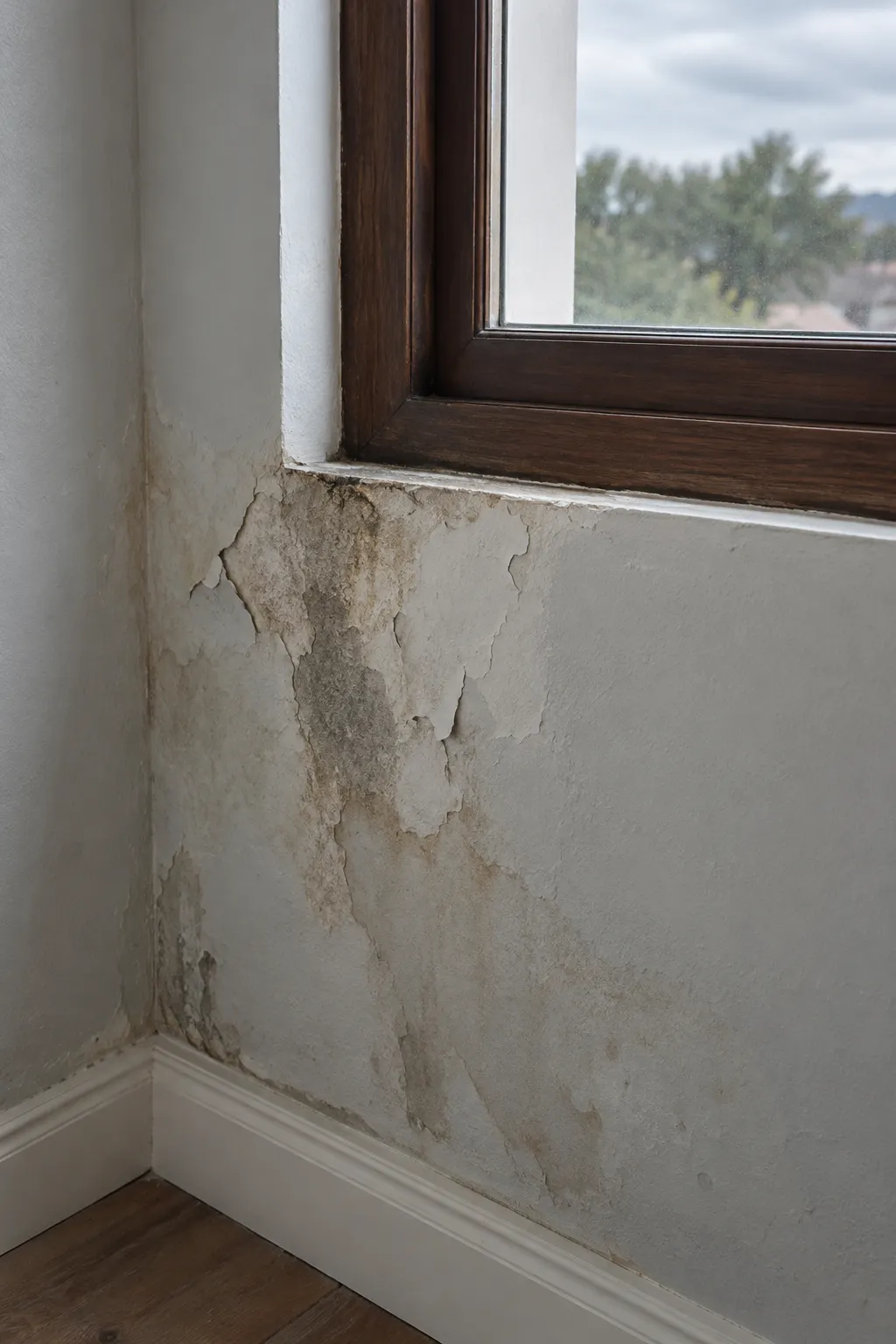
Deteriorated board
A damaged surface may need repair after the underlying moisture question is addressed.
PREVENTION STARTS WITH
Follow the right question.
Keep the finish visible.
Use the appropriate equipment advice
Follow manufacturer guidance and arrange suitable specialist help for operational or internal concerns. Do not treat removal of a mark beside equipment as maintenance of the system itself. The building-surface and equipment decisions may need coordination, with responsibilities agreed separately.
Compare operation and other events
Retain dated observations from normal use and relevant weather changes. If the finish becomes wet again, report the sequence rather than repeatedly painting around the outlet. Ongoing dampness, deteriorated materials and unresolved equipment concerns need follow-up beyond a cleaner-looking surface.
BOX HILL & NEARBY
Box Hill and
nearby household guides.
Explore the Blackburn guide and Burwood guide for connected local questions. Give your Box Hill street, outlet location and affected finish when confirming availability and scope.
BEFORE YOU CALL
Questions near
cooling equipment.
Does a nearby mould patch prove the unit is contaminated?
No. Its position cannot establish the equipment’s internal condition. Describe the visible finish and seek suitable specialist advice for internal or operational concerns.
Is equipment cleaning included in wall removal?
Do not assume so. A building-surface scope should distinguish paint or plaster work from servicing, opening or repairing cooling equipment.
Should I remove a grille for a better photograph?
Leave equipment undisturbed unless appropriate access is arranged. Wider room views and visible surface photographs can support the initial enquiry.
What if dampness appears when the system runs?
Keep a record of normal operation and the observed change. It is useful evidence for the relevant assessment, but does not identify a specific fault by itself.
Can the wall be repainted around the outlet first?
Discuss the wetness and material condition before covering it. A new coating can conceal evidence without resolving an equipment or building source.
What earlier records are useful?
Retain servicing dates, installation details and relevant repair descriptions. Explain what changed afterwards alongside wider room moisture observations.
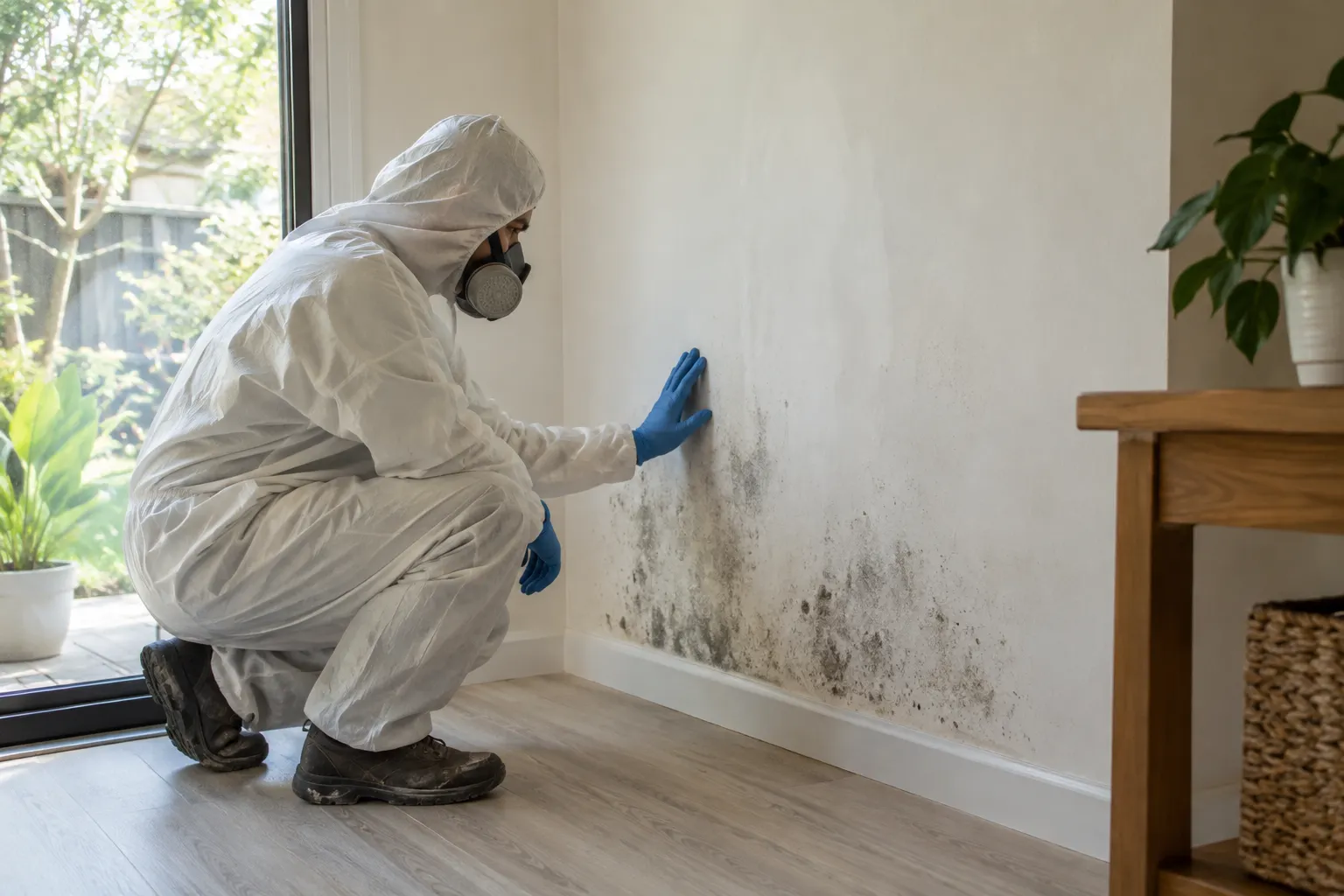
TELL US WHAT YOU CAN SEE
Identify the surface.
Clarify the next service.
Call 03 8652 1296 with your Box Hill address, outlet-area photographs and moisture history. Discuss accessible assessment and the appropriate follow-up.
Local context: Whitehorse locality information