
ROOMS · RECORDS · COORDINATION
BURWOOD · MELBOURNE
Mould Removal Burwood
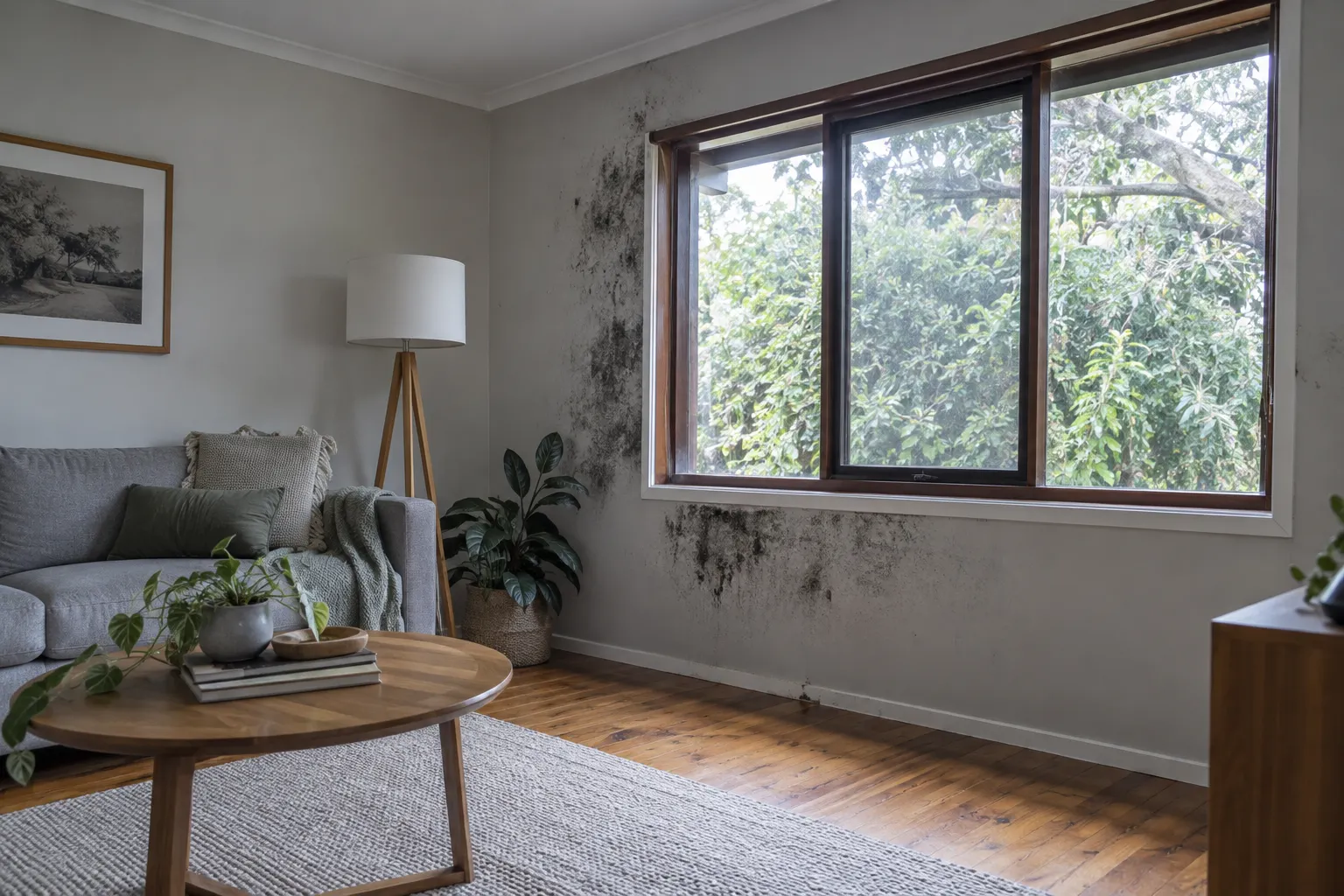
In a shared home, different people may notice different parts of a moisture problem. For a Burwood enquiry, bring those observations together without losing their dates or room positions. One clear account can make access and the proposed surface work easier to discuss.
Room observations organised
Appointment access coordinated
Preparation tasks clarified
THE ROOM TELLS A STORY
Several observations.
One practical conversation.
Burwood appears in both Whitehorse and Boroondara locality information. For a home used by several occupants, the relevant details are which rooms show growth and how each observation relates to use or repairs. Do not assume every person saw the same patch or that all affected areas share a single moisture source.
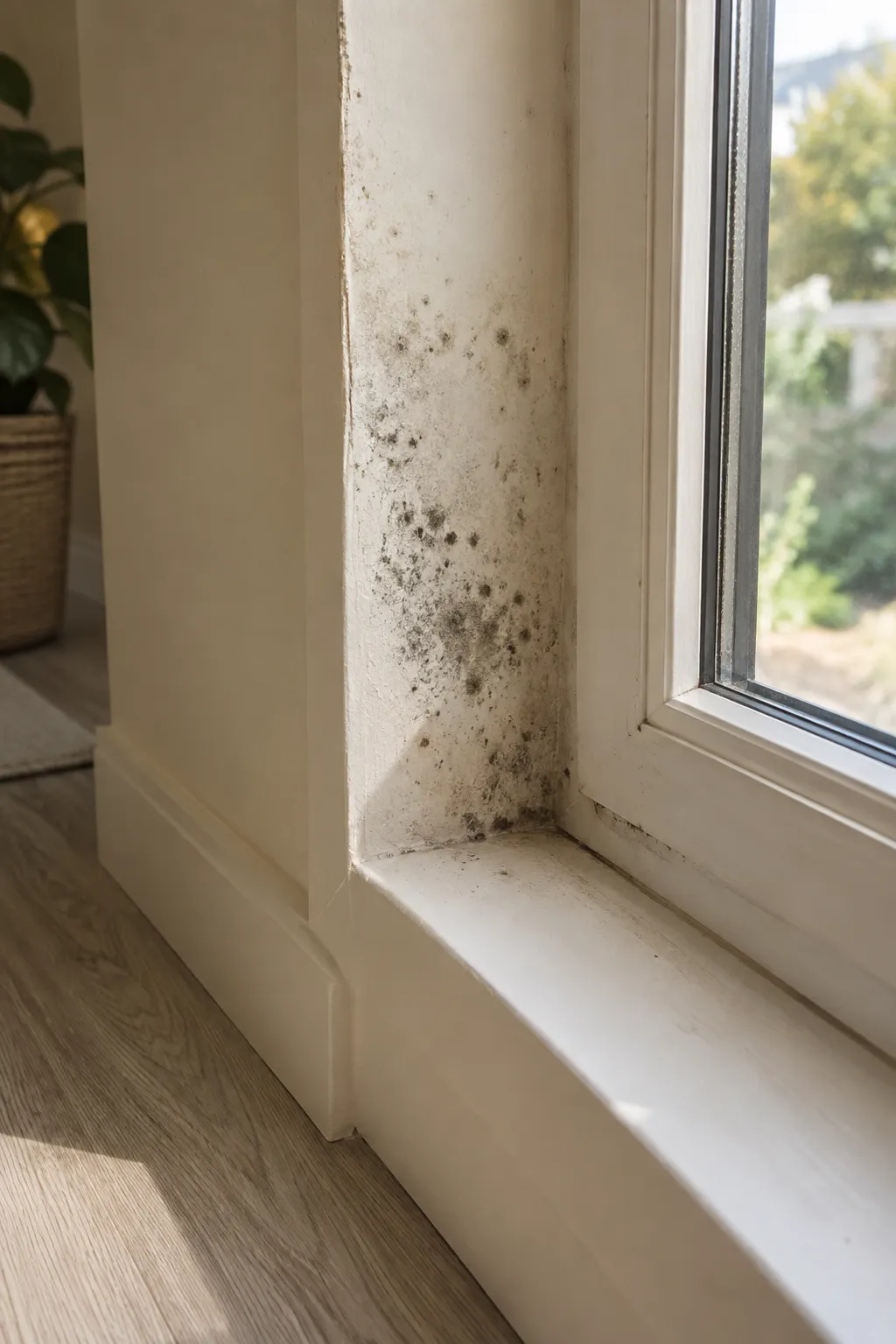
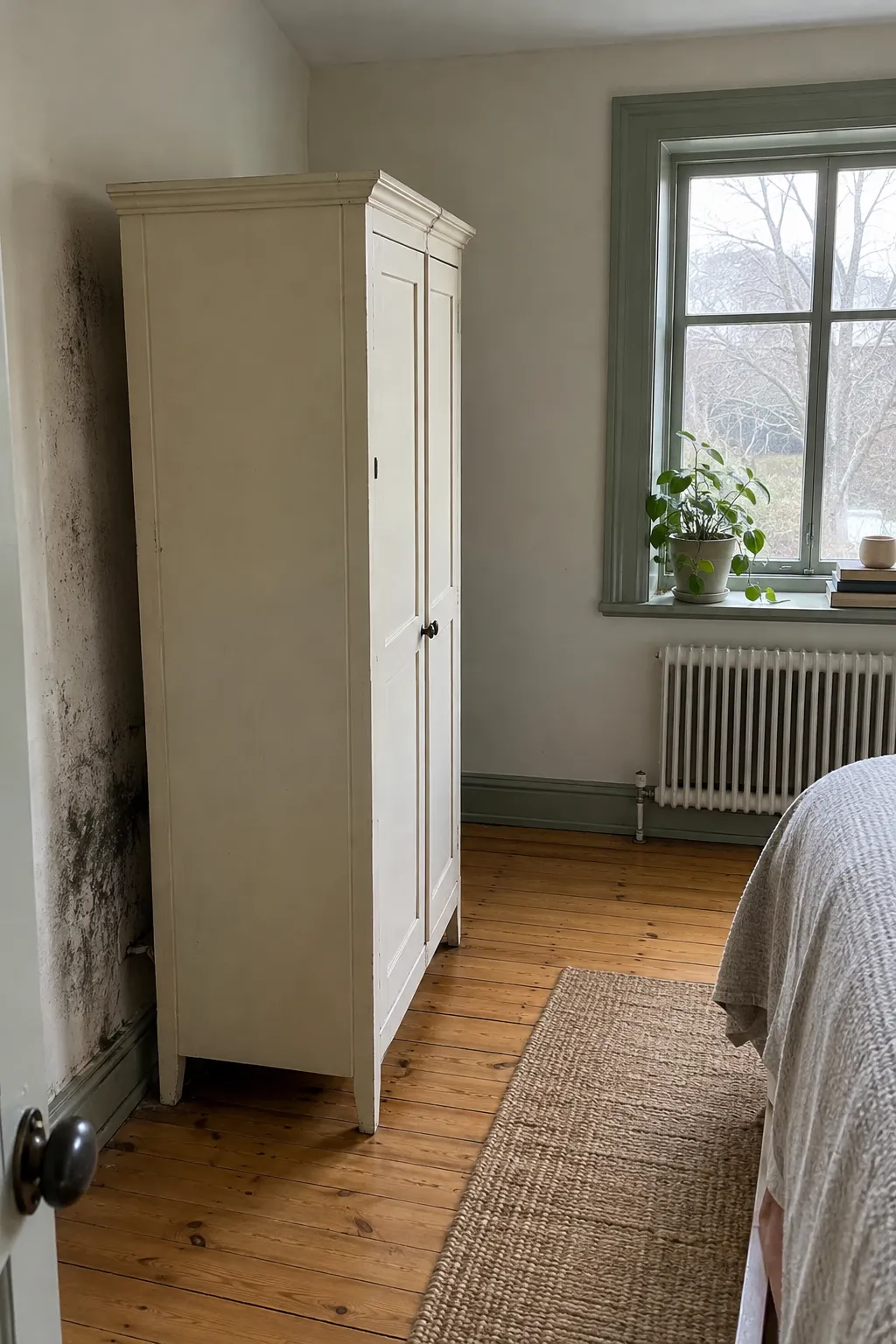
Label photographs by room, position and date. Include who can provide access and what belongings obstruct the surface. A coordinated inspection enquiry can consider the accessible evidence more clearly than several unlabelled images, while concealed areas or separate material issues retain their own boundaries.
UNDERSTANDING MOISTURE
Keep each room’s
history distinct.
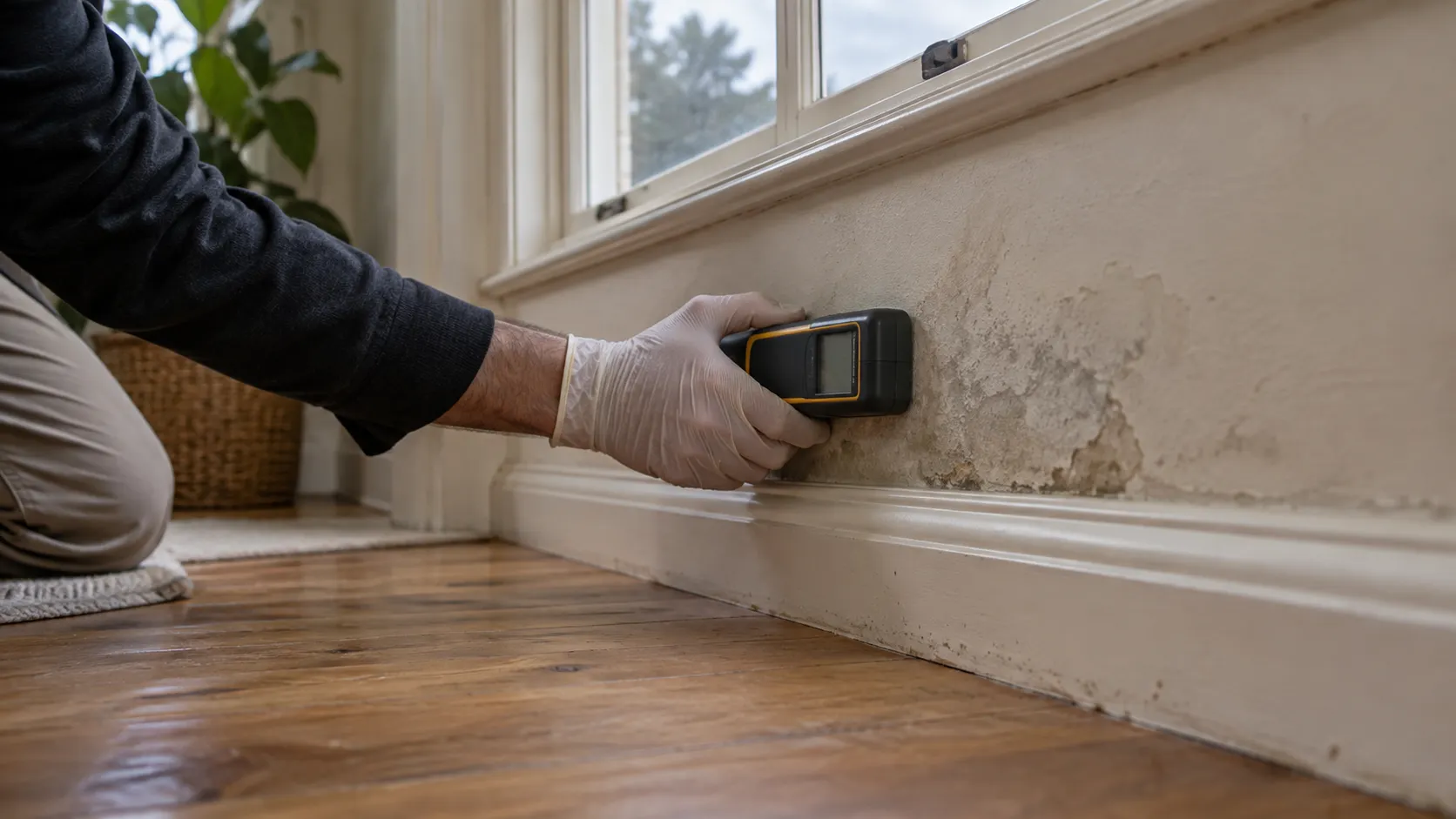
Different daily routines
Cooking, showering and drying may occur at different times. Record relevant activities alongside droplets or dampness rather than assuming one occupant’s account applies to the whole home. A simple sequence is useful; it does not assign blame or establish a source.
A shared repair record
Keep reported roof, window or plumbing issues in one place with dates. Explain whether the affected rooms changed after repairs. Surface assessment cannot establish that a concealed fault is repaired simply because someone remembers a contractor attending.
Several materials and belongings
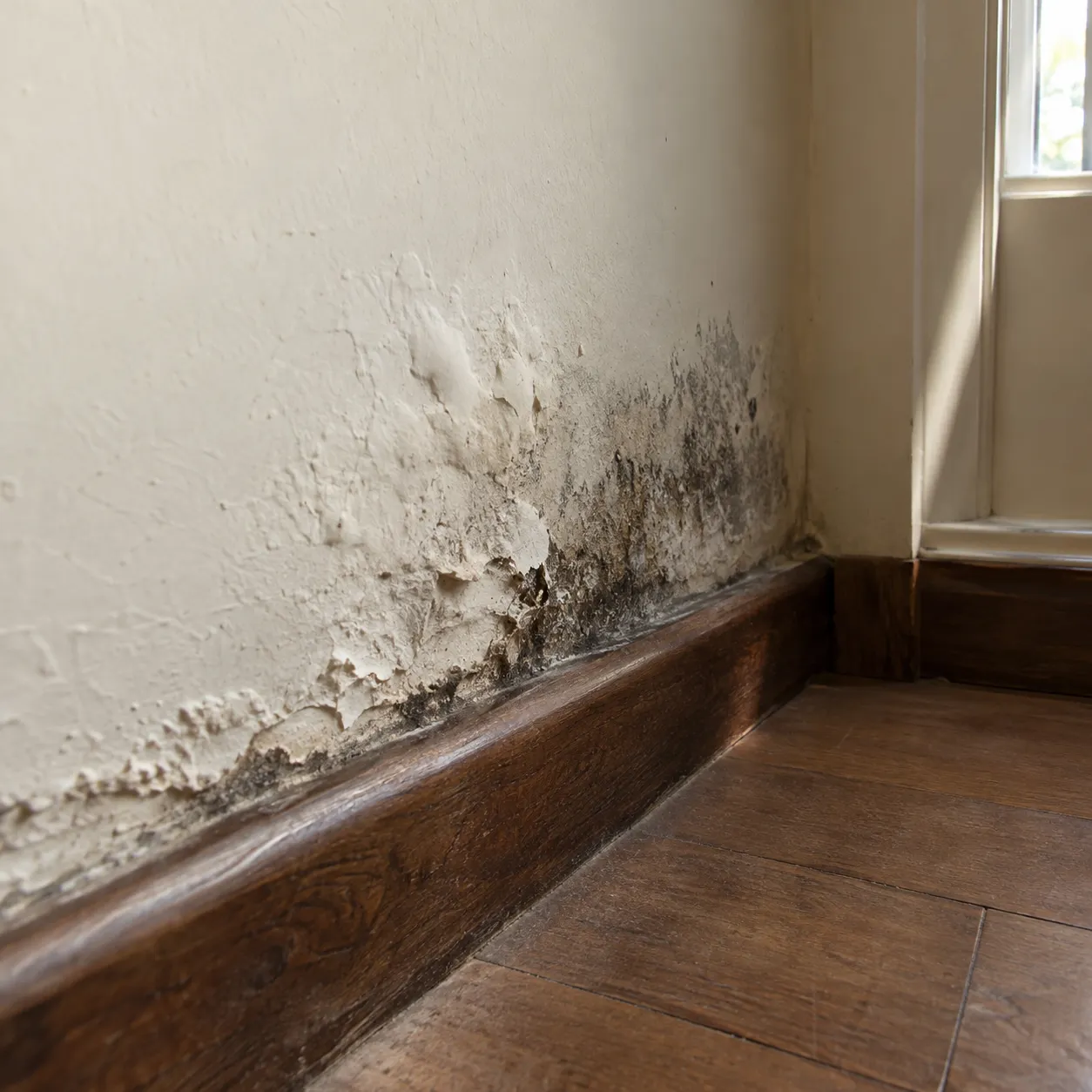
Painted walls, fitted shelves and soft contents need separate descriptions. Identify damage and access restrictions room by room. An accessible moisture reading contributes evidence, but should not be treated as an assessment of every surface or belonging in the household.
OUR REMOVAL PROCESS
Coordinate the details.
Agree the work.
Choose a useful appointment contact
Identify someone able to coordinate access and confirm practical arrangements. This does not replace any property permission required; it makes the agreed visit easier to organise.
Label rather than duplicate evidence
Use room names and fixed features to distinguish photographs. If several people observed one patch, keep their dates together instead of presenting it as several separate affected areas.
Keep responsibilities written down
Record preparation tasks and outstanding repairs in a short shared note. Ask questions before booking if responsibility for access or source work is unclear, rather than assuming a surface visit settles it.
01
Set one clear scope
List the affected rooms and visible finishes through mould removal. Agree included surfaces, exclusions and who can confirm the appointment. A shared household description should not silently expand the task to unrelated areas or contents.
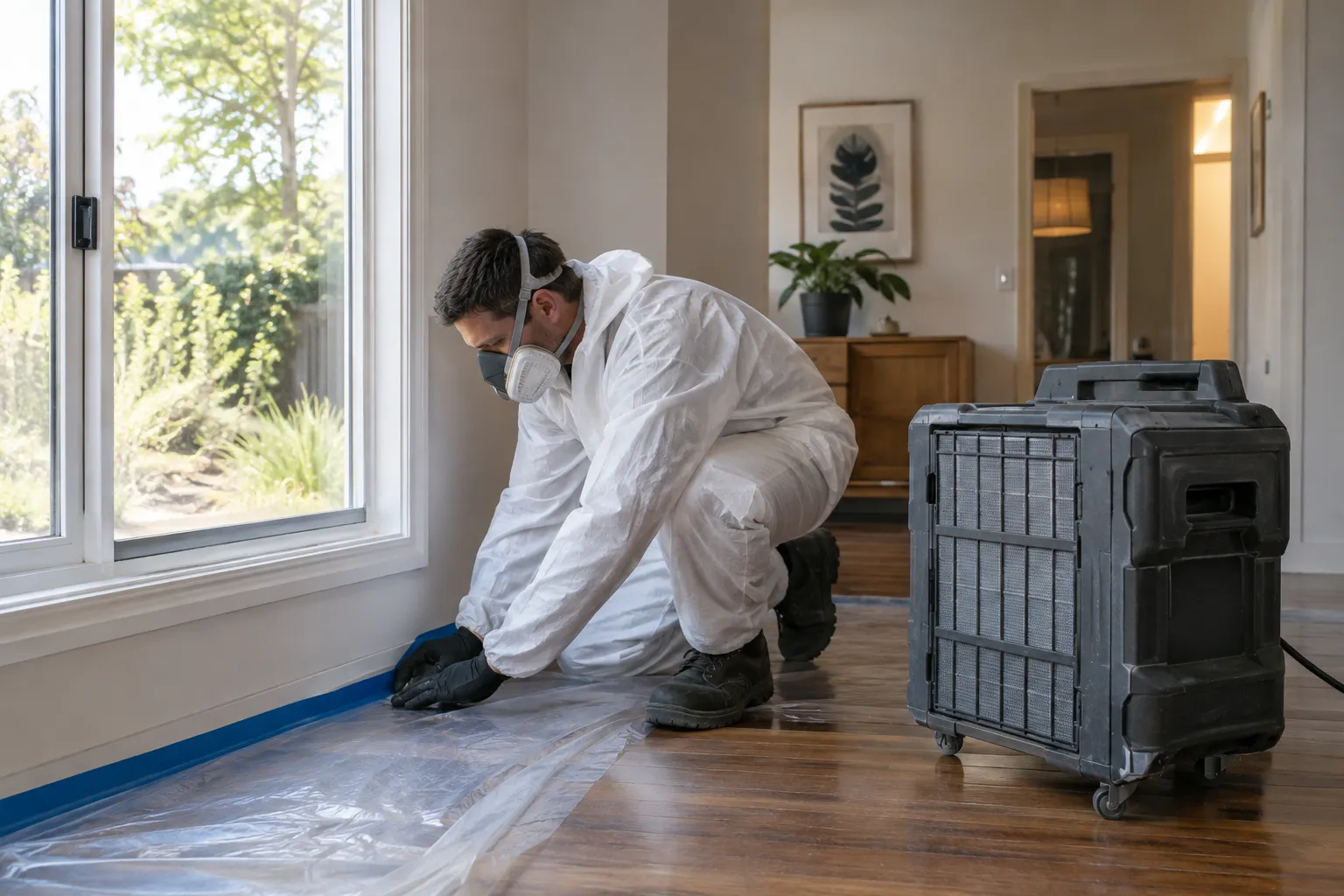
02
Divide preparation sensibly
Discuss which belongings need moving and who will arrange it. Keep equipment routes and the working area clear without shifting items into another affected corner. Fixed or heavy obstructions require agreement rather than a last-minute assumption about access.
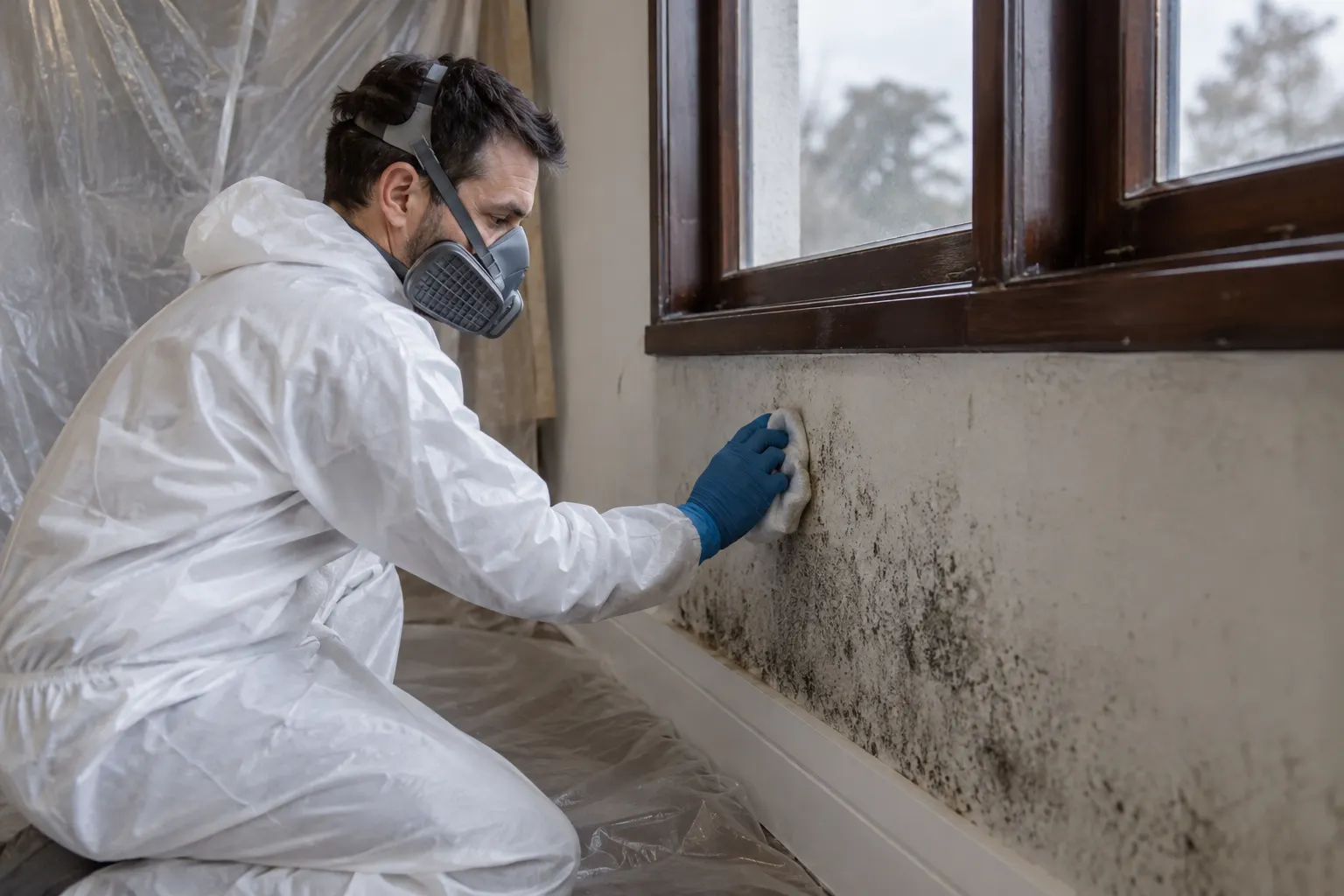
03
Share the follow-up plan
Review remaining staining, dampness and material concerns after the agreed work. Remediation connects those decisions with removal. Keep building repairs, room habits and contents questions identifiable so recommendations are not lost between household members.
COMMON AREAS AFFECTED
Shared use.
Individual surface clues.
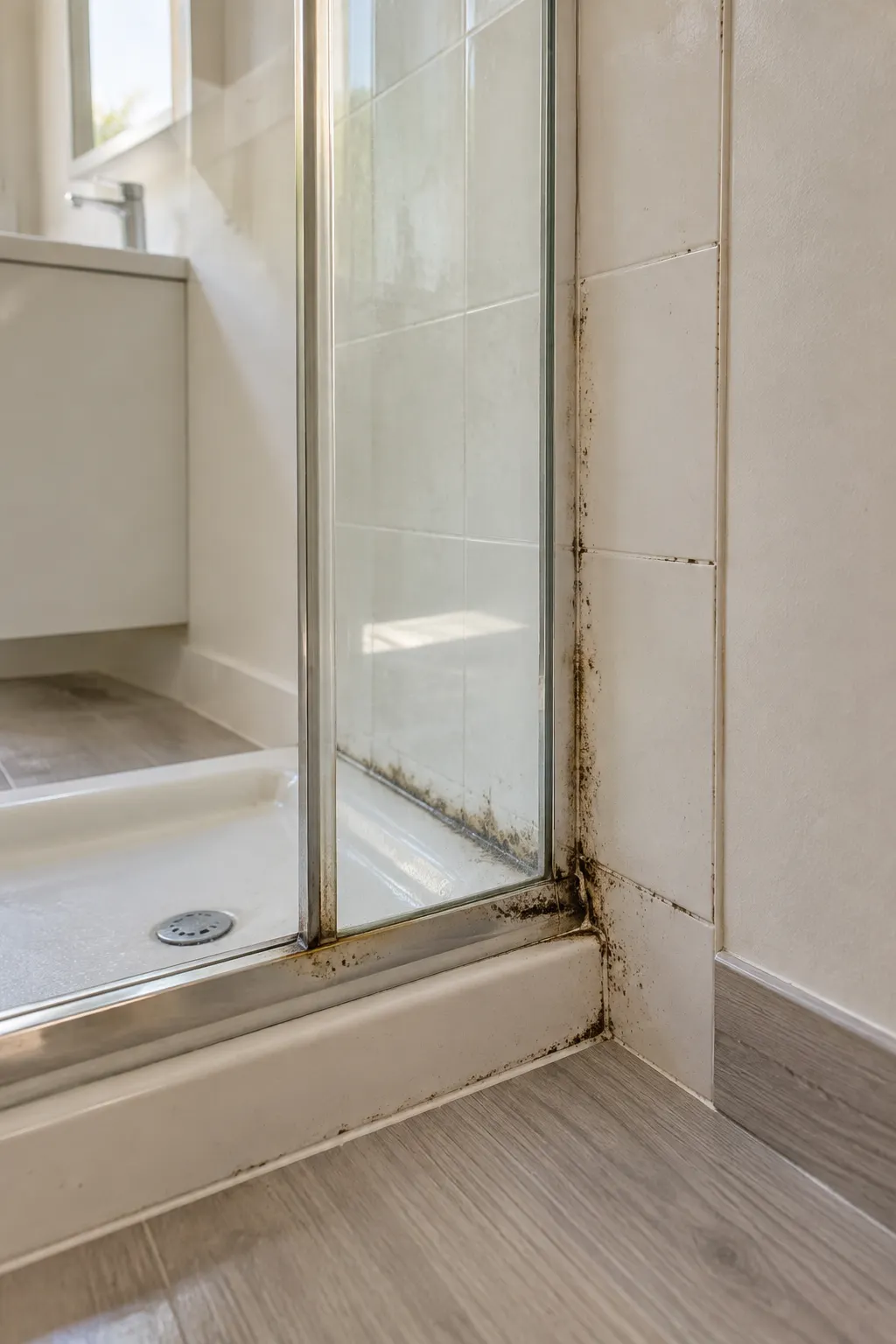
Bathroom drying
Record the room’s actual drying pattern across ordinary use, without attributing every patch to one person.
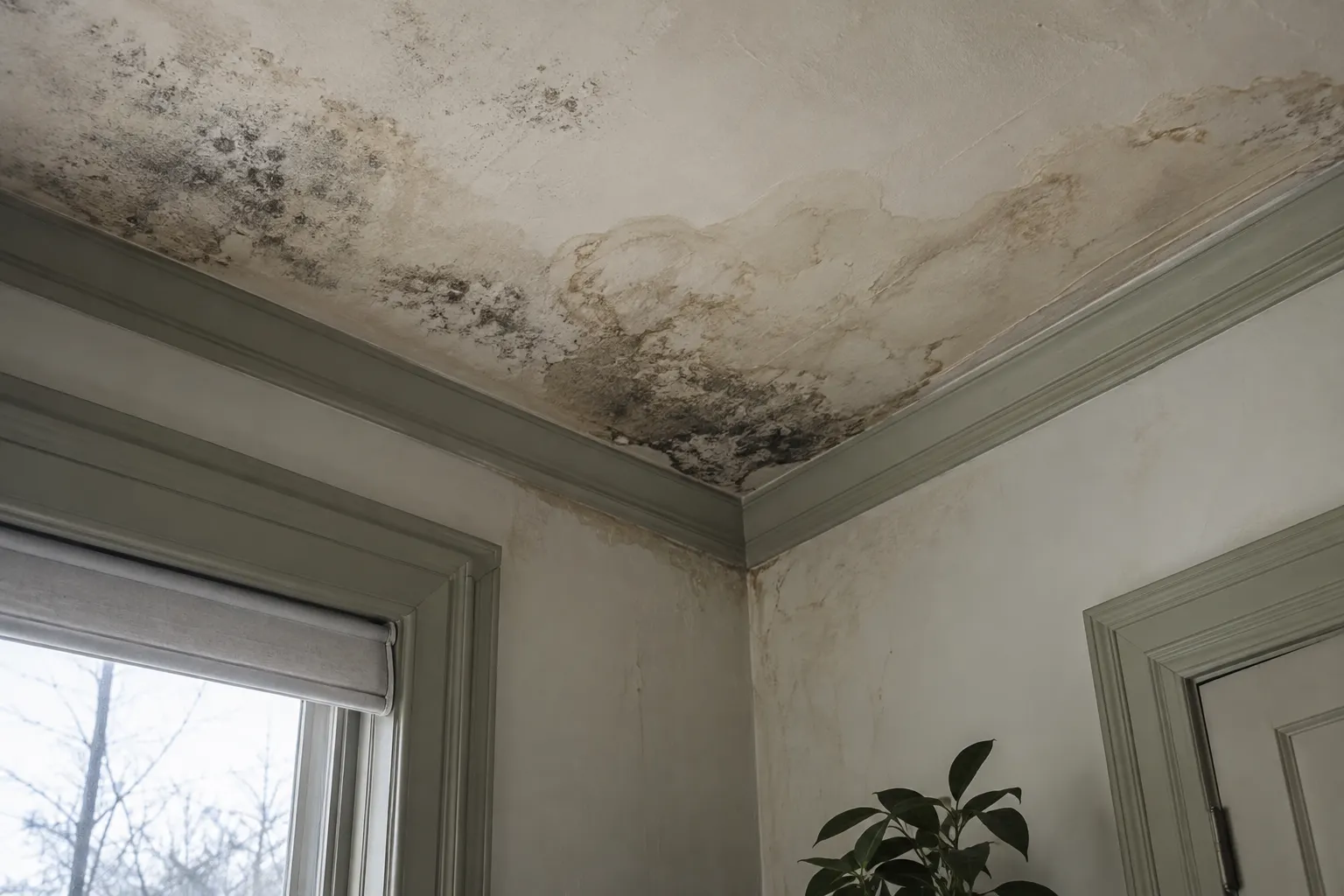
Common-area stains
Keep repair dates and rain-related changes attached to the correct ceiling position.
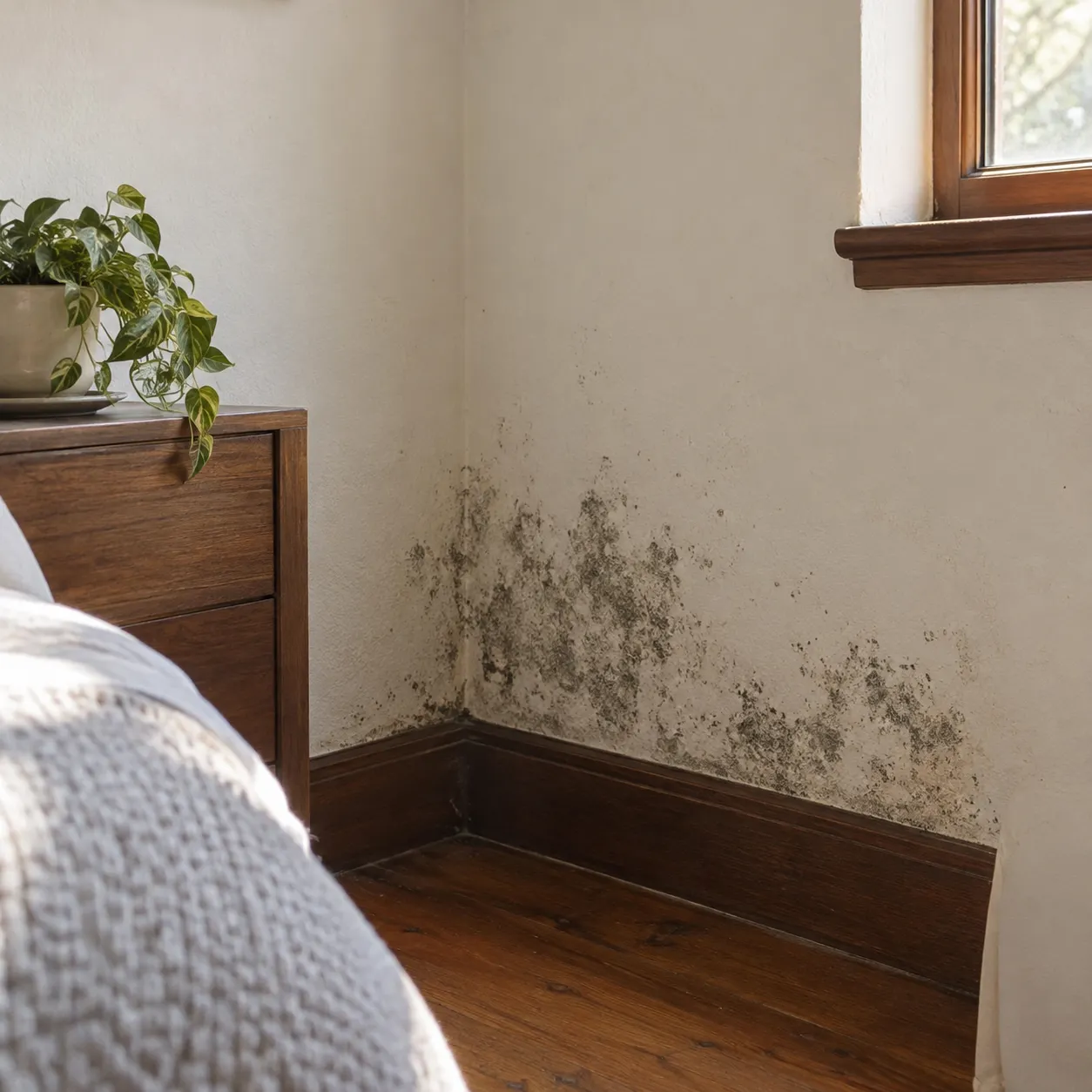
Bedroom corners
Describe furniture access and visible growth in each room separately.
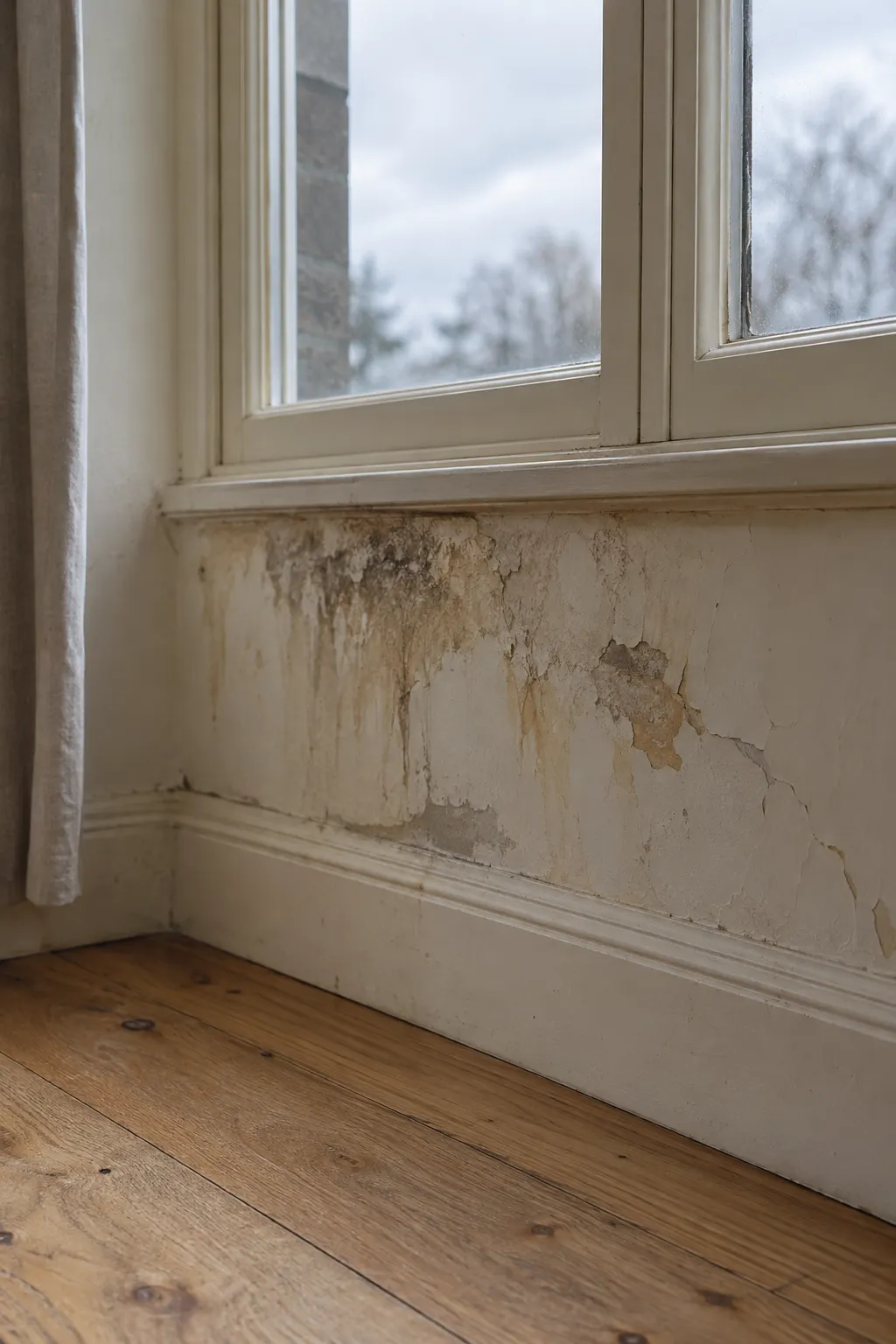
Material concerns
Identify deteriorated finishes so repair decisions do not become confused with general housekeeping.
PREVENTION STARTS WITH
Make the plan
easy to keep.
Agree practical moisture habits
Use suitable extraction and workable drying arrangements, then observe whether surfaces improve. A shared routine should be clear enough for the people using the room to follow. It cannot replace repair of a leaking fitting or guarantee prevention while relevant dampness remains.
Retain one follow-up record
Save dated photographs and repair notes where the appointment contact can find them. If a patch returns, compare it with the earlier position and timing. Keep new observations factual rather than assuming a particular person or habit explains a building condition that has not been assessed.
BURWOOD & NEARBY
Burwood and
connected household guidance.
Explore the Box Hill guide and Forest Hill guide for nearby room questions. Give the exact Burwood street, affected-room list and appointment contact when confirming availability.
BEFORE YOU CALL
Questions from
a shared household.
Do all occupants need to make separate enquiries?
A coordinated account can be clearer. Label room observations and identify an appointment contact who can provide the necessary details and arrange access.
Does a shared routine establish who caused the mould?
No. Room use is evidence to consider, not a determination of responsibility. Leaks, materials and other moisture conditions may need investigation.
How should several people’s photographs be organised?
Label them by room, fixed feature and date. Keep images of the same patch together so they are not mistaken for multiple separate affected areas.
Can belongings be moved into another damp room?
Discuss a suitable temporary arrangement. Clearing one surface should not simply place items against another affected finish or obstruct the planned equipment route.
Does one inspection cover every concealed area?
No. The accessible scope and its limitations need agreement. Obstructions, hidden assemblies and contents may require separate decisions or additional access.
What should the household retain after the visit?
Keep the agreed work record, remaining moisture concerns and outstanding repair recommendations. Clear notes help everyone follow the same practical next steps.
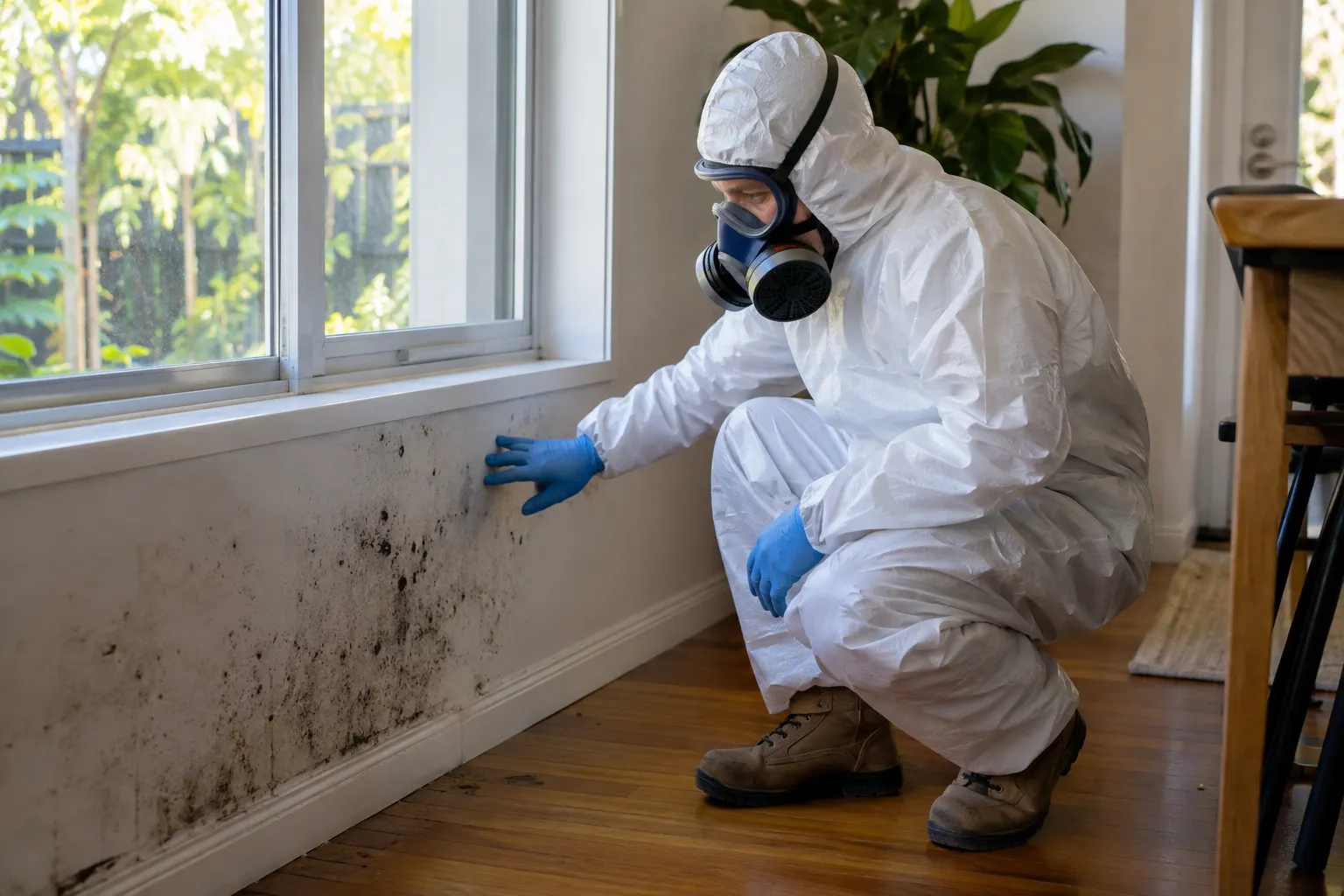
TELL US WHAT YOU CAN SEE
Bring the records together.
Discuss the rooms.
Call 03 8652 1296 with your Burwood address, labelled observations and access contact. Discuss the accessible scope and appropriate next step.
Local context: Whitehorse locality information · Boroondara locality information