
CUPBOARD BACKS · MOISTURE · SURFACES
KOOYONG · MELBOURNE
Mould Removal Kooyong
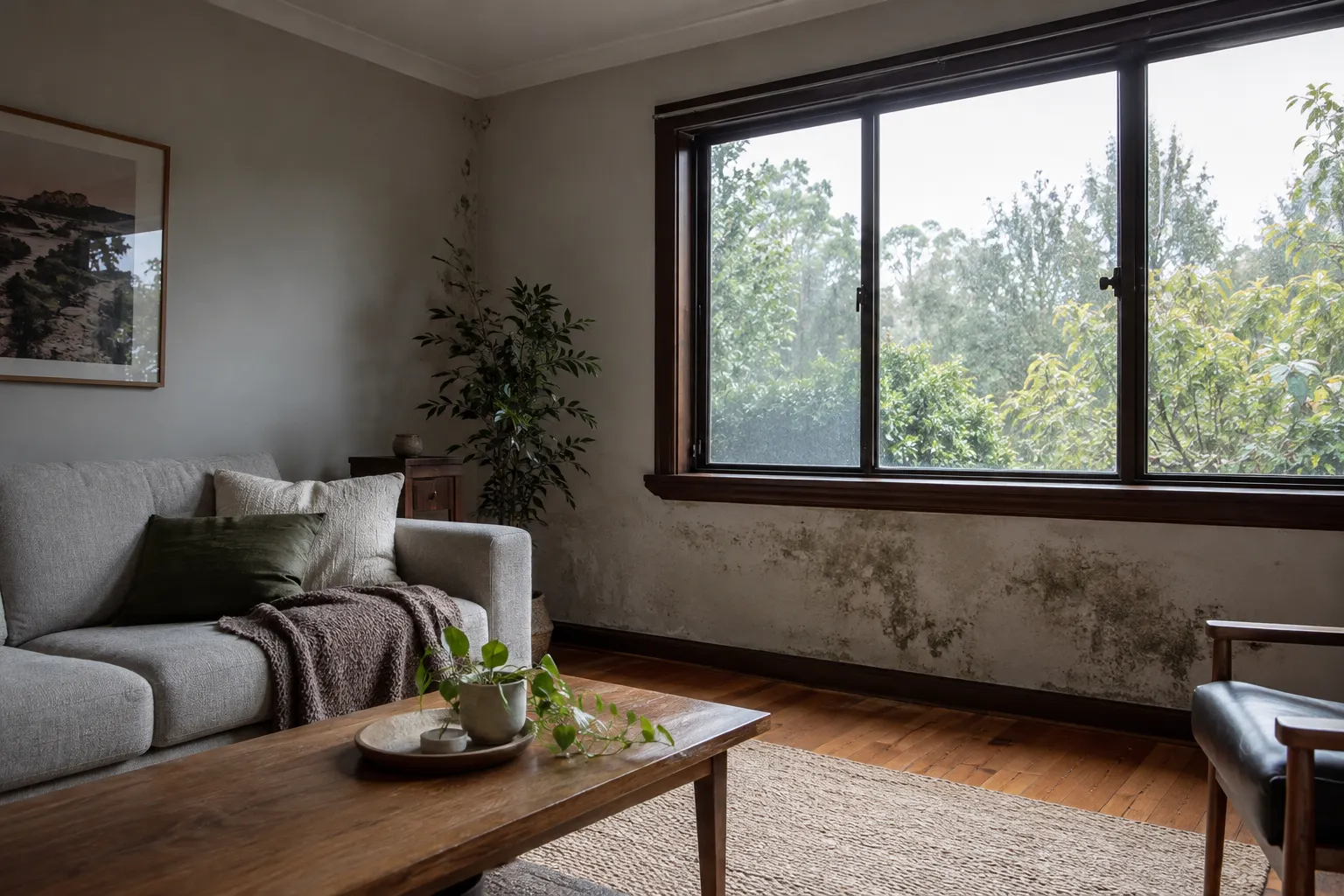
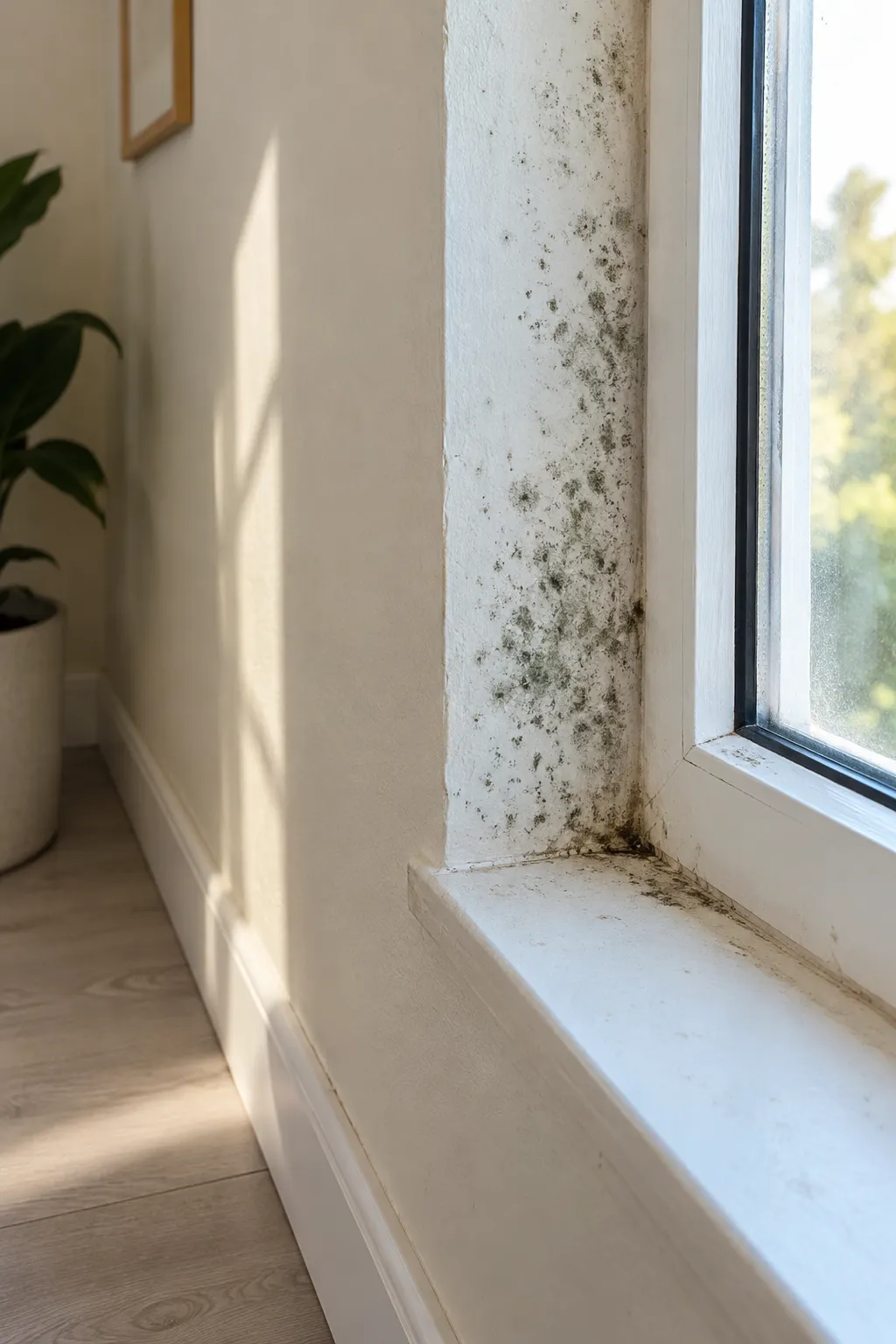
A cupboard can hide a damp wall until you move the contents. For a Kooyong enquiry, tell us whether the backing, adjoining wall or stored items show the first signs of growth.
Visible material considered
Moisture history discussed
Access and scope agreed
THE ROOM TELLS A STORY
Look behind what stays closed
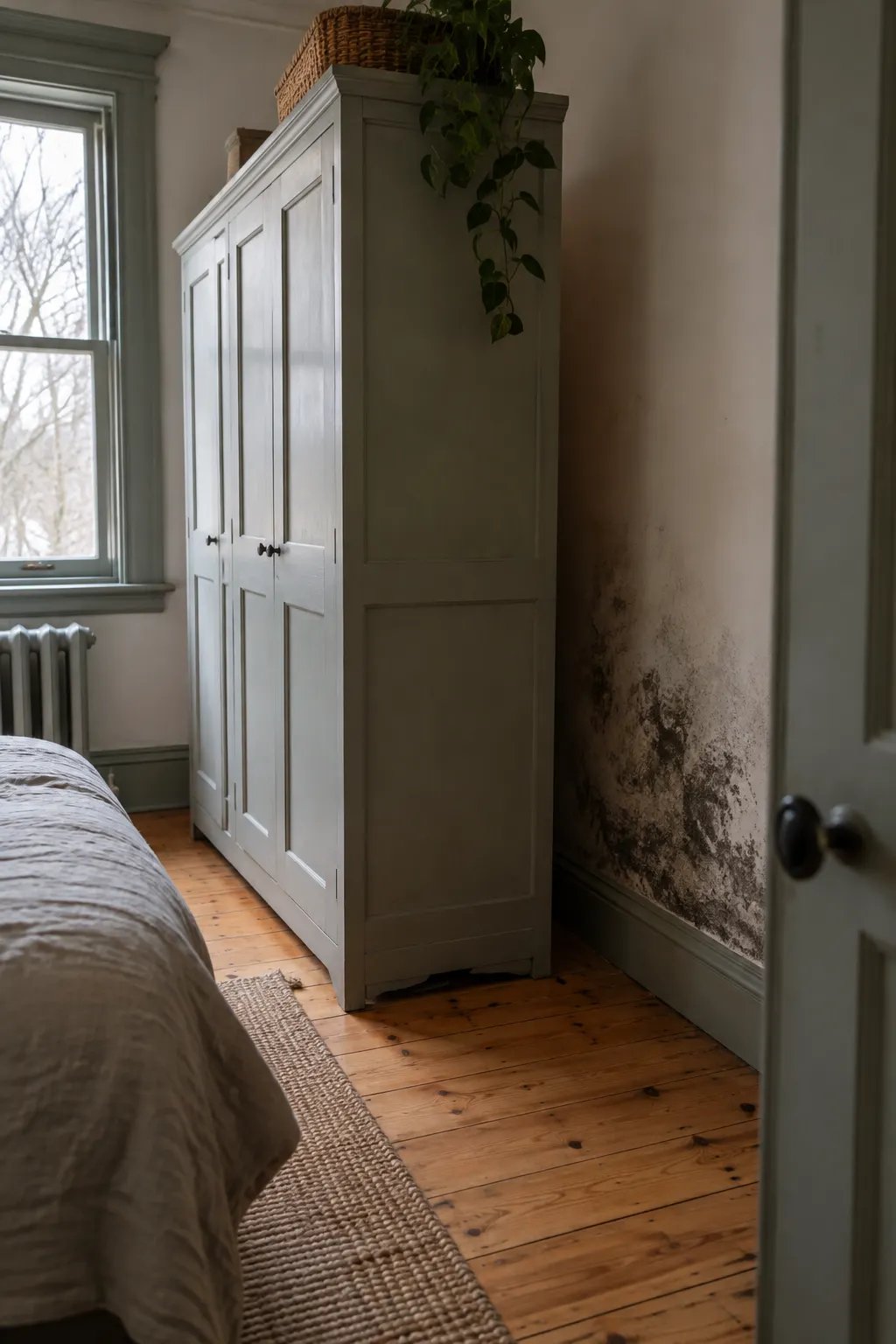
Kooyong is one of Stonnington’s suburbs. If a built-in cupboard is affected, separate the condition of the cupboard from the wall it covers. A mark on the backing does not show what lies inside the wall. Photograph accessible surfaces and discuss whether removing a panel requires another trade.
A cupboard photo should explain what is fixed and what can move. Ask about inspecting the reachable faces, noting that a backing panel may conceal a different wall condition and that opening it needs a separate access decision.
UNDERSTANDING MOISTURE
Make sense of
airflow inside storage.
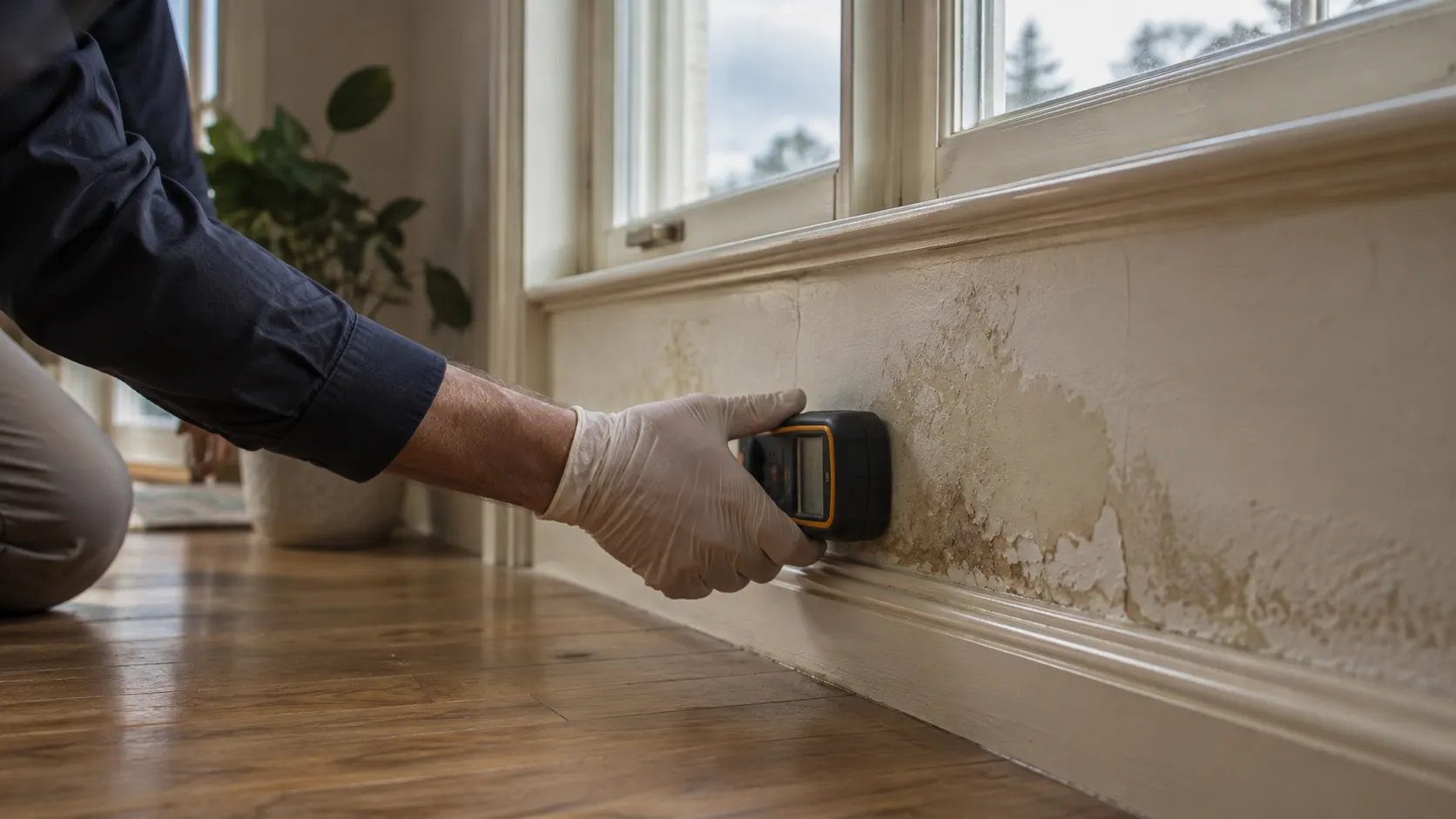
What stays damp
Closed storage can dry differently from the exposed room. Note whether the wall outside the cupboard is also damp and whether moisture changes when doors are opened during ordinary use.
Leaks and repairs
If a pipe, window or earlier water event is nearby, include it in the account. A marked cupboard backing does not establish where moisture originated or reveal everything behind the unit.
Accessible evidence
Separate backing board, shelves and the painted wall when describing damage. Swelling or loose material may affect retention decisions, while a suitable sound face can have a narrower treatment scope.
OUR REMOVAL PROCESS
Plan the work
around the room.
Keep the room history
Record whether the backing, shelves or contents showed the earliest mark. That order can be useful when deciding which accessible surface needs attention first.
Make access practical
Tell us if the backing is fixed or removable only by a joiner. Inspection of an exposed edge and opening the whole cabinet are different access decisions.
Agree the next decisions
Discuss whether cupboard damage needs repair or further investigation. Closing the doors again should not hide continuing dampness before the room’s moisture history has been considered.
01
Assess the cupboard backing
Inspect reachable cupboard surfaces and the exposed wall separately. Discuss mould removal scope without assuming the condition behind a fixed backing matches its visible face.
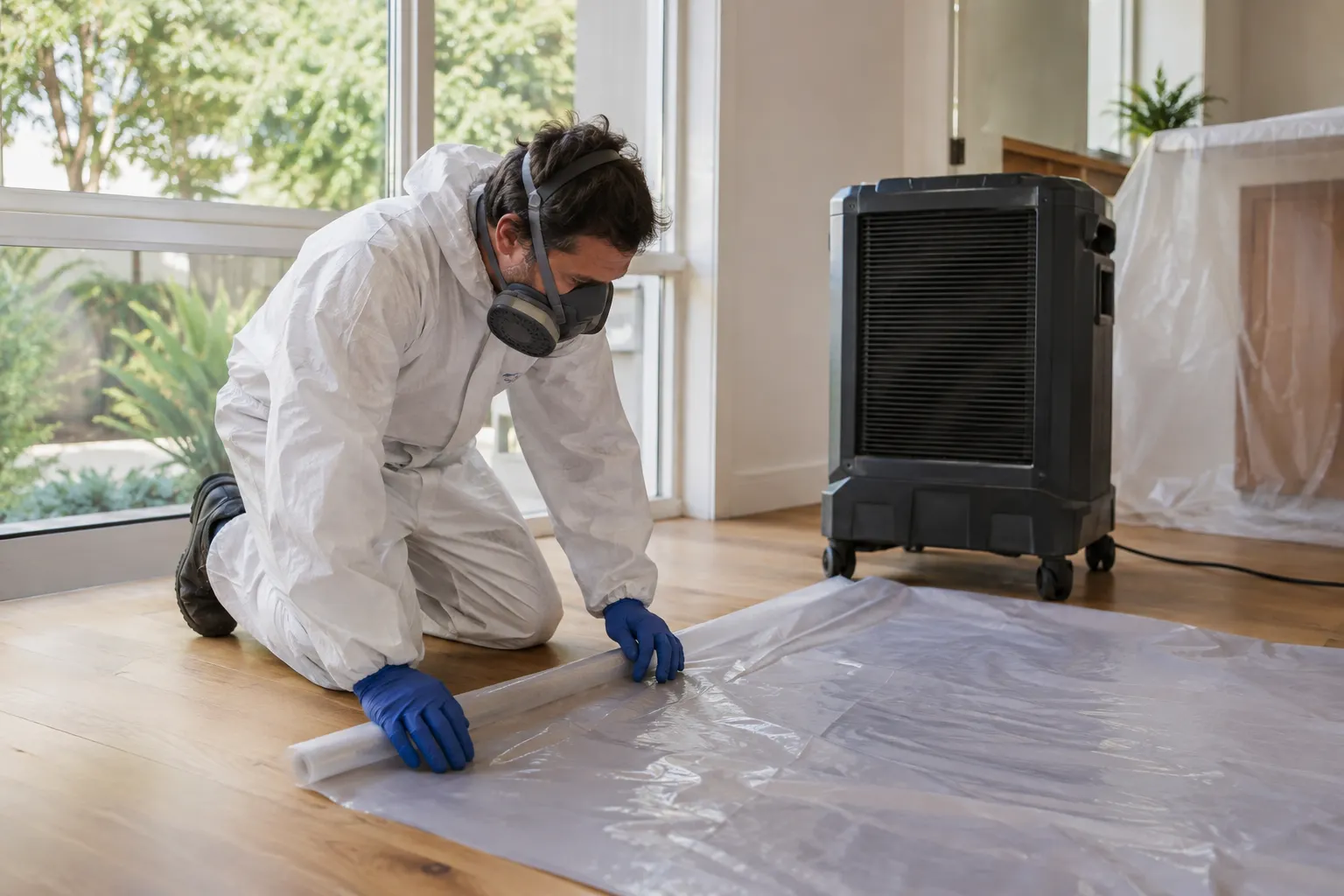
02
Prepare the working area
Agree which stored items will move before work and who will move them. Keep cupboard doors and shelves accessible without dismantling panels for the visit.
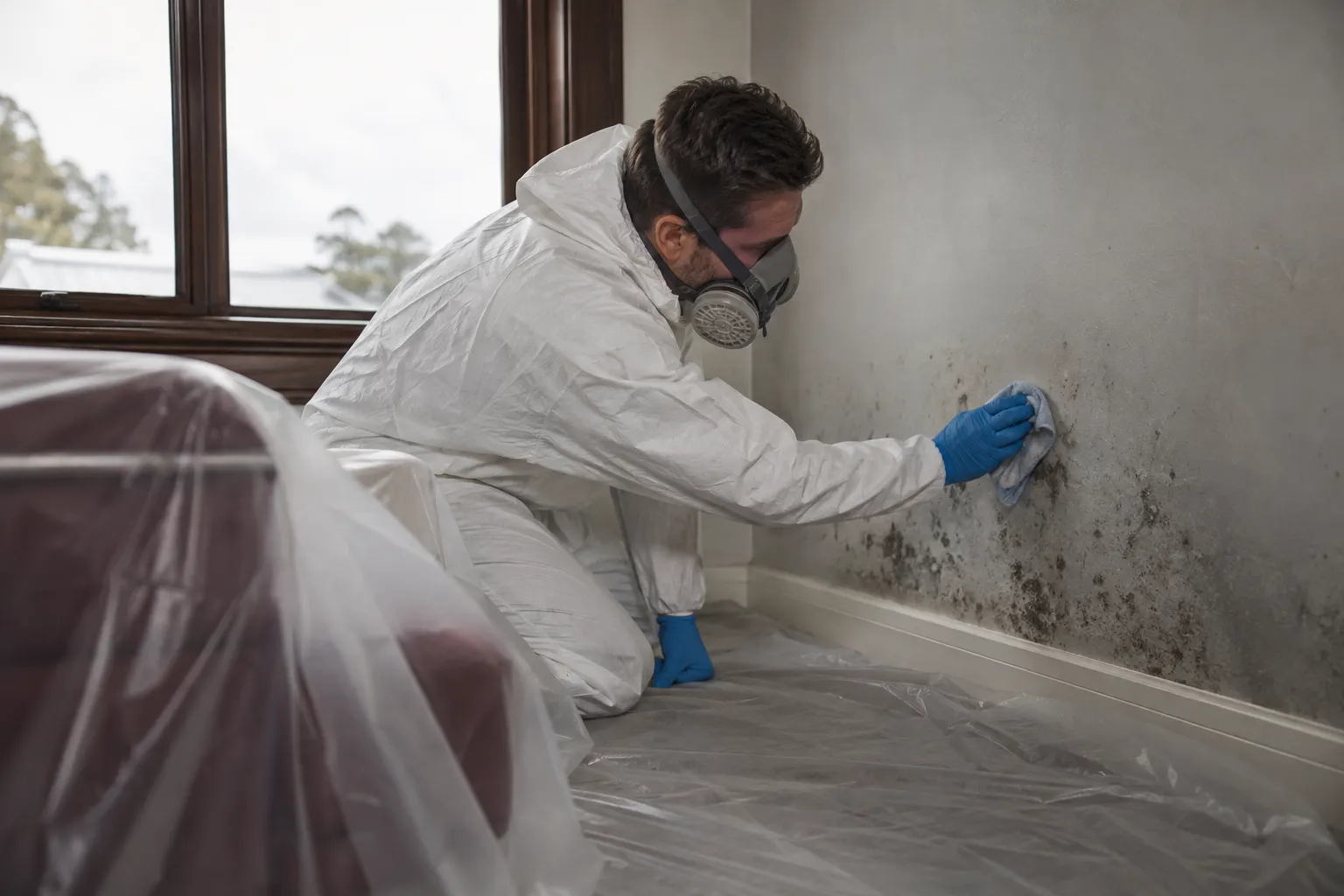
03
Remove and review
Check the treated faces and retain notes about any concealed area excluded from the scope. A mark removed from a shelf does not establish what lies behind the cupboard.
COMMON AREAS AFFECTED
Different surfaces.
Different decisions.
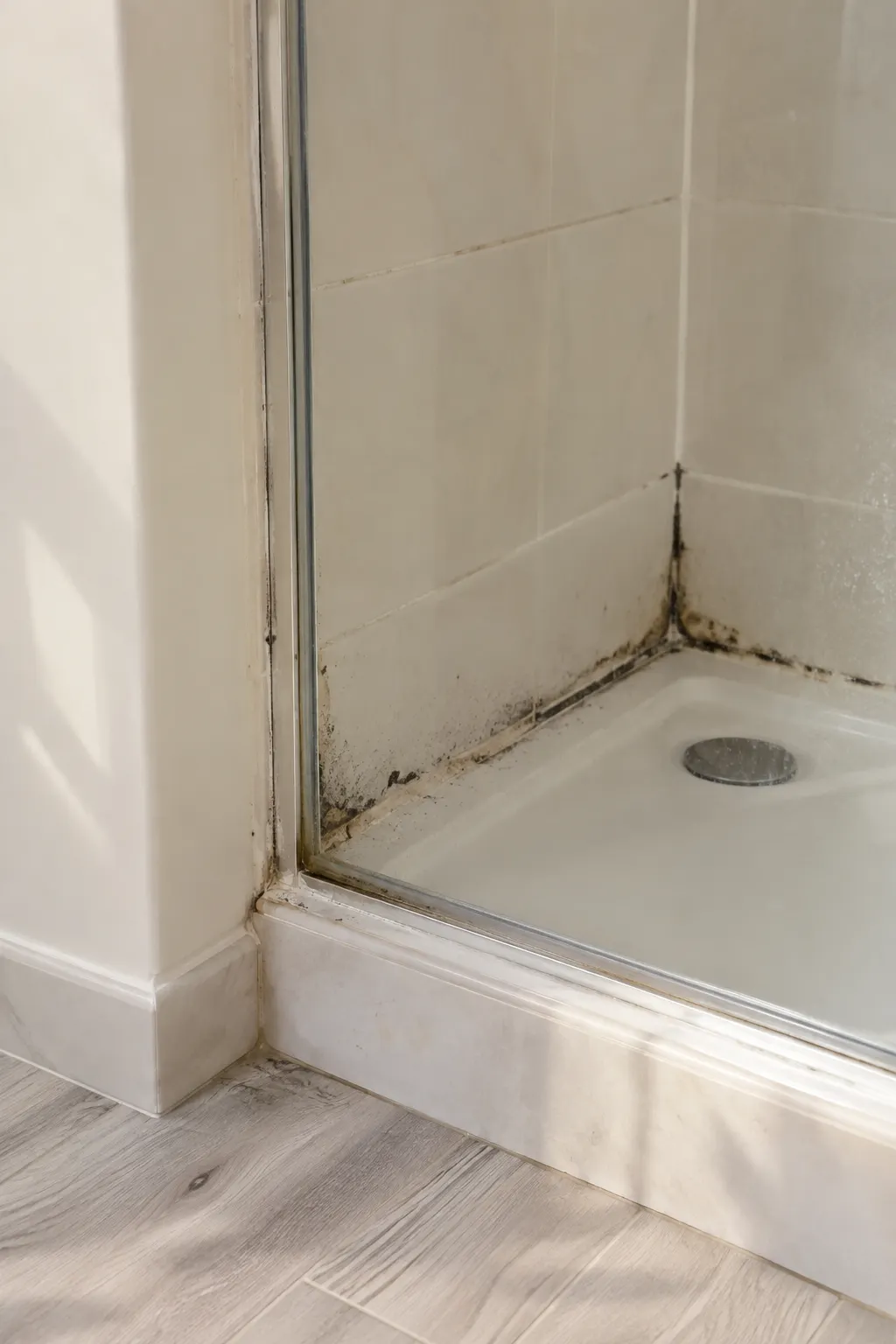
Bathroom junctions
A cupboard adjoining a bathroom adds a useful room relationship to describe. Do not treat that relationship as proof of a hidden leak; record changes linked to bathing if observed.
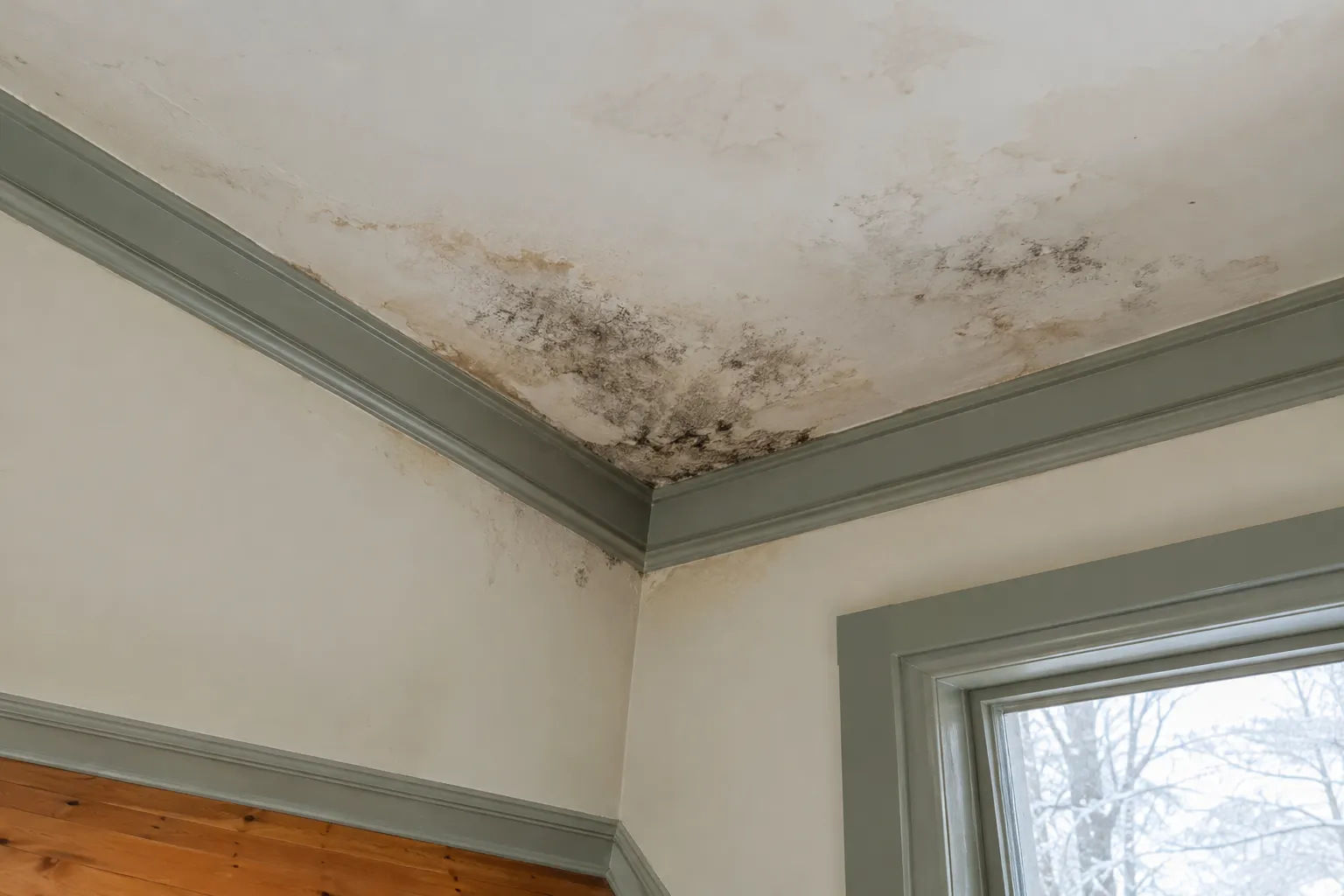
Ceiling surfaces
If growth reaches the top of the cupboard, include the accessible ceiling edge. State whether the cabinet blocks inspection rather than claiming the concealed corner is unaffected.
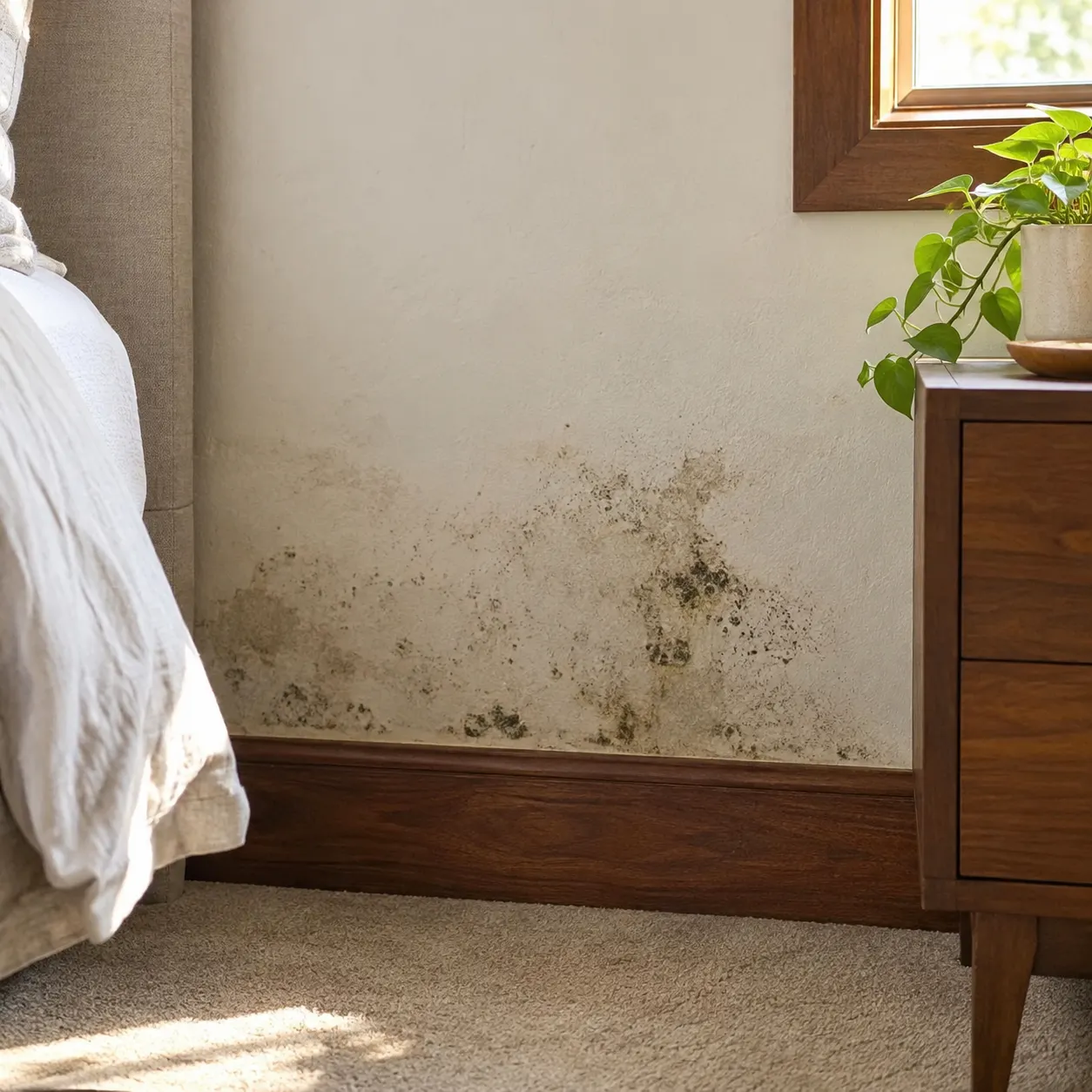
Painted walls
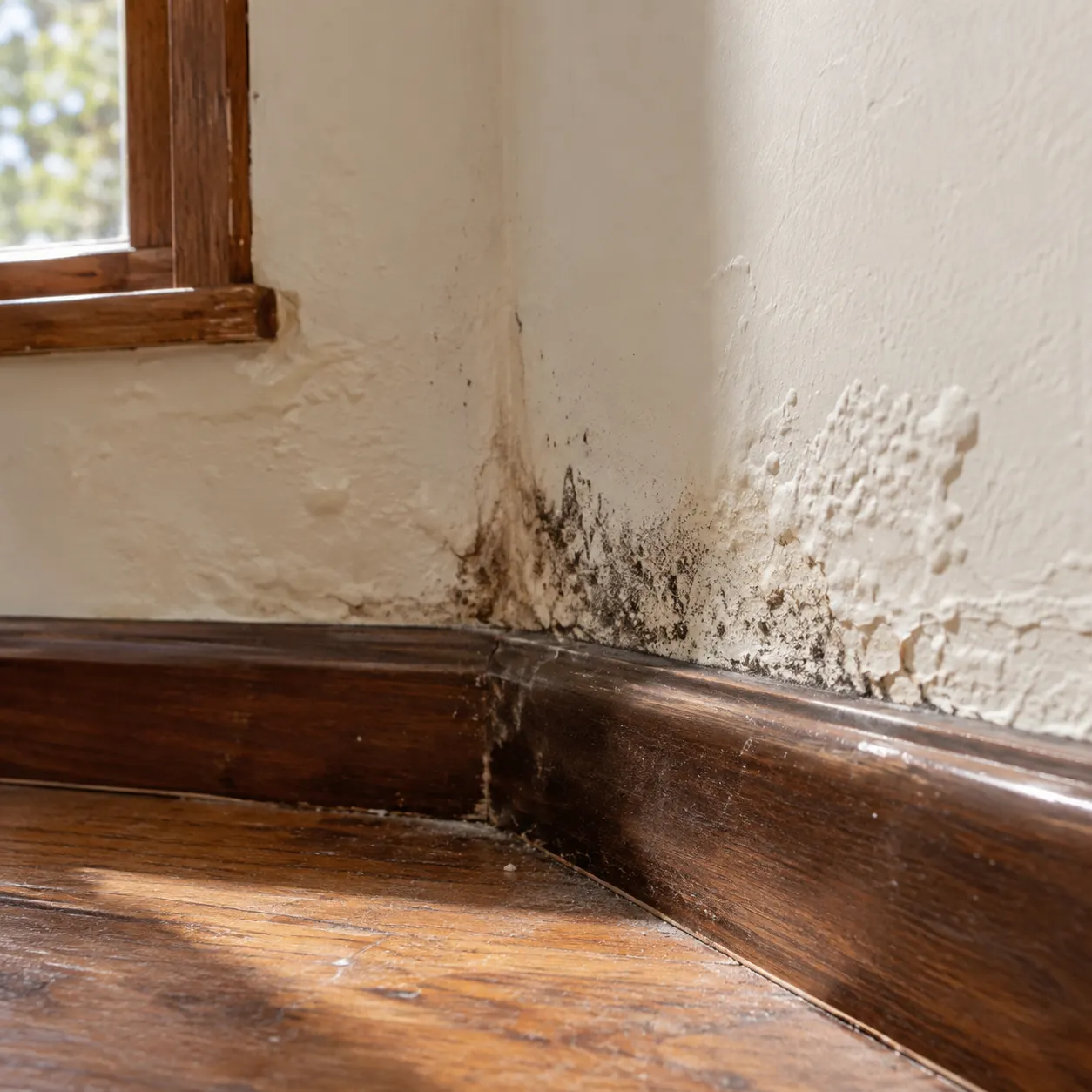
Show the exposed wall beside the cupboard as well as the marked backing. They can involve different materials and access limits, even when the visible patch appears continuous.
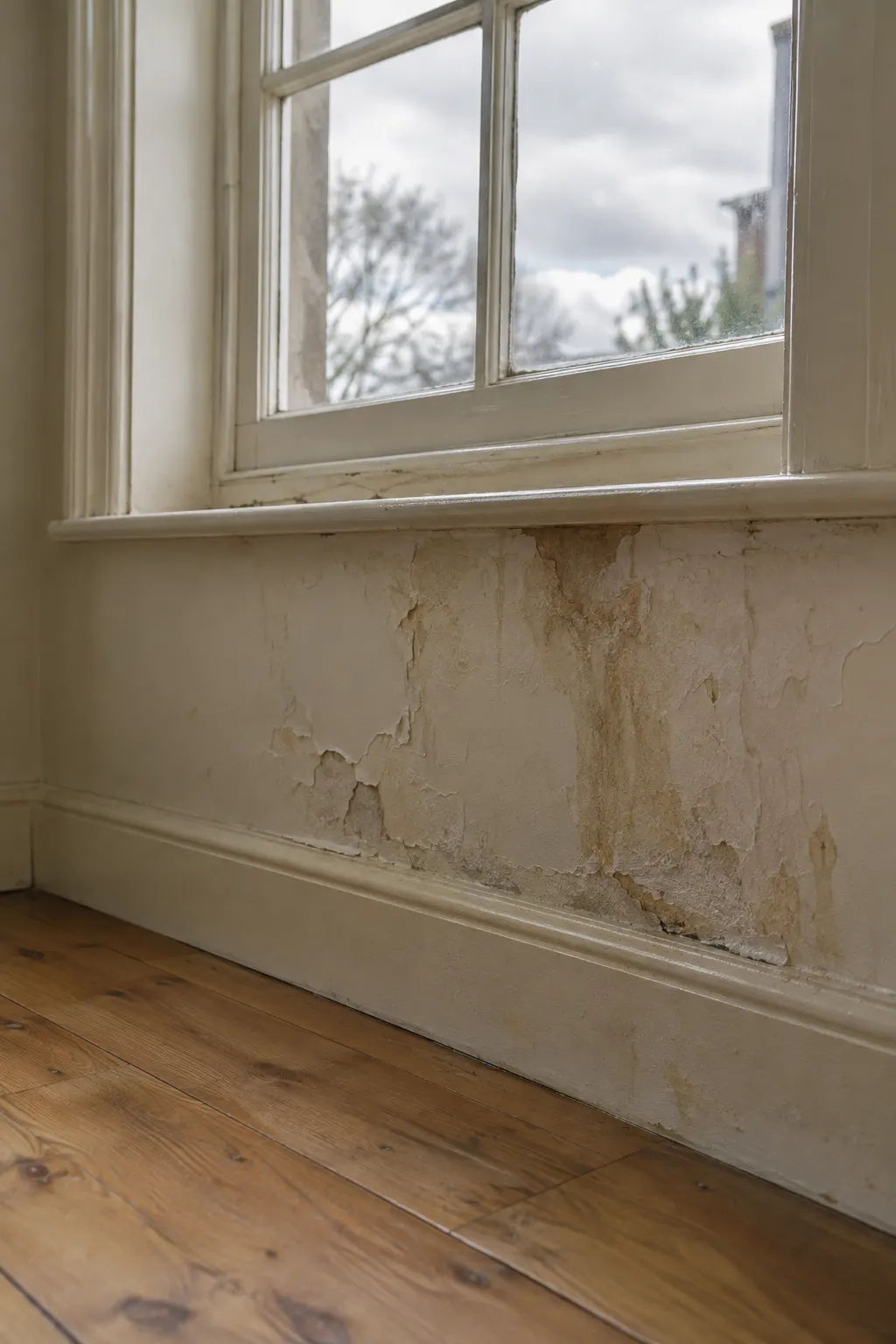
Water-affected rooms
A previous overflow may have affected stored contents and board differently. List known wet items separately so surface removal is not confused with a promise to restore the entire cupboard.
PREVENTION STARTS WITH
Follow the source.
Protect the finish.
Observe the drying pattern
Keep damp storage surfaces visible while the moisture question is addressed. Avoid immediately packing the affected area tightly again, and observe whether adjacent room surfaces remain wet too.
Follow up before decorating
Ask about damaged joinery before replacing contents or coatings. Where the concern extends behind fixed backing, a broader remediation discussion should identify access requirements rather than assume concealed treatment.
KOOYONG & NEARBY
Kooyong and nearby rooms.
Related nearby guides are available for Toorak and Armadale. When discussing a Kooyong cupboard, give the precise address and fixed-storage layout so the enquiry concerns the actual reachable surfaces rather than a general assumption about the suburb.
BEFORE YOU CALL
The useful
questions.
Does a marked backing show what is inside the wall?
It only shows the visible face. Assessing the concealed space may need separate access, permission and a clear plan for any removal of panels.
Should I empty the entire cupboard?
Agree on preparation first. Identify the affected shelves and contents, then discuss what needs moving and who will handle heavy or fixed items.
Can shelves and stored objects be treated together?
Their materials and suitability differ. The building-surface scope should identify whether contents are included or require their own handling and assessment.
What if the cupboard board has swollen?
Mention the shape change before treatment is planned. Damaged board may need repair or replacement, which is different from cleaning an intact accessible face.
Why photograph the cupboard’s layout?
A wider image shows where growth meets shelves, doors and backing. That helps explain both the visible extent and what may restrict safe working access.
What should I tell you about a Kooyong cupboard?
Provide the room, affected materials and moisture timing, with the address and access details. Mention whether the backing is fixed or has already been removed.

TELL US WHAT YOU CAN SEE
Describe the mark.
Plan the next step.
Describe the cupboard’s backing, shelves and affected contents when calling 03 8652 1296. We can discuss access and the next assessment decision for the particular room at your Kooyong address.
Local context: Stonnington suburbs