
KITCHEN WALL MOISTURE · MOISTURE · SURFACES
WANTIRNA · MELBOURNE
Mould Removal Wantirna
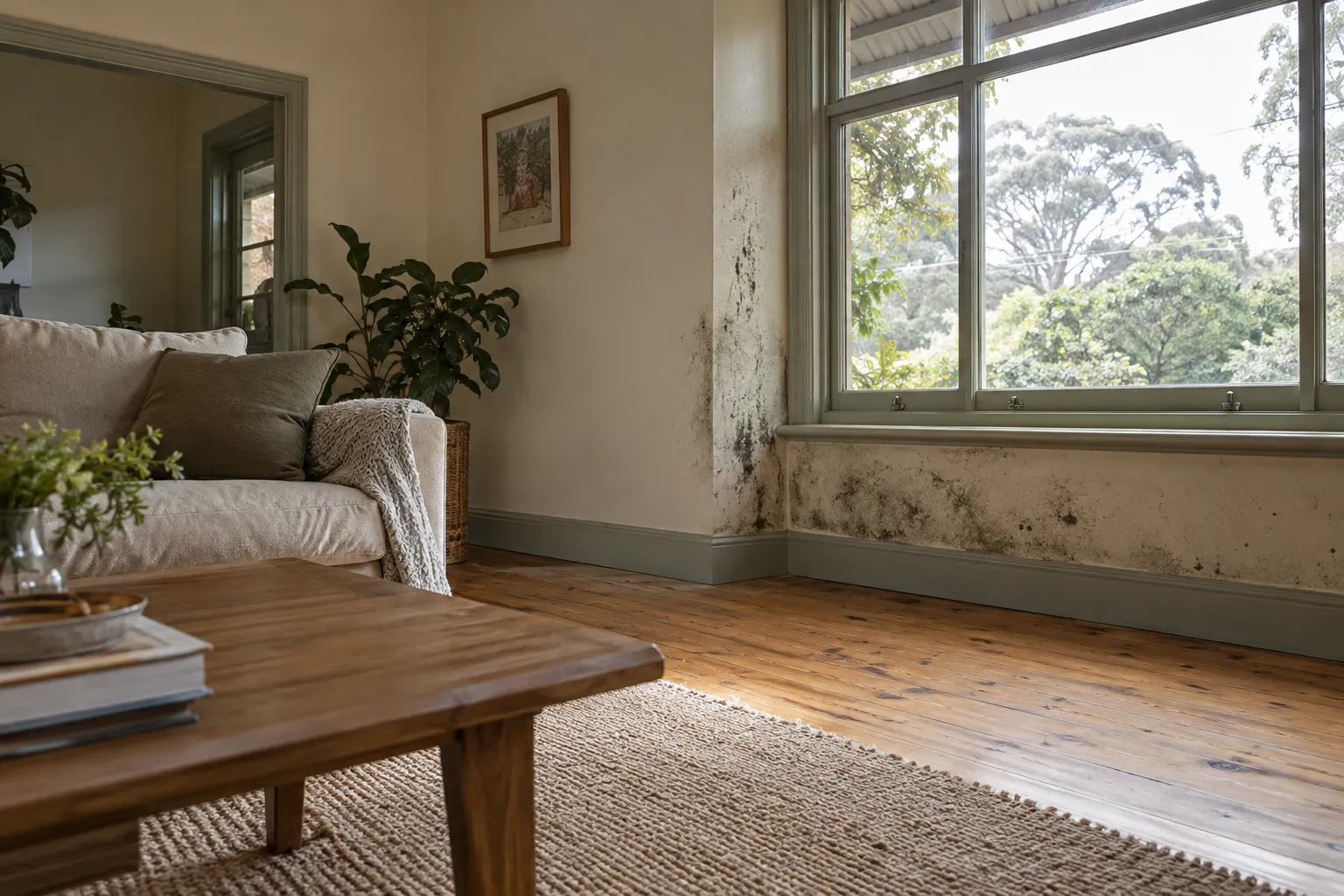
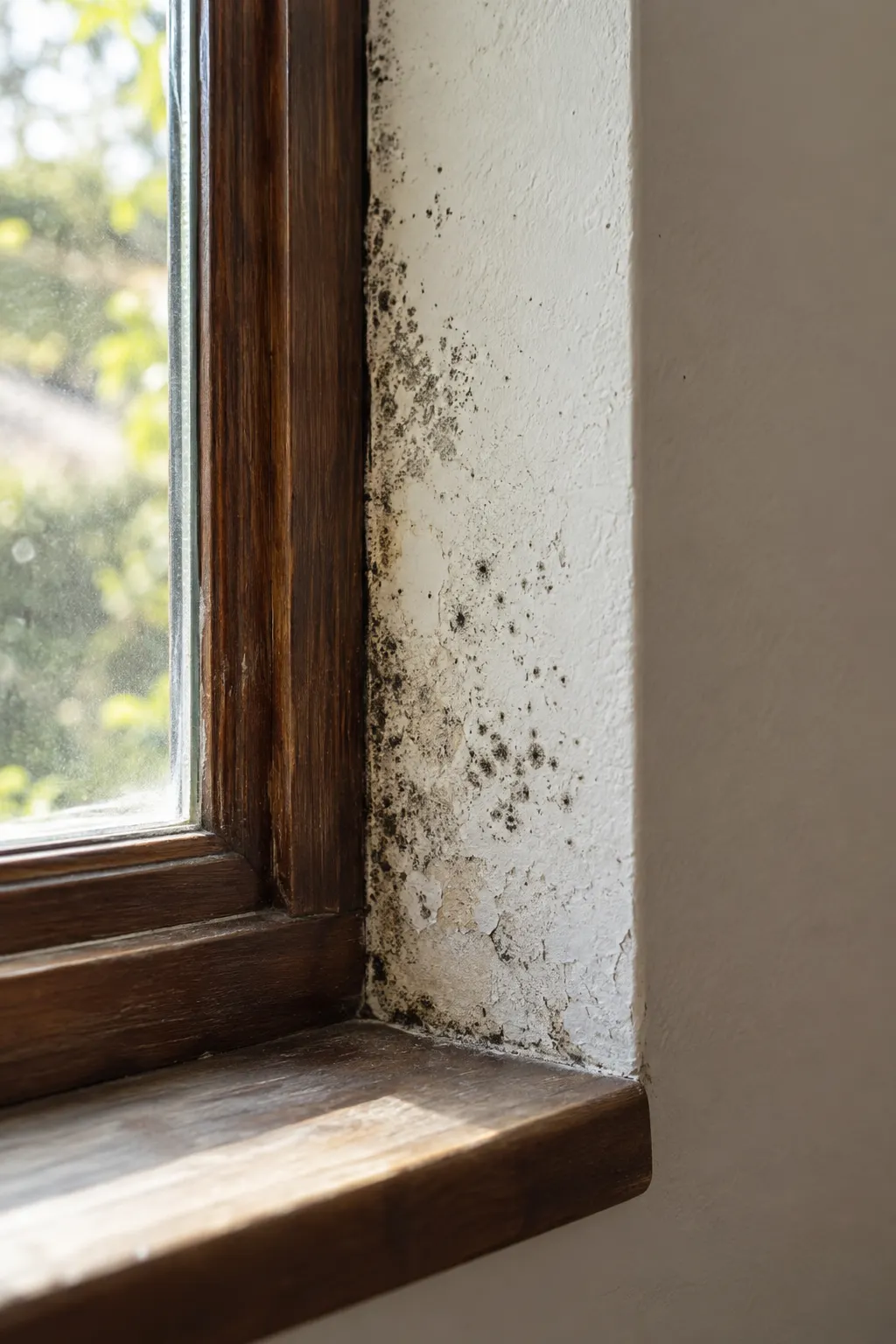
A kitchen mark may reflect cooking moisture, a fixture leak or water entering elsewhere. In Wantirna, describe the rangehood, nearby appliances and exactly which part of the wall has changed.
Visible material considered
Moisture history discussed
Access and scope agreed
THE ROOM TELLS A STORY
Look beyond the cooking steam
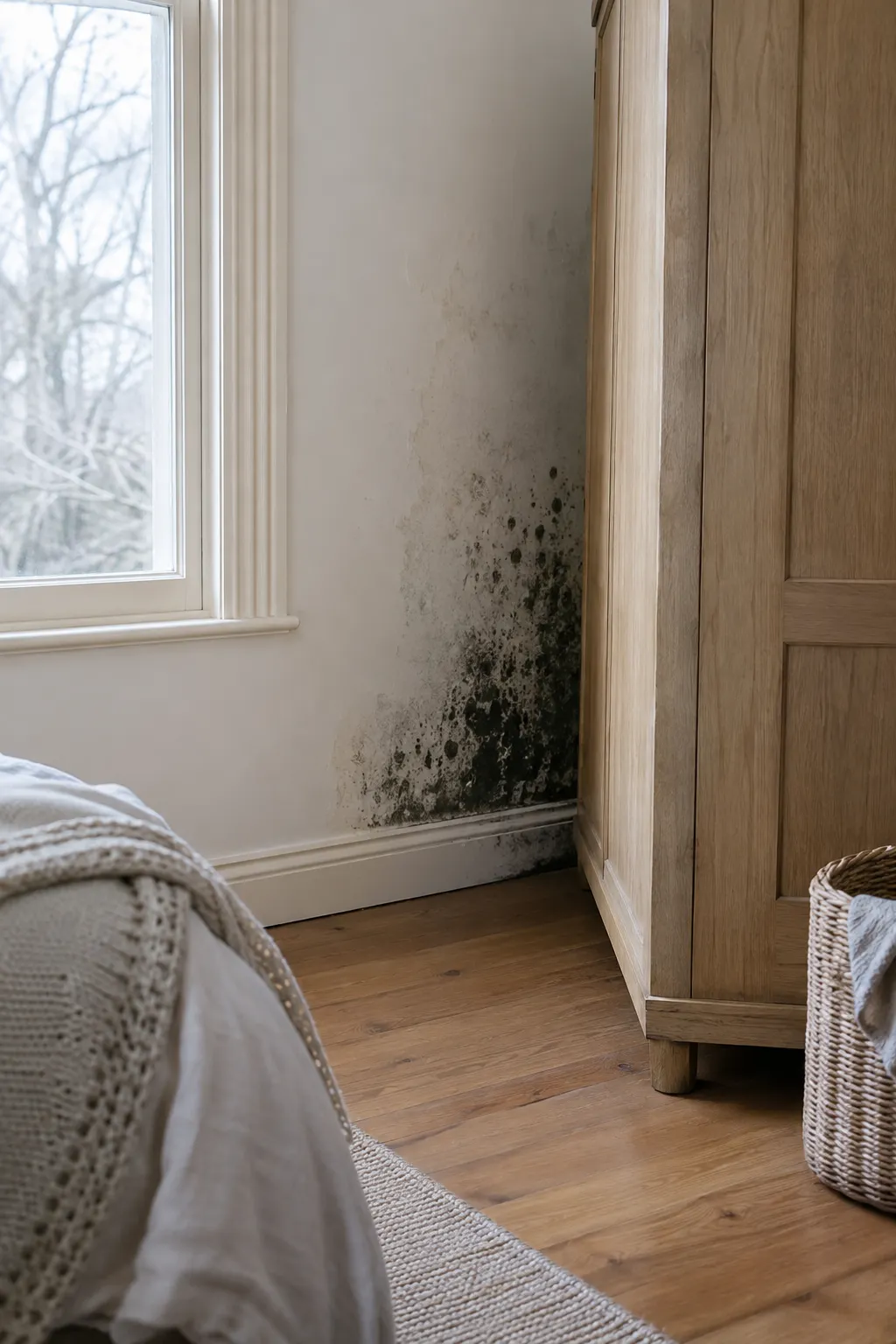
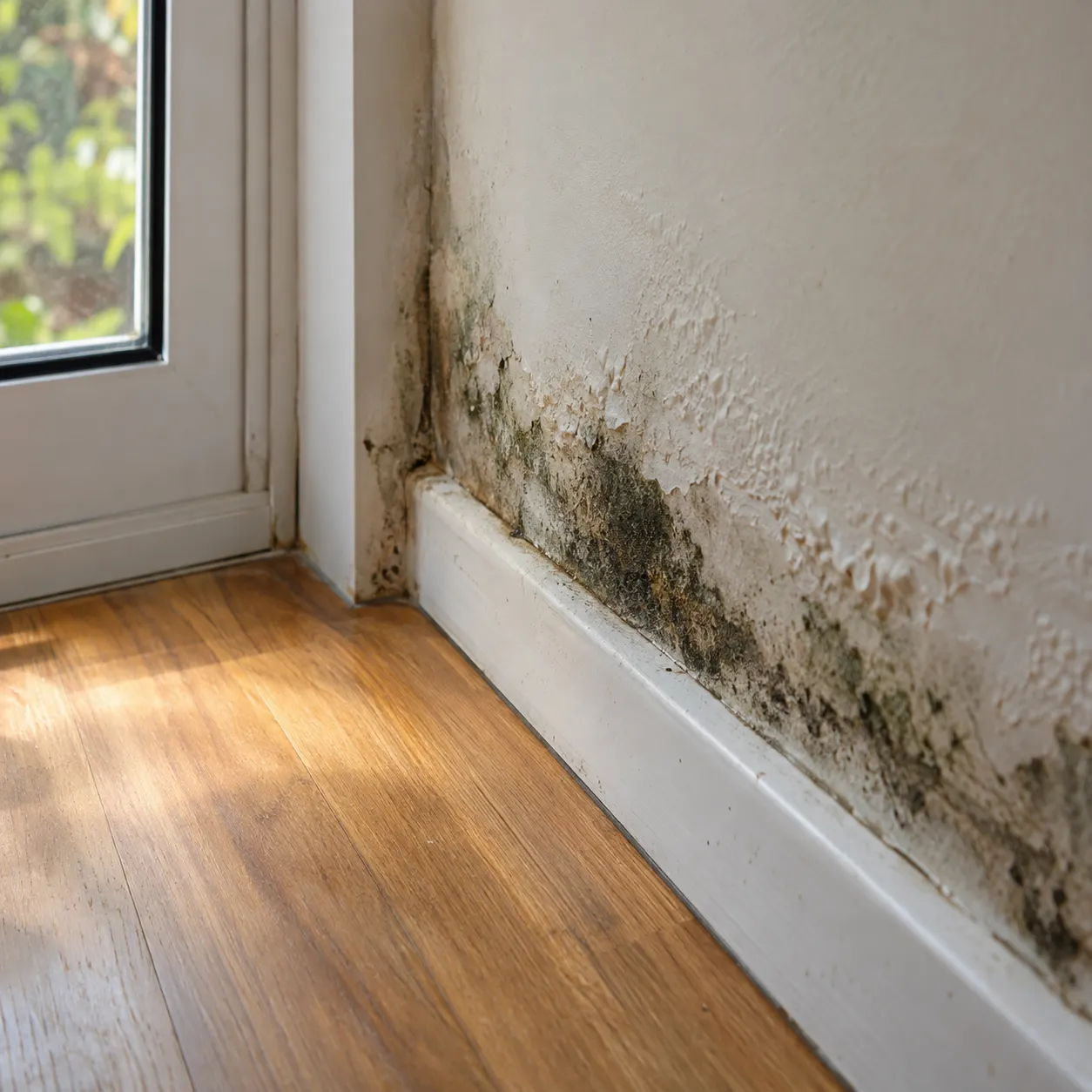
Knox’s local information includes Wantirna. If growth appears behind a kitchen appliance, distinguish the visible wall from concealed cabinetry or services. Mention whether the mark changes during cooking or when a particular appliance runs. Safe access can require moving equipment or arranging a suitable trade first.
An accessible kitchen inspection needs the equipment layout as well as a patch photo. Explain which appliance or cabinet covers the wall, and whether reaching behind it would require movement, permission or a separate tradesperson.
UNDERSTANDING MOISTURE
Make sense of
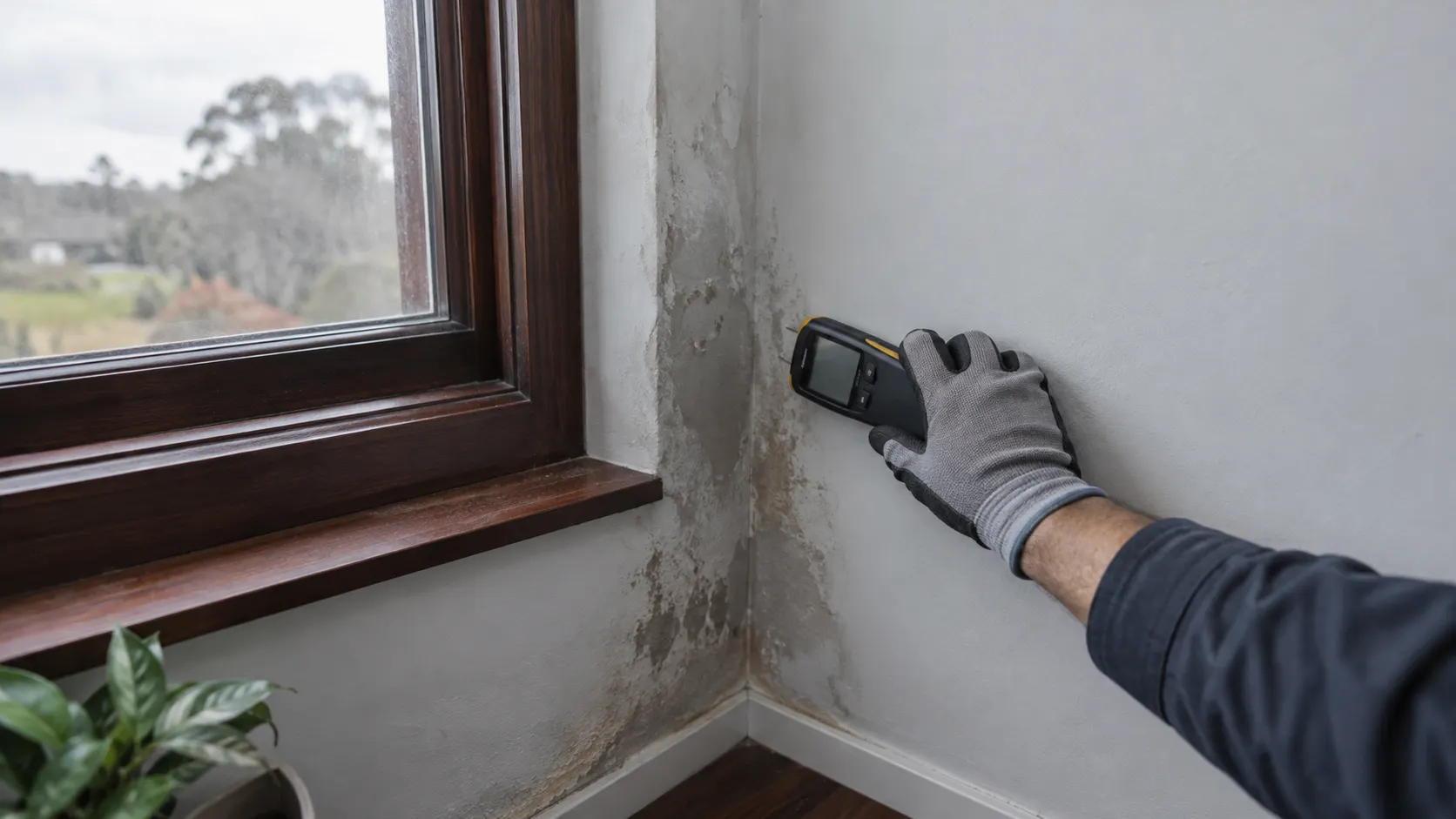
moisture during cooking.
Moisture in the air
Notice whether the mark changes while cooking or during an appliance cycle. Room-generated moisture and water at a connection can need different enquiries, even if both appear beside the kitchen wall.
The water history
A suspected appliance leak should be investigated through appropriate arrangements. Describe visible water and timing; moving equipment or opening cabinetry to find a source is not part of an assumed wall treatment.
Check the finish
Kitchen paint, cabinet board and trim can differ in condition and suitability. Identify swelling or loose coatings before planning removal, keeping concealed equipment spaces outside conclusions from a visible edge.
OUR REMOVAL PROCESS
From observations
to surface work.
Keep the room history
Take photos showing the affected wall’s relationship to the rangehood and nearby appliance. Record use-related changes without operating faulty equipment solely to reproduce water entry.
Make access practical
Tell us whether equipment is movable and who would arrange disconnection if needed. A surface visit should not depend on unplanned electrical or plumbing work.
Agree the next decisions
Clarify any remaining appliance or extraction investigation. Cleaning a kitchen wall cannot verify the soundness of concealed connections or resolve a building leak elsewhere.
01
Assess the kitchen wall
Explain whether marks change during cooking, appliance use or rainfall. The mould removal scope should distinguish accessible paintwork from cabinetry and connected equipment.
02
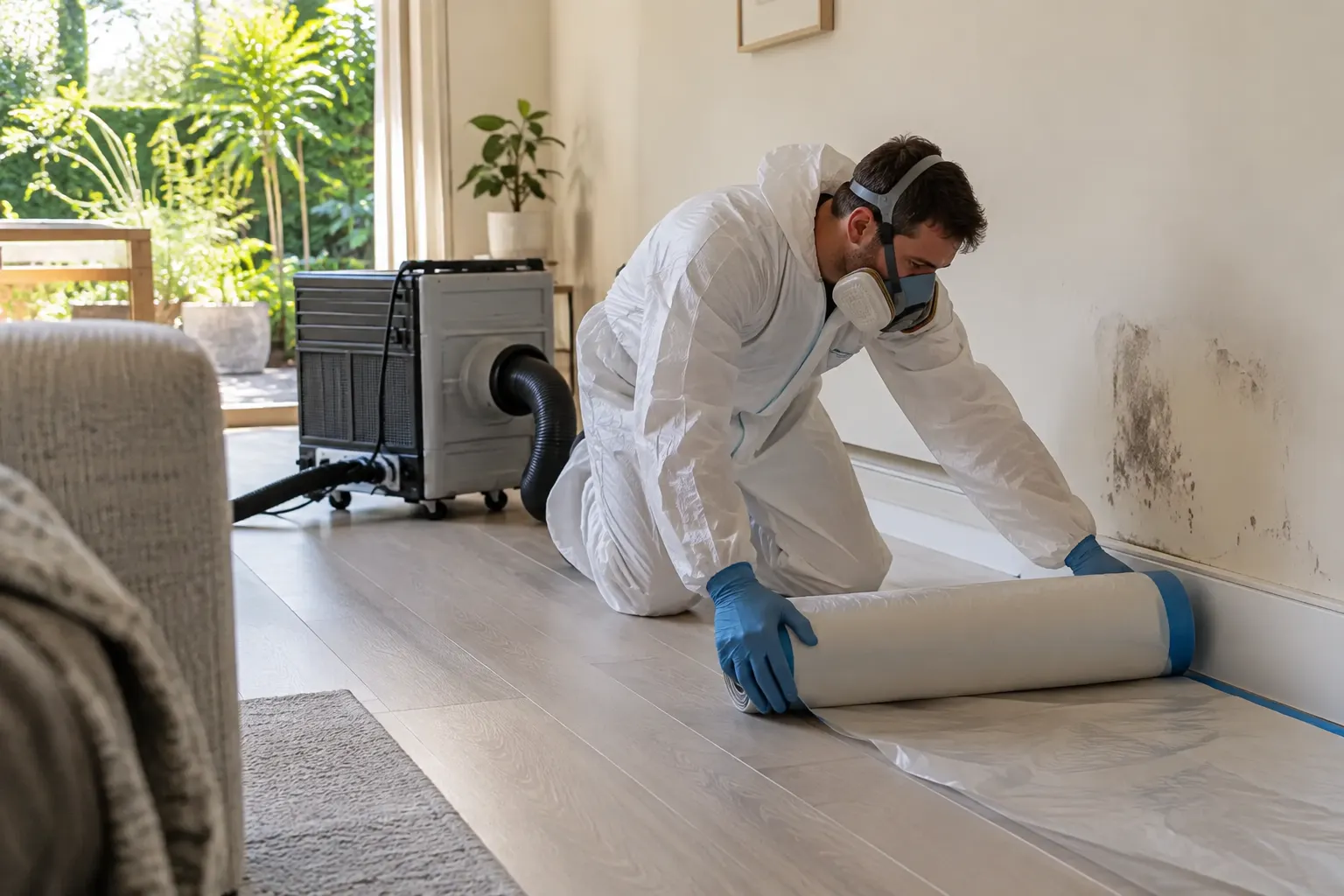
Prepare the working area
Arrange safe access beside kitchen equipment, keeping connections intact. Protection of clear finishes and food-preparation areas should be discussed before moving belongings or beginning work.
03
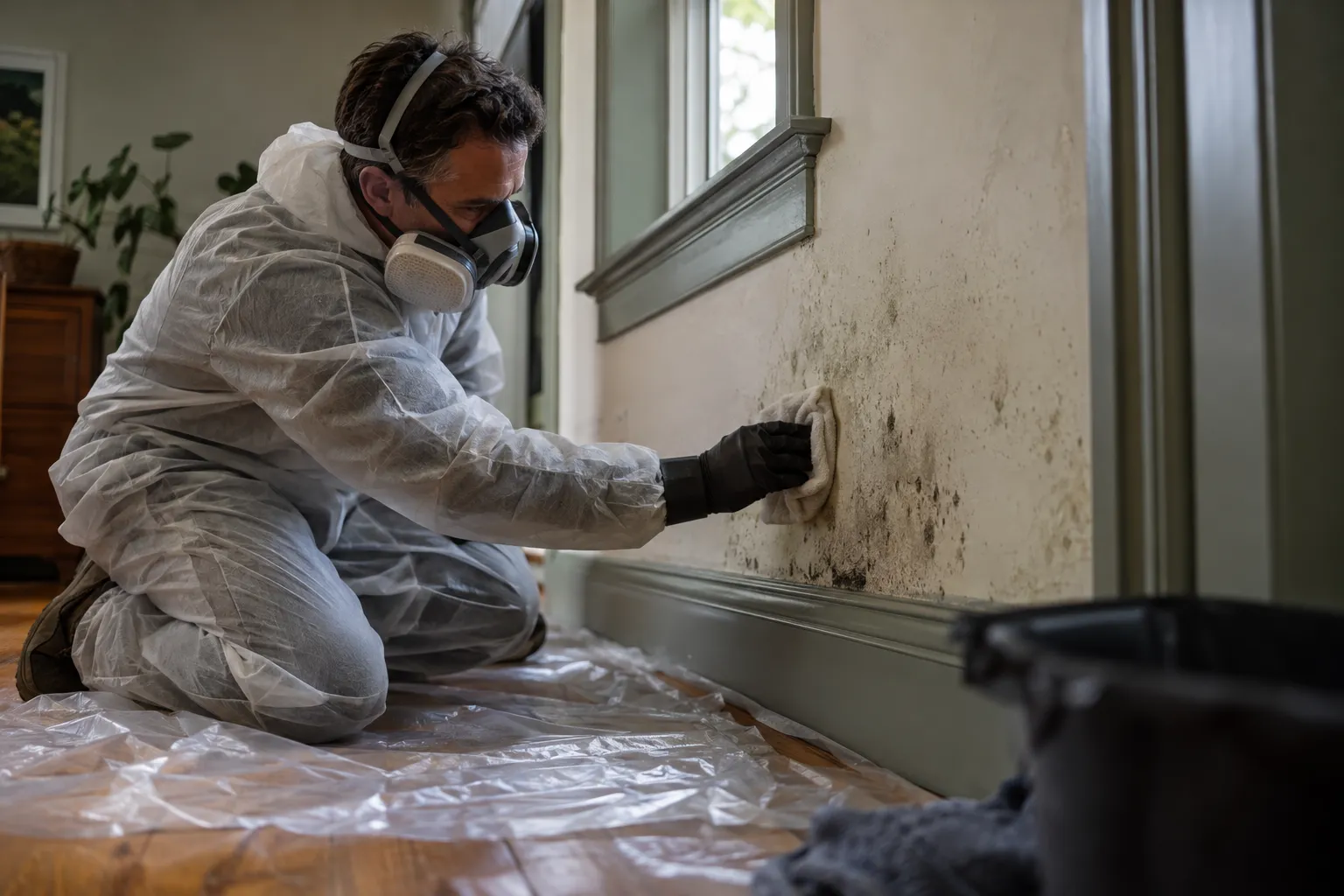
Remove and review
After the agreed treatment, continue observing the timing of moisture. A patch linked to a dishwasher cycle is a different follow-up issue from steam collecting during cooking.
COMMON AREAS AFFECTED
Different surfaces.
Different decisions.
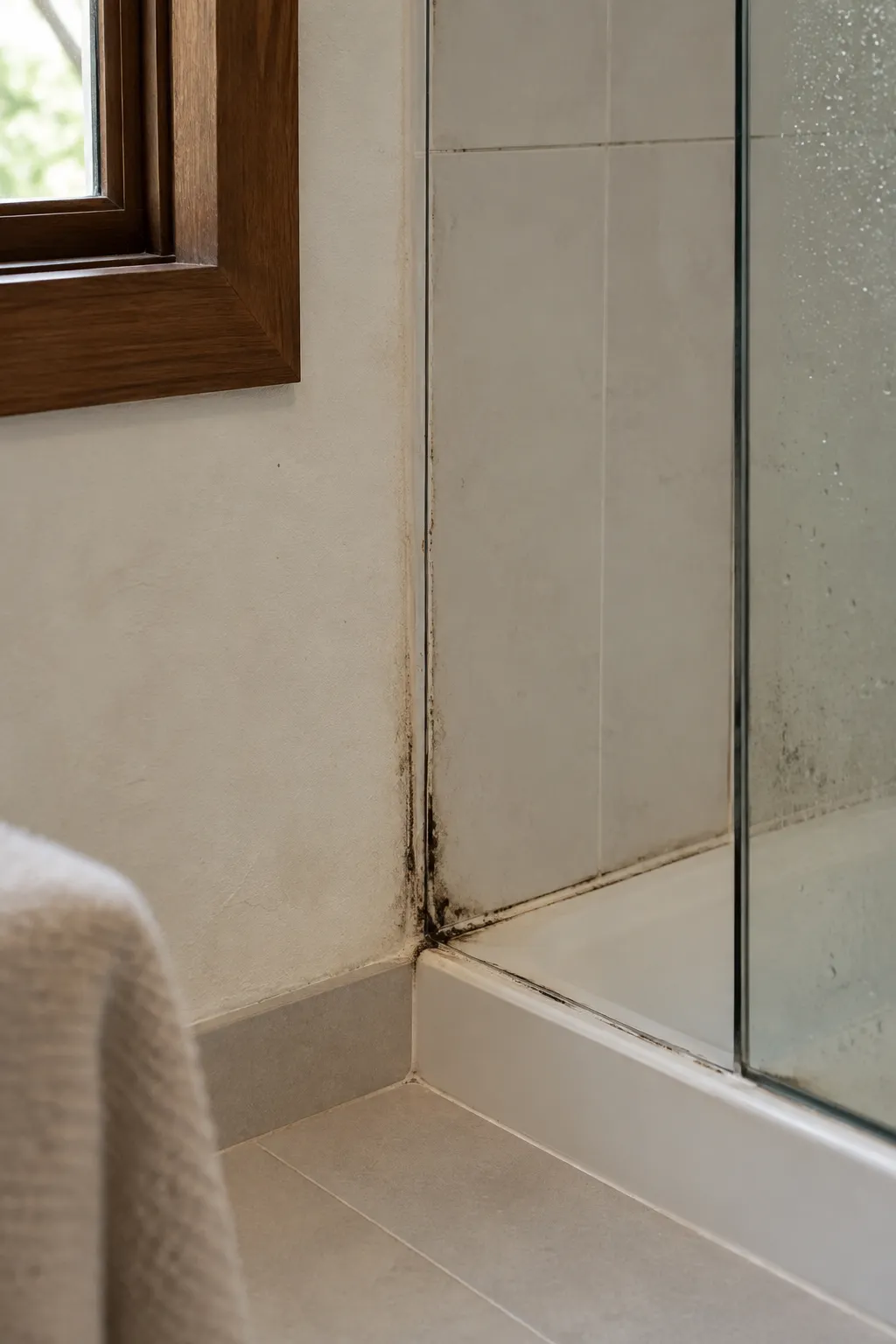
Bathroom junctions
If a bathroom is also marked, give its own use and drying history. A shower junction should not be assigned the same explanation as a kitchen wall merely because both show dark spots.
Ceiling surfaces
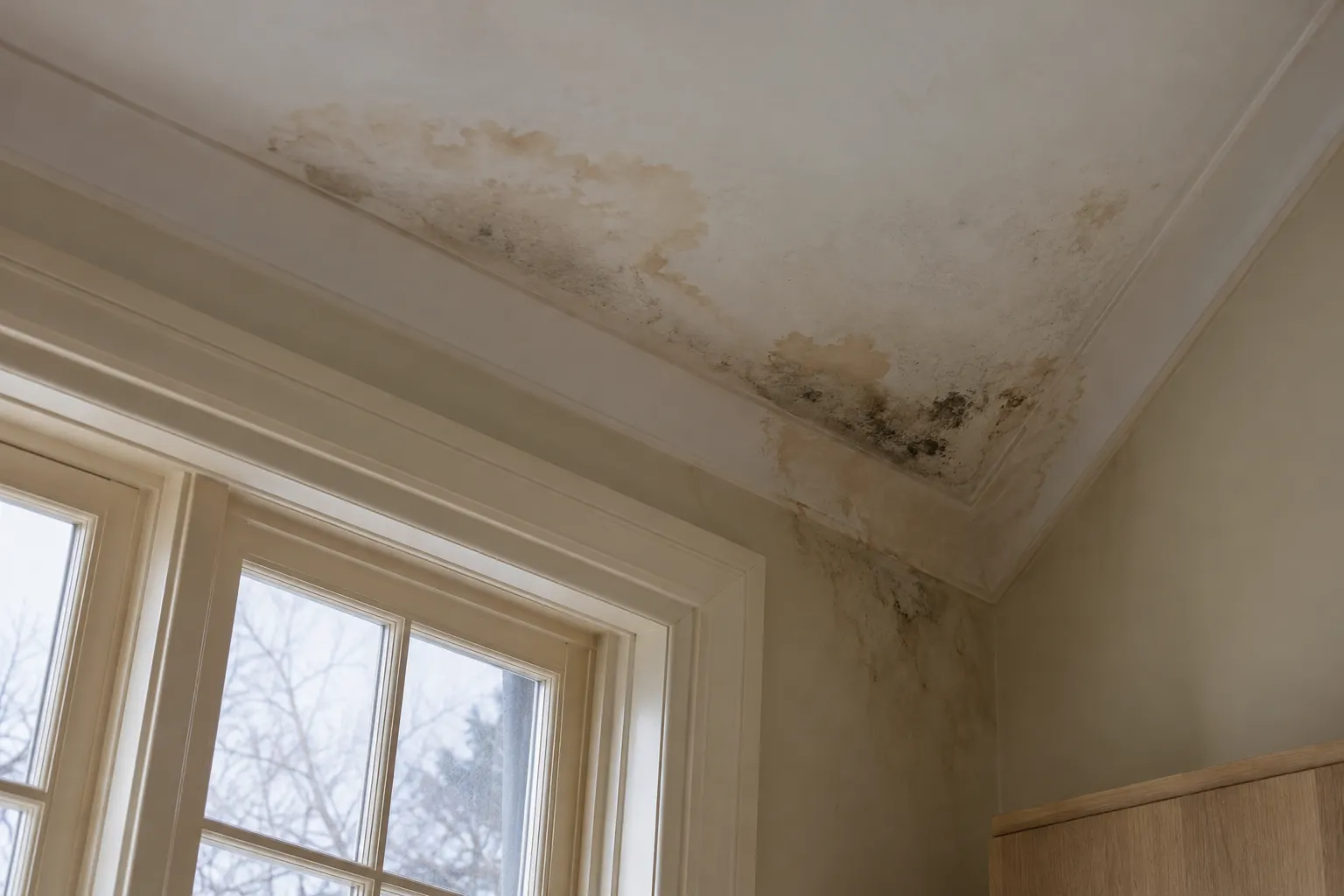
Ceiling marks near cooking areas merit an account of extraction and finish condition. Mention any rainfall or plumbing history as well, rather than assuming cooking steam explains the entire patch.
Painted walls
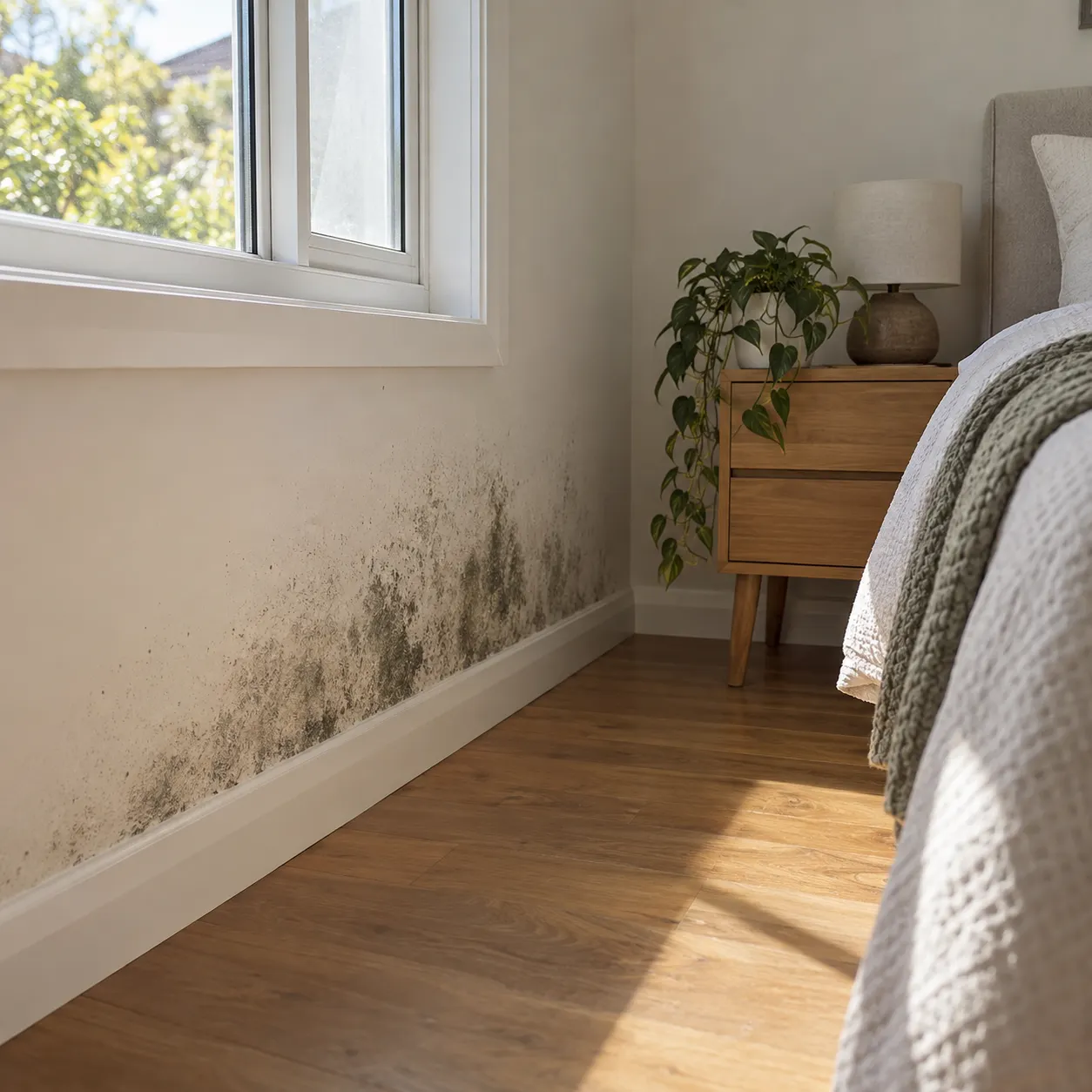
Show the marked wall in relation to the rangehood and appliance. That room view clarifies location and access; it does not reveal the state of concealed wiring or connections.
Water-affected rooms
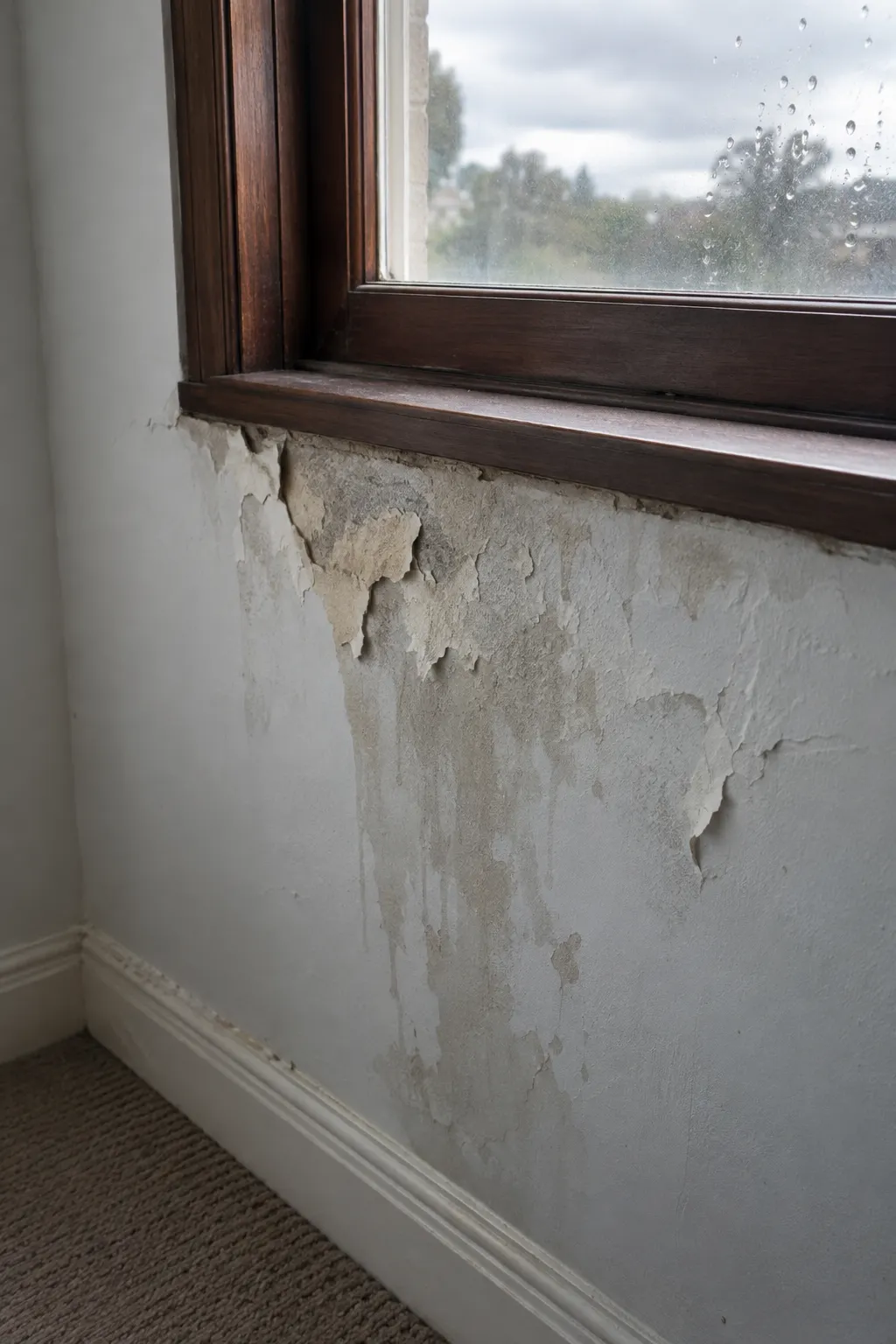
After an overflow, describe affected floor edges and cabinetry alongside the paintwork. Removal from the exposed wall cannot promise to restore every wet material behind or beneath equipment.
PREVENTION STARTS WITH
Help the room
dry between uses.
Observe the drying pattern
Observe kitchen drying during normal use and follow up on recurring water near fittings. Appropriate extraction can address room moisture, but it does not repair a leaking connection or building defect.
Follow up before decorating
Coordinate equipment and material questions before new decoration hides the patch. Ask how remediation for adjoining areas relates to appliance repairs, drying and access behind fixed cabinets.
WANTIRNA & NEARBY
Wantirna and nearby rooms.
For other nearby locations, explore Heathmont and Vermont. A Wantirna kitchen enquiry should still supply the specific address and equipment arrangement; confirm access and the proposed work before treating a neighbouring guide as a property assessment.
BEFORE YOU CALL
The useful
questions.
Does a kitchen wall mark identify an appliance fault?
Its location is a clue rather than proof. Record when water or visible change occurs and arrange the appropriate investigation of any suspected source.
Can equipment be moved as part of surface treatment?
Agree that separately. Connected or heavy equipment may need suitable handling or disconnection, which should not be assumed from an enquiry about the wall.
Should I mention the rangehood?
Explain its normal use and the room’s drying pattern. That context helps consider cooking moisture without treating it as a confirmed cause of every mark.
What if cupboard board has swollen?
Describe that condition before treatment is decided. Damaged board may need repair or replacement rather than the same scope as sound painted plaster nearby.
Is a photo behind the fridge necessary?
Photograph only safely accessible areas. Explain what is concealed, so any need to move the appliance can be planned rather than improvised for the enquiry.
How do I start a Wantirna kitchen enquiry?
Give the address, wall position and appliance-use history. Include access restrictions and known water events so the initial removal and investigation questions are clear.
TELL US WHAT YOU CAN SEE
Start with
the affected surface.
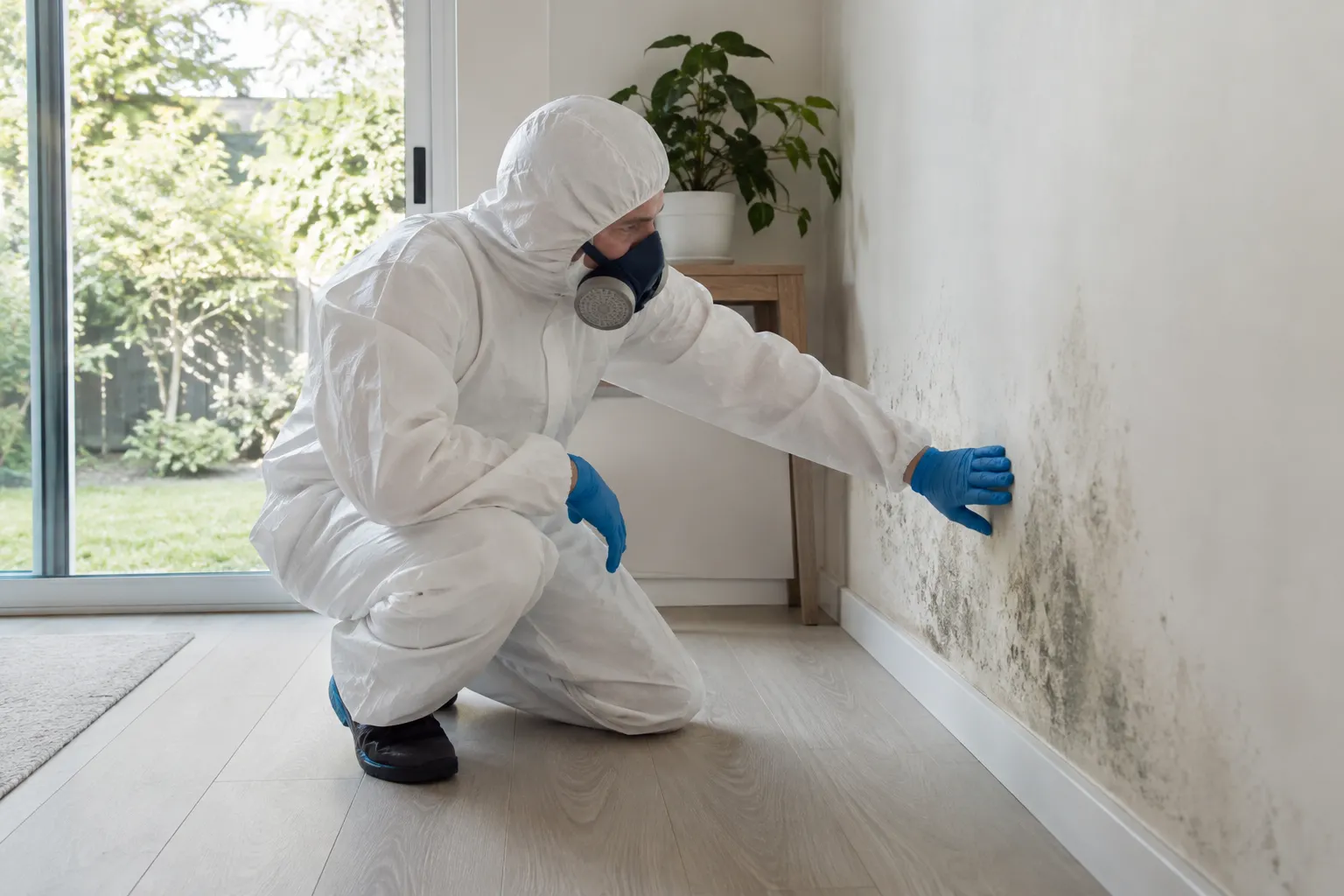
A room view and appliance-use timing can make the kitchen conversation useful. Call 03 8652 1296 about your Wantirna address and describe what can currently be reached without moving connected equipment.
Local context: Knox localities