
ROOMS · MATERIALS · MOISTURE
ASPENDALE · MELBOURNE
Mould Removal Aspendale
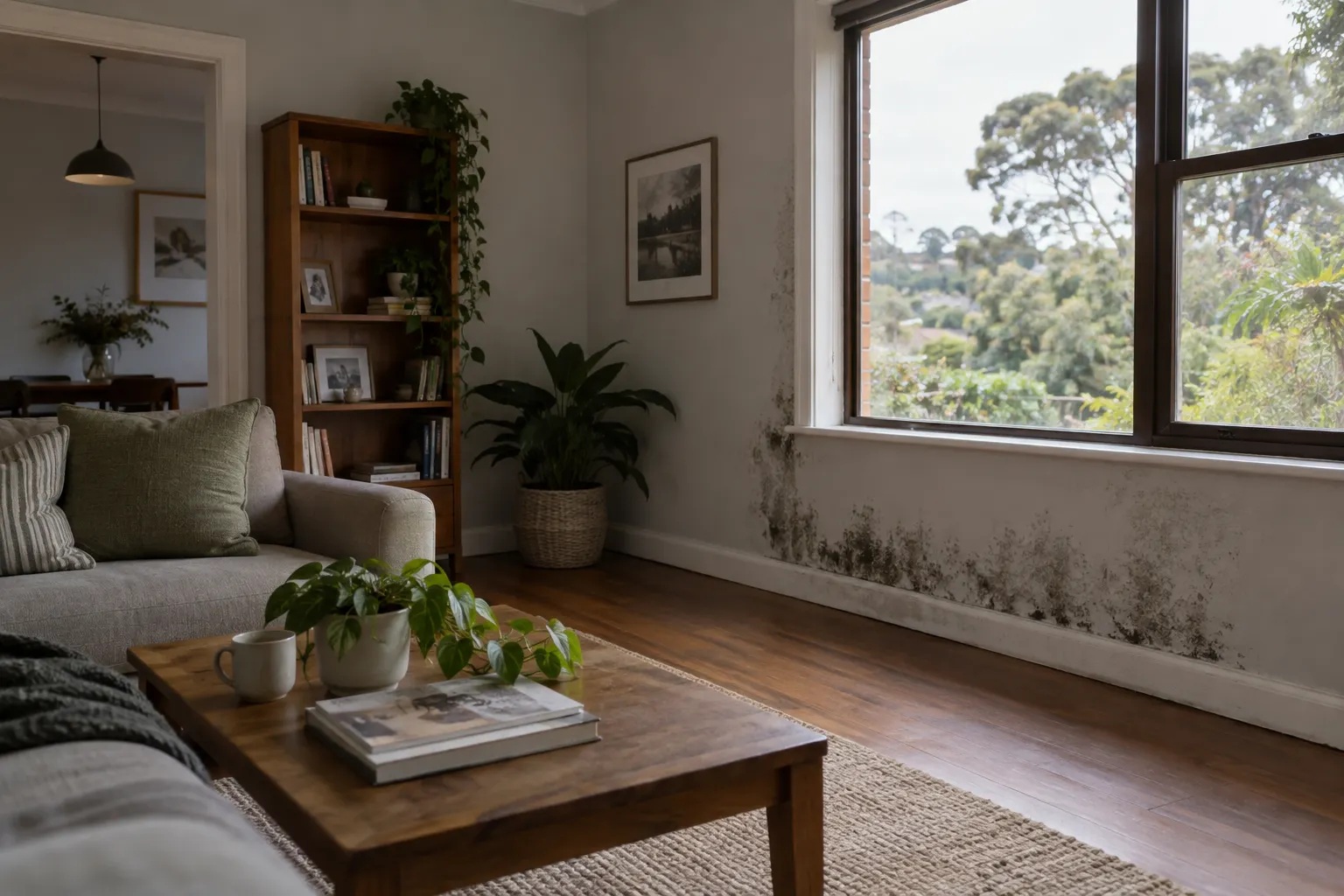
An affected wall near a sliding door needs careful attention to timing. In Aspendale, describe whether moisture follows rain, showering or ordinary room use. The exterior position is a useful clue, but removal decisions should follow the actual surface condition and access.
Material condition considered
Accessible work agreed first
Moisture observations kept in view
THE ROOM TELLS A STORY
The door track needs a timeline.
Aspendale Beach is identified by Kingston Council as part of its coastline.
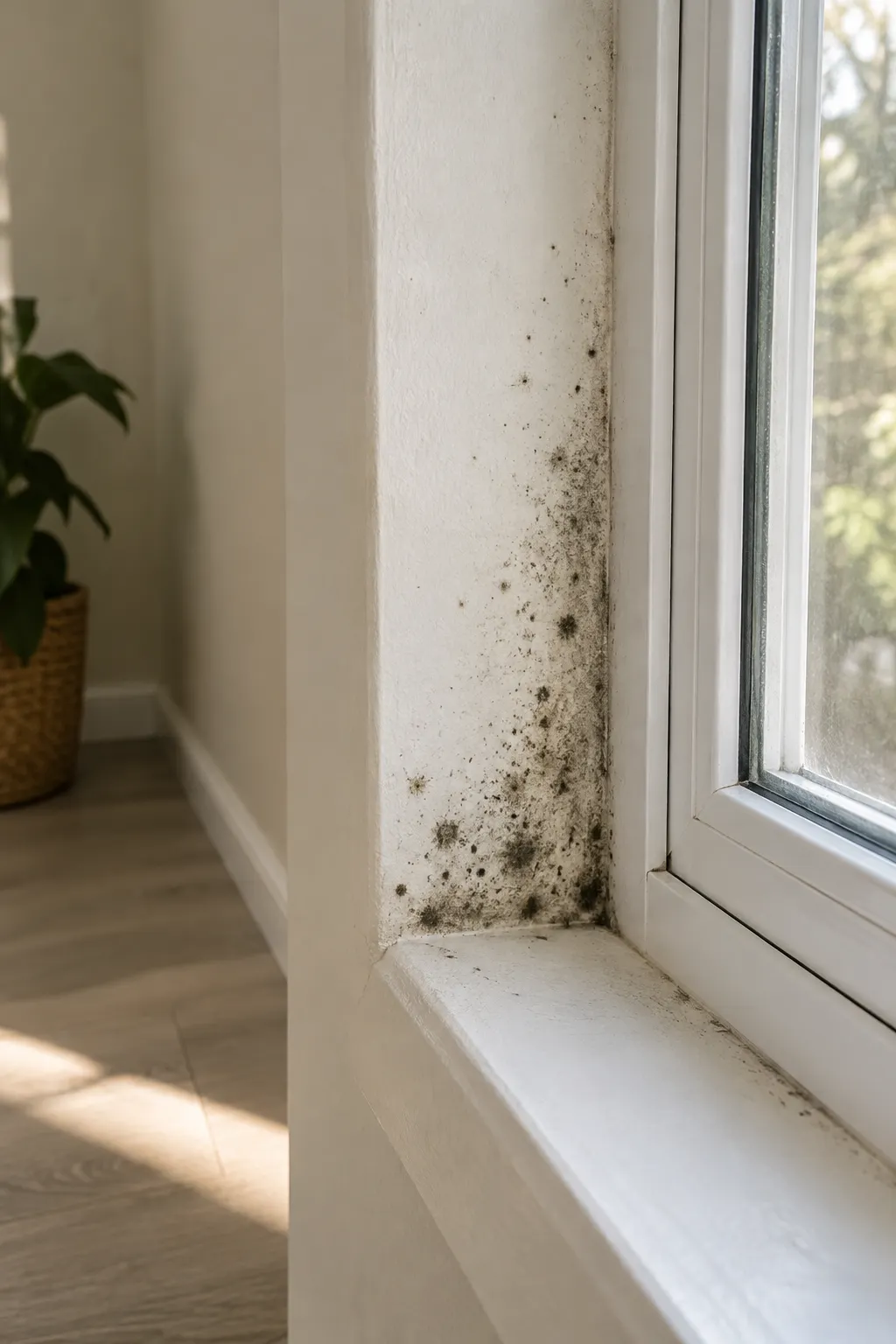
If a patch sits above a sliding-door track, record visible water and its timing without removing the track or seals. A wider photo can show nearby curtains and flooring. Coastal setting does not explain whether the room has condensation or an entry defect; each needs actual evidence.
UNDERSTANDING MOISTURE
Separate condensation from incoming water.
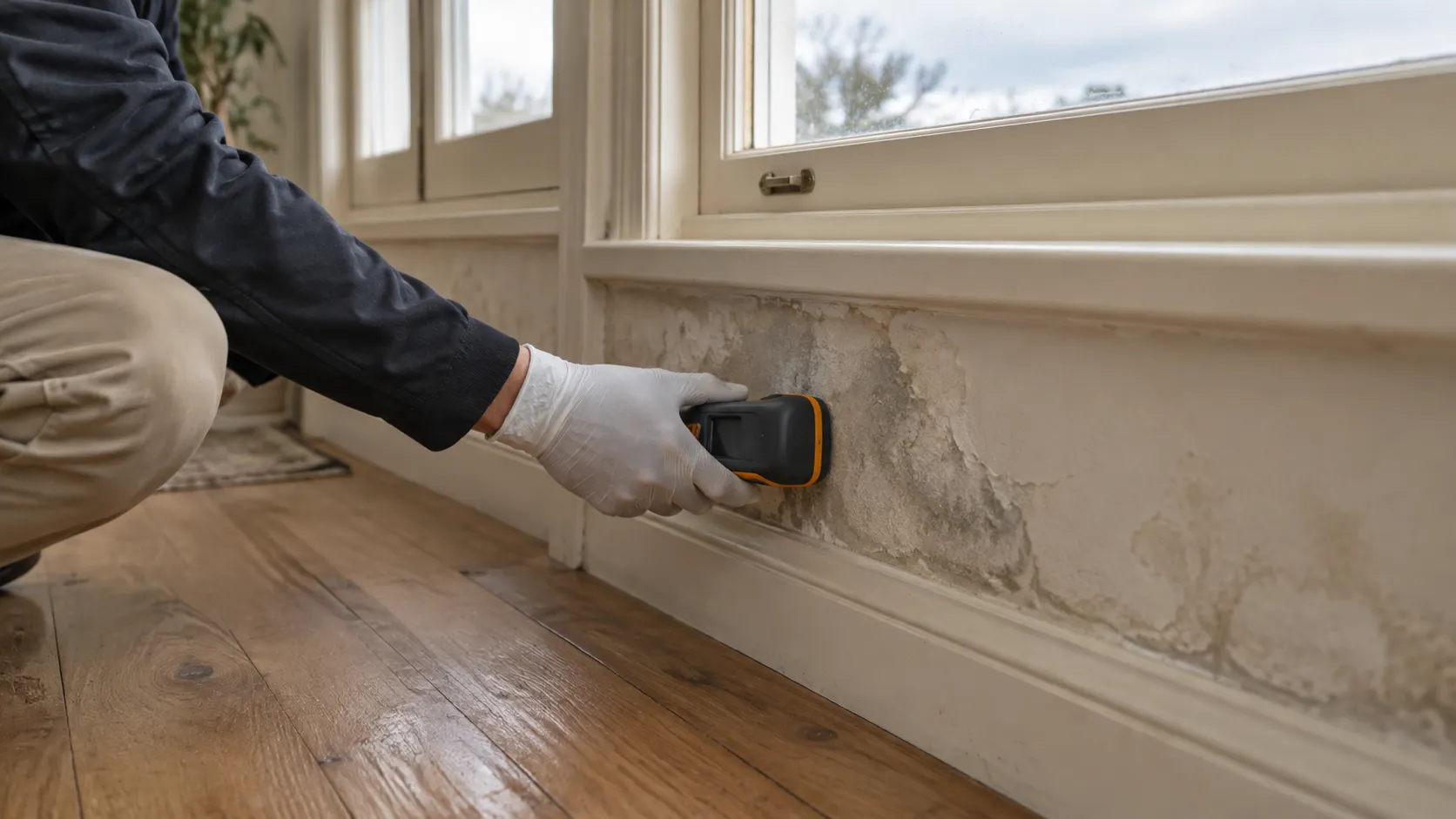
Water during rain
Describe actual wetting at the track or adjoining finish and when it occurs. A photograph can record the observation, but it cannot confirm a concealed entry pathway or replace suitable investigation of the door assembly.
Ordinary indoor moisture
Record droplets on glass and whether the wall dries later, separately from rainfall events. Several pathways can affect one opening. The coastal setting should not be used to assume the cause without room evidence.
Adjacent materials
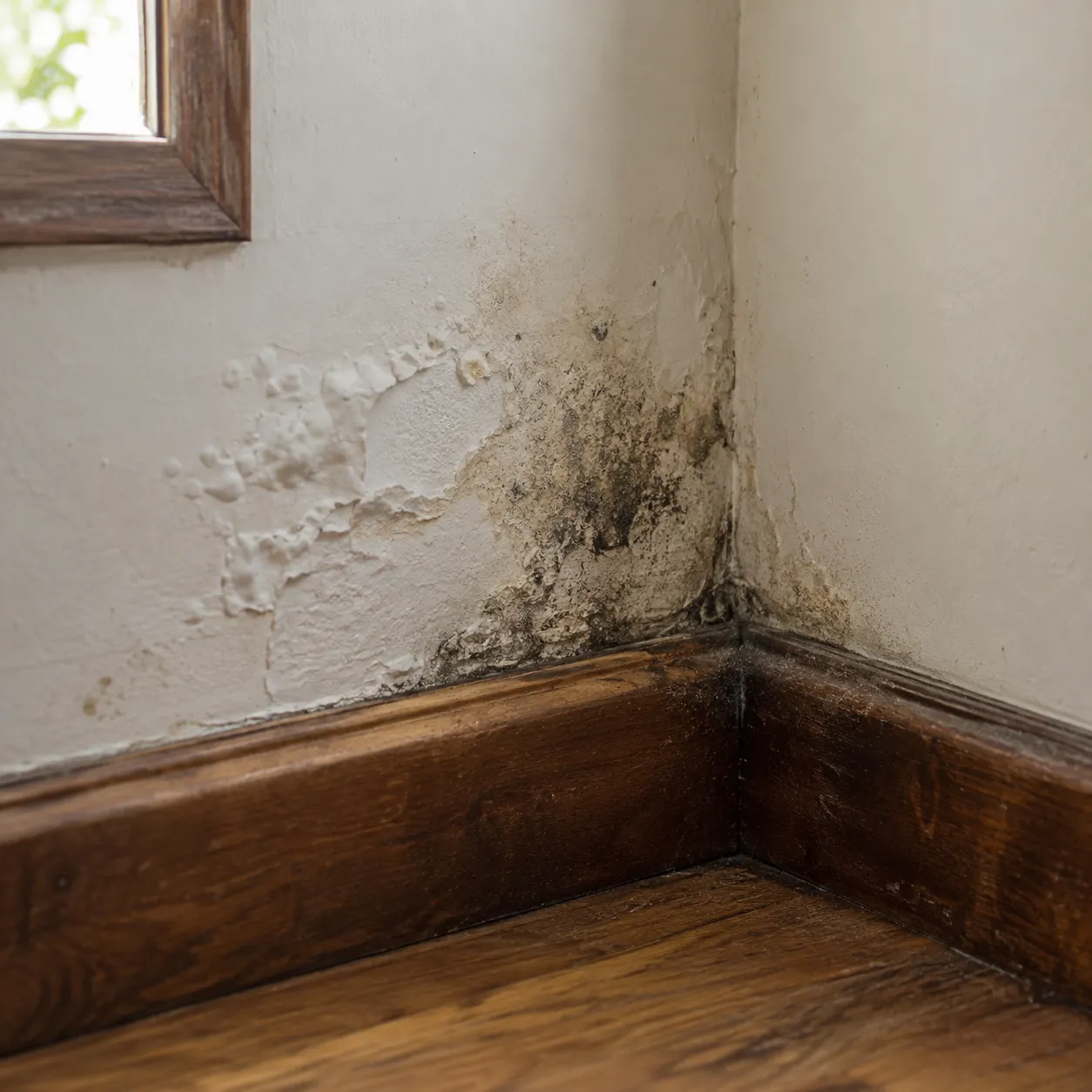
A mould inspection considers accessible surfaces and condition. Mention swollen trim, lifting paint and floor wetting, with concealed tracks or seals identified as limits rather than assumed inspected from a close-up.
OUR REMOVAL PROCESS
An agreed task beside the sliding door.
Label photographs by timing
Views taken during rain and views of ordinary glass condensation show different observations. Keep their dates clear so the enquiry can discuss both without treating one image as proof of a single cause.
Leave the assembly intact
Do not remove tracks or seals simply to provide a better image. Describe the obstruction and visible water so suitable building assistance and access can be planned separately where investigation is needed.
Describe floor involvement
Mention any water reaching carpet or timber beyond the threshold. These materials can need different decisions from wall paint, and their condition should not disappear from the scope because growth is most visible higher up.
01
Show the full threshold
Send a wider room view and close images of accessible finishes. Explain timing and known repairs. The surface-removal scope should distinguish wall, trim and flooring observations without quietly including repair or dismantling of the exterior door.
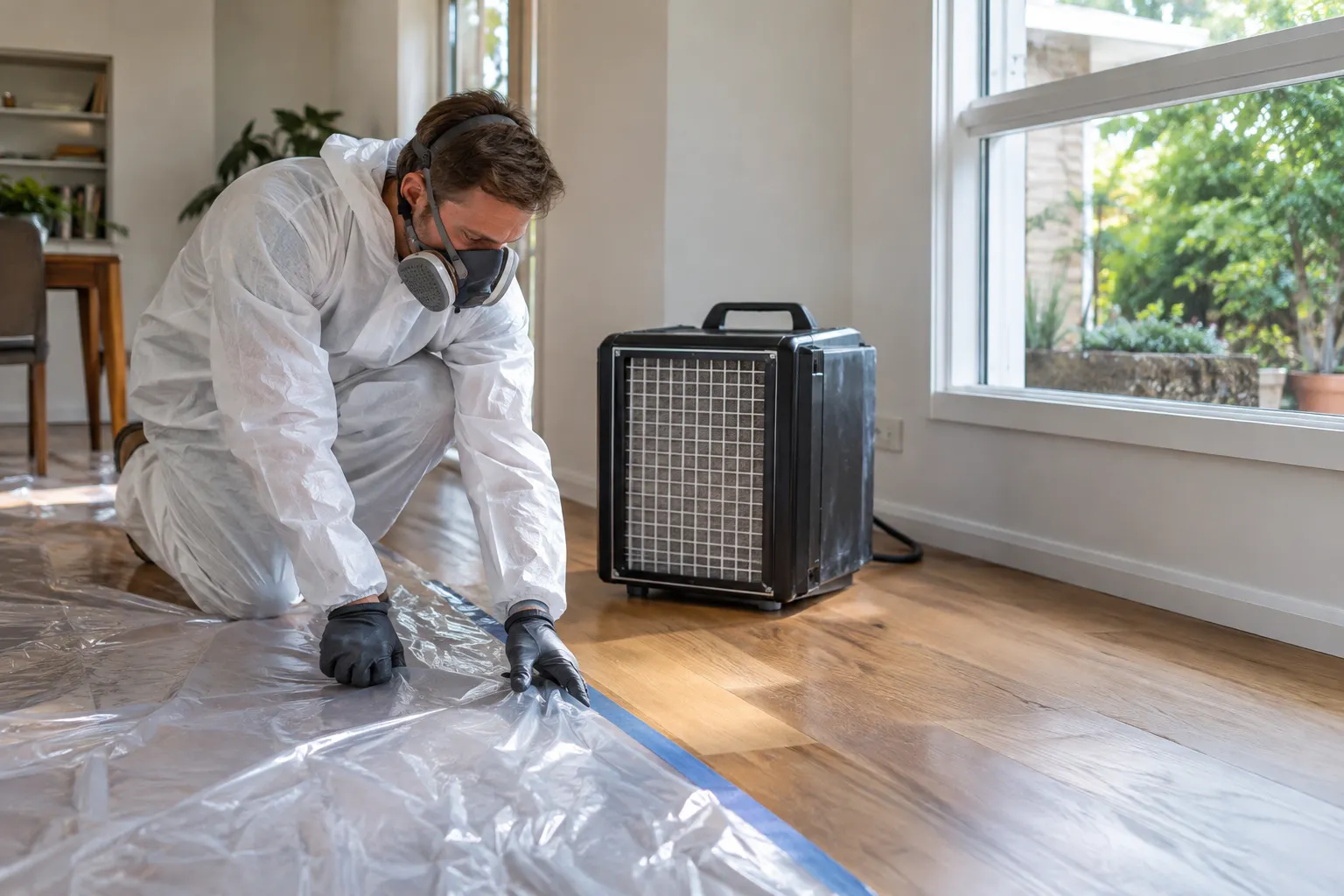
02
Prepare around fixed components
Discuss curtains, nearby furniture and working access before movement. Leave seals and tracks intact unless separate help is arranged. Protection and equipment should fit the room task, with fragile finishes and occupants’ concerns raised during the first conversation.
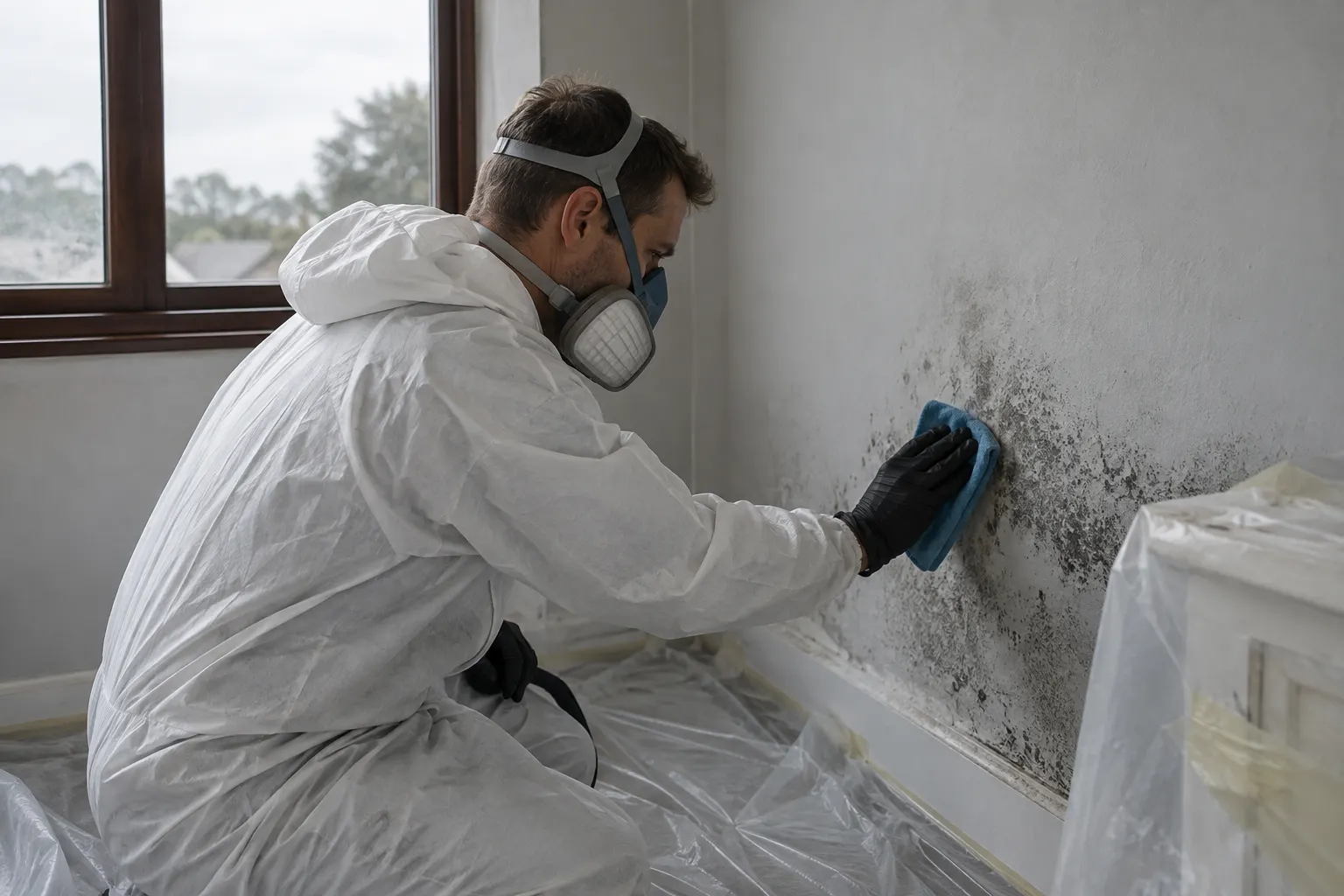
03
Review continuing entry
Consider remaining damage and wetting after accessible removal. Remediation planning keeps moisture and materials connected, but an improved wall appearance does not establish that the sliding-door opening is watertight or that hidden floor edges recovered.
COMMON AREAS AFFECTED
One opening, several material decisions.
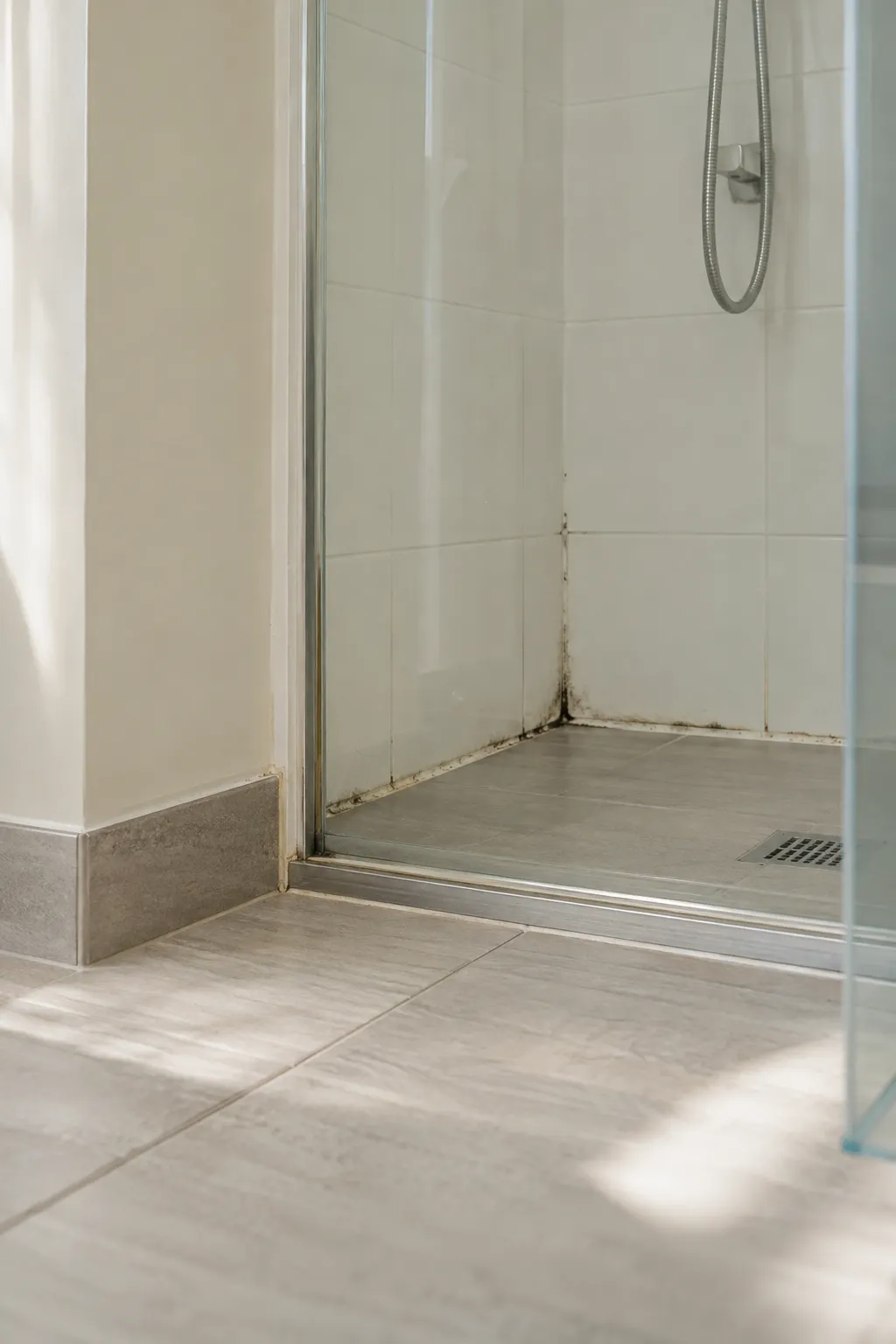
Bathroom surfaces
Bathroom joints may be affected independently of exterior-door wetting. Describe their materials and shower-drying routine rather than assign a coastal or doorway explanation to every room patch.
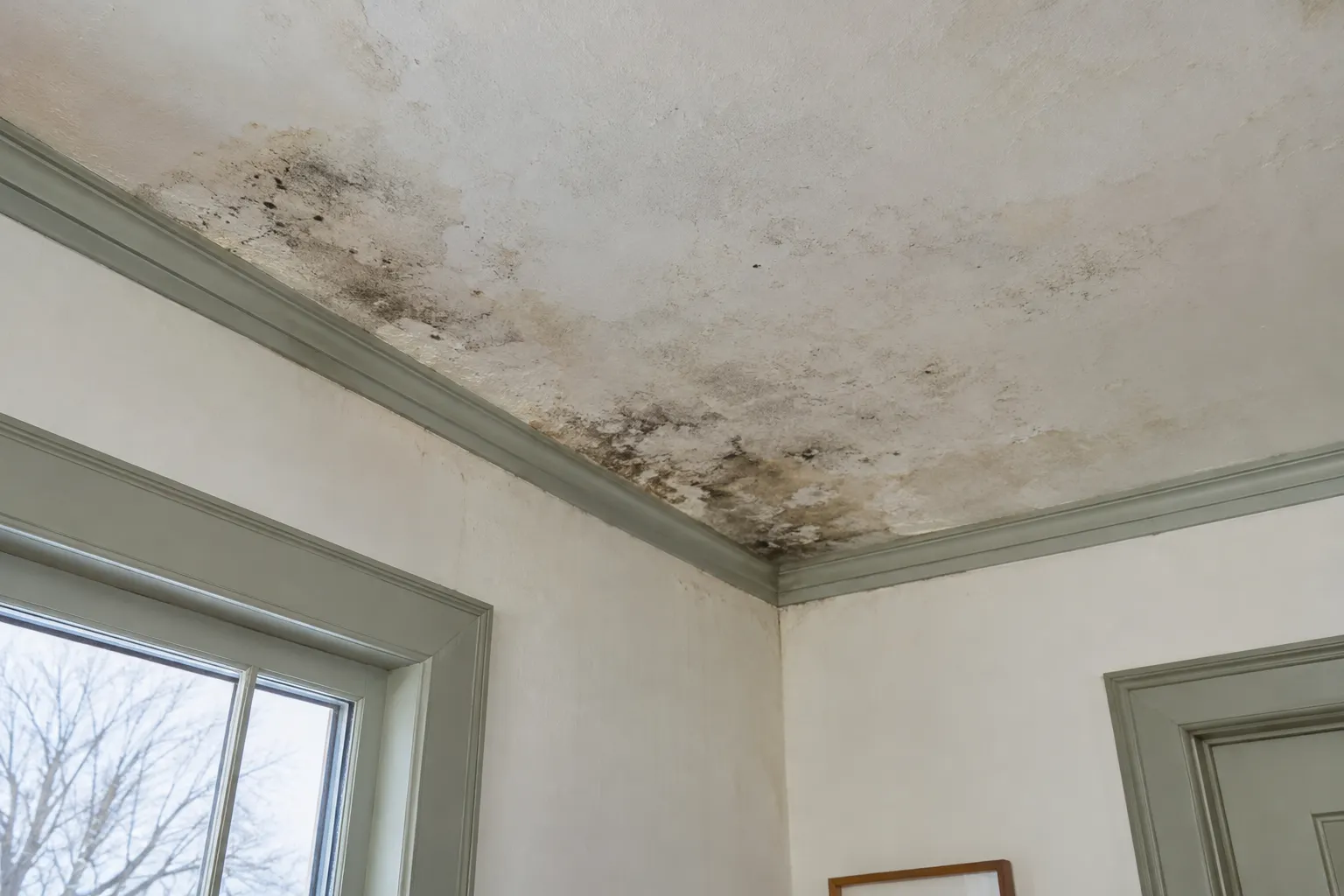
Ceiling condition
Ceiling marks near the exterior wall need their own condition and water history.
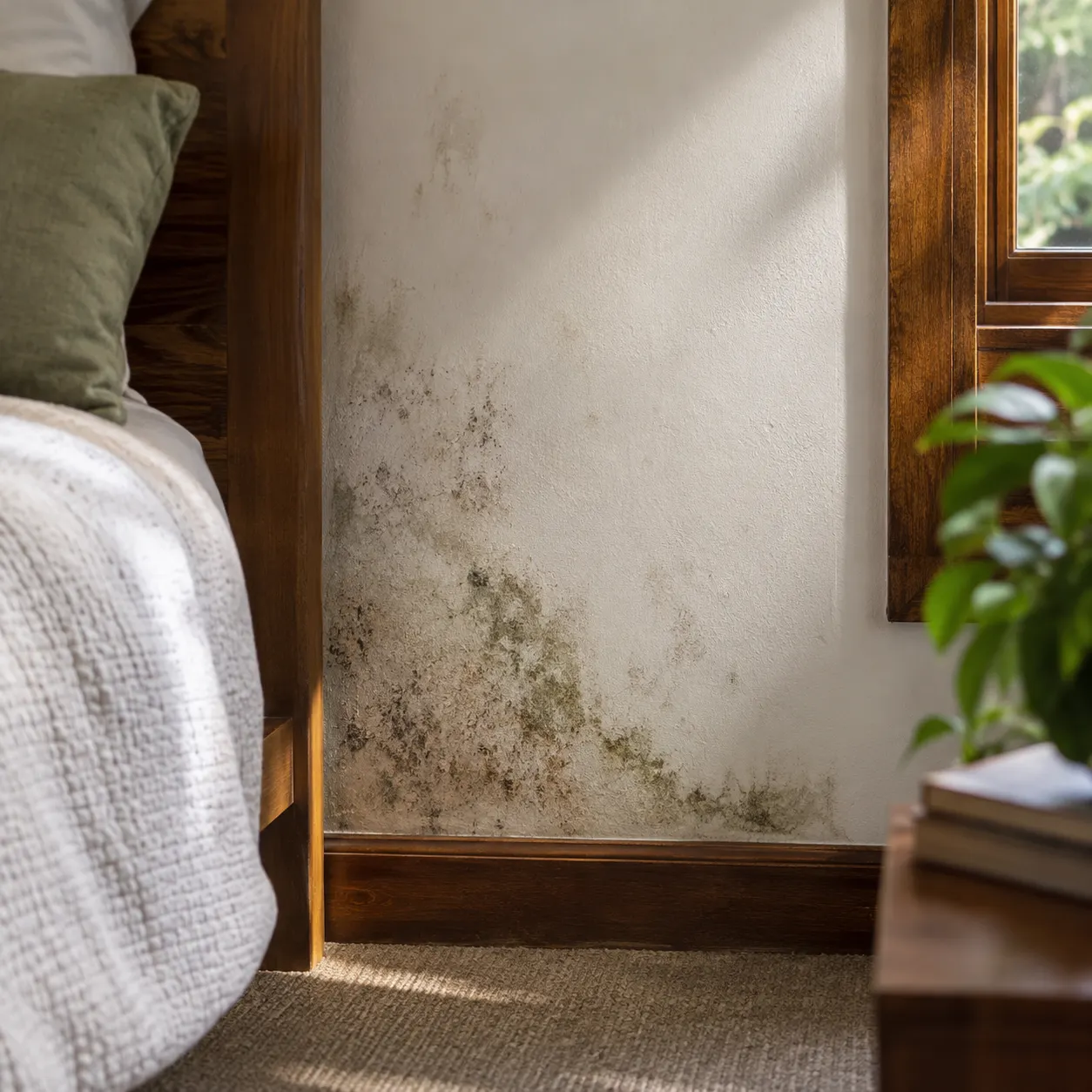
Walls and finishes
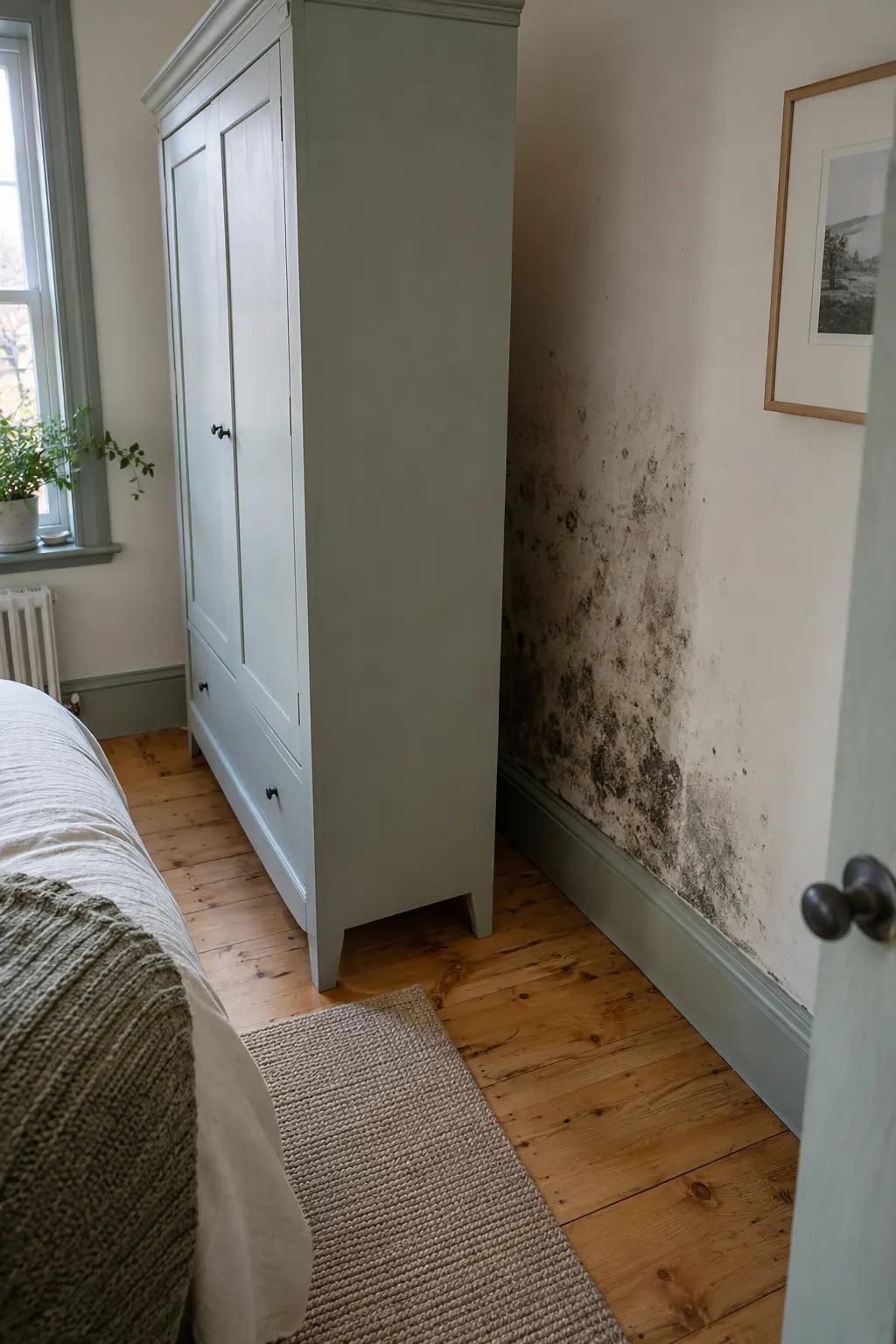
The wall beside the slider can include plaster, painted trim and a seal edge.
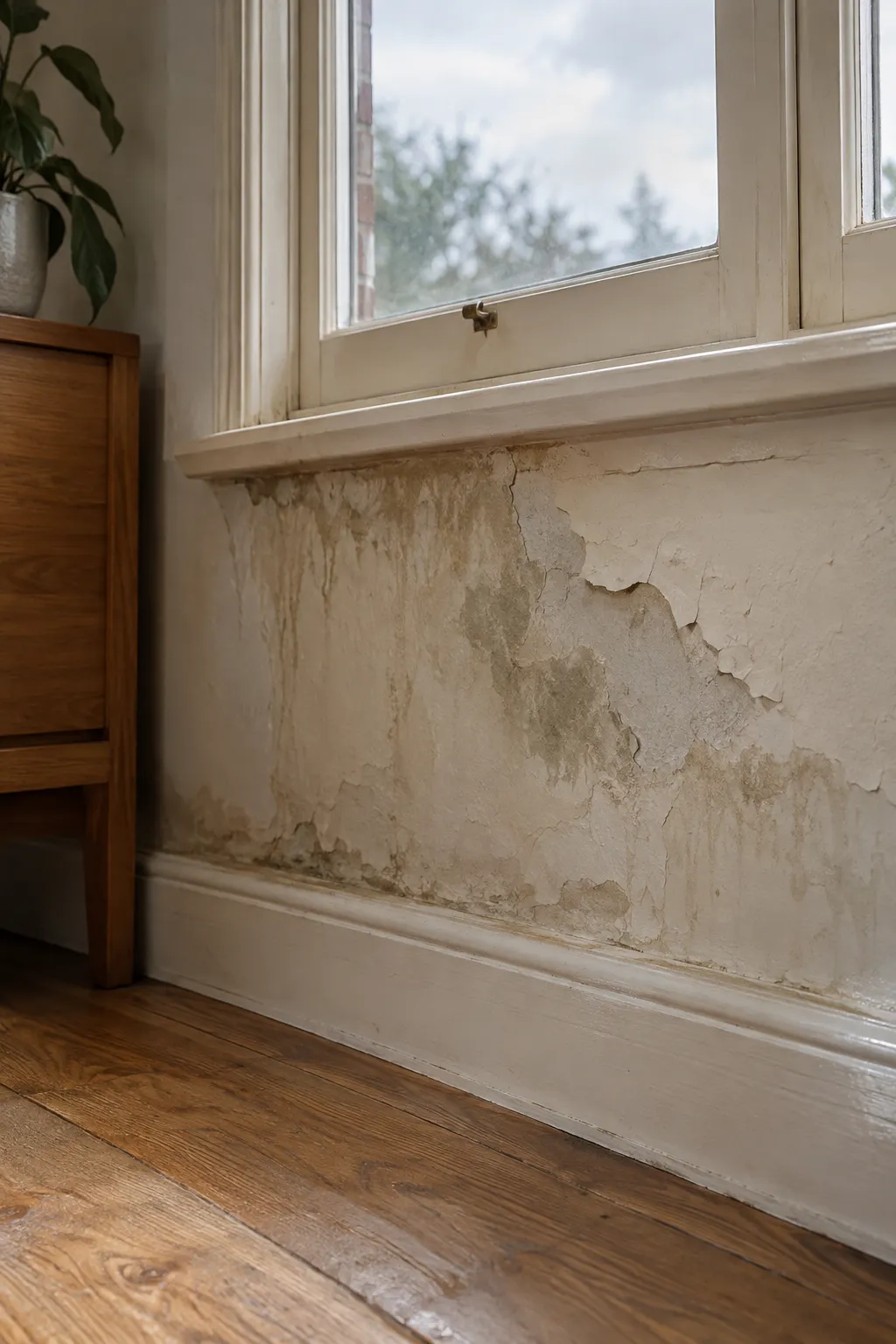
After water damage
After incoming water, closed floor edges or adjoining linings may need attention beyond the visible patch. Keep drying and repair history available before decoration makes the incident harder to describe.
PREVENTION STARTS WITH
Record the water.
Follow the repair.
A practical household check
Record rain-related changes near exterior doors before wiping away the evidence. Dry normal condensation when safe to do so, and distinguish it from incoming water. A persistently wet threshold should be investigated before the adjoining wall receives another coat of paint.
Observe after the door work
Following separate building assistance, compare the accessible threshold and wall during ordinary weather. Keep new wetting distinct from stains that remain. If moisture continues, discuss the actual pathway and material condition rather than assuming another wipe or decorative coat is the next sufficient step.
ASPENDALE & NEARBY
Around Aspendale
Other nearby addresses have guides for Mordialloc, Edithvale and Waterways. Describe any door-track wetting from that particular room, keeping exterior repair questions separate from its accessible removal scope.
BEFORE YOU CALL
The useful
questions.
Can a photo of the sliding-door track confirm a leak?
A photo records visible water or staining but cannot confirm every concealed pathway. Include the adjoining wall and explain when the track becomes wet. A suitable building professional may need to investigate the door while the accessible removal scope is considered separately.
Does a wet track prove the wall’s moisture source?
It is a useful observation, not a complete diagnosis. Explain timing and show the adjoining materials. Condensation, entry defects and other pathways may need consideration before a source is established.
Should I remove the track before the appointment?
Discuss access first and leave fixed components intact for the enquiry. Dismantling can require suitable help or permission and is not assumed within accessible surface-removal preparation.
Can removal repair a failed door seal?
No. Building repair and visible growth removal are different tasks. Mention suspected entry so the relevant investigation and the useful timing of room work can be considered together.
What if the floor beside the door is affected?
Describe it explicitly and explain the original wetting. Flooring and wall paint can need different material decisions, with concealed layers not established by the appearance of the visible surface alone.
How do I begin an Aspendale enquiry?
Call 03 8652 1296 with the address, threshold images and timing of wetting. Discuss availability, preparation and any separate door or material assistance before accessible removal is agreed.
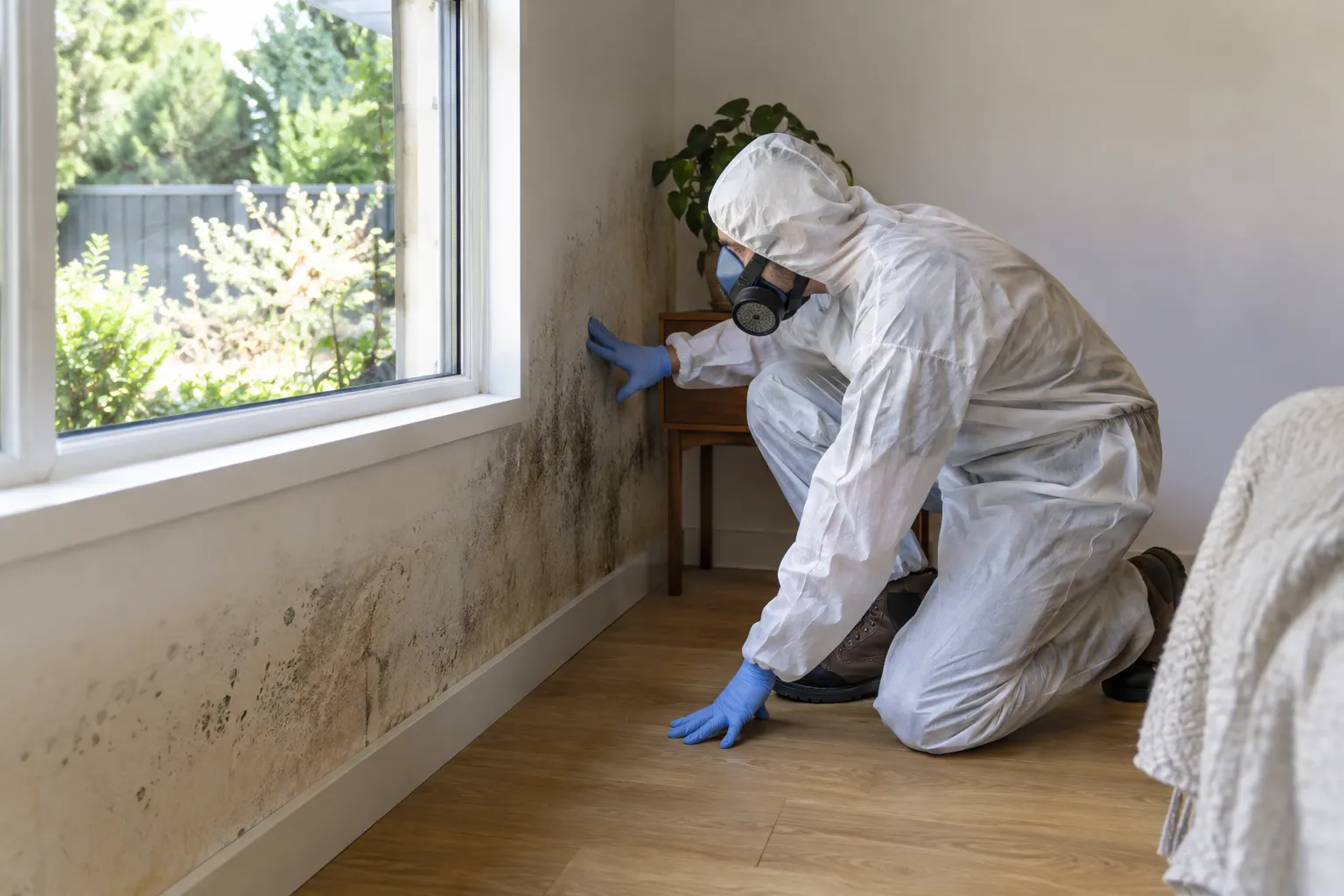
TELL US WHAT YOU CAN SEE
Tell us when water appears at the door.
Bring the track, wall and floor observations to the call. Discuss availability and practical preparation, with building repairs and concealed material questions clearly separated from the agreed accessible removal work.
Local context: Victorian Government — Kingston suburbs · Kingston — coastal places