
ROOMS · MATERIALS · MOISTURE
EDITHVALE · MELBOURNE
Mould Removal Edithvale
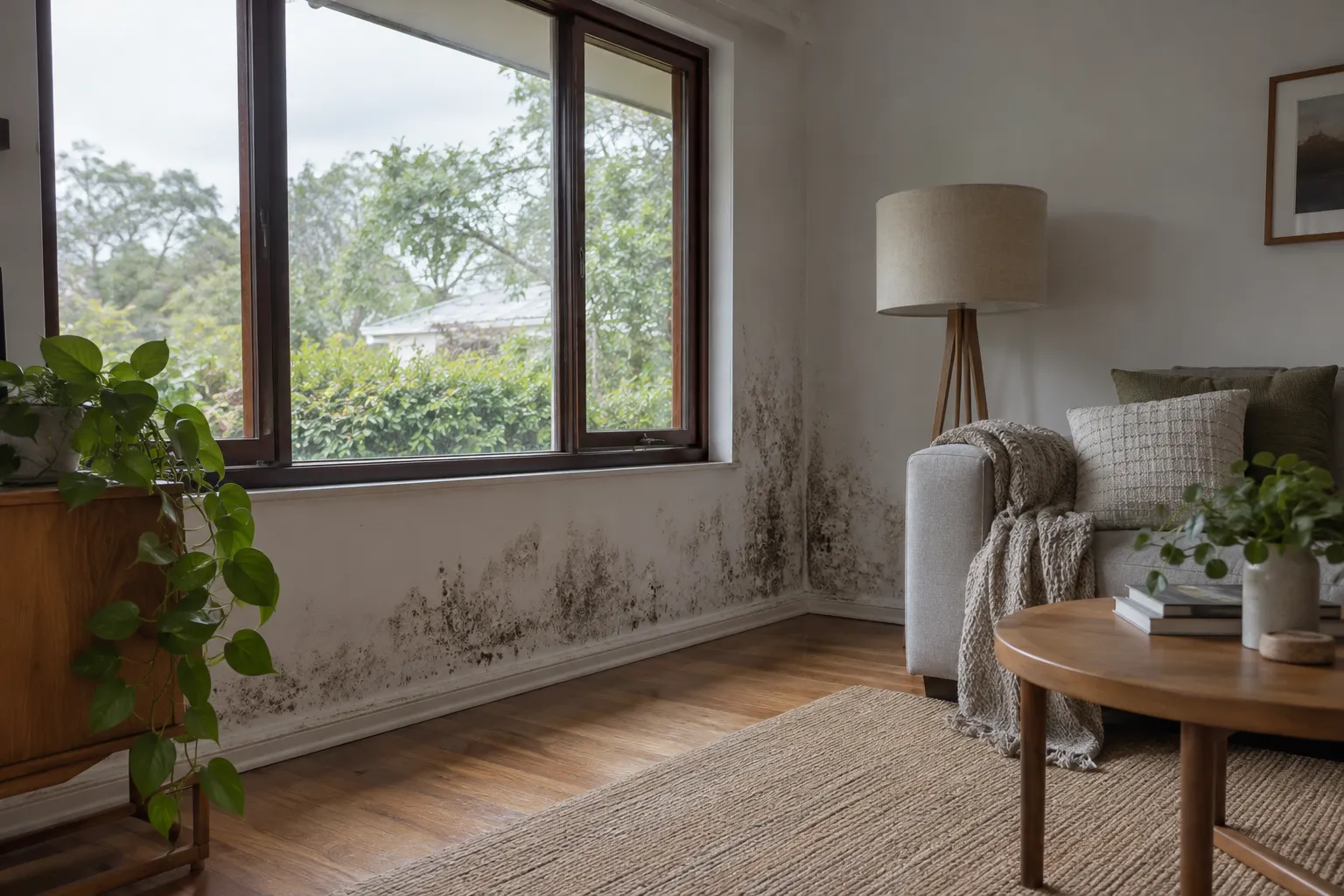
For an Edithvale wall affected after a storm, describe the room wetting and repairs. Accessible removal should be discussed alongside drying and material decisions, with actual observations kept in view.
Material condition considered
Accessible work agreed first
Moisture observations kept in view
THE ROOM TELLS A STORY
Keep the water incident in the picture.
Kingston Council identifies Edithvale Beach within its coastline.
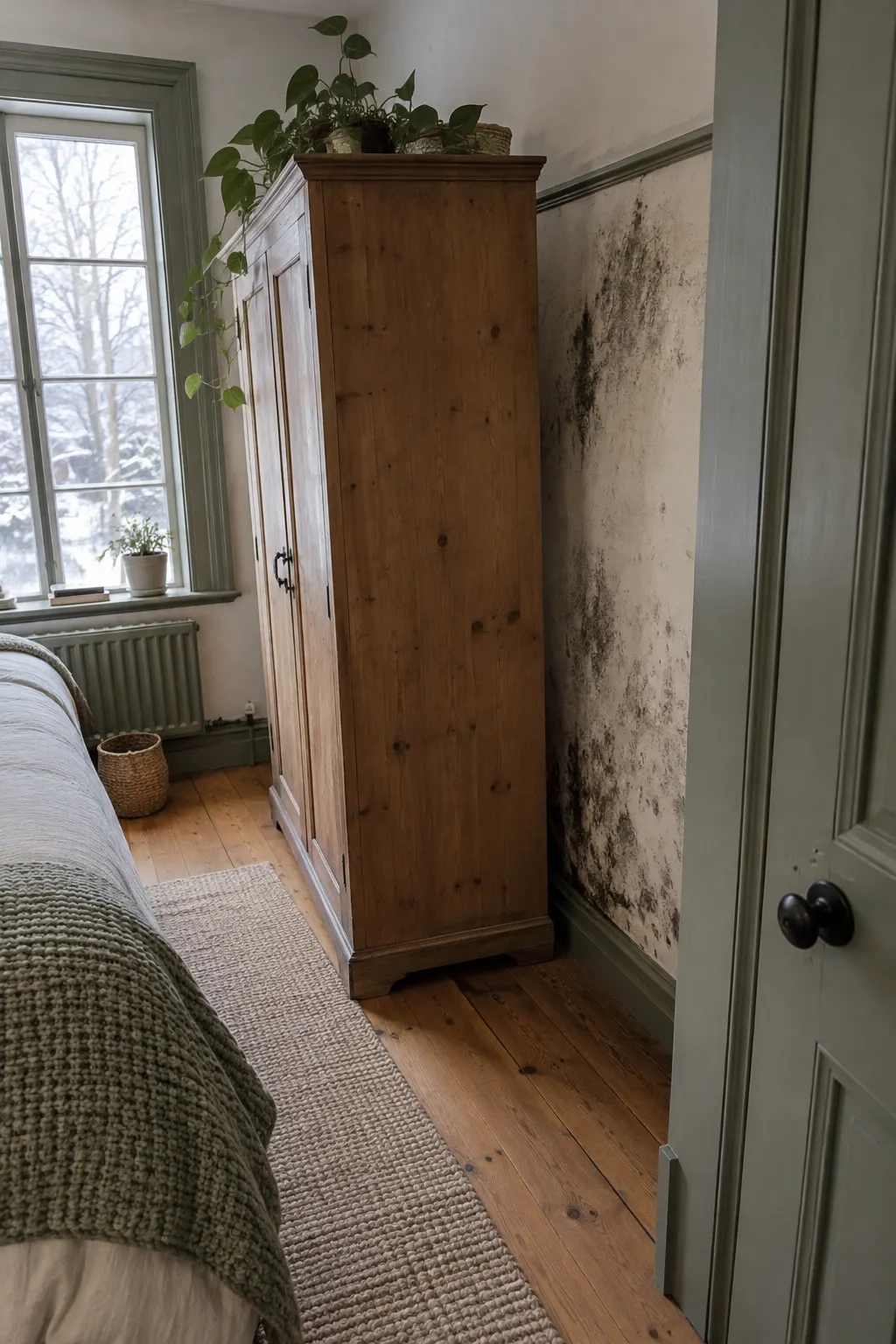
If a storm-related incident preceded the marks, describe what was actually wet and any repair undertaken. Do not infer that every nearby property shares the issue. A dated sequence of room photos can help separate the original wetting event from continuing entry or a surface that remained damp afterwards.
UNDERSTANDING MOISTURE
Describe the event and what followed.
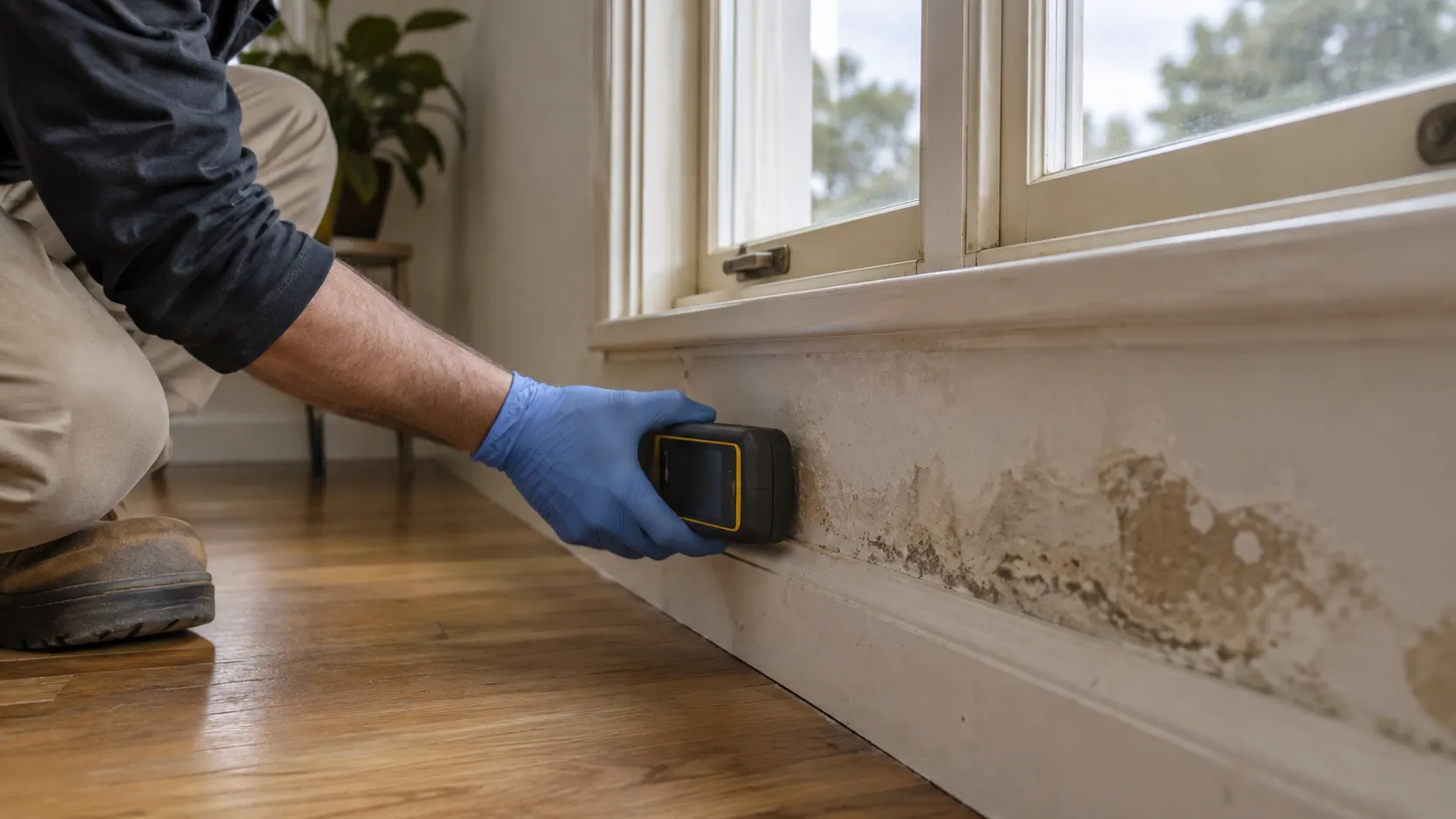
Actual water entry
Explain where water was seen during the incident and which rooms became wet. The original extent can inform material questions even where growth appears later in only one corner.
Repair and drying
Keep source repair, drying and reinstatement as distinct events. Clearly dated photographs or records can help. A new coating or completed repair date does not establish the condition of every material that was wet or later concealed.
Current room condition
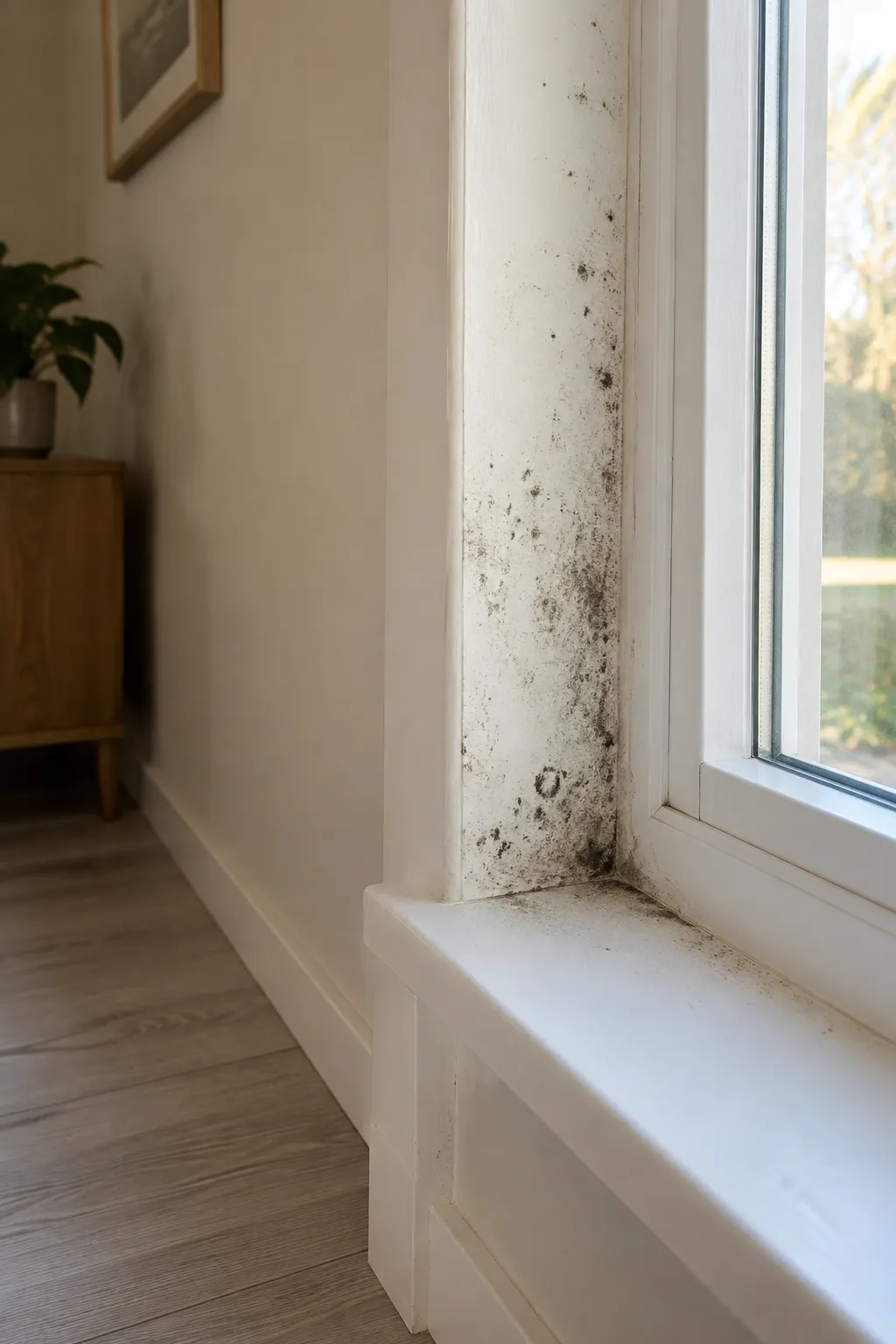
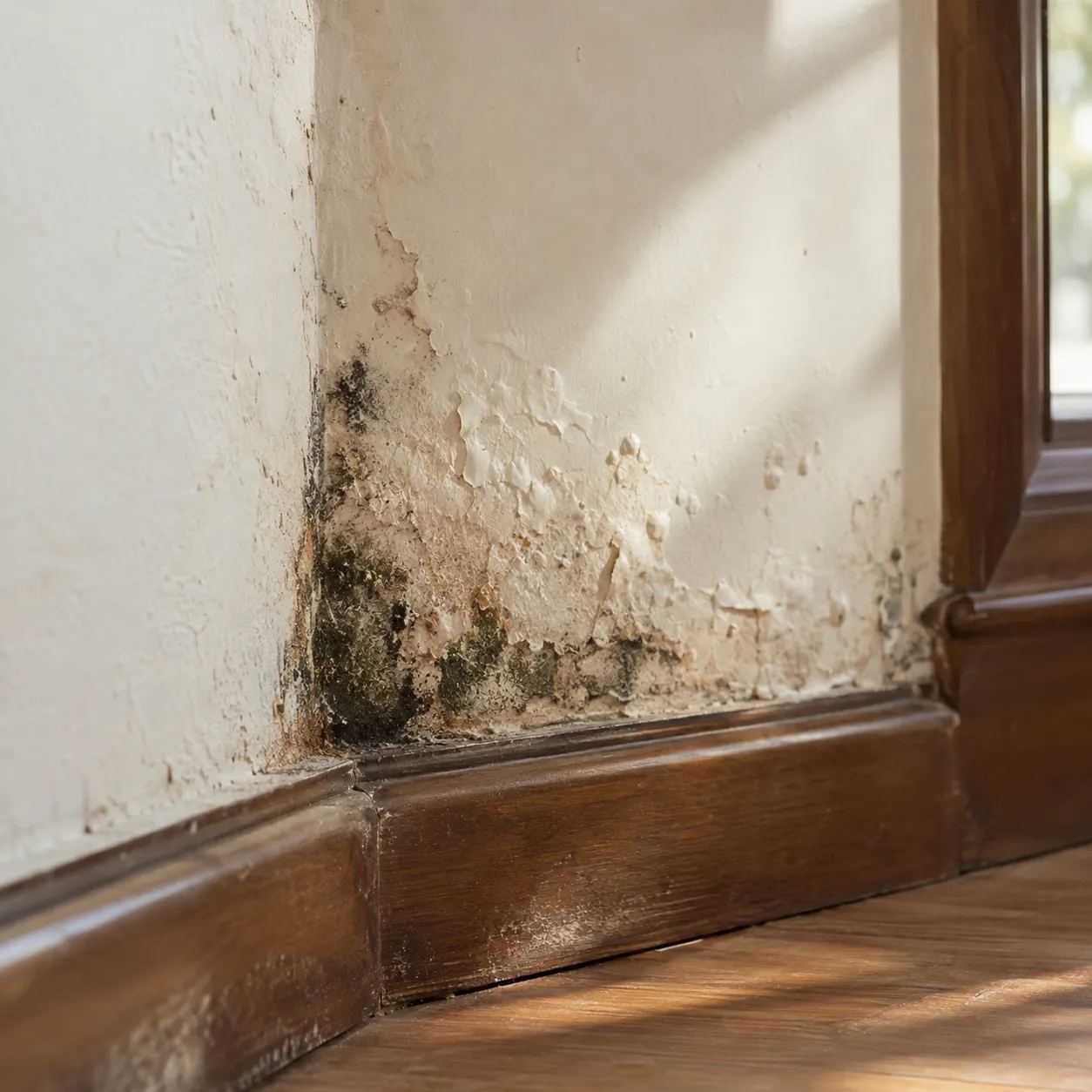
A mould inspection considers accessible evidence and limits. Describe renewed wetting, lifting paint or softness, with closed linings and floor layers requiring appropriate separate access rather than a conclusion based solely on decorative appearance.
OUR REMOVAL PROCESS
A scope informed by the incident history.
Keep incident photos dated
Earlier images can show wetting extent before furniture movement or decoration changed the room. Label them clearly and use current views alongside them so past evidence is not mistaken for present condition.
State what is unknown
If the drying or material replacement history is incomplete, say so during the call. A useful scope acknowledges those limits rather than assuming every adjoining surface recovered because one repair was documented.
Separate later decoration
Painting or replacing trim is a different event from stopping water and reviewing material condition. Explain the sequence so accessible removal is not confused with reinstatement or a guaranteed return to a new interior appearance.
01
Describe what remains visible
Provide room views, the wetting sequence and known repairs. Identify material, approximate extent and access restrictions. The surface-removal scope should state accessible work without implying a complete restoration of every interior material affected during the storm.
02
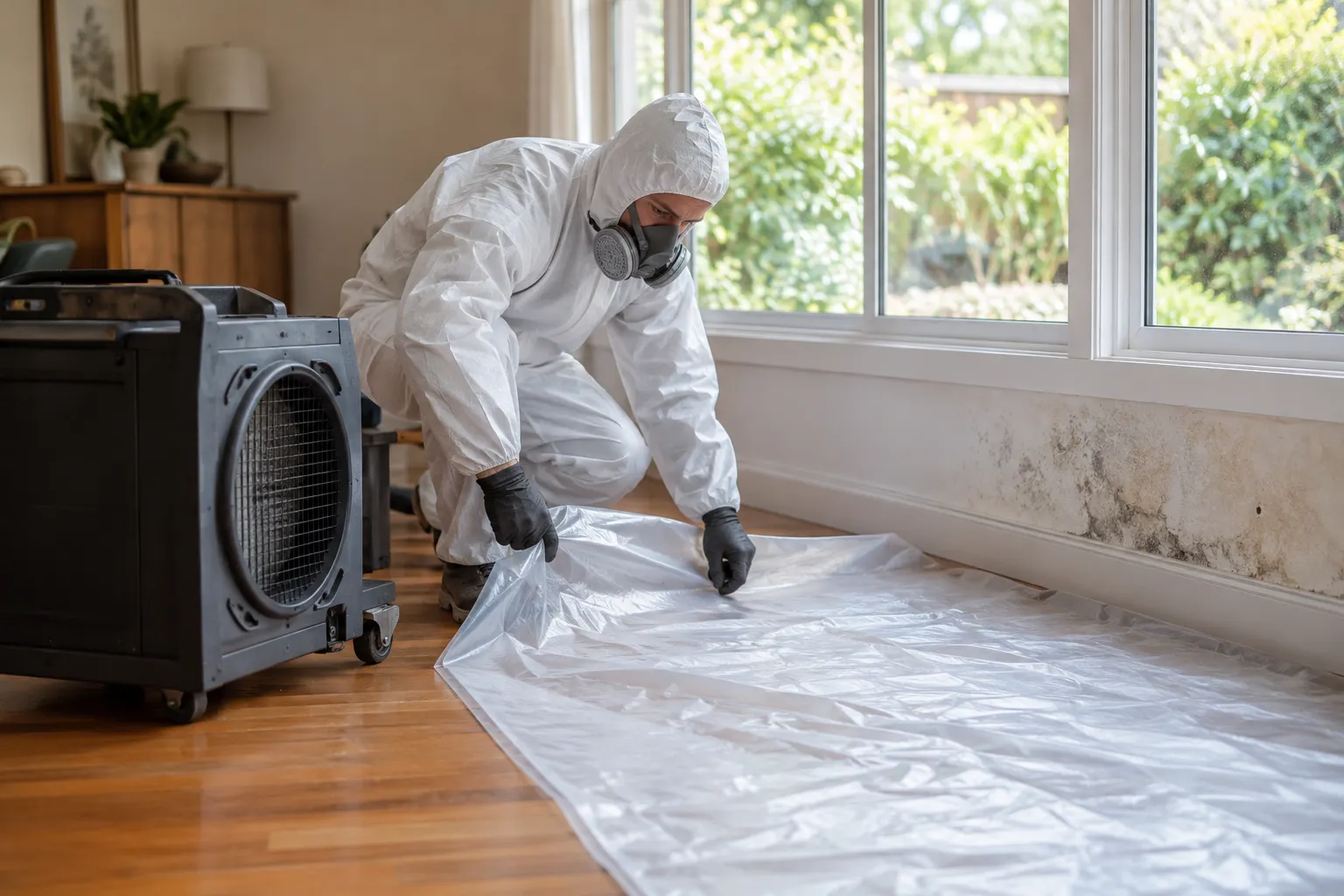
Prepare around unresolved questions
Discuss belongings, damaged finishes and practical access before the appointment. If water entry or material repair remains outstanding, explain its status. Equipment and protection should fit the agreed task, with occupants’ concerns and separate investigation needs made clear in advance.
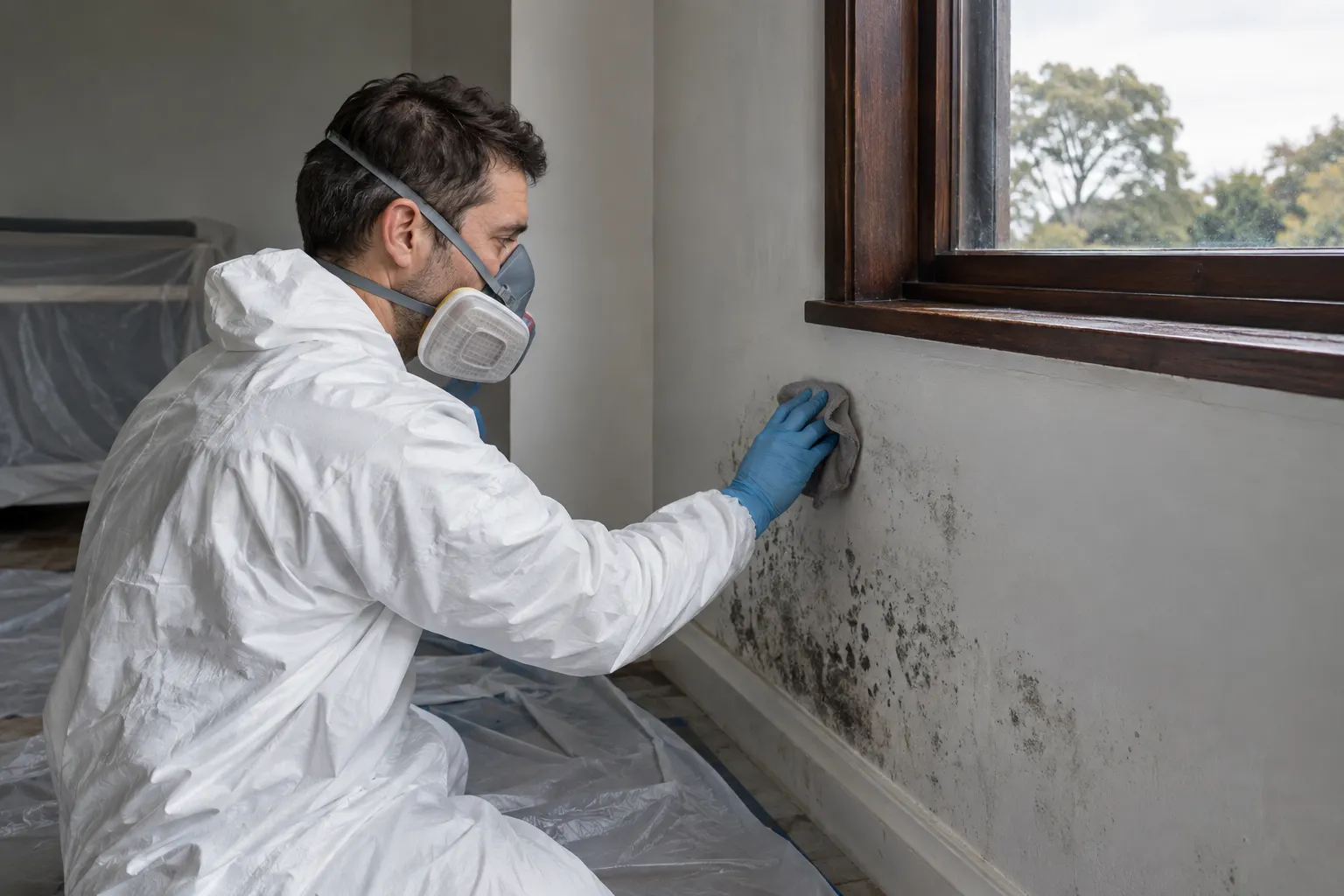
03
Review the source and material decisions
Consider remaining staining, damage and continued damp after accessible removal. Remediation planning links those findings without promising that a cleaner room confirms concealed recovery or that surface work repairs the original water-entry defect.
COMMON AREAS AFFECTED
One incident can affect several materials.
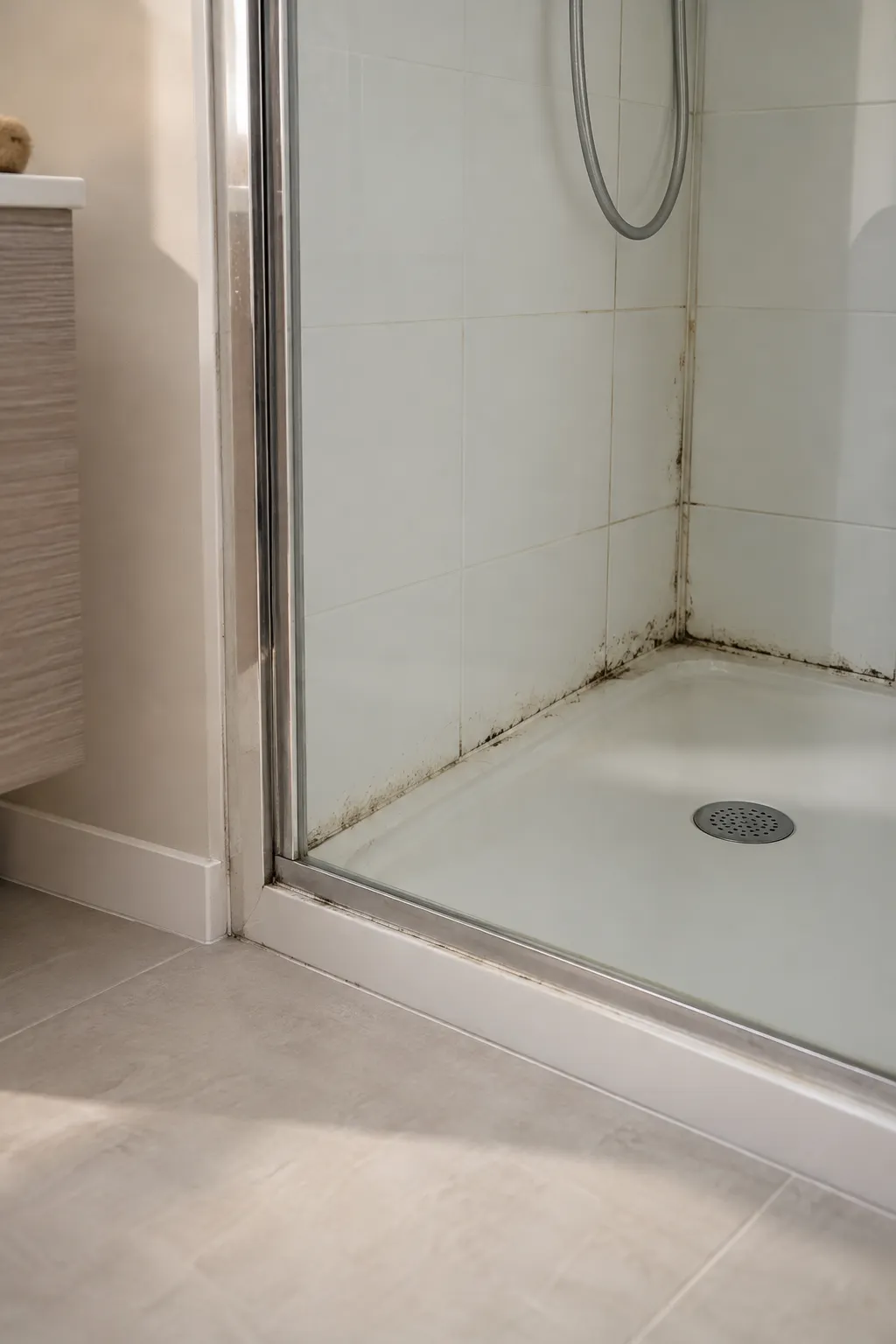
Bathroom surfaces
Bathroom growth may still have a separate shower-drying pattern from the storm event.
Ceiling condition
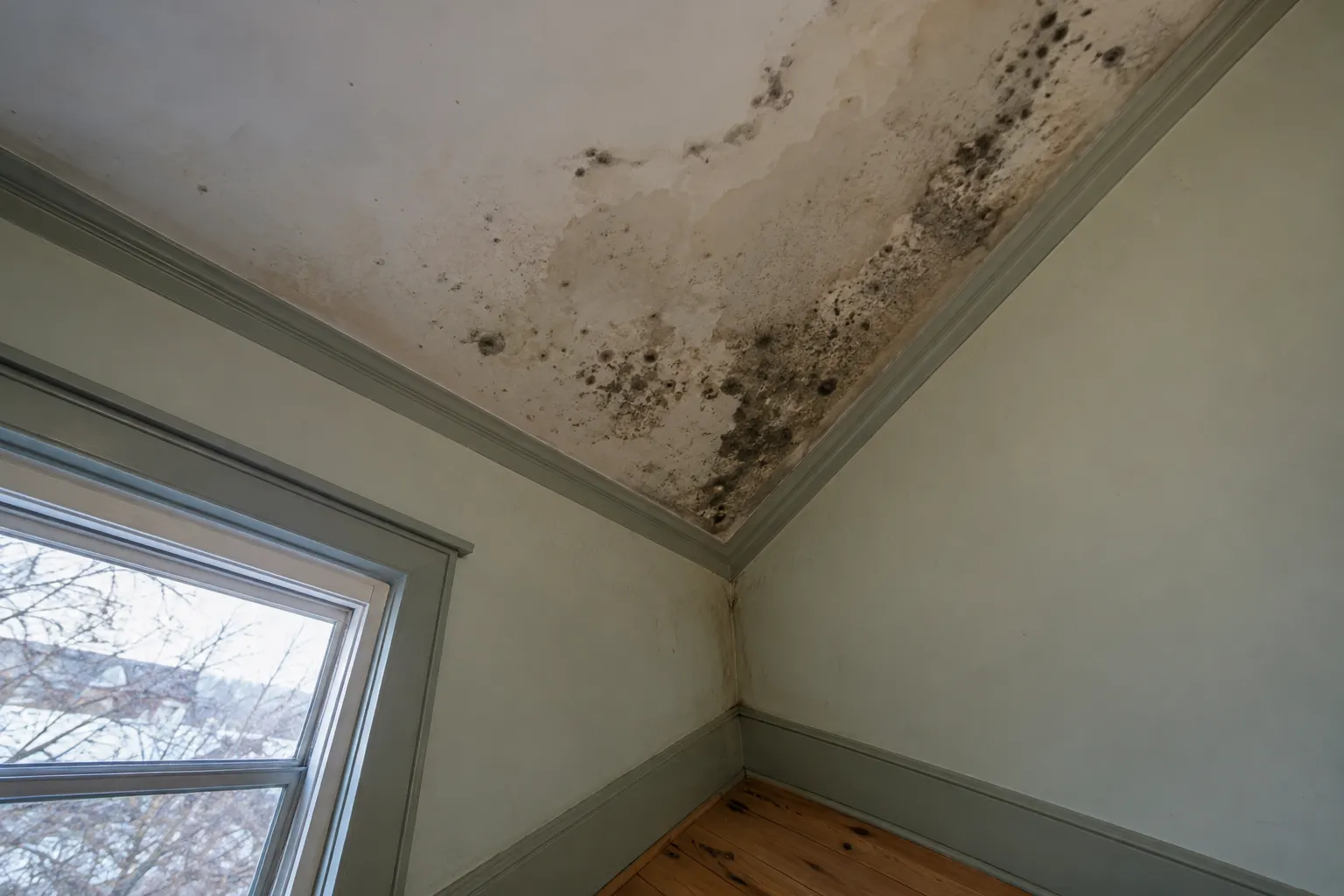
Ceiling marks need their own physical condition and timing recorded. Describe cracks, lifting paint or sagging from floor level, with questionable lining addressed before ordinary surface cleaning is assumed suitable.
Walls and finishes
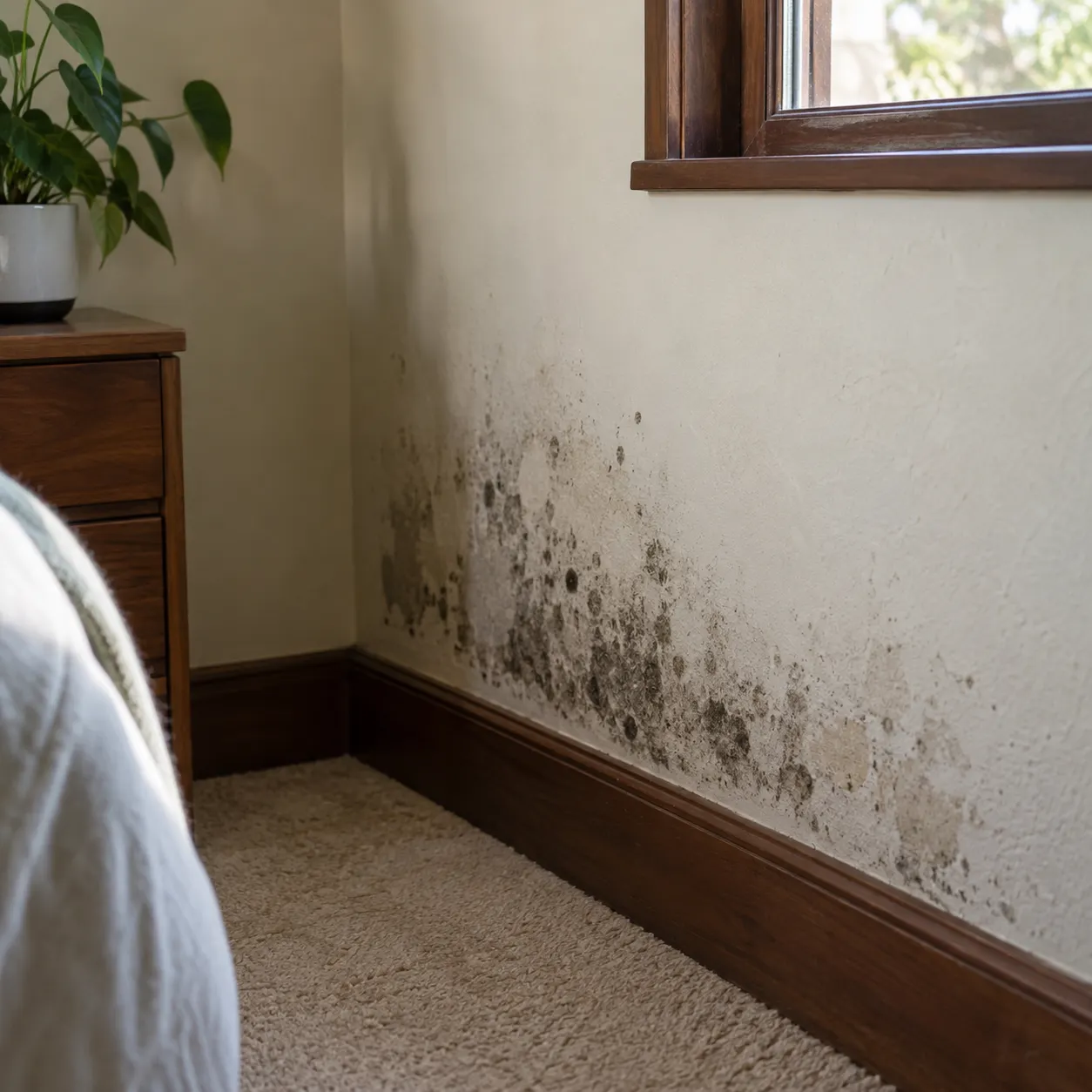
Walls can contain original and reinstated finishes after repair. Show known transitions and visible damage so the method follows actual condition instead of assuming a uniform material beneath the paint.
After water damage
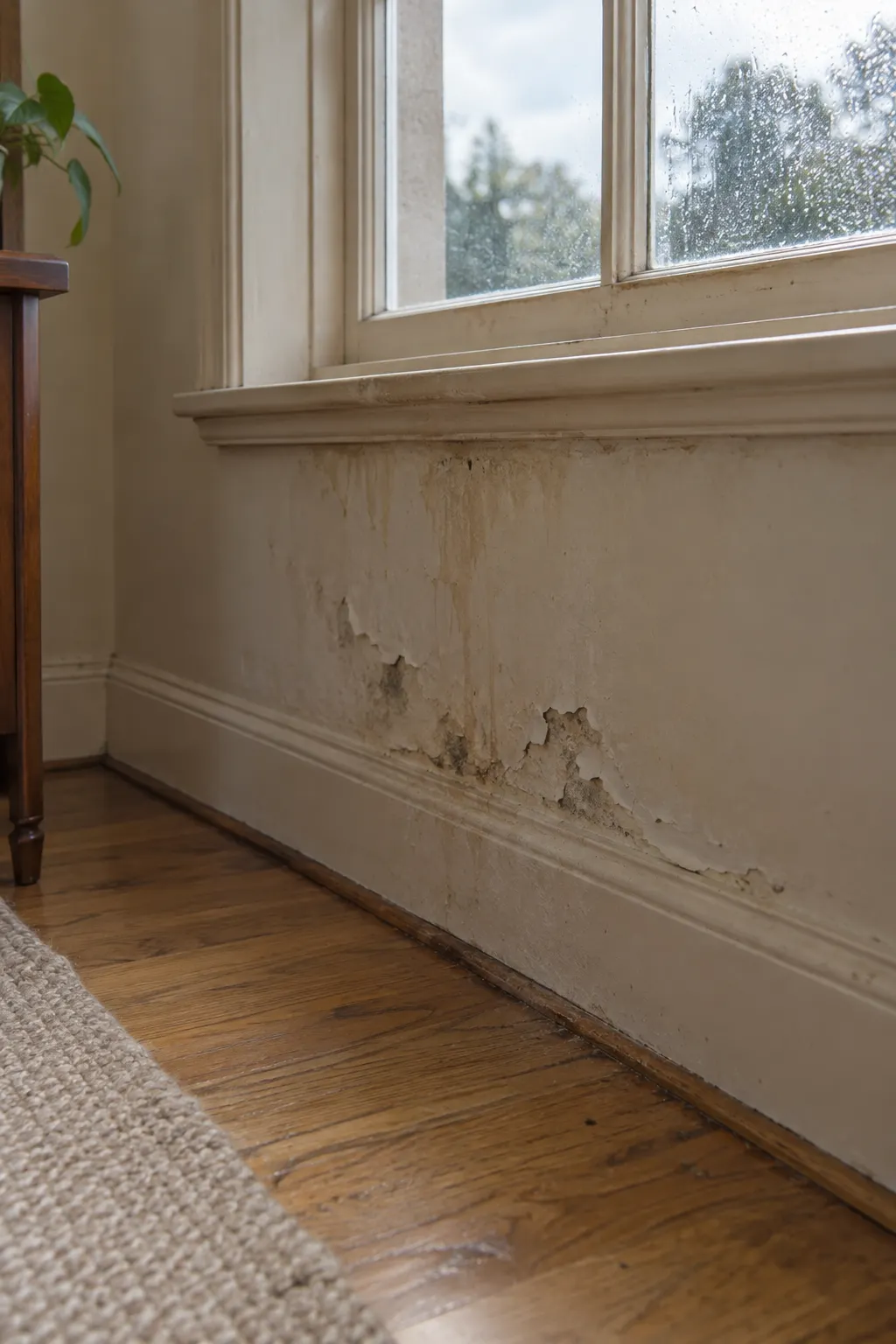
Water-damaged interiors can involve closed layers beyond the visible stain. Keep drying and replacement information available, with accessible appearance distinguished from the condition of concealed materials that have not been assessed.
PREVENTION STARTS WITH
Follow the repair.
Keep checking the room.
A practical household check
Keep the incident date and repair sequence available. If new water entry occurs, address the source and material condition before treating the appearance as an isolated cleaning issue. After the agreed work, compare the same room views so changes are easier to recognise.
Compare the same accessible views
After separate source work, observe the affected room during ordinary use and weather. Record renewed damp independently of stains that remain. Further wetting should prompt a review of its pathway and material condition, rather than repeated decorative treatment that conceals evidence without resolving the cause.
EDITHVALE & NEARBY
Around Edithvale
The surrounding pages for Aspendale, Chelsea and Bonbeach can help with another address. Describe any actual water incident there individually; neighbouring geography does not mean the same rooms or materials became wet.
BEFORE YOU CALL
The useful
questions.
What should I tell you about a previous storm-related water incident?
Explain the rooms involved, when water entered and what repairs or drying followed. Mention any material removed or reinstated. This history helps define accessible work and unresolved questions; a current photo alone cannot establish what happened inside a closed wall.
Can the discovery date show when growth started?
No. Explain when marks were first noticed alongside the known water incident and room changes. Earlier photos or records can supplement the sequence without establishing an onset date from appearance alone.
Does completed source repair prove every material recovered?
Not necessarily. Source work, drying and replacement are different decisions. Describe what was actually done and acknowledge unknown concealed condition so the accessible appointment has realistic limits.
Should I open the wall to provide a better photo?
Do not create an opening as casual enquiry preparation. Describe current surfaces and available records first. Any concealed investigation should be arranged with suitable permission and appropriate assistance where needed.
Will removal restore the whole storm-affected interior?
Accessible growth removal is not a complete reinstatement scope. Flooring, damaged lining and decoration can require separate decisions. Discuss expectations and material limitations before work rather than assume a guaranteed new-room finish.
How do I enquire for Edithvale?
Call 03 8652 1296 with the address, incident sequence and current photos.
TELL US WHAT YOU CAN SEE
Bring the event and the room together.
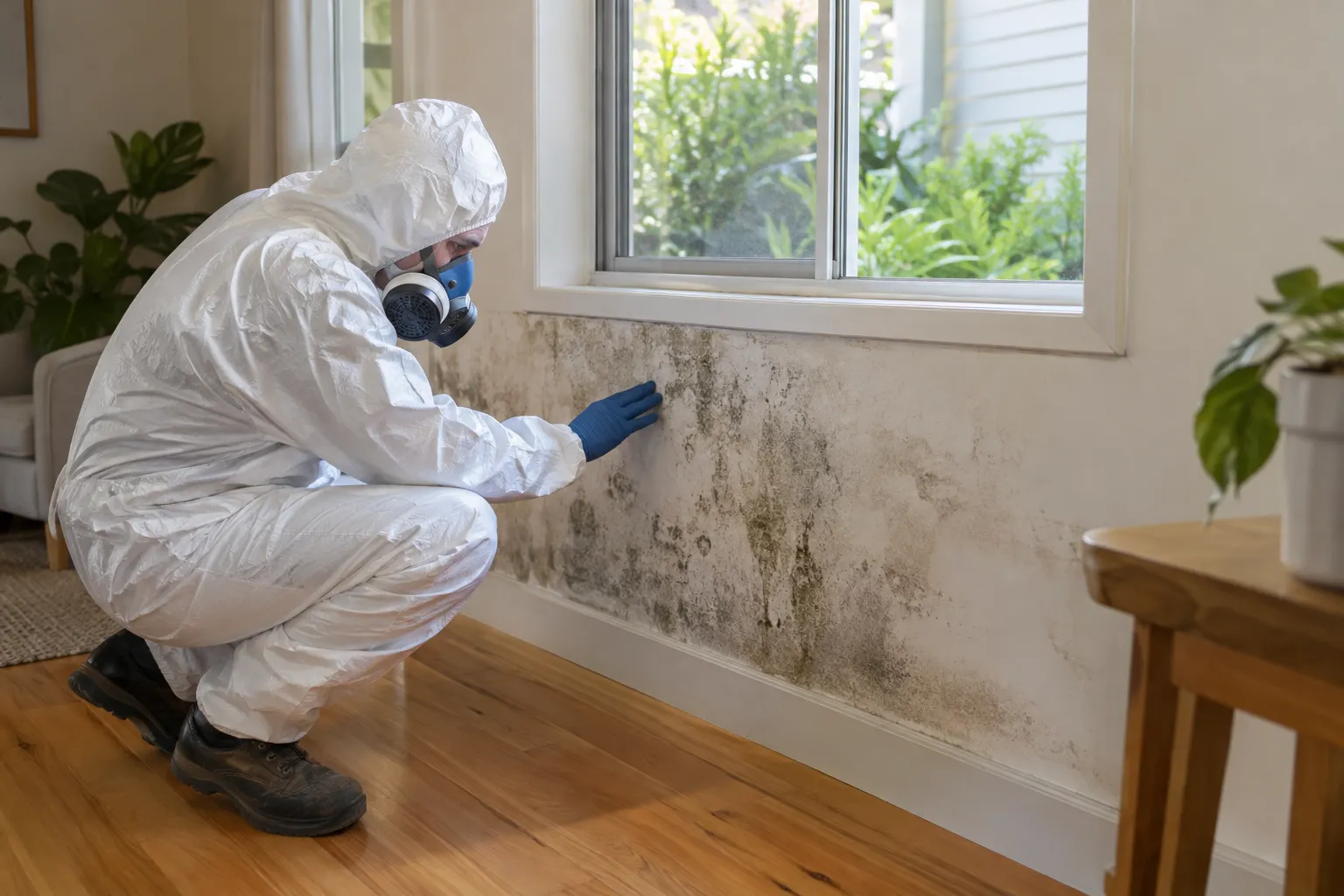
Call with the wetting, repair and drying history alongside the visible condition. Discuss availability and practical scope, with concealed materials, source work and reinstatement clearly separated from the agreed accessible removal task.
Local context: Victorian Government — Kingston suburbs · Kingston — coastal places