
ROOMS · MATERIALS · MOISTURE
CHELSEA · MELBOURNE
Mould Removal Chelsea
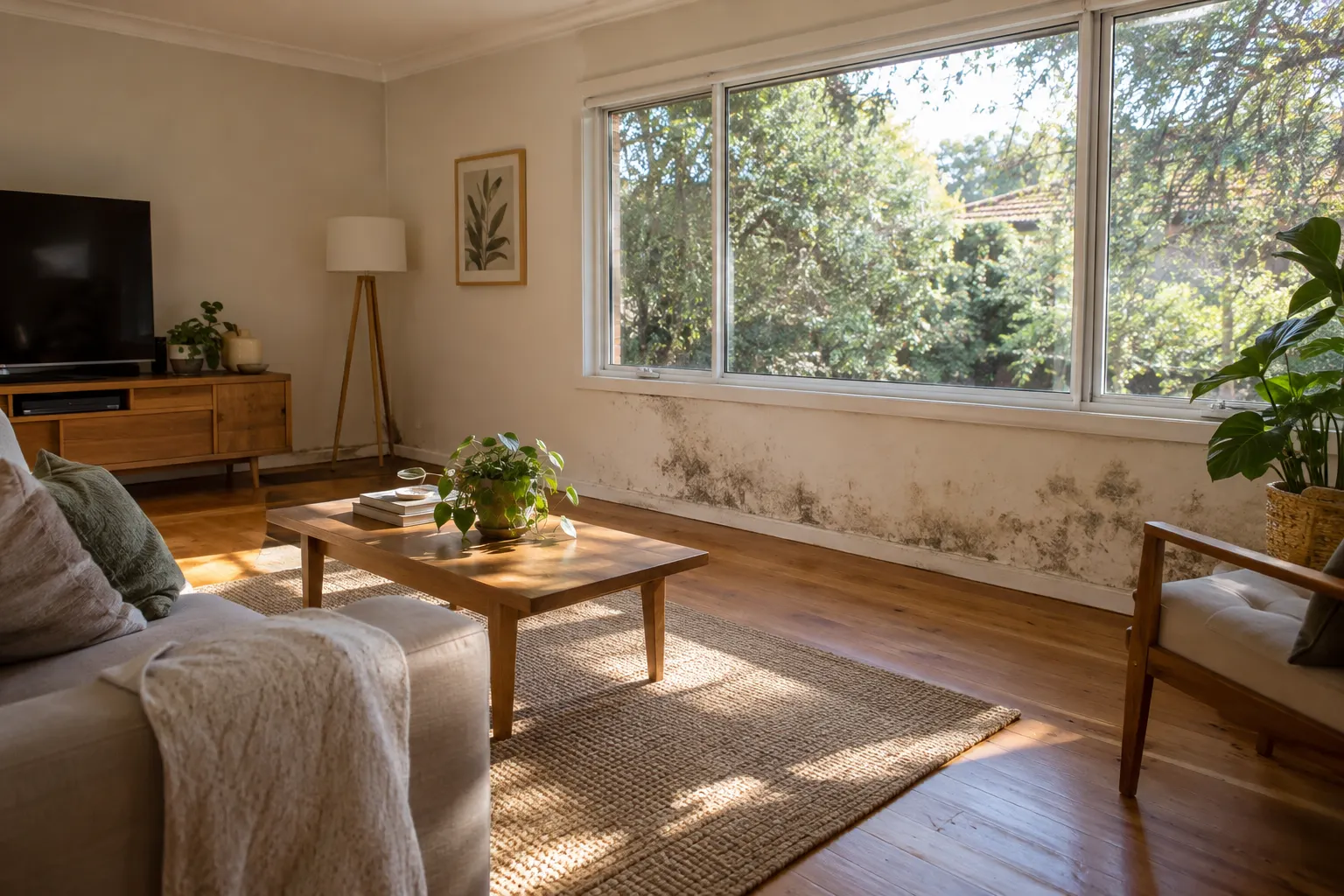
An affected kitchen wall is easier to understand when cooking moisture and plumbing are described separately. For Chelsea, include the rangehood, sink and patch position in your enquiry. The removal scope should follow accessible material condition, with any ventilation or leak defect addressed by the appropriate trade.
Material condition considered
Accessible work agreed first
Moisture observations kept in view
THE ROOM TELLS A STORY
A kitchen can have more than one pathway.
Chelsea is among the suburbs listed for Kingston by the Victorian Government.
If a kitchen patch sits between the sink and cooking area, note when it becomes damp. Steam during cooking and a pipe leak need different follow-up. Include the rangehood position and nearby cabinet edges in a wider photo, without removing appliances or plumbing to expose hidden surfaces.
UNDERSTANDING MOISTURE
Keep steam and drips as separate observations.
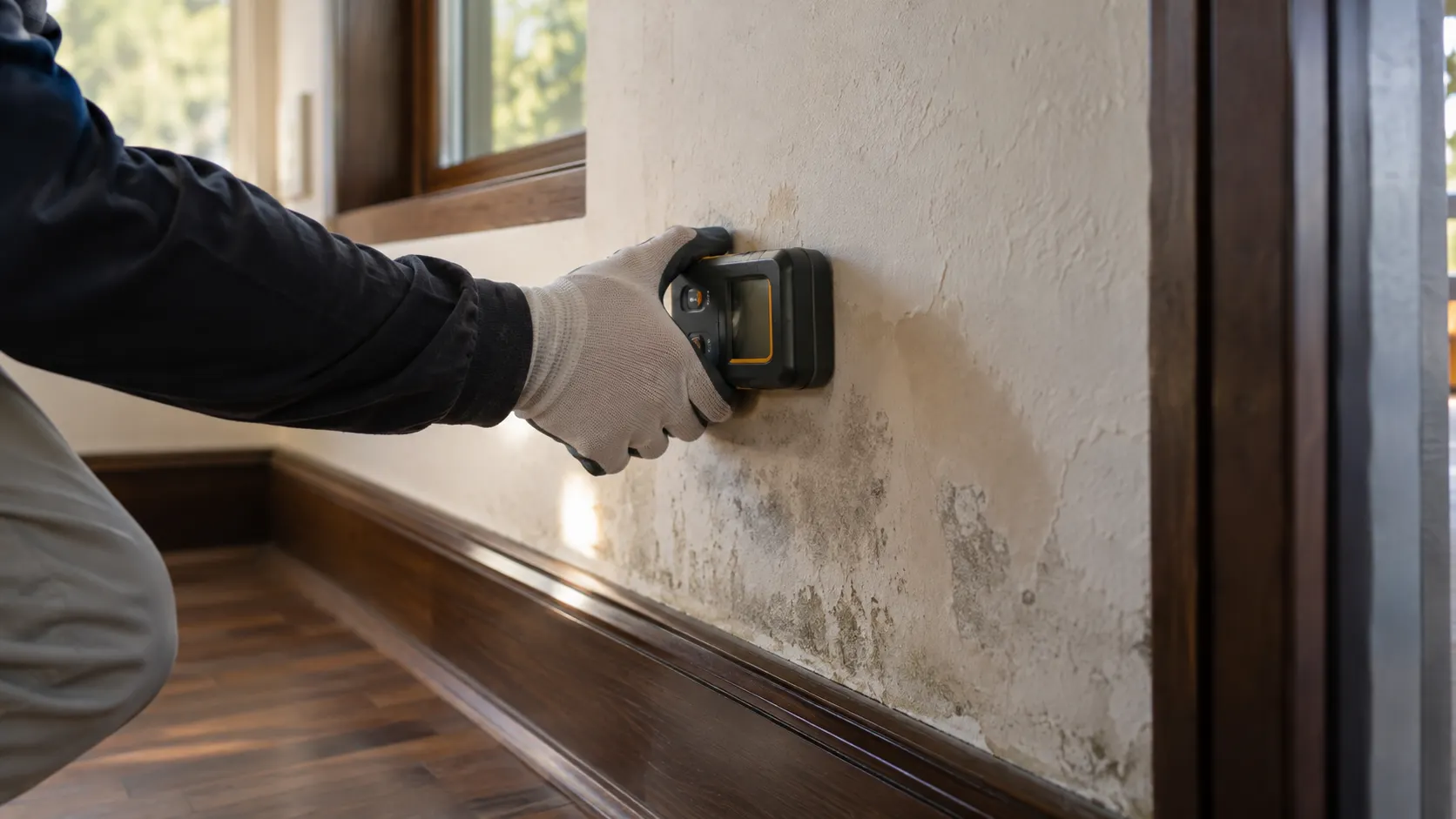
Cooking moisture
Describe visible condensation during cooking and whether the available extraction is used.
Plumbing evidence
Mention accessible drips, wet cupboard shelves and earlier sink repairs without loosening fittings. Keep actual water observations separate from damp during cooking so the appropriate trade can consider a plumbing question on its own evidence.
Material and access
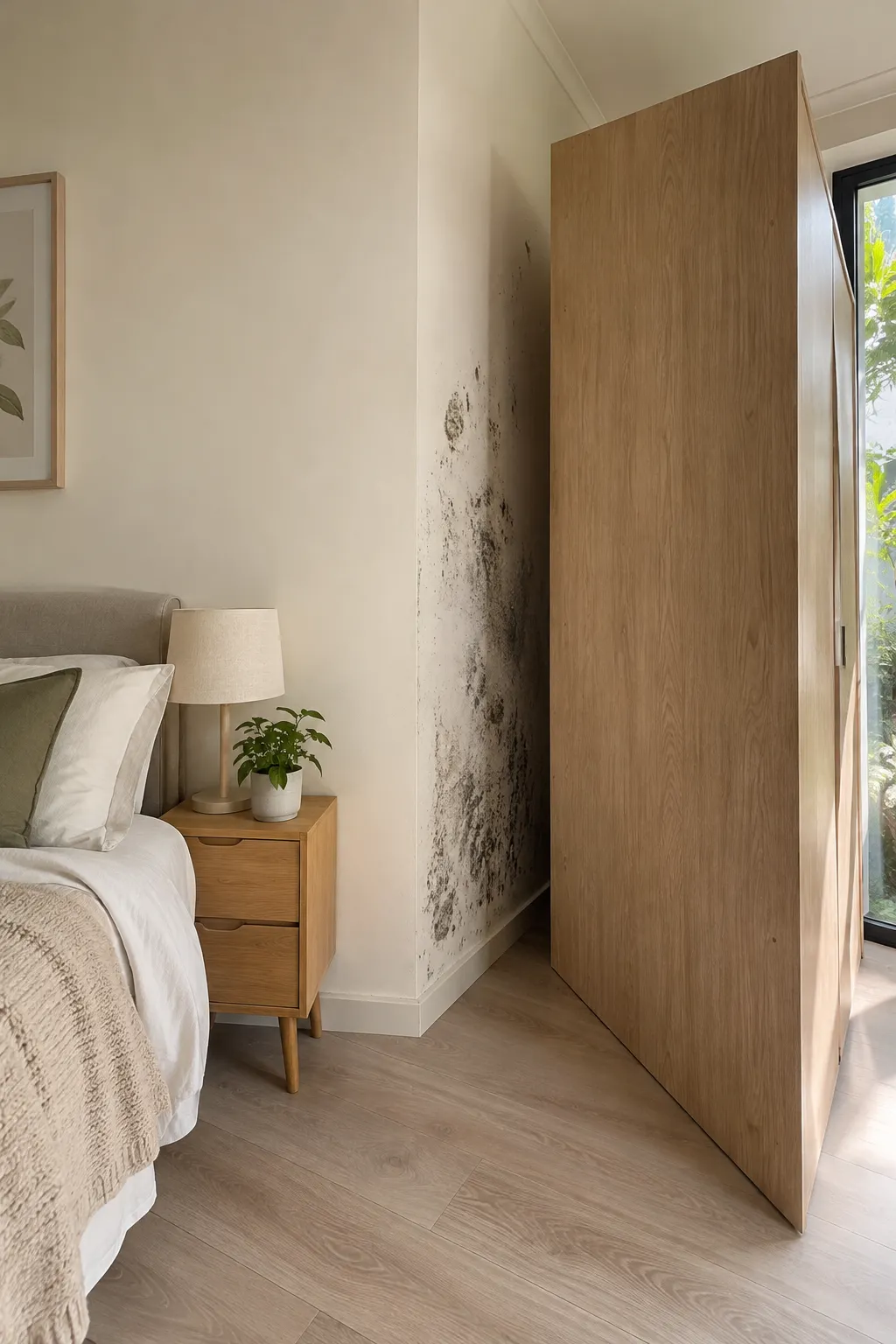
A mould inspection considers visible finishes and limitations. Fixed cabinetry or appliances can conceal wall surfaces; describe them before movement so concealed condition and dismantling are not assumed part of an ordinary room view.
OUR REMOVAL PROCESS
Agree the kitchen surfaces before the method.
Record events distinctly
Note when cooking occurs, when a pipe drips and when the wall is wet. Keeping these observations separate makes the enquiry clearer than describing every moisture sign as one general kitchen problem.
Keep fittings intact
Do not disconnect appliances or loosen pipes simply to photograph a hidden edge. Explain access restrictions so suitable assistance and permission can be considered separately from removal of visible growth.
Mention cupboard damage
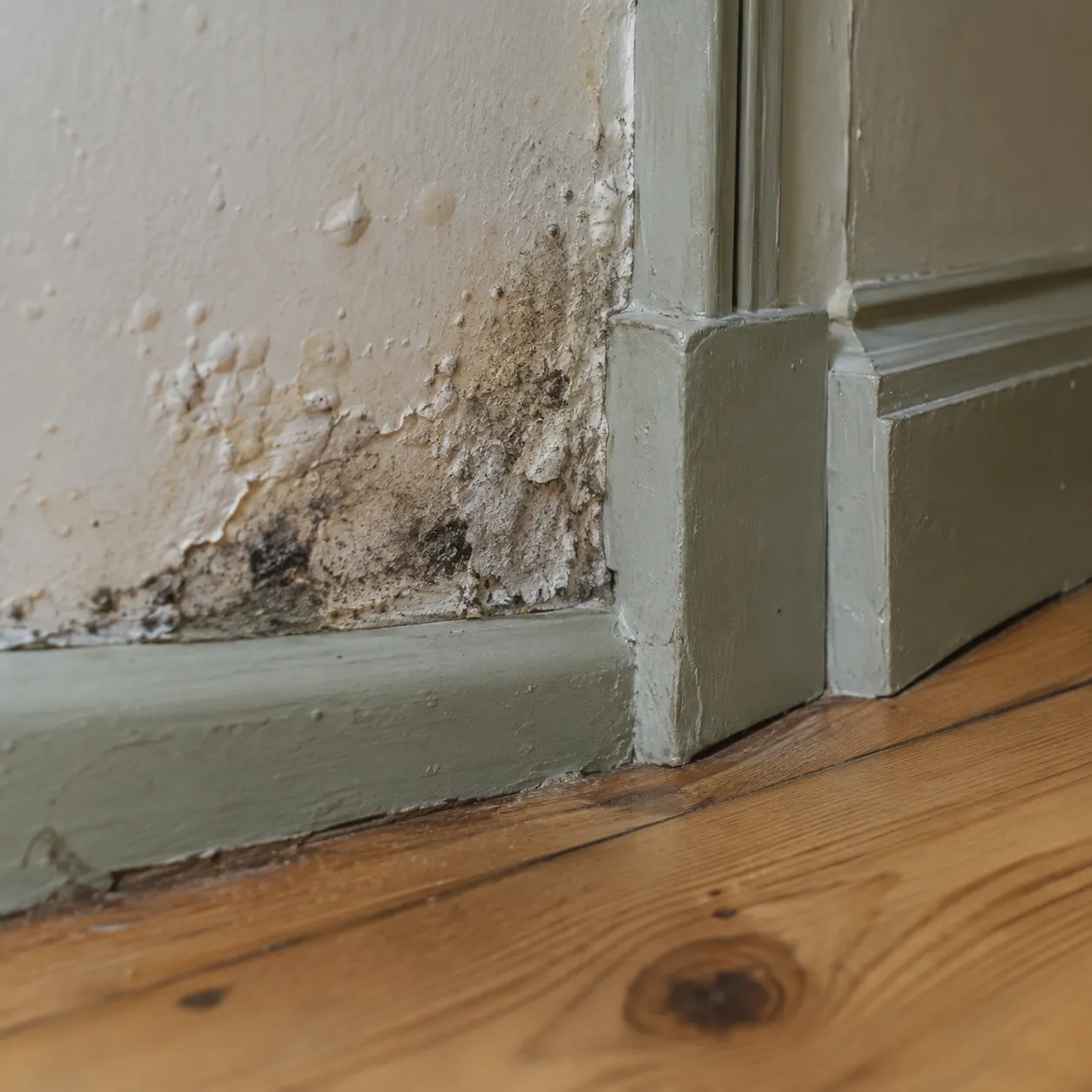
Swollen backing or shelves can need material attention beyond cleaning. Describe condition before restocking the cupboard, with belongings and fixed joinery kept distinct from the accessible wall scope.
01
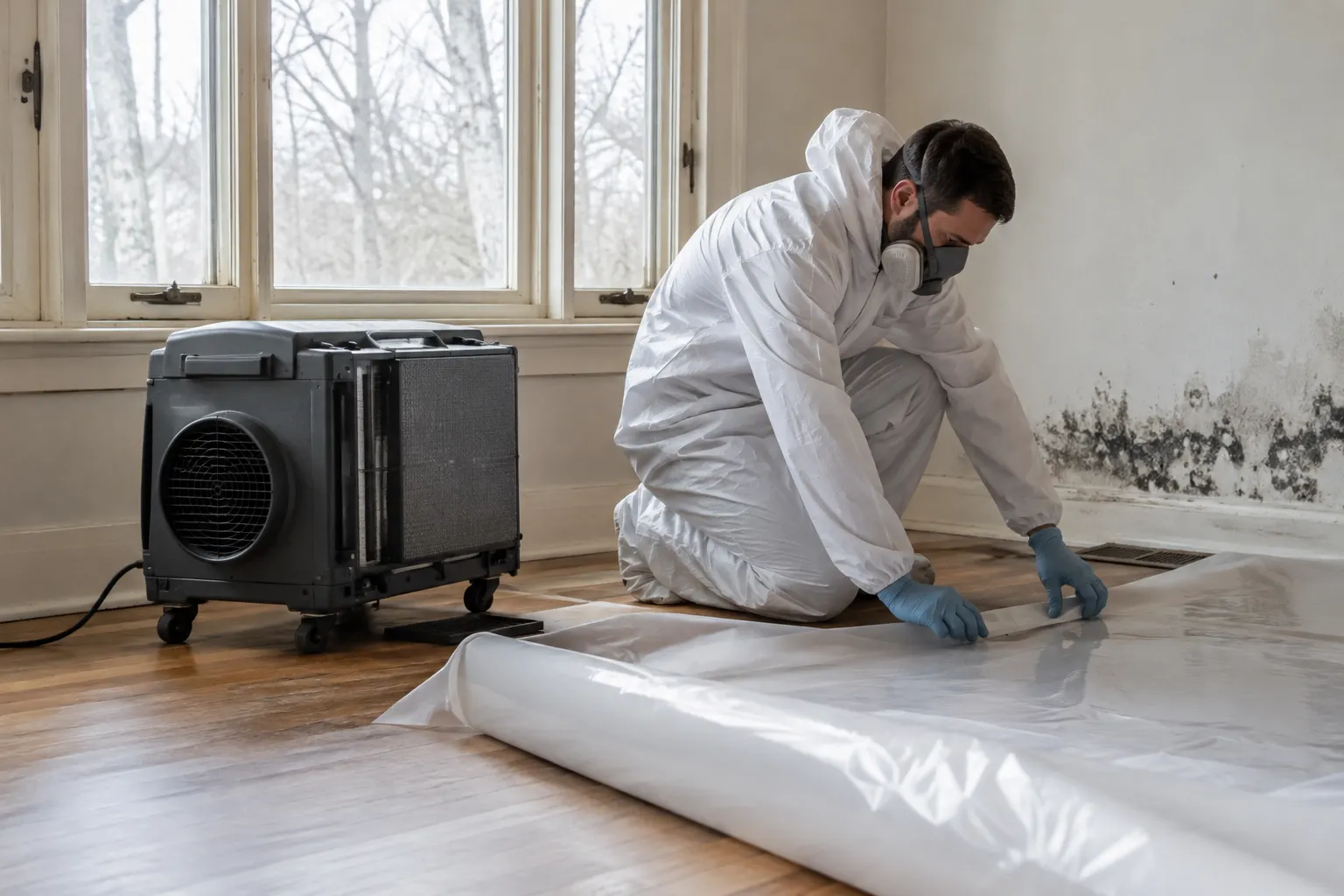
Identify each affected area
Send a wider view showing sink, cooking area and patch position. Name paint, cabinet backing and any other material separately. The surface-removal scope should reflect actual access and condition rather than use one source assumption for the entire kitchen.
02
Coordinate practical preparation
Discuss stored products, appliances, delicate finishes and occupants’ concerns before work. If a plumber or ventilation trade needs to act first, explain that timing. Equipment and protection should fit the agreed surfaces without expecting unplanned appliance or fixture dismantling as preparation.
03
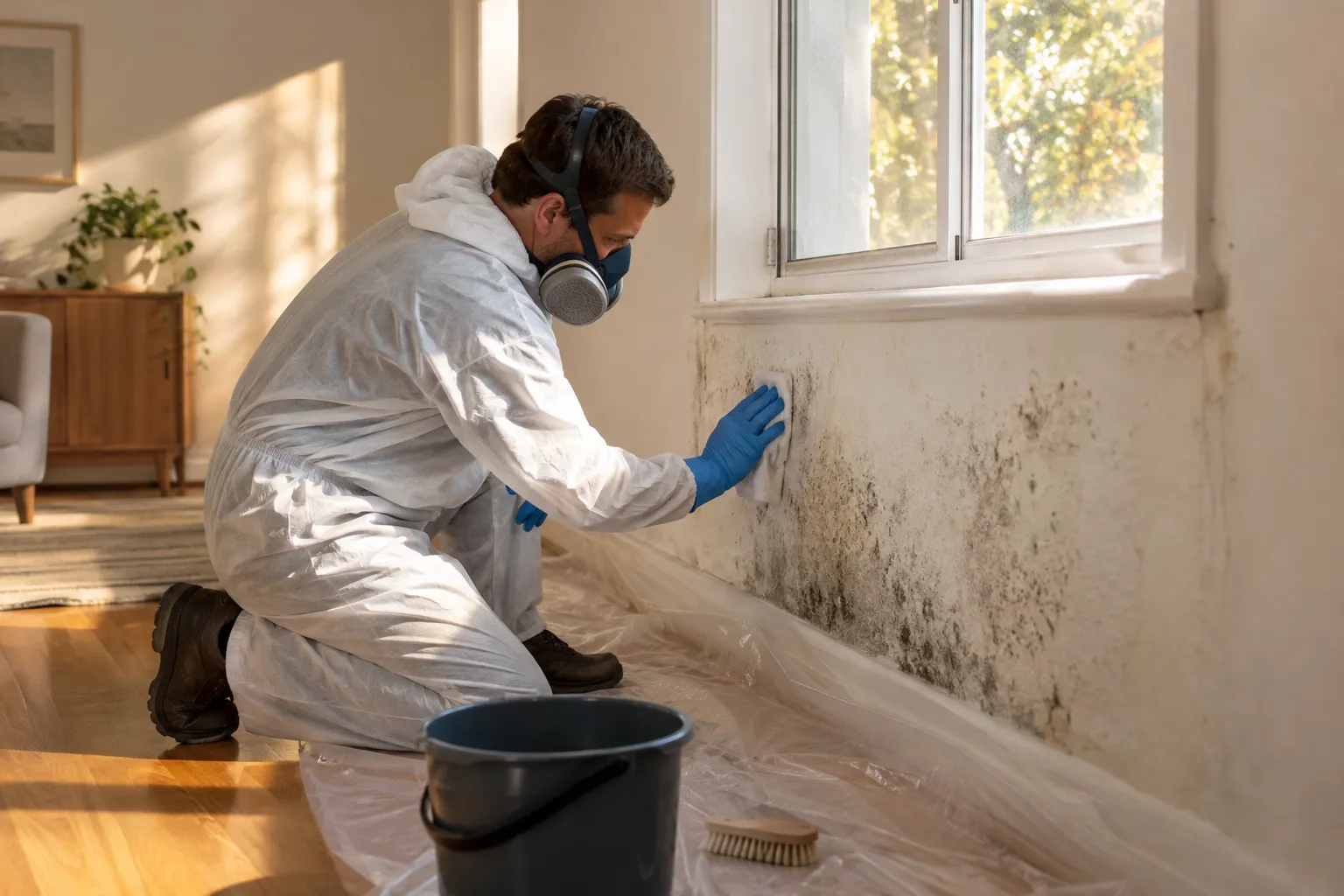
Review the continuing observations
Consider remaining stains, damage and renewed wetting after accessible removal. Remediation planning links source and material decisions, but cleaning paint does not repair sink plumbing or establish the effectiveness of the rangehood or other kitchen extraction.
COMMON AREAS AFFECTED
Wet-room use does not make materials interchangeable.
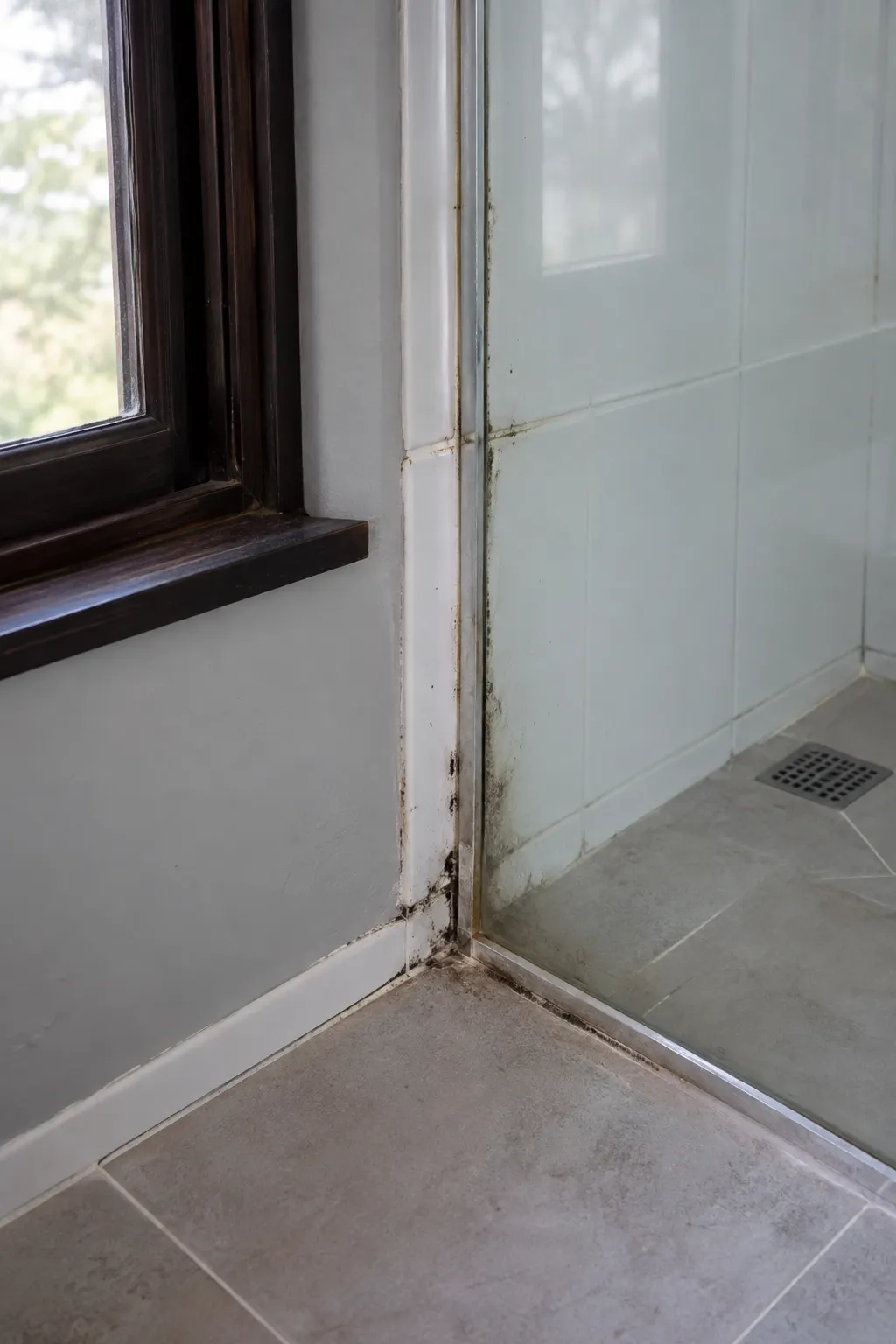
Bathroom surfaces
Bathroom growth needs its own shower-drying and joint-material history. A kitchen steam or plumbing explanation should not be transferred automatically to another wet room at the address.
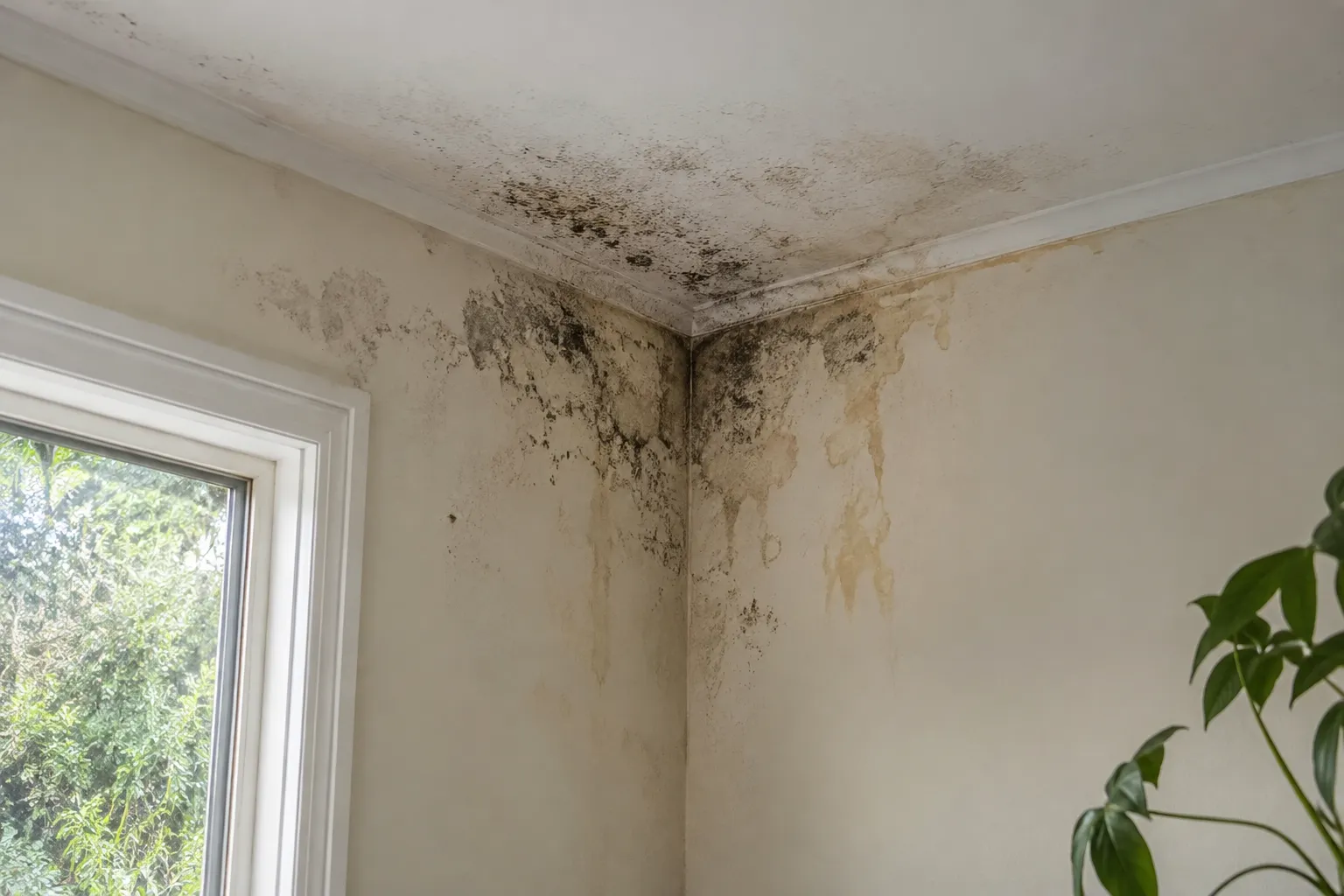
Ceiling condition
Ceiling marks above the kitchen need lining condition and timing described. Note rain changes or services above as well as cooking observations rather than choose the nearest moisture source without investigation.
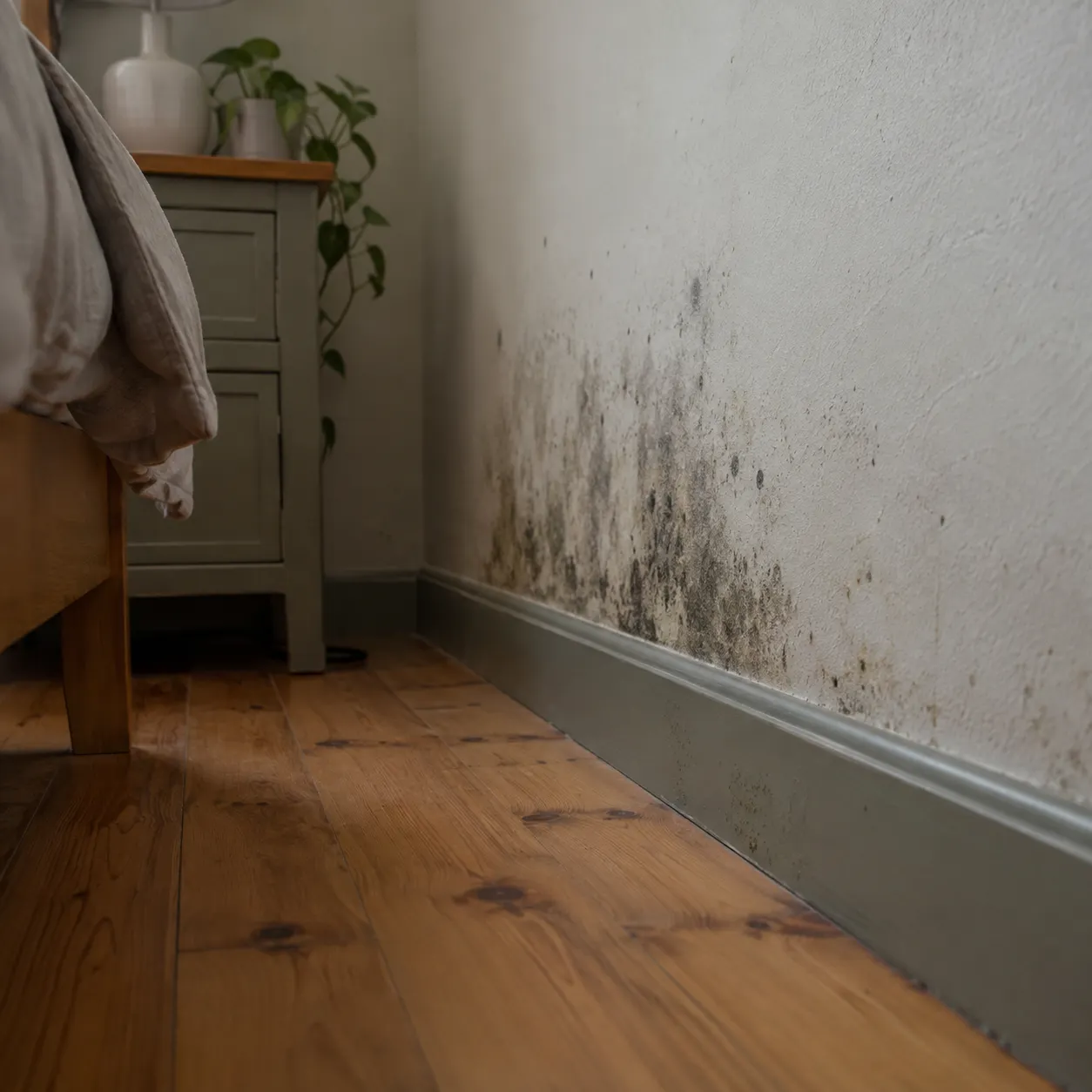
Walls and finishes
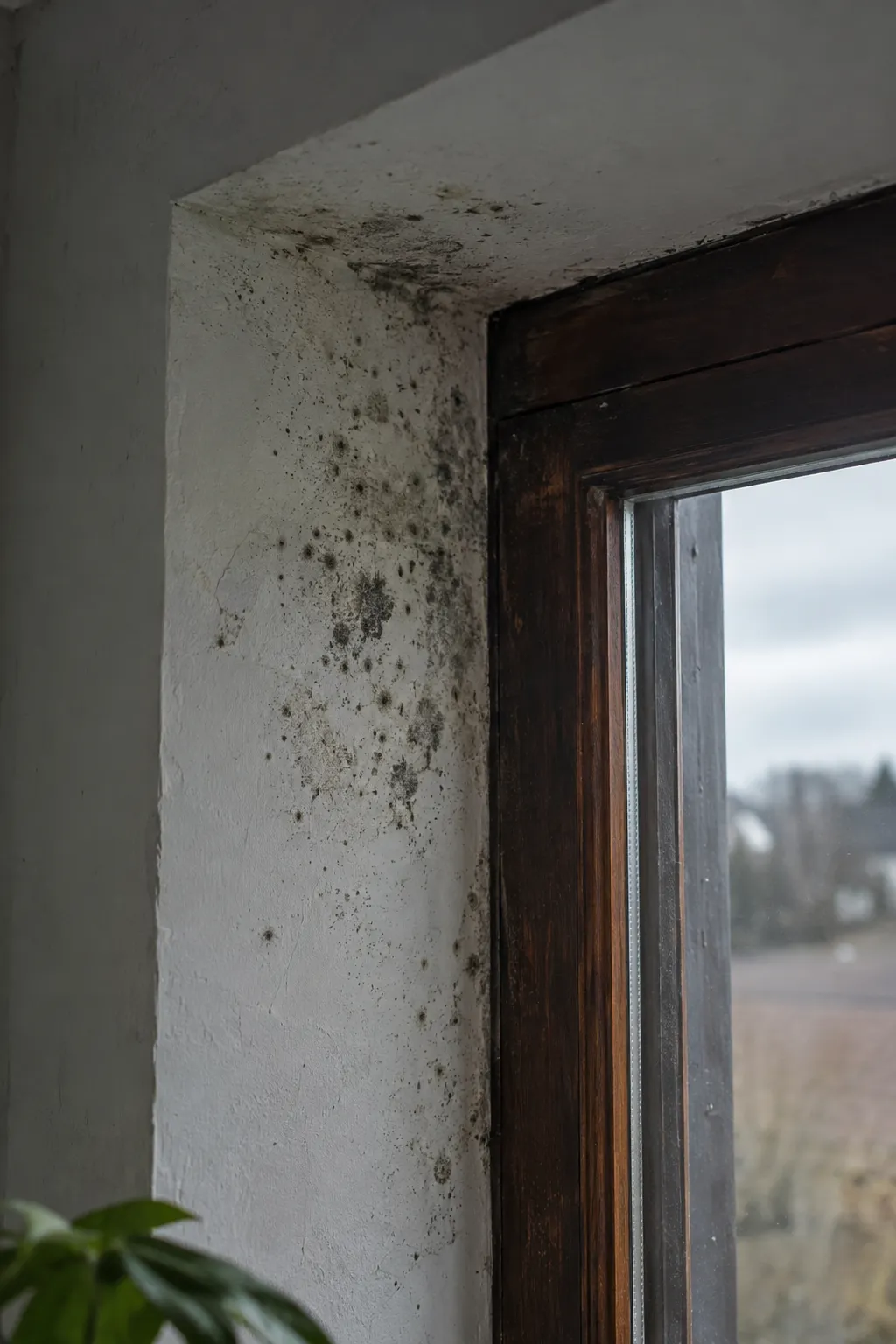
Kitchen walls can meet cabinetry, tiles and painted trim. Identify affected materials and damage so the method is not assumed suitable for every finish along a continuous visible patch.
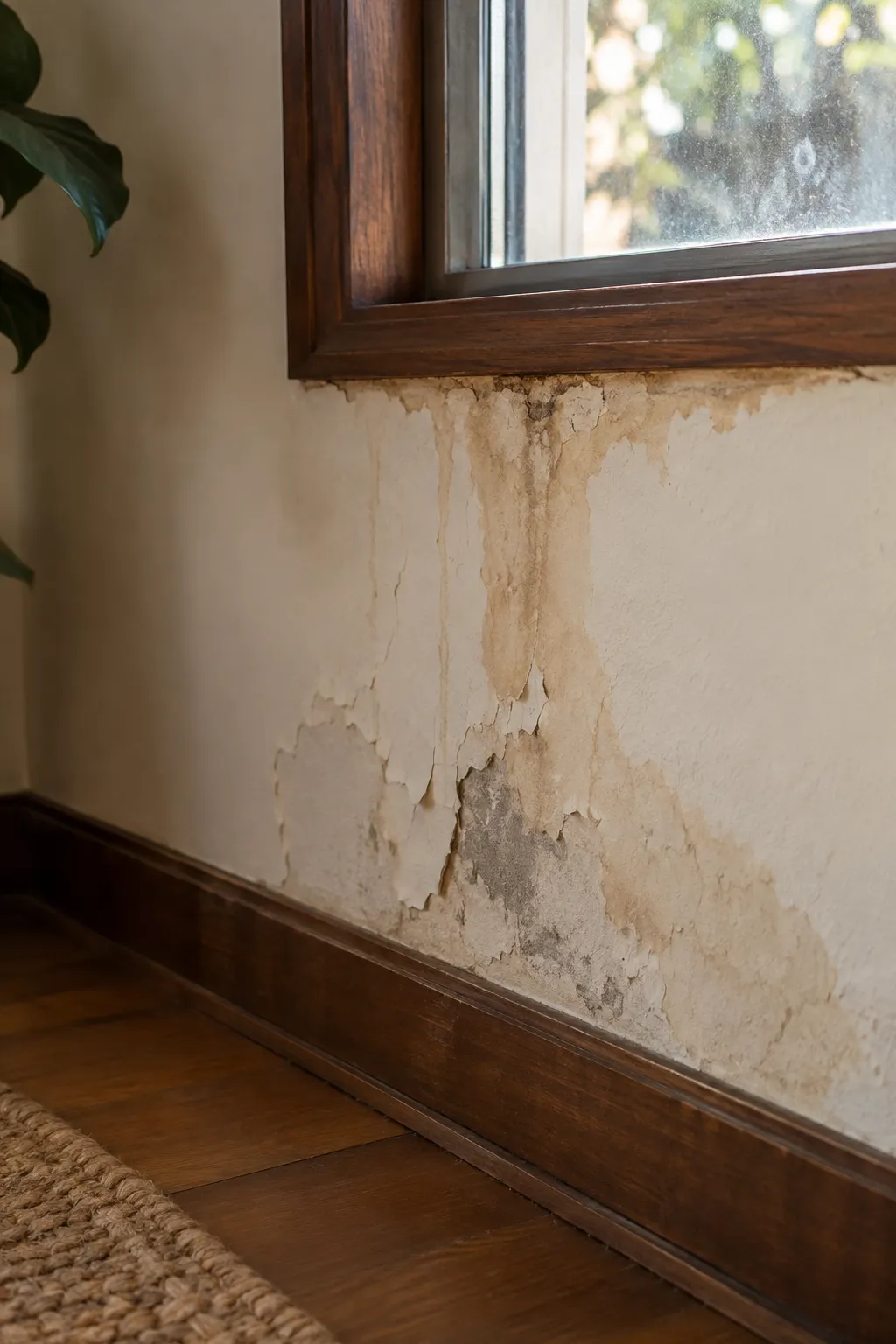
After water damage
After a sink or appliance leak, adjoining flooring and closed panels may be wet beyond the clearest mark.
PREVENTION STARTS WITH
Separate the sources.
Keep the evidence.
A practical household check
Use the kitchen’s available extraction during moisture-producing cooking. Report plumbing drips independently instead of treating them as ordinary steam. If a cabinet edge is swollen or paint repeatedly lifts, discuss the material condition before another cosmetic clean or repaint.
Review after the relevant repair
Compare the wall after separate plumbing or ventilation work during ordinary cooking and quiet periods. Record new wetting rather than simply checking colour. If a patch persists independently of the expected routine, discuss further source and material consideration before another decorative treatment conceals it.
CHELSEA & NEARBY
Around Chelsea
Nearby guide navigation includes Bonbeach, Edithvale and Aspendale. Keep the next kitchen’s steam observations and plumbing evidence distinct, with its own fixed fittings and practical access described before work.
BEFORE YOU CALL
The useful
questions.
How can I make a kitchen enquiry clearer when there may be two moisture sources?
Describe each observation separately: when cooking occurs, whether a pipe visibly drips and where the wall stays wet. Avoid choosing a cause before it is assessed. A wider kitchen photo and timing notes help explain the room’s layout and accessible surfaces.
Does a patch near the cooker prove steam is responsible?
No. Position and timing are useful, but nearby plumbing or another pathway can also matter. Describe each observation independently so a plausible cooking explanation does not hide evidence of a separate leak.
Can removal repair a kitchen waste pipe?
Plumbing work is separate from accessible growth removal. Mention visible drips and repairs already undertaken so appropriate assistance and the useful timing of surface work can be considered together.
Should I move a fitted appliance for the enquiry?
Discuss access first and avoid disconnecting installed equipment casually. A wider kitchen view and material description can begin the conversation, with any safe movement or trade help agreed separately.
What if the cupboard backing is damaged?
Describe swelling or deterioration beforehand. Removal does not restore damaged board, and retention or replacement may be a separate decision rather than a promised result of surface cleaning.
How do I start a Chelsea enquiry?
Call 03 8652 1296 with the address, kitchen layout and separate moisture observations.
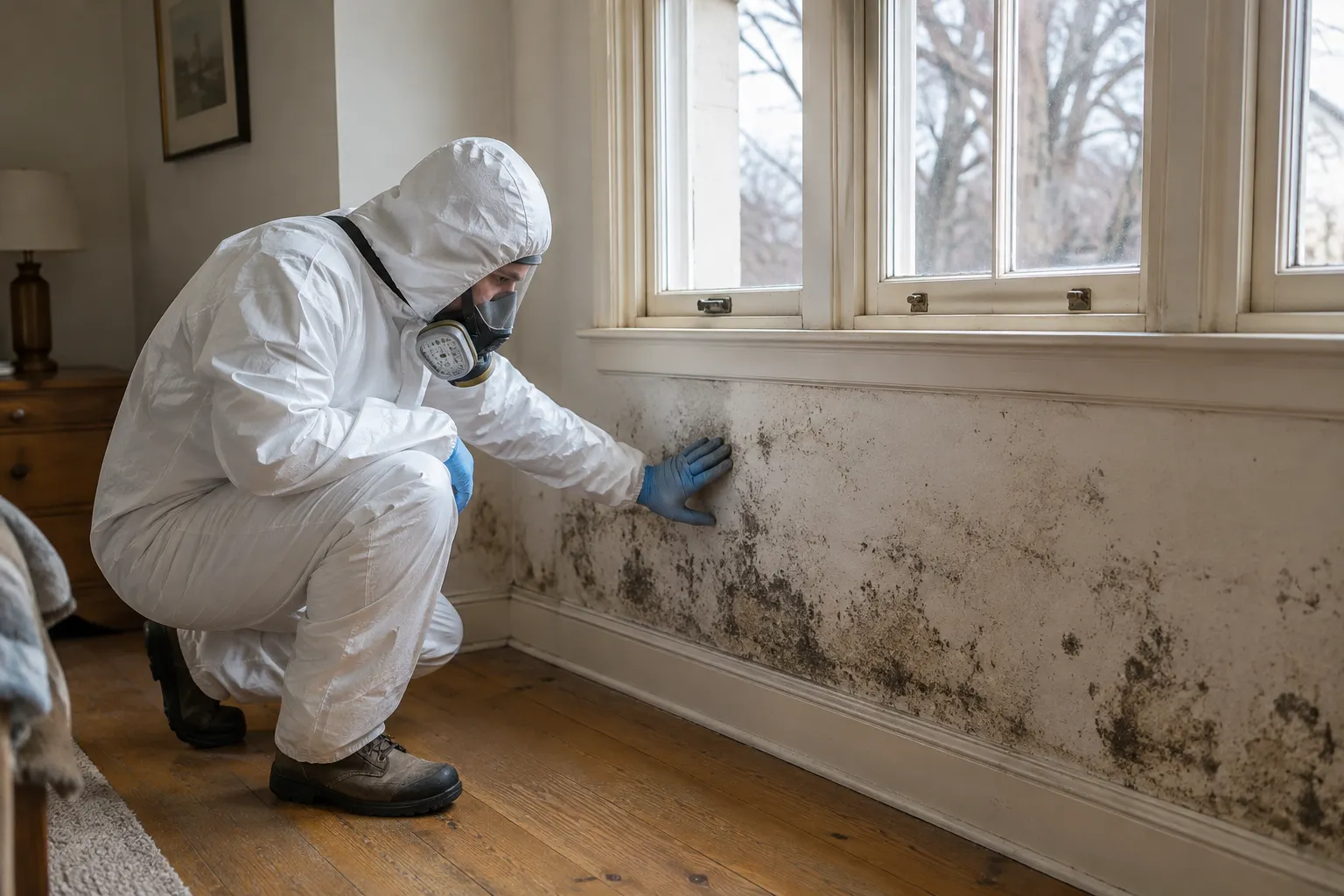
TELL US WHAT YOU CAN SEE
Tell us about steam, drips and the wall.
A clear call separates the kitchen’s observations and materials. Discuss address availability and practical access, with appliances, damaged joinery and source repair kept distinct from the agreed surface-removal scope.
Local context: Victorian Government — Kingston suburbs