
ROOMS · MATERIALS · MOISTURE
WATERWAYS · MELBOURNE
Mould Removal Waterways
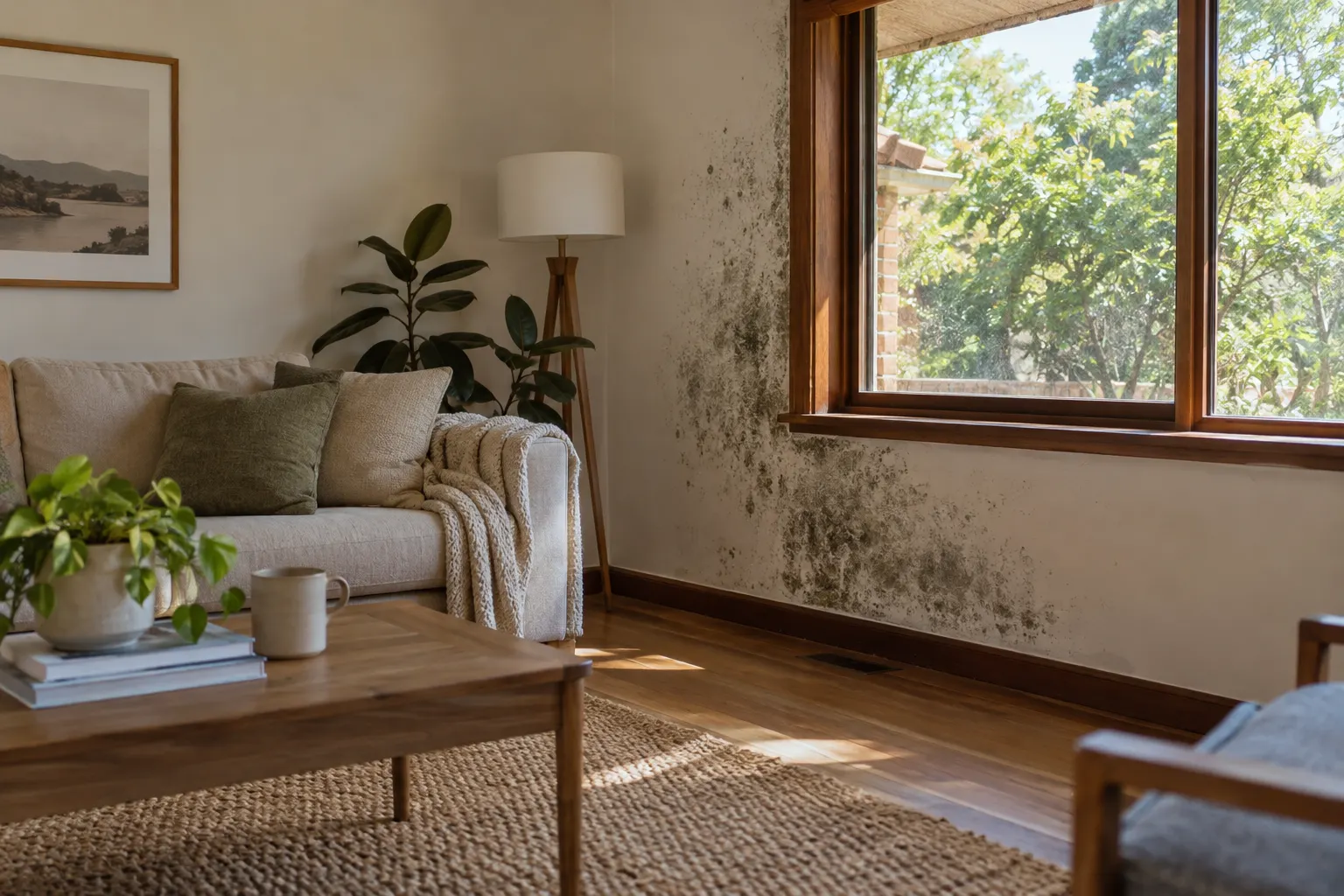
A newer-looking finish can still conceal moisture from a recent leak. For a Waterways enquiry, tell us what changed before the marks appeared. The locality name is not a diagnosis: useful decisions come from the room’s materials, actual wetting history and available access.
Material condition considered
Accessible work agreed first
Moisture observations kept in view
THE ROOM TELLS A STORY
A repair date is only part of the story.
Waterways is listed as a distinct Kingston locality by the Victorian Government.
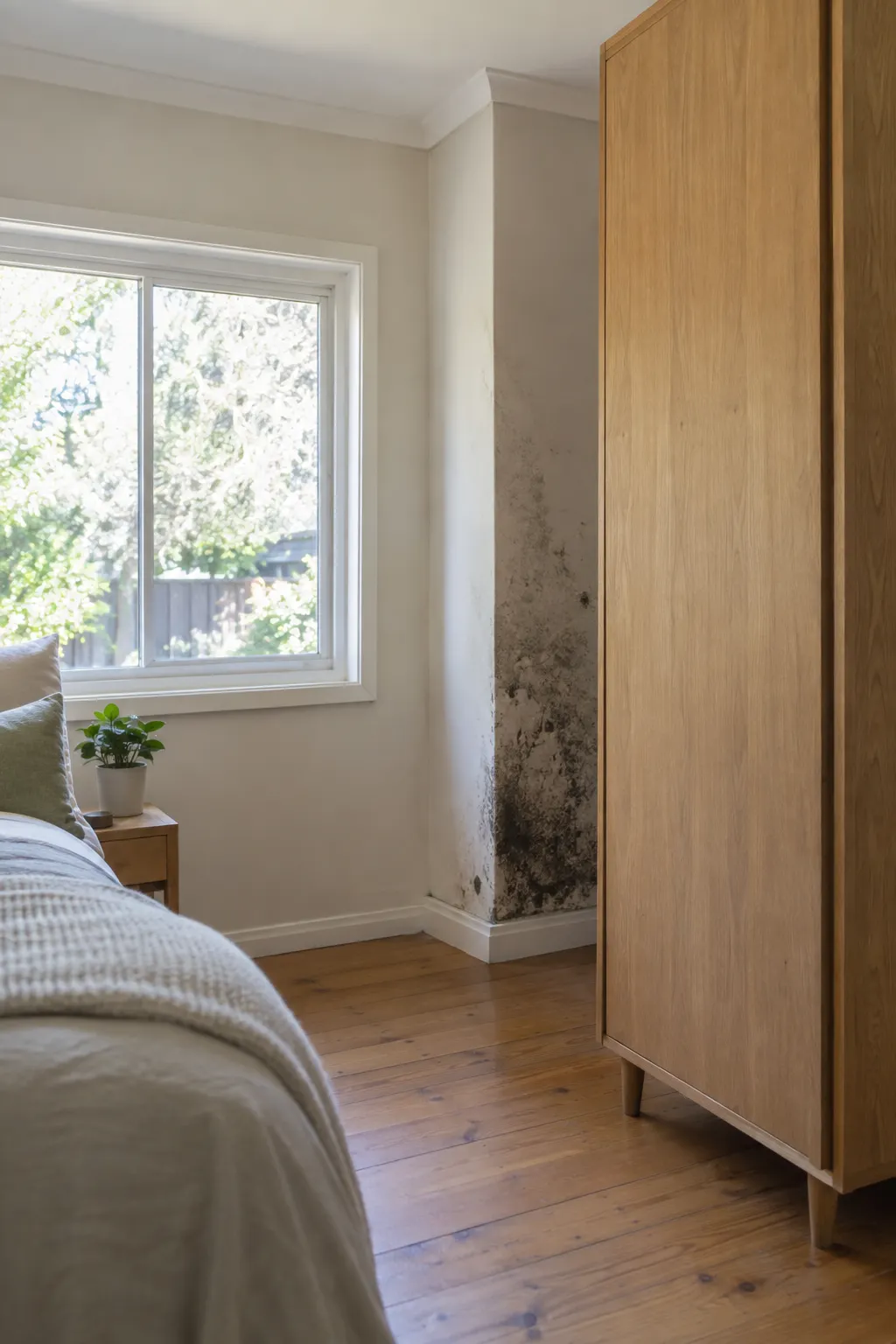
Where a pipe has been repaired, note whether the wall was opened, dried and reinstated. Stopping the leak does not describe the condition of every adjoining material. Explain when the visible patch appeared and whether it has changed since the repair rather than relying on a recent paint finish.
UNDERSTANDING MOISTURE
Follow the sequence after water stopped.
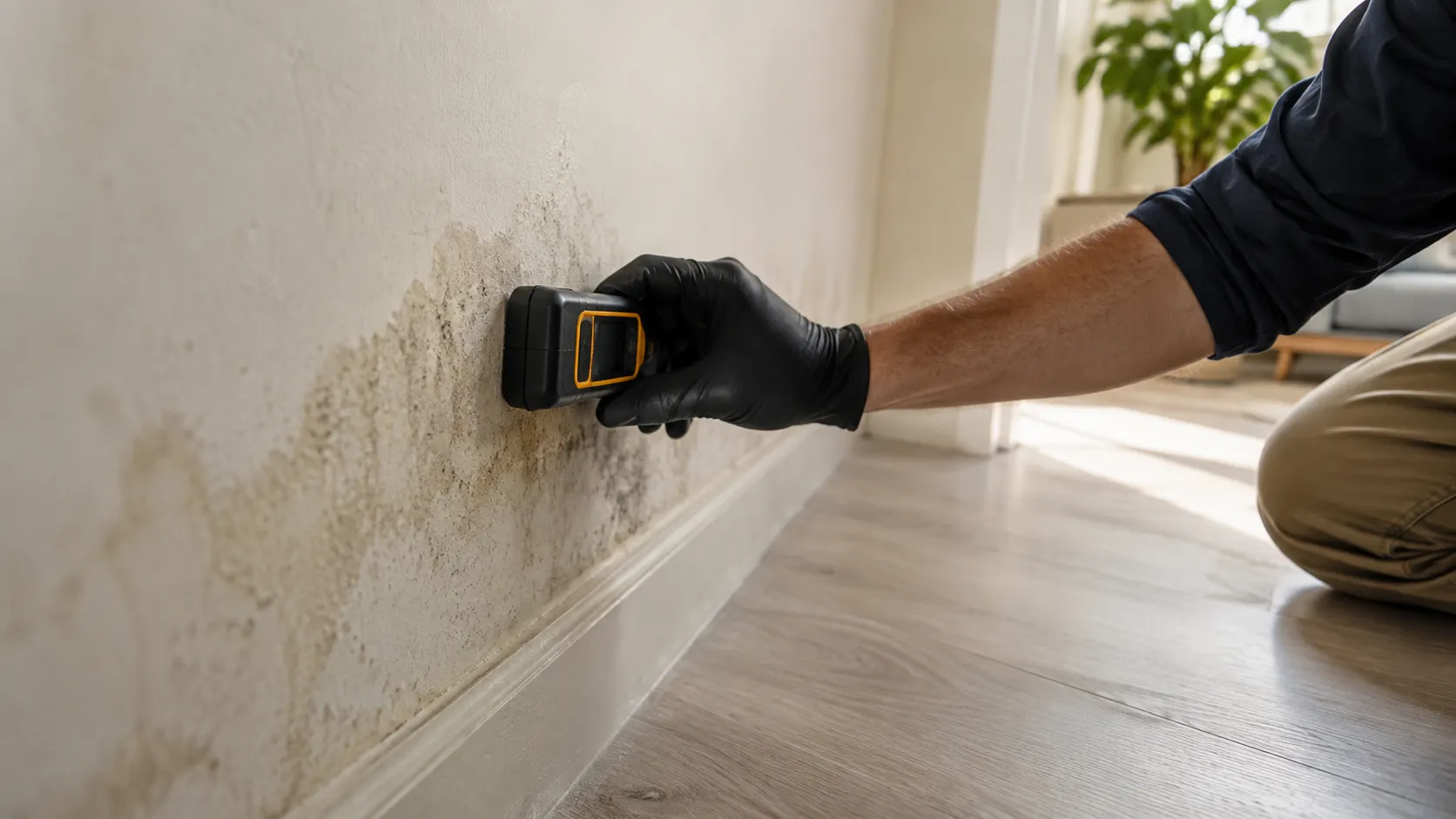
The original pipe incident
Describe where water was seen and which room finishes were affected. Keep the pipe repair separate from drying and material replacement. Each event matters, but none should be treated as proof about every surface concealed afterwards.
When marks appeared
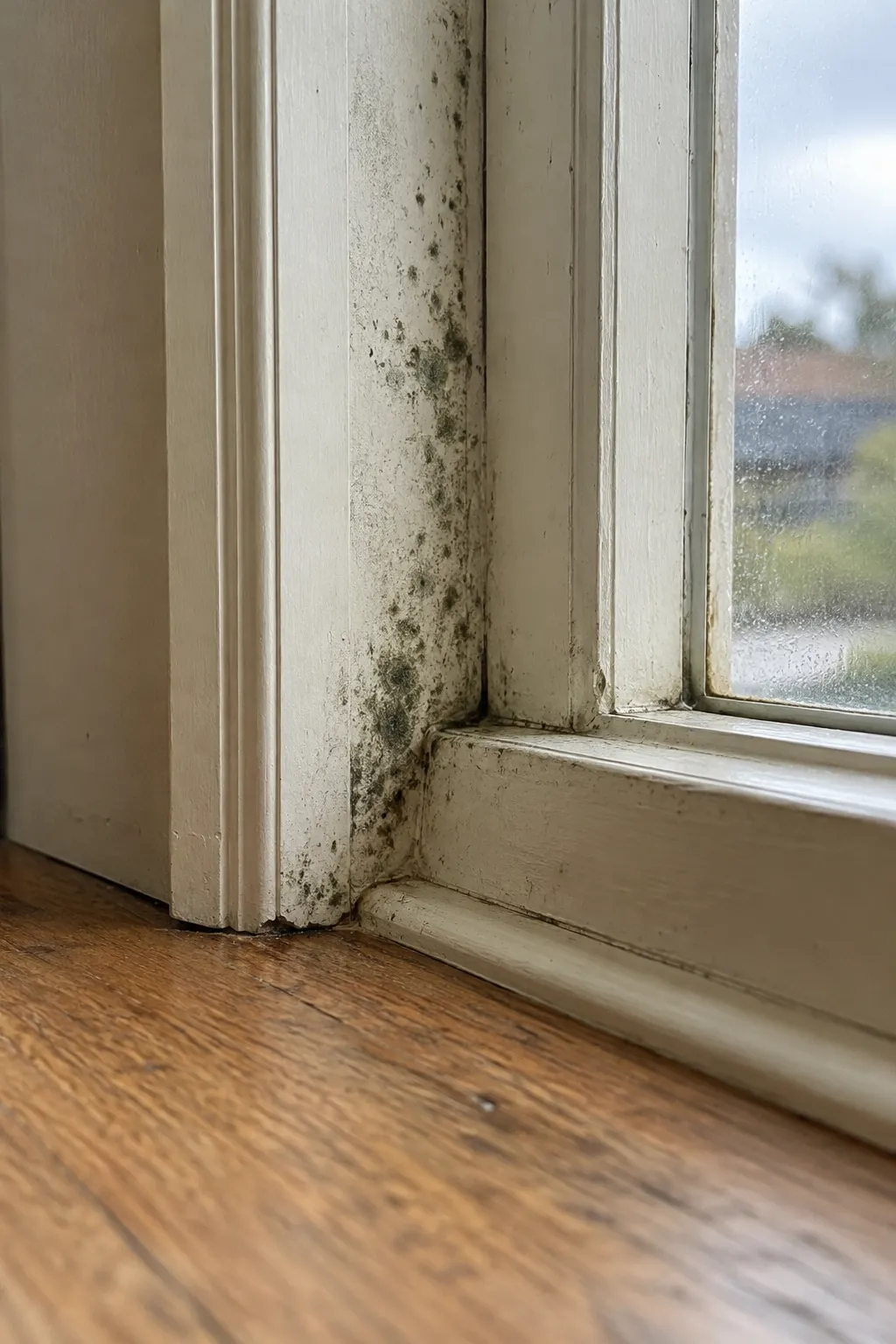
Explain whether growth was visible before the wall was closed, after painting or later. Clearly dated photographs can supplement that sequence. The locality name does not establish a moisture source or replace evidence from the actual address.
Present material condition
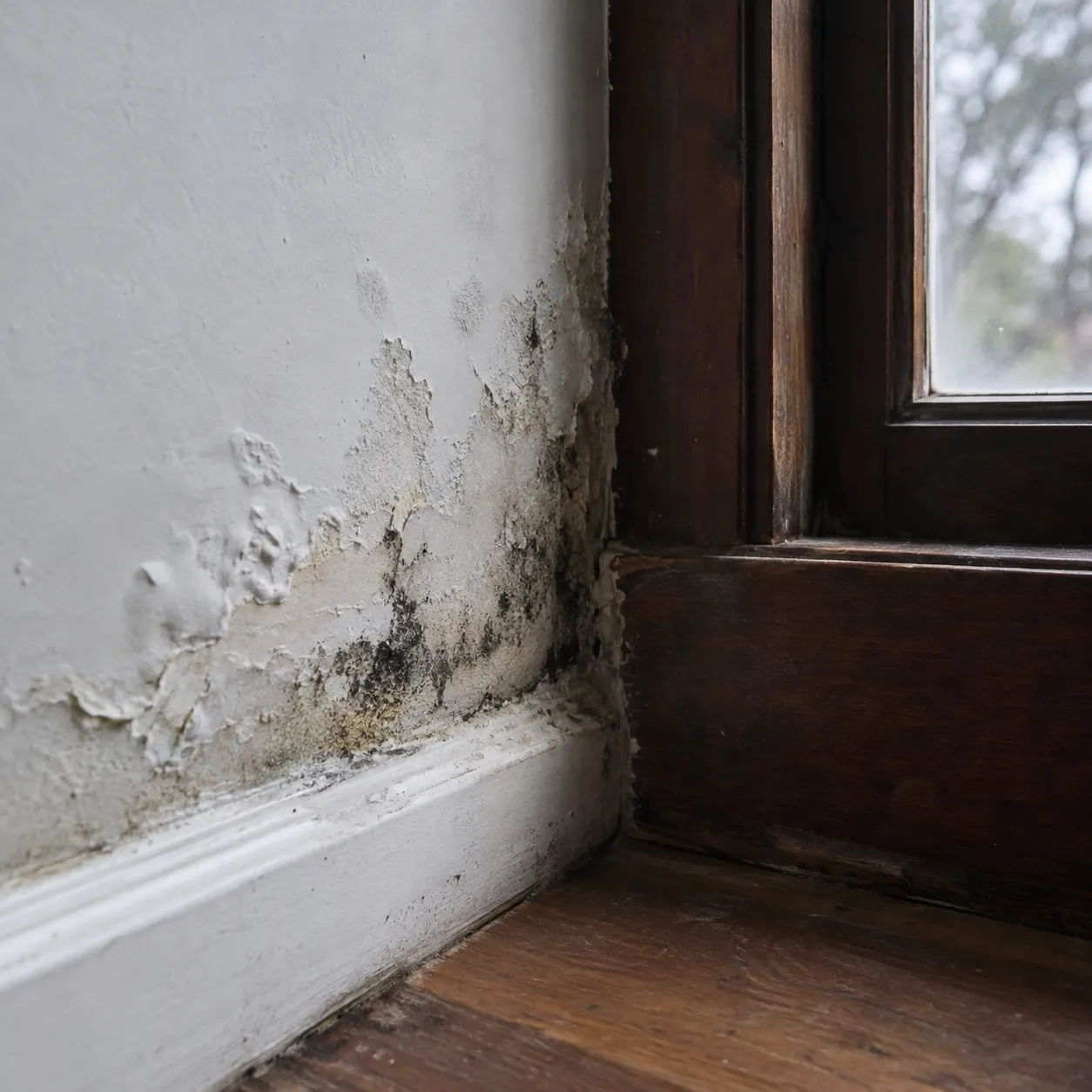
A mould inspection considers accessible surfaces and limitations. Describe peeling, softness and renewed damp, with closed pipe routes or cavity materials requiring appropriate separate access rather than a conclusion from a decorative wall face.
OUR REMOVAL PROCESS
An accessible scope after a separate repair.
Keep the events separate
A source repair, a drying task and a new wall finish have different meanings. Explain their dates individually where known rather than summarise the sequence with a single statement that the problem was fixed.
Label earlier photographs
Images taken while a wall was open can describe earlier extent and access. Use them alongside today’s views, clearly dated, so they inform the history without being mistaken for the current exposed condition.
Explain remaining uncertainty
If you do not know what material was dried or replaced, say so. A useful enquiry acknowledges those limits rather than turning an invoice or paint date into assurance about concealed surfaces.
01
Describe repair and reinstatement
Provide current room views and explain what was opened, dried and replaced. Identify the visible material and extent. The surface-removal scope should work from present condition, not assume a repaired pipe means every adjoining lining is suitable or dry.
02
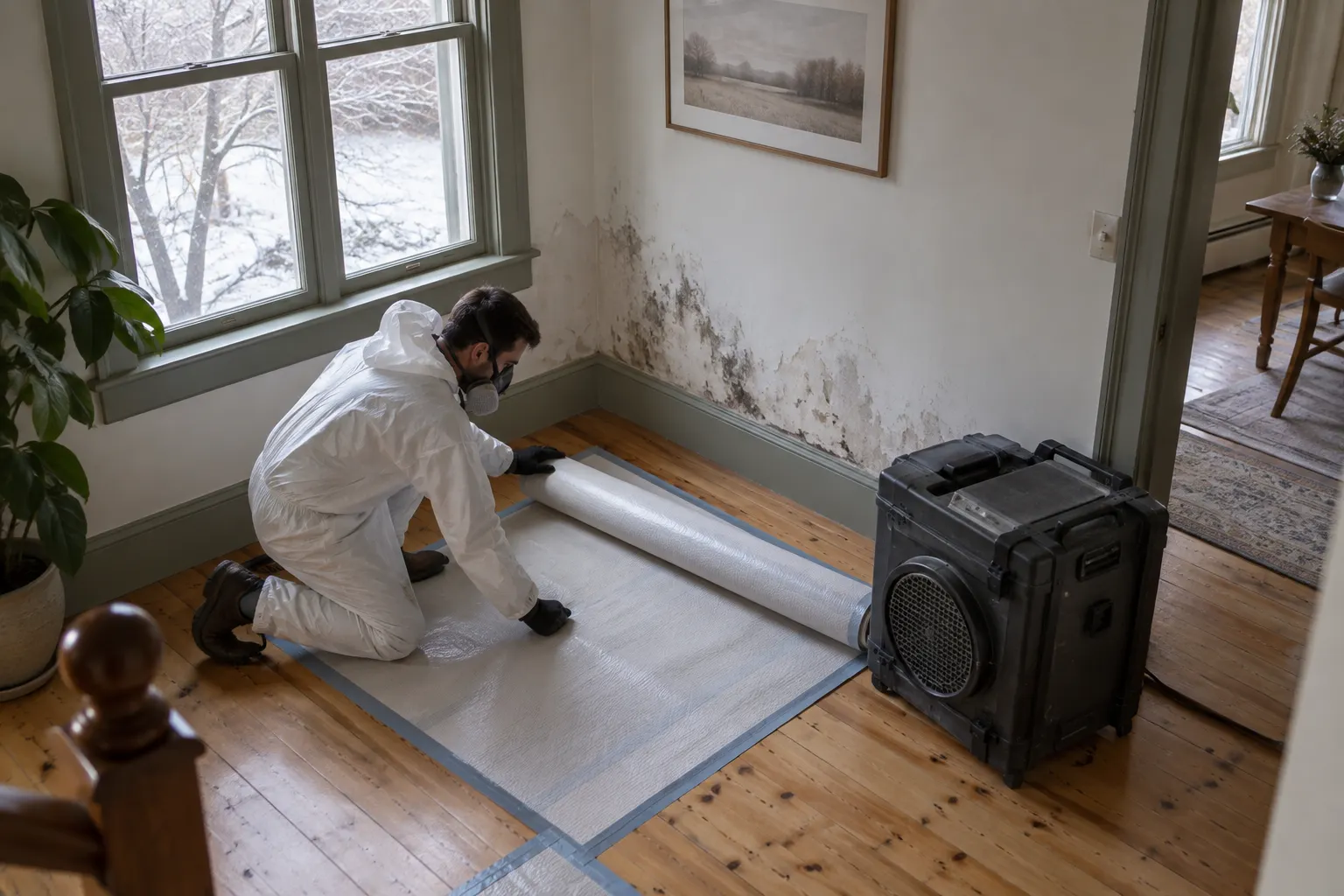
Prepare the visible work area
Discuss furniture, delicate new finishes and access before the appointment. Avoid reopening the wall merely to provide a photograph. Equipment and protection should suit the task, with occupants’ concerns and any separate investigation or material repair raised beforehand.
03
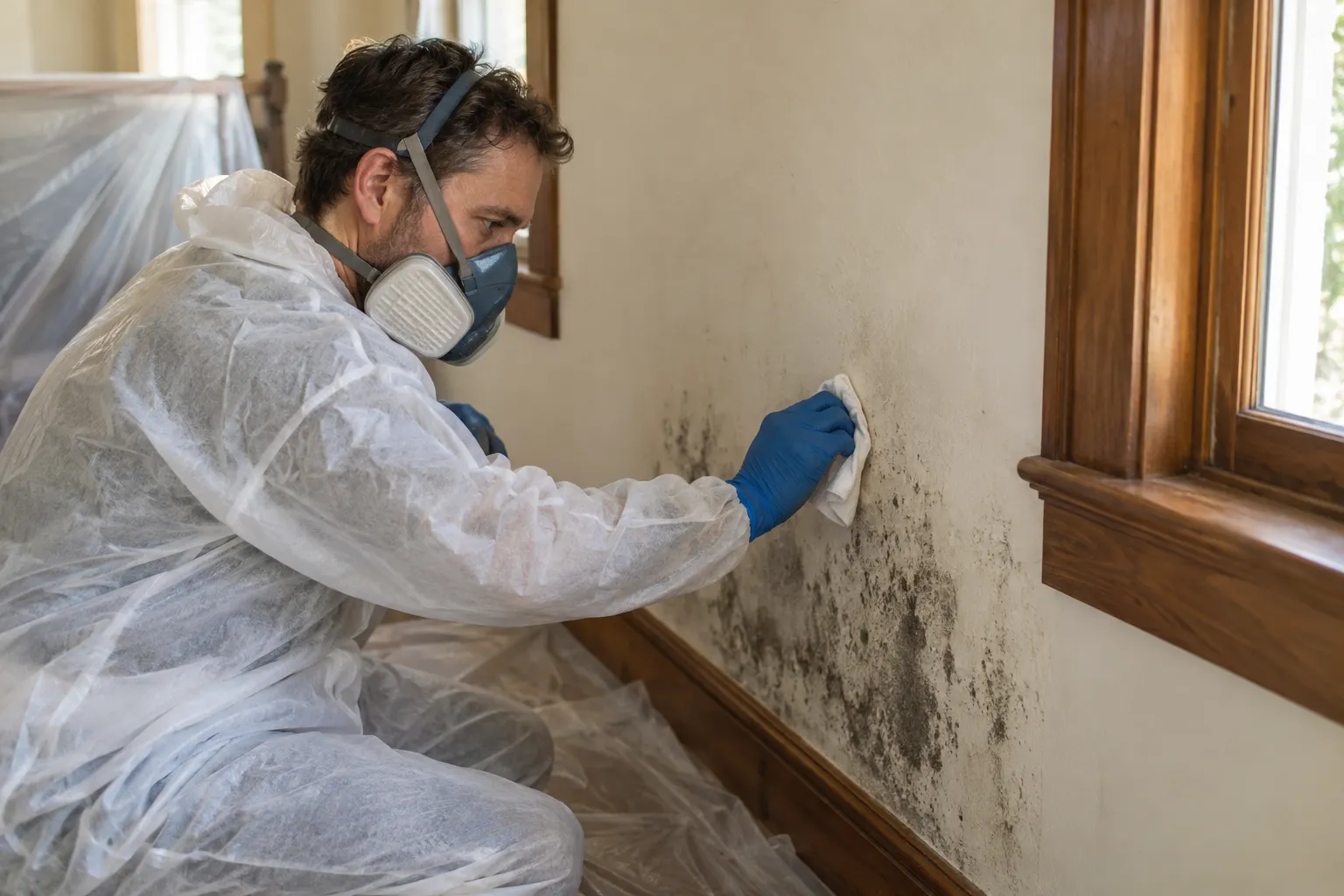
Review what remains unresolved
Consider staining, damaged finishes and continued moisture after accessible removal. Remediation planning links those questions with material history without promising that a cleaner surface establishes recovery inside a closed wall or removes the need for further investigation.
COMMON AREAS AFFECTED
Reinstated surfaces still have material histories.

Bathroom surfaces
Bathroom growth may follow ordinary wet-room use or a separate plumbing event.
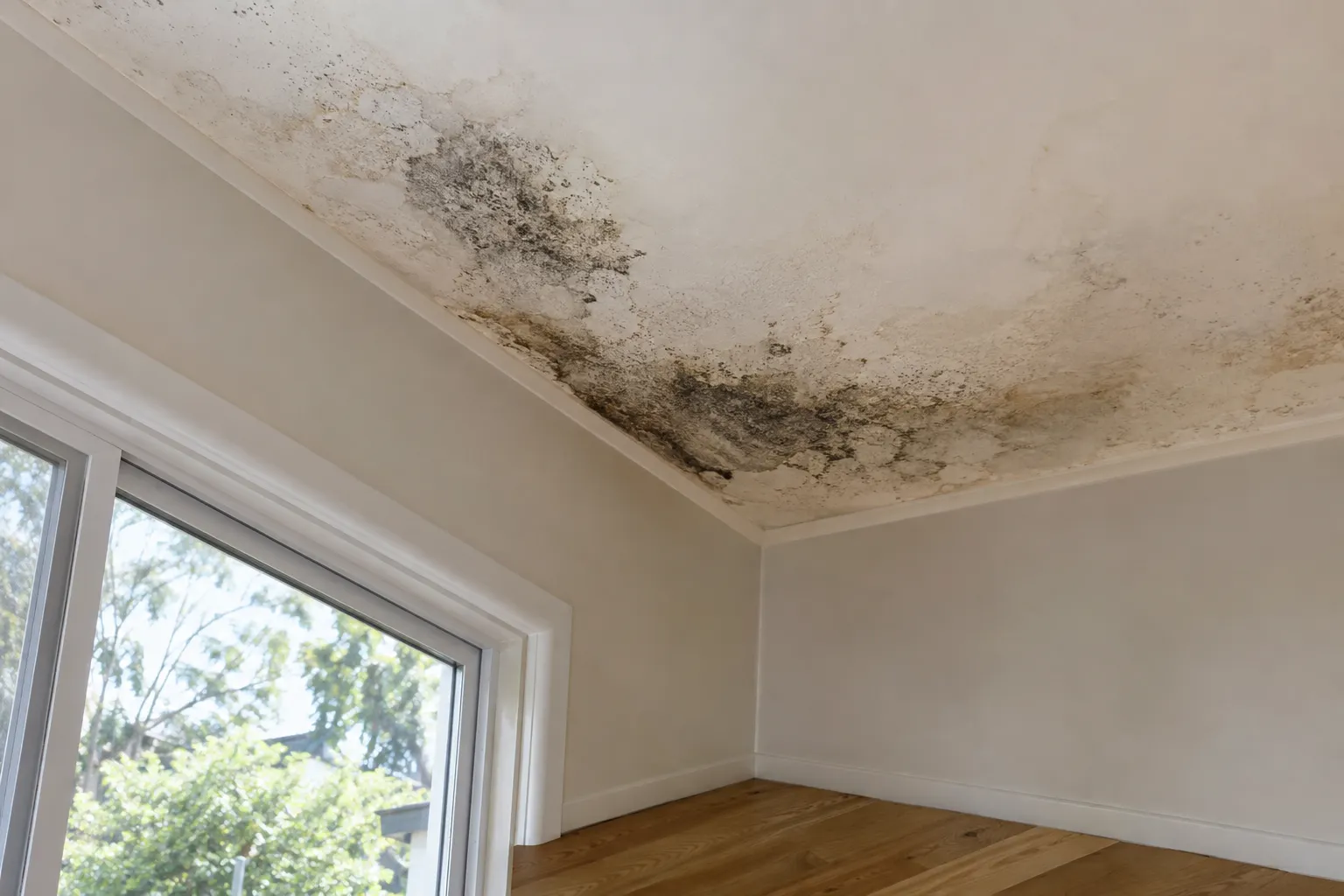
Ceiling condition
A ceiling patch needs its lining condition and timing described independently. A repaired wall pipe does not establish the cause of an overhead mark or the condition of closed ceiling layers.
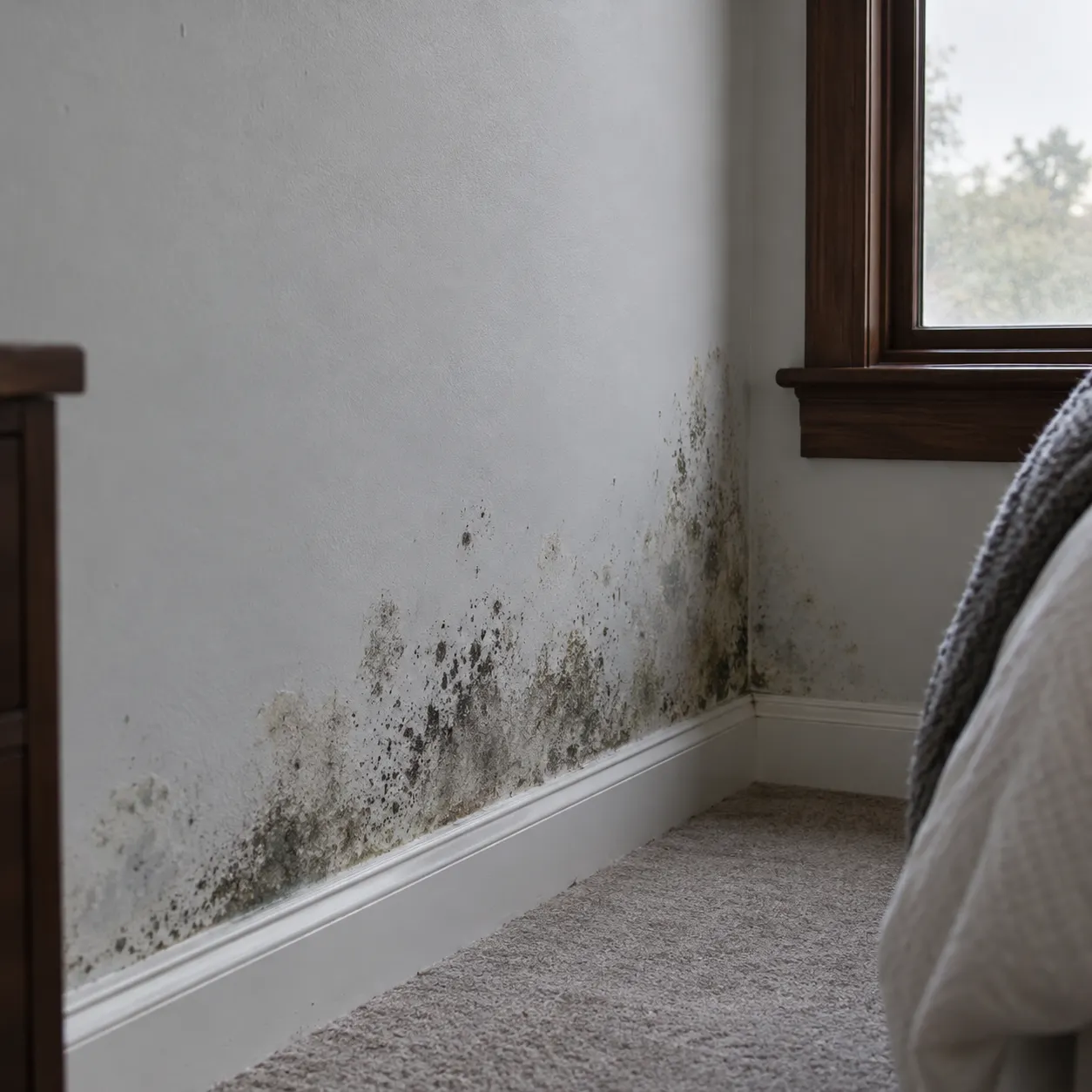
Walls and finishes
Paint around a reinstated section can conceal several materials beneath one colour.
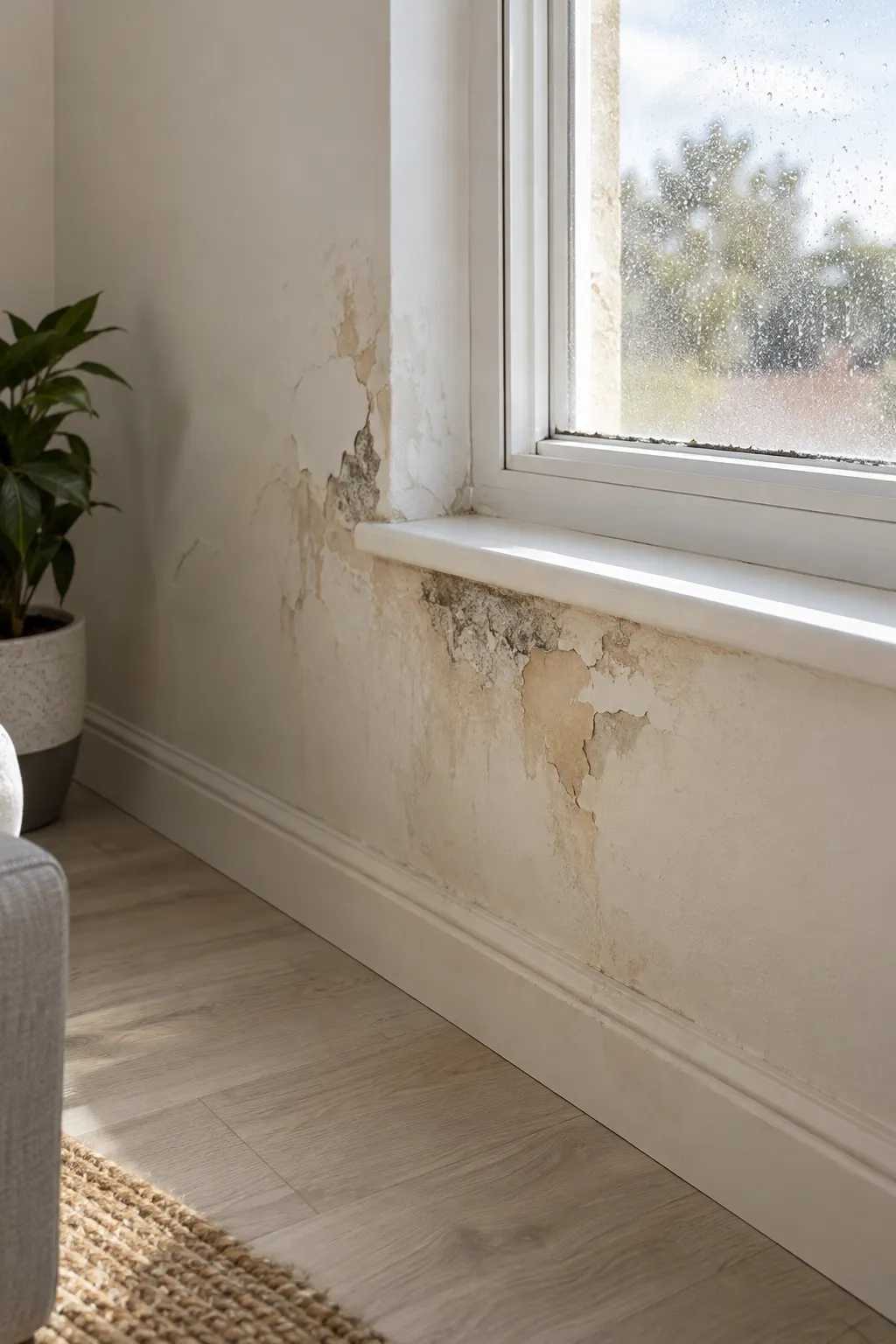
After water damage
After water damage, drying and replacement may involve only particular materials. Keep records of what was actually done so visible appearance does not stand in for a complete recovery claim.
PREVENTION STARTS WITH
Keep the sequence.
Check the surface.
A practical household check
Keep repair invoices and room photos together when available. Record whether visible marks change after the leak is stopped. If uncertainty remains about material condition, discuss it before redecorating rather than assuming the repair date proves every surface is dry.
Compare after the source repair
Observe accessible areas over ordinary use after separate plumbing work. Distinguish a stain that remains from new wetting, and report changes before another decorative coat is added. Continuing damp deserves attention to its pathway and materials rather than an assumption that the repair date settled every question.
WATERWAYS & NEARBY
Around Waterways
Continue to the Mordialloc, Aspendale and Keysborough pages for nearby properties. A repaired leak elsewhere needs its own source-work, drying and reinstatement sequence so the next appointment has accurate material context.
BEFORE YOU CALL
The useful
questions.
The leak is fixed; why discuss the drying history as well?
Repairing the source and understanding the affected materials are separate decisions. A wall may have remained damp before it was closed or painted. Explain the repair sequence so accessible surface work can be planned with any remaining material or concealed-access questions in view.
Does a plumbing invoice prove the wall has dried?
It can document source work, but does not necessarily describe drying or every adjoining material.
Should I reopen the pipe route for the enquiry?
Do not create an opening as casual preparation. Describe current surfaces and available repair records first. Concealed investigation should be planned with suitable permission and professional assistance where needed.
Can growth become visible after the wall was repainted?
The sequence is worth describing, but a photograph alone cannot establish when growth began or the condition behind the finish.
Will removal preserve the new decorative coat?
Material and coating condition affect expectations. Staining or damage can remain, with decorating considered separately. Discuss the finish rather than assume cleaning will restore it uniformly.
How do I start a Waterways enquiry?
Call 03 8652 1296 with the address, repair sequence and current room images.
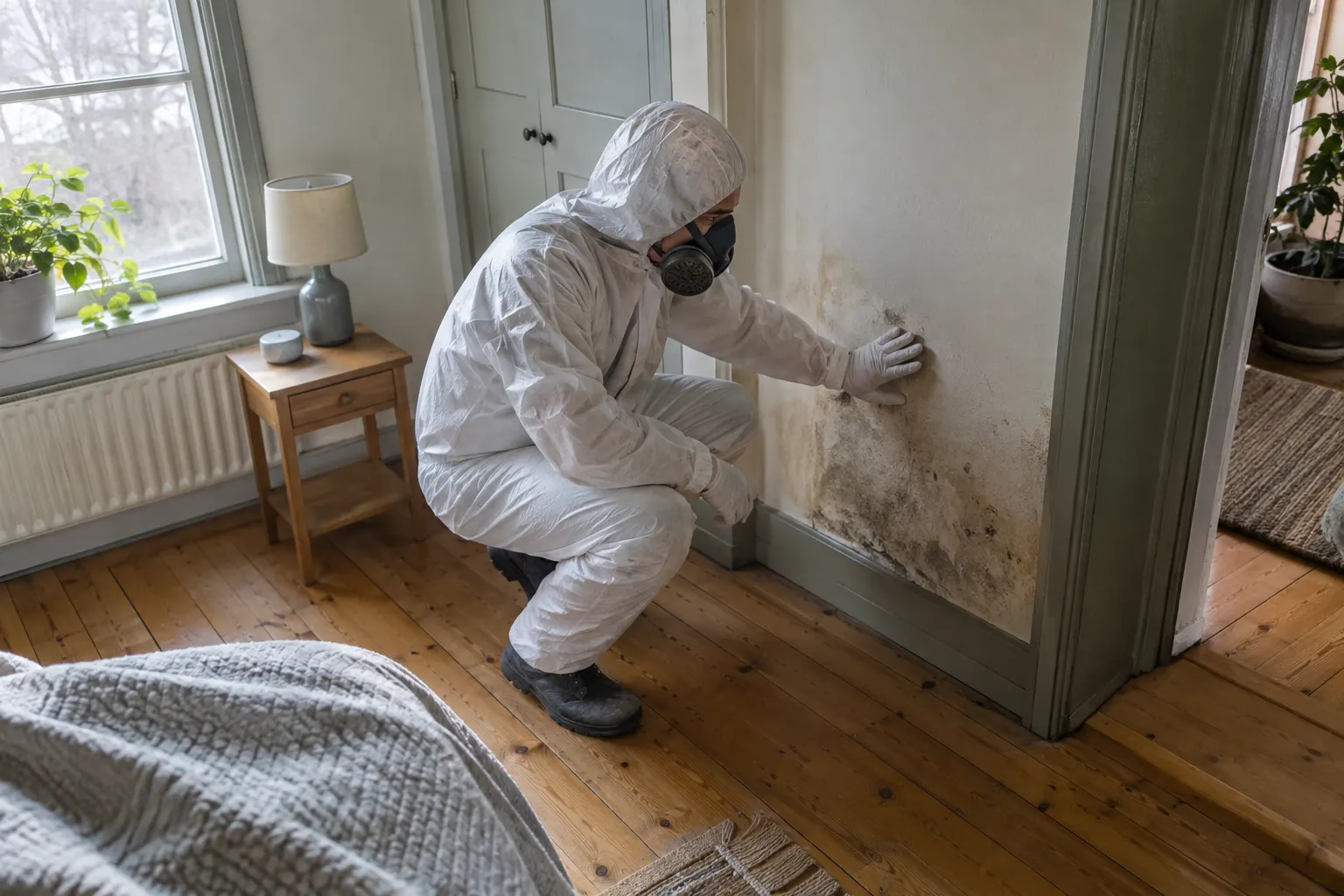
TELL US WHAT YOU CAN SEE
Tell us what happened after the leak.
Call with the repair, drying and reinstatement history alongside the visible patch. Discuss availability and practical scope, with closed cavities and separate material decisions understood before the surface task is agreed.
Local context: Victorian Government — Kingston suburbs