
ROOMS · MATERIALS · MOISTURE
KEYSBOROUGH · MELBOURNE
Mould Removal Keysborough
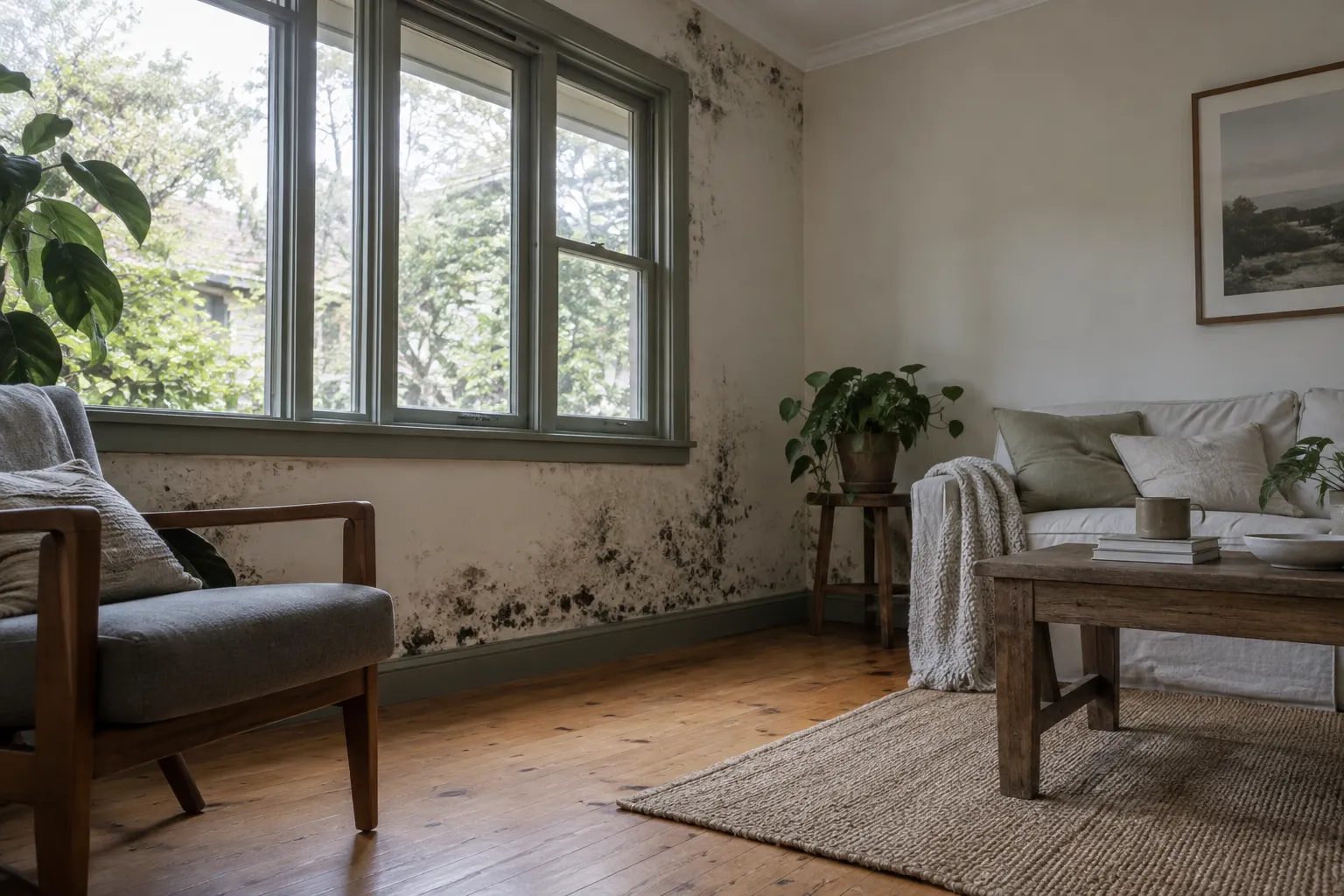
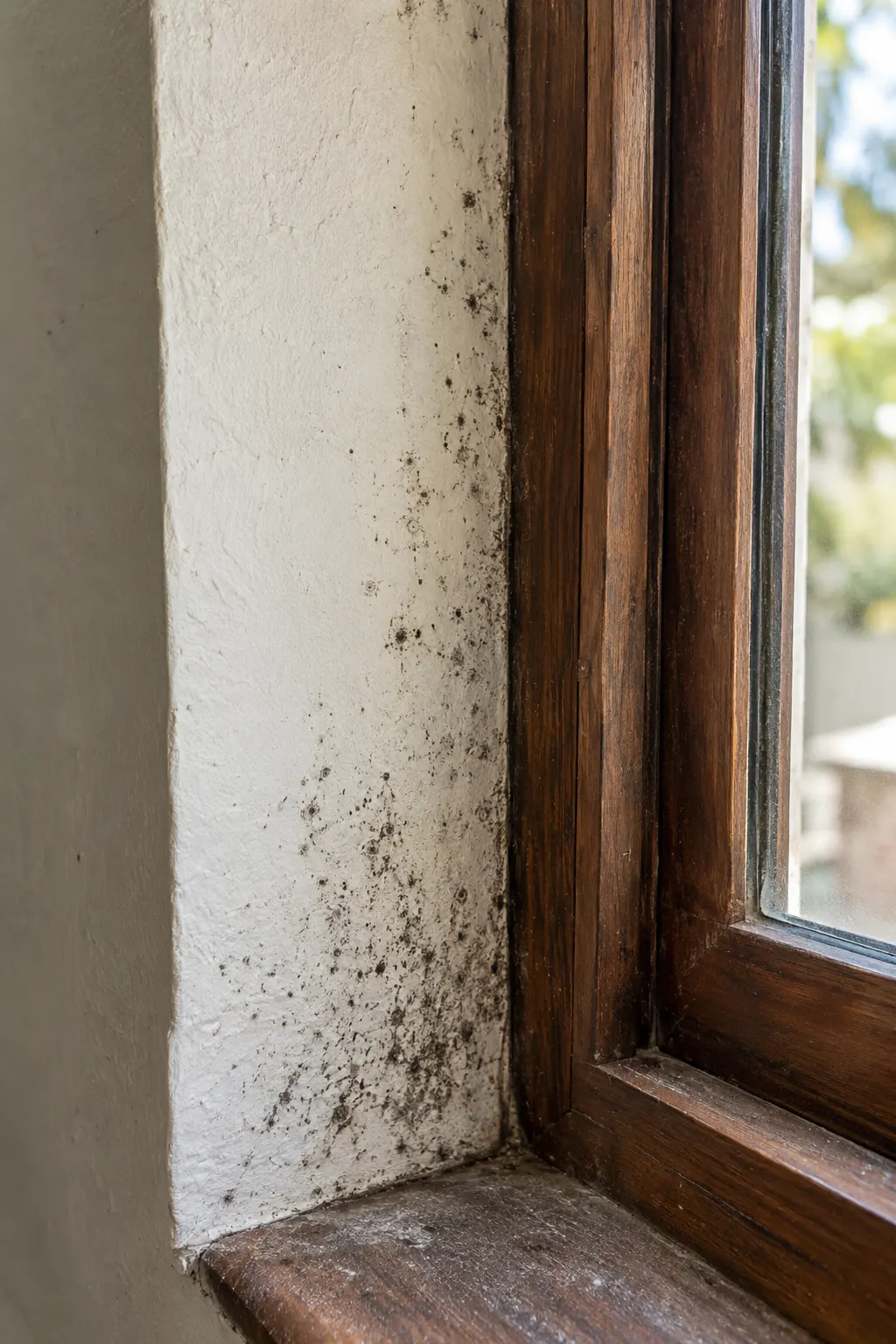
Fresh cabinetry can conceal an older damp surface. When calling about mould in Keysborough, mention recent fit-out work as well as the visible patch. Removal decisions depend on the material and access, with concealed moisture considered separately from the appearance of a newly finished room.
Material condition considered
Accessible work agreed first
Moisture observations kept in view
THE ROOM TELLS A STORY
The cabinet edge is only the beginning.
Keysborough appears in Greater Dandenong Council’s municipal suburb list.
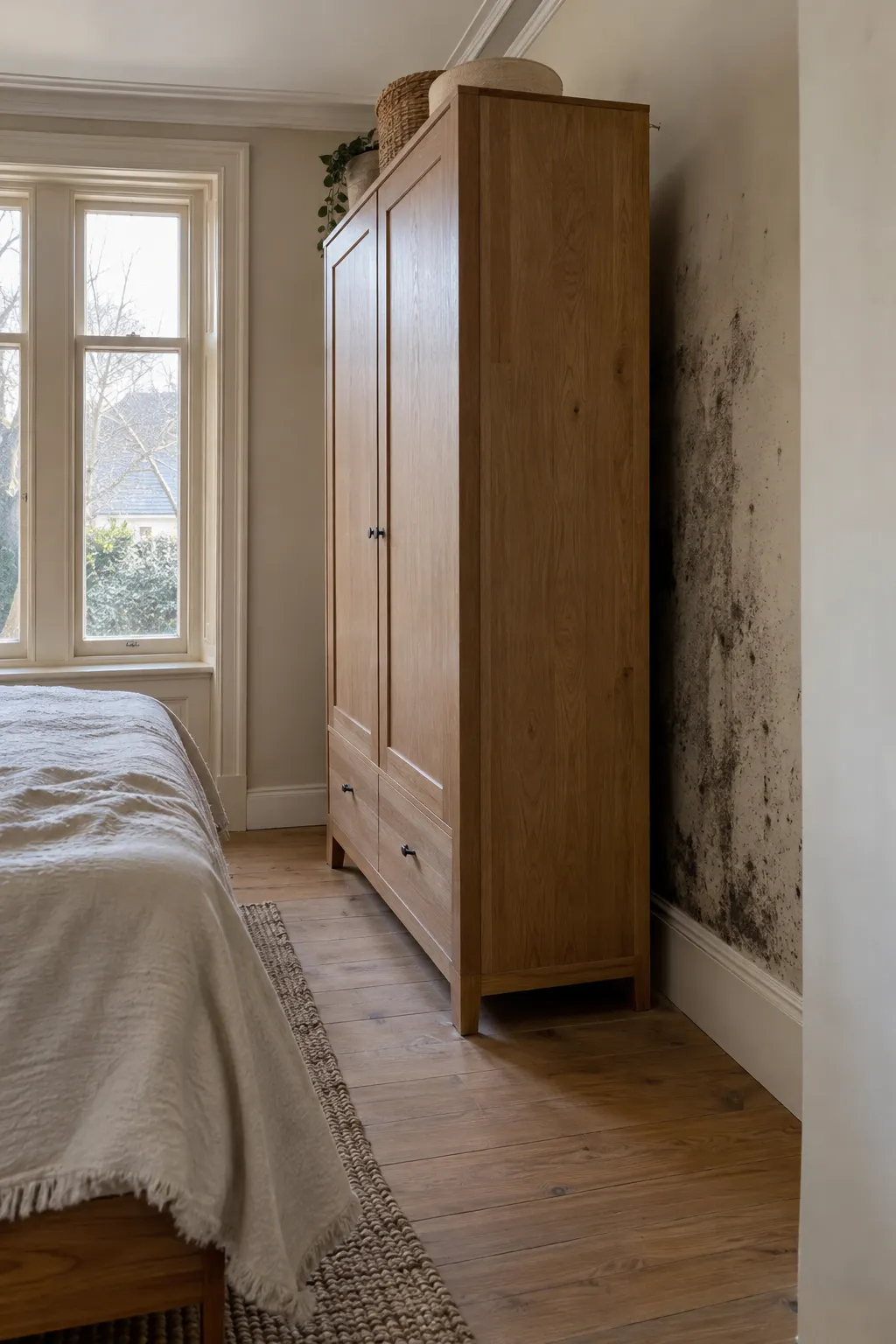
A narrow mark at a cabinet edge can be the only visible part of a larger inaccessible surface. If joinery was recently installed, explain what was visible beforehand and whether any leak was repaired. Dismantling cupboards is not assumed within an accessible surface-removal appointment.
UNDERSTANDING MOISTURE
Access matters as much as appearance.
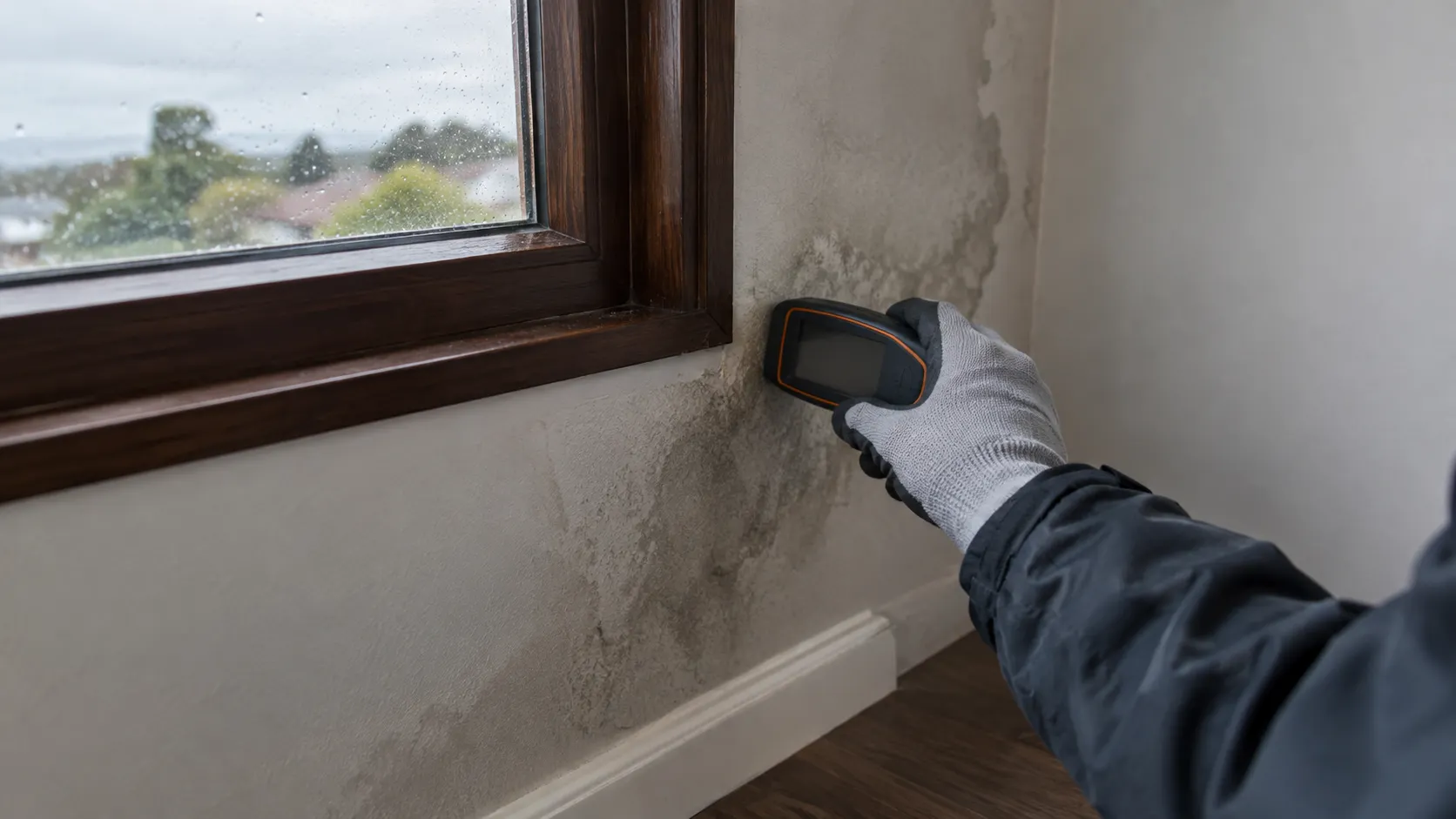
The visible boundary
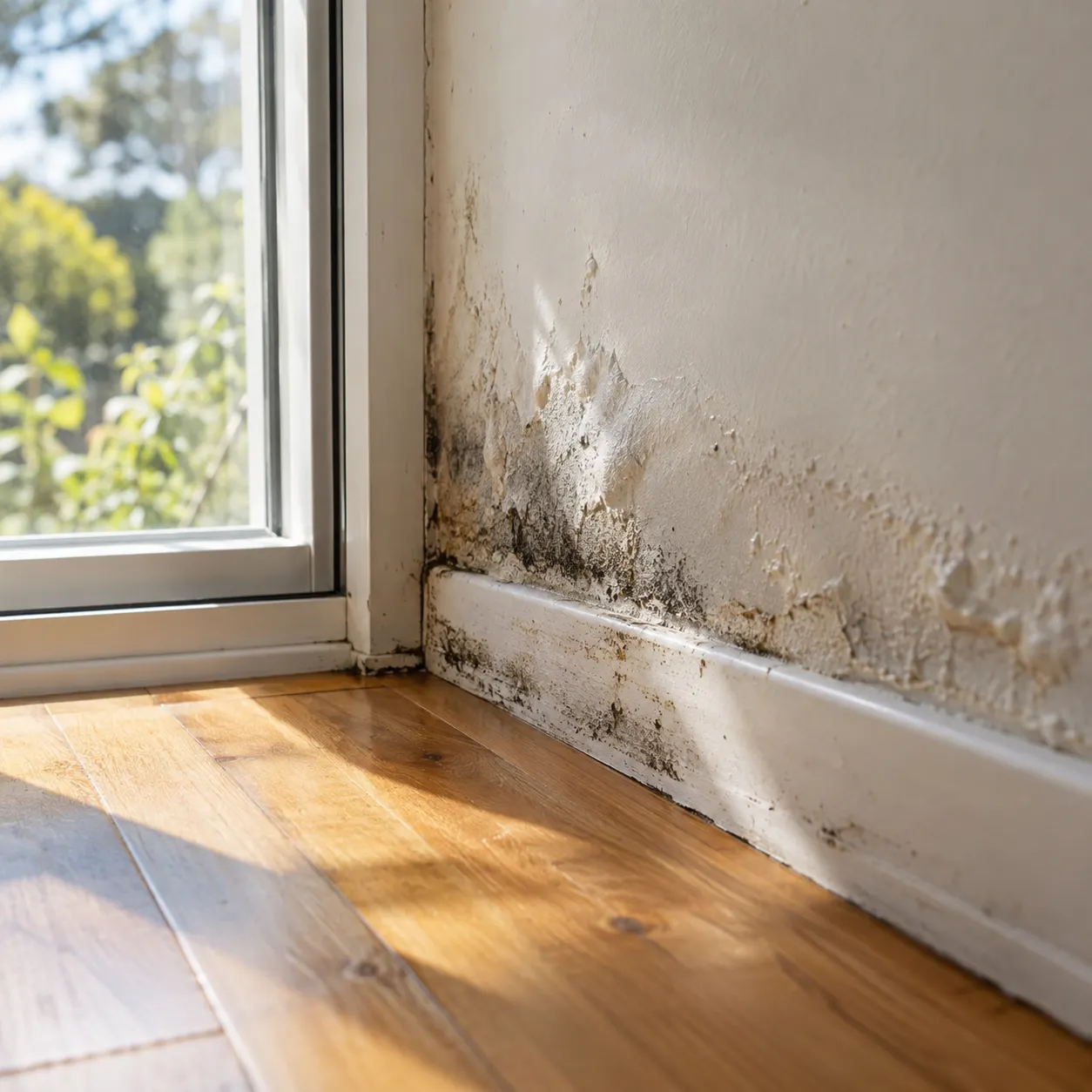
Show where growth emerges beside joinery and whether adjoining paint is lifting. An exposed edge describes a concern, but cannot establish the condition of the entire wall behind a fixed cabinet.
Before the fit-out
If recent work changed access, provide earlier photos or repair details where available. A chronology helps distinguish a previously known damp surface from a problem first noticed after installation or redecoration.
The next investigation
Mention leaks or condensation nearby without assuming the cabinet caused the growth. Mould inspection considers accessible evidence and where further access or another professional may be needed, rather than certifying a concealed wall.
OUR REMOVAL PROCESS
From a visible edge to an agreed scope.
Keep earlier evidence
Photos taken before installation may reveal material and patch position. Retain them even if the new layout has changed how the wall can be seen; explain their dates alongside present-day observations.
Do not force access
Avoid levering panels or dismantling fixtures for an enquiry image. Describe the obstruction first so permission, safe movement and required trade assistance can be considered before any work begins.
Separate stored items
Mention growth on cupboard contents instead of assuming they are included. Painted plaster, joinery backing and stored textiles may each require different decisions about removal, material care or replacement.
01
Identify what can be reached
Explain which cabinets are fixed and which surfaces remain accessible. Discuss the wall material, approximate extent and fit-out history. The removal scope should not quietly imply access to a concealed cavity or surface.
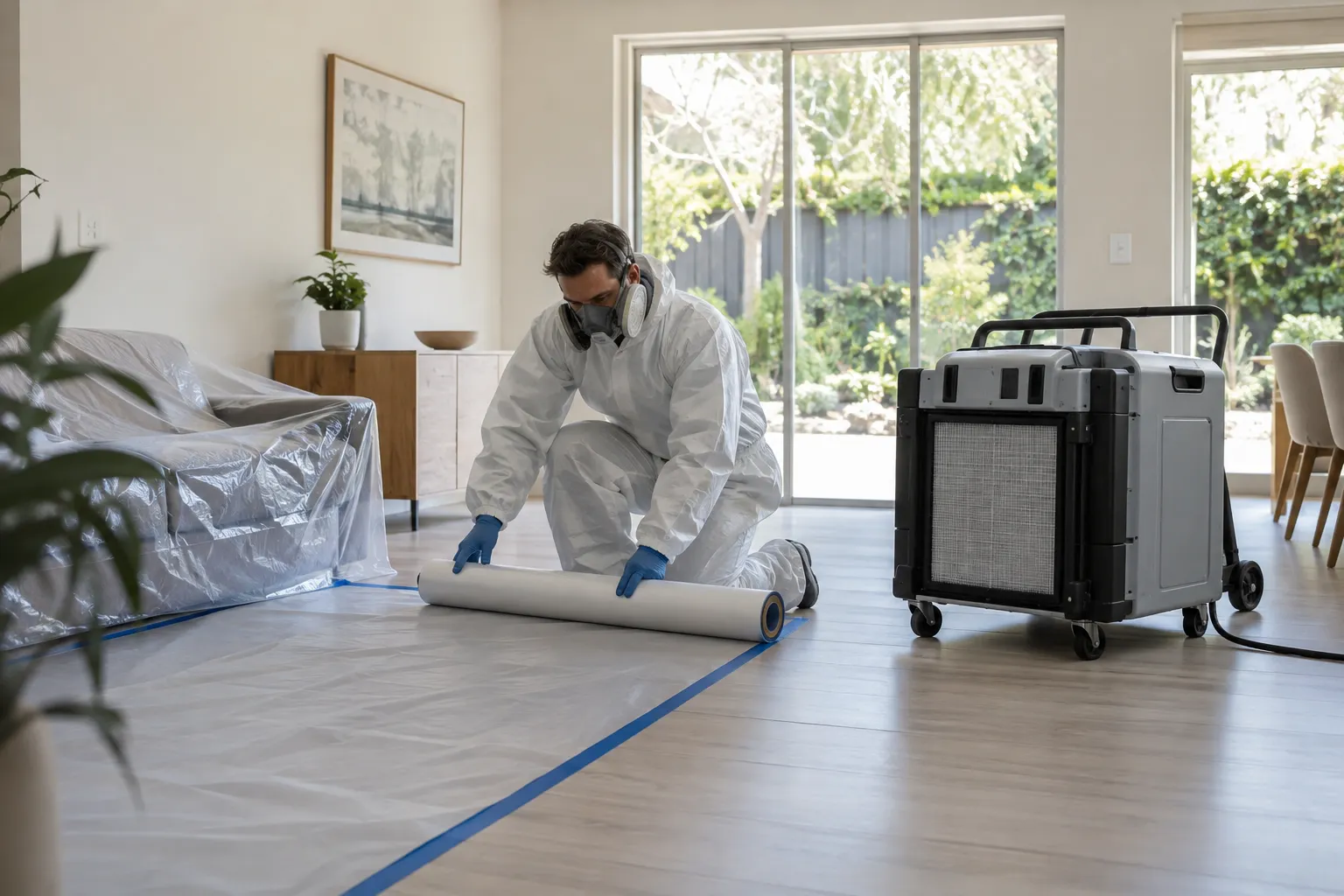
02
Plan protection and permission
Discuss contents and delicate finishes before work. If dismantling is needed, arrange permission and a suitable trade separately. Preparation should protect the working area without treating unrelated joinery work as part of a normal removal appointment.
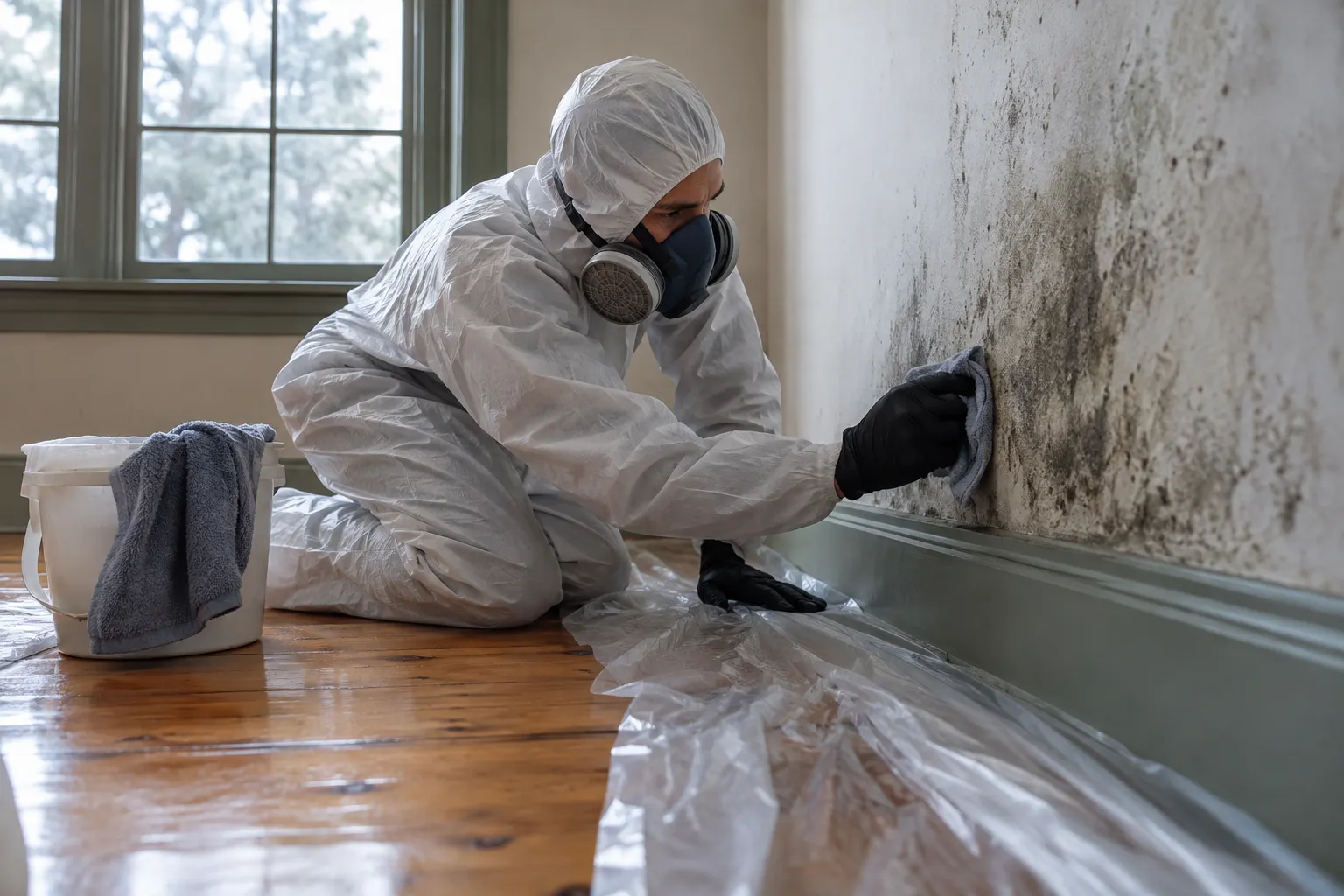
03
Review the material decisions
Consider remaining staining, damaged backing and continuing damp after accessible removal. Remediation may involve linked decisions, but cleaning an exposed edge does not establish the condition of a wall still concealed behind the cabinet.
COMMON AREAS AFFECTED
Visible surfaces and concealed limits.
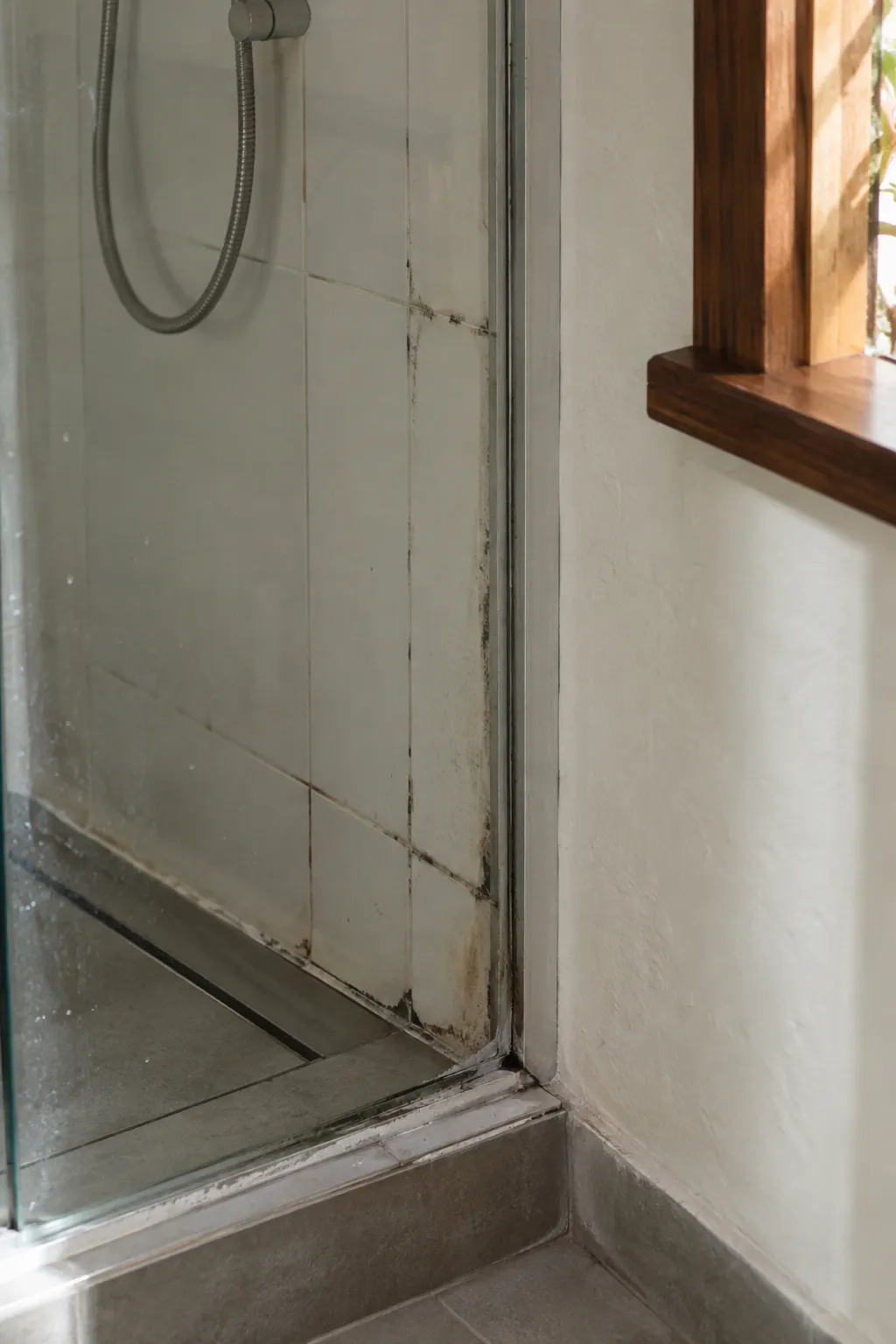
Bathroom surfaces
A bathroom cabinet can hide plumbing and wall linings. Describe visible drips and backing condition separately from joint growth so relevant repair and material questions remain clear during the enquiry.
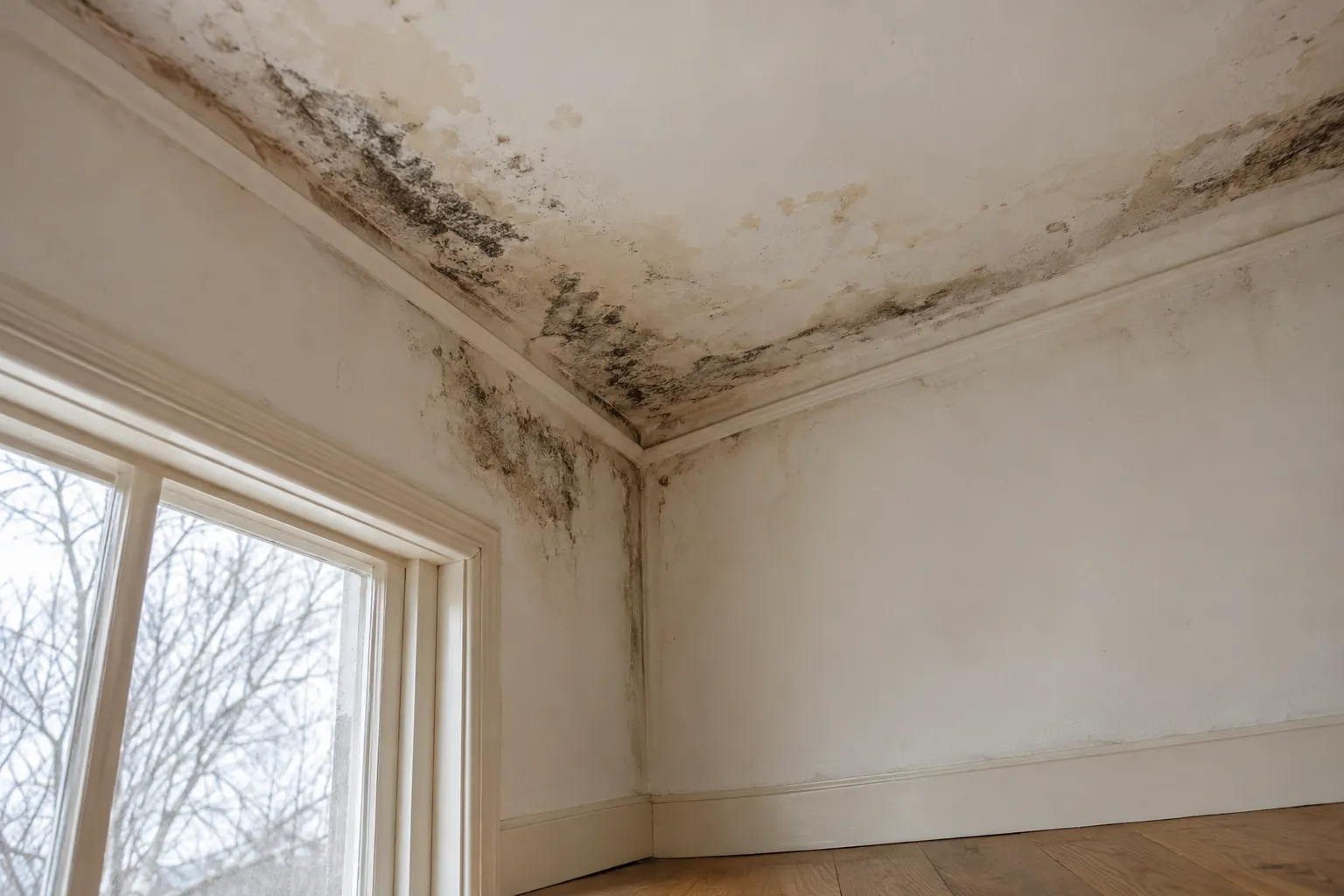
Ceiling condition
Ceiling marks above new joinery need their own history. A fit-out does not rule out roof water or another leak, particularly where changes follow rainfall rather than room use.
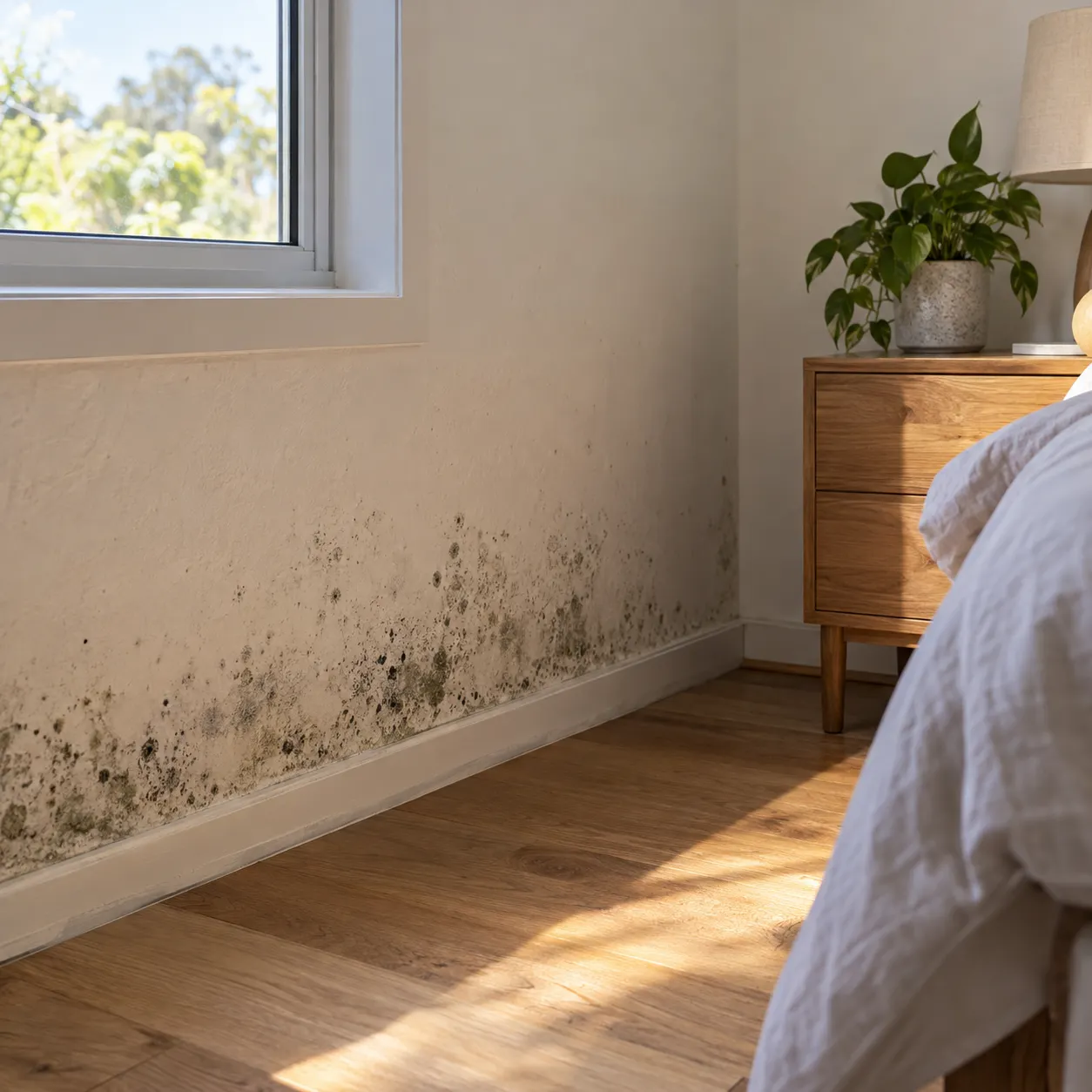
Walls and finishes
An accessible wall edge can be treated within agreed material and access limits.
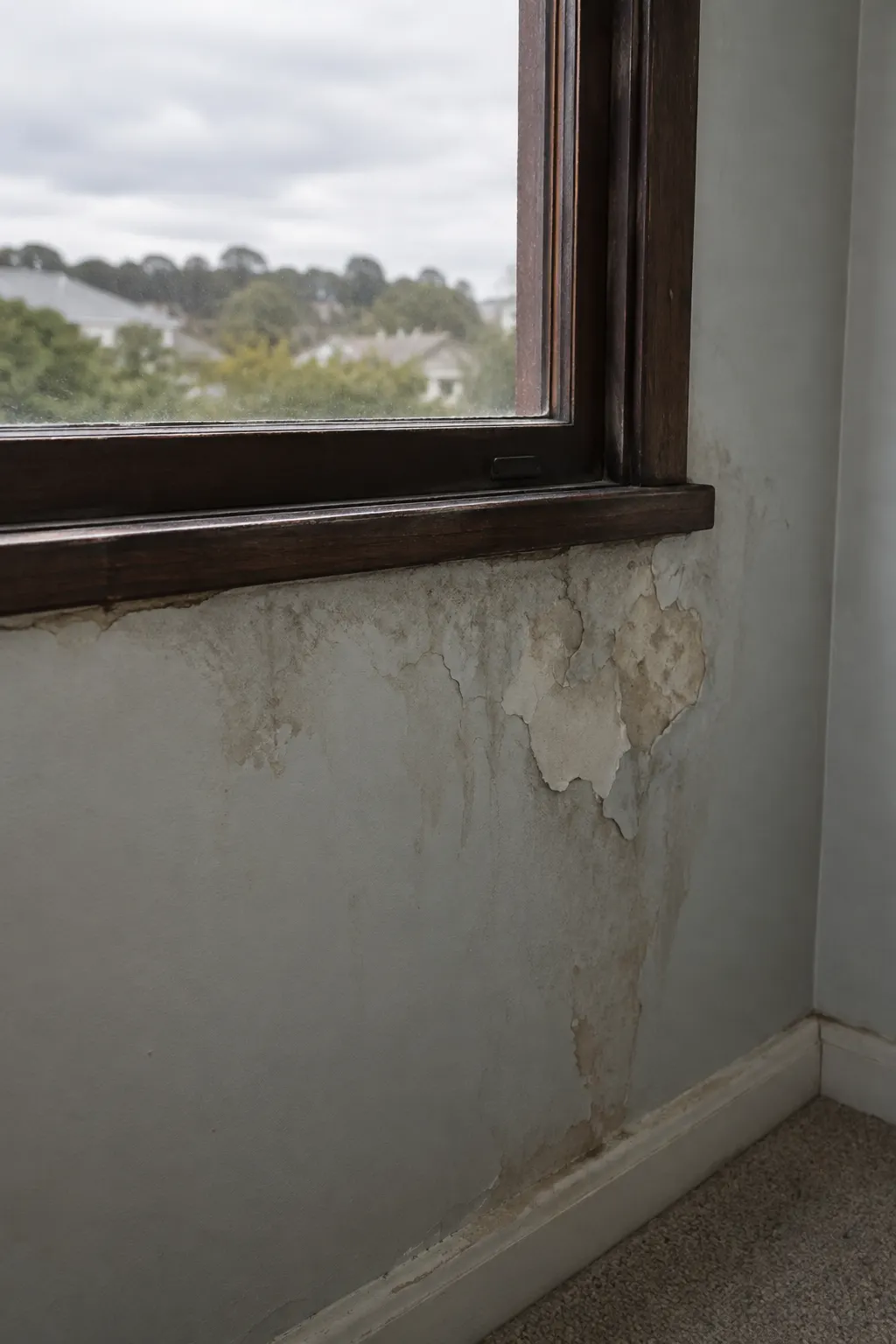
After water damage
A previous water incident may affect materials behind a newly finished room. Explain what was removed, dried and reinstated before decorative work reduced the opportunity to observe those surfaces.
PREVENTION STARTS WITH
Keep the hidden
questions visible.
A practical household check
Keep a record of damp observations before and after fit-out work. Do not seal a persistently wet surface behind new joinery to improve its appearance. If a cabinet edge remains affected, ask whether access and moisture investigation should precede another decorative repair.
Plan before reinstatement
When access opens for a separate repair, discuss material condition before joinery is closed again. Keep a record of what was actually checked. A neat finished room should follow moisture decisions rather than become a substitute for investigating continuing damp.
KEYSBOROUGH & NEARBY
Around Keysborough
You can also read the neighbouring-area guides for Noble Park, Dingley Village and Waterways. Describe fixed cabinetry and access at the actual address before an appointment is planned.
BEFORE YOU CALL
The useful
questions.
Can you treat the wall behind a built-in cabinet without removing it?
Access sets the limit. Visible edges can be assessed, but a closed wall behind fixed joinery cannot be fully reviewed from the room. Agree any removal of cabinetry with the relevant owner and trade before assuming that concealed area is included.
Does a narrow mark mean only the cabinet edge is affected?
The visible extent may be limited by access. A mark at an edge cannot establish the concealed wall’s condition. Explain the obstruction and discuss whether further access should be arranged.
Who should dismantle fixed cabinetry if access is needed?
Arrange that with the appropriate owner and suitable trade. The enquiry should identify the access needed without assuming dismantling is included or that any person can safely move the fixtures.
Can older fit-out photos help?
They may show the wall material, previous damp or original layout. Explain when they were taken and what changed so the photos supplement current evidence rather than being mistaken for today’s condition.
Will cleaning repair a swollen backing?
Removal does not restore deteriorated board. Describe swelling or crumbling material beforehand so retention, replacement and accessible cleaning can be considered as separate decisions rather than one cosmetic task.
How do I enquire for Keysborough?
Call 03 8652 1296 with the address, visible patch and cabinet layout. Discuss availability, working access and any permission or dismantling needed before the appointment is arranged.

TELL US WHAT YOU CAN SEE
Describe what the cabinet hides.
Include the exposed edge, material condition and installation history in the call. Discuss availability and access so visible removal is agreed honestly, with concealed areas and separate joinery tasks clearly understood.
Local context: Greater Dandenong — local statistics