
ROOMS · MATERIALS · MOISTURE
DINGLEY VILLAGE · MELBOURNE
Mould Removal Dingley Village
Laundry damp can travel beyond the splash zone. A Dingley Village wall-removal enquiry is easier to assess when it includes the dryer, taps and adjoining cupboard. Discuss what is visible before disturbing finishes or moving an appliance that is difficult to handle.
Material condition considered
Accessible work agreed first
Moisture observations kept in view
THE ROOM TELLS A STORY
Look past the appliance.
The Victorian Government includes Dingley Village in its list of Kingston suburbs.
If the laundry develops marks near a dryer, consider the appliance’s moisture discharge as well as tap or hose leaks. Note whether the wall becomes damp only during drying. An inspection of accessible surfaces cannot confirm the condition inside a closed wall or beneath an installed machine.
UNDERSTANDING MOISTURE
Separate drying moisture from a leak.
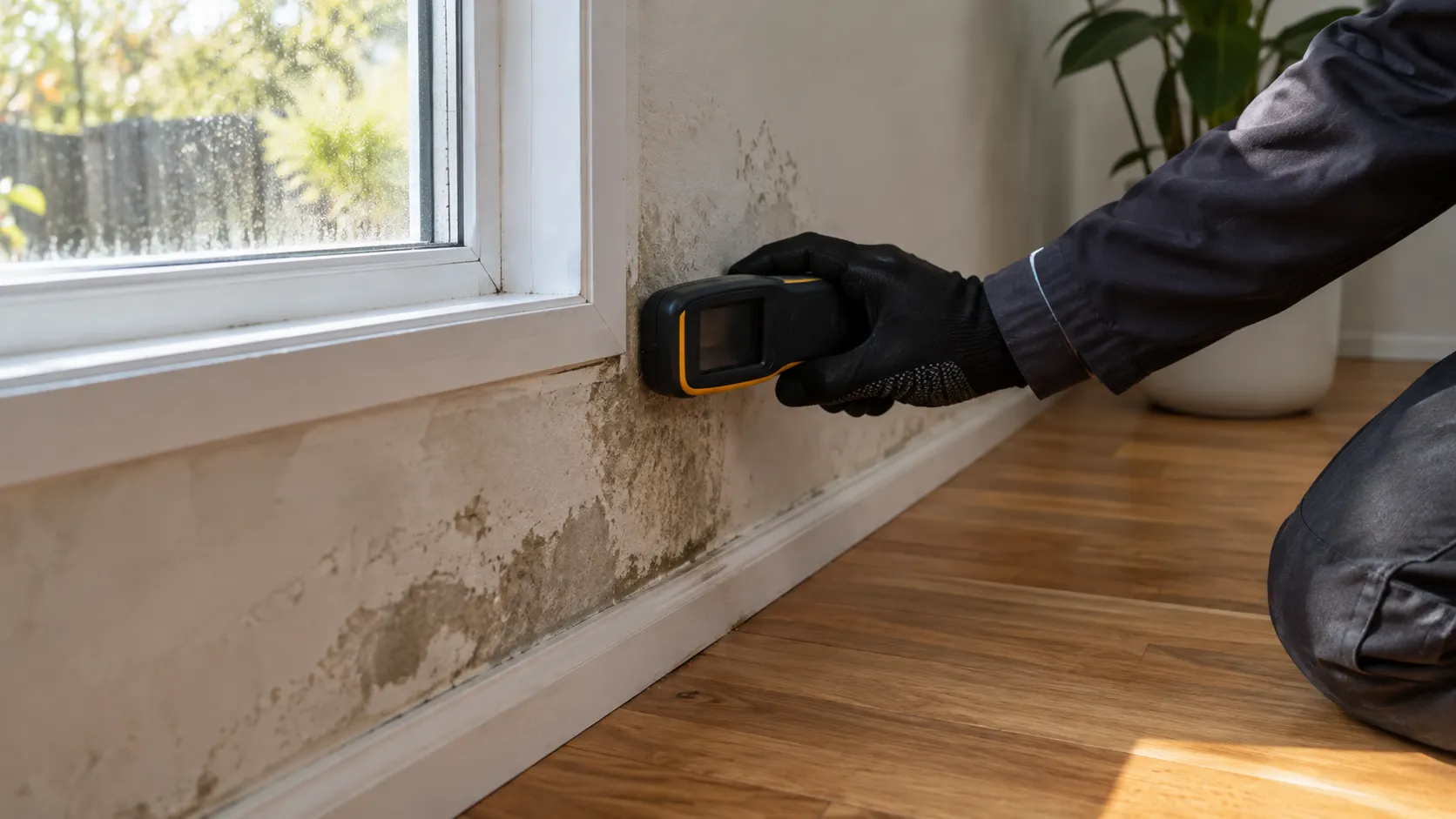
Appliance operation
Note whether the wall becomes wet during clothes drying, washing or neither. Those patterns describe the laundry, but an appliance should not be blamed solely because it stands beside the affected surface.
Visible plumbing
Tell us about hose drips, wet tap connections or previous repairs visible without dismantling equipment. A plumbing observation is different from humid air collecting on a cooler surface and should be recorded separately.
The inaccessible portion
Installed machines can conceal the wall and floor junction. A visible-area inspection has limits where equipment blocks access. Agree any movement with suitable help rather than pulling connected appliances out for photographs.
OUR REMOVAL PROCESS
A laundry scope with clear boundaries.
Record routine changes
Mention a recently installed dryer or a change to indoor drying. The timing may help explain the moisture history even where it does not establish the exact source of a wall patch.
Keep connections intact
Avoid disconnecting hoses or electrical equipment to obtain a better view. Explain the obstruction so safe access and any required trade assistance can be planned before an appointment is arranged.
Name the belongings
Baskets, cardboard and products can obscure the work area. Let us know what is affected so preparation does not confuse wall removal with treatment or restoration of every item stored in the laundry.
01
Describe the wetting sequence
Explain which appliance was used, when damp appeared and what remains visible. Identify wall, cupboard and floor materials separately. The surface-removal service can then be discussed around practical access and the material condition.
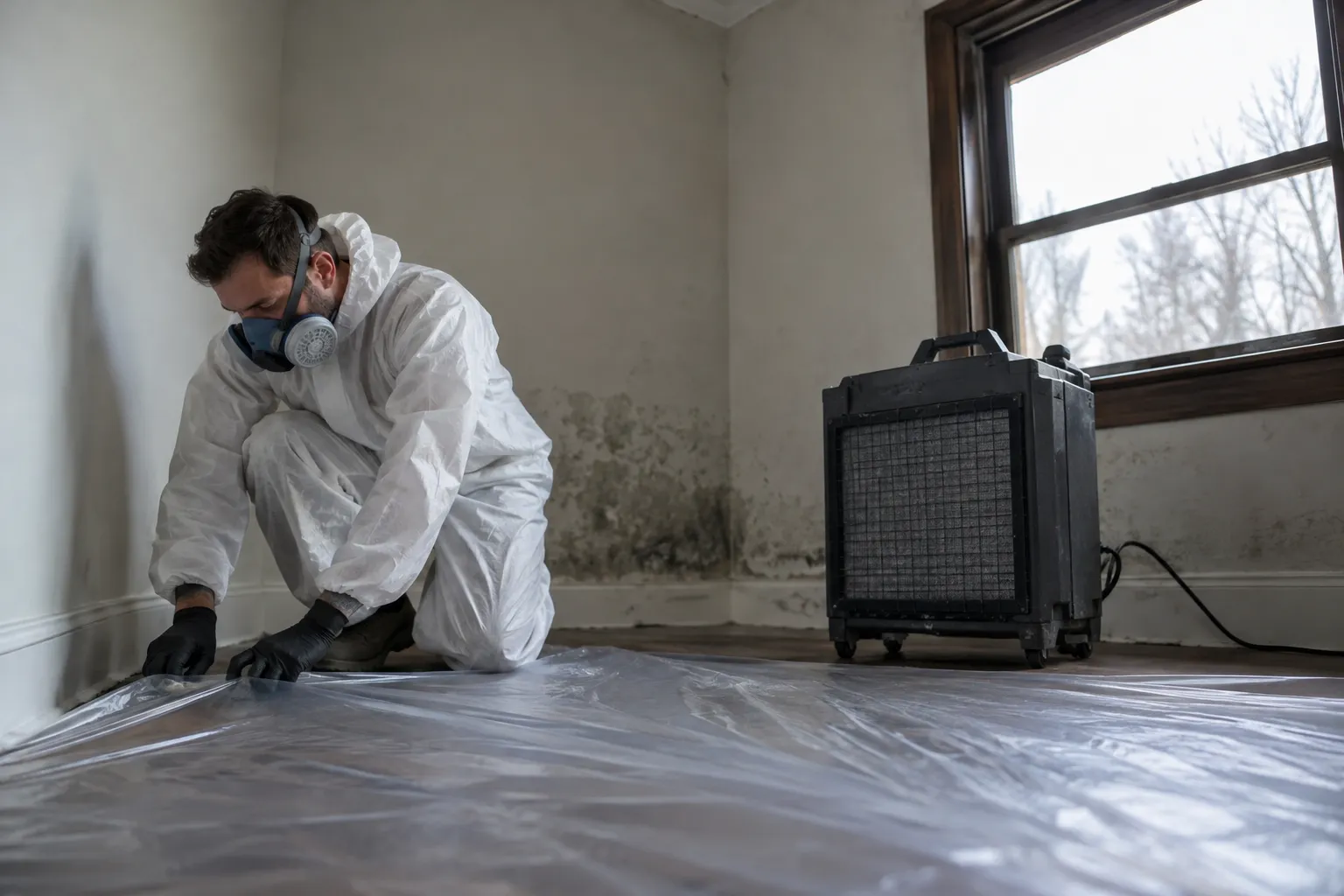
02
Arrange the working area
Agree how laundry products and nearby belongings will be managed. If machinery limits access, discuss that beforehand. Protection and equipment should fit the actual room and task rather than assume every laundry is readily accessible.
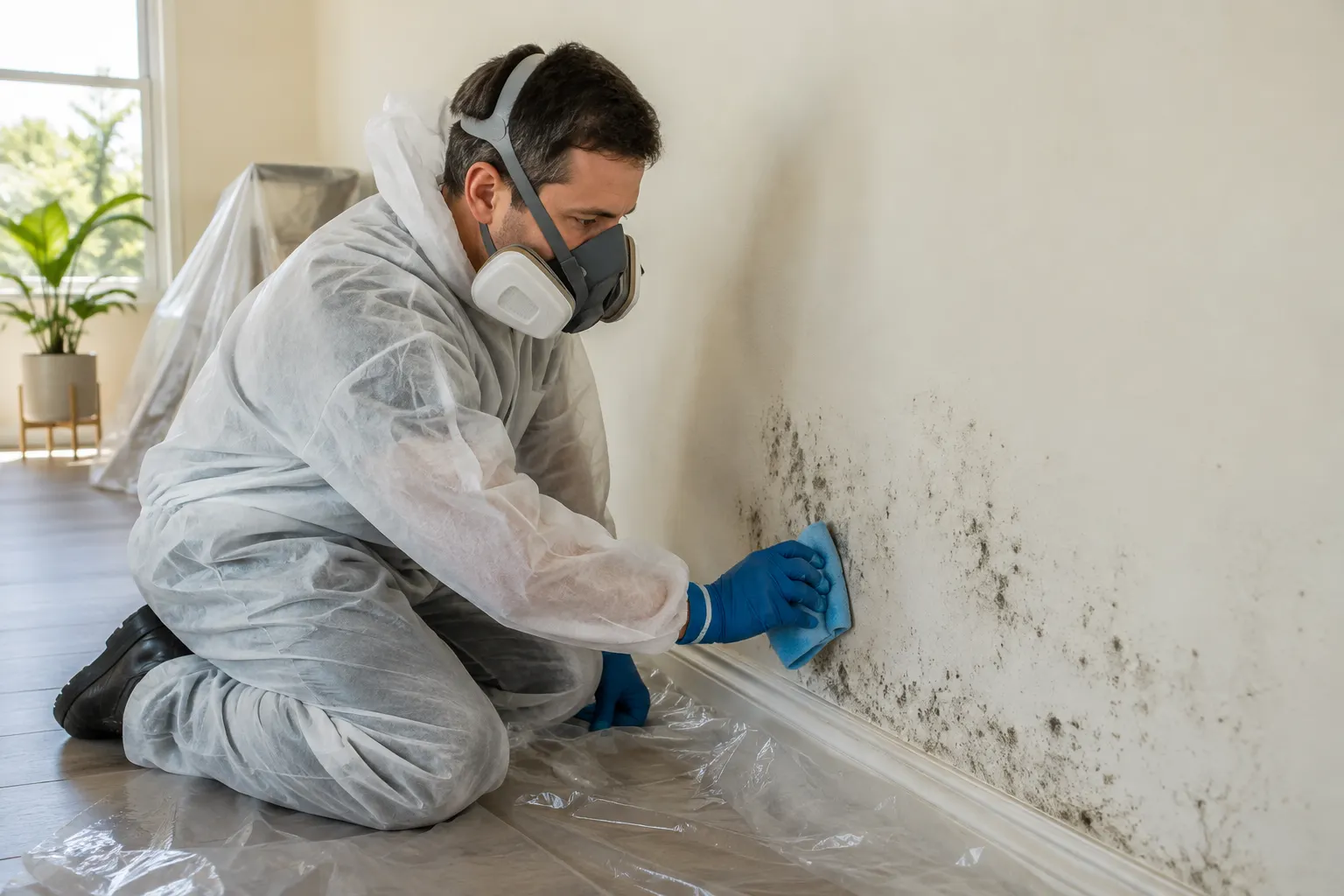
03
Review more than appearance
Consider staining, swollen cupboard parts and the drying routine after the agreed work. Remediation decisions do not automatically include appliance repair or replacement of every affected storage surface; those boundaries should remain explicit.
COMMON AREAS AFFECTED
Follow moisture across the room.
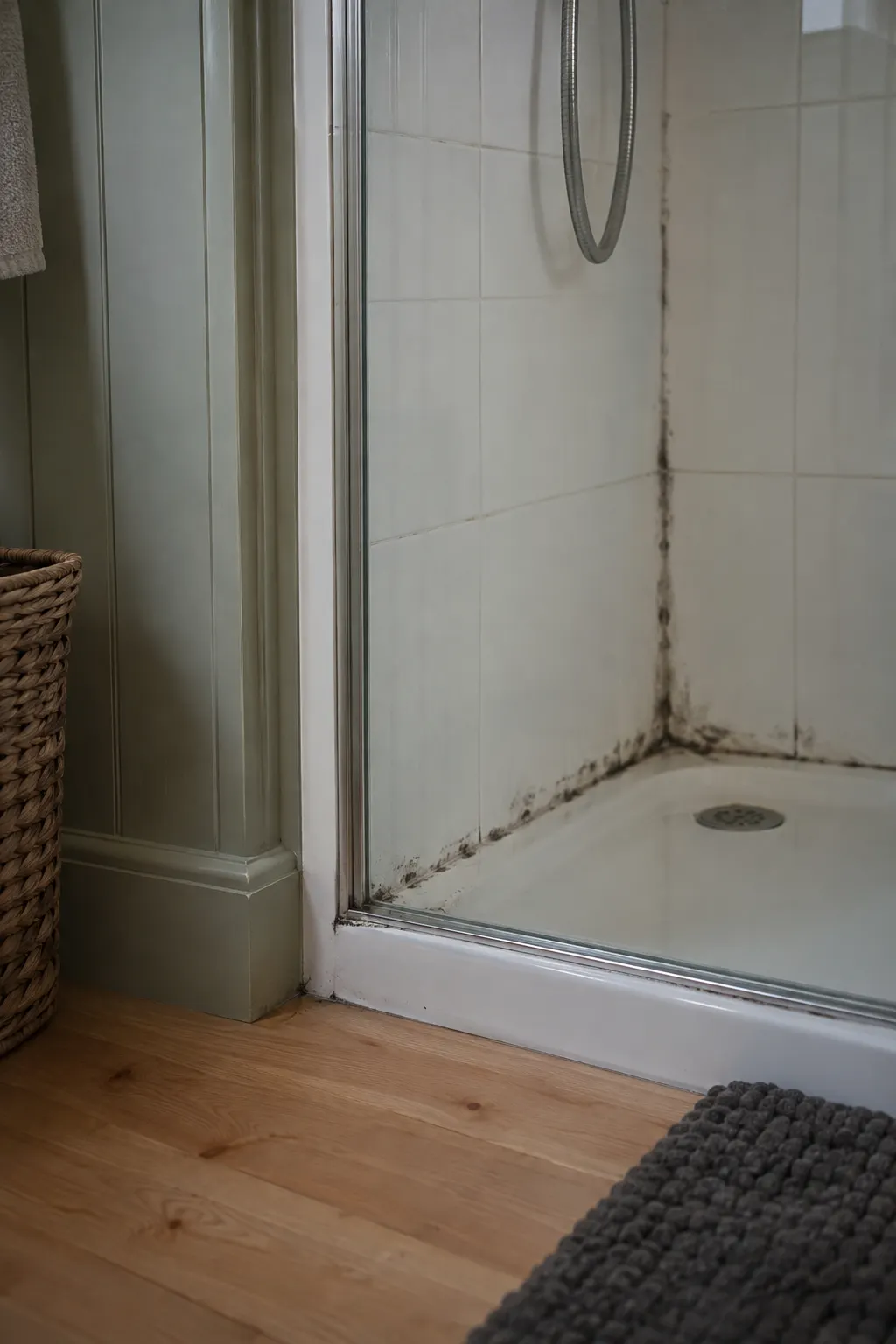
Bathroom surfaces
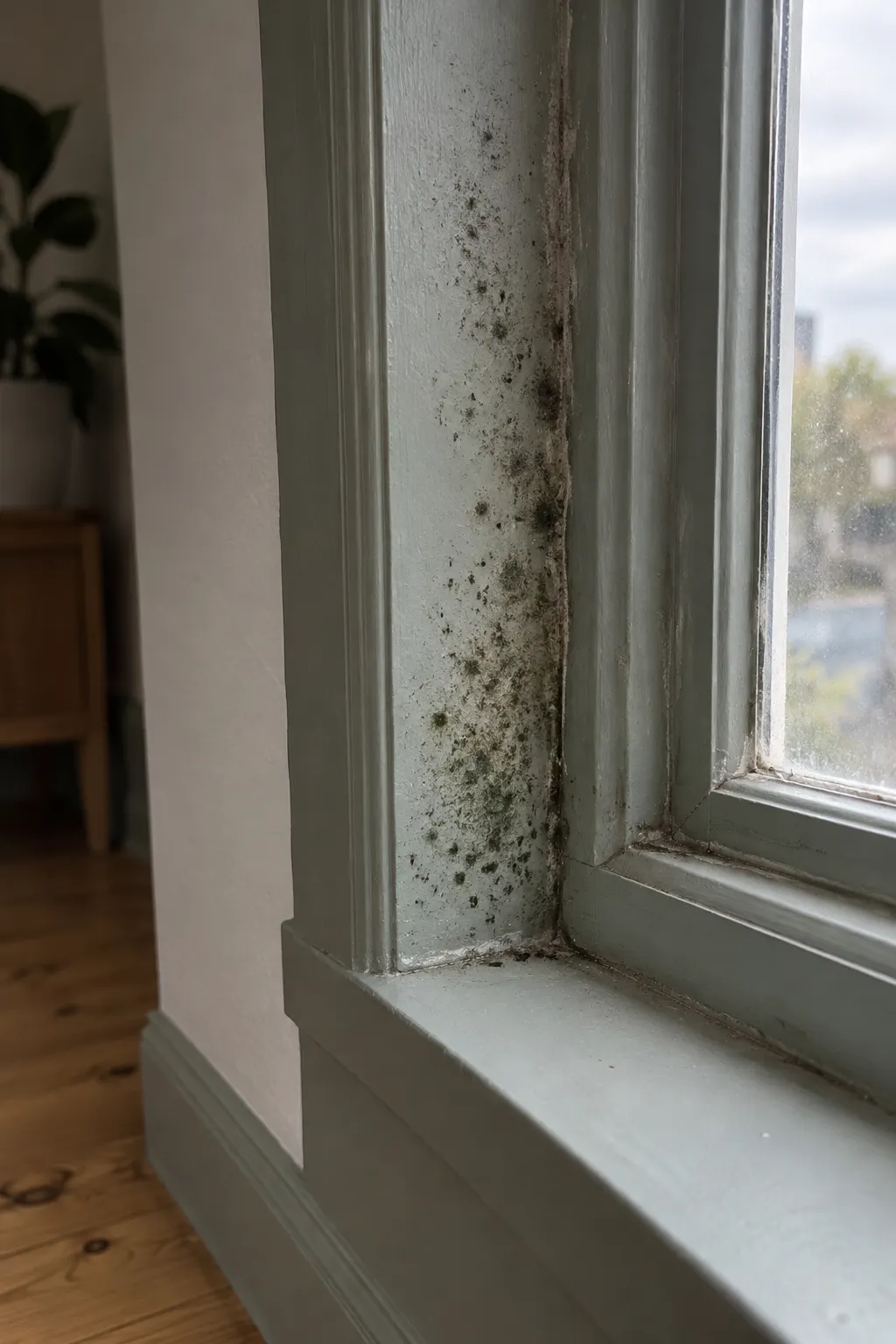
Bathroom growth may relate to a separate ventilation routine. Note whether it affects joints, ceiling paint or another finish rather than transferring the laundry explanation to every wet room.
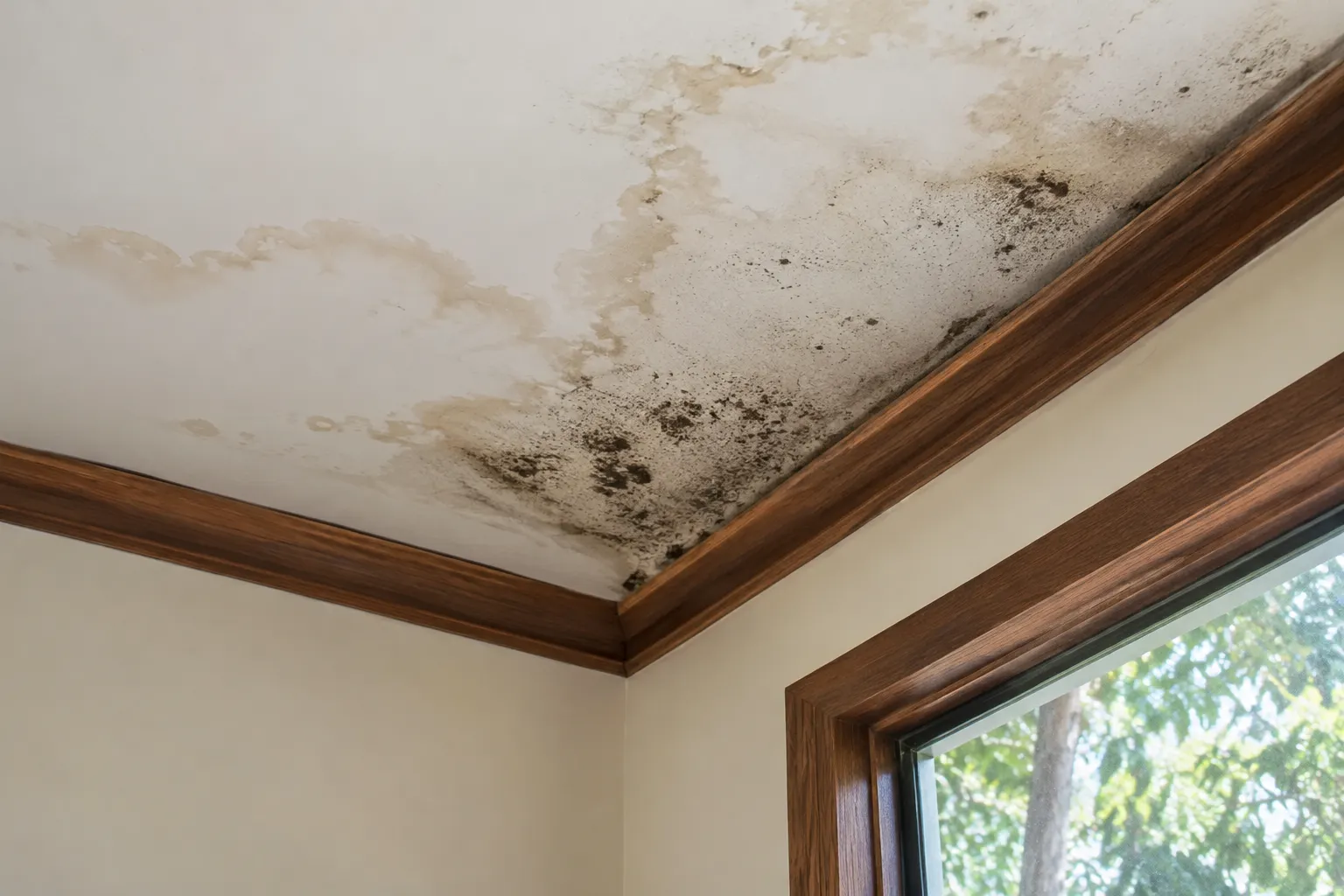
Ceiling condition
A ceiling patch above the laundry needs its own leak history. Report rain-related changes or earlier plumbing work alongside the appliance observations from below, without entering a roof space.
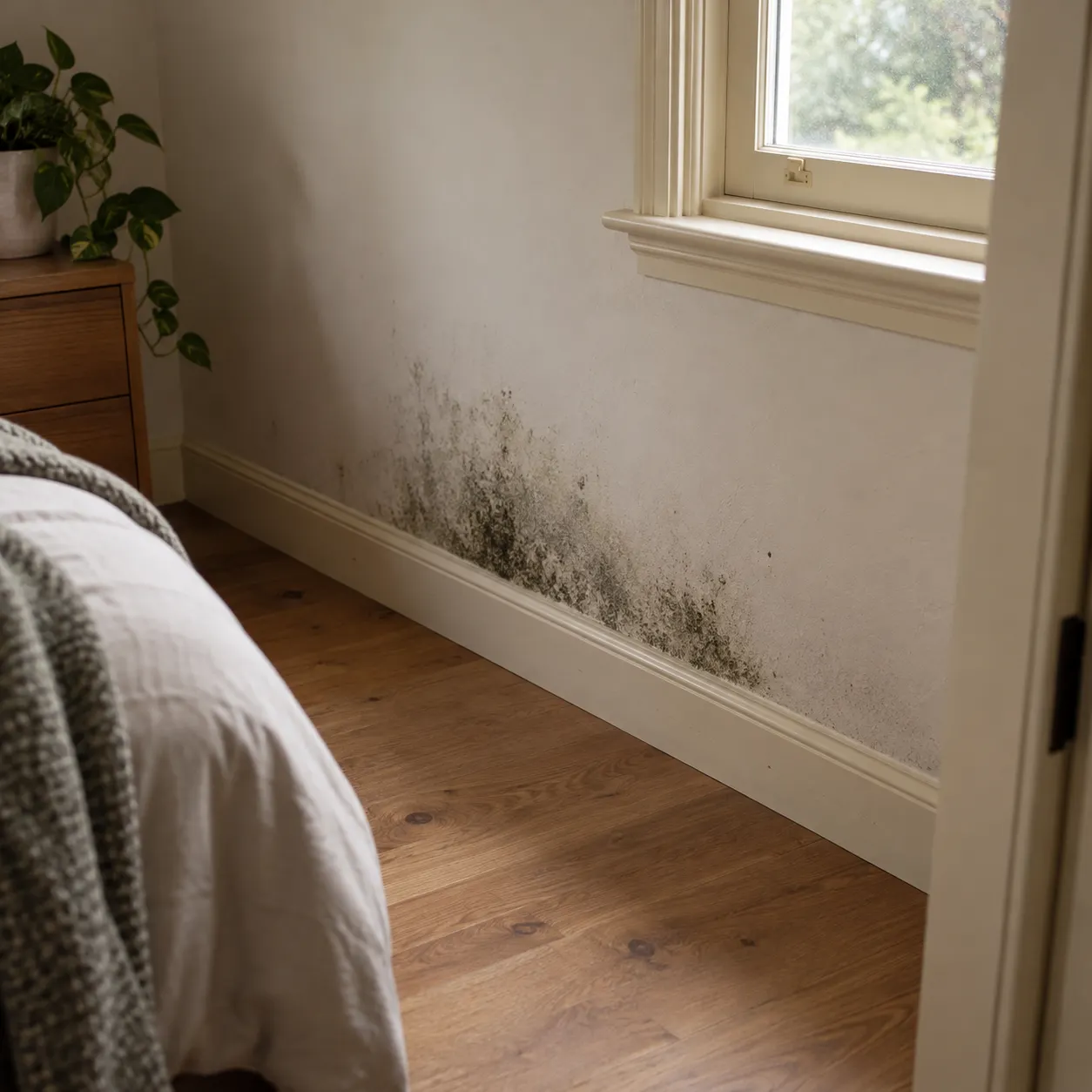
Walls and finishes
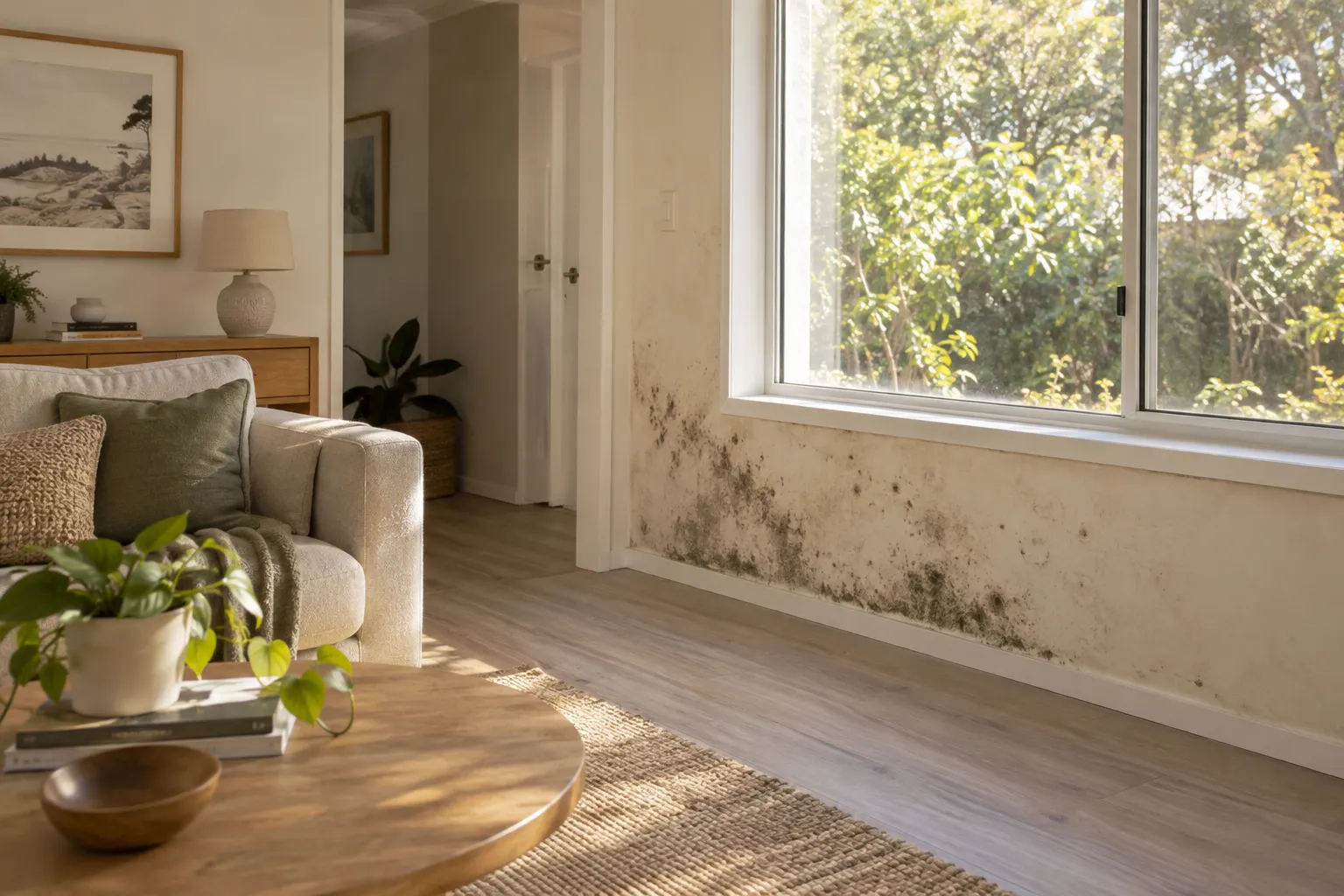
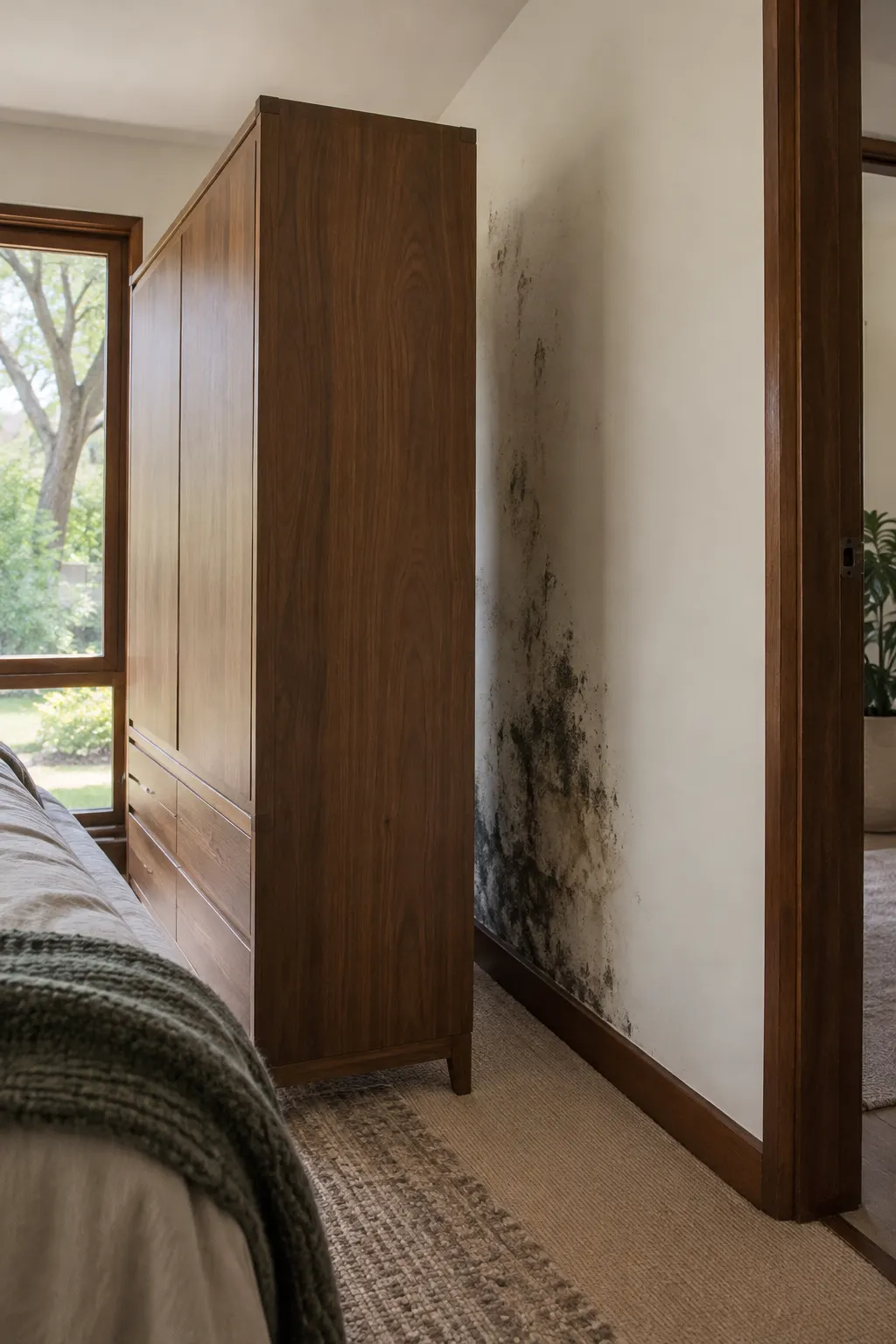
The wall behind a dryer should be described by material and condition.
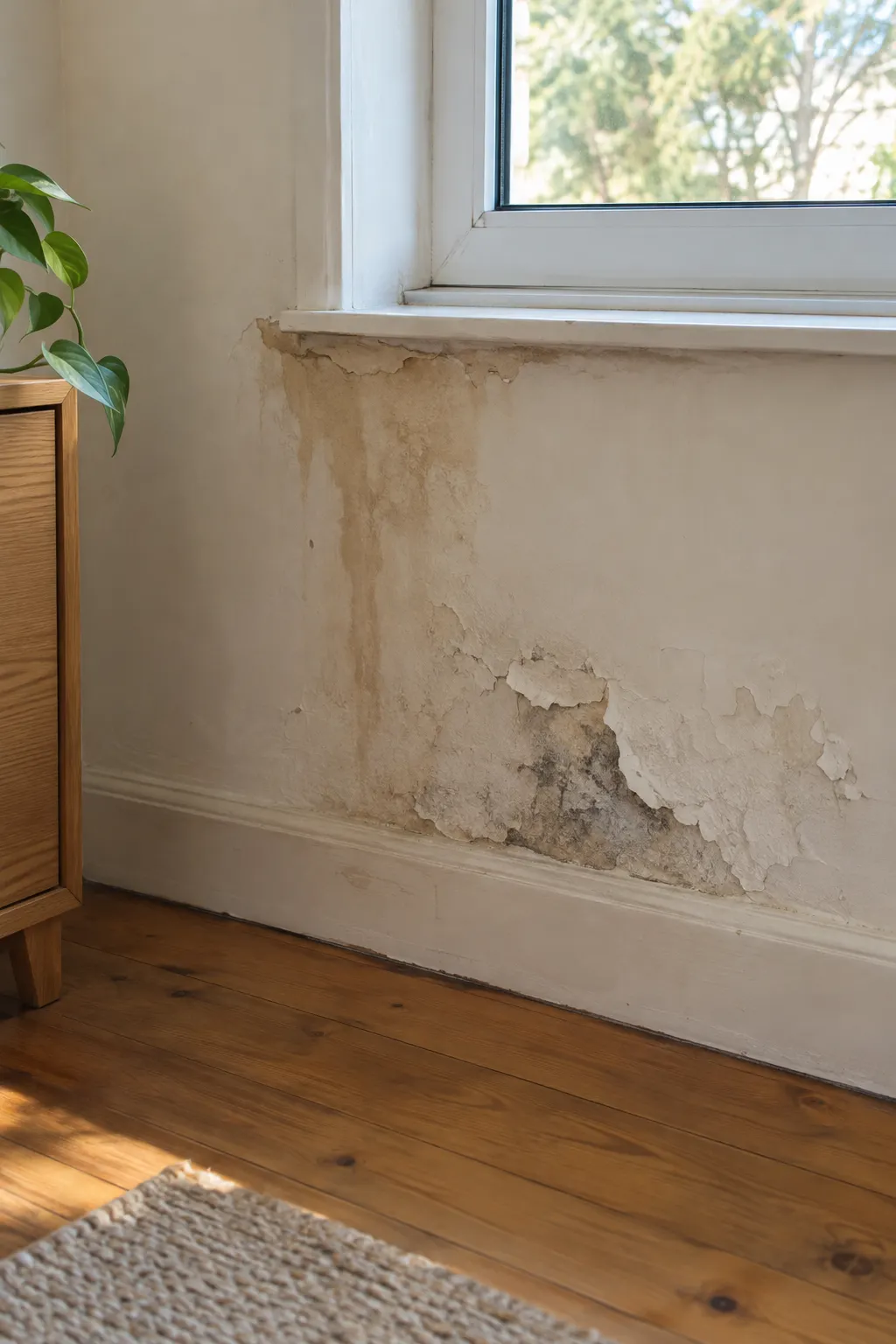
After water damage
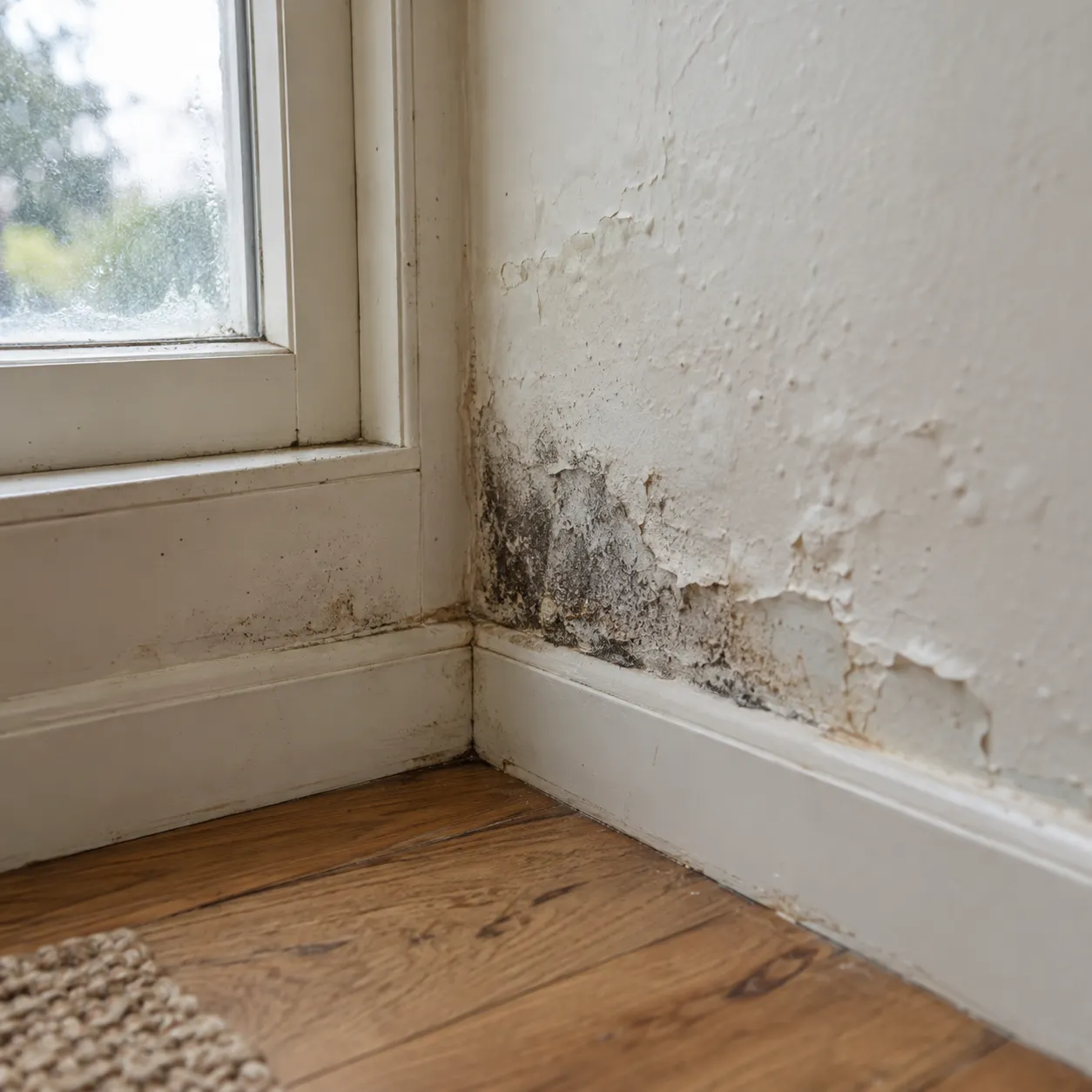
After a hose leak, water may reach under an appliance or into adjoining flooring.
PREVENTION STARTS WITH
Dry clothes.
Keep walls observable.
A practical household check
Keep the dryer’s moisture pathway and maintenance consistent with its manufacturer’s instructions. Look for hose drips separately from condensation. After an appliance leak, stopping the water is only the first task: damp adjacent materials also need assessment before finishes are closed or repainted.
Notice the room between loads
Compare the laundry when appliances operate and when the room has been unused. If a surface remains wet between loads, preserve that distinction. A recurring patch calls for consideration of the source, rather than simply another cycle of cleaning and drying.
DINGLEY VILLAGE & NEARBY
Around Dingley Village
Local navigation continues to Clarinda, Keysborough and Moorabbin. If the concern is at one of those addresses, retain its own appliance and repair history; proximity does not establish the same laundry problem.
BEFORE YOU CALL
The useful
questions.
Should I pull the washing machine out to show you the wall?
Only if it can be moved safely without straining hoses or electrical connections. Describe the obstruction first. We can discuss the access needed and whether an appliance or plumbing trade should assist before the relevant wall is inspected or treated.
Can a dryer create moisture without an obvious leak?
Some drying arrangements release moisture into the room. Follow the appliance’s instructions and describe its use. Consider that observation separately from visible plumbing drips or a defect allowing water into the building.
Will removal repair a washing-machine hose?
No. Appliance connections and plumbing faults require separate attention. Mention an active drip or previous leak before work is arranged so removal timing and adjacent material condition can be considered.
Should I clean behind the dryer before you visit?
Discuss preparation and access first. Avoid pulling connected machinery or scraping affected finishes simply to clear the area. The appropriate working plan depends on the appliance, room and visible condition.
What if the cupboard backing is swollen?
Tell us about swelling as well as growth. Deteriorated board may require a replacement decision outside surface removal. An improved colour does not restore the condition of a damaged cupboard.
What helps arrange work in Dingley Village?
Provide the address, appliance layout and wetting history when calling 03 8652 1296. Availability, preparation and separate plumbing or appliance assistance can be discussed before a scope is agreed.

TELL US WHAT YOU CAN SEE
Tell us when the wall gets wet.
Describe the laundry routine and visible surfaces during the call. Discuss practical access and address availability, with appliance repair, stored items and concealed surfaces kept distinct from the agreed removal work.
Local context: Victorian Government — Kingston suburbs