
ROOMS · MATERIALS · MOISTURE
MOORABBIN · MELBOURNE
Mould Removal Moorabbin
A home-office wall can stay hidden behind shelving long after a small leak. In Moorabbin, describe what can be reached and which belongings are affected. A practical scope considers the accessible wall and storage separately, rather than assuming removal work includes every book or file in the room.
Material condition considered
Accessible work agreed first
Moisture observations kept in view
THE ROOM TELLS A STORY
Storage and wall care need separate decisions.
Moorabbin is included in the Victorian Government’s Kingston suburb list.
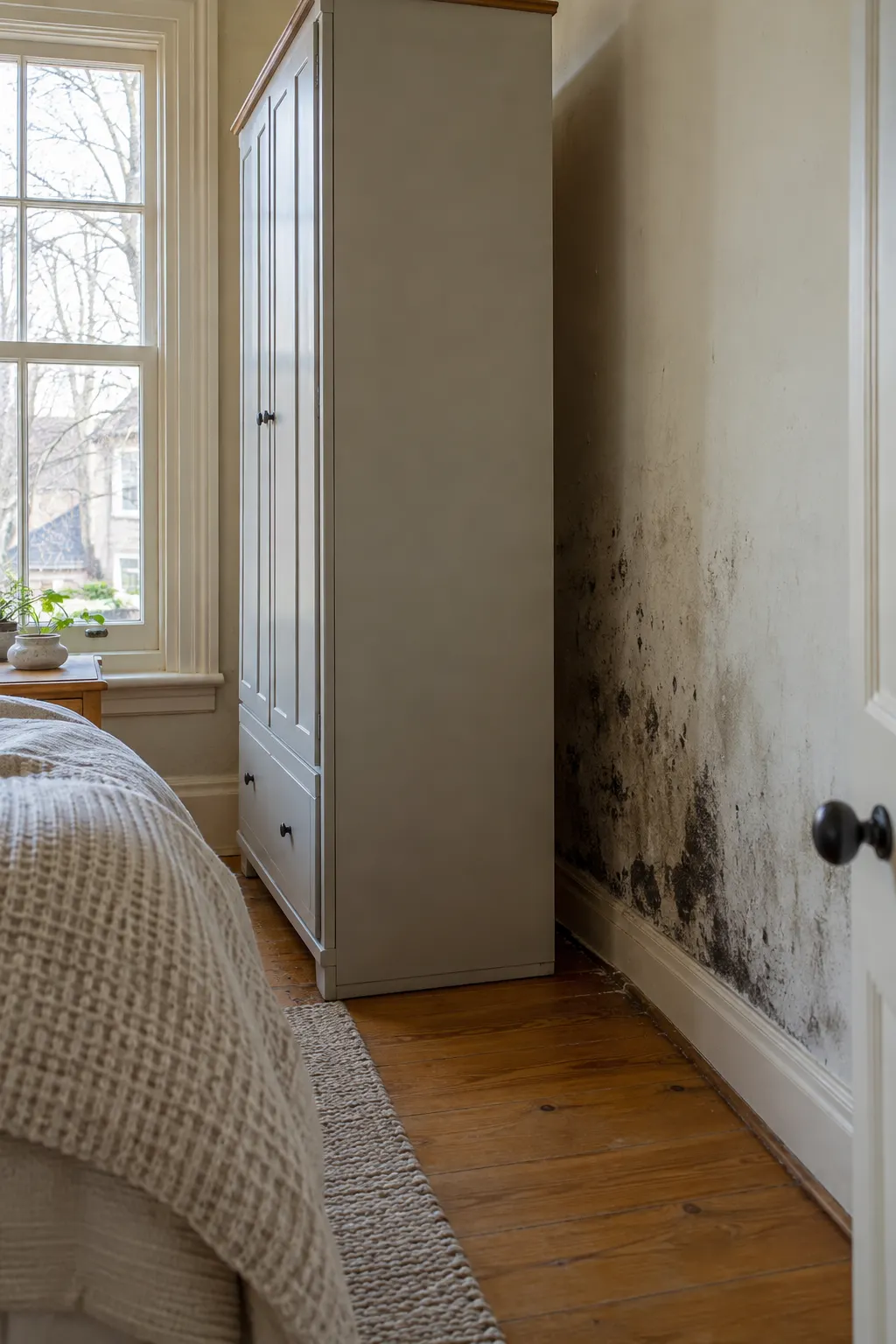
If shelving covers an affected office wall, identify whether the marks reach paper, furniture or the wall itself. A previous spill or leak is relevant even if the room now looks dry. Discuss how access can be provided without scattering affected contents through other rooms.
UNDERSTANDING MOISTURE
Understand the surface behind the shelves.
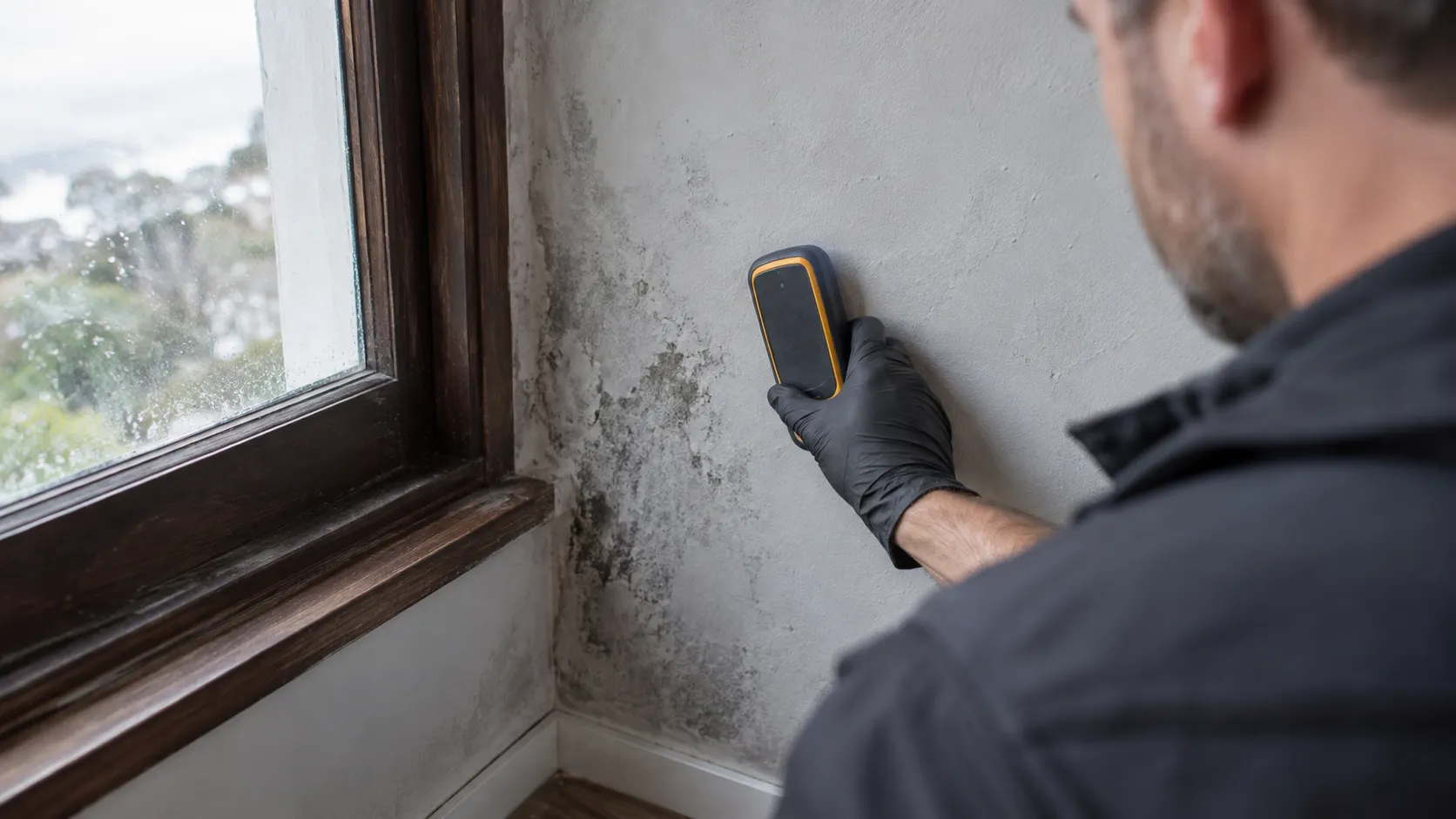
The stored materials
Identify paper, boxes and furniture separately from the wall lining. Their condition can differ even in the same damp area. The enquiry should not treat all office contents as though they were part of one painted surface.
The water history
Explain any spill, leak or previous wetting before describing the current patch. A room now used as an office may have a different repair history. Keep discovery dates distinct from the unknown date growth began behind shelving.
Accessible observations
A mould inspection considers visible surfaces and what can safely be reached. Fixed shelving or heavy storage can limit access, so describe the layout before moving contents or assuming the concealed wall can be fully reviewed.
OUR REMOVAL PROCESS
An office scope beyond a close-up.
Keep the original layout
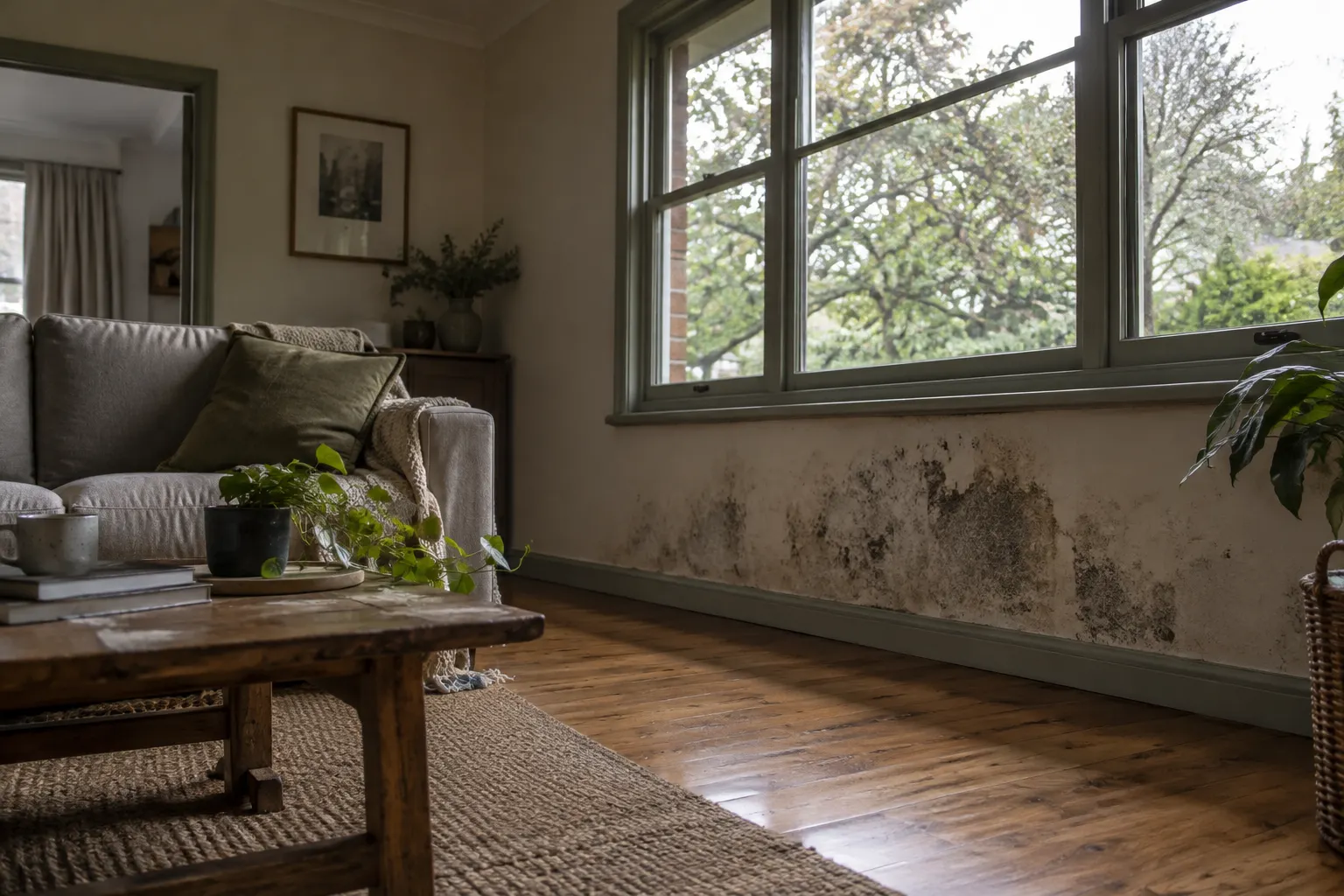
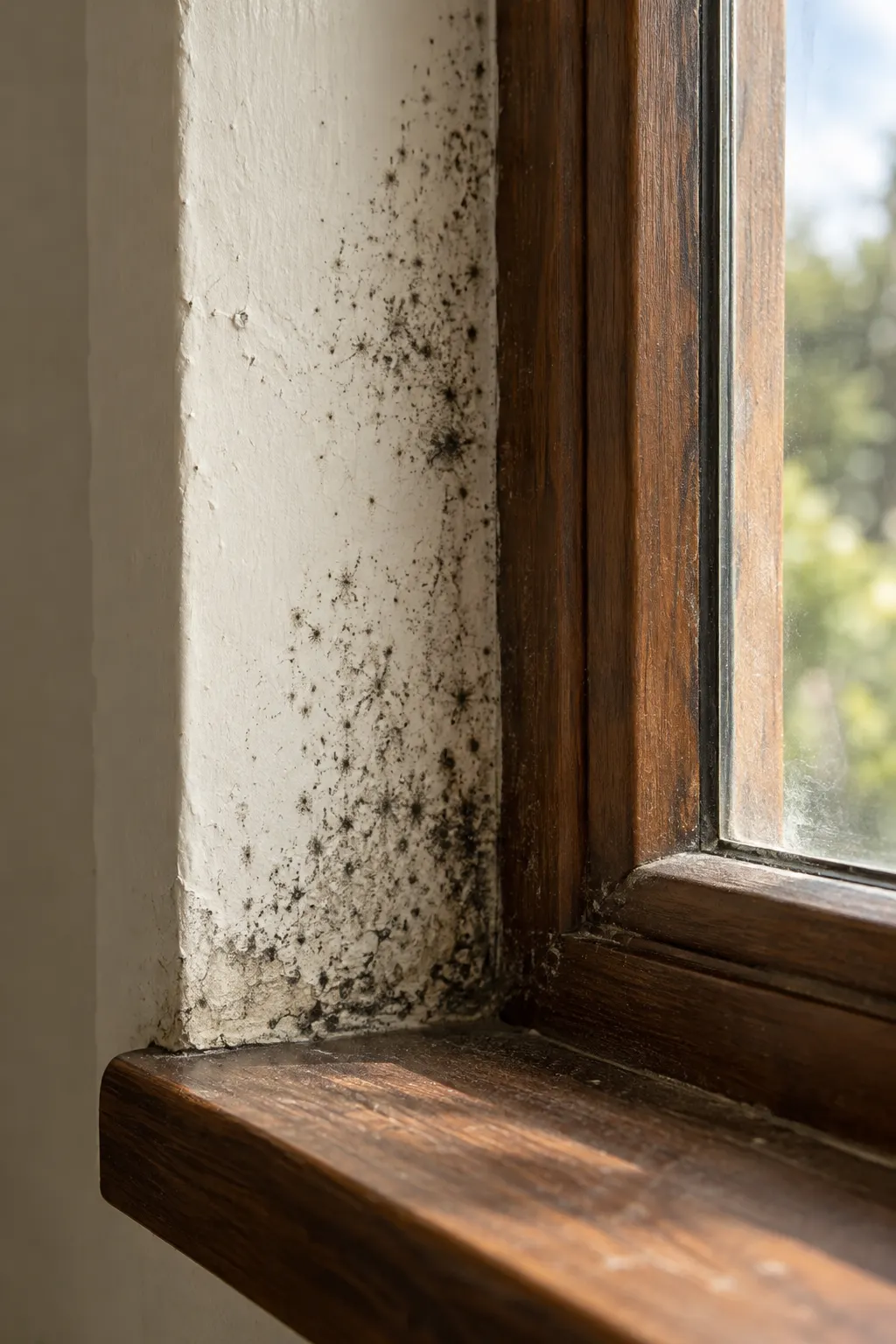
A wider photo before shelves move shows the wall relationship and access. Add close images of each material where safe, labelling belongings separately so their condition is not confused with the lining.
Prioritise practical access
Explain heavy shelving or fixed units before the appointment. Movement and any dismantling need suitable arrangements, rather than an assumption that the room can be emptied easily or that trade access work is included.
Separate important records
Mention sensitive or important paper materials without exposing their contents in photographs. Their care is a different decision from wall removal, and the scope should avoid implying all stored records will be recovered.
01
List the affected surfaces
Send a room view and identify wall, shelf and belongings observations. Explain visible extent and any damaged finish. The surface-removal scope should name accessible material without implying care or restoration of every file and object in the room.
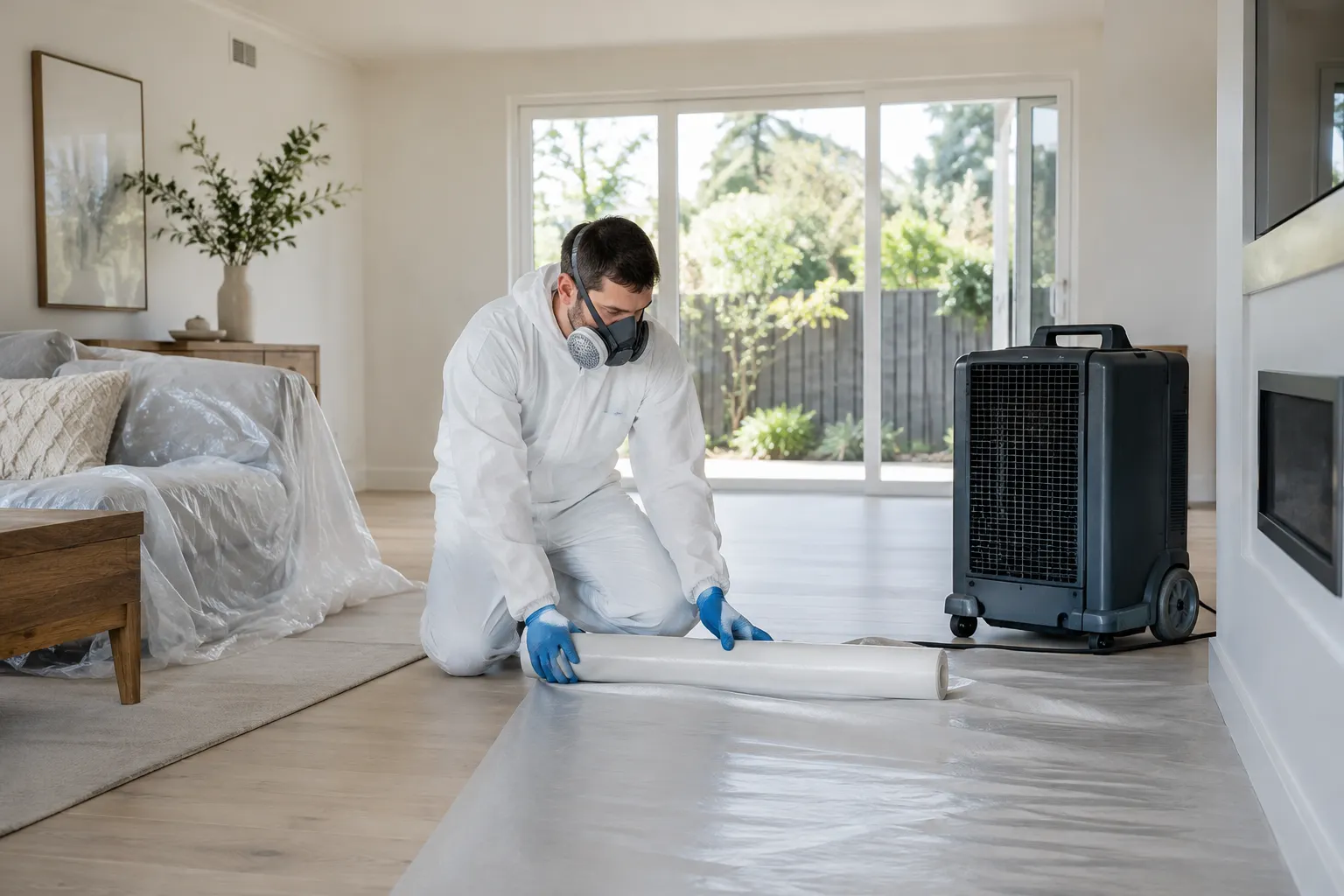
02
Agree content movement
Discuss what needs moving, protecting or handling separately before preparation. Equipment and protection should suit the office layout and task. Tell us about delicate items and occupants’ concerns so movement does not spread affected contents through unrelated rooms without a plan.
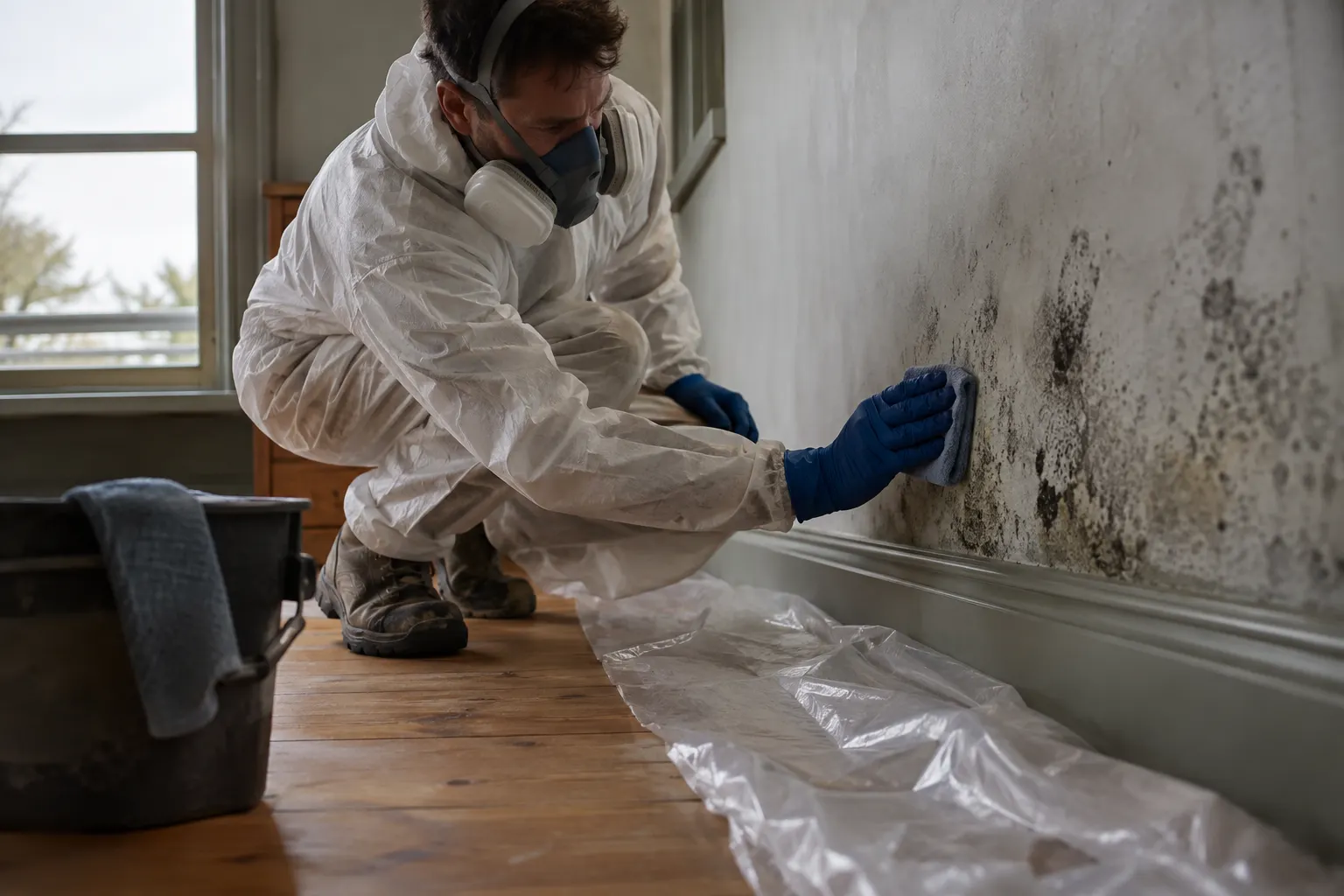
03
Review storage and material limits
Consider remaining staining, wall damage and continuing damp after removal. Remediation planning connects those issues with the source, but reorganising shelves or cleaning wall paint does not restore affected paper or confirm concealed material recovery.
COMMON AREAS AFFECTED
An office wall is part of a wider interior.
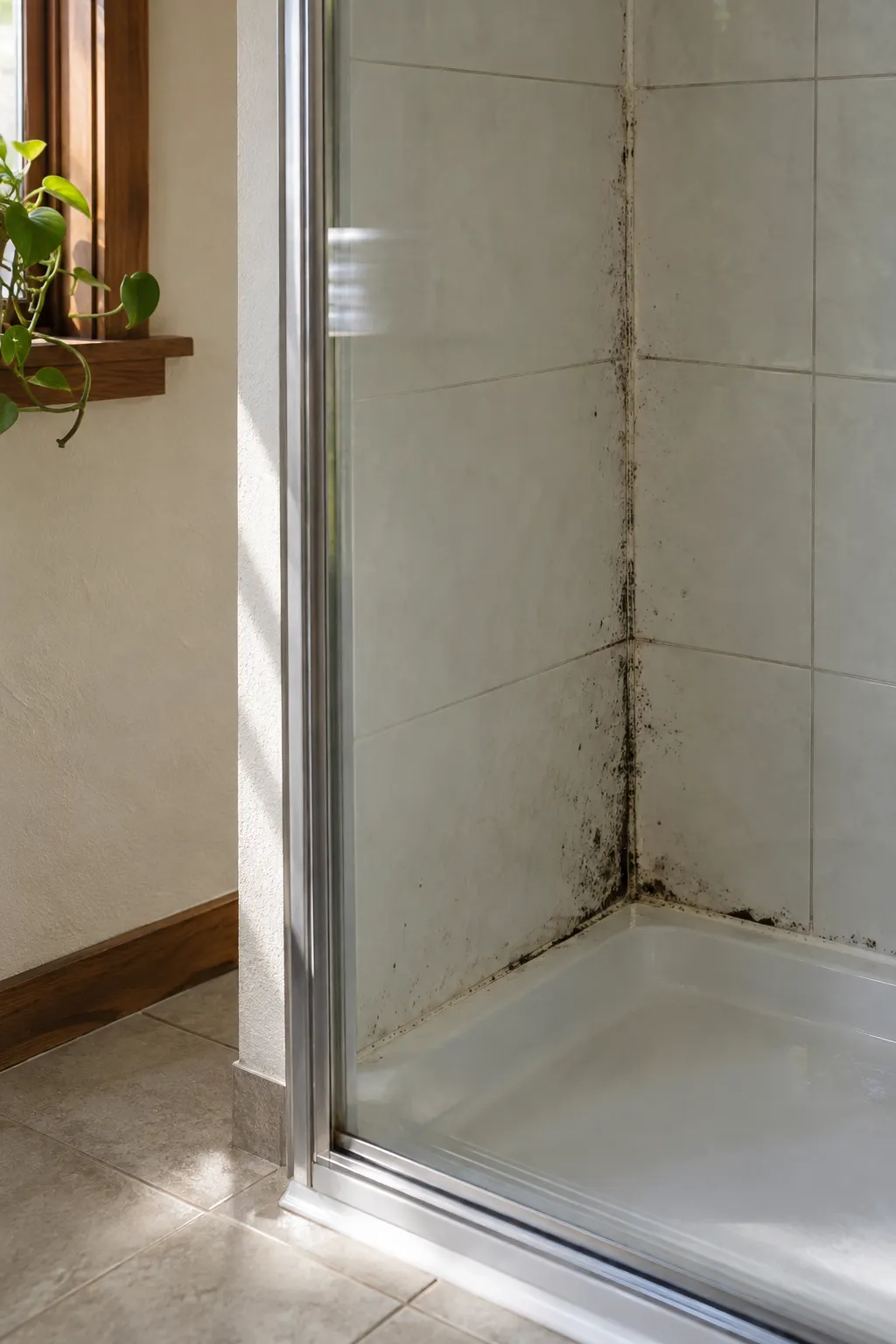
Bathroom surfaces
A bathroom patch elsewhere needs its own joint and ventilation observations. Stored paper in an office does not explain growth in a wet room with a different use pattern.
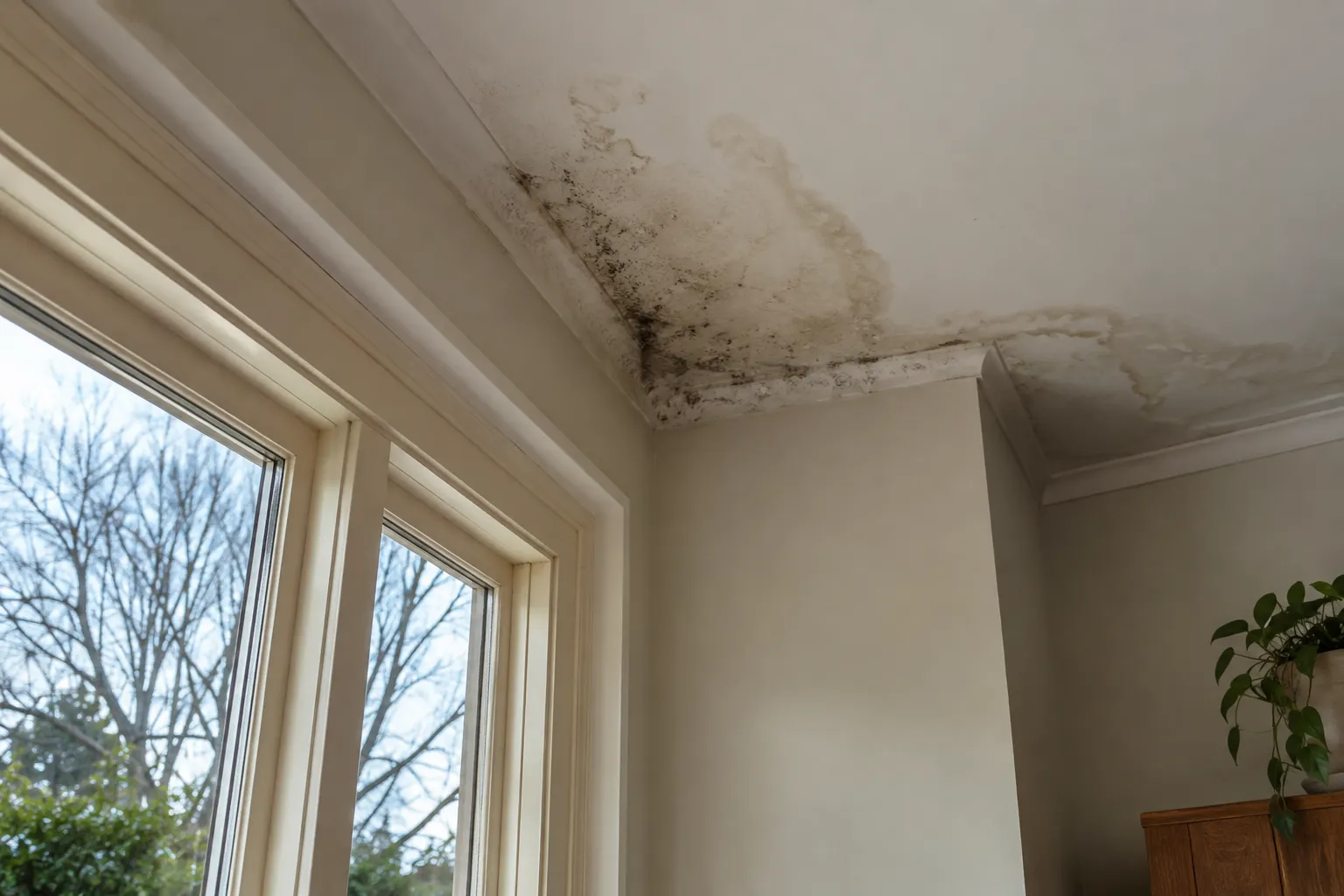
Ceiling condition
Ceiling marks above shelving require rain or plumbing history and material condition described.
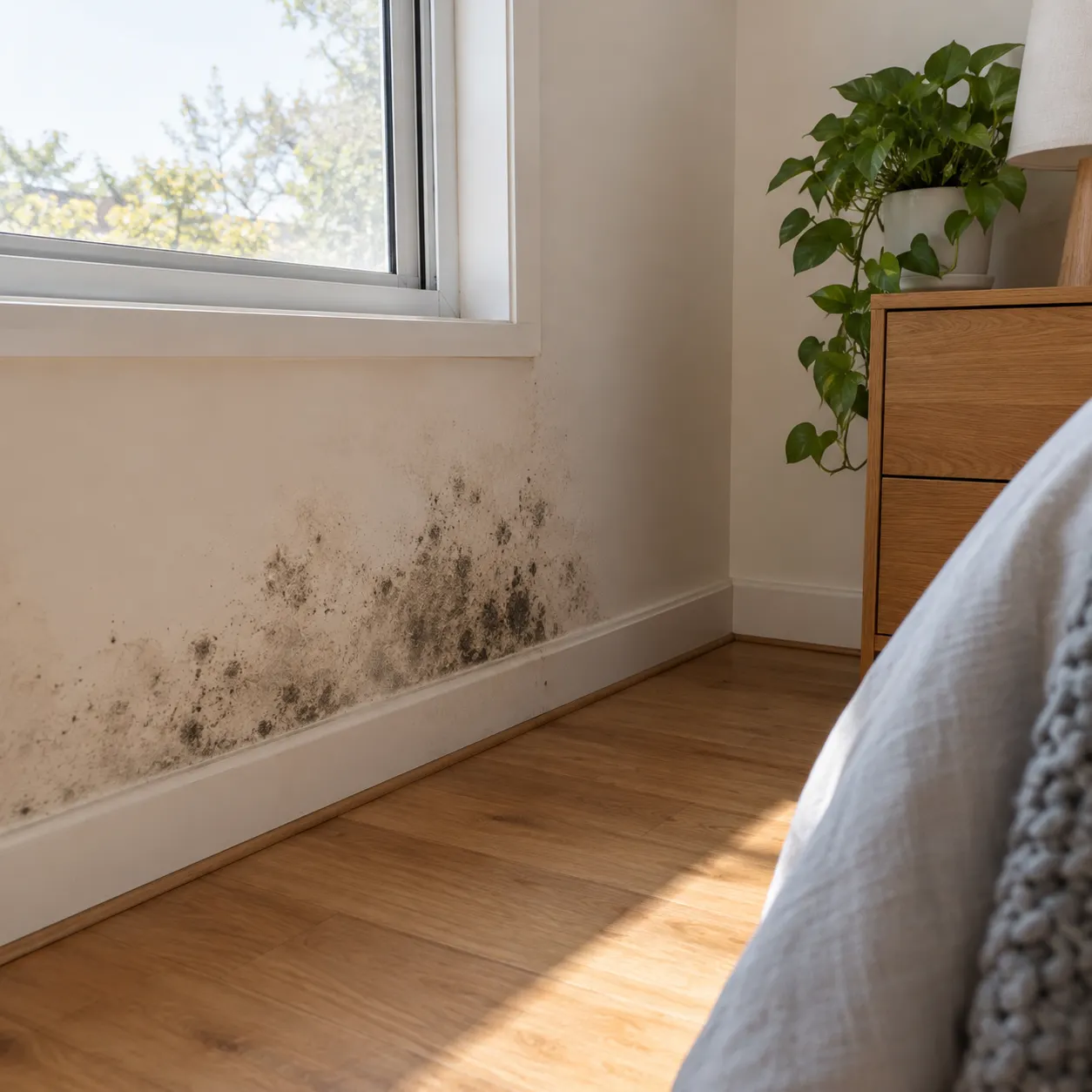
Walls and finishes
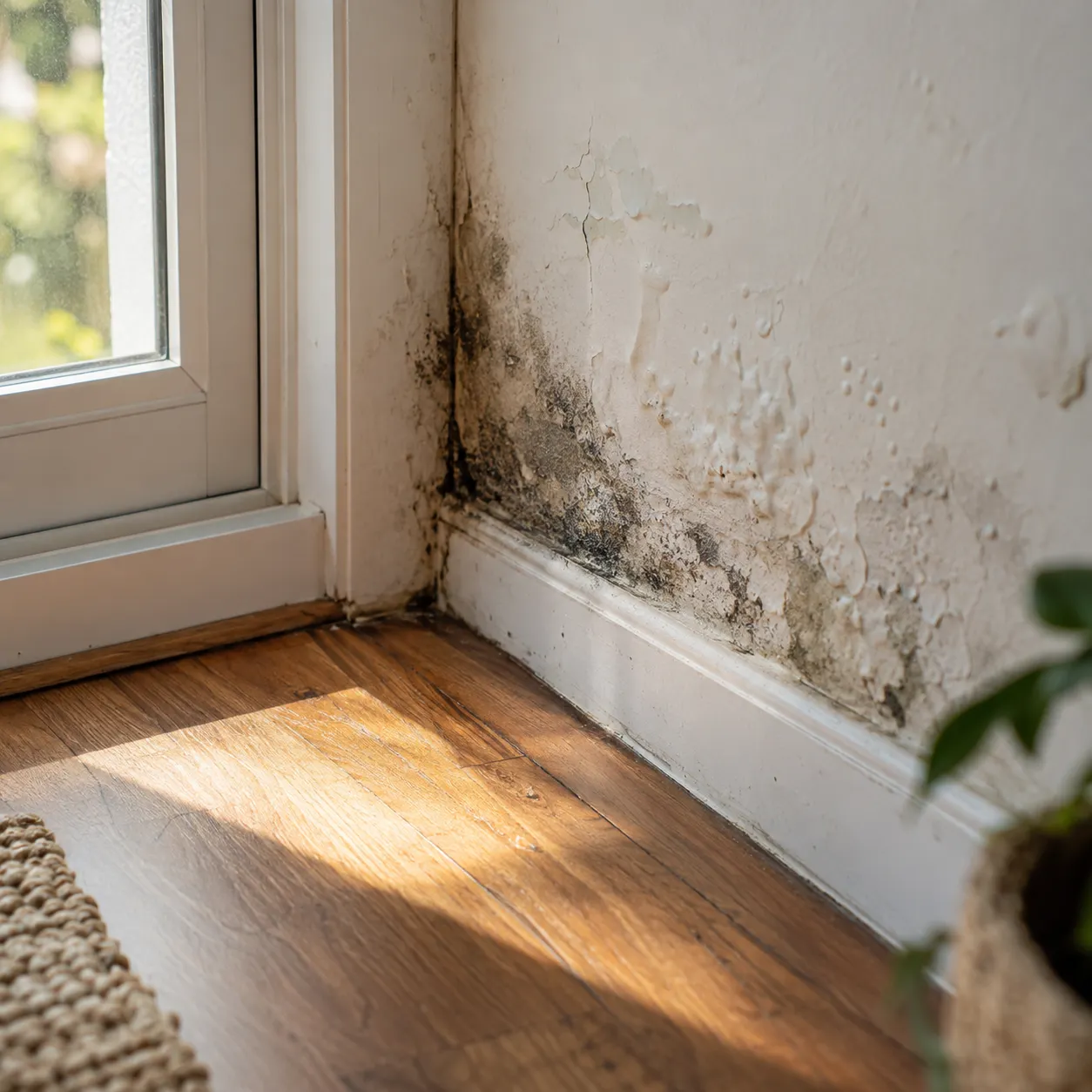
Behind storage, identify paint, backing and shelf surfaces separately. Peeling or softened material can change the task, with restoration considered beyond removing the accessible growth.
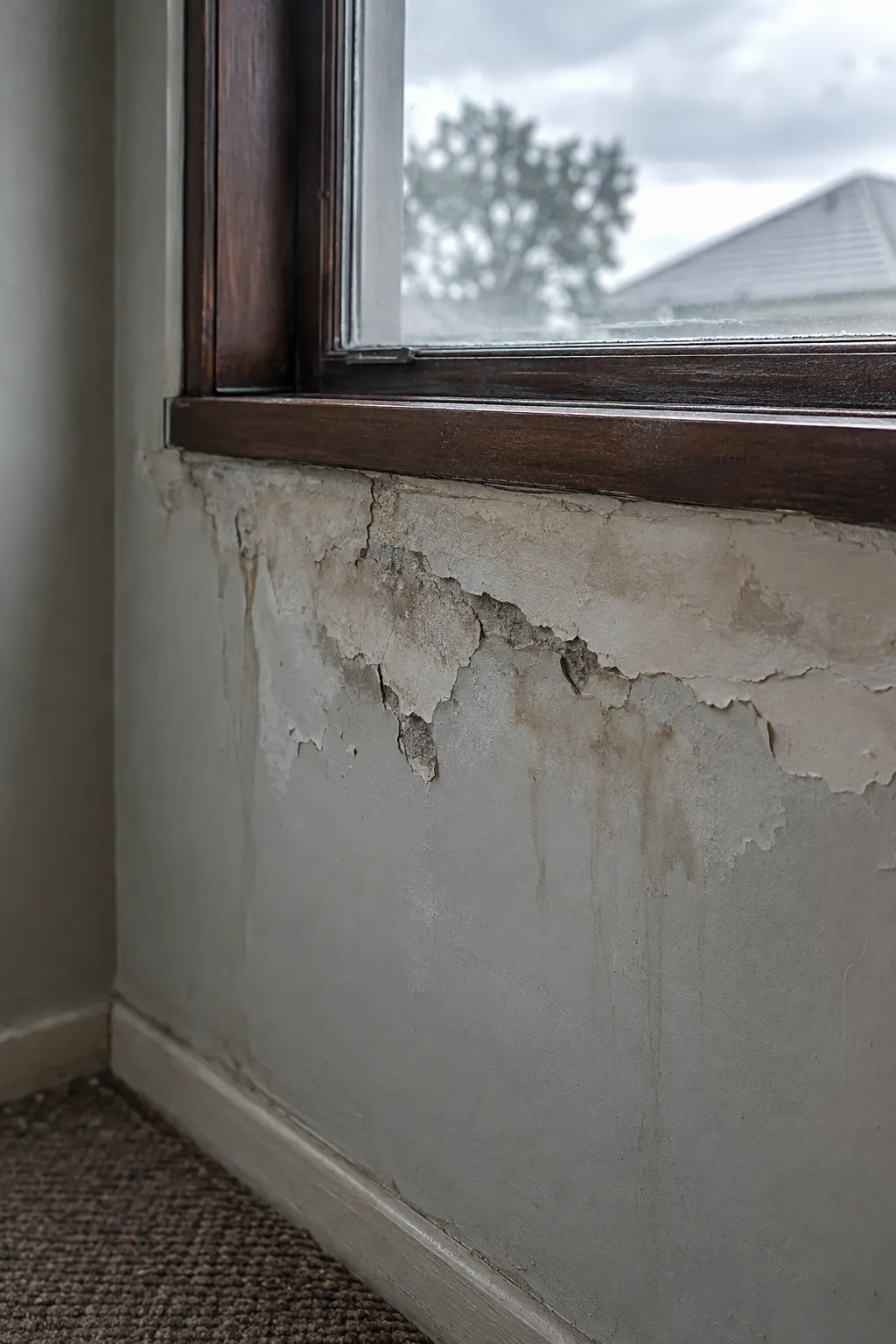
After water damage
A prior water event can affect files, floor edges and closed linings differently.
PREVENTION STARTS WITH
Protect the records.
Observe the wall.
A practical household check
Keep important paper records away from a persistently damp surface. Check the wall behind movable shelving when it can be done safely. Reorganising storage is useful, but it should follow investigation of a patch that remains wet or repeatedly returns.
Keep storage checks achievable
After agreed work, leave a practical observation point rather than packing the wall completely out of view. Record renewed damp or material changes before redecoration. An air gap and storage rearrangement are useful measures, but they do not repair continuing water entry or establish the condition of concealed layers.
MOORABBIN & NEARBY
Around Moorabbin
A second nearby address may be better served by the Hampton, Cheltenham or Dingley Village guide. Describe the actual shelving and stored materials so access and belongings are considered for that office.
BEFORE YOU CALL
The useful
questions.
Can office files be left on shelving during wall removal?
Discuss the contents and working area before the appointment. Paper and stored objects are not automatically part of a wall-removal scope. An agreed preparation plan should explain what needs moving, what can remain protected and how affected items are handled separately.
Will removal restore affected books or files?
No. Paper belongings are outside the structural-surface scope; furniture and textiles are excluded too. Paper and wall lining need different decisions. Identify affected belongings during the call so their care and the accessible wall task have clear separate scopes.
Should I send photographs of confidential records?
You can describe the material and layout without revealing document contents. A room view and close view of the affected surface are more useful than photographs exposing private information inside files.
What if shelving is fixed to the wall?
Explain that before movement. It can limit access and may require permission or suitable trade assistance if dismantling is needed. Accessible work should state what remains concealed.
Can growth appear long after an earlier spill?
The discovery date does not establish when growth began or the material history.
How do I start a Moorabbin enquiry?
Call 03 8652 1296 with the address, storage layout and wetting history. Discuss availability, preparation and separate belongings or material work before the accessible removal scope is agreed.
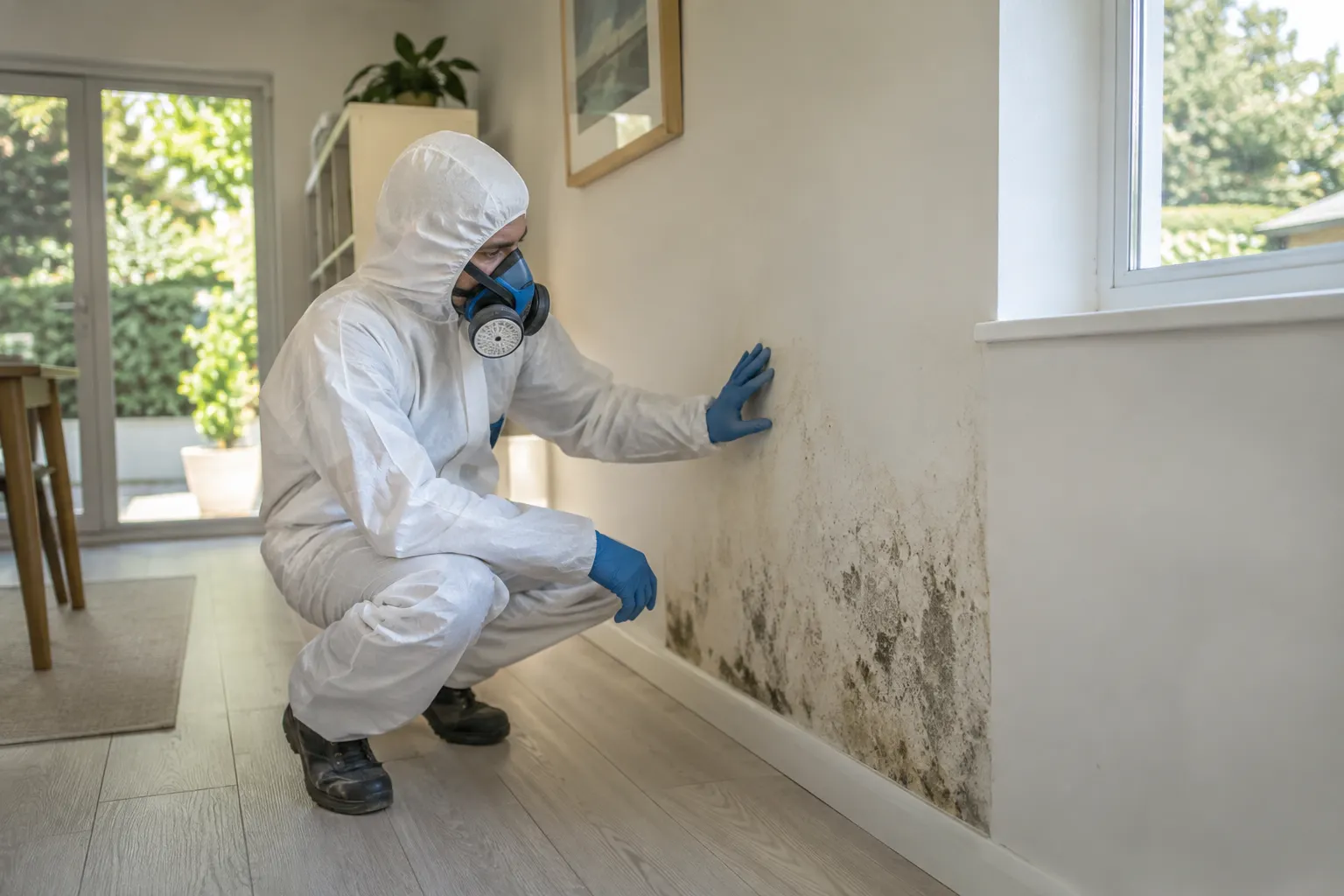
TELL US WHAT YOU CAN SEE
Describe the office without emptying it first.
Call with room photos, stored materials and repair history. Discuss availability and practical access, with possessions, fixed shelving and unresolved moisture separated clearly from the agreed wall-removal work.
Local context: Victorian Government — Kingston suburbs