

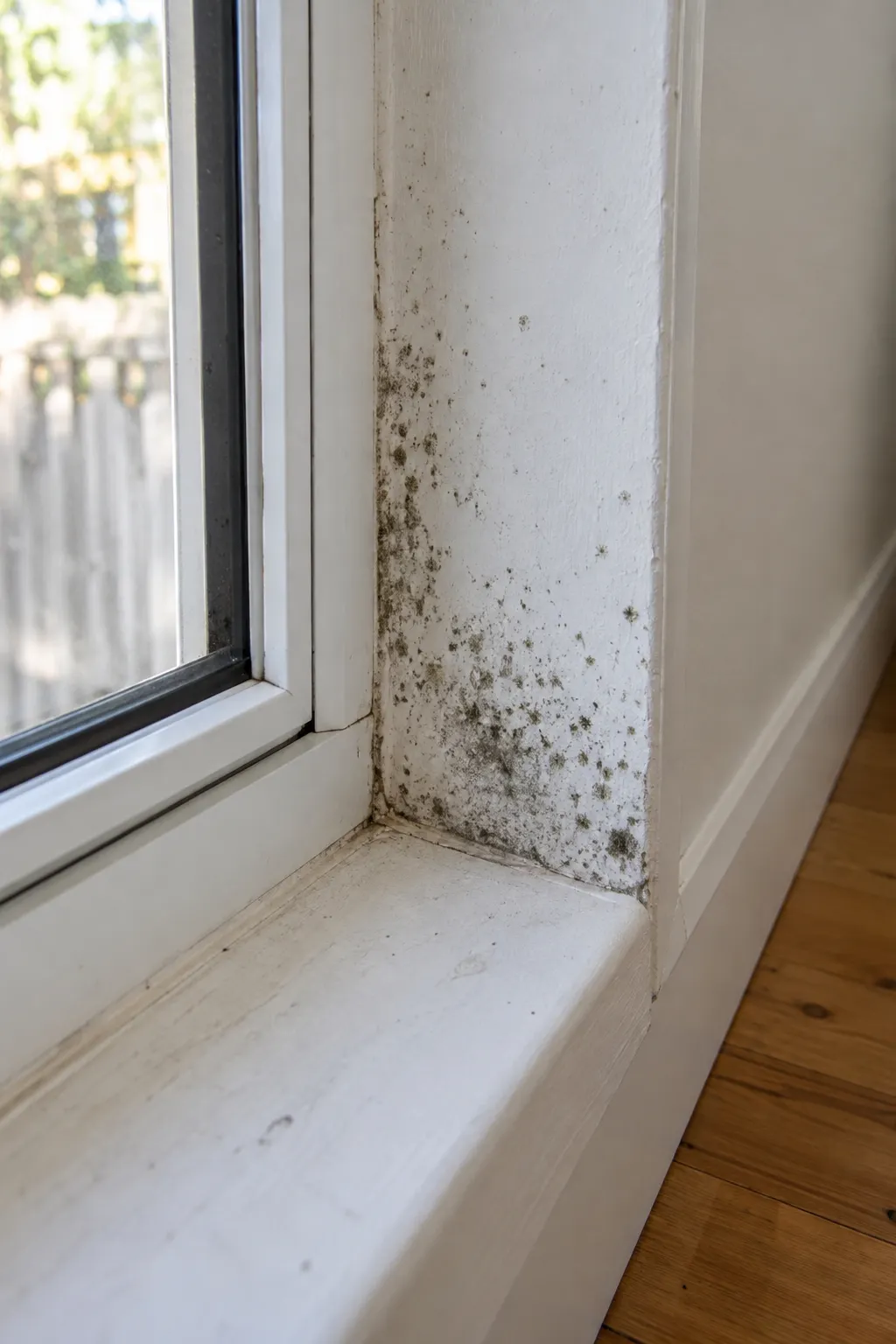
ROOMS · MATERIALS · MOISTURE
ELSTERNWICK · MELBOURNE
Mould Removal Elsternwick
An affected wall in an older home should be assessed for finish condition, access and moisture before it is treated. In Elsternwick, tell us about repairs or decorative plaster around the patch. Historic neighbourhood context helps frame the questions, while the actual room determines the scope.
Material condition considered
Accessible work agreed first
Moisture observations kept in view
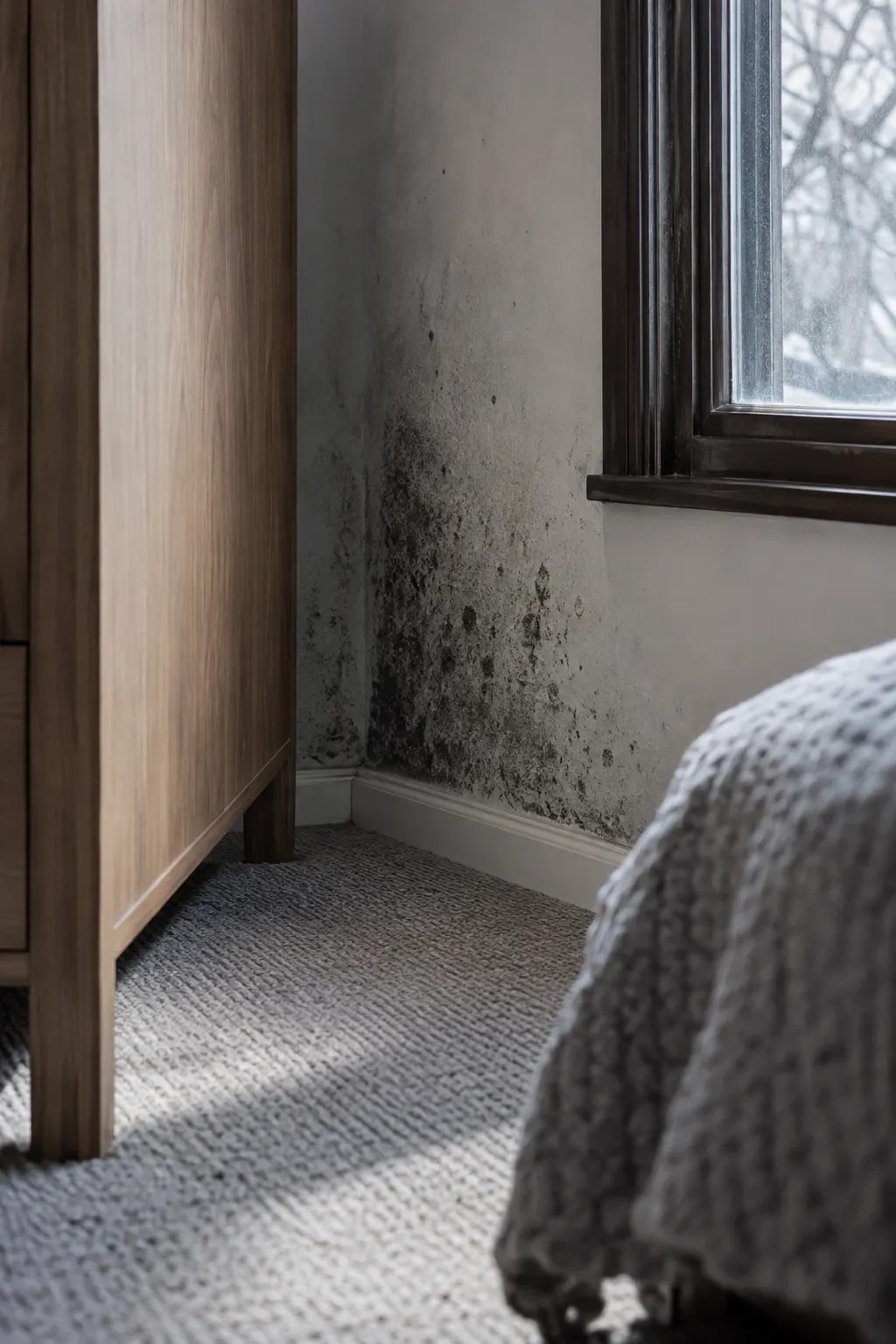
THE ROOM TELLS A STORY
A repaired wall still has a history.
Glen Eira’s housing strategy describes historic residential areas in Elsternwick.
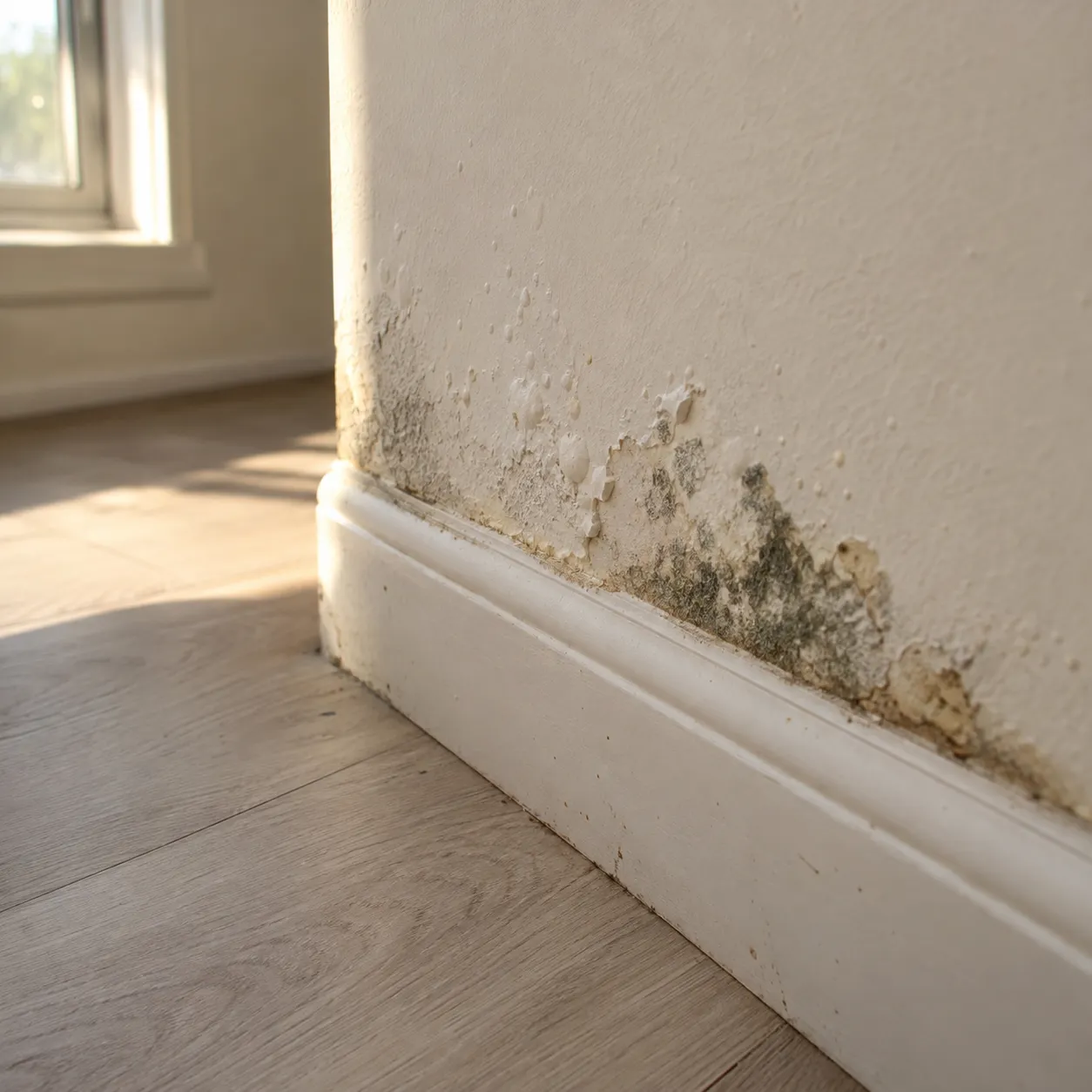
Where an older plaster wall has been repaired, the join between finishes may show a different moisture pattern. Explain when the repair was made and why. A patch beside the repair does not prove it caused the growth; the material condition and continuing source still need consideration.
UNDERSTANDING MOISTURE
Notice the boundary between finishes.
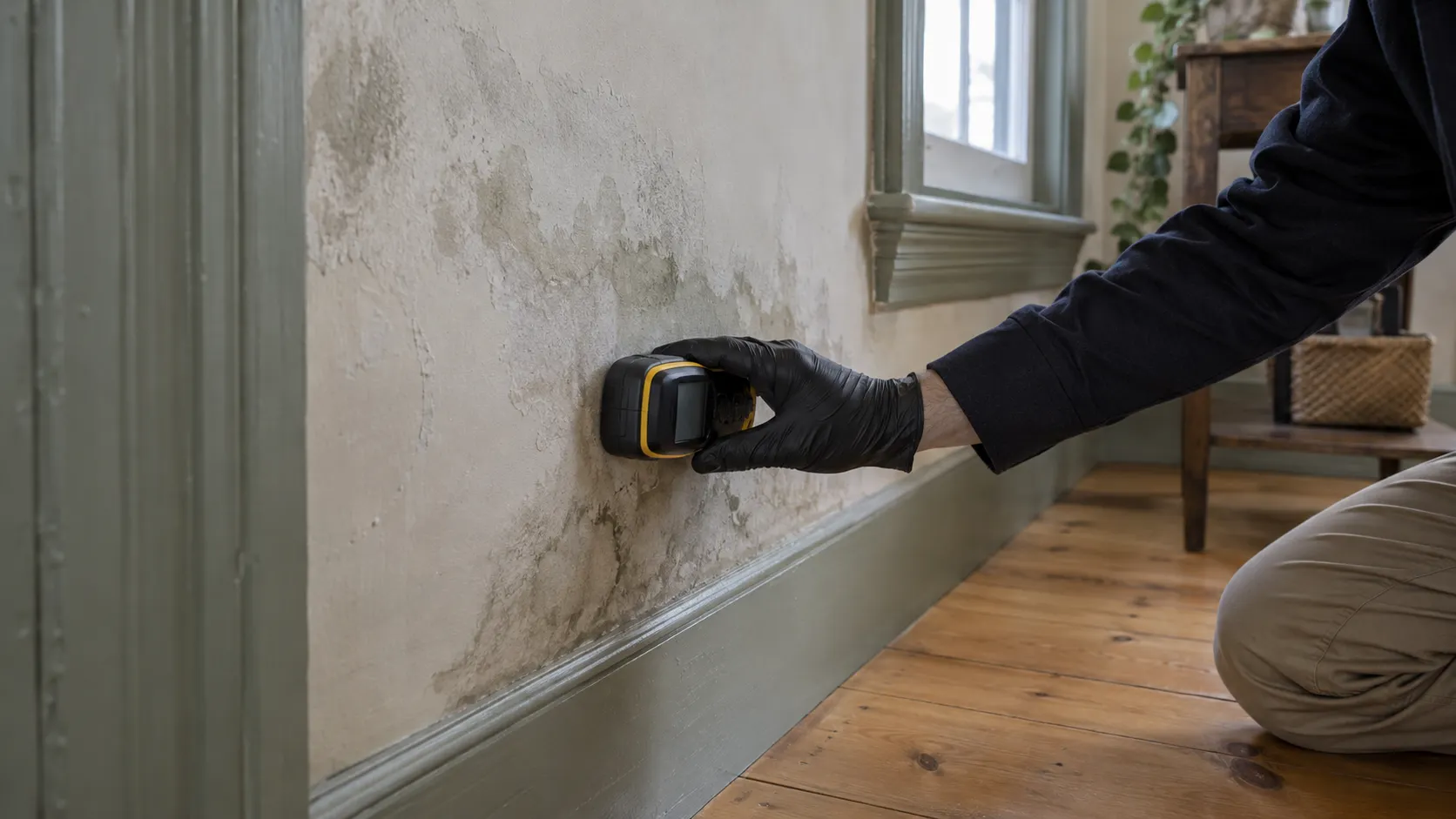
The repair position
Show where newer plaster meets the original finish and where growth appears relative to that boundary.
The reason for earlier work
Explain whether the wall was repaired after a leak, damage or decoration. Keep those events distinct. A new paint coat can change appearance without establishing that adjoining materials or a previous moisture source were adequately addressed.
Accessible condition
Mention softness, peeling and changes on each side of the join. A mould inspection can consider visible differences, while closed cavities and specialist plaster repair may need separate assessment rather than an inference from surface colour.
OUR REMOVAL PROCESS
A material-aware scope across the repair.
Keep repair dates clear
Tell us which photos show the original patch and which show the reinstated wall. The sequence helps describe change over time without confusing earlier condition with the material presently visible in the room.
Identify specialist finishes
Mention decorative edges or fragile older paint around the repair. They should not be treated as an ordinary plain lining without understanding the finish and any care or access limitations.
Separate decorating expectations
Discuss the appearance you hope to achieve, but keep repainting and plaster repair distinct from removal. Remaining staining and uneven finishes should be considered honestly rather than presented as guaranteed restoration.
01
Describe old and new areas
Provide room photos and any earlier repair information. Identify the visible extent and finish differences. An agreed removal scope should recognise that adjacent surfaces may have different condition, access and limitations instead of presuming a uniform wall.
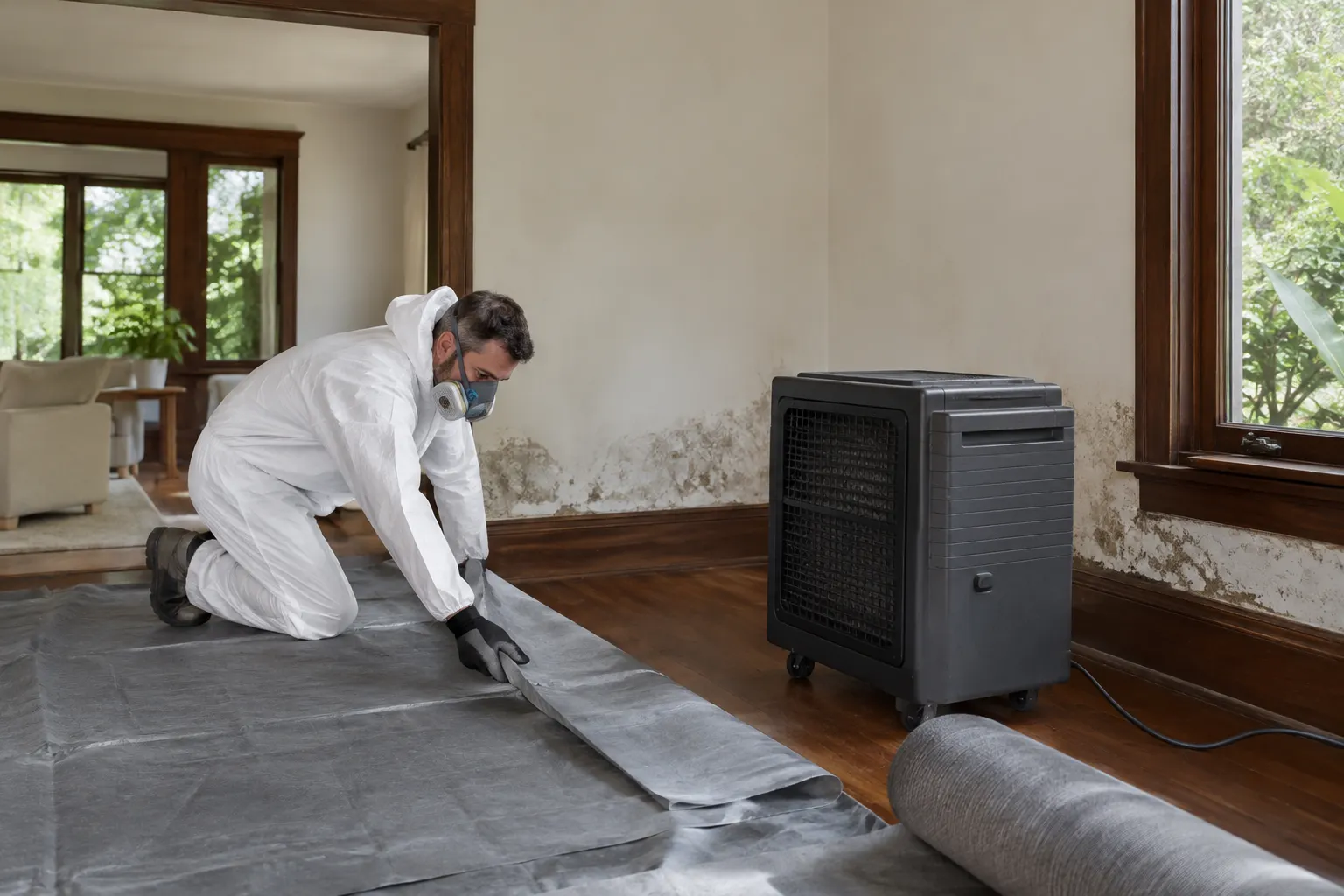
02
Prepare without changing evidence
Discuss furniture, delicate finishes and protection before work. Leave lifting paint or questionable plaster undisturbed until the method is agreed. Equipment should suit the task, with occupants’ concerns and any separate repair or building investigation raised in advance.
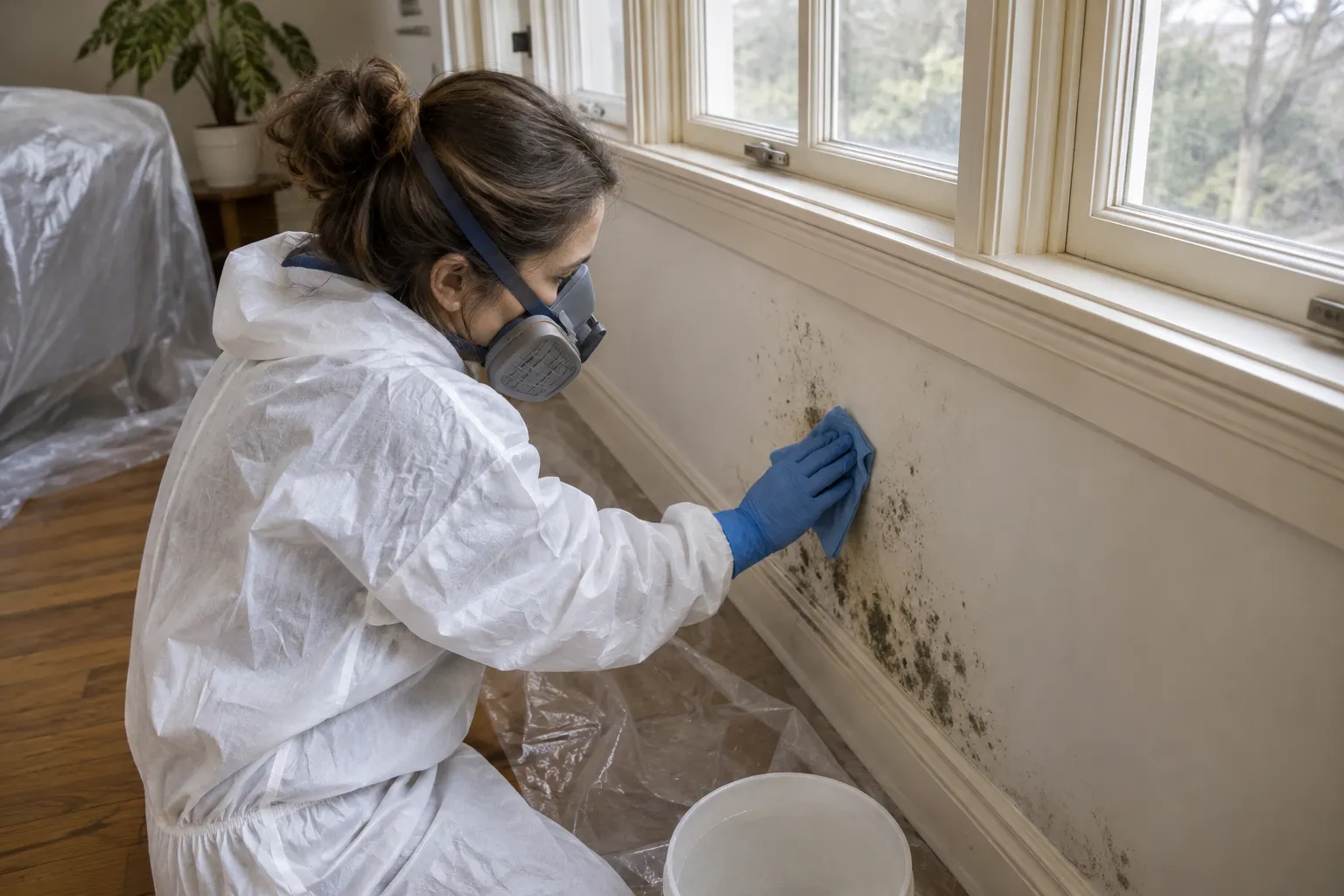
03
Review the next material decision
Consider remaining staining or deterioration after accessible removal. Remediation planning connects that review with moisture and repair, but removal does not promise a seamless decorative match or restore weakened plaster merely by improving its appearance.
COMMON AREAS AFFECTED
A finish is more than its newest coat.
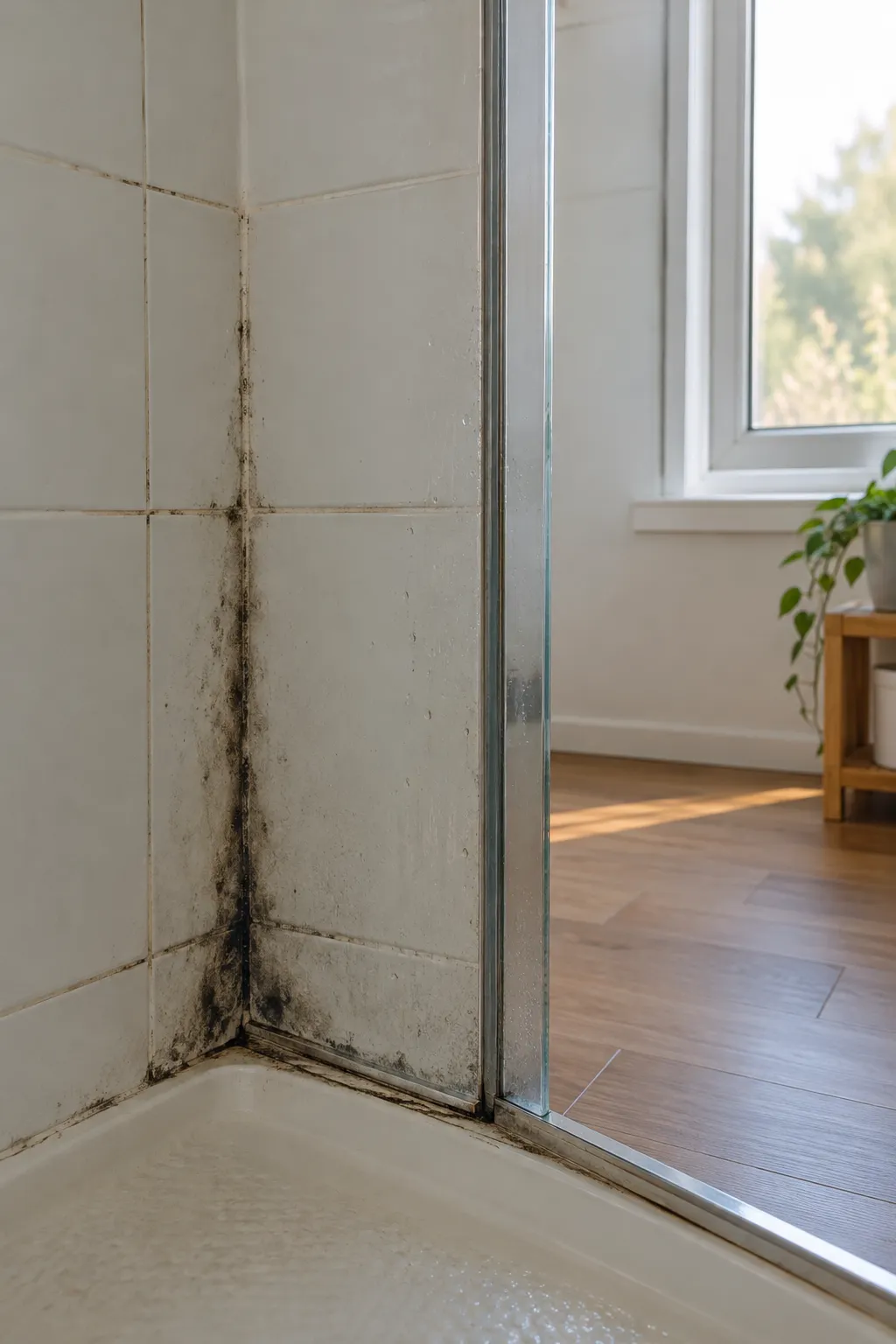
Bathroom surfaces
Bathroom repairs can include grout, silicone and painted lining. Identify what was replaced and what remains original, with moisture observations kept separate from the age of a decorative coat.
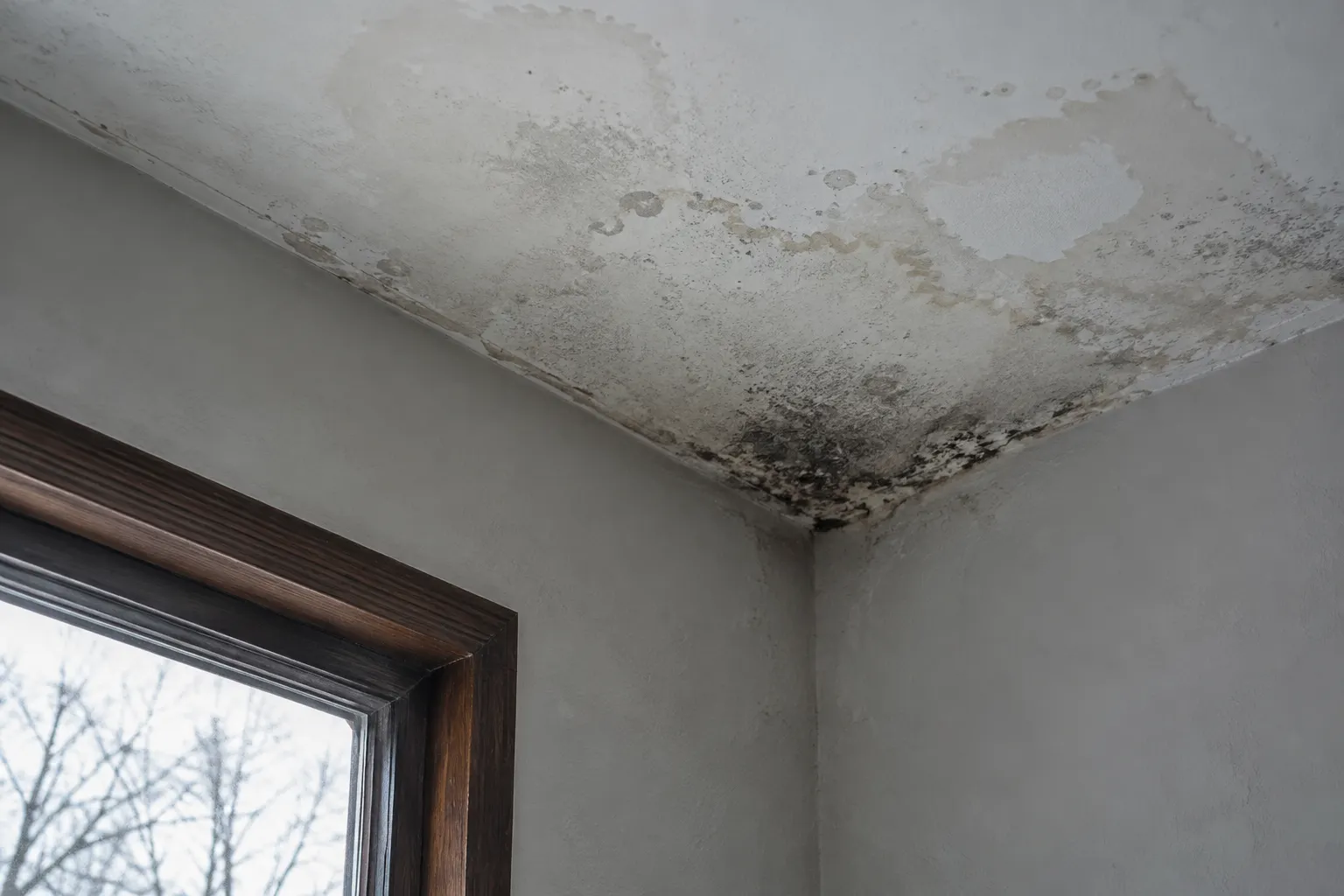
Ceiling condition
A repaired ceiling patch needs its earlier leak history and current condition described.
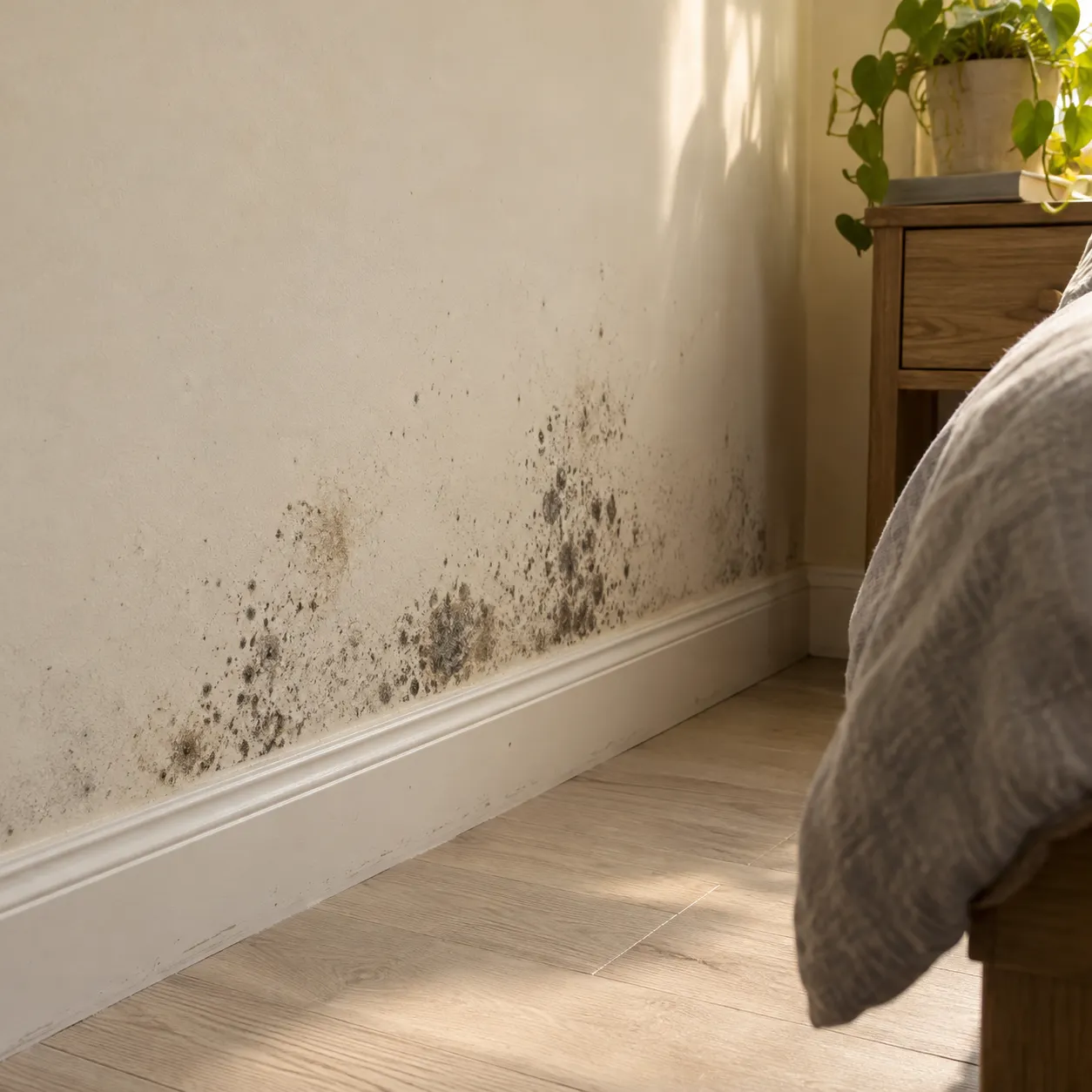
Walls and finishes
Walls can show different growth or damage across original and repaired sections.
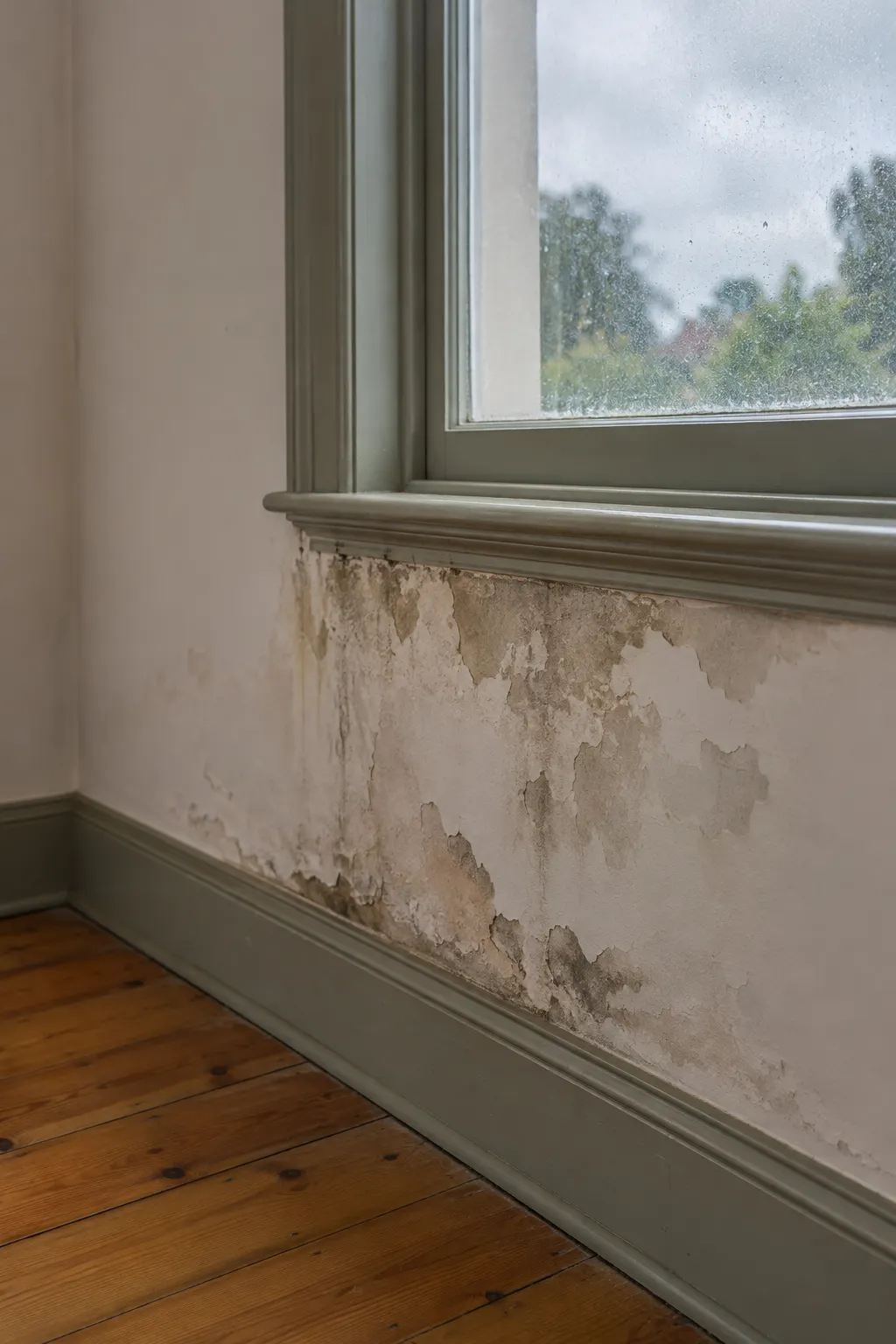
After water damage
After water damage, reinstatement may conceal parts of the original incident. Keep drying and replacement records where available rather than judge recovery solely by the present appearance of the interior.
PREVENTION STARTS WITH
Understand the history.
Then choose the finish.
A practical household check
Keep earlier repair information available for the enquiry. Do not repeatedly repaint the join to disguise a returning mark. Once the moisture issue is understood, discuss whether the existing material can be retained or whether a separate plaster repair is needed.
Observe the repaired boundary
After agreed work and any separate repairs, compare the join with adjacent accessible wall. Record renewed wetting or changes in paint before another coat is added. An old stain and continuing damp are different observations, and a decorative improvement should not blur that distinction.
ELSTERNWICK & NEARBY
Around Elsternwick
For another address close by, read Ripponlea, Gardenvale and Balaclava. Keep any plaster repair and coating dates with that property’s photographs, rather than presume a similar-looking wall has the same history.
BEFORE YOU CALL
The useful
questions.
Is repaired plaster always treated the same way as the original wall?
The condition and finish may differ across a repair. Tell us where new and older material meet and whether the surface is soft or peeling. Agree a suitable accessible scope rather than assuming one cleaning method is appropriate everywhere.
Does growth at a plaster join prove a faulty repair?
No. The position is useful to describe, but cannot establish the source by itself. Explain the original reason for repair and any continuing wetting so the assessment considers the wider wall history.
Will removal make the repair blend into the older wall?
Removal and decorative matching are separate tasks. Staining or finish differences can remain, particularly across materials of different condition. Discuss expectations and any subsequent decorating work before assuming a uniform result.
Can earlier repair photographs help?
Yes, if their dates and meaning are clear. They may show original extent, materials and access before reinstatement. Use them alongside current views so they do not replace information about the room today.
Should I scrape the repaired edge to show the layers?
Leave the surface undisturbed for the enquiry. Describe visible lifting or softness and supply photographs. Material investigation or repair should be planned appropriately rather than created by scraping a patch for a clearer image.
What helps arrange an Elsternwick enquiry?
Call 03 8652 1296 with the address, repair sequence and current room photos.
TELL US WHAT YOU CAN SEE
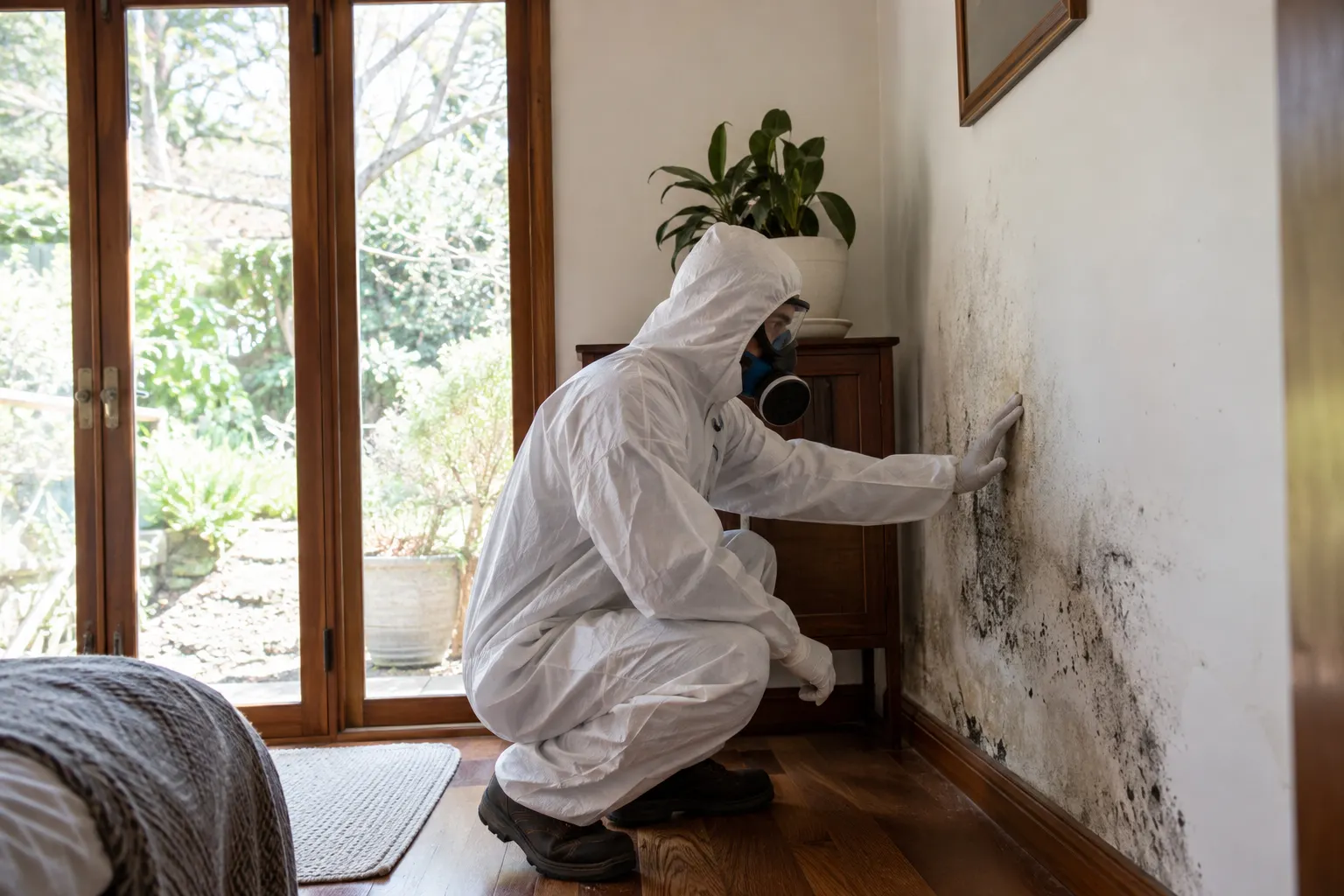
Bring the repair history with the photographs.
Discuss the visible wall, older finish and any reinstatement. A first call can clarify availability and practical scope, with material restoration, decoration and unresolved moisture understood as separate decisions.
Local context: Glen Eira — Elsternwick and Gardenvale housing context