
ROOMS · MATERIALS · MOISTURE
GARDENVALE · MELBOURNE
Mould Removal Gardenvale
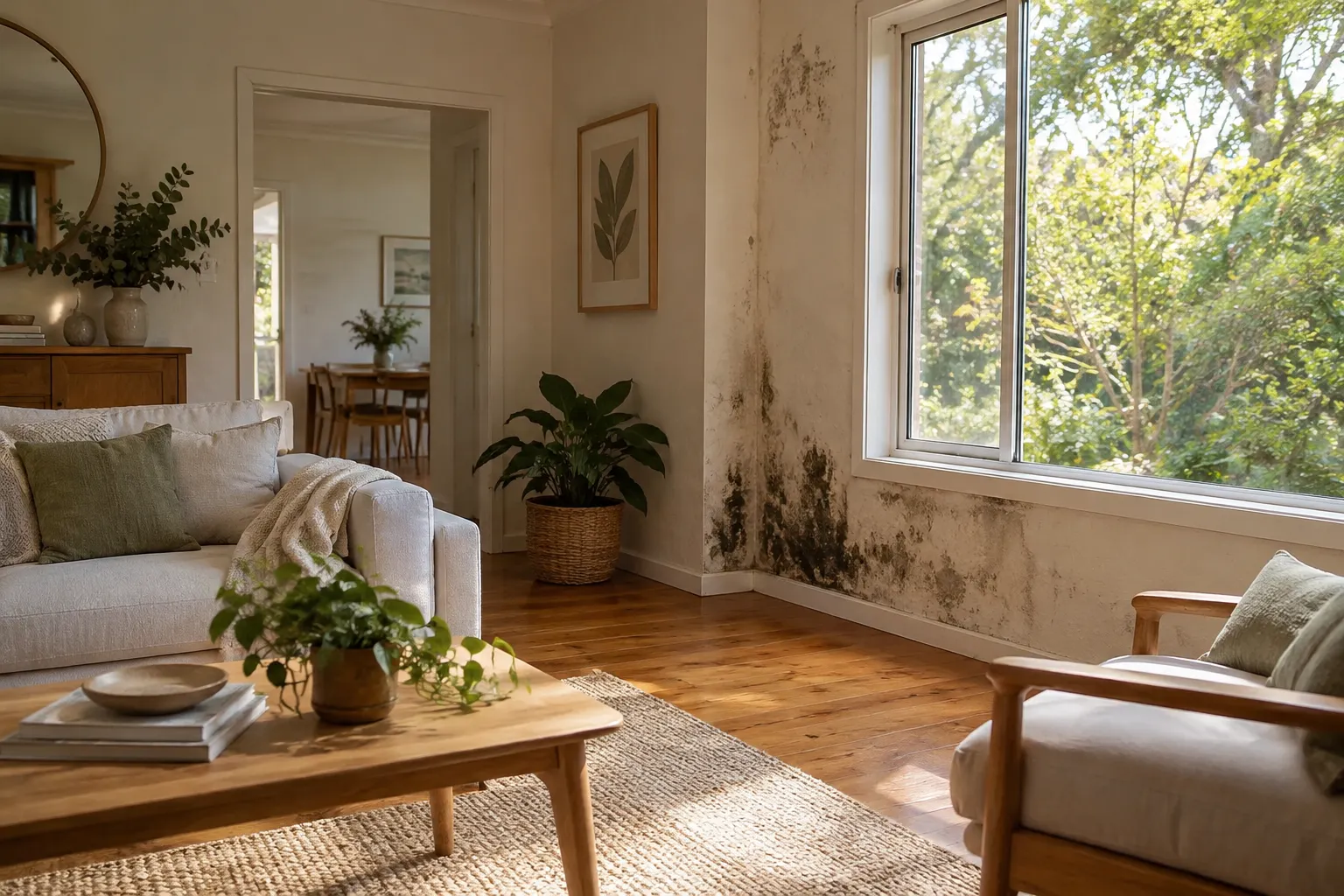
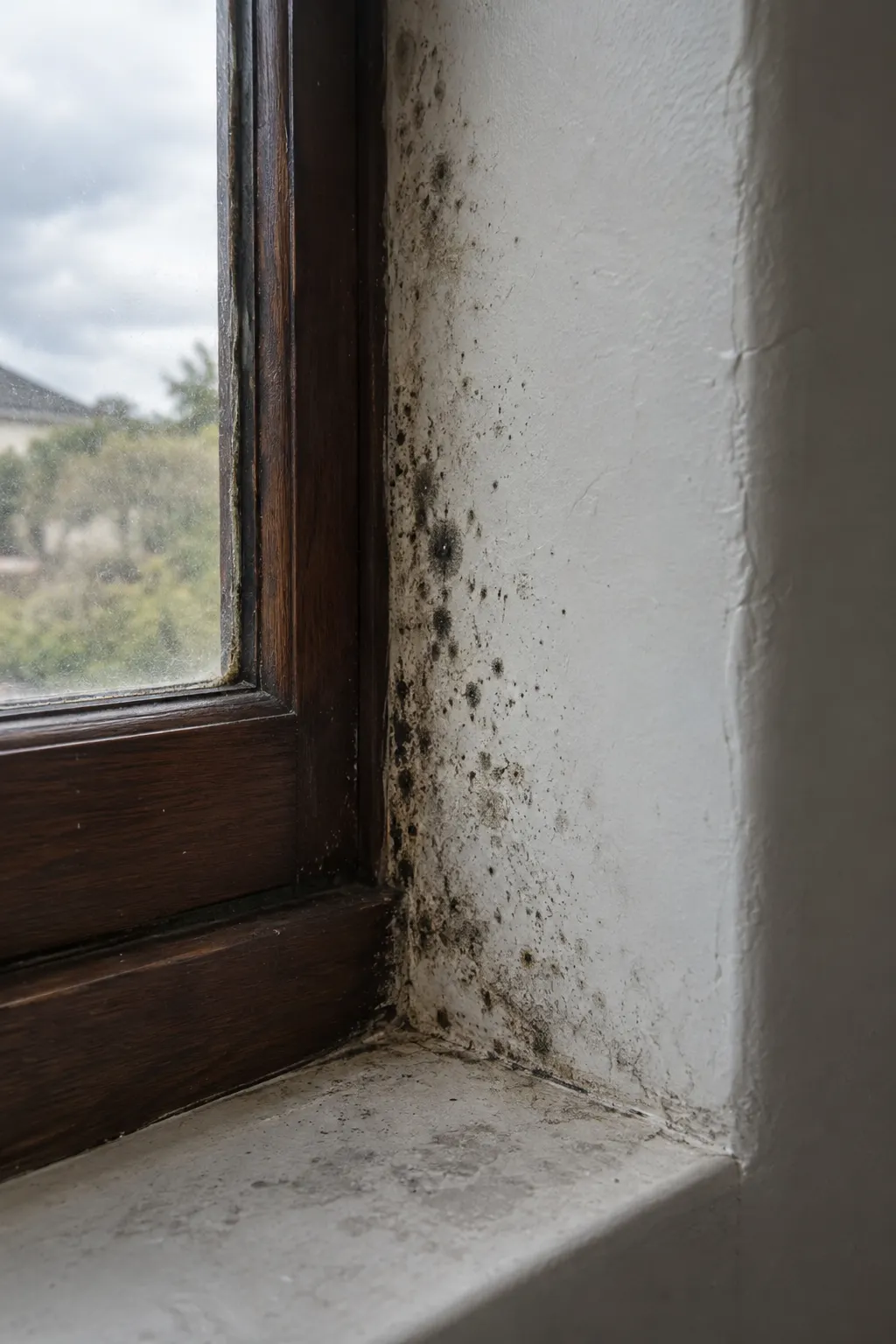
Timber trim and wall paint can respond differently to a damp corner. For a Gardenvale enquiry, identify both surfaces and any earlier repairs. Discuss the visible growth without assuming an older house needs a more aggressive clean or that its age is the moisture source.
Material condition considered
Accessible work agreed first
Moisture observations kept in view
THE ROOM TELLS A STORY
Where timber meets plaster, condition matters.
Glen Eira’s housing strategy identifies Gardenvale as an area with inter-war houses.
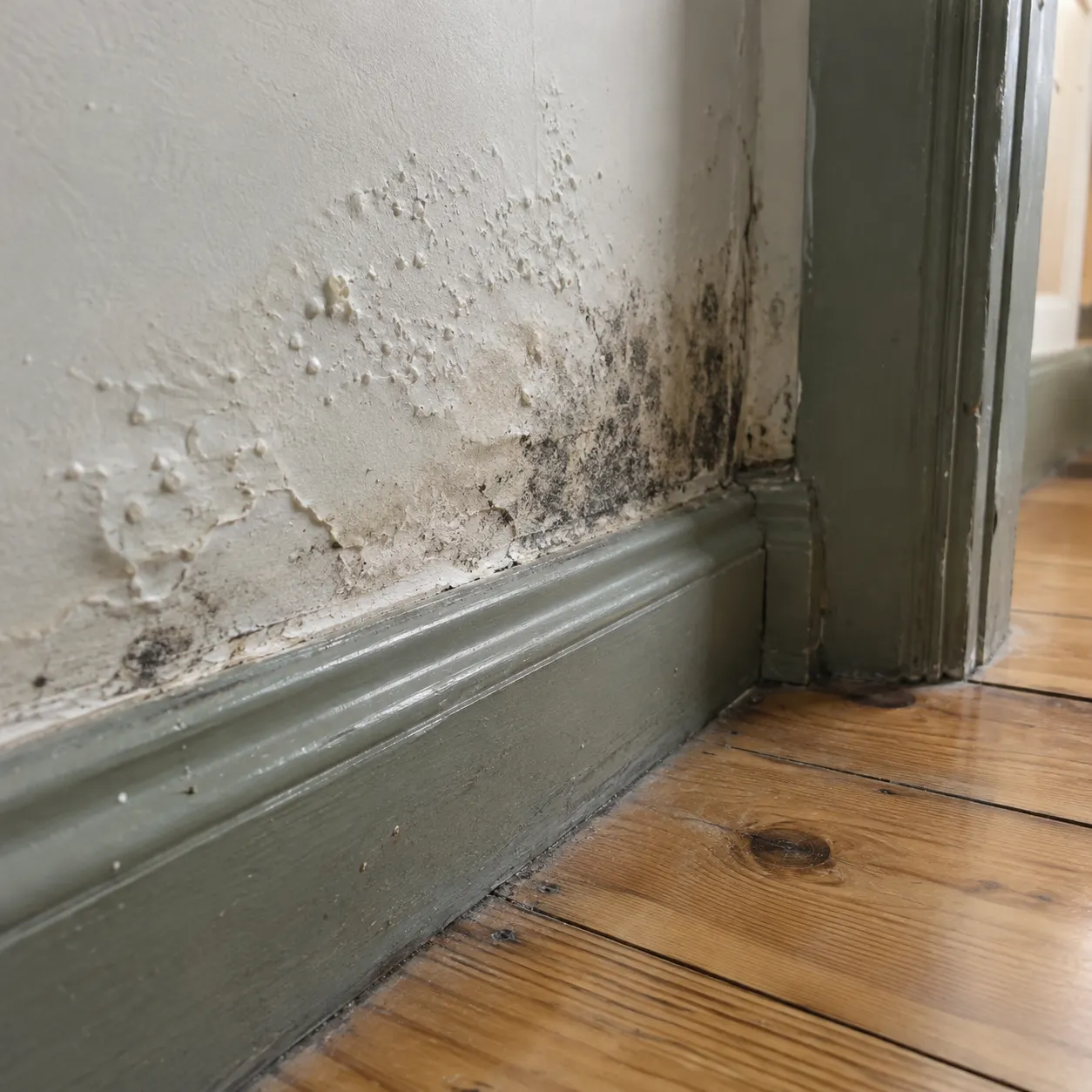
In a home with older timber trim, show whether growth is on the timber, adjacent plaster or both. Swelling and lifting paint are material clues worth mentioning. Inter-war housing is part of Gardenvale’s documented context, but construction and condition vary from one property to another.
UNDERSTANDING MOISTURE
Read each material separately.
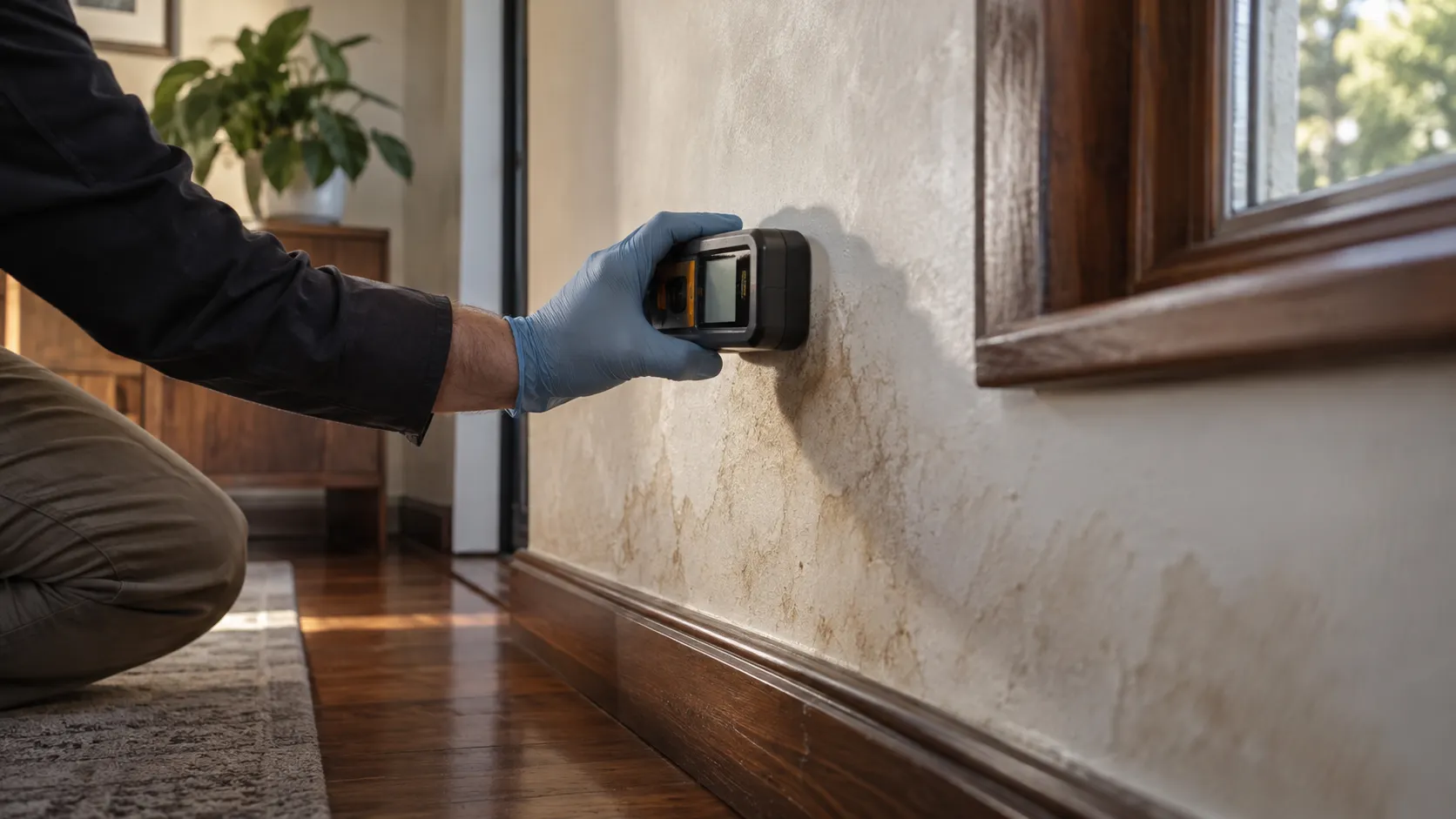
The junction
Show where the patch crosses from wall to frame or trim. Adjacent materials can differ in condition and care needs. A single close-up of colour should not turn painted timber and plaster into one interchangeable surface.
Swelling and paint damage
Mention any visible distortion or lifting paint without probing the material. Those observations can affect the suitable next step. An older appearance does not diagnose the moisture source or establish that the original finish can be restored by cleaning.
Wetting history
Describe condensation, rain changes and earlier repairs separately. A mould inspection considers accessible evidence, while concealed frame components or damaged material may need appropriate investigation beyond what can be established from room photographs.
OUR REMOVAL PROCESS
A scope for the actual material junction.
Keep the whole junction visible
A view showing the transition helps explain why materials need separate consideration. Add a closer finish image where safe, rather than removing trim to show concealed edges for the initial enquiry.
Explain previous coatings
Mention recent paint or restoration and any product already applied to the patch. The history can clarify the present finish without assuming a newer coating resolved the earlier wetting or changed the underlying material condition.
Clarify restoration boundaries
Timber repair and decorative work are not automatically included in removal. Describe the desired result and visible damage so the agreed appointment distinguishes accessible growth from separate restoration expectations.
01
Name the surfaces
Provide wider views of the wall and trim, identifying growth and damage separately. Explain the visible extent and any fragile finish. An agreed removal scope should follow material condition rather than assume one method suits both timber and plaster.
02
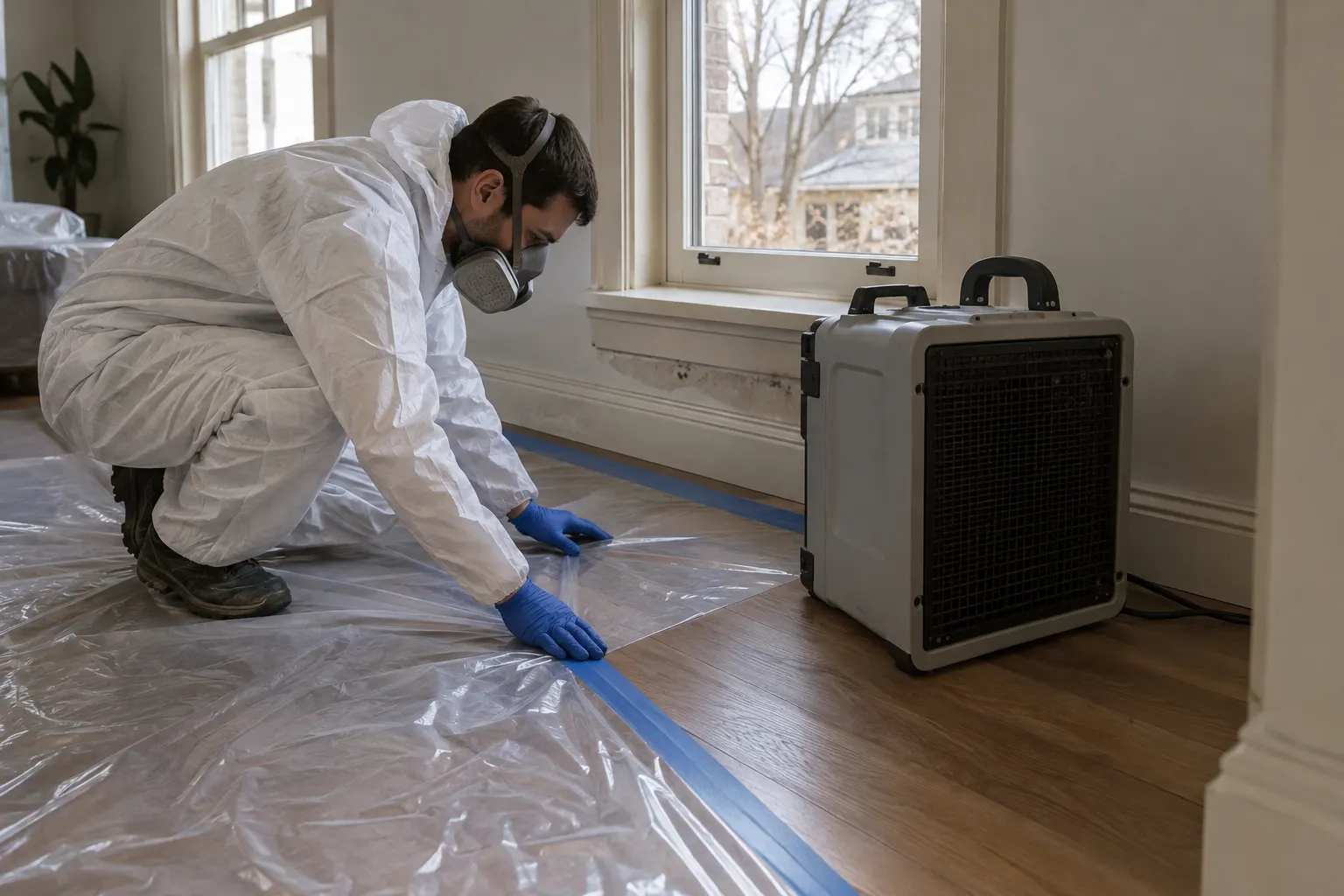
Agree careful preparation
Discuss nearby belongings, delicate edges and working access before the appointment. Leave swelling or lifting paint undisturbed until the plan is clear. Equipment and protection should suit the task, with occupants’ concerns and separate material-repair needs raised before work.
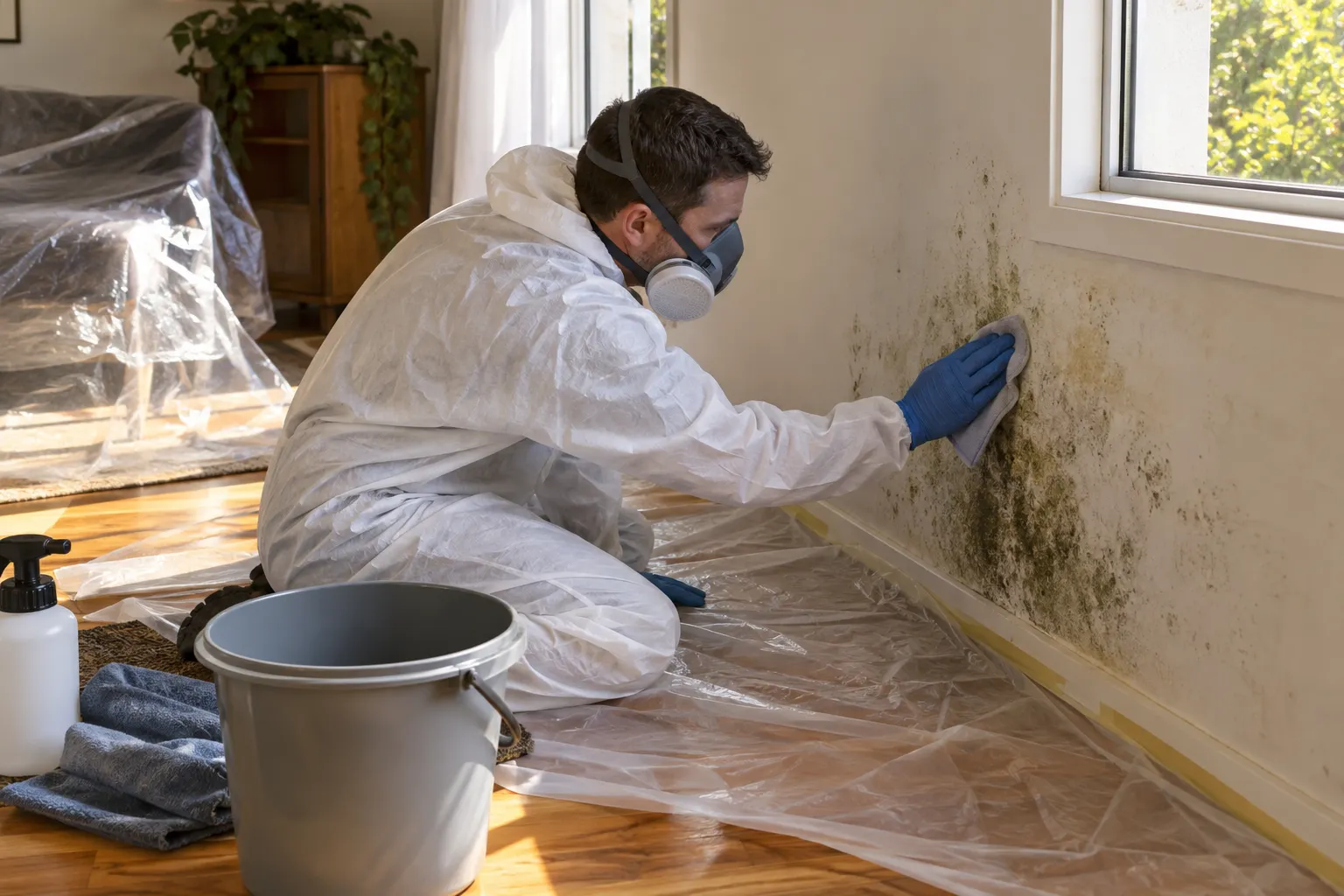
03
Review what can be retained
Consider staining, damaged finishes and continuing moisture after accessible removal. Remediation decisions connect those questions without promising restoration of distorted timber or weakened plaster. Some material attention may remain a separate task for an appropriate trade.
COMMON AREAS AFFECTED
A home contains more than one finish.
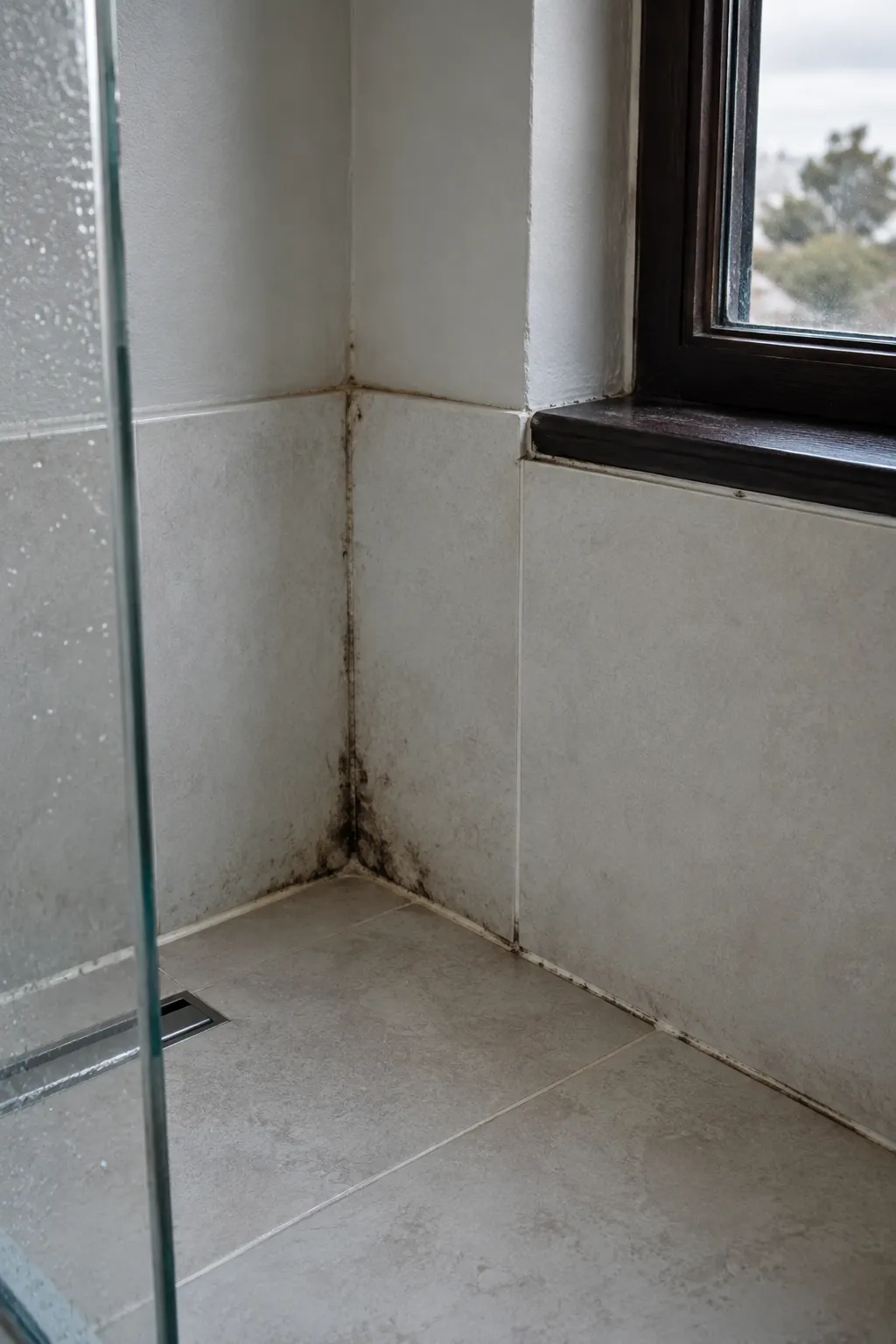
Bathroom surfaces
Bathroom growth may affect joints as well as timber or painted walls.
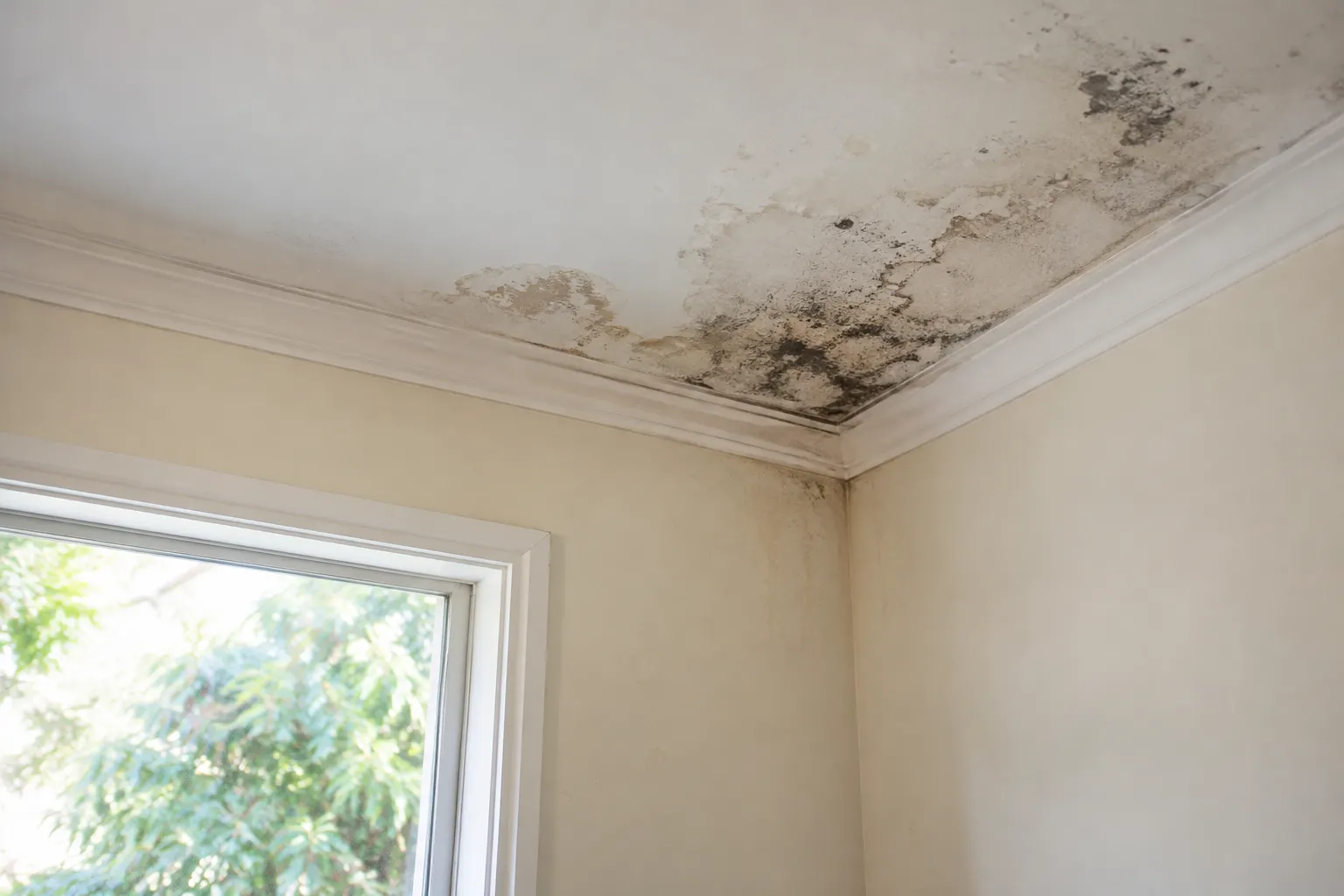
Ceiling condition
Ceiling edges near trim need their own leak and material history. Report lifting paint or questionable lining from a safe floor position without pressing on the surface to demonstrate damage.
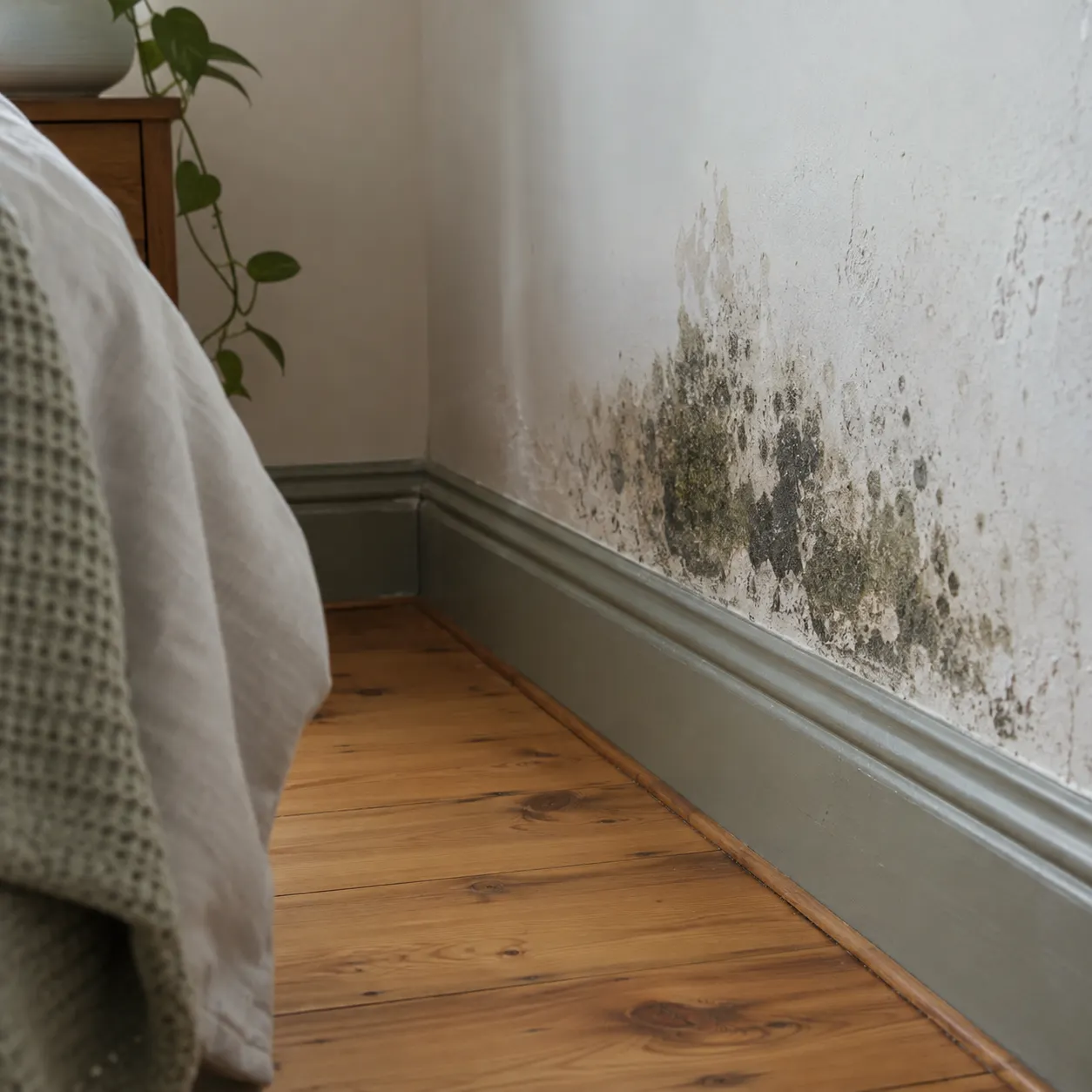
Walls and finishes
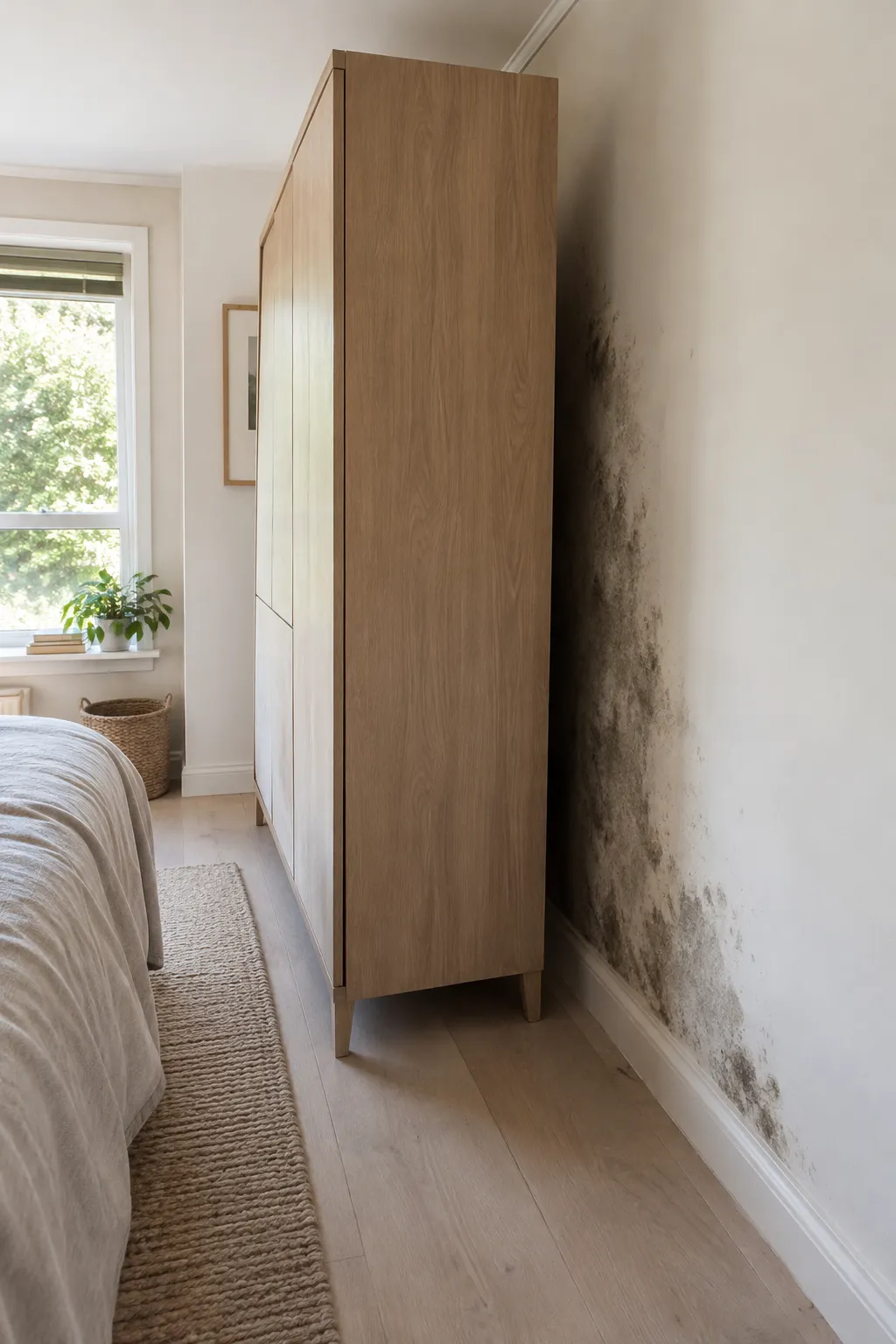
An affected wall–frame junction can include fragile paint and swollen timber. Distinguish those conditions from visible growth so the method and any separate repair decision are realistic.
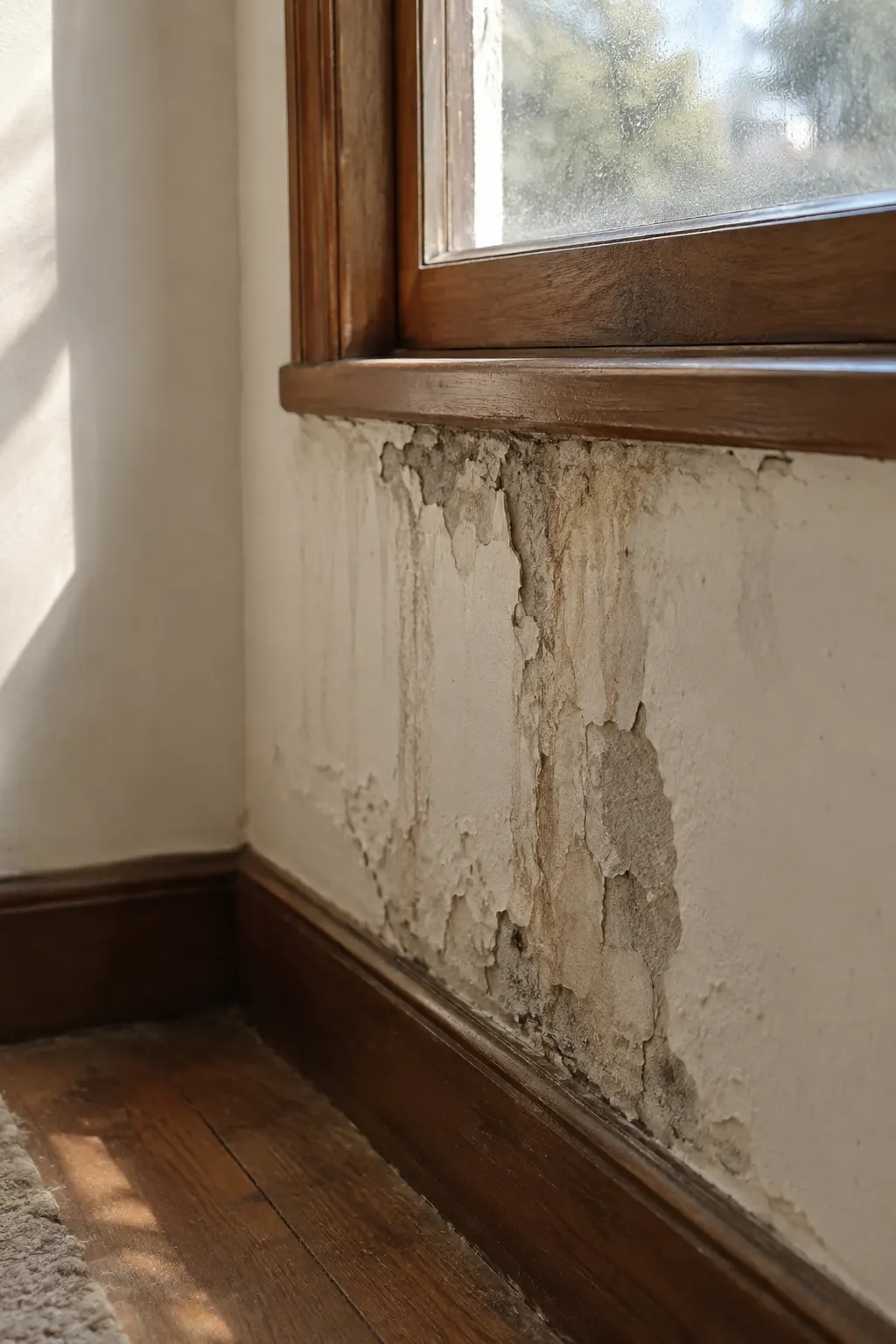
After water damage
Following water entry, a freshly painted interior may conceal affected materials. Keep the wetting and drying sequence available rather than assume an improved surface colour establishes full recovery.
PREVENTION STARTS WITH
Care for the junction.
Keep the source in view.
A practical household check
Watch material junctions after damp weather or ordinary indoor condensation. If timber swells or paint repeatedly lifts, report the change before another decorative coat is applied. Improving appearance should follow the moisture and material decisions.
Look for material changes
After the agreed work, notice whether paint lifts again or timber changes shape alongside renewed damp. Describe those changes before another coating is applied. Material condition and moisture source belong in the review, rather than judging the result only by how uniform the colour looks.
GARDENVALE & NEARBY
Around Gardenvale
The surrounding-area links lead to Elsternwick, Brighton and Elwood. If the concern crosses another timber–plaster junction, identify its actual finish and damage before borrowing expectations from this example.
BEFORE YOU CALL
The useful
questions.
What if mould crosses from plaster onto a timber frame?
Identify the two materials separately during the enquiry. Timber swelling or a fragile paint finish may affect the method and remaining appearance. A suitable scope should account for those differences, with damaged material considered for repair rather than promised a cosmetic result.
Does Gardenvale’s older housing context describe every property?
No. Construction and finishes vary. The enquiry should identify the actual materials and condition at your address, rather than apply one method or diagnosis to every house based on neighbourhood context.
Can removal restore swollen timber?
Cleaning accessible growth does not restore the shape or condition of damaged timber.
Should I remove the trim to expose the wall?
Discuss access first and leave fixed components intact for the initial enquiry.
What if the paint was recently renewed?
Explain the coating date and earlier damp history. A new finish can change appearance without proving that the underlying material or source was addressed. Current and earlier photos can both be useful if clearly labelled.
How do I arrange a Gardenvale enquiry?
Call 03 8652 1296 with the address, junction photos and visible material damage. Discuss availability, delicate finishes and any separate repair or access requirement before the accessible scope is agreed.
TELL US WHAT YOU CAN SEE
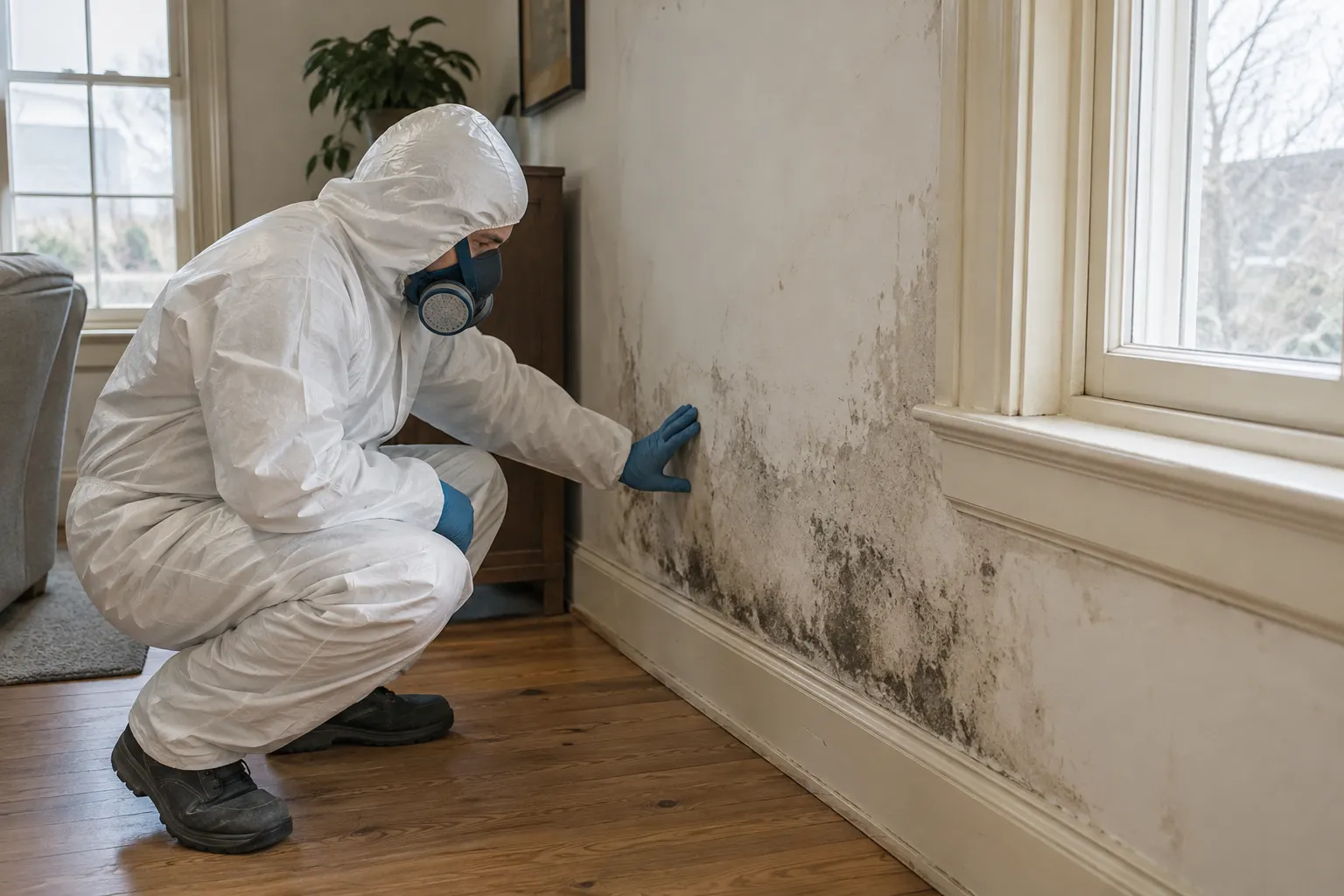
Describe both sides of the junction.
Call with the wall, timber and wetting observations. Discuss address availability and appropriate preparation, with damaged materials, concealed frame areas and decorative restoration kept distinct from the agreed removal work.
Local context: Glen Eira — Elsternwick and Gardenvale housing context