
ROOMS · MATERIALS · MOISTURE
ELWOOD · MELBOURNE
Mould Removal Elwood
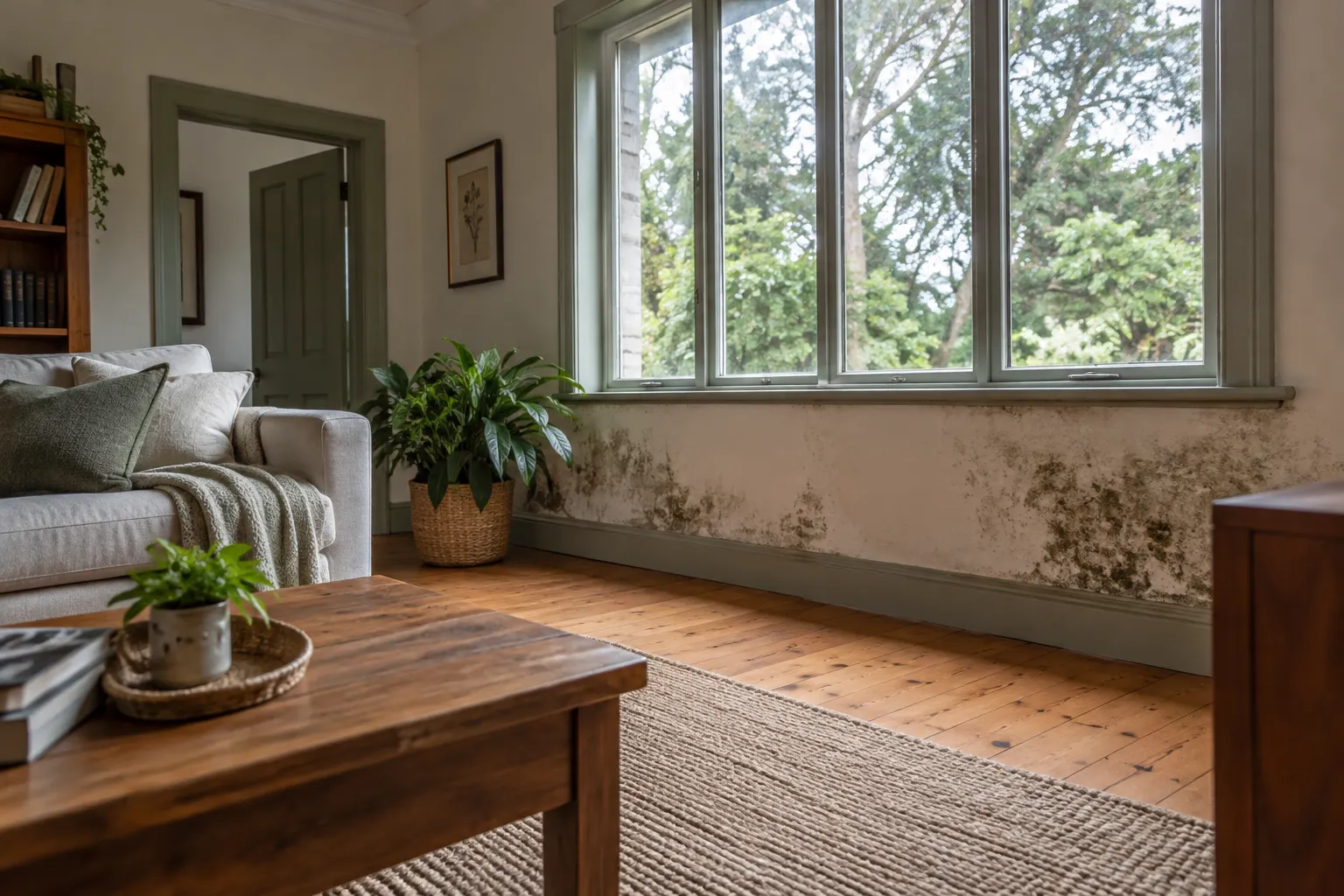
A room can face the bay and still have an indoor moisture problem unrelated to its location. For an Elwood mould enquiry, describe condensation, leaks and the affected finish rather than assuming coastal air explains everything. Useful evidence comes from the room’s actual behaviour.
Material condition considered
Accessible work agreed first
Moisture observations kept in view
THE ROOM TELLS A STORY
Look at the door, not just the postcode.
Elwood properties are included in Port Phillip’s heritage-review area.
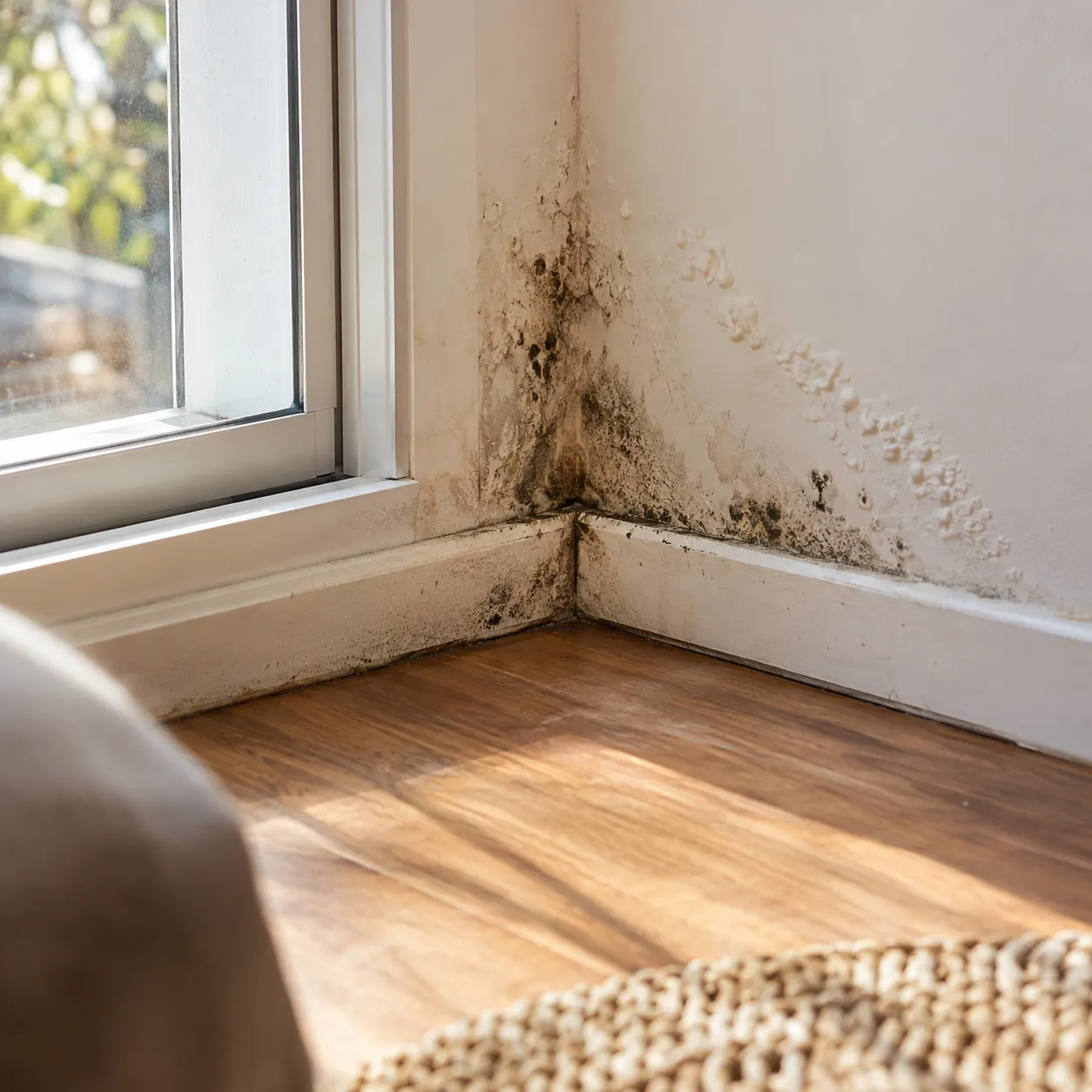
If the patch is beside balcony glazing, show the threshold, frame and adjoining wall without removing seals. Note whether marks follow rain or ordinary indoor use. Those patterns can point to different investigations; an exterior position alone does not establish water entry.
UNDERSTANDING MOISTURE
Timing separates useful observations.
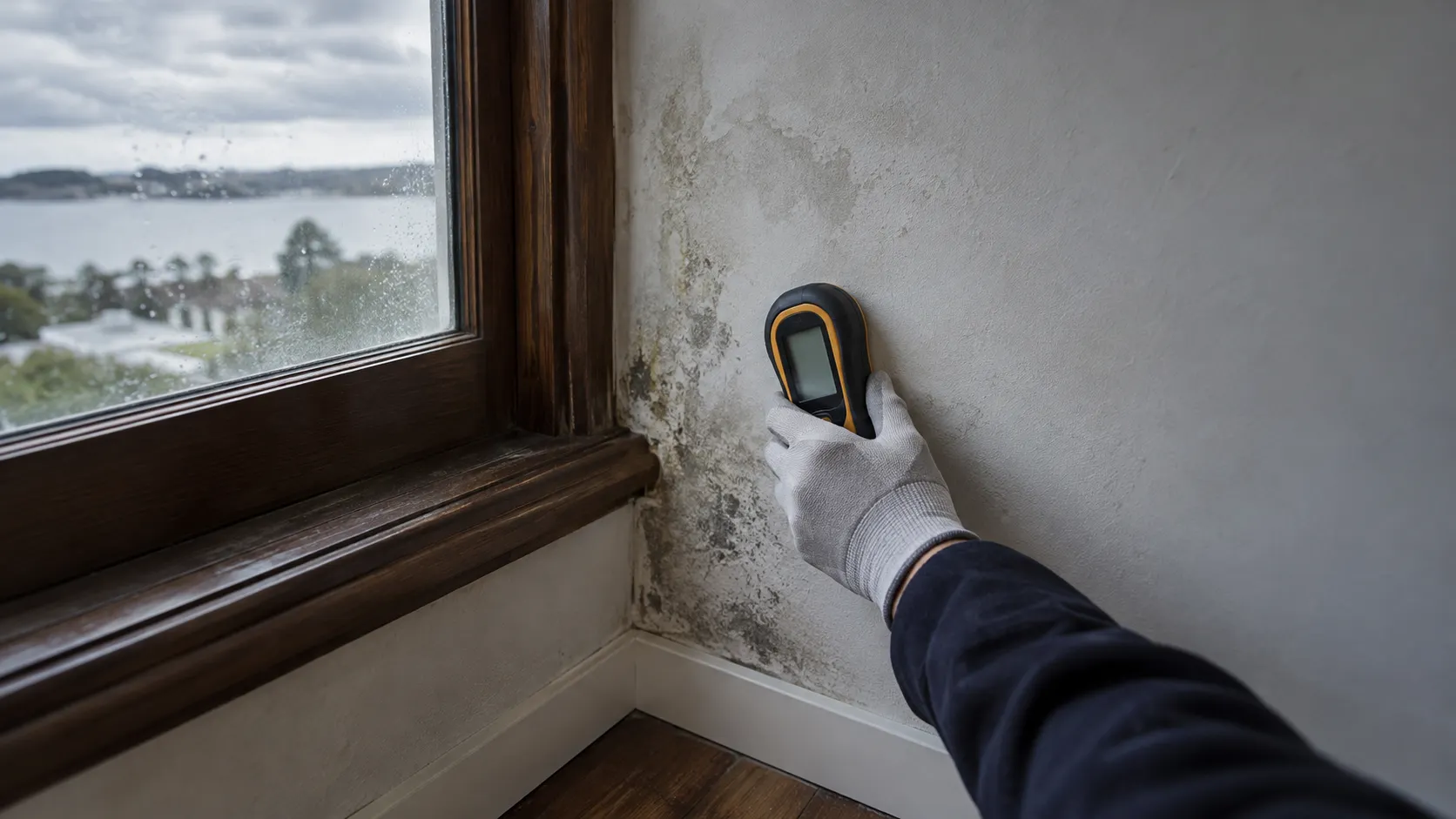
Indoor condensation
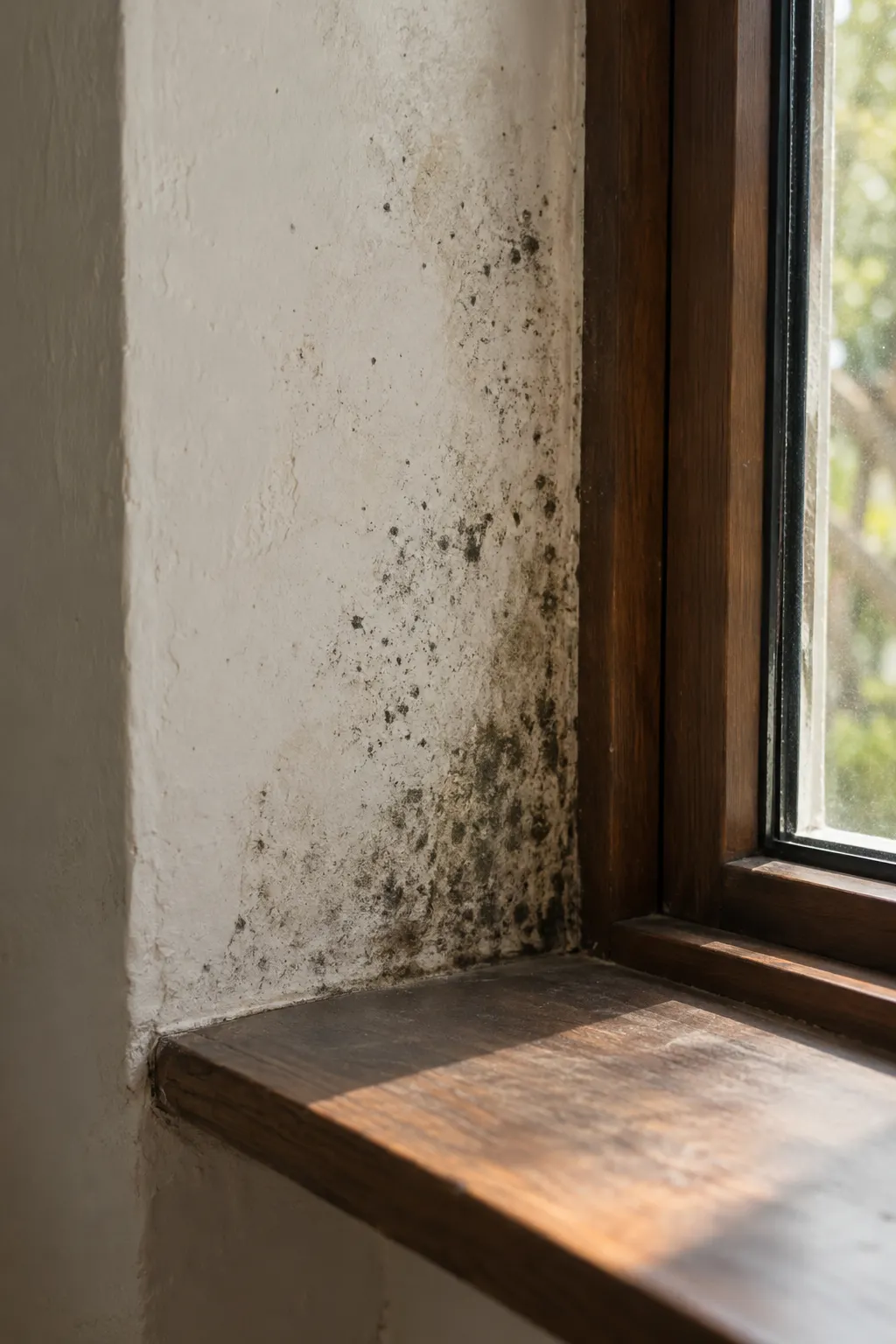
Record droplets on the glazing and whether adjoining finishes dry later. The amount and timing can help describe the room. Coastal location should not replace observations about the actual glass, curtains and wall surface.
Rainwater evidence
Describe water appearing during rain separately from ordinary condensation. Include the threshold and wall relationship in a wider image. Do not remove seals or tracks to investigate a pathway that may need suitable building assistance.
Material condition
Mention swollen trim, lifting paint and damp flooring near the doorway. A mould inspection considers accessible evidence while keeping concealed door components and exterior water entry outside a conclusion based only on room appearance.
OUR REMOVAL PROCESS
A careful scope beside exterior glazing.
Keep timing distinct
Label images taken after rain separately from those showing morning condensation. Their relationship may help another professional assess the door, without a removal enquiry deciding the concealed pathway from a photograph alone.
Explain previous door work
Mention seal replacement or other repairs and what changed afterwards. A recent repair is useful history, not proof that all adjoining surfaces are dry or that no separate source remains.
Describe affected floor edges
Water near a doorway can involve flooring as well as paint. State what became wet and what can be seen so material decisions do not stop automatically at the darkest wall patch.
01
Describe the whole opening
Send a room view showing the door, threshold and affected wall. Explain timing, approximate extent and known repairs. The surface-removal scope should recognise each material instead of assuming every mark near glass is ordinary condensation.
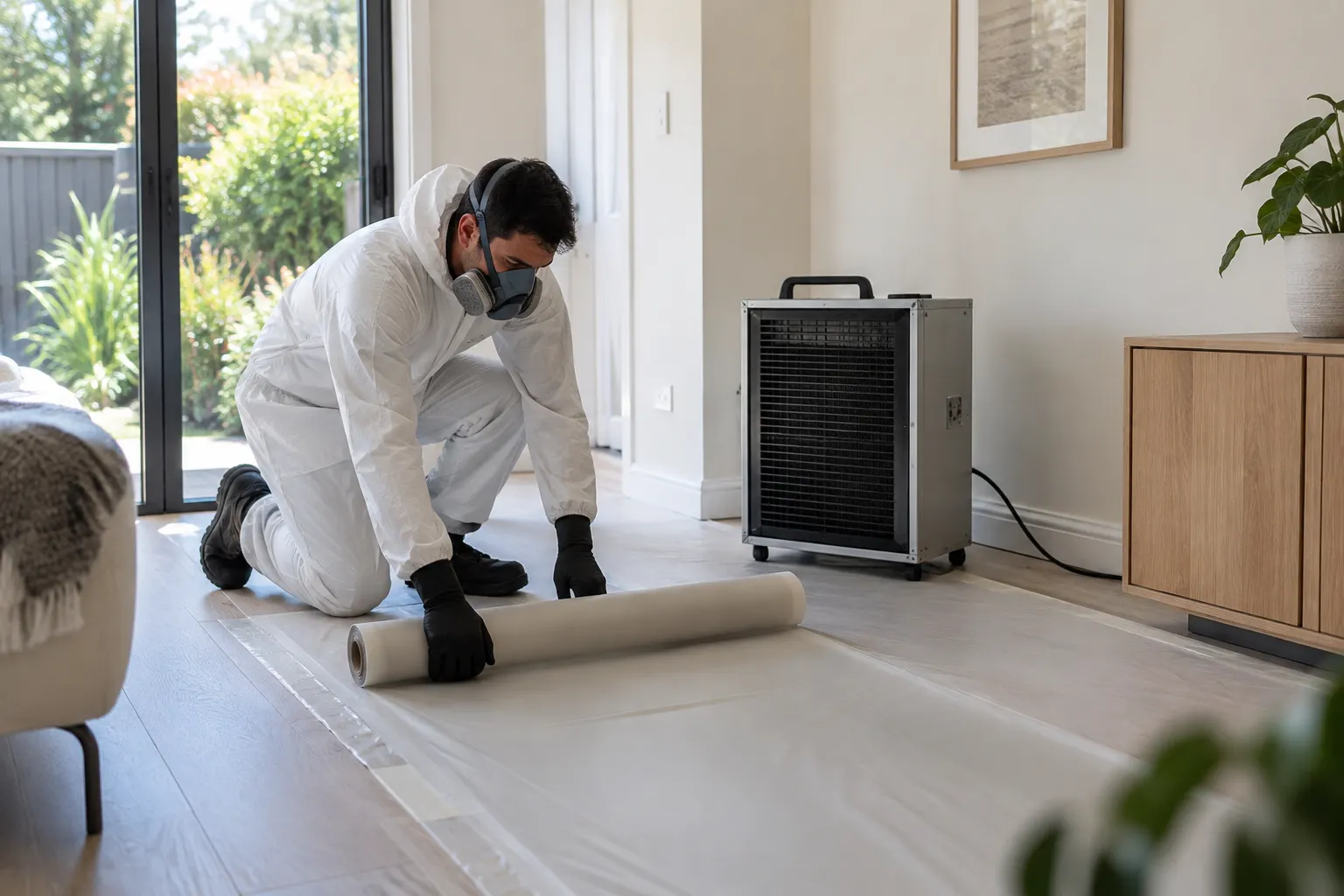
02
Prepare without dismantling
Discuss curtains, furniture and practical access before work. Leave fixed door components intact unless separate assistance is arranged. Protection and equipment should suit the agreed room surfaces, with fragile finishes and occupants’ concerns mentioned during the enquiry.
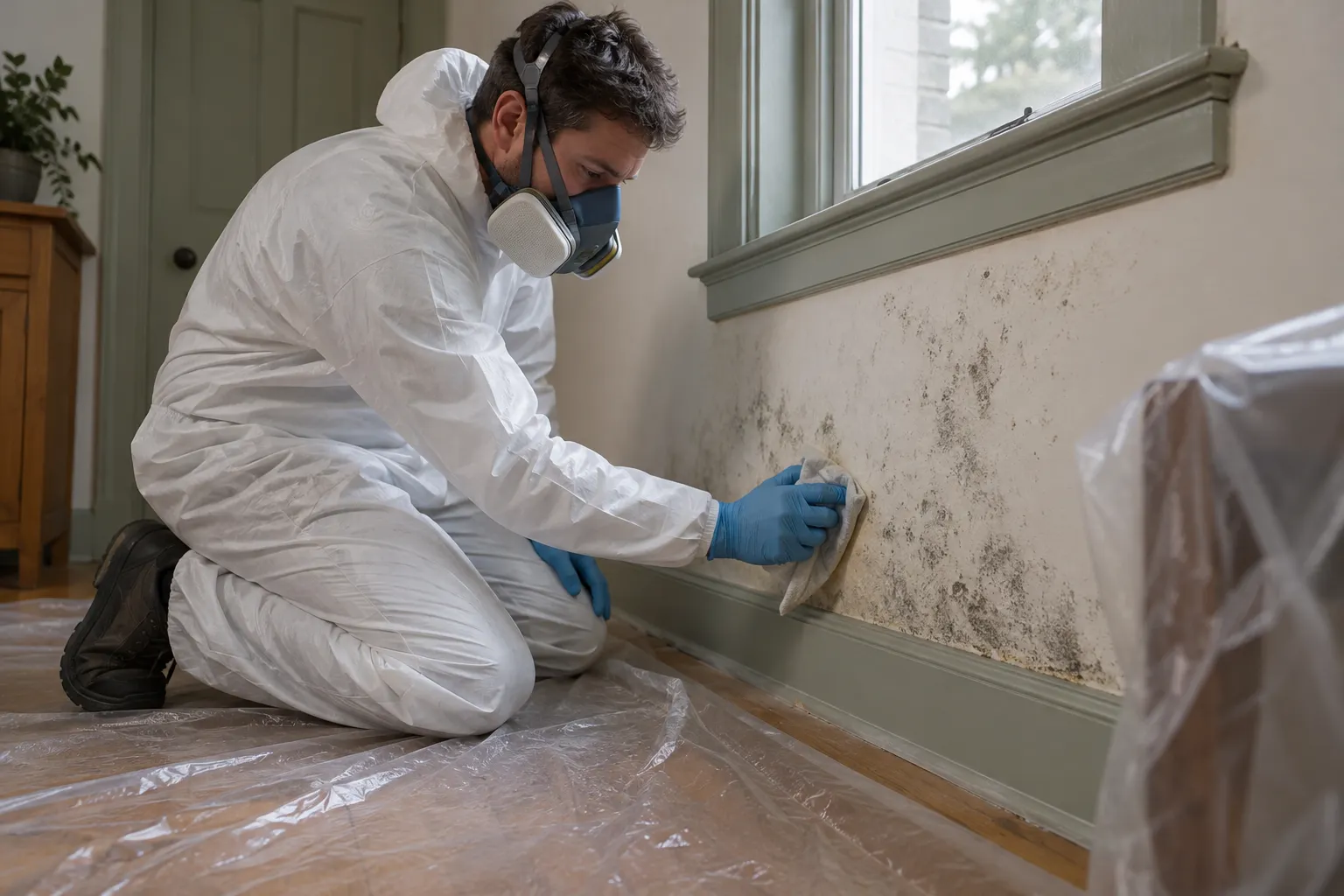
03
Review more than colour
Consider remaining stains, damaged trim and any renewed wetting after accessible removal. Remediation planning connects these issues with the moisture source. Cleaning adjoining paint does not repair a door seal or certify that an exterior opening is watertight.
COMMON AREAS AFFECTED
Exterior edges meet interior finishes.
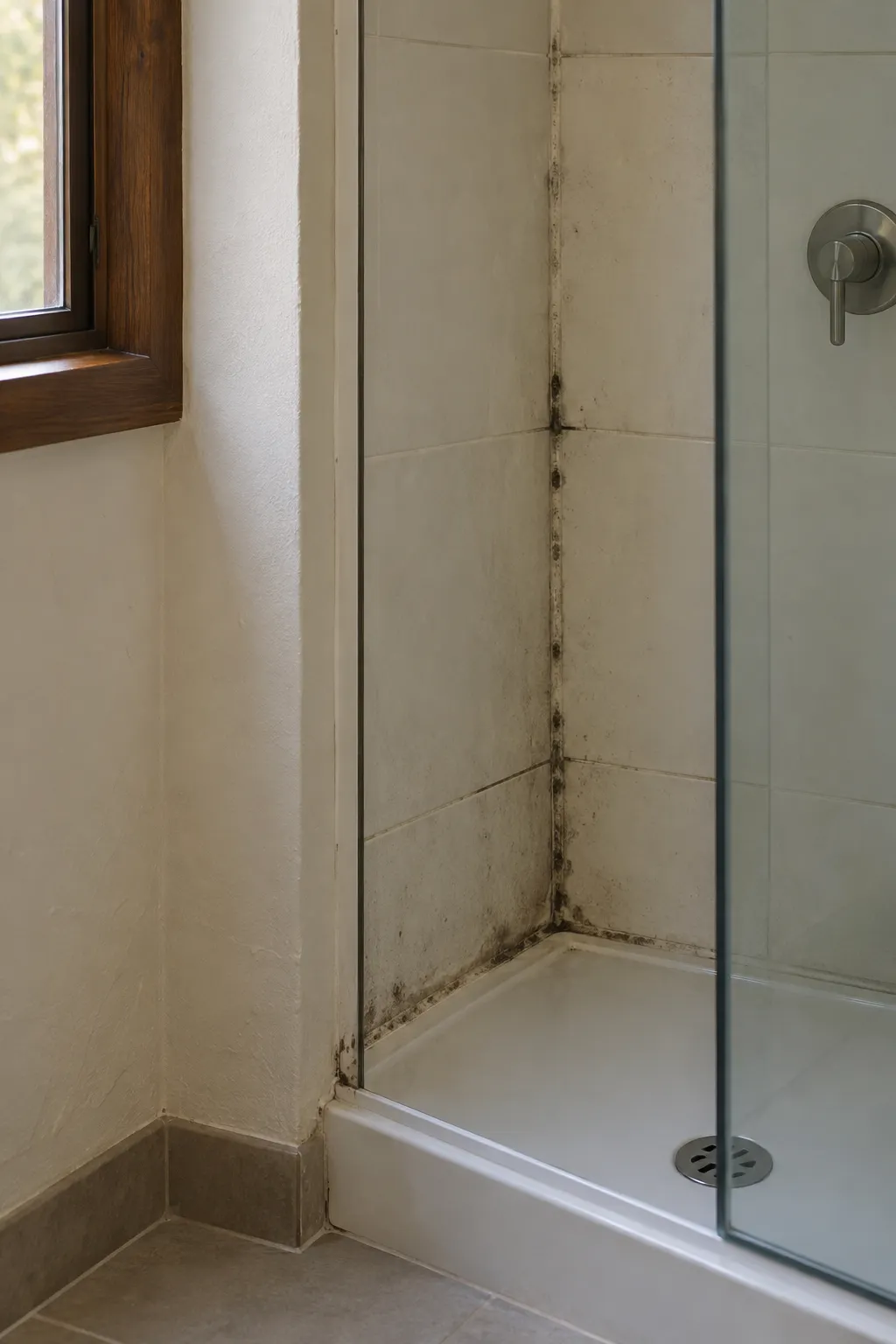
Bathroom surfaces
Bathroom joints may have a different moisture pattern from a balcony doorway.
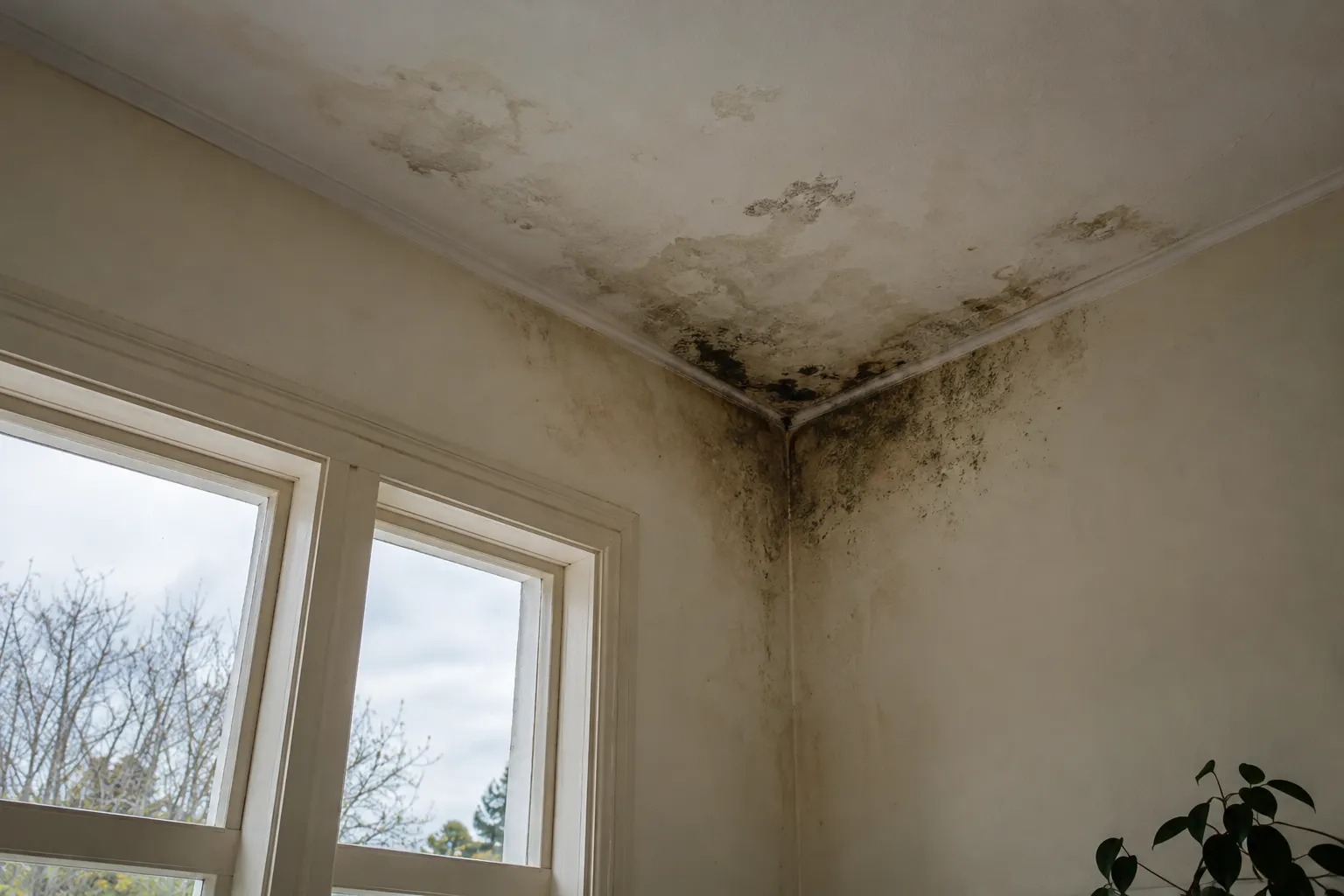
Ceiling condition
A ceiling patch near the glazing needs its own rain and repair history.
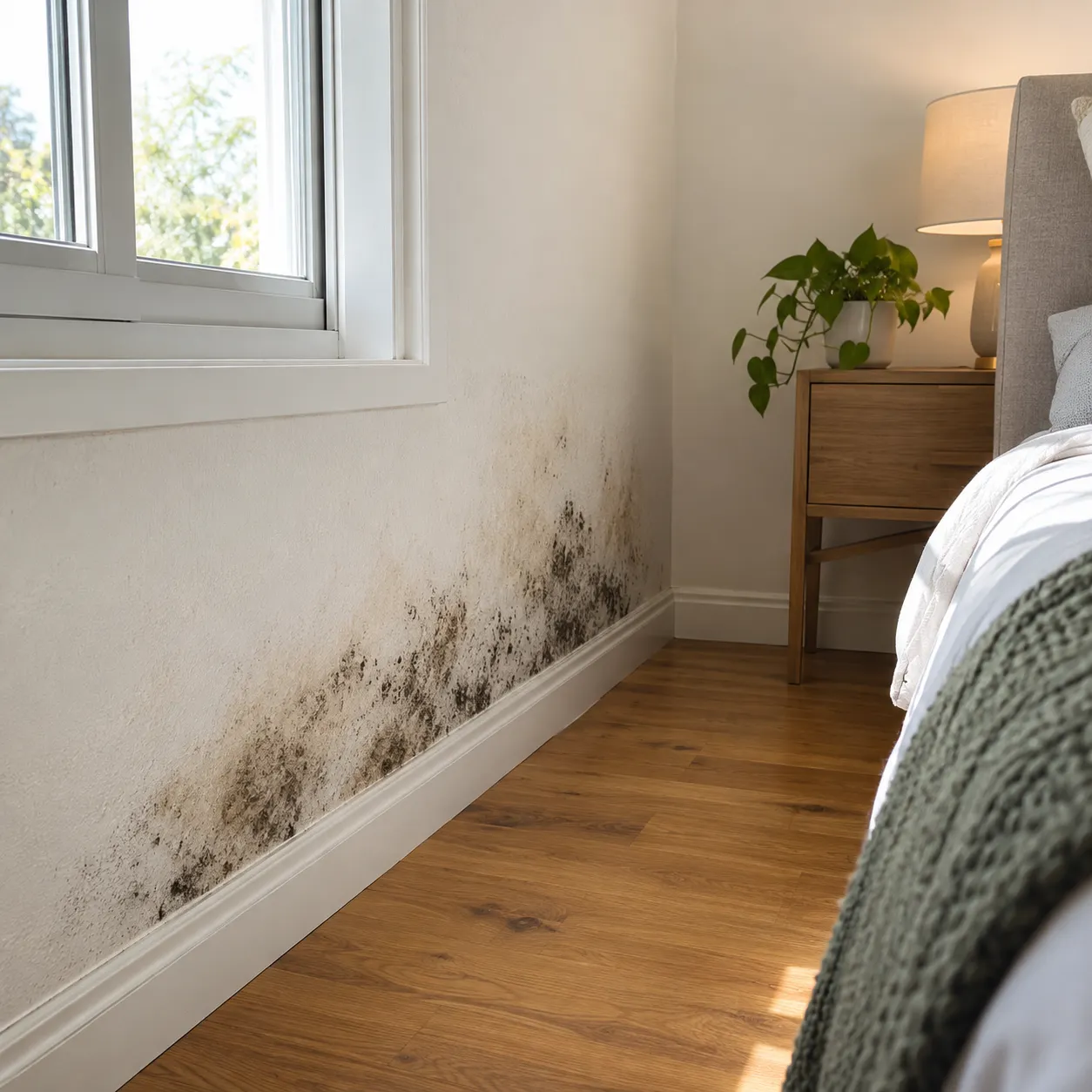
Walls and finishes
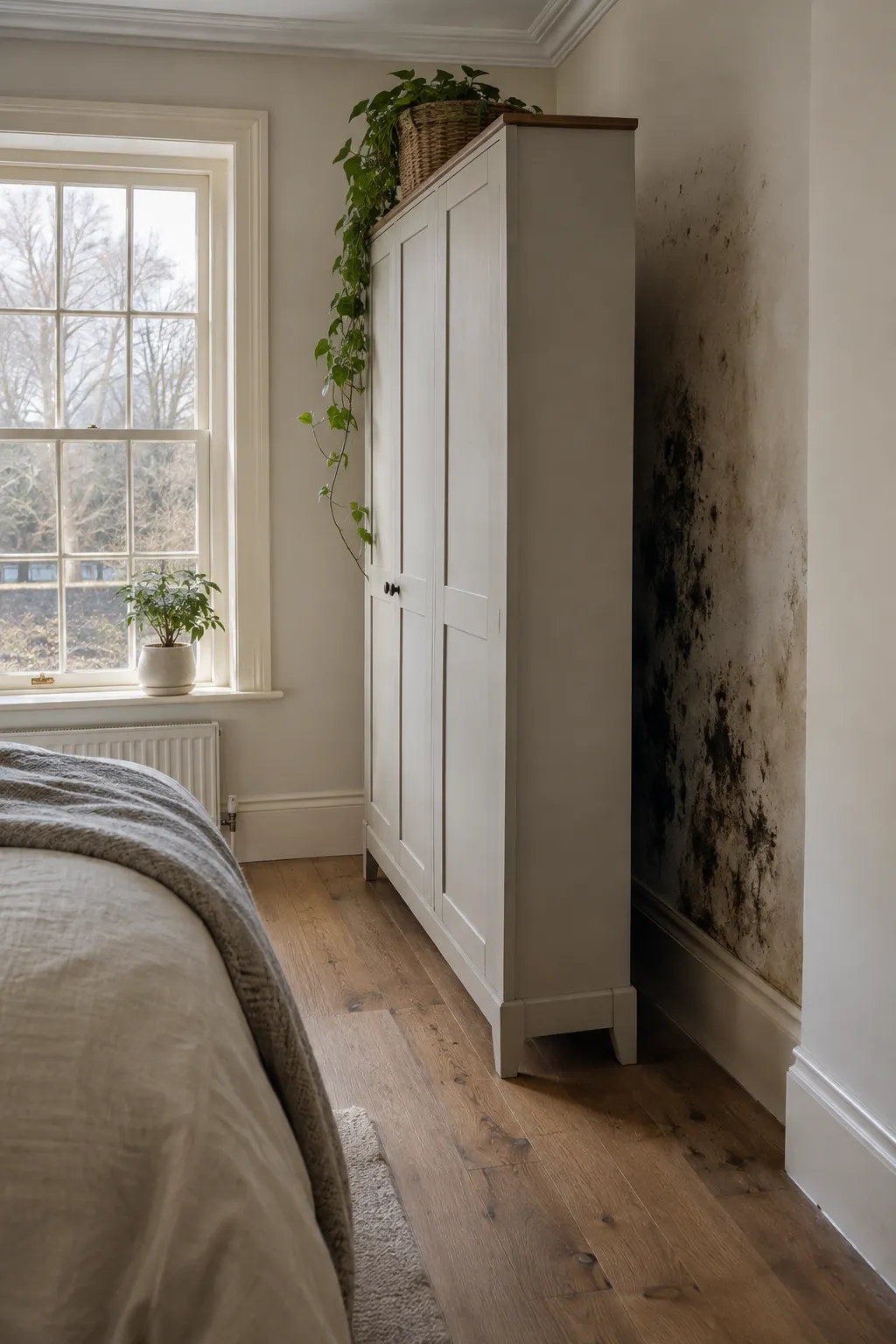
Walls adjoining exterior doors can combine plaster, trim and seals. Identify the affected finishes and access rather than treating the entire opening as one interchangeable cleaning surface.
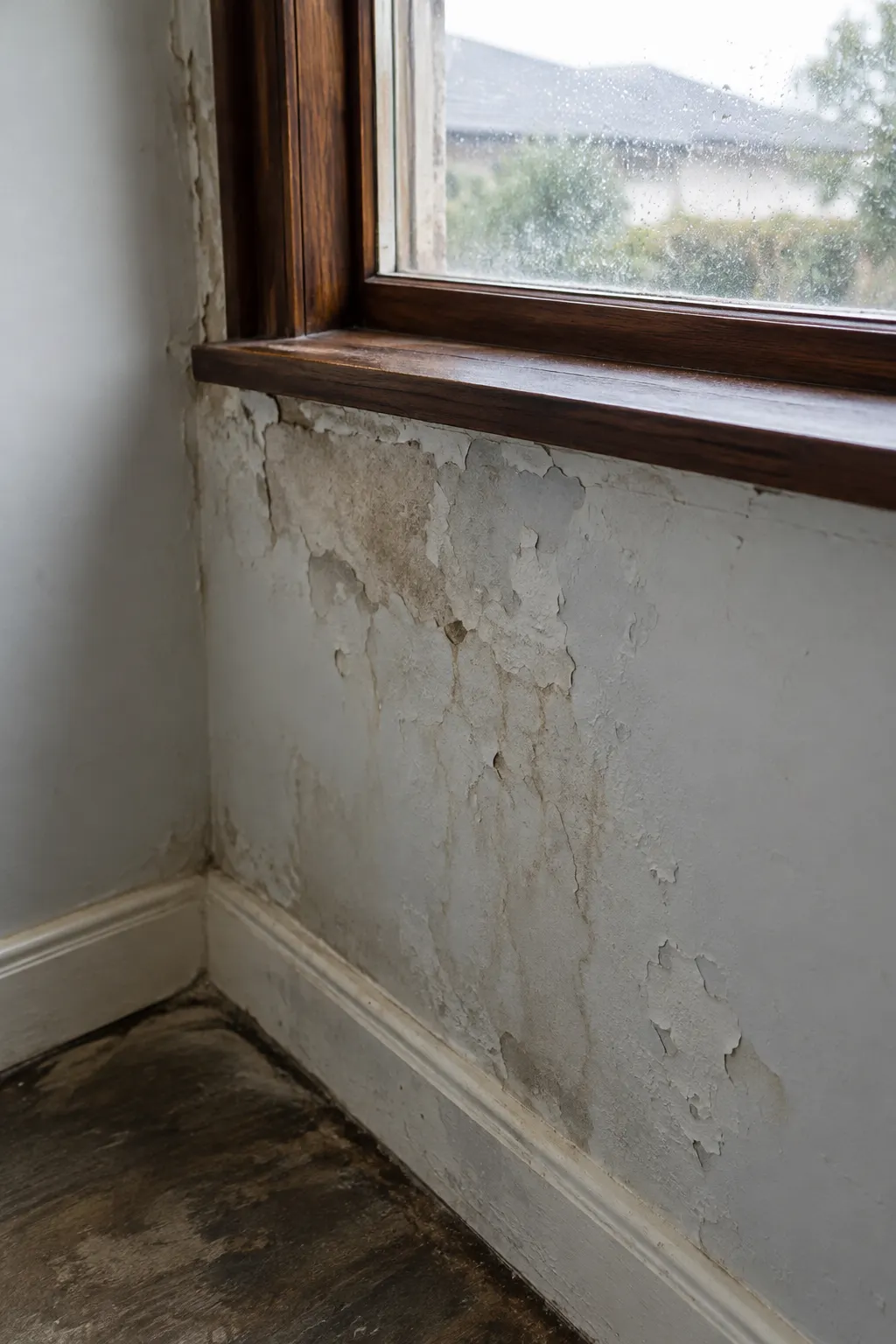
After water damage
After incoming water, adjoining floor coverings or closed linings may need review beyond visible growth. Record the incident and drying work so surface appearance is not mistaken for complete material recovery.
PREVENTION STARTS WITH
Watch the timing.
Keep the pathway clear.
A practical household check
Dry ordinary condensation near glass and keep the adjoining finish under review. If water appears during rain, document that distinction and involve the appropriate building trade. Repeatedly wiping a wall should not replace investigation of an external door defect.
Check after separate repairs
Observe the accessible doorway area following any building work and subsequent ordinary weather. Distinguish an old stain from new wetting. If damp continues independently of condensation, discuss further investigation before concealing the evidence with paint, curtains or another decorative finish.
ELWOOD & NEARBY
Around Elwood
The next local pages include St Kilda, Ripponlea and Brighton. Each doorway enquiry needs its own condensation and rainfall observations; a nearby location alone does not describe the water pathway.
BEFORE YOU CALL
The useful
questions.
Does being near the bay explain mould around a balcony door?
Location alone is not a diagnosis. Condensation, a seal defect or another moisture pathway may affect the room. Describe the timing and visible water so the accessible evidence can be considered rather than attributing the patch to coastal conditions.
Should I remove a door seal to check behind it?
Leave fixed components intact for the enquiry. Describe visible water and send wider photos. Concealed investigation or seal work should be arranged with appropriate permission and assistance rather than used as casual preparation.
Can condensation and water entry occur at the same opening?
Yes. Keep their timing and visible observations separate. One plausible explanation should not dismiss another before the relevant room and building evidence has been considered.
Will removal make the exterior door watertight?
No. Accessible growth removal and building repairs are different tasks. Mention any suspected water entry before arranging work so the useful timing and scope can be discussed alongside appropriate door investigation.
What if the adjoining trim is swollen?
Explain the damage as well as visible growth. Swelling may require material repair or replacement outside removal, and an improved colour does not restore the shape or condition of the trim.
How do I enquire for an Elwood address?
Call 03 8652 1296 with the address, doorway photos and timing of wetting. Discuss availability, preparation and any separate exterior repair or material decision before accessible work is agreed.
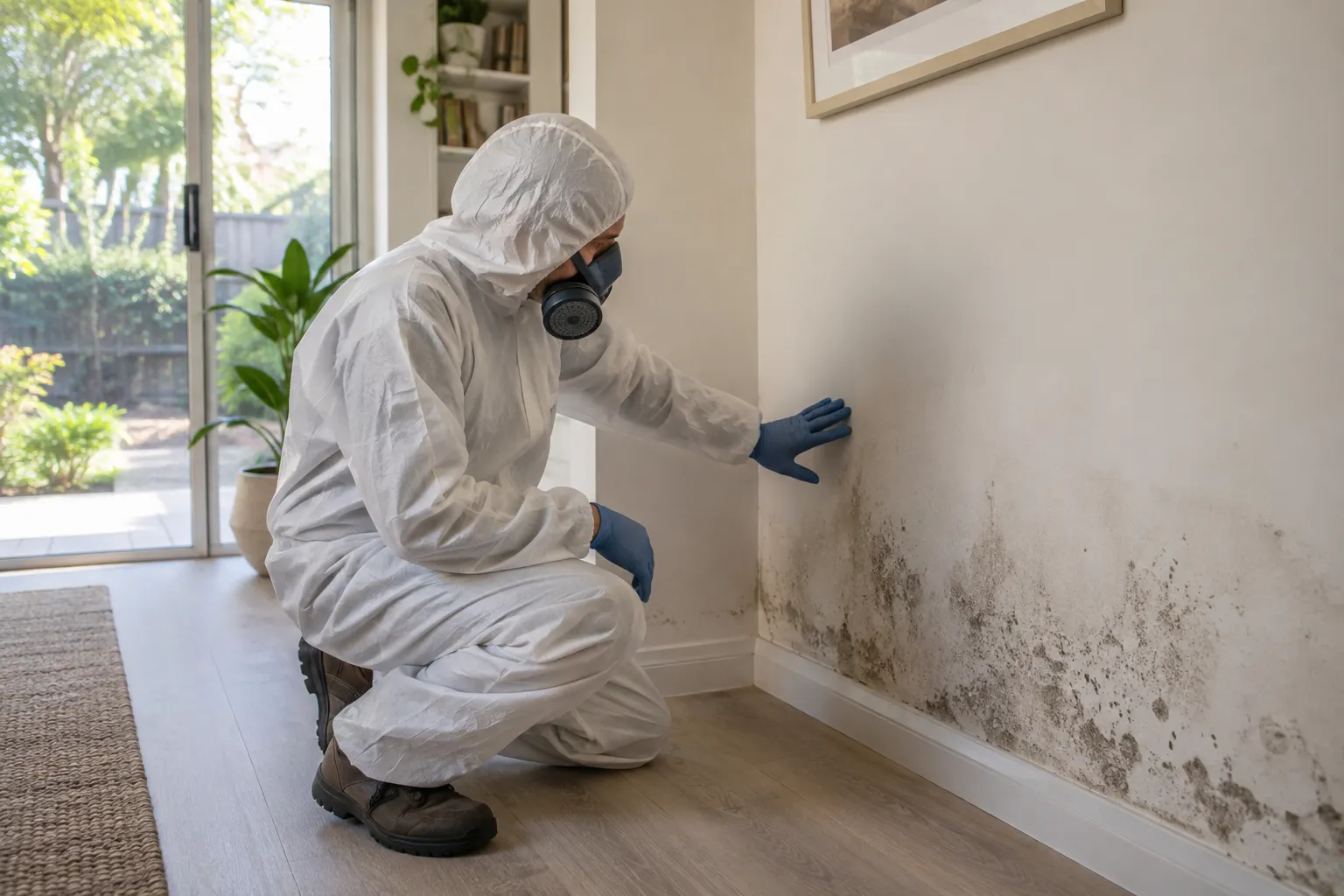
TELL US WHAT YOU CAN SEE
Describe the opening and its wetting pattern.
Call with the wall, glazing and threshold observations. Discuss address availability and practical access, with condensation, building repairs and damaged materials clearly distinguished from the agreed surface-removal work.
Local context: Port Phillip — neighbourhood heritage