
ROOMS · MATERIALS · MOISTURE
ST KILDA · MELBOURNE
Mould Removal St Kilda
A wall inside a St Kilda flat may share services, access or repair decisions with the wider building. Tell us about the affected room and the property contact before arranging work. A suitable scope separates visible mould removal from permissions and moisture repairs that may need coordination.
Material condition considered
Accessible work agreed first
Moisture observations kept in view
THE ROOM TELLS A STORY
The flat and the wider building.
Port Phillip’s heritage review includes properties in St Kilda.
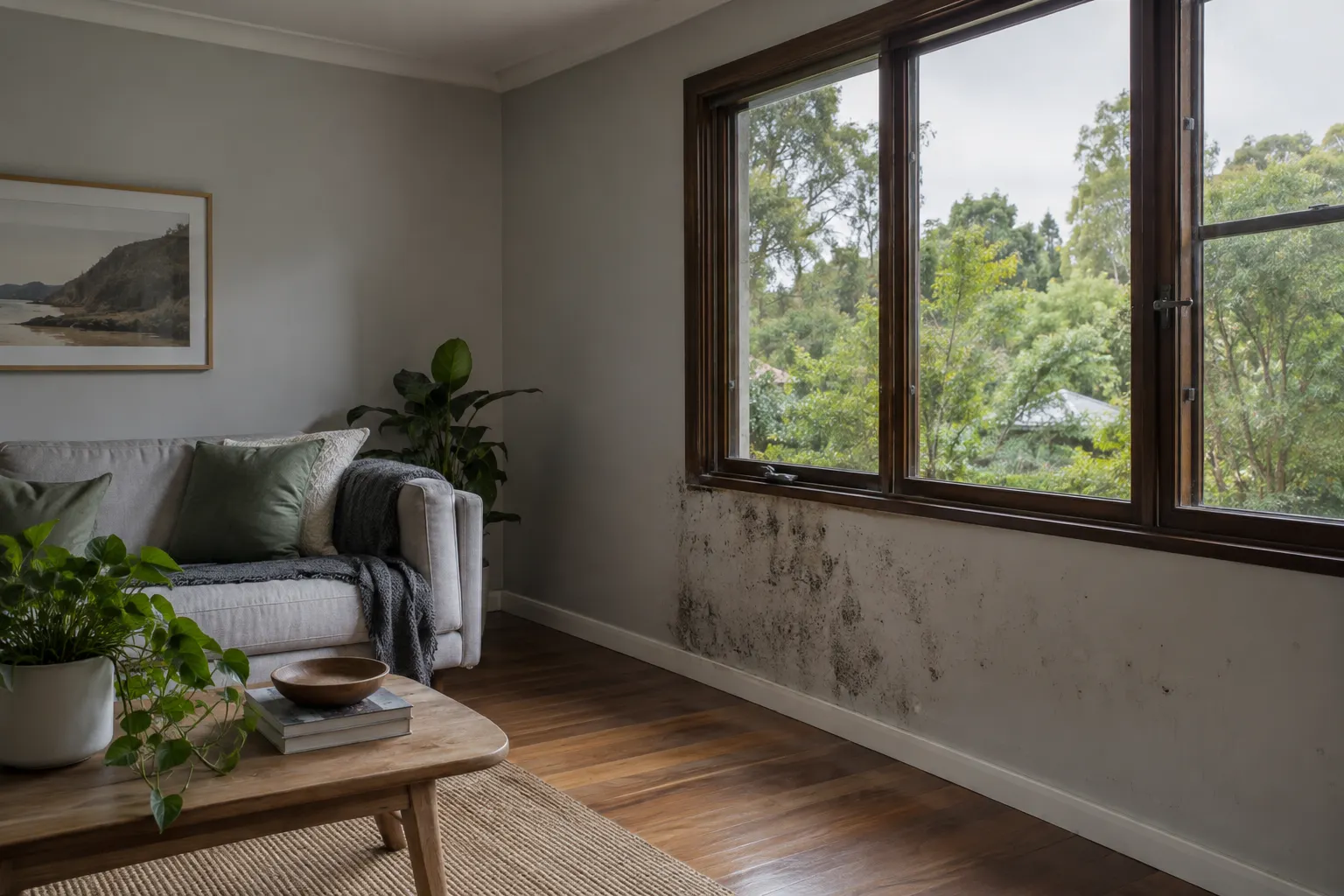
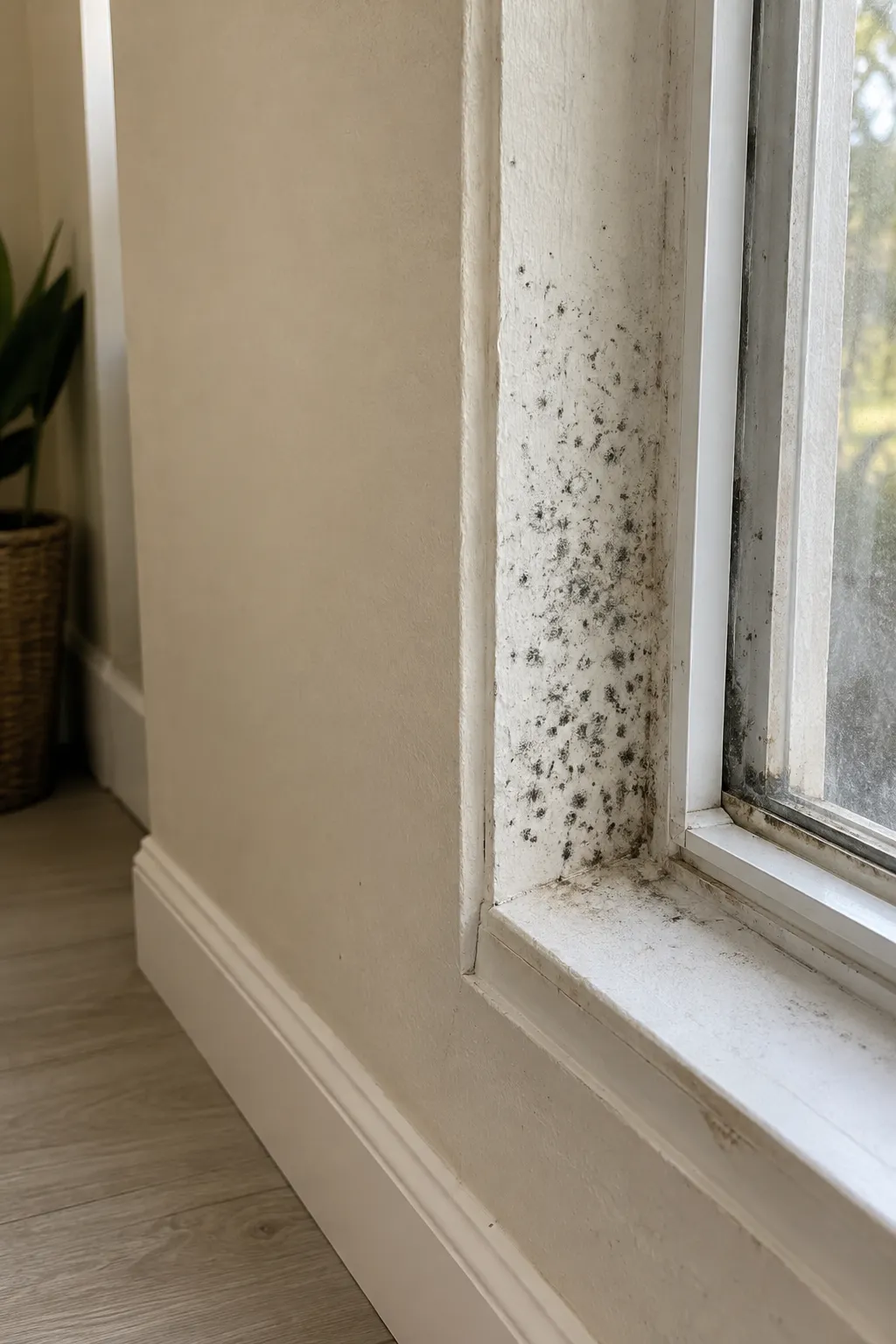
If your flat has recurring bathroom marks, describe the fan, window and any shared service connection you know about. A unit number and access arrangement matter for planning, but they do not prove a common-property defect. Keep permission and repair discussions clear alongside the removal enquiry.
UNDERSTANDING MOISTURE
Describe evidence before responsibility.
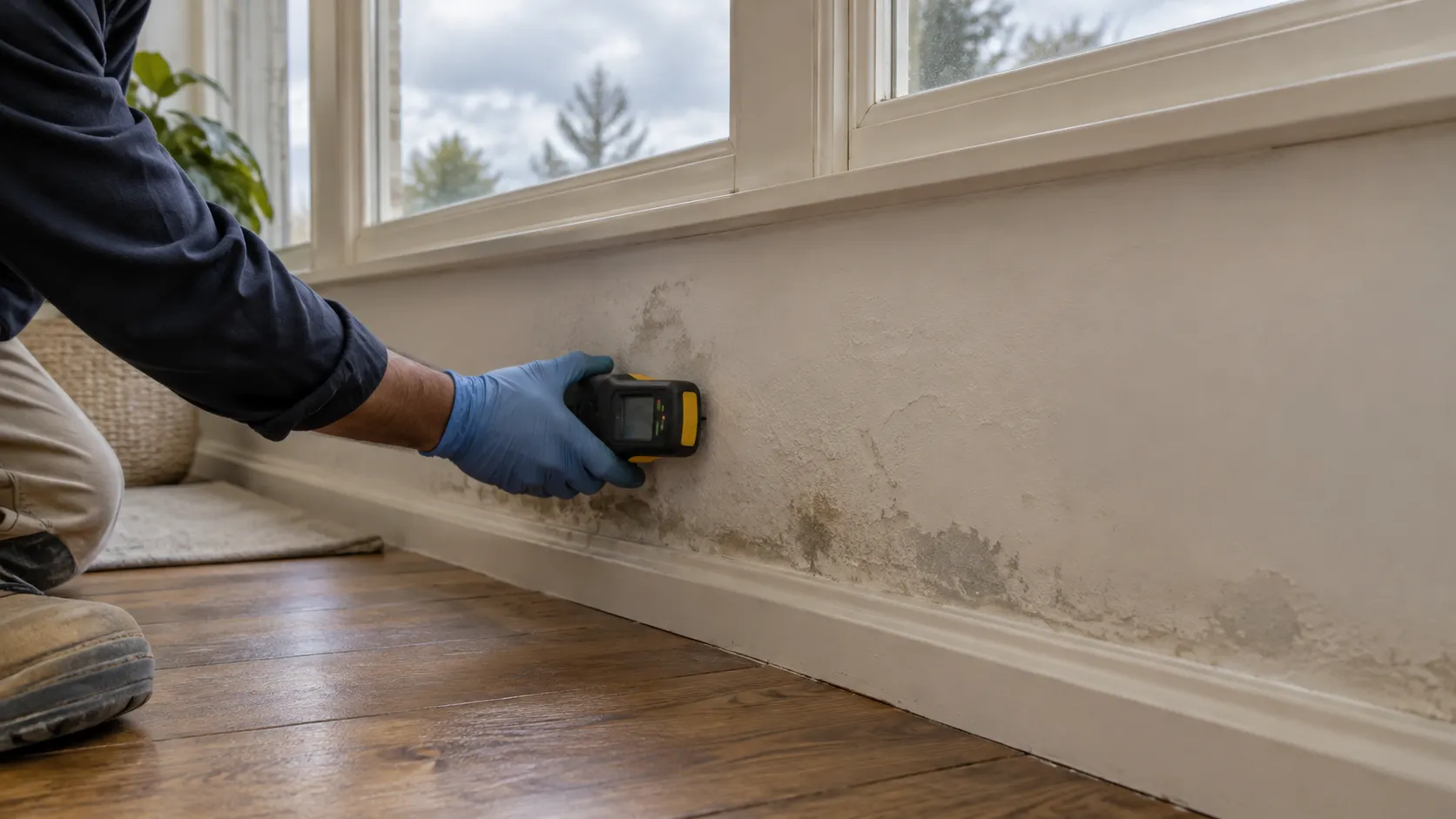
The bathroom pattern
Explain whether growth follows showers, persists between uses or changes after another wetting event. Those observations help distinguish a drying routine from suspected water entry without assuming the flat’s bathroom is the only relevant space.
Building connections
Mention known shared services or repair investigations, with their status made clear. An unresolved concern is not a confirmed defect. Keep the room evidence separate from assumptions about a neighbouring property, the exterior or responsibility for the cause.
Available access
A mould inspection considers visible surfaces and what can be reached. Access to service spaces or common areas may need coordination. State those limits rather than implying a room view can establish conditions throughout the building.
OUR REMOVAL PROCESS
A clear appointment in a shared building.
Name the authorised contact
Tell us who coordinates access and any building repair. A clear contact helps practical arrangements without implying that ownership, tenancy or responsibility has already been determined by a removal enquiry.
Record before decoration
Keep dated bathroom photos if a defect is still being investigated. Covering the finish can obscure the visible pattern that another professional may need to consider before the relevant repair is agreed.
Explain entry restrictions
Mention stairs, lifts or other practical access arrangements that affect the visit. These details should be discussed with the room scope rather than discovered after equipment and preparation have been assumed.
01
Set the room scope
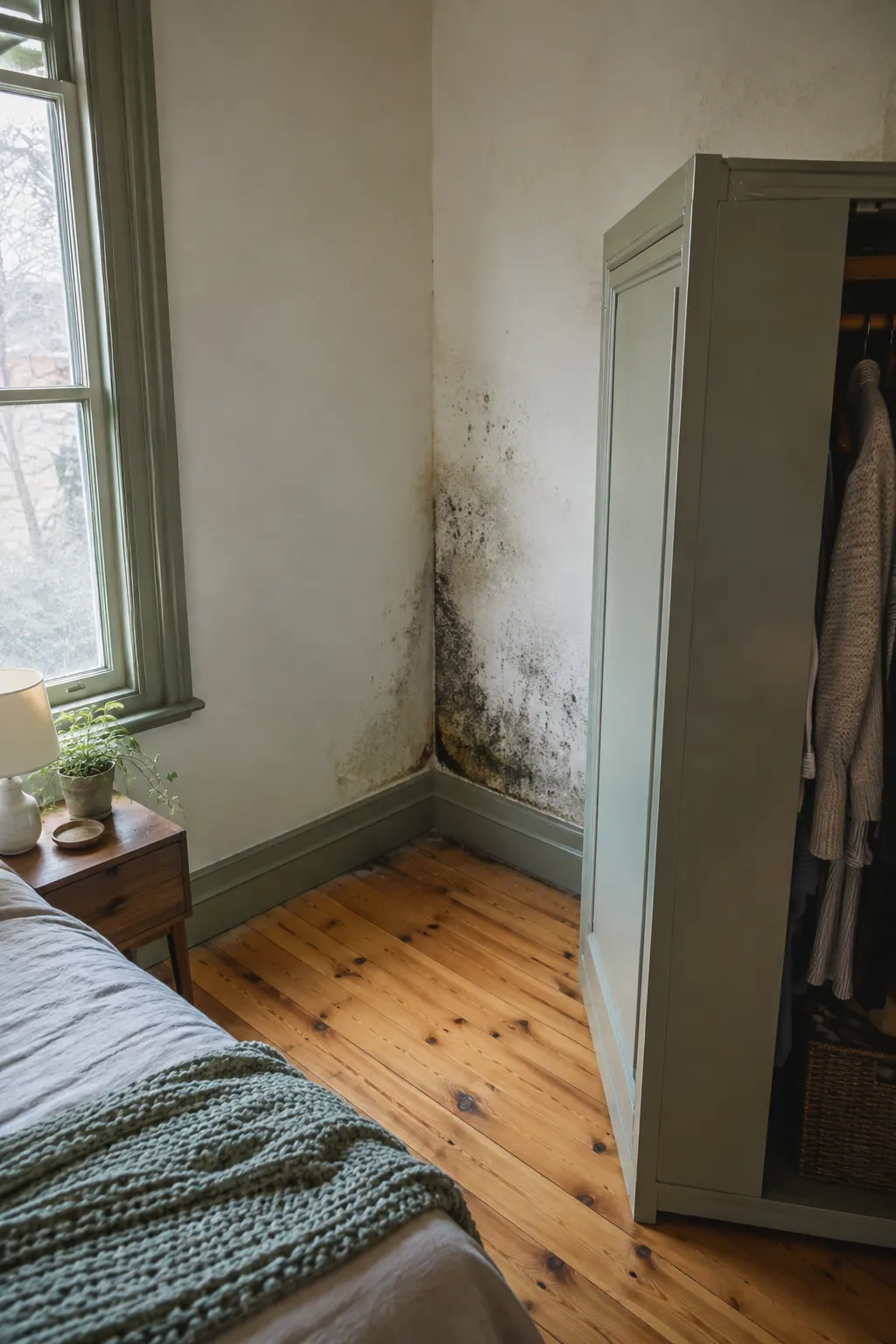
Provide the flat address, bathroom layout and visible extent. Identify paint, joints and any cupboard lining separately. The surface-removal scope should name accessible materials without silently including shared-service investigation or another unit’s interior.
02
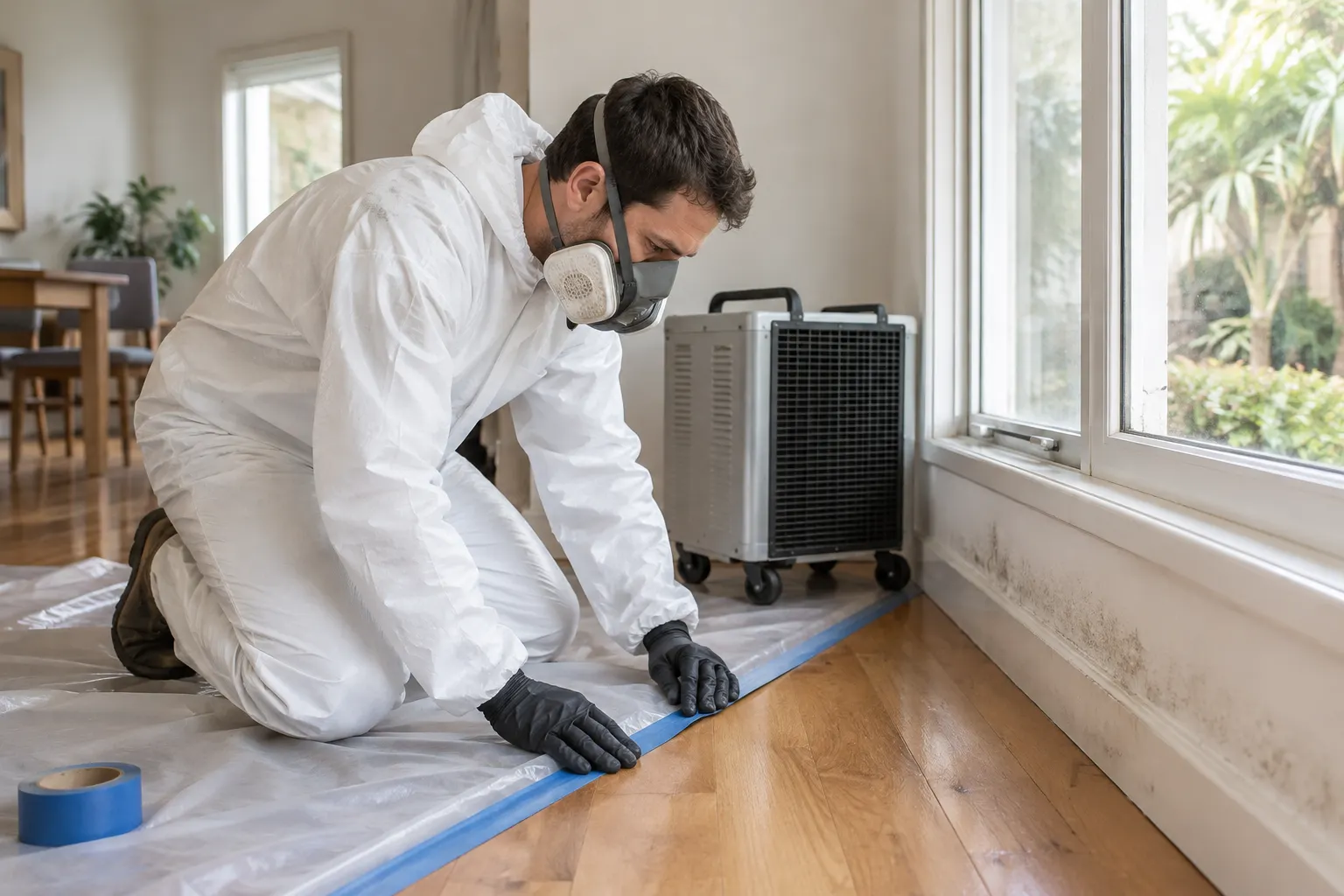
Coordinate preparation and access
Discuss property permissions, entry arrangements and occupants’ concerns before work. Explain repairs scheduled by another contact. Protection and equipment should suit the agreed task, with belongings and delicate surfaces considered alongside practical movement through the flat.
03
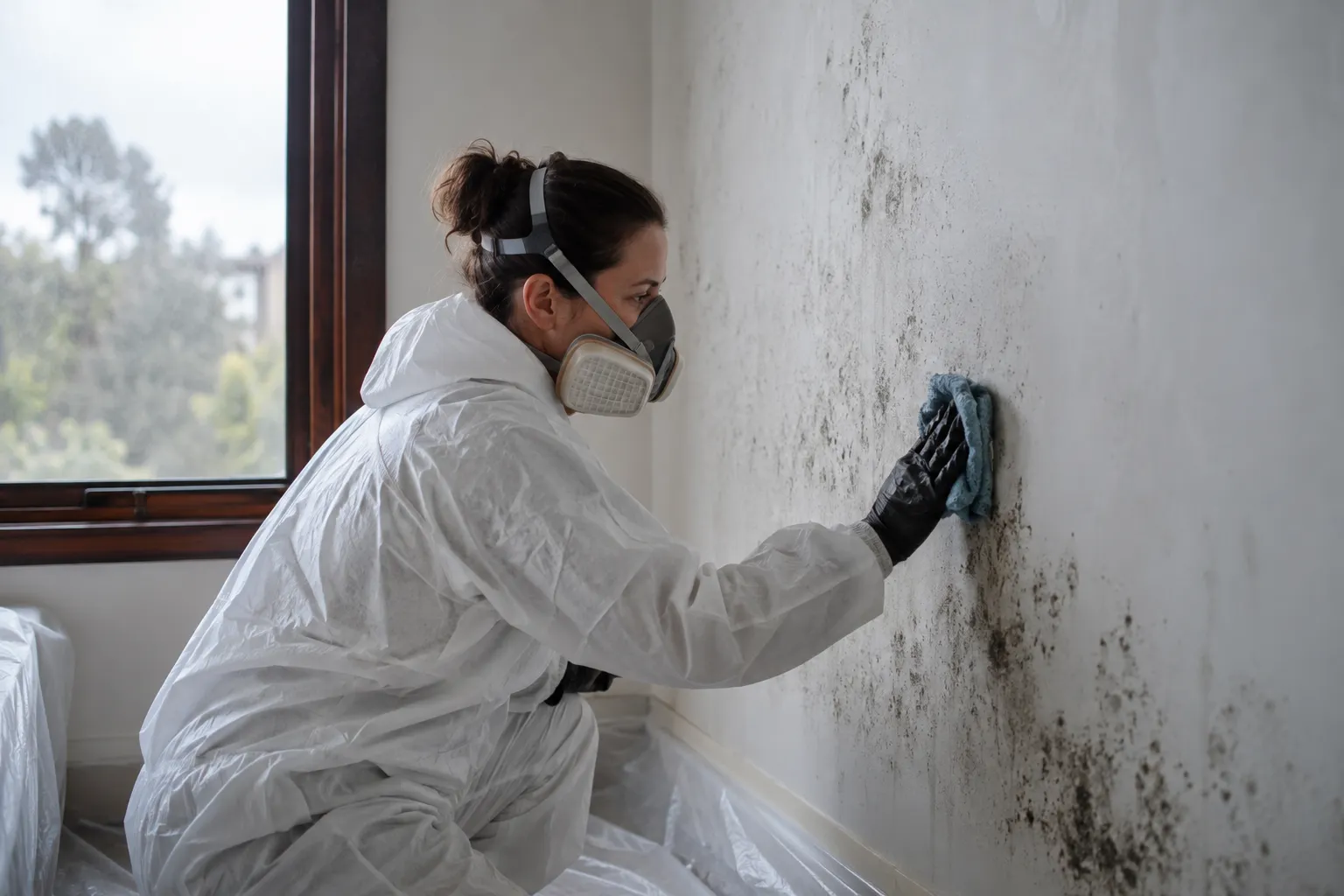
Keep unresolved work explicit
Review remaining damage and moisture observations after accessible removal. Remediation planning may involve more than one trade or contact. A cleaner bathroom does not establish that common-property water entry has been resolved or settle who should arrange a separate repair.
COMMON AREAS AFFECTED
One flat can contain several material questions.
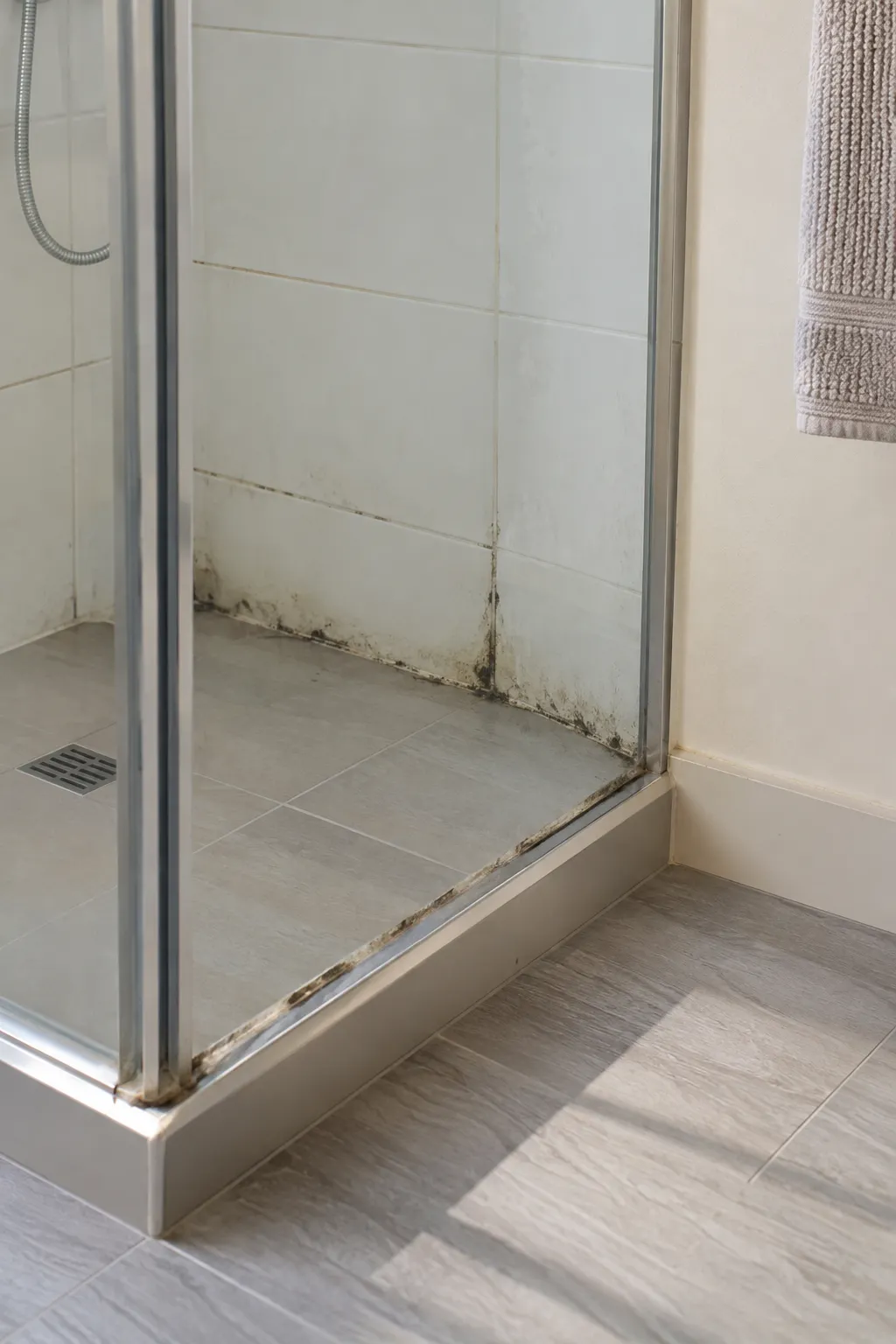
Bathroom surfaces
Bathroom paint, silicone and grout have different condition and care limits. Describe each affected surface, including any failed joint or ventilation concern that needs attention beyond accessible removal.
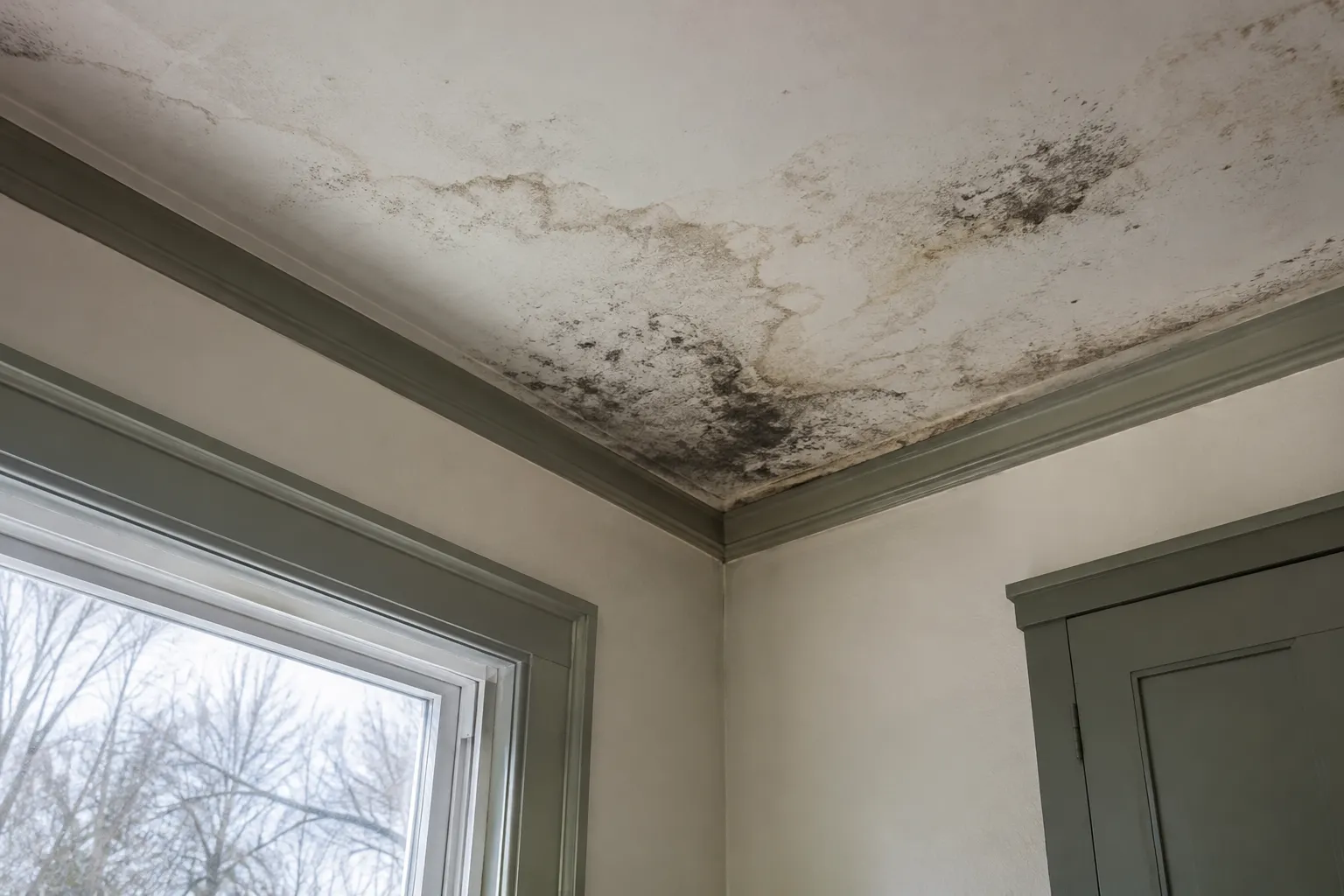
Ceiling condition
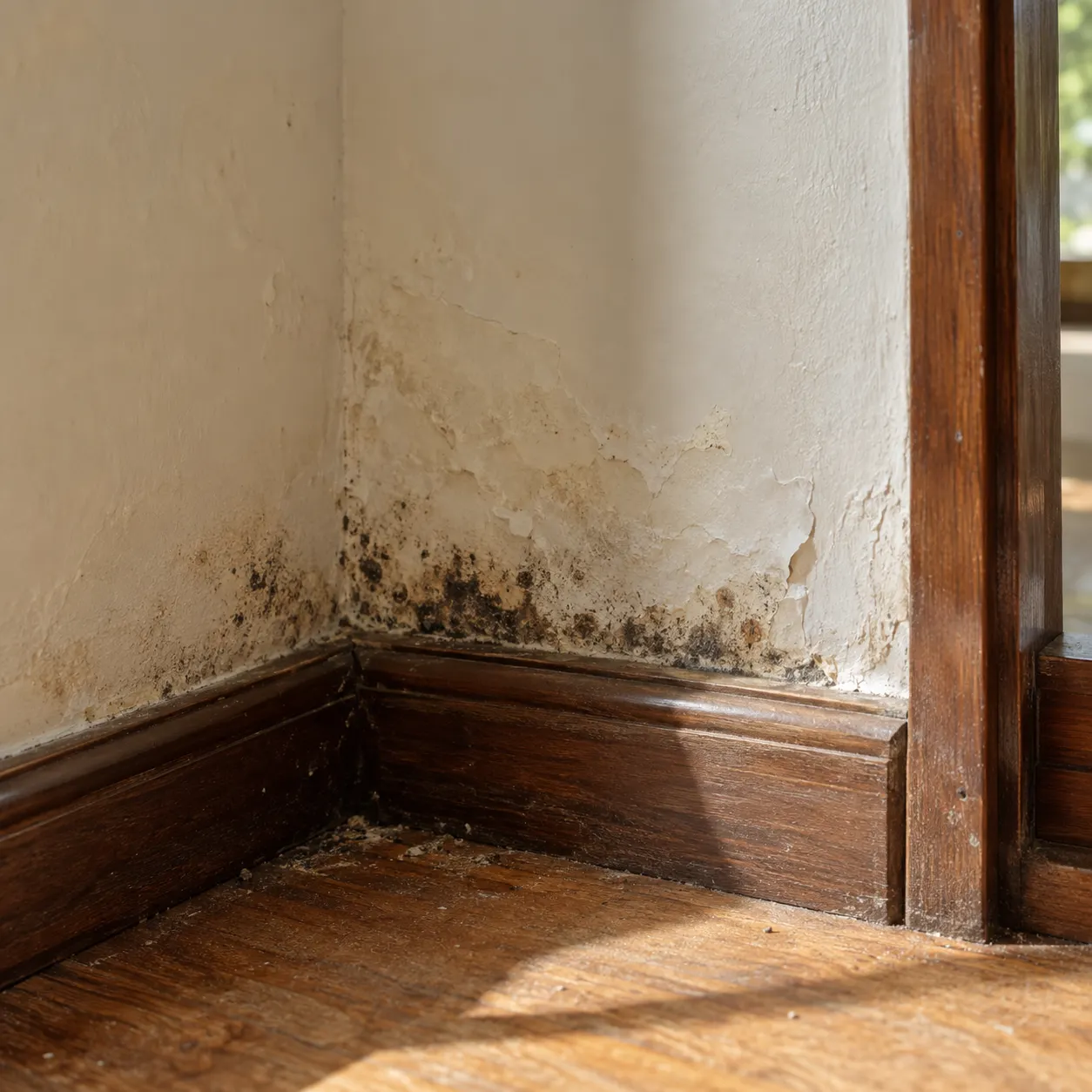
A ceiling patch under another space needs its own timing and material history.
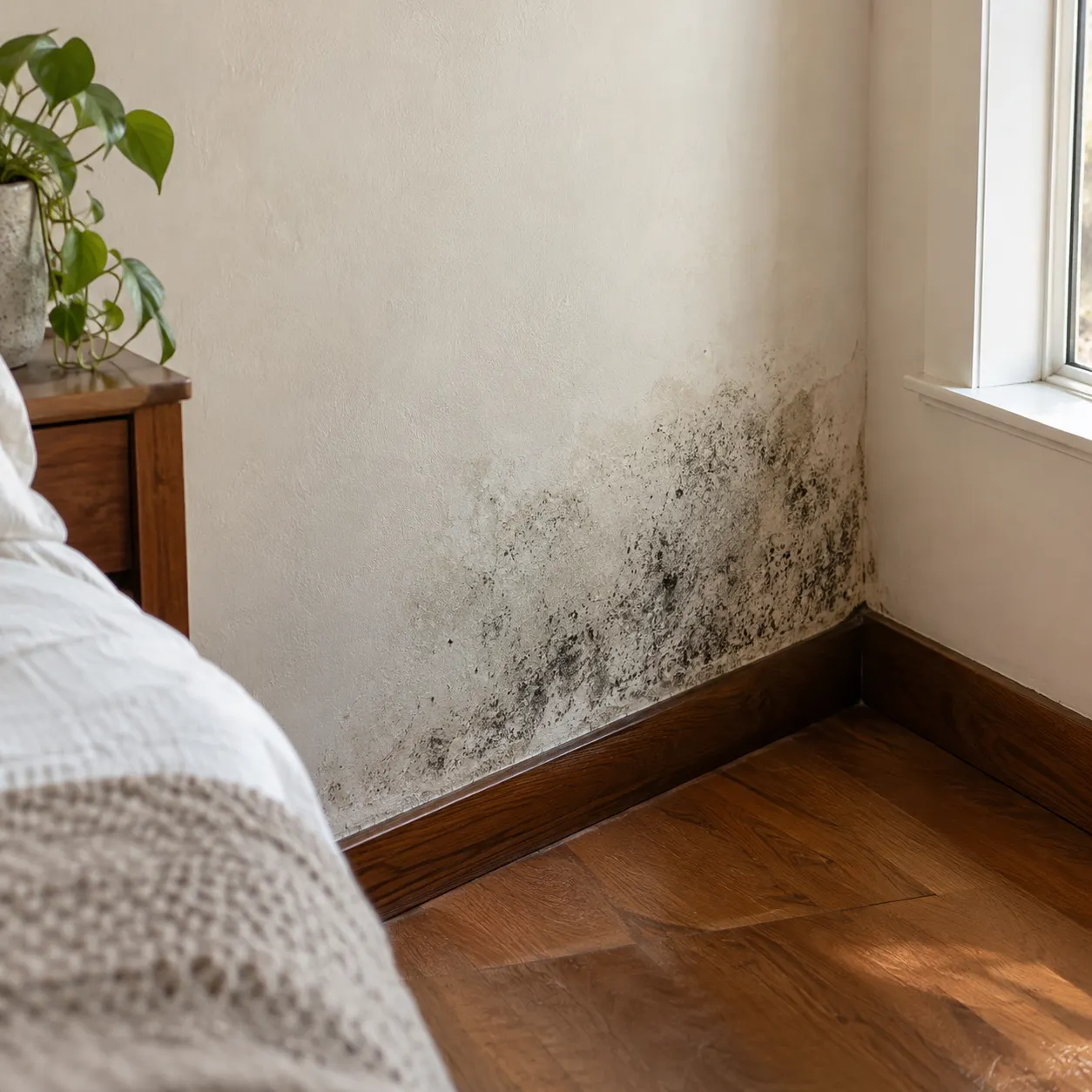
Walls and finishes
An internal wall may be affected beside fixed fittings or shared services.
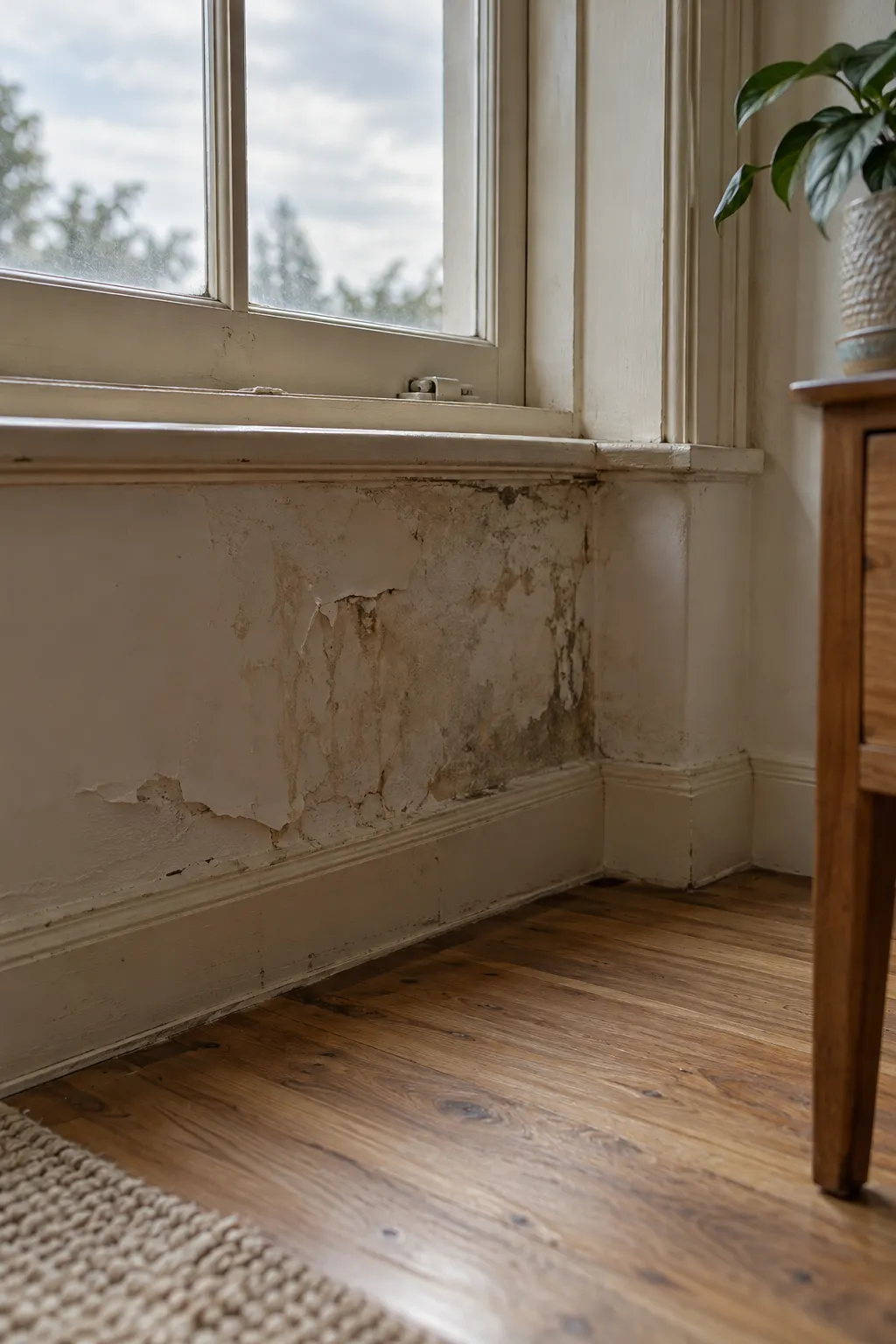
After water damage
Following a building water incident, explain which materials became wet and what drying or replacement occurred. An improved surface appearance cannot confirm the state of floor coverings or hidden linings.
PREVENTION STARTS WITH
Keep the room
and repair connected.
A practical household check
Maintain a dated record of the patch while a building issue is being investigated. Distinguish a ventilation observation from an established leak diagnosis. Do not conceal the surface before someone who needs to assess the defect has seen the evidence.
Follow the actual observations
After separate repairs, compare bathroom drying and any renewed patch using the same accessible views. Record what changes rather than assuming a building repair date proves every material recovered. Continuing wetting should be raised with the appropriate contact instead of covered by repeated decorative work.
ST KILDA & NEARBY
Around St Kilda
Neighbouring enquiries may relate to Windsor, Balaclava or Elwood. Select the relevant address guide and keep building permissions, shared-service questions and room photographs specific to that property.
BEFORE YOU CALL
The useful
questions.
Can I arrange removal in a flat before a suspected building leak is resolved?
Discuss the situation first. Continuing water entry can affect the timing and usefulness of surface work. Access permissions and responsibility for a defect may also need sorting with the appropriate property contact. The agreed scope should state what remains unresolved.
Does a removal enquiry determine who must repair the building?
No. Responsibility and access depend on the circumstances and relevant arrangements. Keep the room observations clear while the appropriate property contacts consider any building defect or shared-service work.
Should I include photos of common areas?
If they help explain a concern, label them clearly and describe their relevance. A scope for your flat does not automatically include work on common areas or permission to access them.
Can existing ventilation and a leak both be relevant?
Yes. Describe bathroom drying alongside rain or plumbing observations. One plausible explanation should not exclude another before the room and building evidence have been considered.
What if another trade needs the affected surface left visible?
Explain that during the first call. Timing can be coordinated so useful evidence is not covered before the relevant investigation. The agreed removal scope should acknowledge any work still outstanding.
How do I arrange a St Kilda enquiry?
Call 03 8652 1296 with the flat address, room photos and access details. Discuss availability, preparation and any property permission or repair coordination before the appointment is arranged.
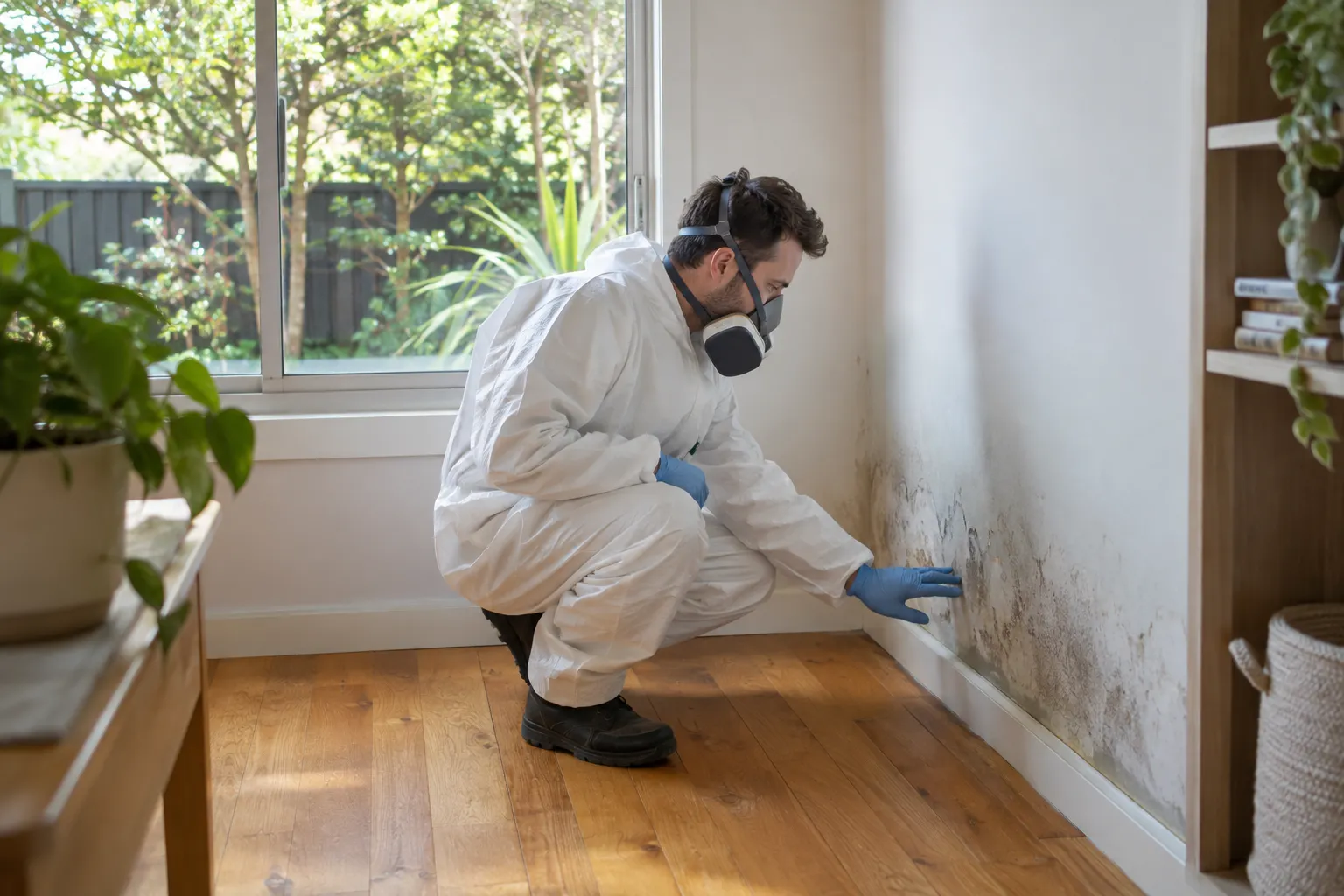
TELL US WHAT YOU CAN SEE
Start with the flat’s actual condition.
Describe the bathroom, building connections and access during the call. Discuss address availability and agreed surfaces, with common areas, unresolved repairs and property permissions clearly understood before work.
Local context: Port Phillip — neighbourhood heritage