
ROOMS · MATERIALS · MOISTURE
BALACLAVA · MELBOURNE
Mould Removal Balaclava
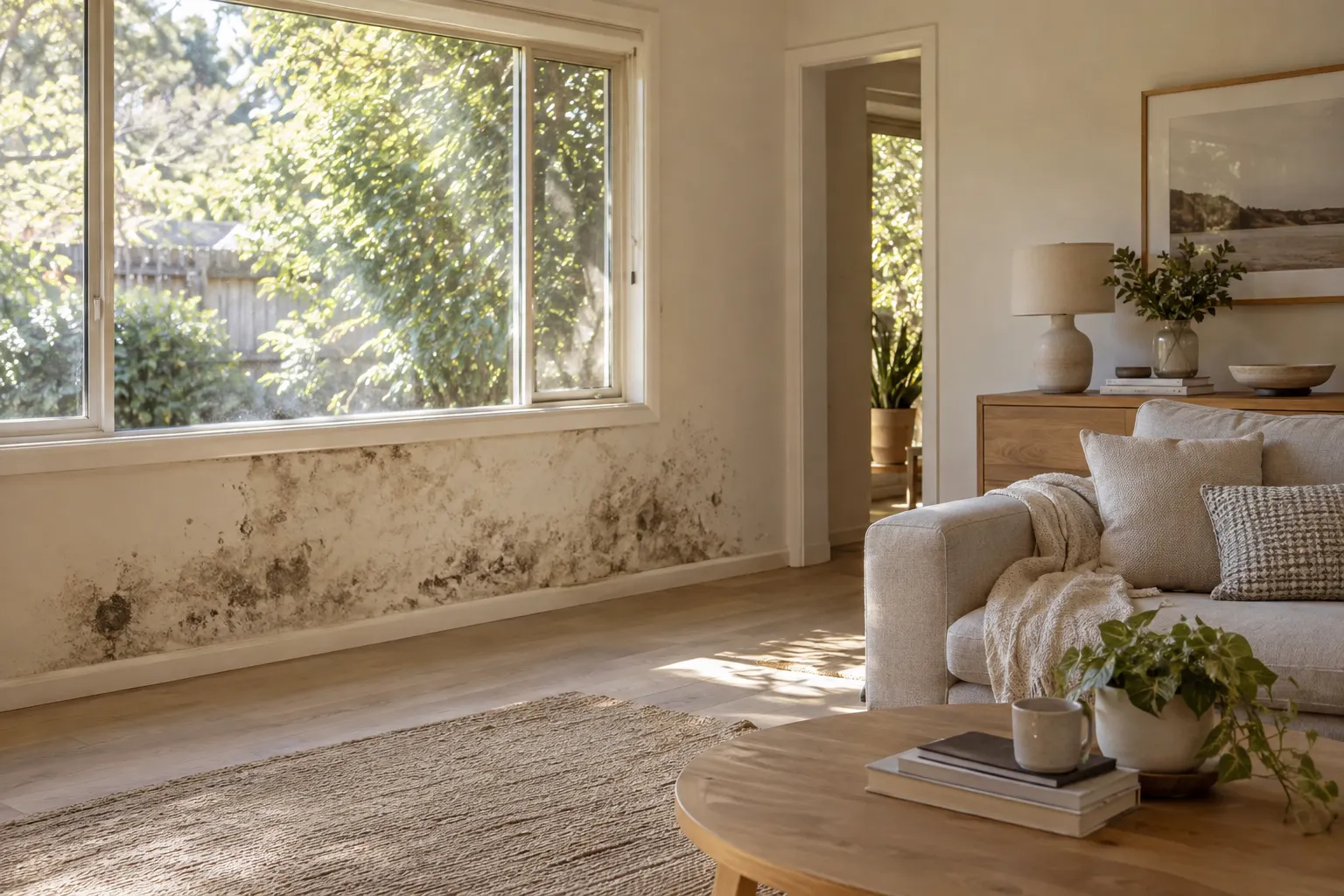
A musty cupboard is easy to overlook when its door is usually shut. In Balaclava, describe what is stored there and whether the adjoining wall is affected. An accessible surface enquiry should account for both the cupboard lining and belongings, without assuming they need the same treatment.
Material condition considered
Accessible work agreed first
Moisture observations kept in view
THE ROOM TELLS A STORY
Open the question before emptying the cupboard.
Balaclava is included in Port Phillip’s published heritage-review area.
Where a cupboard contains books, boxes or clothing, explain whether growth is on the lining, belongings or both. A wall-removal appointment does not include every stored item by default. Keep the contents undisturbed until preparation is agreed, particularly where moving them could spread loose material.
UNDERSTANDING MOISTURE
Contents and lining are different materials.
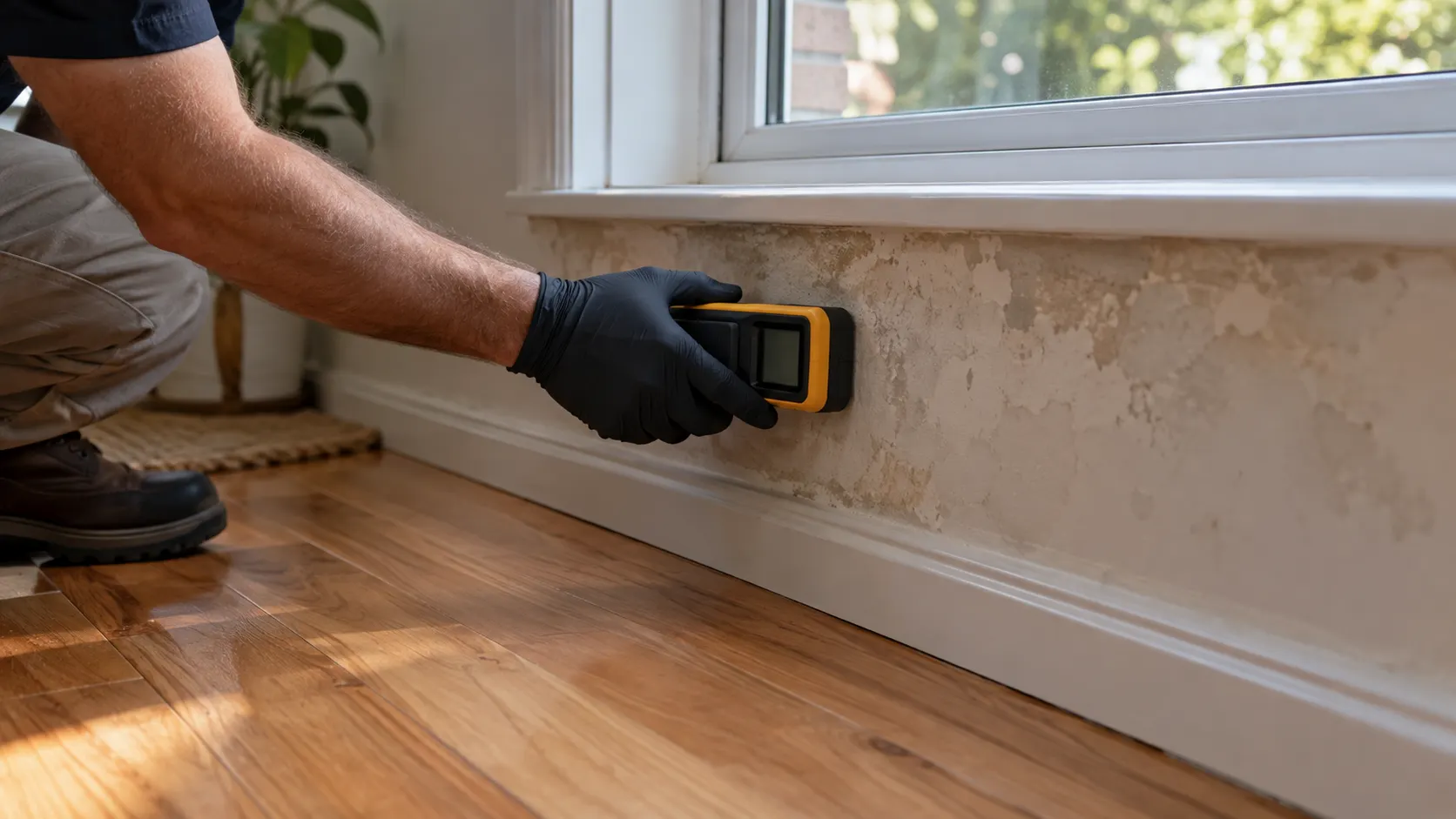
Where the mark sits
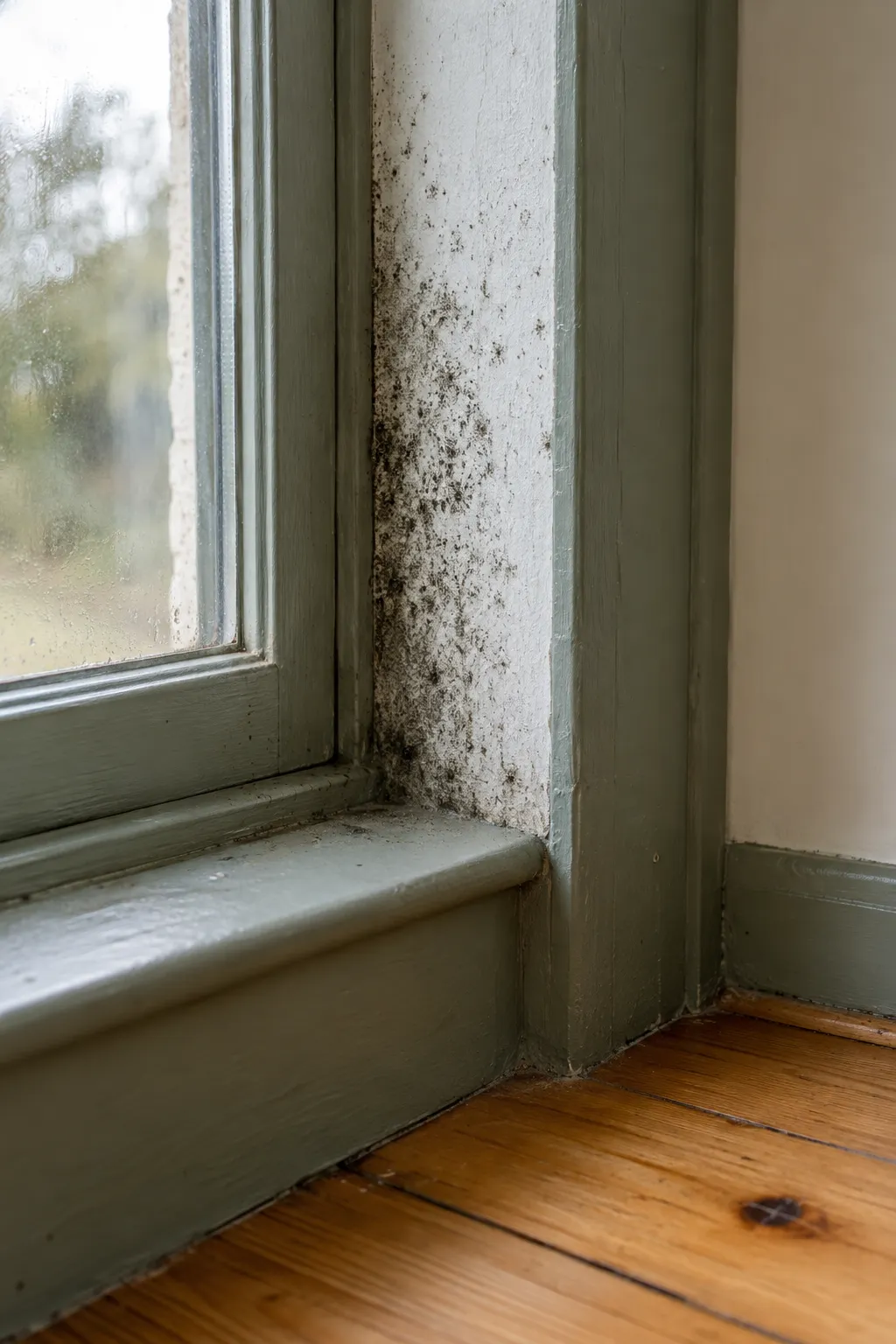
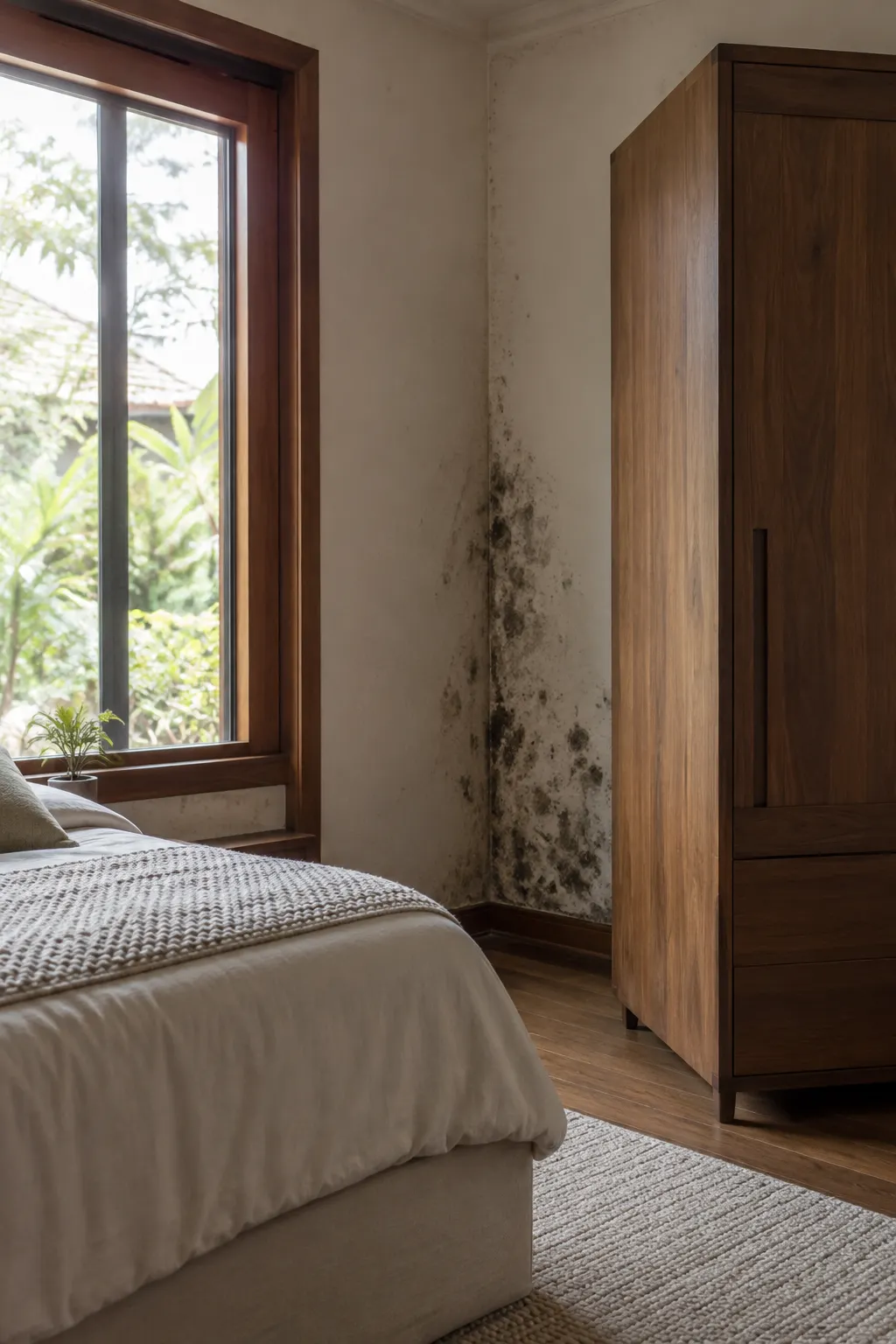
Identify whether growth is on the cupboard wall, backing, stored items or several surfaces. Their materials matter to the next decision. A musty smell alone does not describe how far an accessible lining is affected.
Air and storage
Explain how tightly the cupboard is packed and whether its door stays shut. This context can help describe drying opportunities without proving that storage is the sole cause or excluding a nearby leak in the building.
The accessible evidence
A mould inspection can consider surfaces that are visible and reachable. Fixed shelving or a closed backing can limit assessment. Discuss those limits before dismantling fittings or moving affected contents through other rooms.
OUR REMOVAL PROCESS
Plan the cupboard without treating it as one material.
Keep the arrangement visible
A photograph before movement explains how the contents relate to the affected wall. Add close views where safe, and label which material is shown so a book cover is not mistaken for lining.
Avoid scattering contents
Do not shake visibly affected books, boxes or fabrics through the home to prepare an enquiry image. Describe them first so movement and any separate care decisions can be discussed.
Clarify fixed shelving
Tell us whether shelves or backing can only be removed with trade assistance. Concealed access and dismantling are not automatically included, even when the visible edge suggests a larger area may need attention.
01
Describe lining and belongings
Provide a wider cupboard view and identify the affected contents separately. State whether shelves are fixed and what can be reached. The removal scope should specify accessible surfaces instead of implying care of every stored object.
02
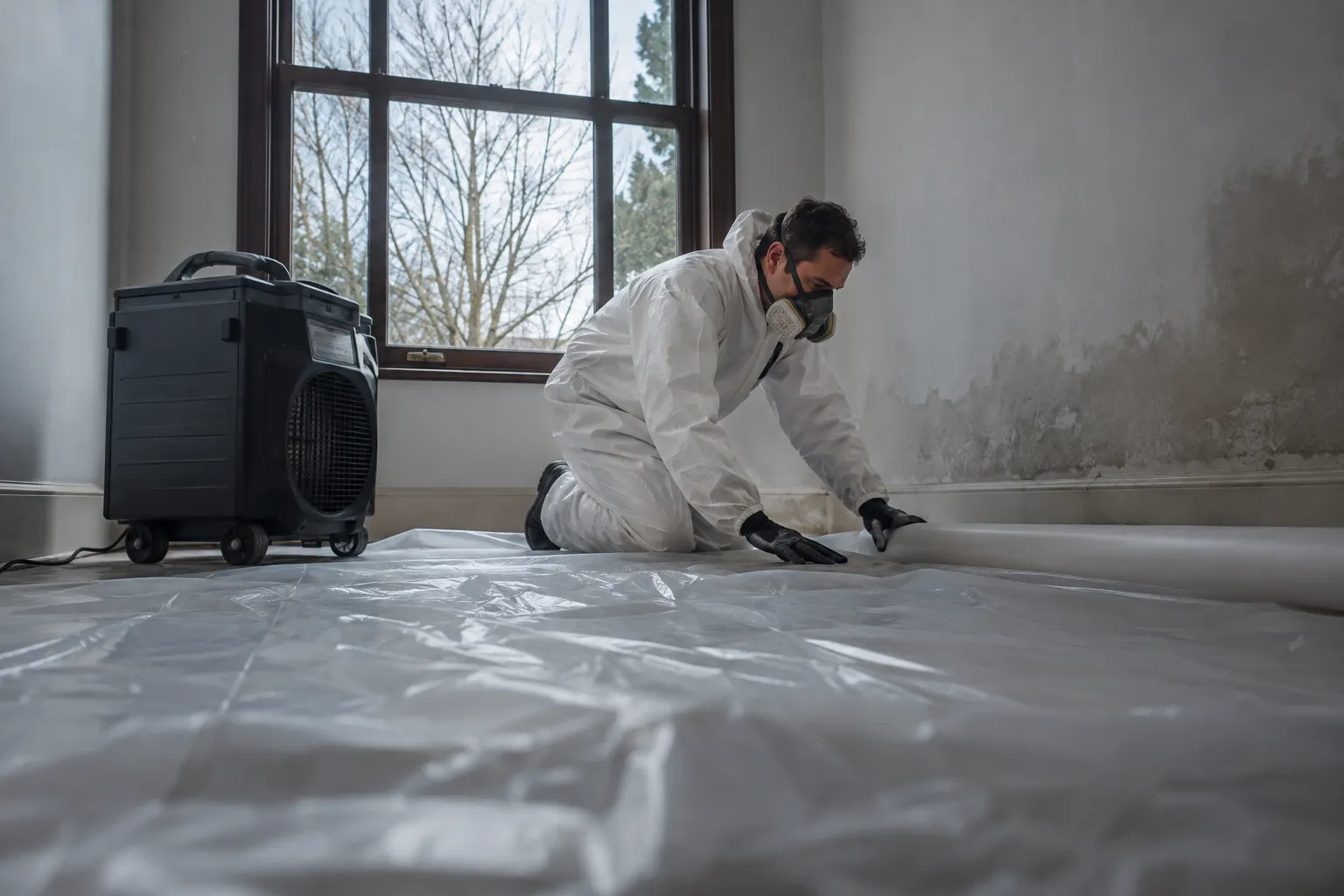
Agree how contents are managed
Discuss movement, protection and access before the cupboard is emptied. Paper, textiles and other possessions may need separate decisions. Preparation and equipment should suit the work area, with occupants’ concerns and any delicate finishes raised before the appointment.
03
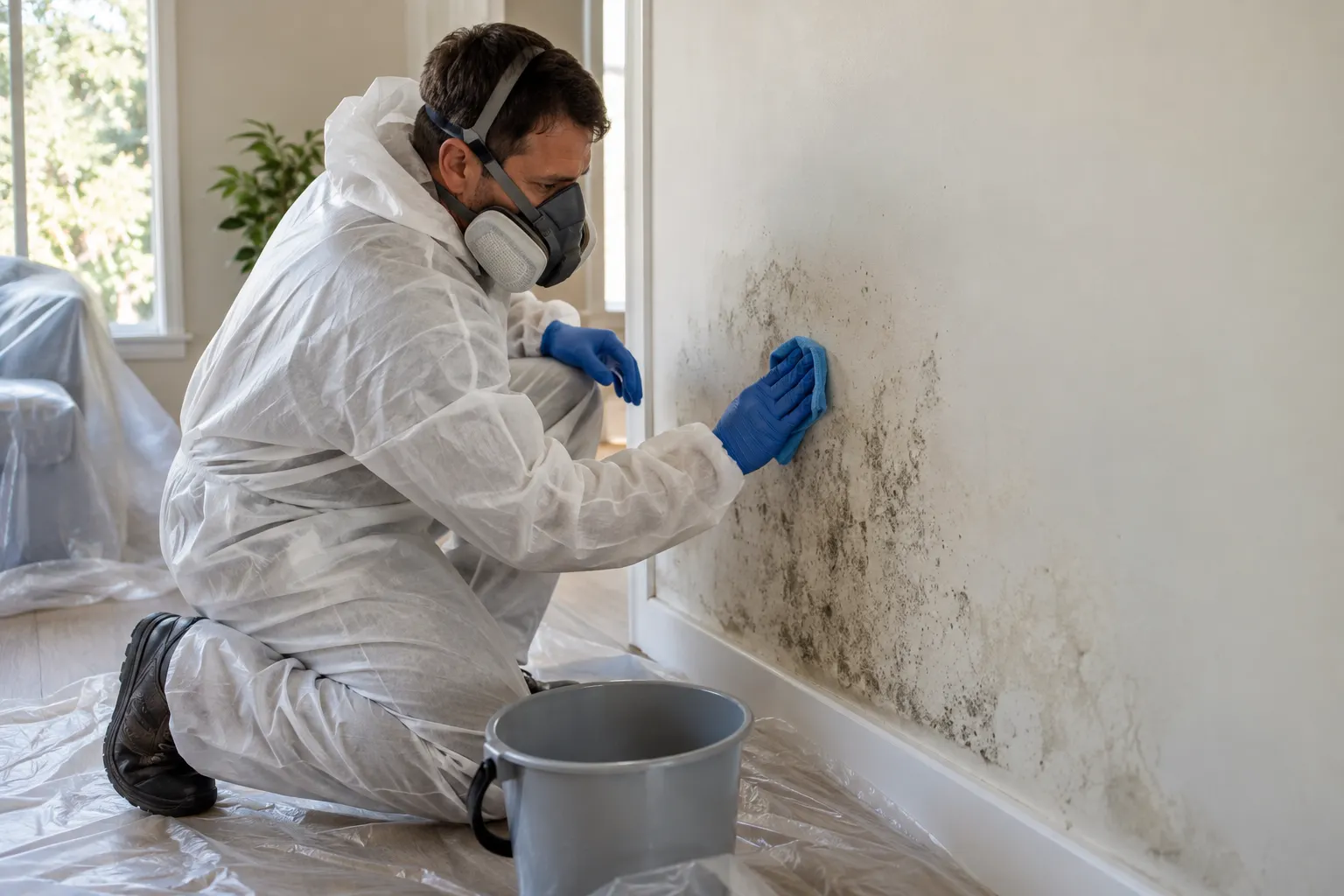
Review continuing damp
Consider remaining staining, material deterioration and the storage arrangement after removal. Remediation planning links those issues with moisture control, but cleaning a cupboard lining does not repair a leak or restore all affected belongings.
COMMON AREAS AFFECTED
Storage can conceal several different conditions.
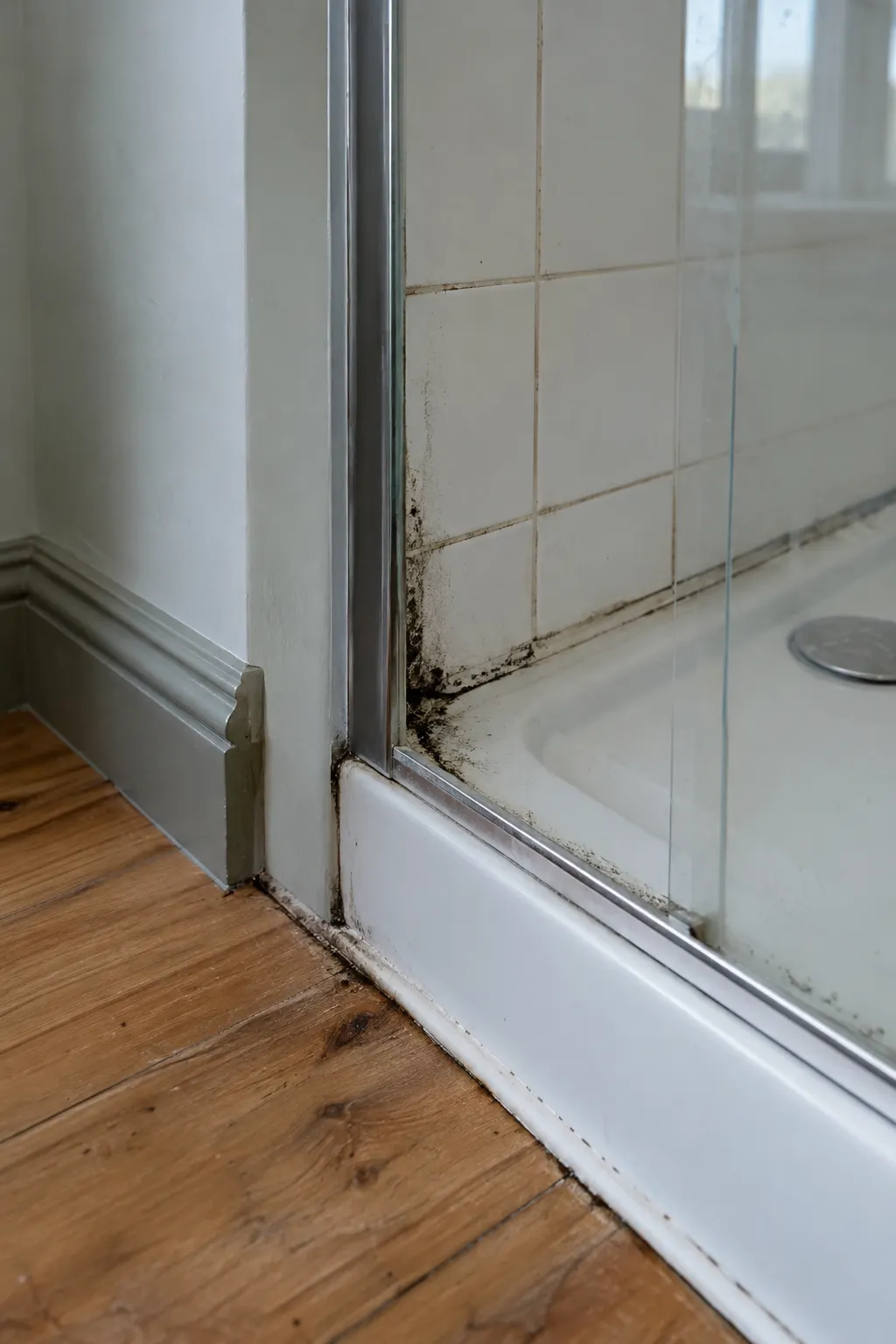
Bathroom surfaces
Bathroom cupboards can involve plumbing moisture as well as limited airflow. Identify any drips and swollen backing separately from growth on surrounding painted surfaces or stored products.
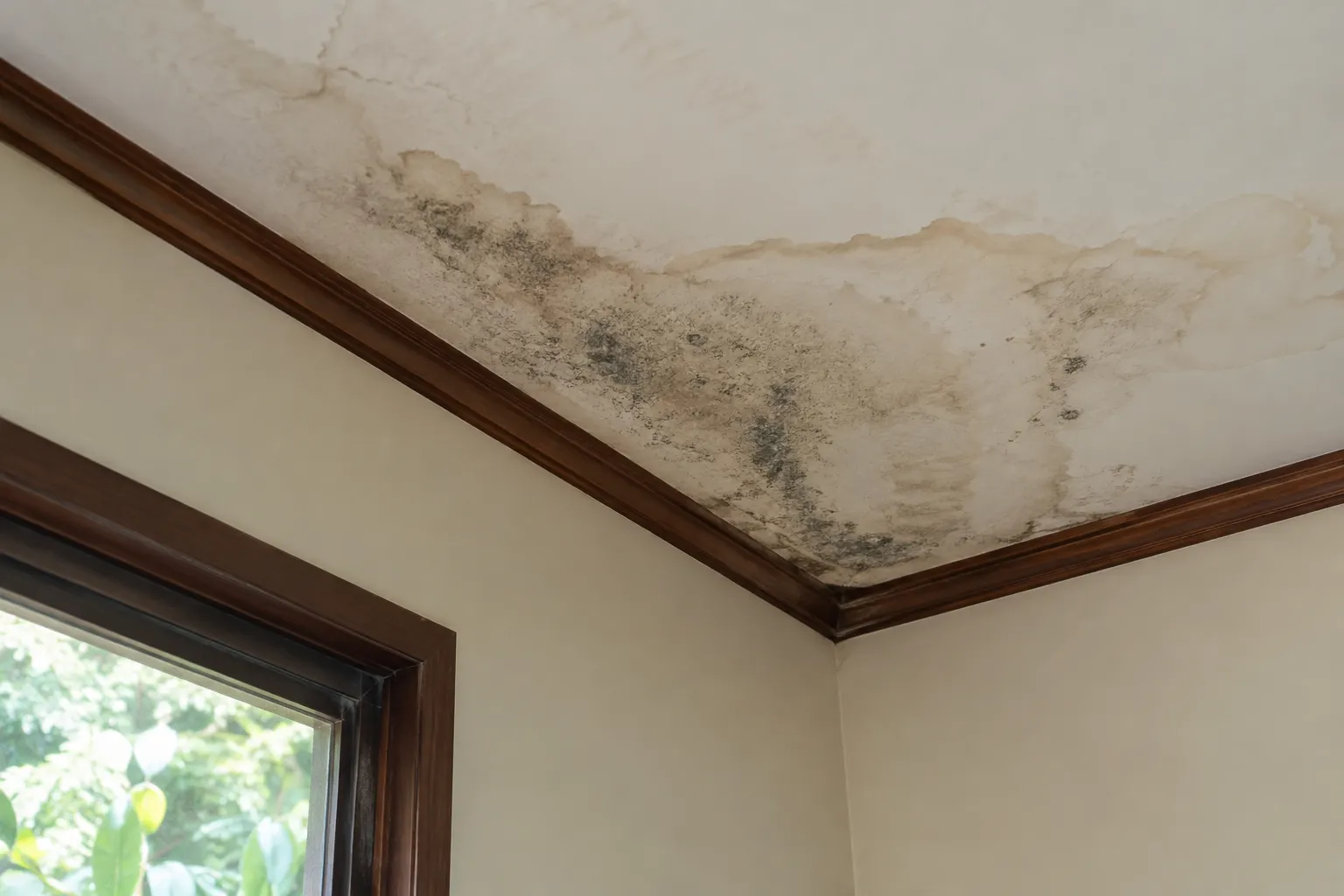
Ceiling condition
A ceiling patch above a cupboard needs its own wetting history. The closed storage arrangement does not exclude roof entry, plumbing or another source affecting the room from above.
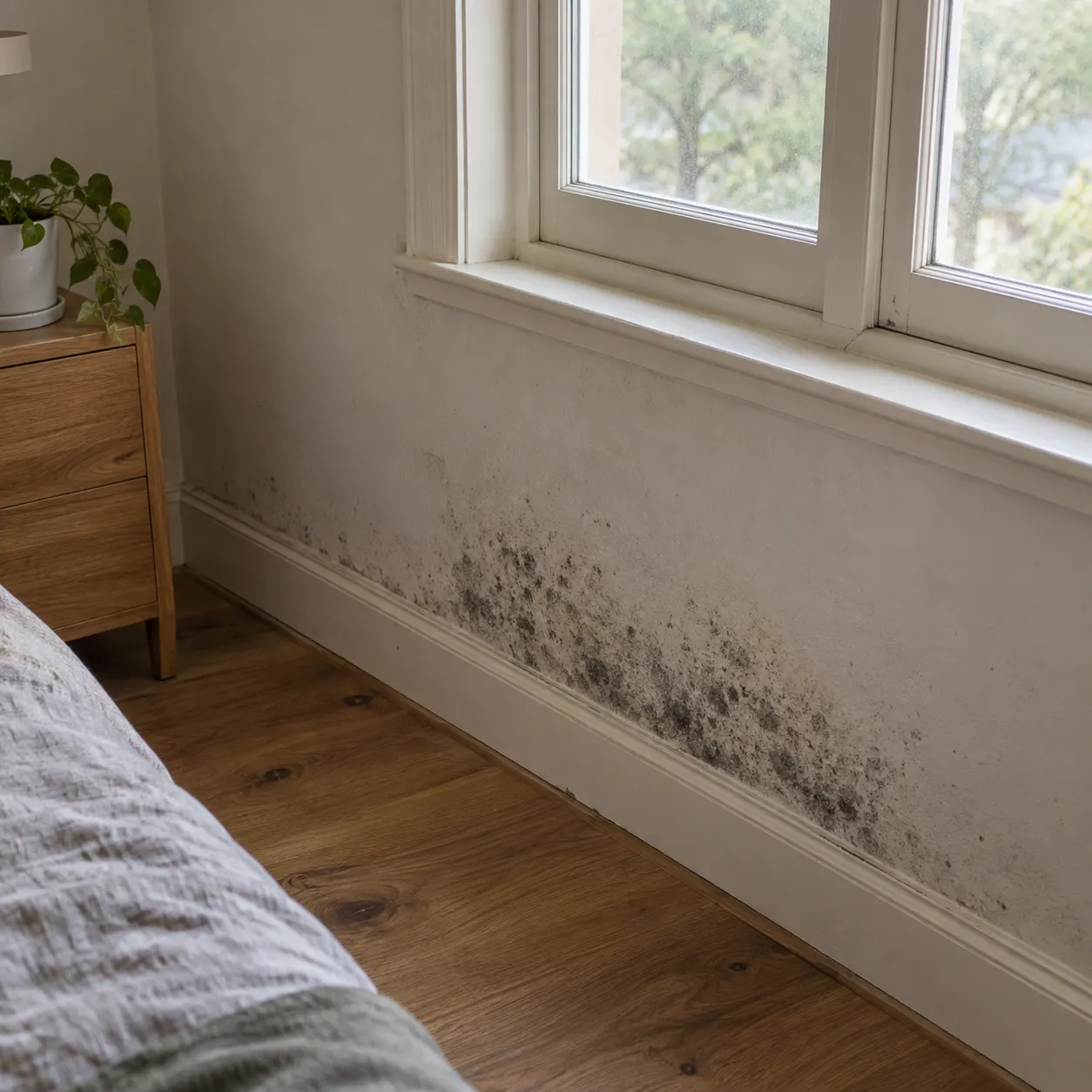
Walls and finishes
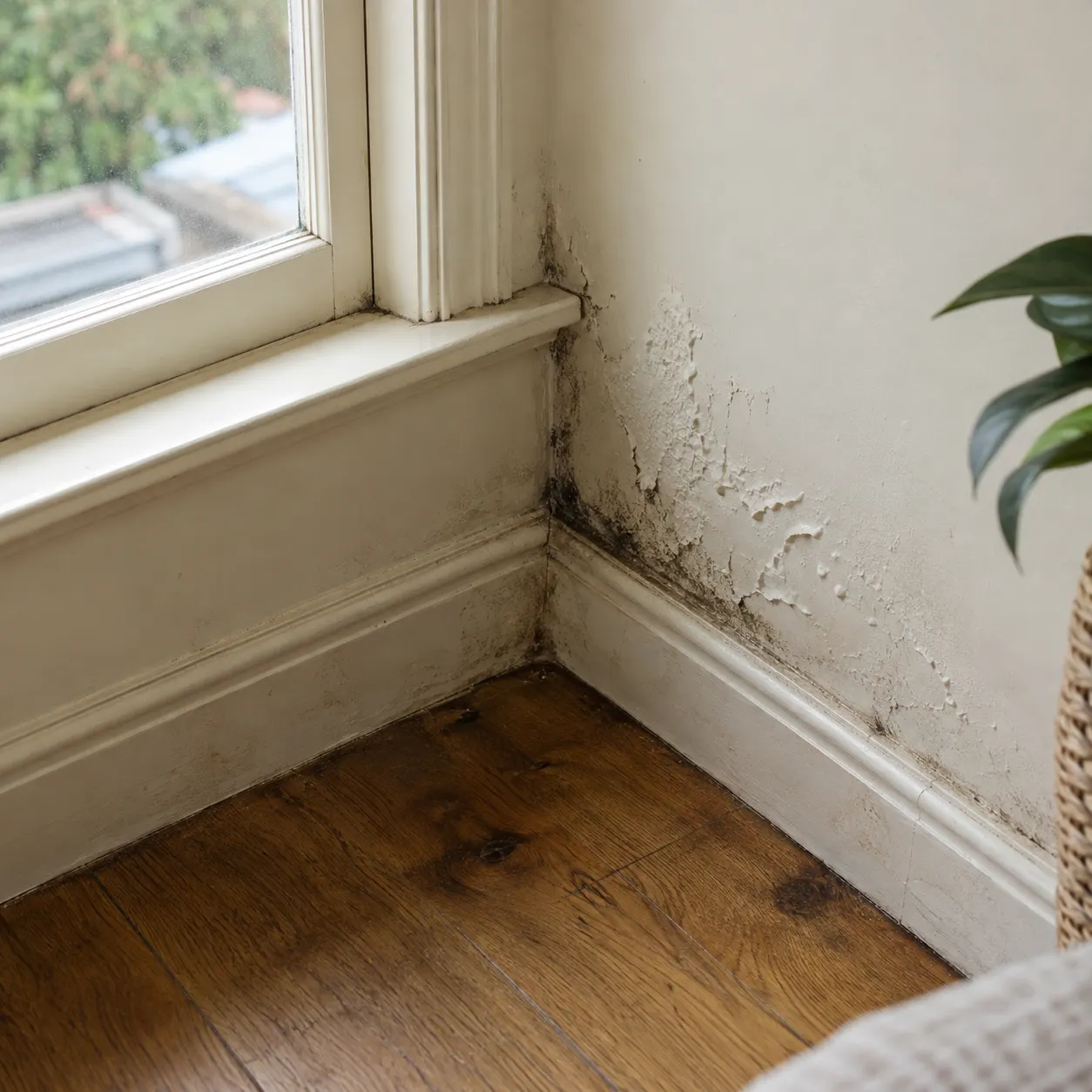
Cupboard linings and room wall paint may meet at an affected edge.
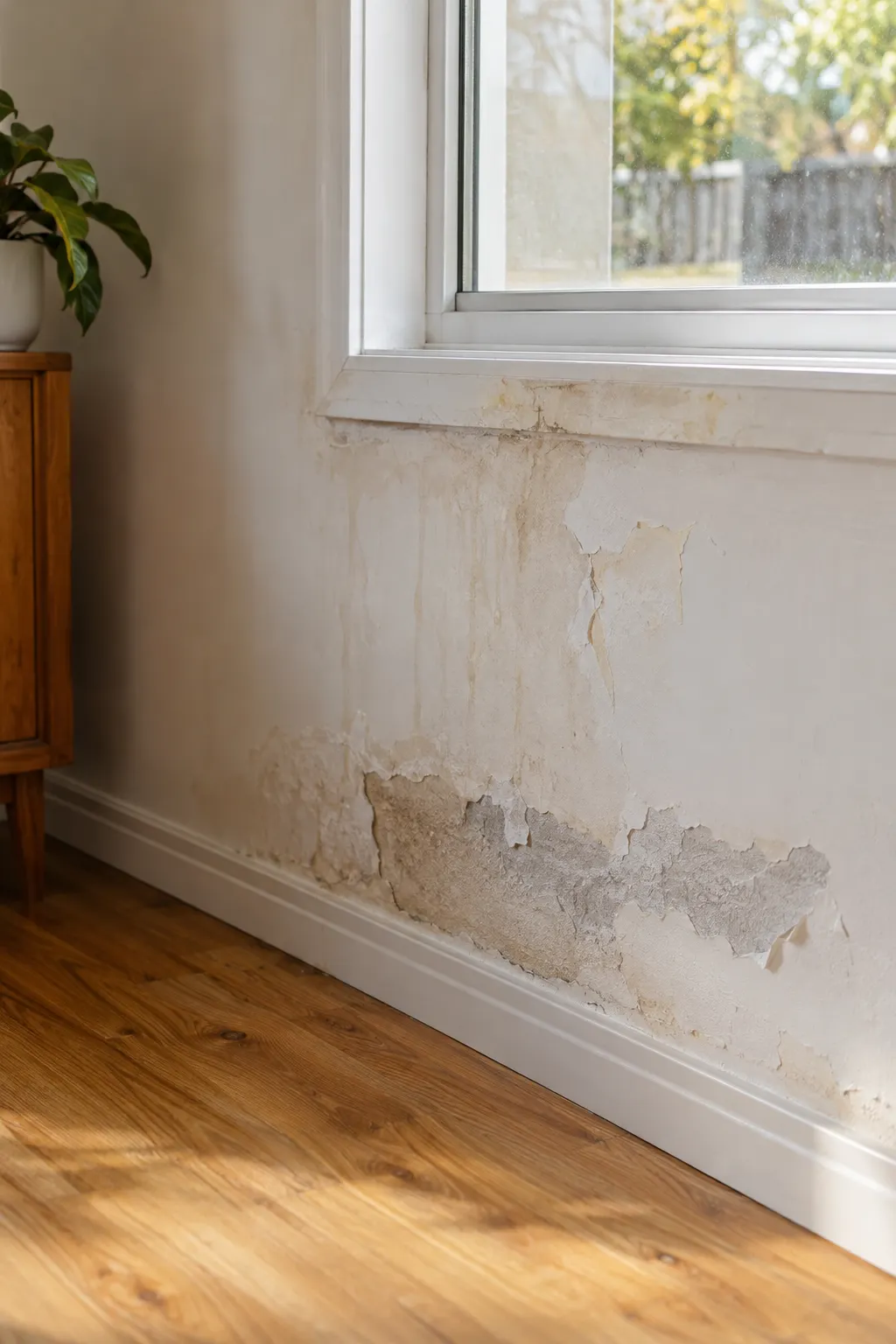
After water damage
After a water incident, stored paper and textiles may remain affected separately from the room lining.
PREVENTION STARTS WITH
Give storage
room to be checked.
A practical household check
Avoid tightly packing belongings against a damp cupboard wall. Check whether the cabinet can dry during normal household use. Replaceable storage boxes do not resolve continuing wall moisture; keep the lining visible enough to notice a returning patch.
Observe the lining, not only the contents
After agreed work, keep an accessible part of the wall observable rather than packing it immediately out of sight. Notice renewed damp and any changes in the finish. Replacing cardboard or airing a cupboard can be practical, but it does not establish that continuing wall moisture has been resolved.
BALACLAVA & NEARBY
Around Balaclava
Continue through St Kilda, Ripponlea and Elsternwick for surrounding addresses. When storage is affected elsewhere, identify its contents and lining separately rather than assume the same cupboard access or material scope.
BEFORE YOU CALL
The useful
questions.
Are cupboard contents included when the lining is cleaned?
No. Books, textiles and furniture are outside this structural-surface service. Books, textiles, cardboard and the cupboard surface can require different decisions. List the affected items during the call and agree what is excluded. Do not assume a surface method is suitable for possessions with different materials or finishes.
Does a musty smell establish the full extent?
No. It is a useful observation, but visible surfaces and material condition still need describing. Explain where the smell is noticed and what can be accessed without assuming every stored item is affected.
Should I move affected books into another room?
Discuss handling first. Moving or shaking visibly affected contents can spread material and obscure the original arrangement. A cupboard lining and books require separate decisions rather than one assumed cleaning method.
Can fixed shelving remain in place?
That depends on access and the agreed surfaces. Explain the layout before the visit. Work can have limitations where shelving conceals the lining, and further dismantling may require separate permission and assistance.
Will emptying the cupboard solve the moisture problem?
It changes access and airflow but does not repair a leak or establish the condition behind a fixed backing.
How do I start a Balaclava enquiry?
Call 03 8652 1296 with the address, cupboard photos and affected materials.
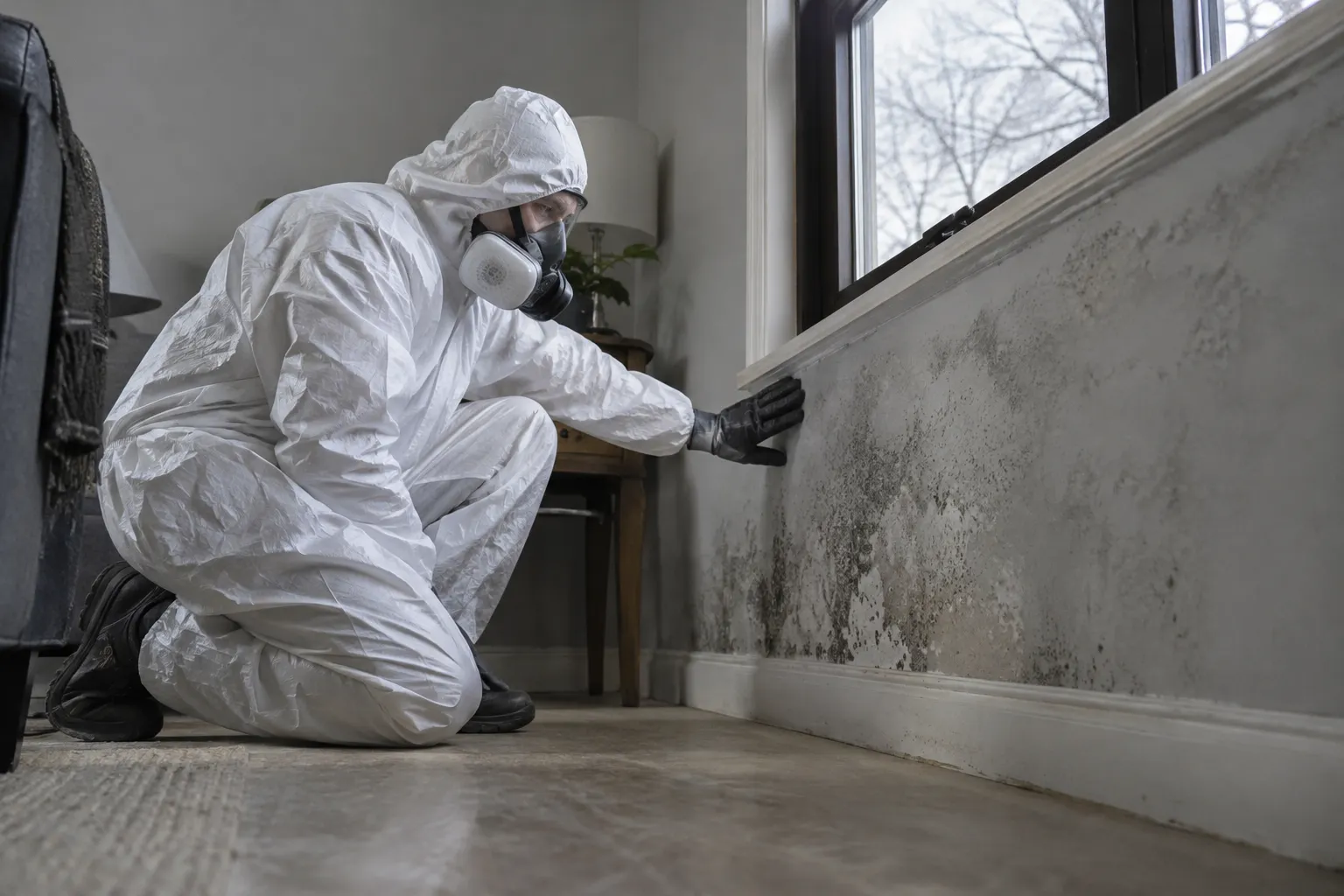
TELL US WHAT YOU CAN SEE
Tell us what is stored and what is affected.
A useful call distinguishes the lining from its contents. Discuss availability and access before movement, with fixed shelving, possessions and any continuing moisture concern understood separately from wall removal.
Local context: Port Phillip — neighbourhood heritage