
ROOMS · MATERIALS · MOISTURE
NOBLE PARK · MELBOURNE
Mould Removal Noble Park
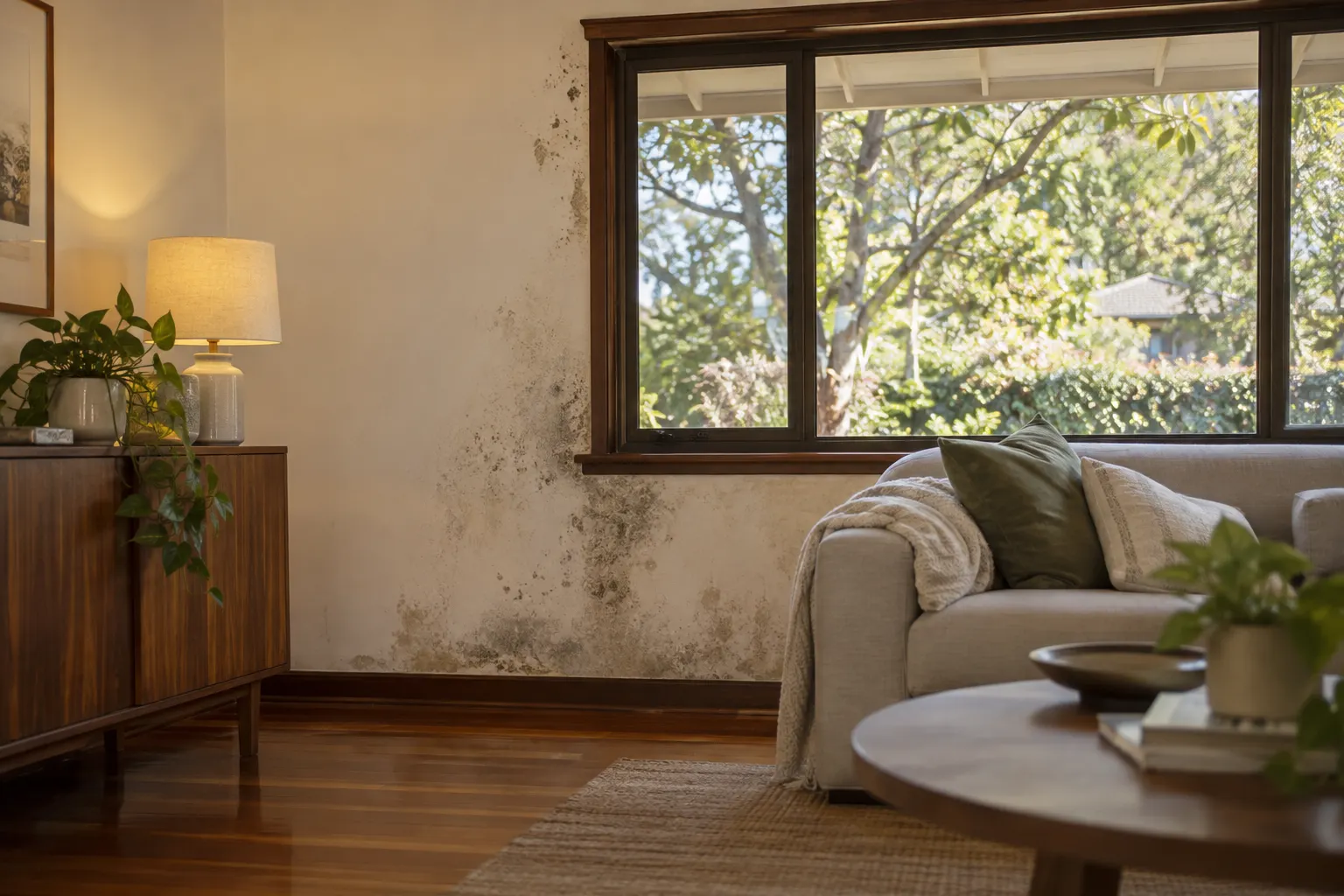
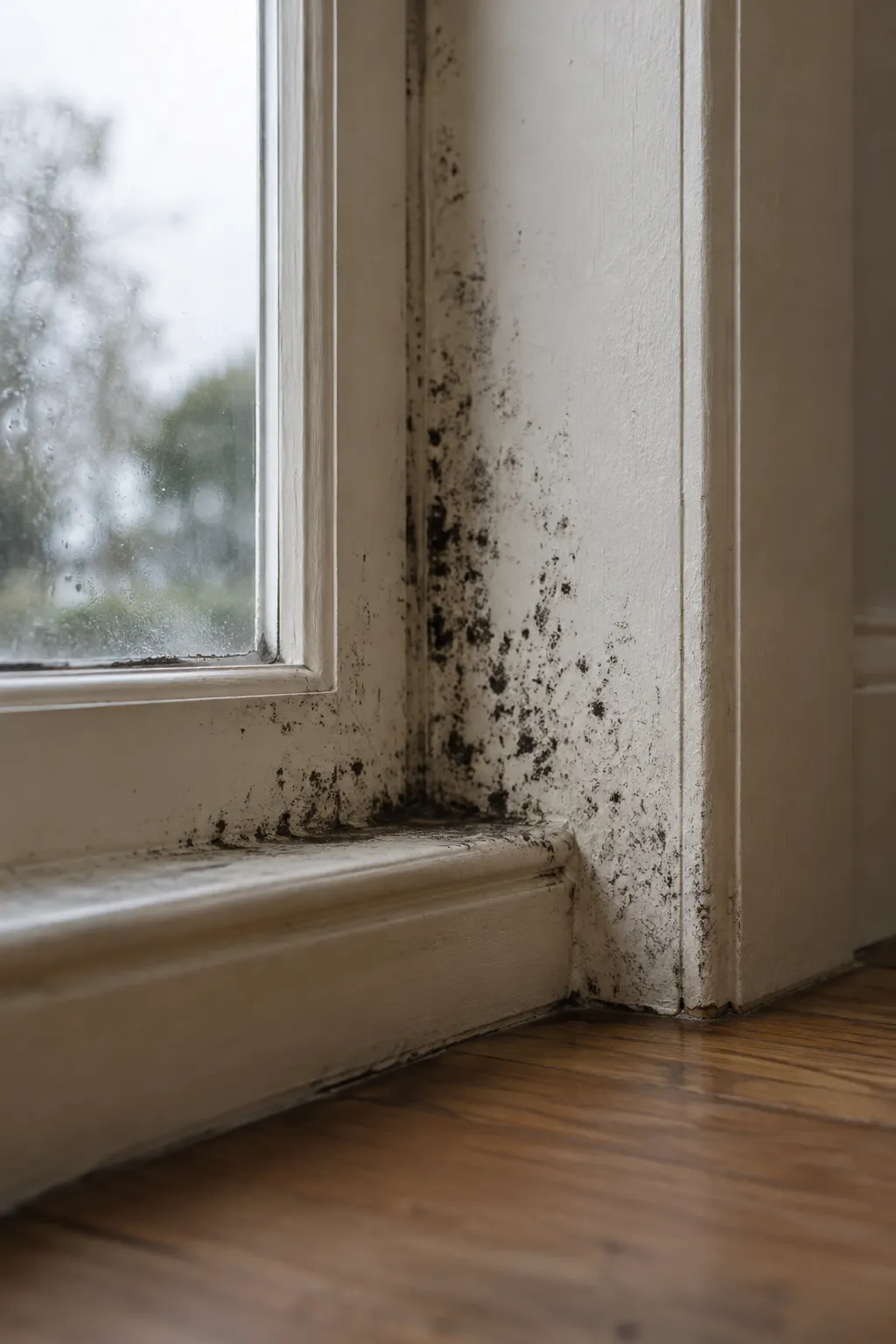
Mould in a unit is a room problem with possible building connections. For Noble Park, describe the affected room and any wall shared with another space. A clear enquiry distinguishes accessible surface work from a leak, common-property defect or permission that needs resolving first.
Material condition considered
Accessible work agreed first
Moisture observations kept in view
THE ROOM TELLS A STORY
A room concern, a building question.
Greater Dandenong Council identifies Noble Park as a municipal suburb.
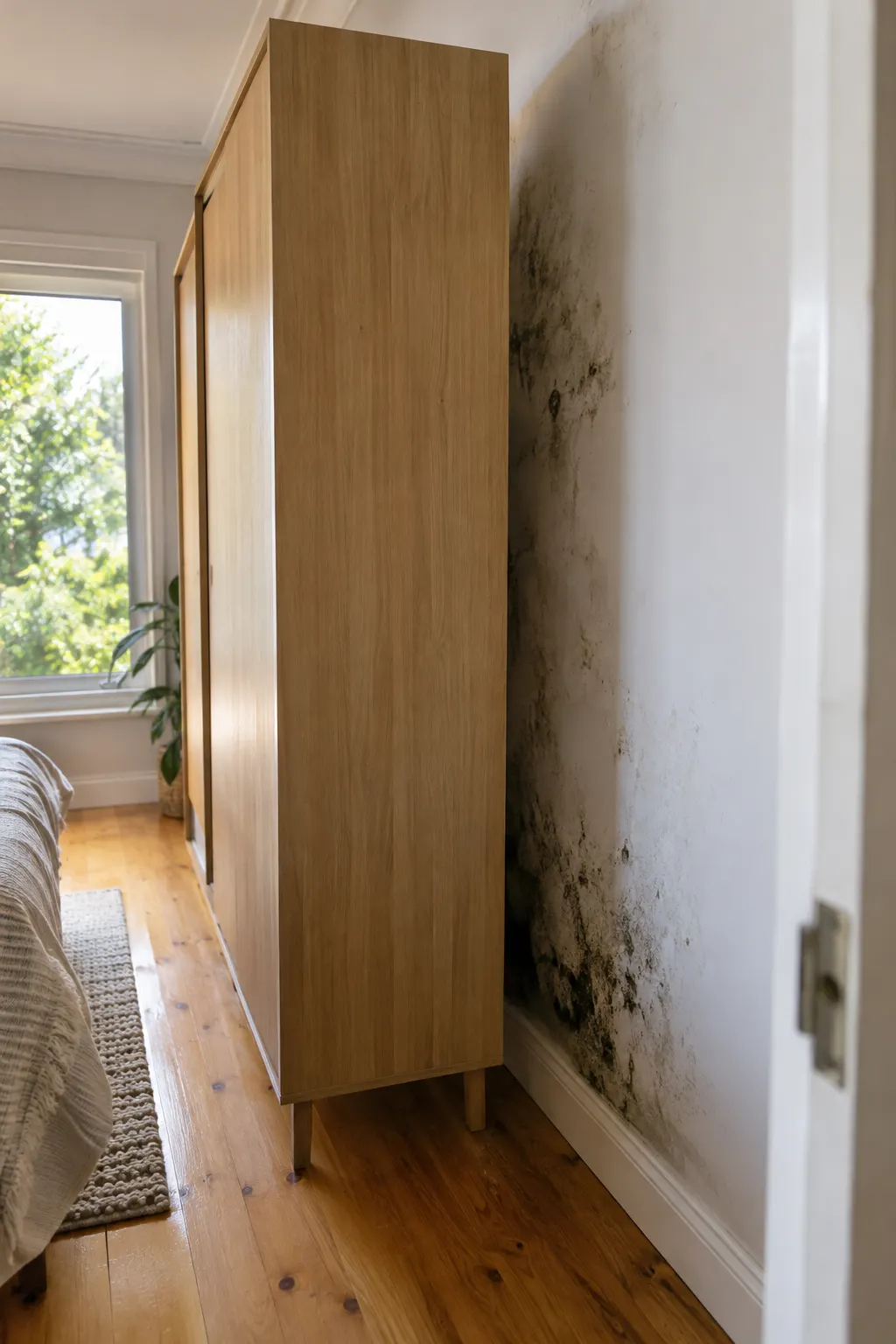
If you live in a unit and the patch is near a shared boundary, identify the surface without assuming the neighbouring property is responsible. Keep photos and dates, and involve the relevant property contact when building access or common areas may be needed. No exterior fault is diagnosed from a room photo alone.
UNDERSTANDING MOISTURE
Keep three kinds of evidence separate.
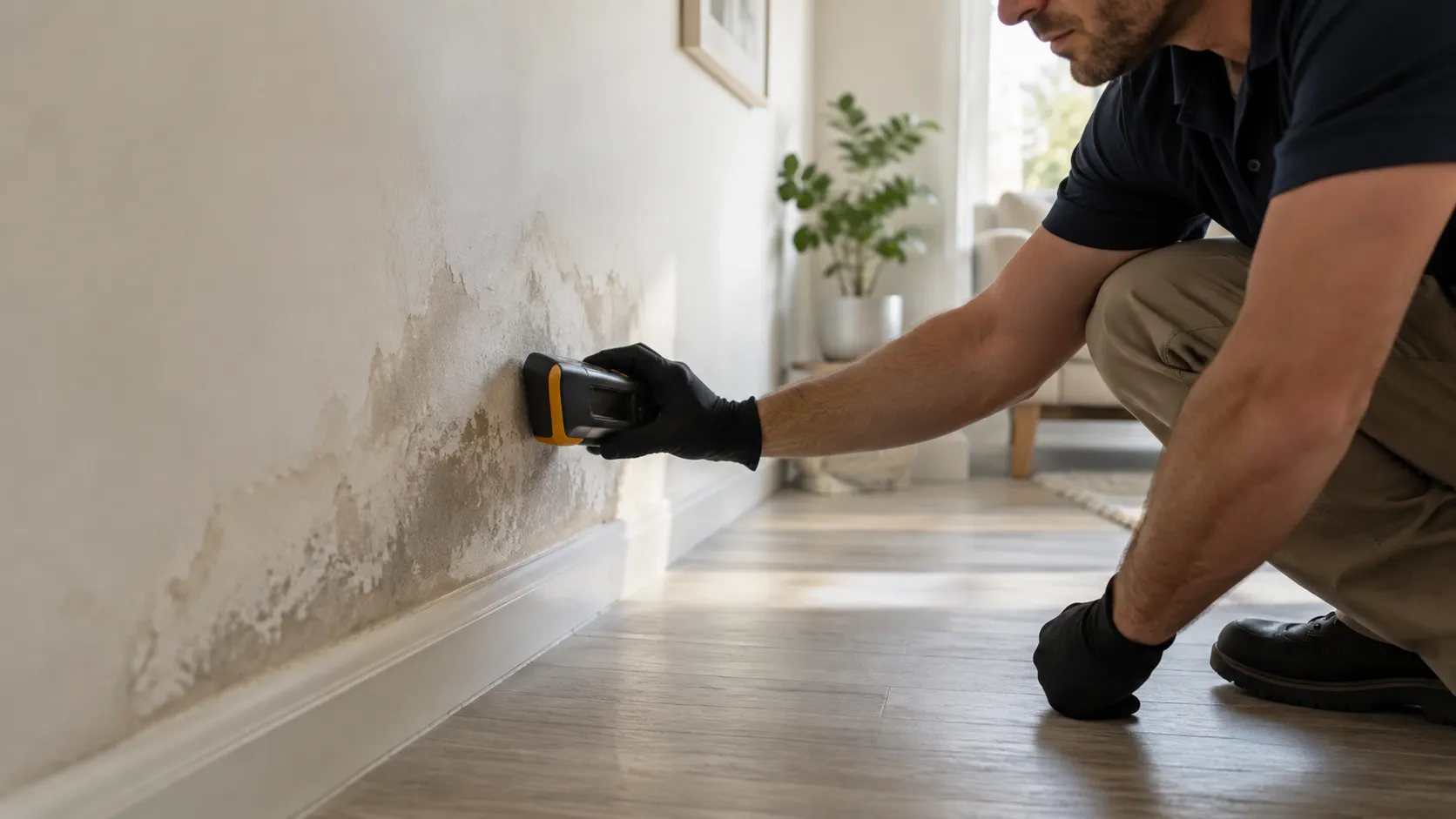
The interior pattern
Describe the affected wall’s position relative to windows, furniture and wet rooms. A shared boundary is relevant context, but the visible patch itself does not establish that a neighbouring unit or common service caused the moisture.
Changes over time
Keep dates of rain-related wetting, plumbing repairs and ordinary condensation. These observations can help different people assess the issue without everyone working from a single close-up or assuming the most recent event explains the wall.
What remains concealed
Fixed fittings and adjoining units can restrict access. A mould inspection considers accessible surfaces; investigation beyond the room may require permission or a suitable building professional. Explain those limits during the first call.
OUR REMOVAL PROCESS
Agree the room work and its limits.
Use dated observations
Send a current room photograph with any earlier comparison clearly labelled. The sequence can help distinguish a returning patch from a stain that remained after a previous event or repair.
Identify the contact
Tell us who can authorise access or coordinate other work. Having a practical contact helps preparation without assuming the owner, tenant or owners corporation has already agreed responsibility for the cause.
Separate common areas
If the concern also involves a corridor or building exterior, mention it explicitly. Work in your room does not automatically include common property or every neighbouring surface that may be relevant.
01
Describe the accessible area
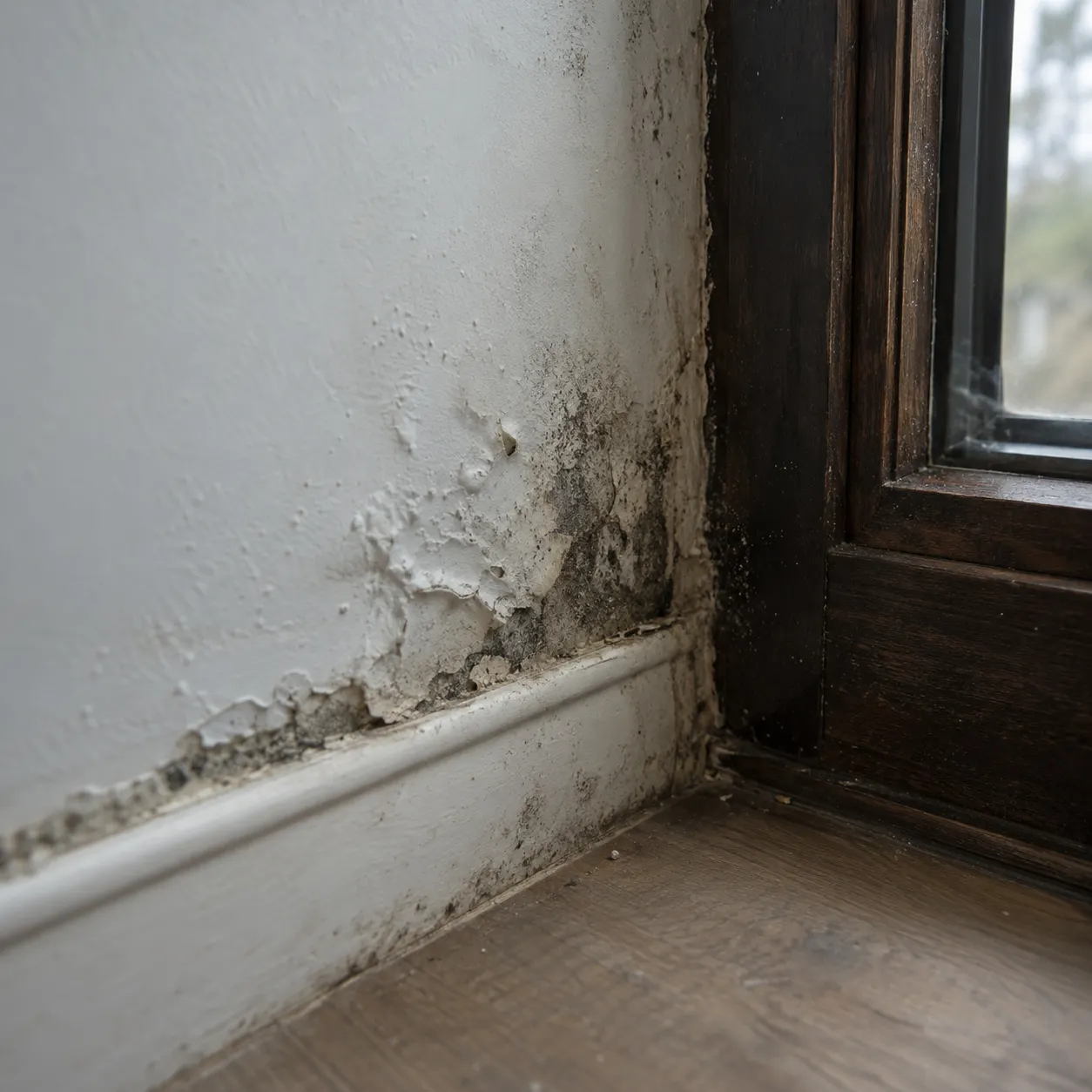
Provide the unit address, room layout and visible extent. Name the material and any soft or damaged finish. The surface-removal scope should identify what can be reached without implying investigation of another property or closed cavity.
02
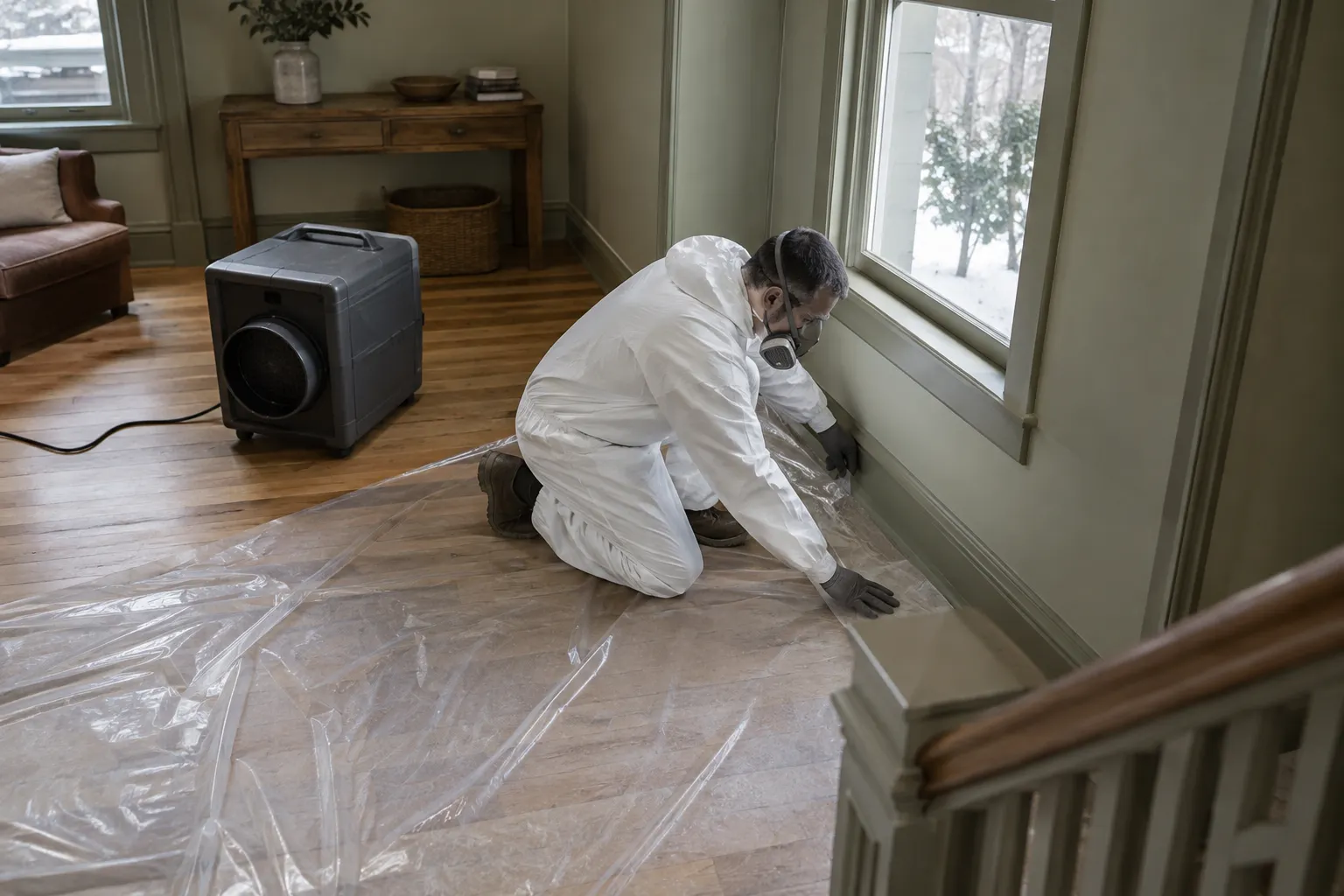
Coordinate preparation
Arrange relevant permissions and discuss belongings, working access and occupants’ concerns. If a property contact is organising separate repairs, explain their timing. Protection and equipment need to suit the agreed room work rather than presume unrestricted access to the building.
03
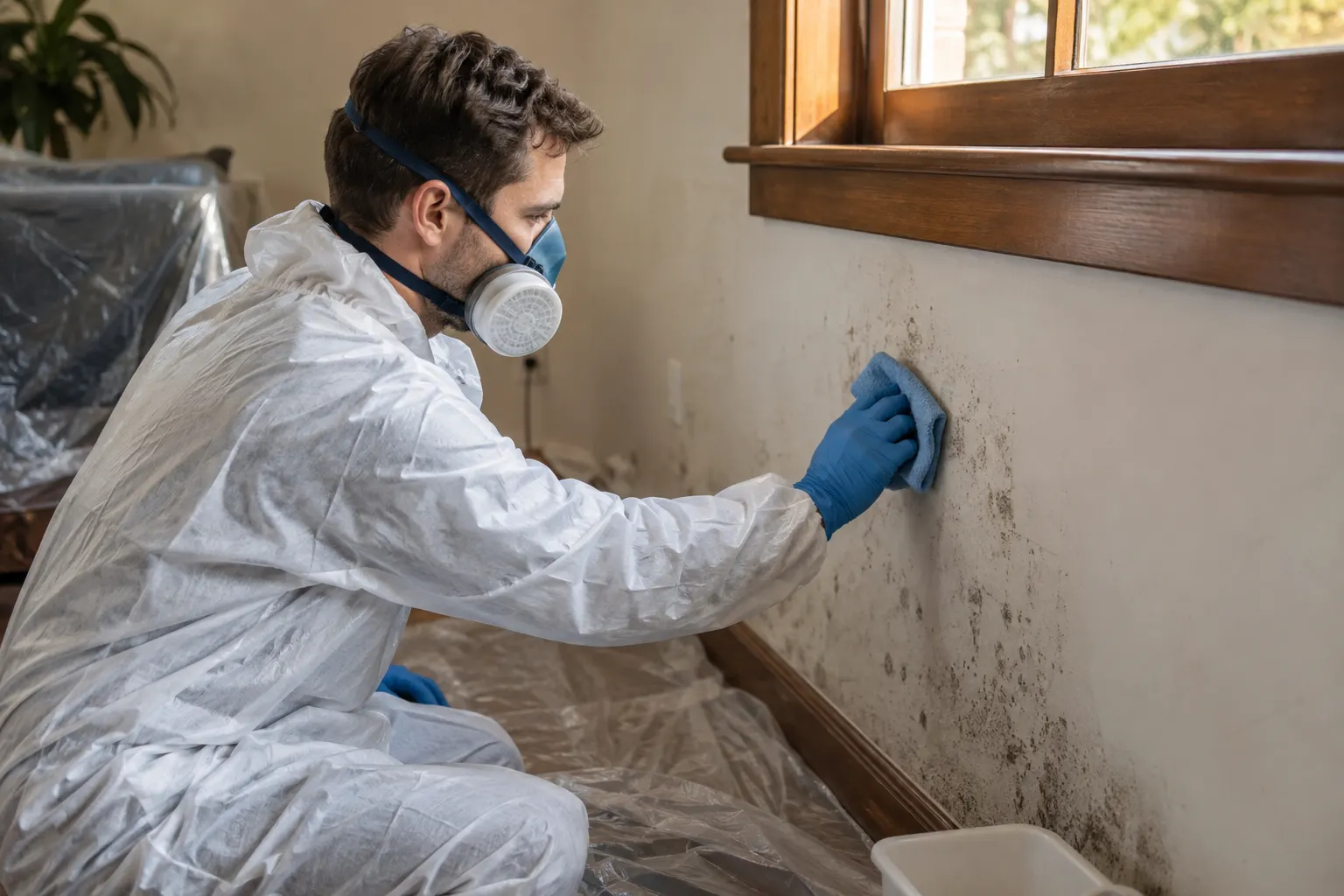
Review the unresolved issues
Discuss remaining staining, deterioration and any continuing water entry. Remediation planning links those questions with removal but does not settle building responsibility. A cleaner wall should not be represented as proof that a shared-service defect has been repaired.
COMMON AREAS AFFECTED
Make the room materials clear.
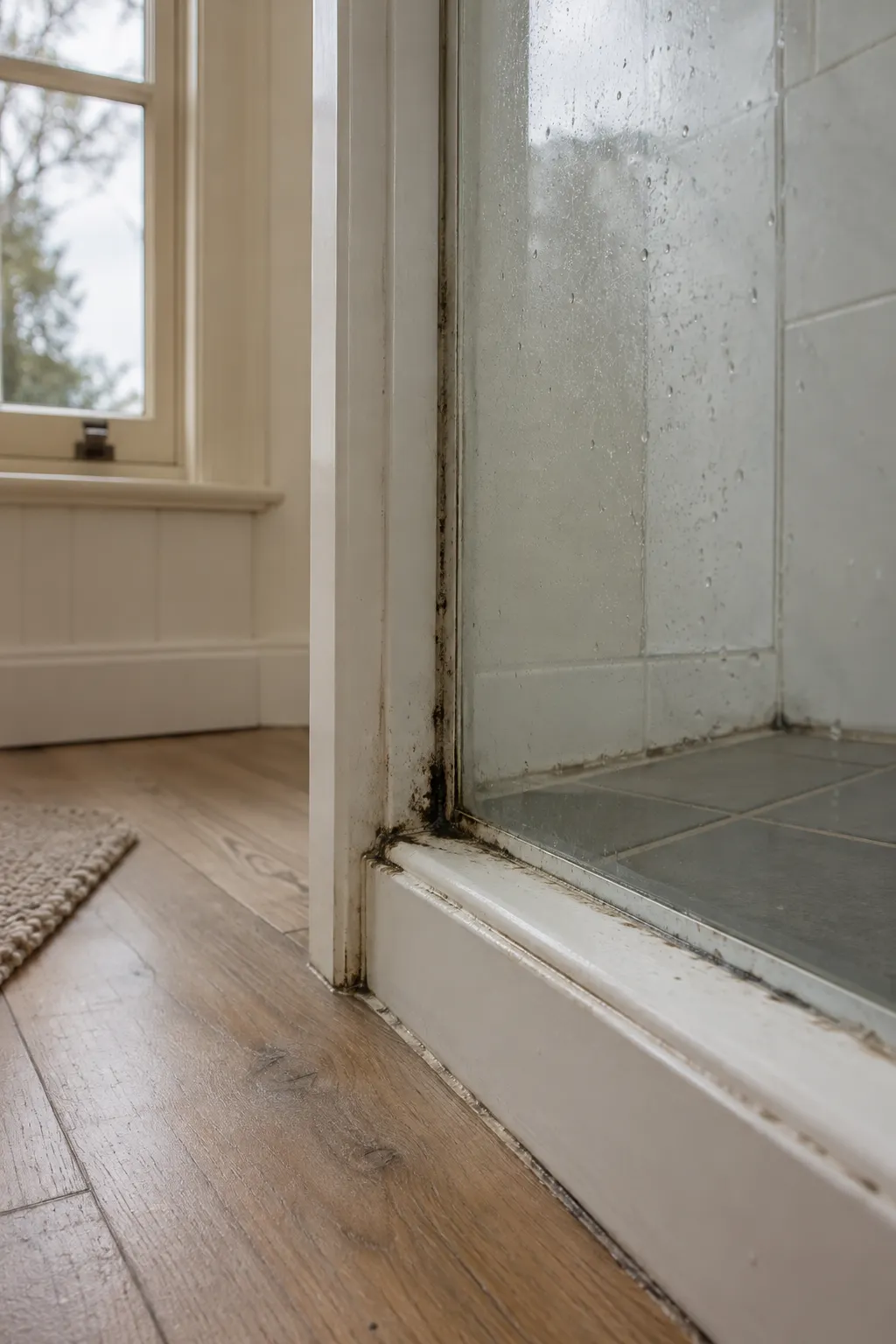
Bathroom surfaces
Bathroom growth in a unit can involve paint, grout, silicone or cupboard backing.
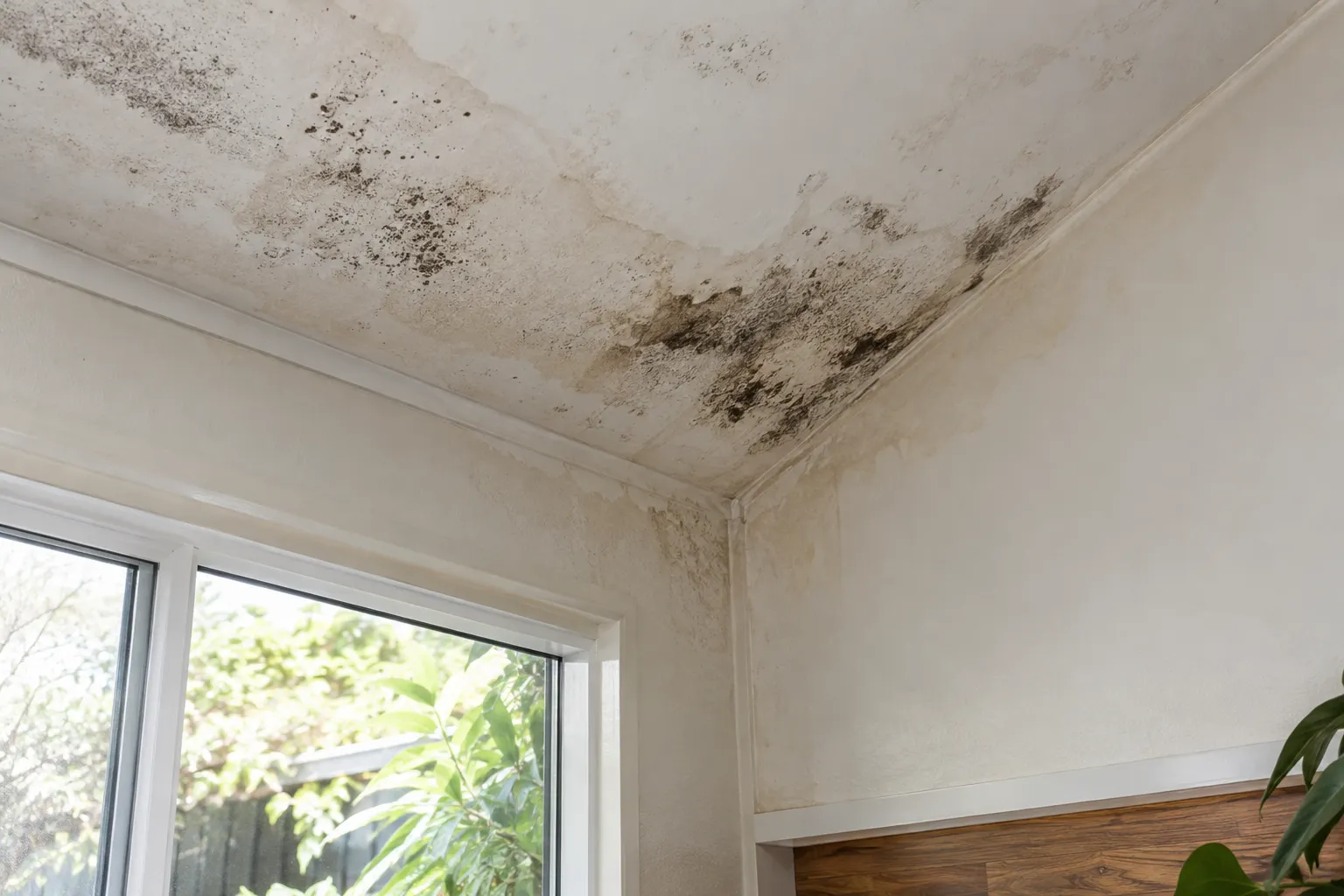
Ceiling condition
A ceiling patch under another floor needs its own wetting history. Note timing and known plumbing events without concluding from position alone that the upstairs room is responsible.
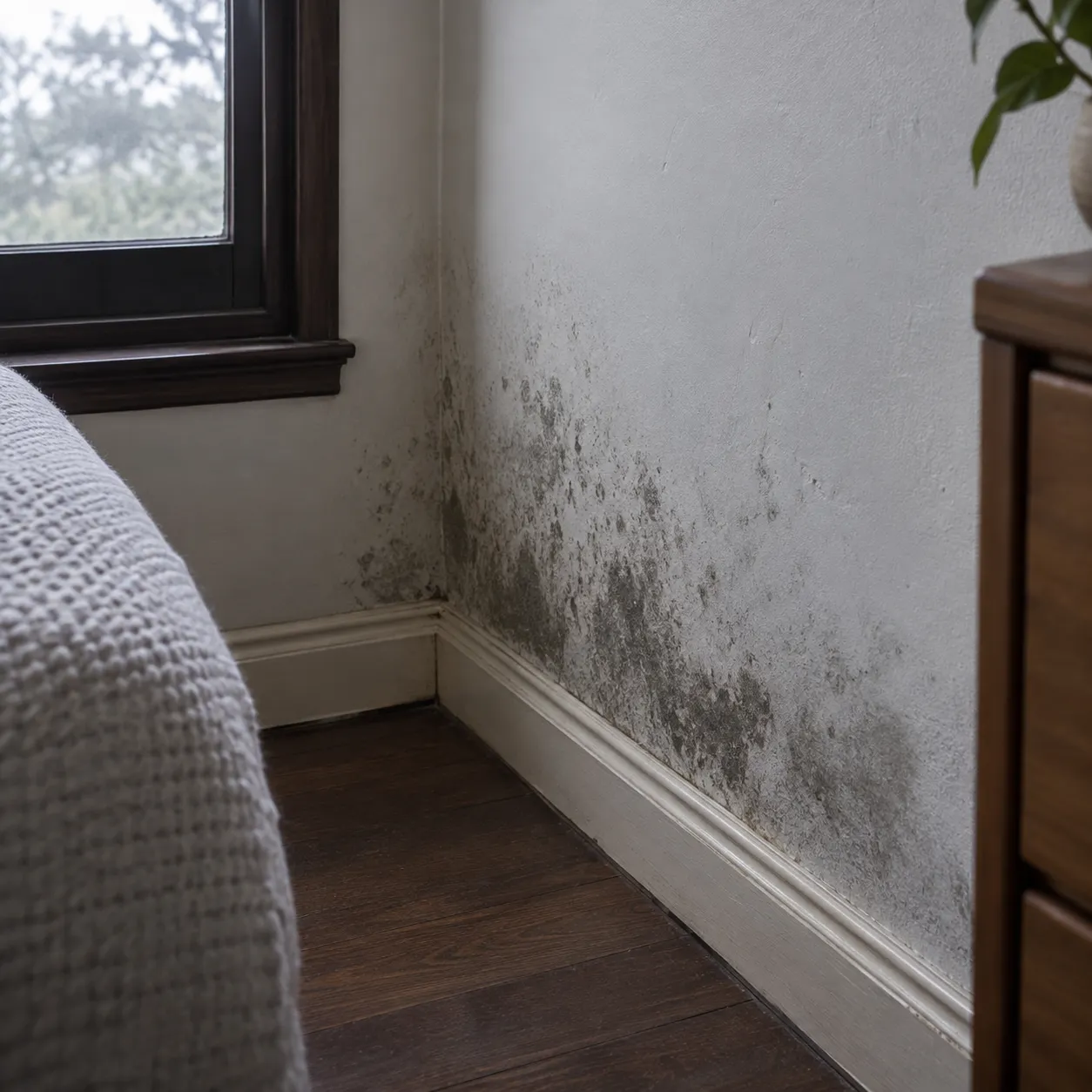
Walls and finishes
A shared-wall patch should be photographed with the surrounding room. Furniture, windows and adjoining services can all be relevant observations, while a concealed pathway remains outside a visual conclusion.
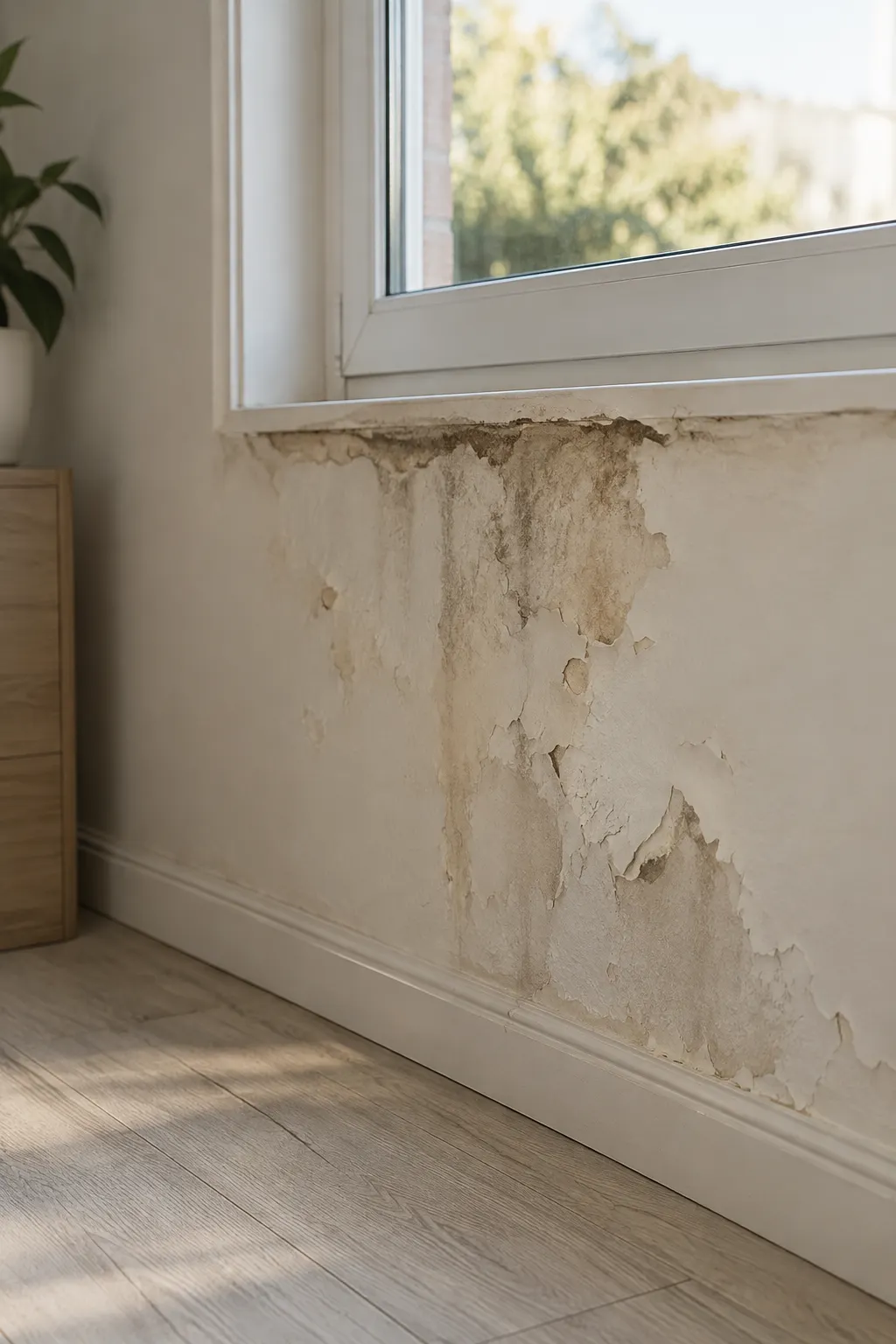
After water damage
After water enters a unit, flooring and wall linings can need distinct material decisions.
PREVENTION STARTS WITH
Keep the repair
conversation clear.
A practical household check
Track changes in the visible patch while any repair is being investigated. Keep communication about the source separate from the agreed surface-removal scope. Avoid repainting the mark merely to hide it before others have had an opportunity to inspect the relevant evidence.
Observe without assigning blame
Record renewed damp using the same wider views where possible. Describe what you can see rather than naming a responsible property without investigation. That keeps the removal enquiry useful while the appropriate contacts consider access, maintenance and any separate building repair.
NOBLE PARK & NEARBY
Around Noble Park
Nearby enquiries can begin with Springvale, Keysborough or Dandenong. Where a different unit or building is involved, discuss its own authorised contact and access rather than carrying over this room’s arrangements.
BEFORE YOU CALL
The useful
questions.
Should the owners corporation be involved in a shared-wall enquiry?
It may be useful where access, shared services or common property are relevant. Start by recording the room evidence and speaking with the appropriate property contact. Who arranges repairs depends on the circumstances; a removal appointment does not settle responsibility for a building defect.
Can a shared-wall photo identify which unit caused the problem?
It can show visible condition and location, but cannot establish a concealed water pathway or responsibility.
Is permission needed to remove affected fixed fittings?
Discuss that before arranging work. Fixed fittings may involve the owner or another authorised contact, and suitable trade assistance. They should not be dismantled simply to improve access for an enquiry photograph.
Can the appointment cover common-property surfaces too?
Only if that work is specifically discussed, authorised and agreed. A room-removal scope does not automatically extend to corridors, exteriors or neighbouring units, even where those areas are relevant to the investigation.
What if repair dates and removal dates do not align?
Explain the outstanding work when you call. Continuing water entry or limited access can affect the useful timing of removal. The scope should state unresolved issues rather than assume all repairs will be complete.
What is needed for a Noble Park enquiry?
Call 03 8652 1296 with the unit address, room photos and relevant property contact.
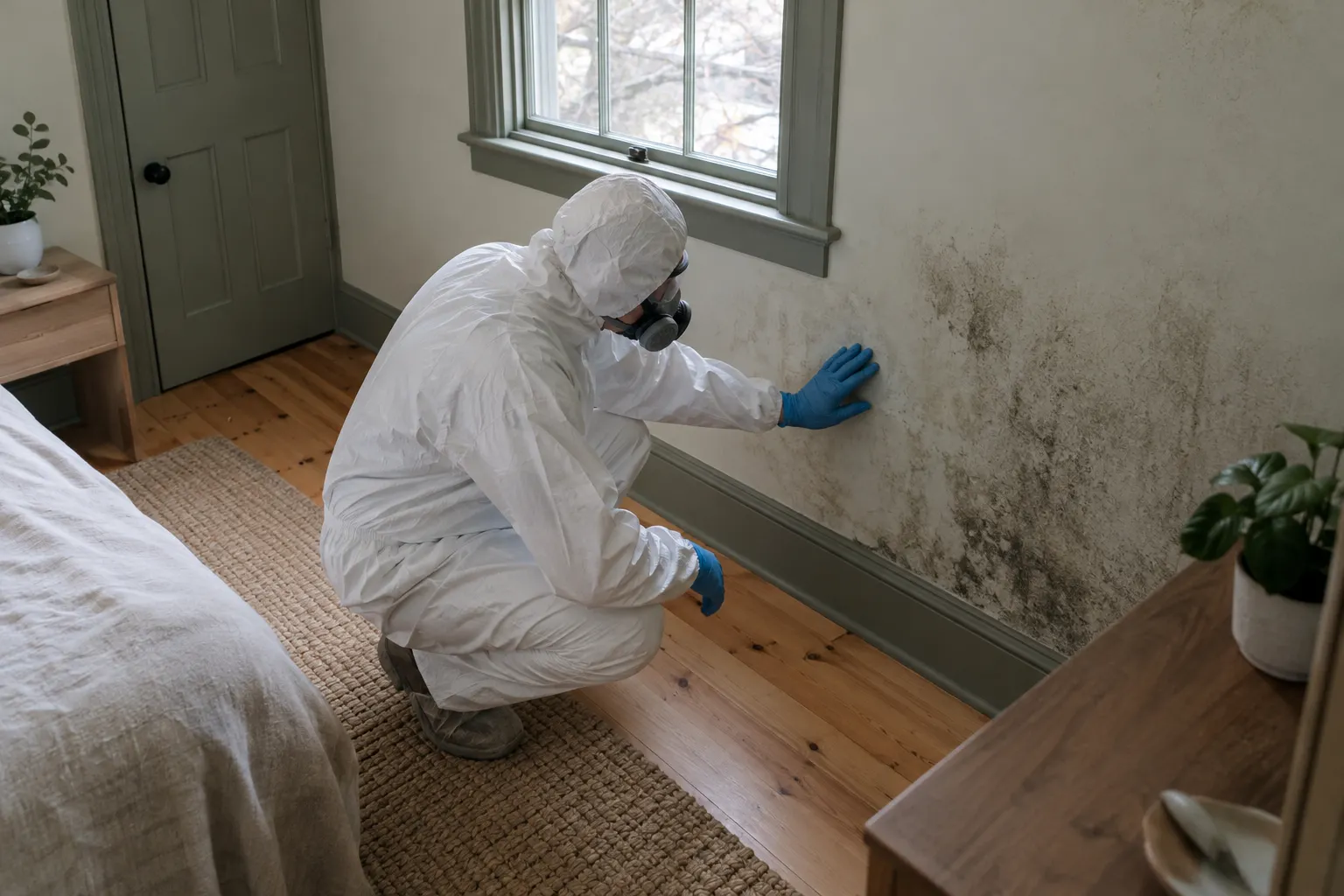
TELL US WHAT YOU CAN SEE
Bring the room evidence together.
Discuss the visible wall and the building questions separately. A call can clarify address availability, practical access and the agreed surface work, with any common-property or unresolved repair limitations understood in advance.
Local context: Greater Dandenong — local statistics