
ROOMS · MATERIALS · MOISTURE
PRAHRAN · MELBOURNE
Mould Removal Prahran
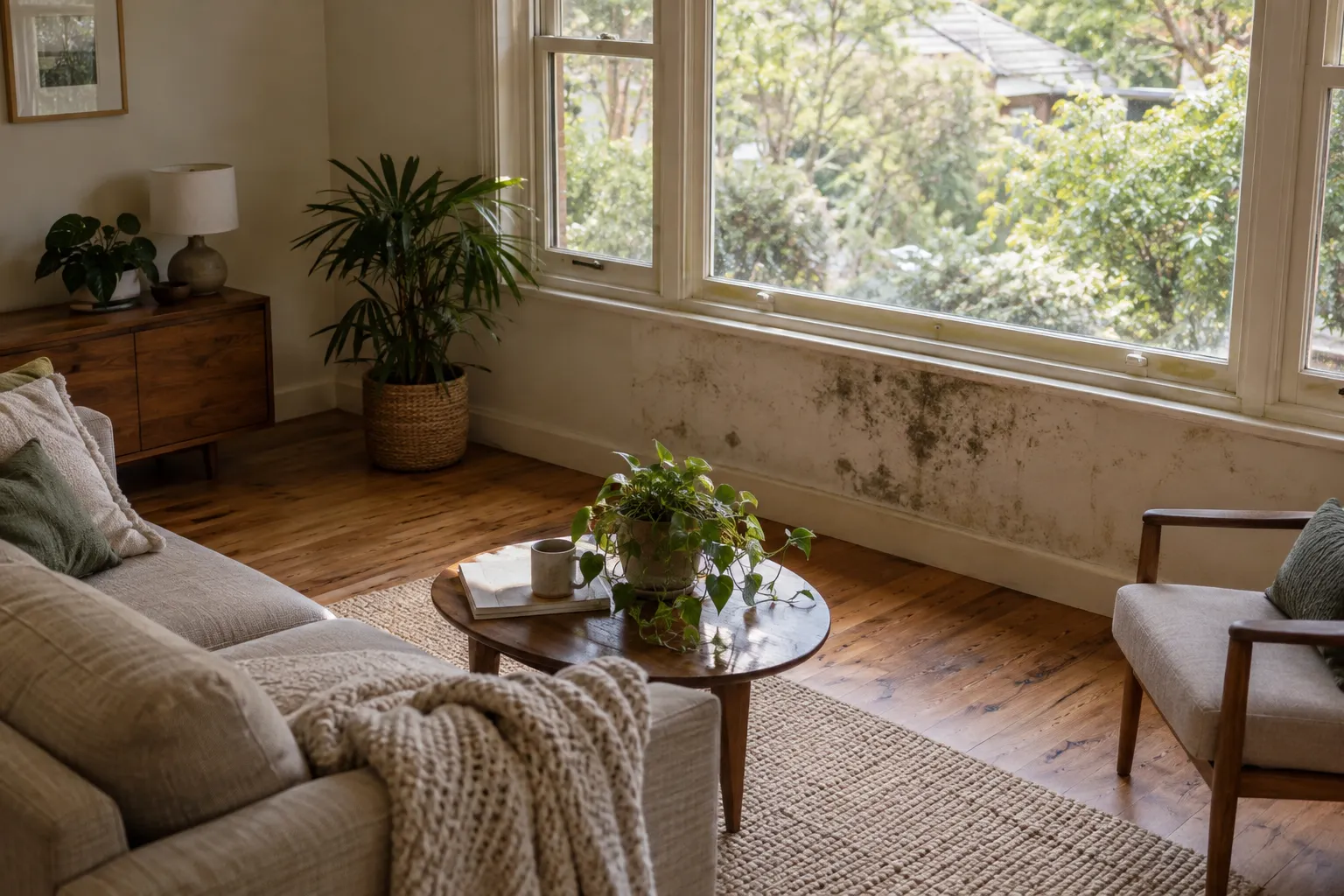
An older finish may need a different removal approach from a newly painted wall. When discussing mould in Prahran, mention decorative plaster, fragile paint or previous restoration. We can consider accessible surfaces without assuming a heritage detail should be scrubbed like a plain modern lining.
Material condition considered
Accessible work agreed first
Moisture observations kept in view
THE ROOM TELLS A STORY
Respect the finish before choosing a method.
Stonnington’s heritage review considers properties in Prahran and Windsor.
Where a home has decorative plaster or a fragile older finish, the material matters as much as the patch size. Identify those details before work starts. Heritage context does not mean every Prahran home has the same construction, and age alone does not explain the moisture in a particular room.
UNDERSTANDING MOISTURE
Material and moisture belong together.
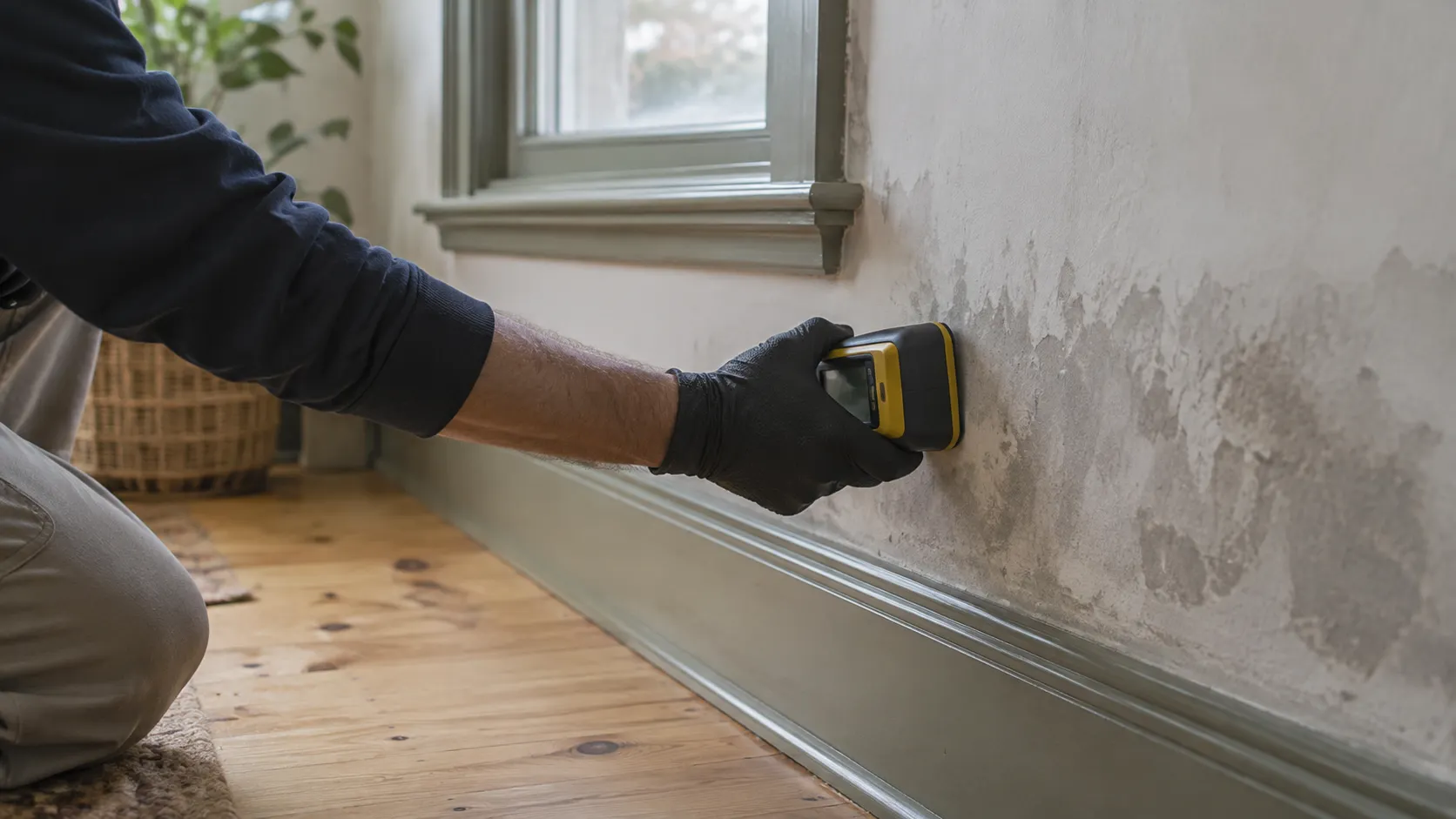
The decorative surface
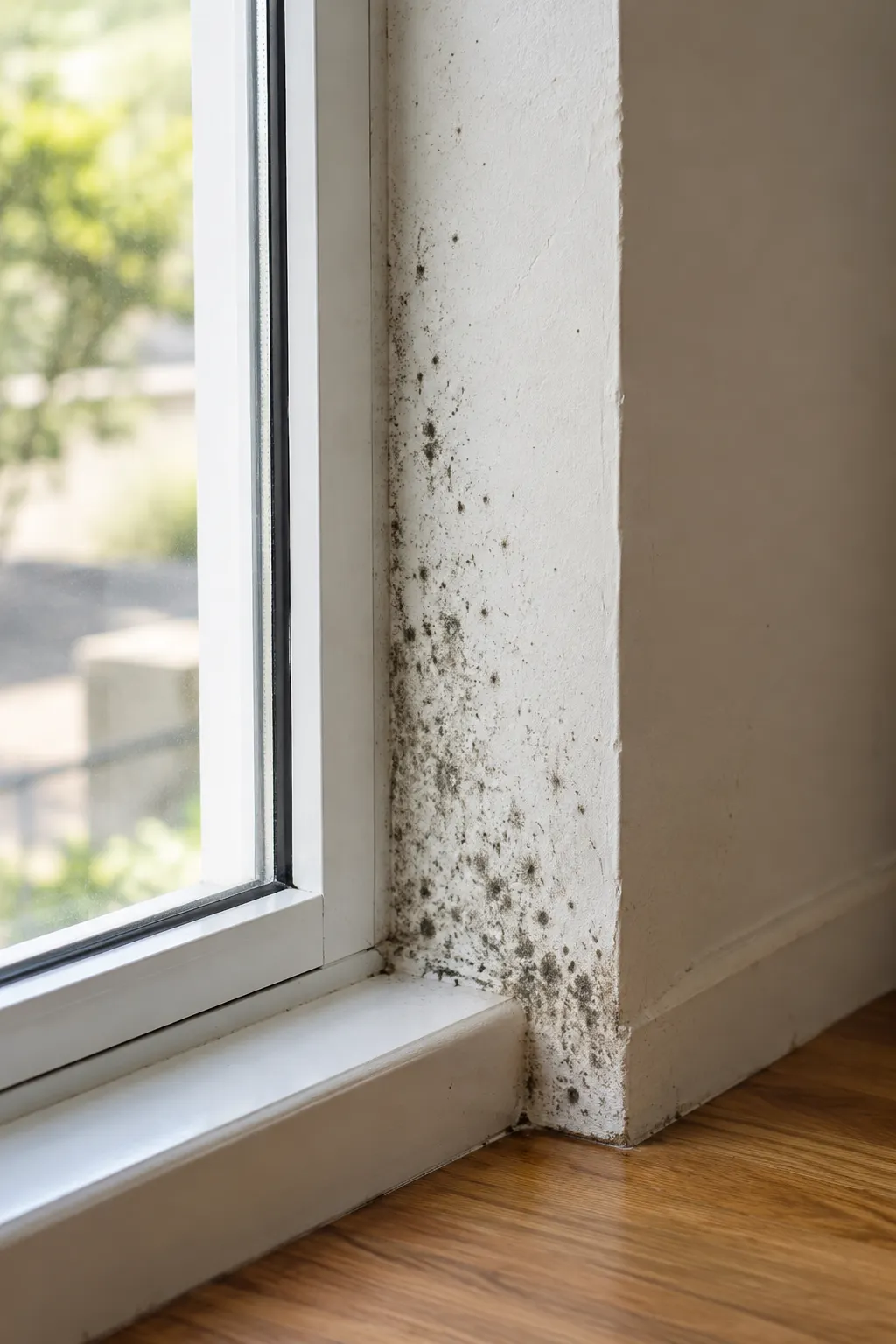
Identify moulded edges, delicate paint and previous restoration around the patch. Finish condition matters to the method. An older-looking detail should not be treated as proof of one construction type or a particular source of damp.
A repair history
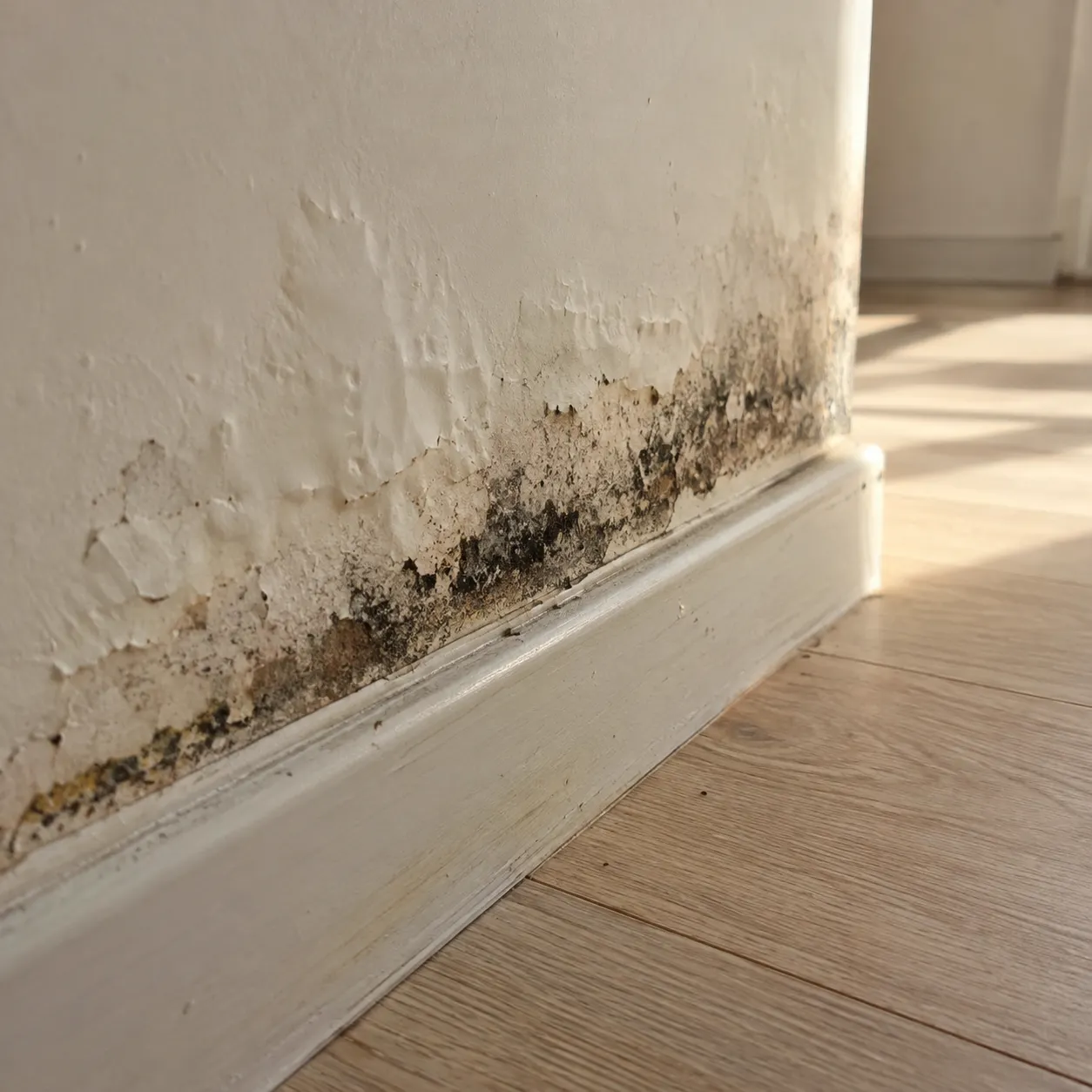
Explain whether the plaster was previously repaired and what prompted that work. A chronology can show a returning problem or a new observation, without assuming the latest repair either caused the growth or resolved all moisture.
The room evidence
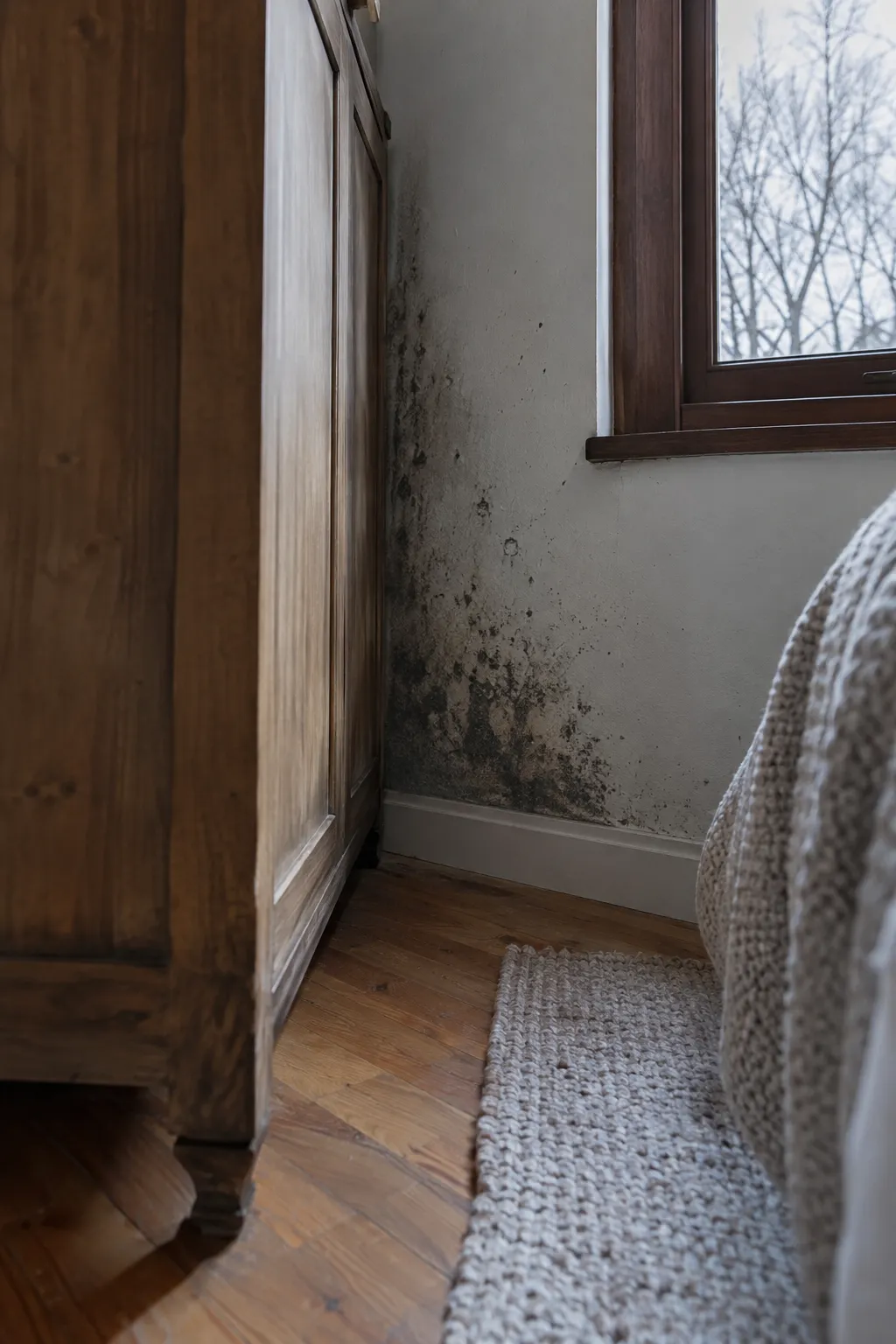
Photograph windows, furniture and adjoining surfaces alongside the detail. A mould inspection considers accessible condition, while concealed building materials and specialist finish repair may require separate professional attention rather than a visual promise.
OUR REMOVAL PROCESS
Careful scope for a distinctive interior.
Keep restoration information
If you have earlier photos or a description of restoration work, make them available. They can clarify repaired sections and expectations without claiming the whole property has identical material condition.
Leave the surface untested
Avoid trying several cleaners on a delicate patch before the appointment. Explain previous products already used, but leave further preparation to an agreed method suited to the finish.
Make specialist work explicit
Decorative plaster repair or assessment of older building materials is not silently included in a removal visit. Describe those concerns so appropriate assistance and the accessible scope remain clear.
01
Describe the delicate areas
Provide a room view and close images of the finish without scraping it. Explain material uncertainty, visible extent and earlier restoration. The surface-removal scope should recognise delicate details instead of assuming plain sound modern paint.
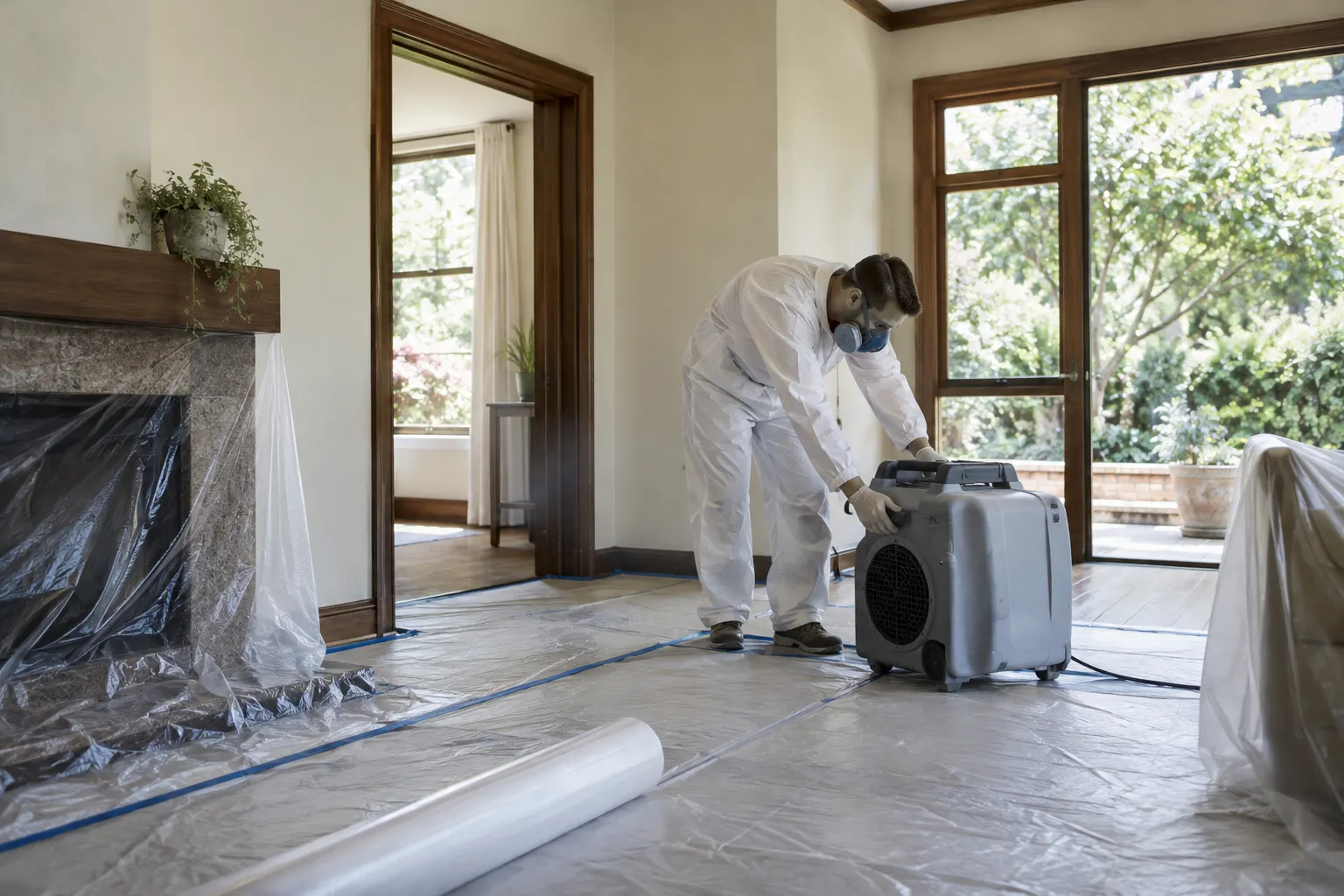
02
Agree preparation around the finish
Discuss protection of decorative surfaces, nearby possessions and practical access. Let us know about occupants’ concerns before work. Preparation and equipment should suit the material and task, with any specialist repair or additional investigation treated as a separate arrangement.
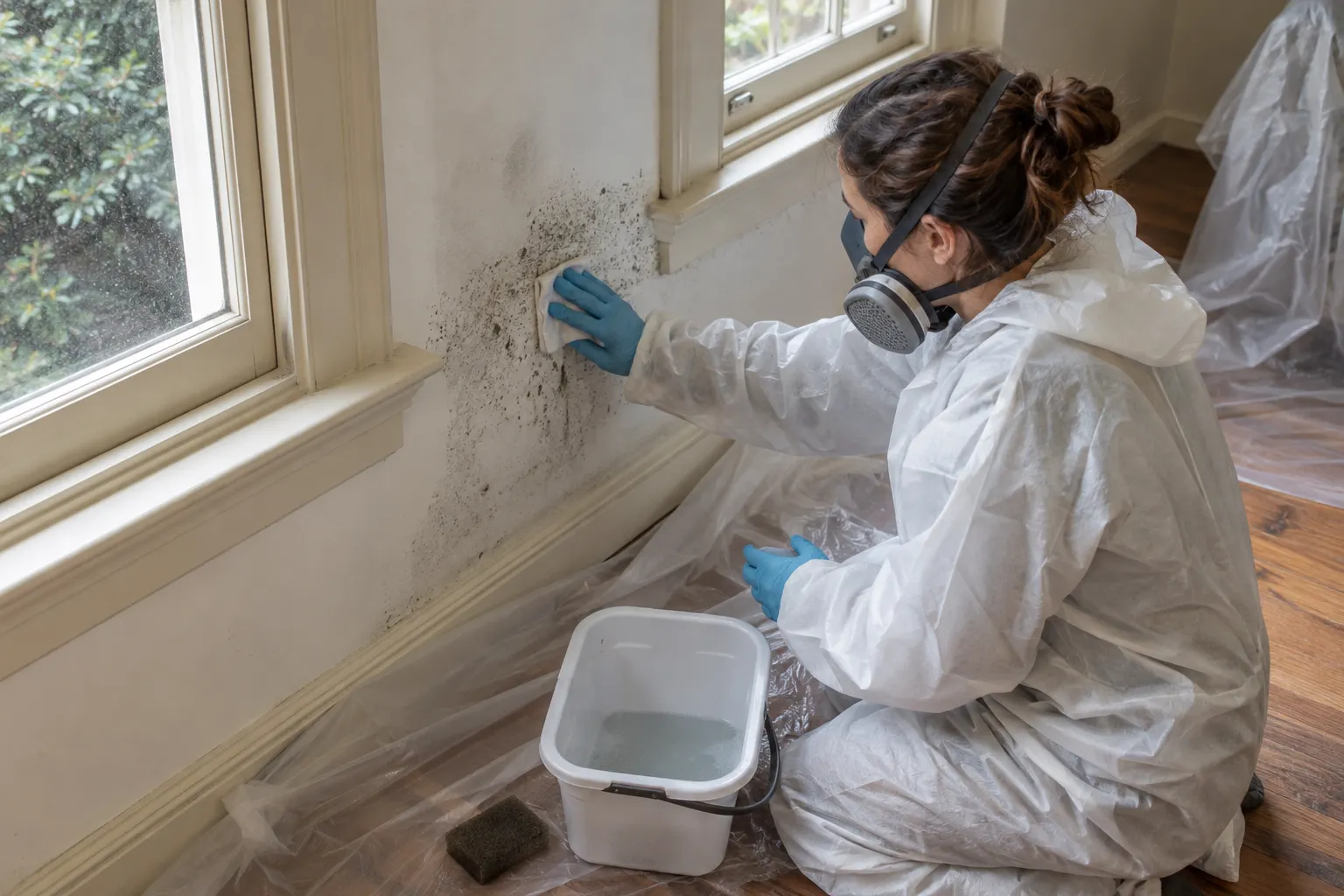
03
Review the appearance honestly
Discuss remaining staining, fragile areas and repair needs after accessible removal. Remediation decisions keep moisture and material limitations in view. Removing growth does not guarantee an older finish will return to a uniform newly painted appearance.
COMMON AREAS AFFECTED
Character details still need material decisions.
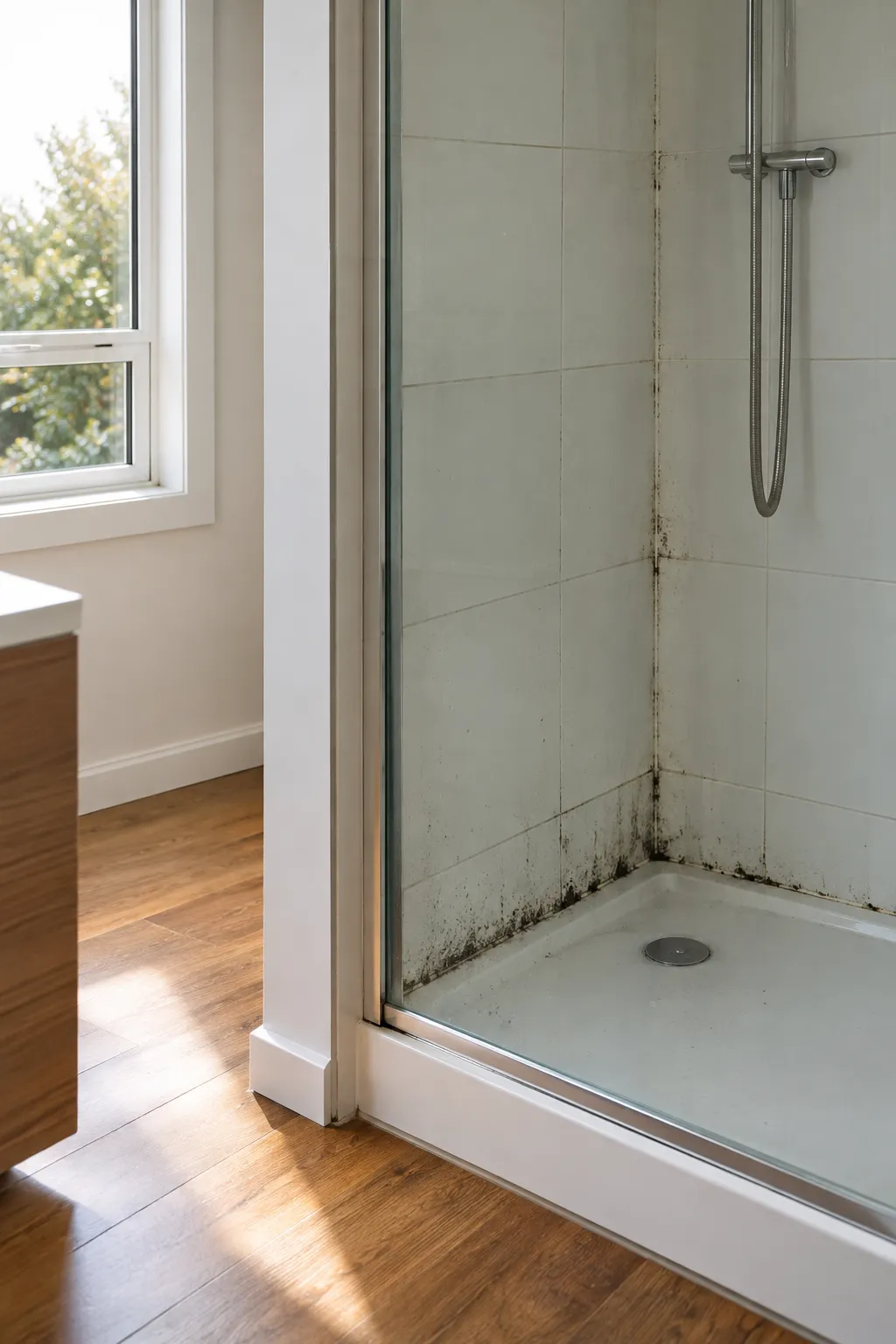
Bathroom surfaces
In a bathroom, paint, grout and silicone respond differently to wetting. Identify the finish and condition rather than applying the same expectations used for decorative plaster elsewhere in the home.
Ceiling condition
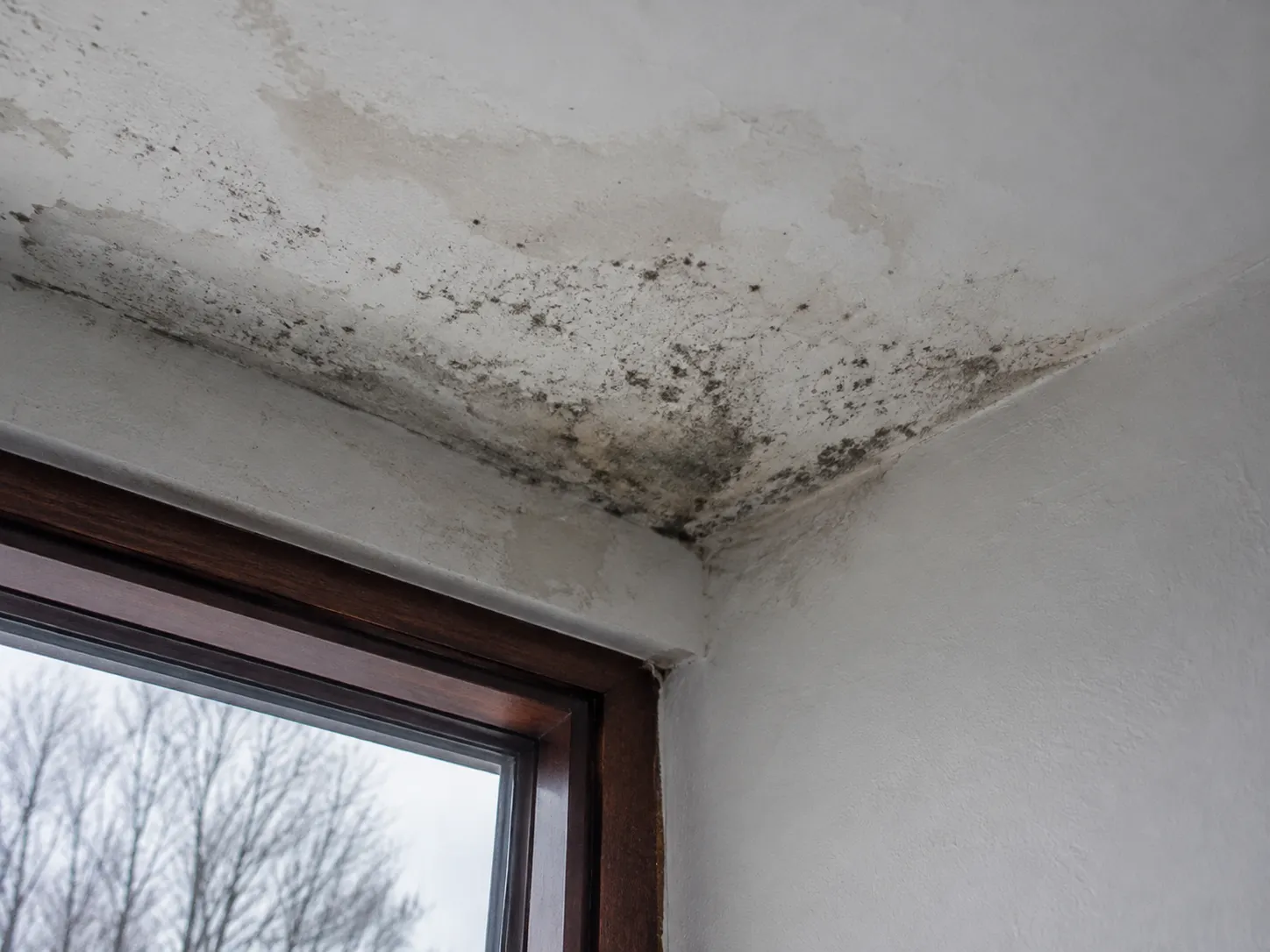
A ceiling patch near a moulded cornice needs softness, lifting paint and leak history described.
Walls and finishes
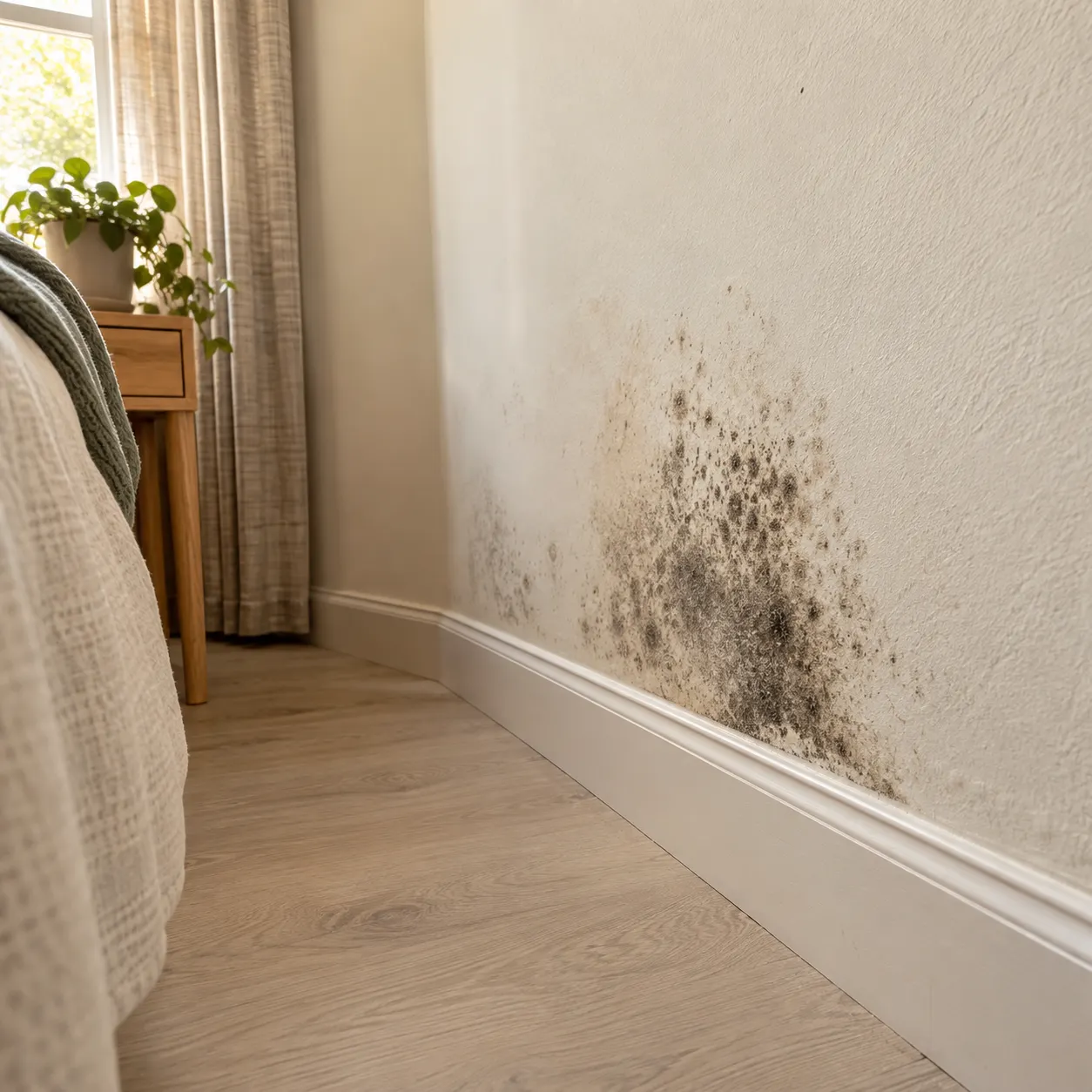
An older wall can include original and repaired finishes side by side.
After water damage
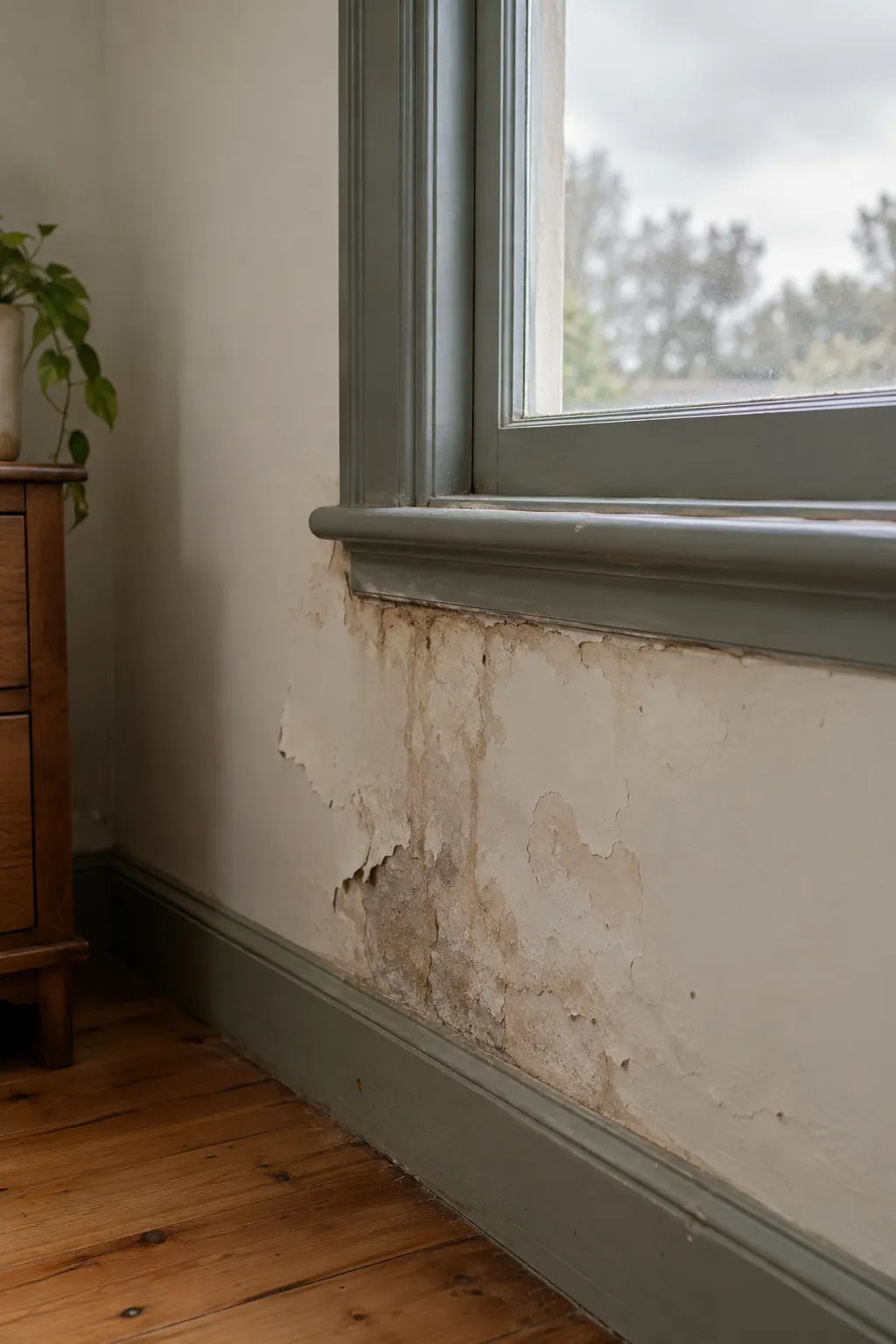
After water damage, the appearance of a restored interior does not describe concealed materials.
PREVENTION STARTS WITH
Preserve the detail.
Understand the damp.
A practical household check
Record fragile details in your enquiry photos, including moulded edges and repaired sections. Avoid testing several cleaning products on the same finish. A planned method should respect material limitations while the moisture cause is investigated separately.
Observe without repeated intervention
After the agreed work, check accessible decorative edges for renewed damp without rubbing or probing them. A recurrent patch calls for a review of the moisture source and finish condition. Repeated repainting or product trials can obscure useful evidence and create another material problem to resolve.
PRAHRAN & NEARBY
Around Prahran
Explore Windsor, Toorak and Armadale when the address is elsewhere nearby. Delicate finishes should still be identified from that room’s actual material, not assumed from a neighbouring area’s character.
BEFORE YOU CALL
The useful
questions.
Should I scrape peeling paint from an older wall before the appointment?
Leave the affected finish undisturbed and describe its condition. Scraping can change the evidence and may damage a delicate surface. Agree preparation first; any assessment or repair of older building materials outside the removal scope needs the appropriate professional.
Does every Prahran home need a heritage-specific method?
No. Properties and finishes vary. Describe the actual material, condition and any fragile details at your address. Documented neighbourhood heritage context should not be used to assume one construction or method for every room.
Can decorative plaster be restored by removing growth?
Removal and restoration are separate decisions. A fragile or damaged detail may need specialist repair, and staining can remain. Discuss expectations and material limits rather than assuming a cleaning method will recreate the original finish.
Should I test a cleaner on the decorative edge?
Avoid additional product trials before discussing the material. Explain what has already been used and provide photographs. Preparation should follow an agreed method rather than experiment on a fragile visible feature.
What if the paint is older than the recent plaster repair?
Mention both ages and the repaired area. Different finishes may meet at the patch, so the material history helps define limitations and any separate assessment needed before work.
What helps arrange a Prahran appointment?
Call 03 8652 1296 with the address, room photos and finish information. Discuss availability, delicate areas and any specialist repair or access issue before accessible removal is agreed.
TELL US WHAT YOU CAN SEE
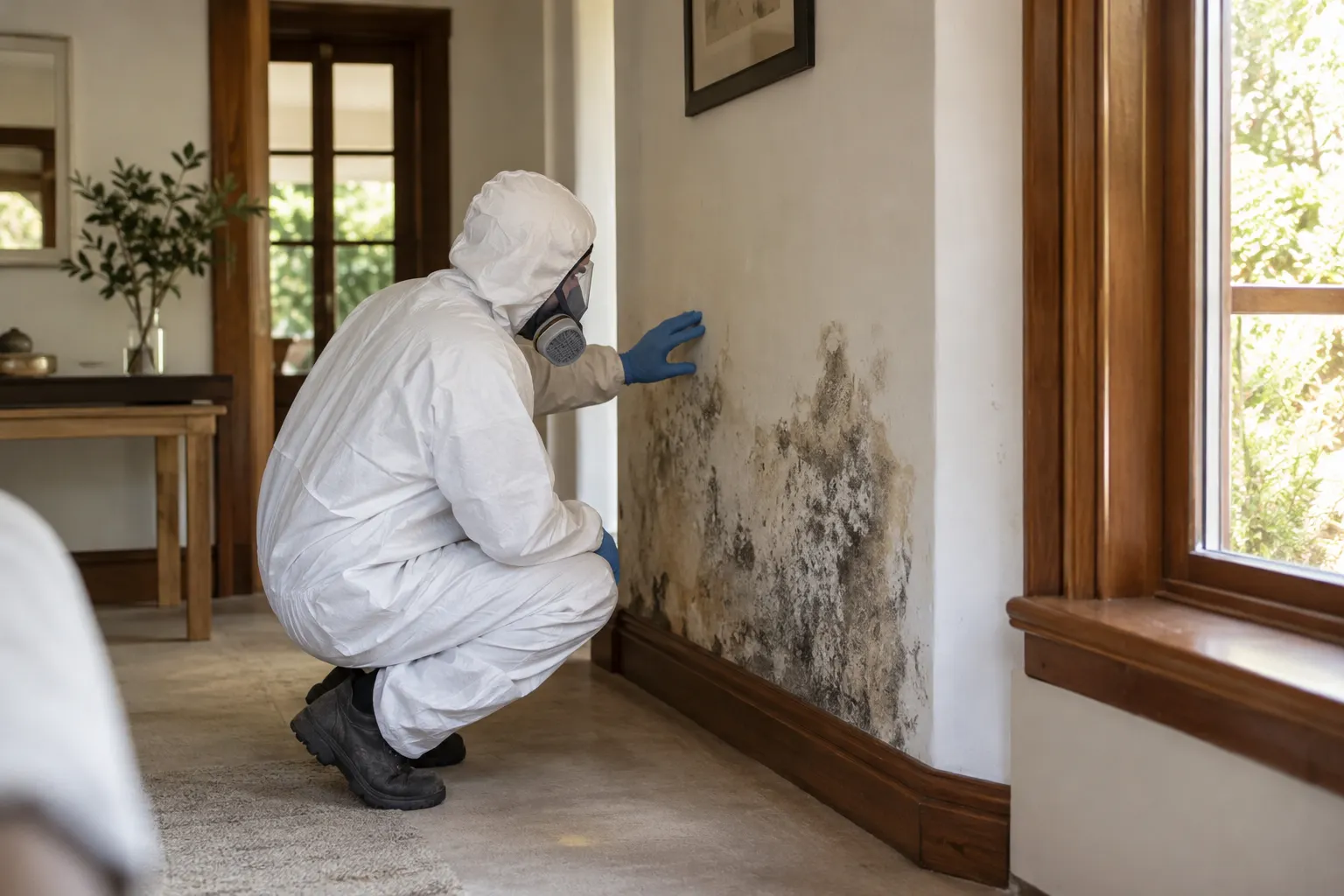
Tell us what makes the surface delicate.
Describe the visible growth and the finish around it. A first call can clarify address availability, preparation and material limits, with restoration and moisture repairs kept distinct from the agreed accessible work.
Local context: Stonnington — Prahran and Windsor heritage review