
ROOMS · MATERIALS · MOISTURE
RIPPONLEA · MELBOURNE
Mould Removal Ripponlea
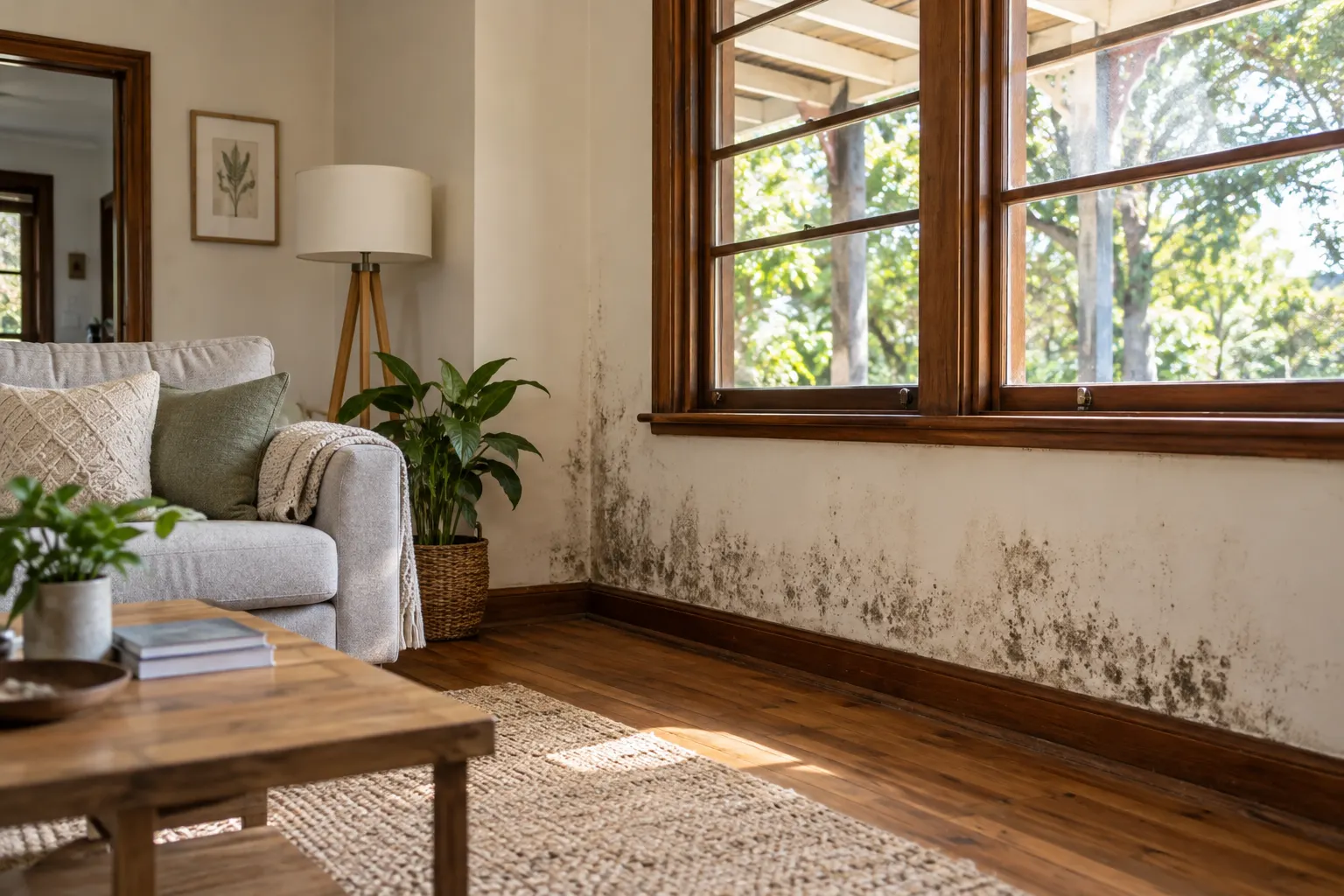
A bay-window corner can combine glazing, curtains and a cooler wall in one small space. When asking about mould in Ripponlea, show those elements together. The surface method and access plan should follow the room evidence, with any fragile finish identified before preparation begins.
Material condition considered
Accessible work agreed first
Moisture observations kept in view
THE ROOM TELLS A STORY
The window corner has its own conditions.
Port Phillip’s heritage review includes properties in Ripponlea.
In a home with a bay window, compare the lower corners with the more exposed centre of the room. If curtains or a seat cover the affected surface, mention them rather than pulling everything apart for a photo. Window geometry is useful context, not proof of a single cause.
UNDERSTANDING MOISTURE
Follow the shape of the affected area.
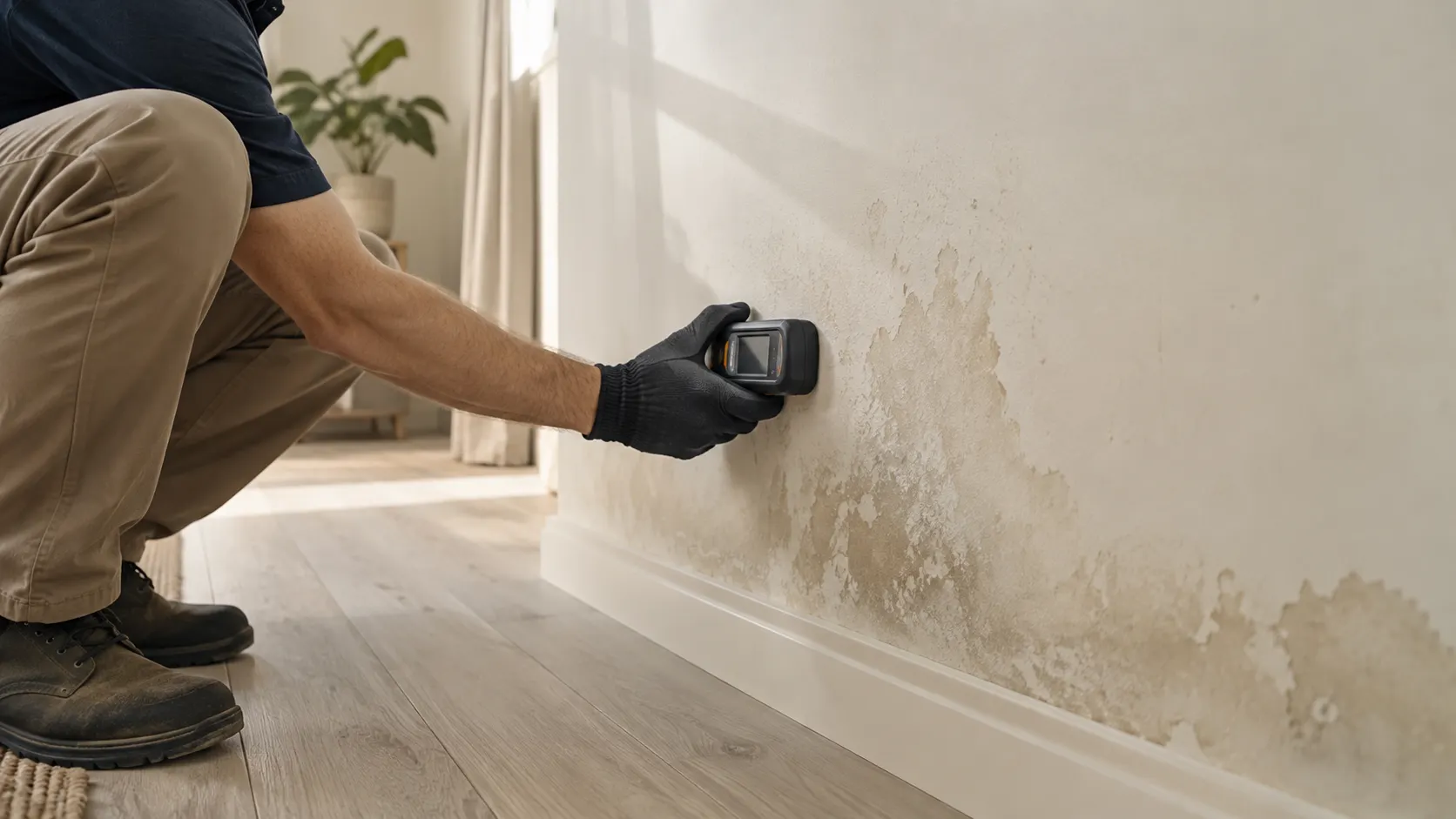
Window geometry
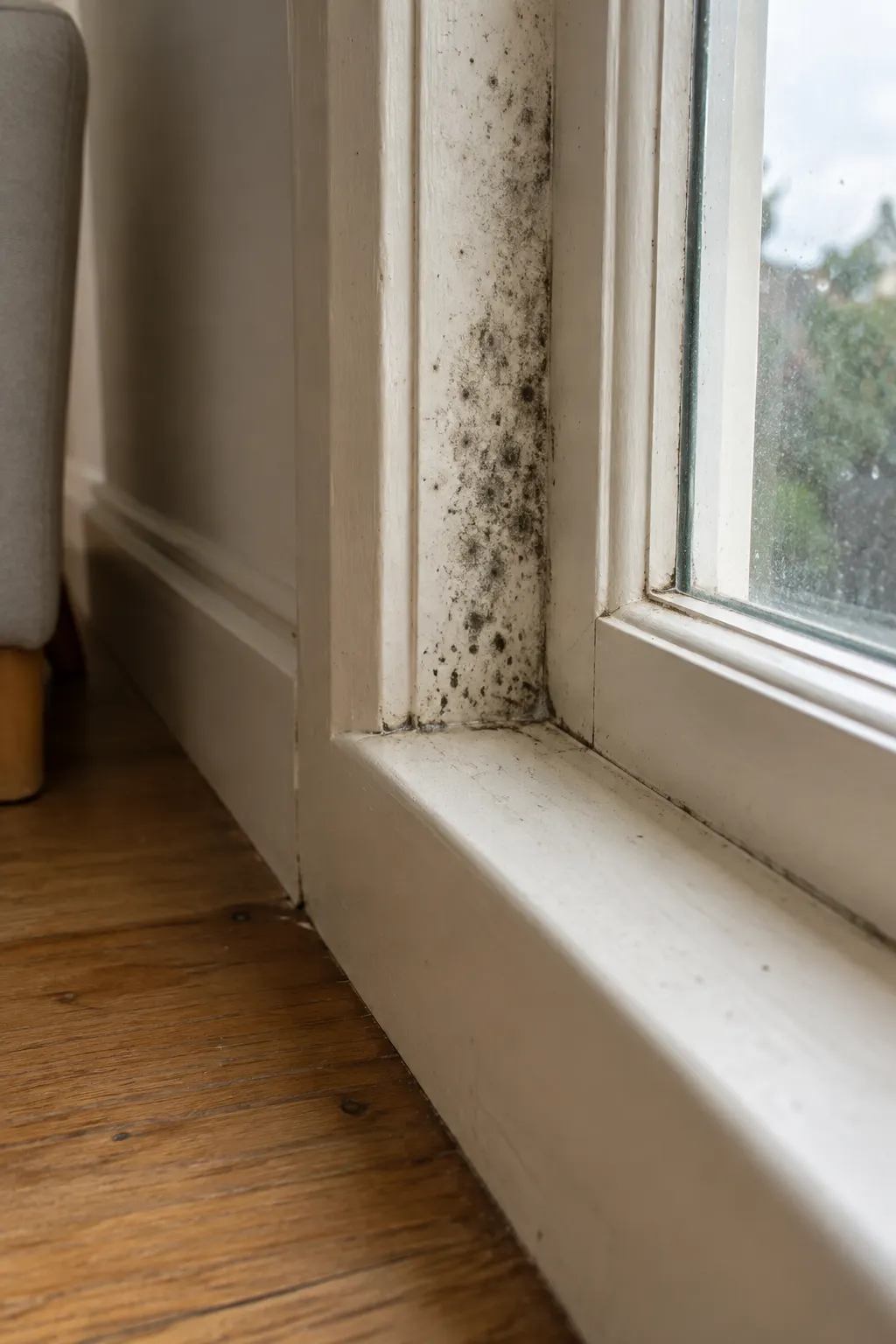
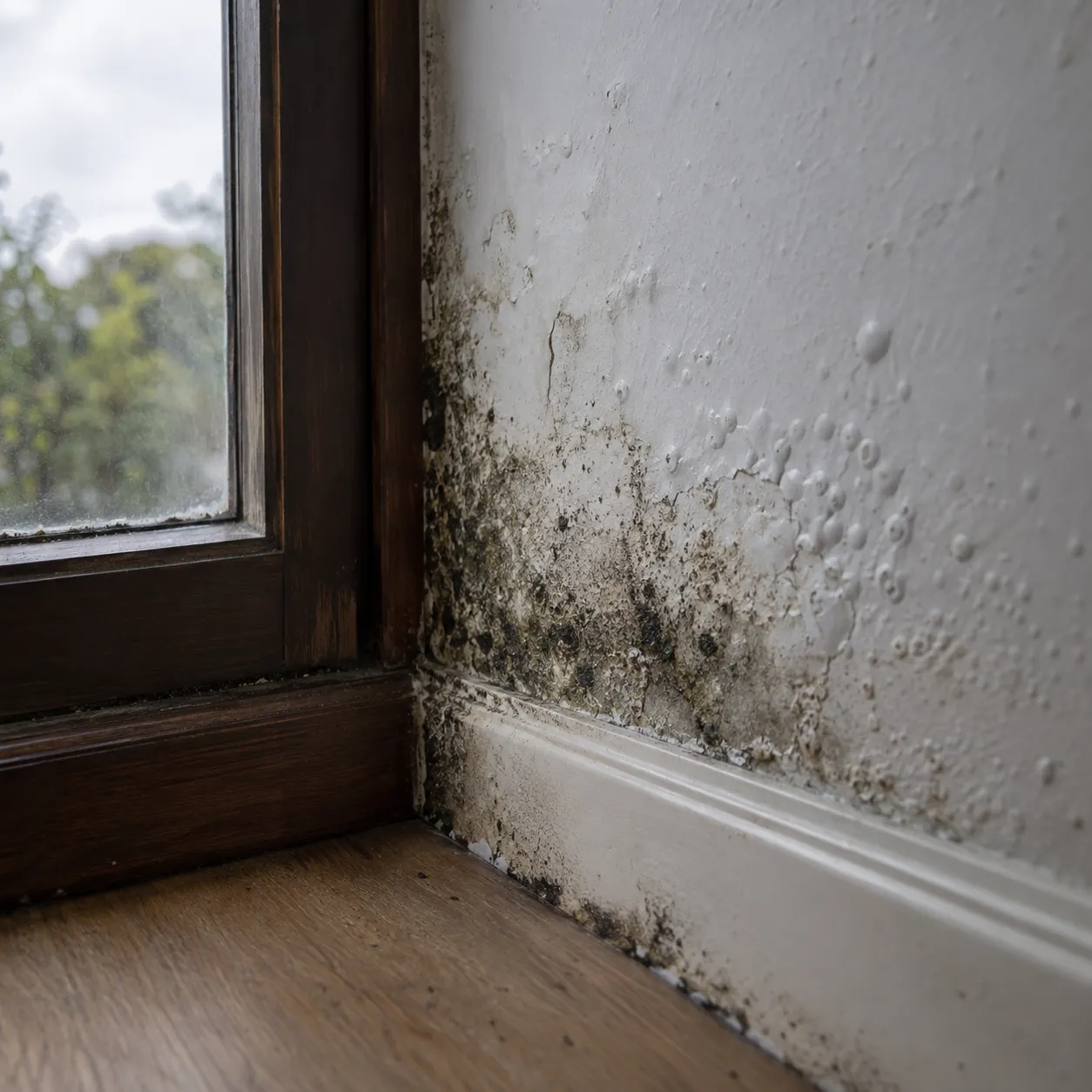
Show the lower corners, sill and adjoining wall together. A bay can contain surfaces with different exposure and airflow. The pattern is useful to describe, but the shape of the window does not diagnose why moisture is present.
Curtains and seating
Explain any curtains or built-in seat that conceal the finish. Their position matters to access and drying observations. Keep furnishings separate from the wall scope, particularly where textiles or fixed joinery may themselves be affected.
Timing and material
Record condensation or rain-related water separately, with paint lifting or timber swelling identified. A mould inspection considers accessible surfaces, while concealed frame details or material repair may require separate assistance beyond what a room photo establishes.
OUR REMOVAL PROCESS
Plan around the corners and the finish.
Use the centre as context
Include exposed portions of the bay as well as its darkest corner. The comparison helps describe the pattern and room relationship, without requiring scraping or movement of fixed components for a better photograph.
Mention concealed seating
A built-in seat can limit access differently from a movable chair. Identify it in the enquiry so the working plan does not imply that every surface underneath or behind it will be reached.
Keep earlier repairs available
If window or trim work preceded the patch, explain what was done and when. A repair sequence can be useful even where it does not establish that the work caused or fully resolved the damp.
01
Describe the whole bay
Provide a wider view and identify the affected corners, material and approximate extent. State any access restriction from seating or furniture. The surface-removal scope should distinguish visible paint, timber and belongings rather than treat the bay as one finish.
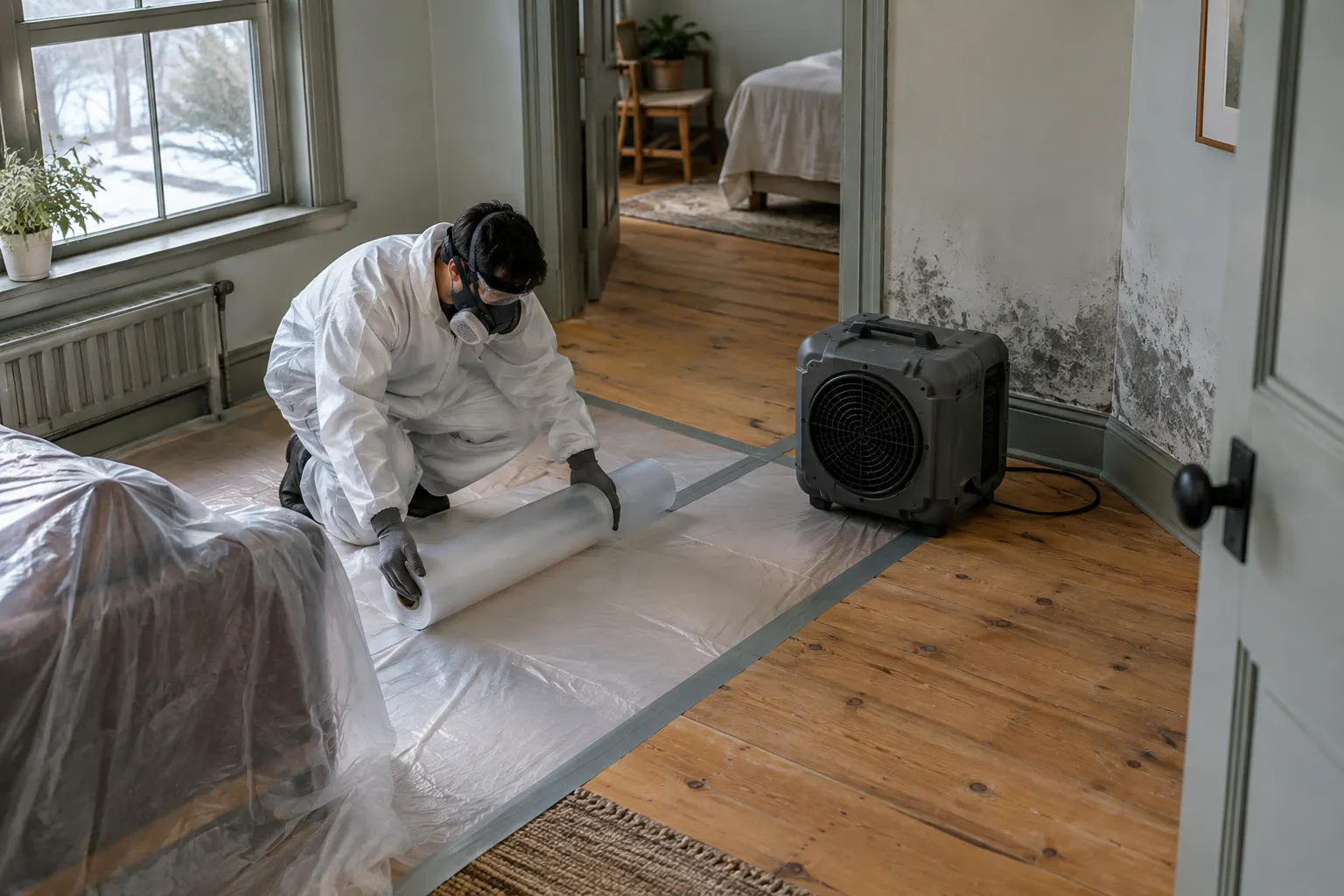
02
Agree gentle preparation
Discuss curtains, fixed seating and delicate trim before movement. Protection and equipment should suit the actual surfaces and room access. Explain occupants’ concerns before work, with any joinery dismantling or specialist material repair arranged separately rather than assumed within preparation.
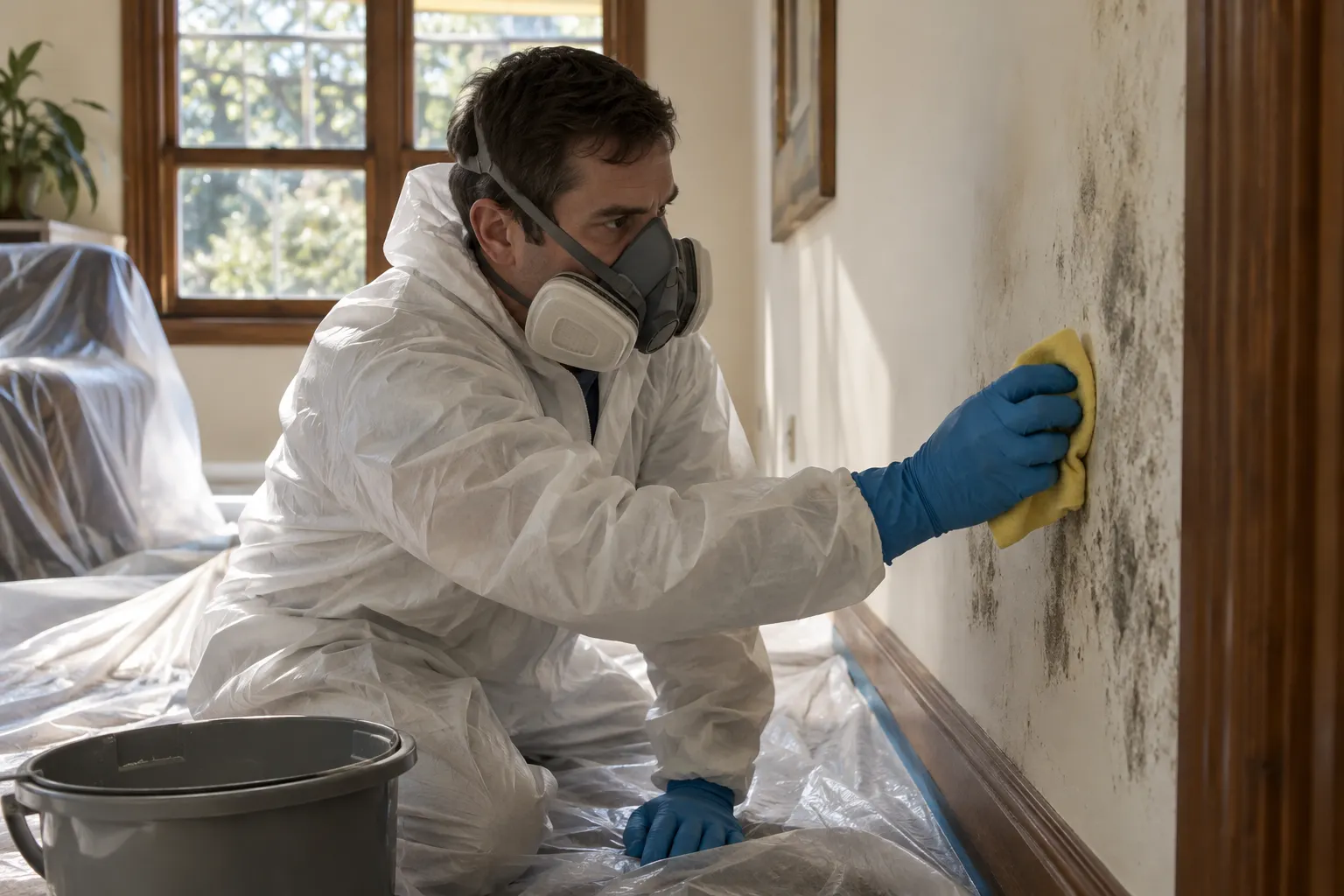
03
Review the remaining clues
Consider staining, damaged finishes and continued wetting after accessible removal. Remediation planning keeps the window’s moisture history in view, without promising that clean corners establish the condition of a concealed frame or guarantee future drying.
COMMON AREAS AFFECTED
Corners meet several material questions.
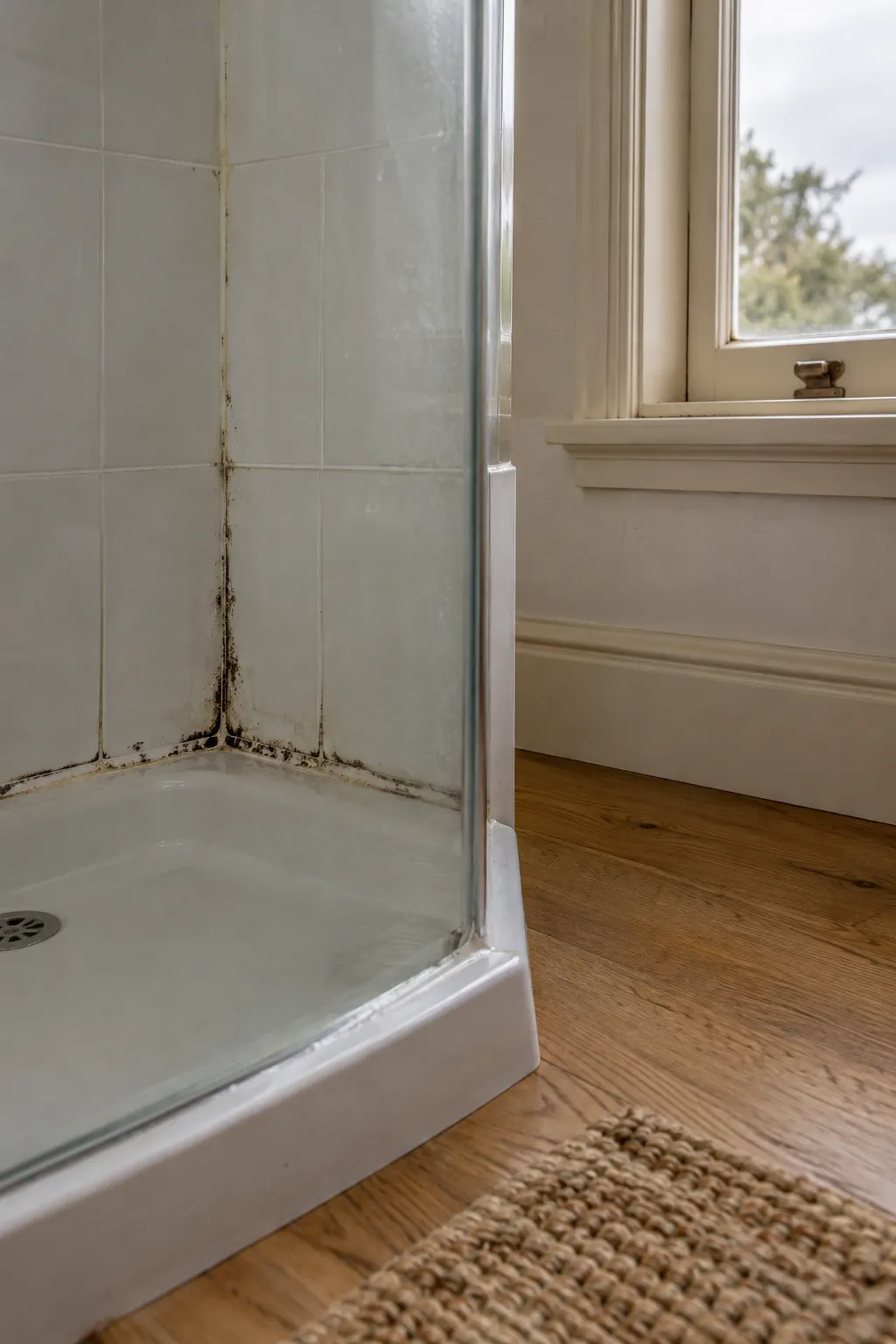
Bathroom surfaces
A bathroom corner may involve silicone or grout rather than painted timber.
Ceiling condition
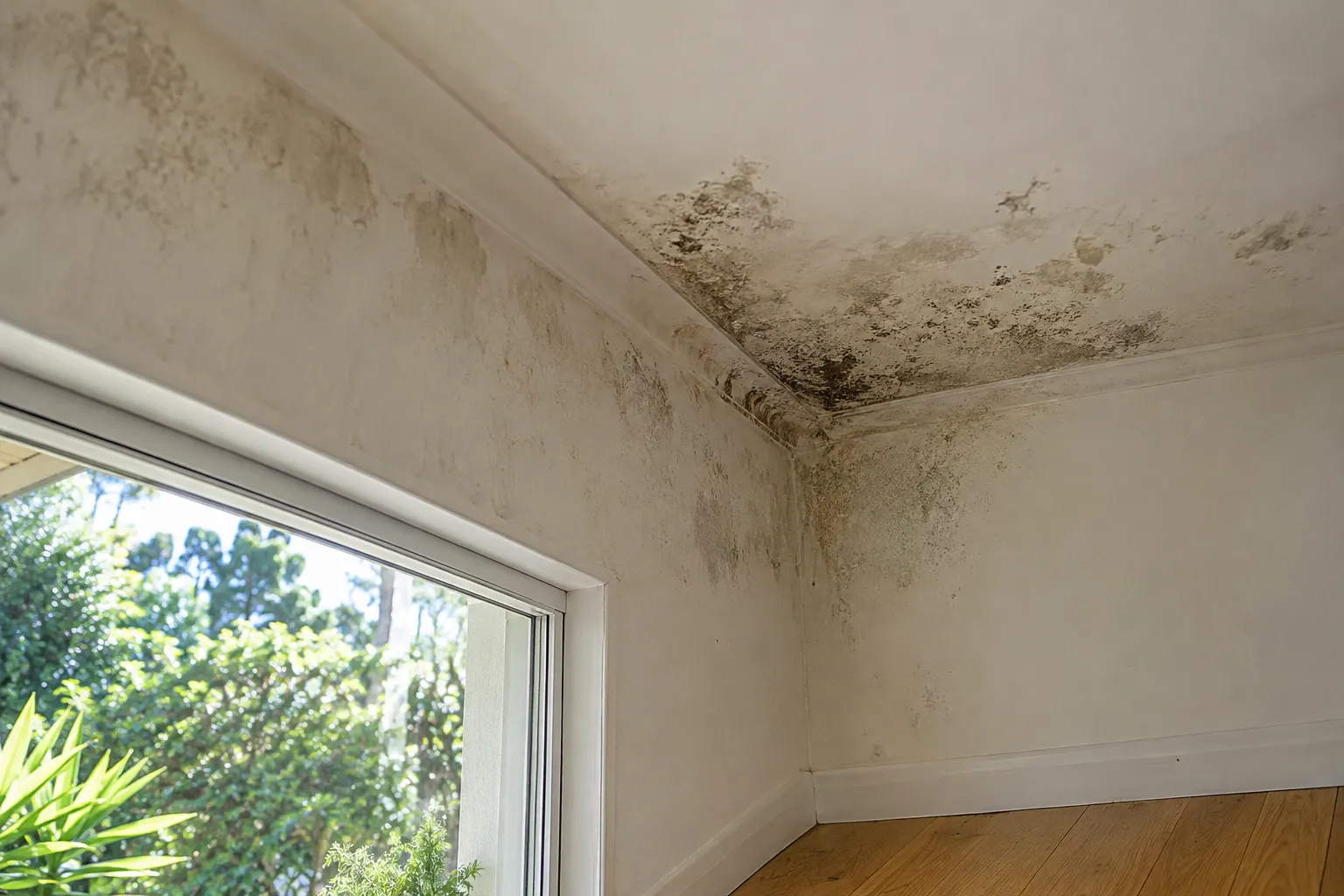
Ceiling edges above a bay need their own water history and condition noted.
Walls and finishes
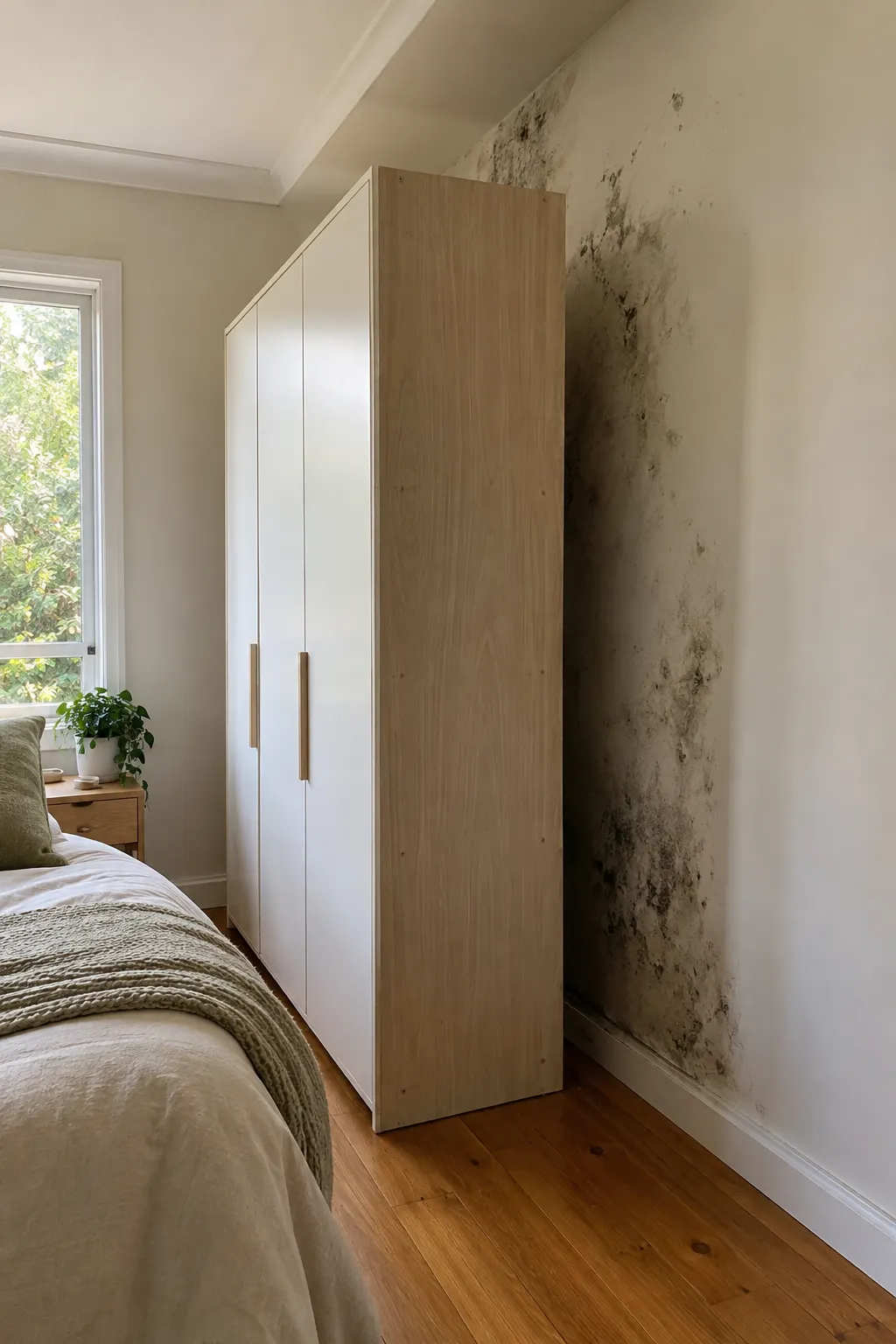
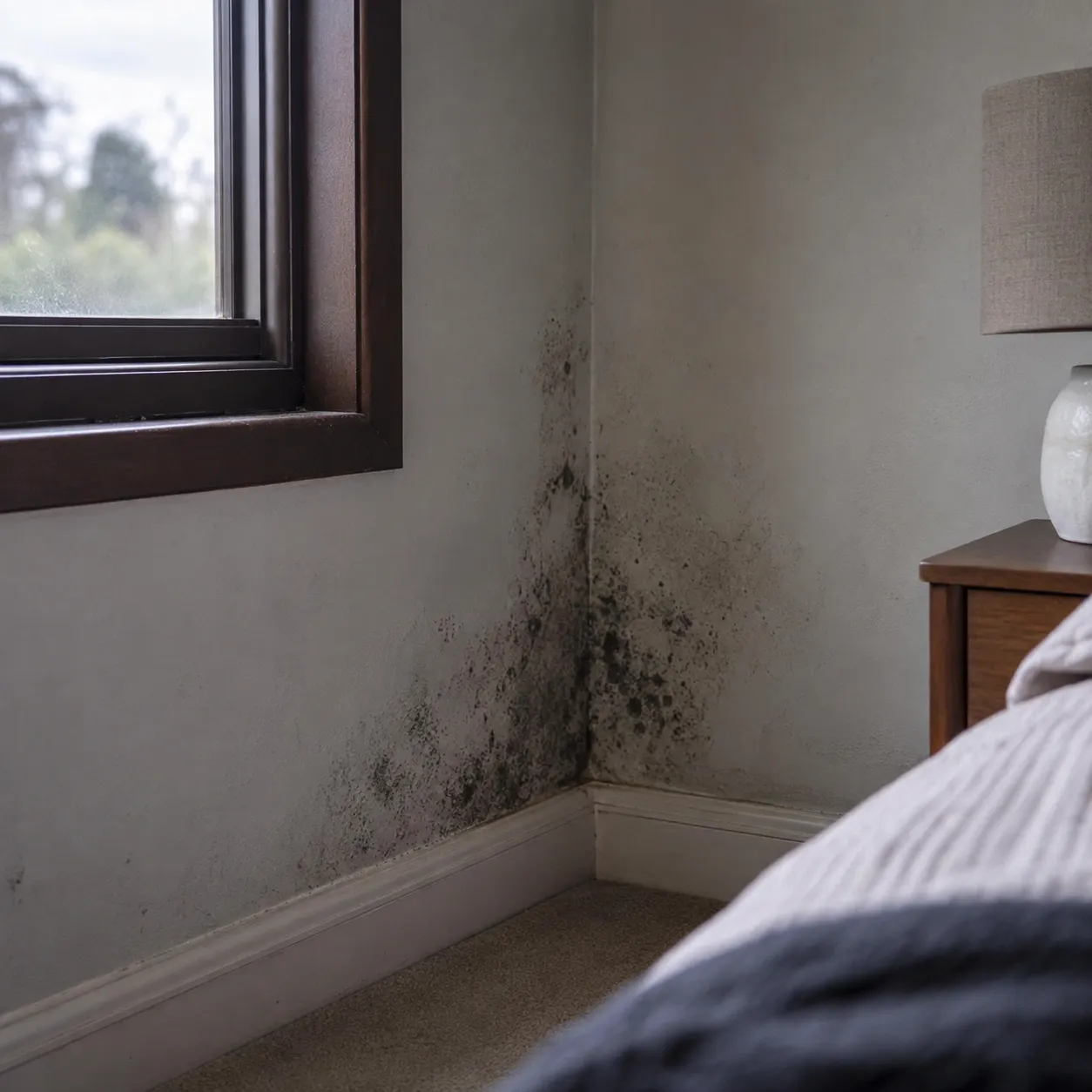
Walls and trim around the opening can differ in condition. Explain where growth crosses from plaster onto timber, including damage that may require repair beyond accessible surface removal.
After water damage
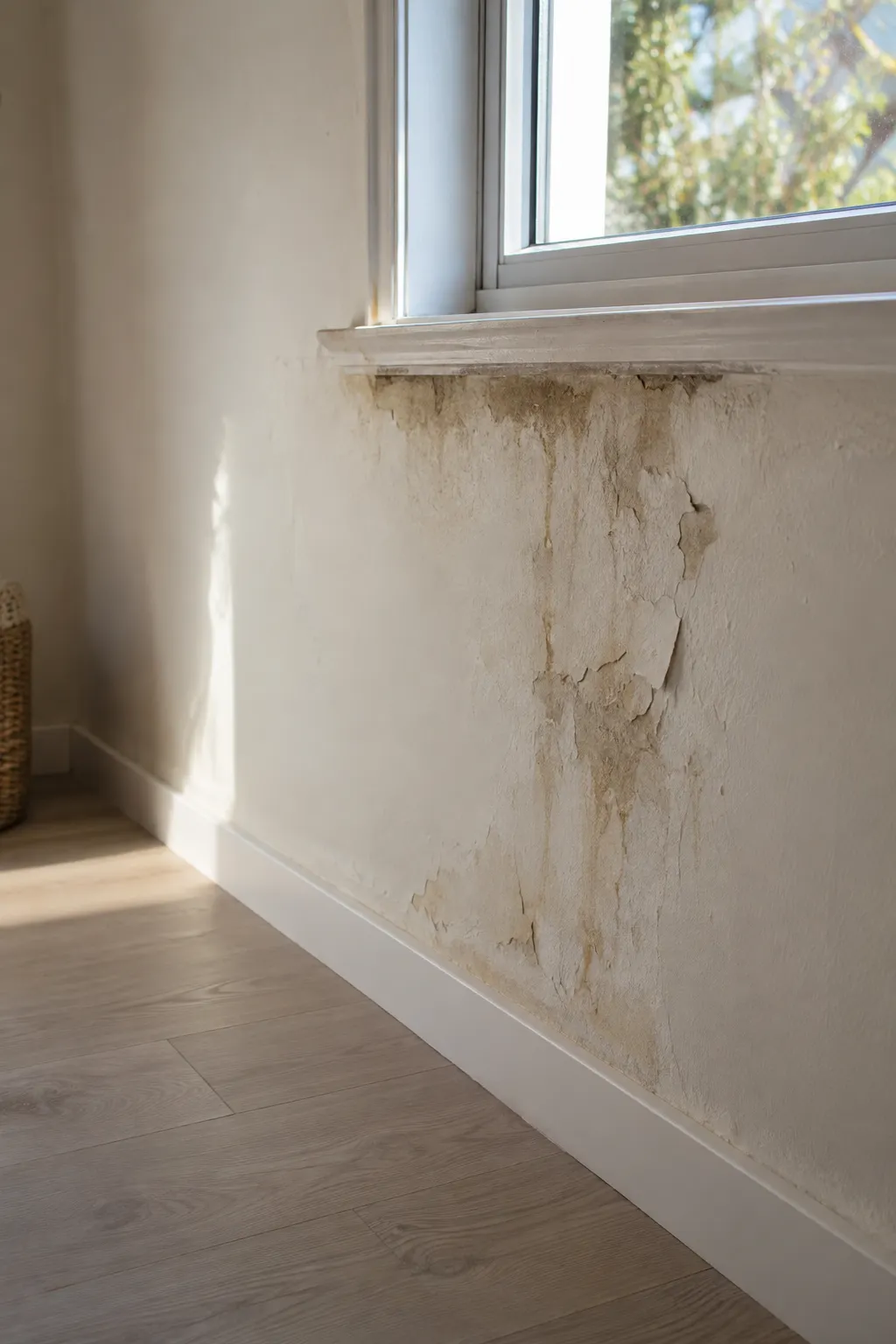
If water entered at the opening, flooring and fixed seating may have been affected as well.
PREVENTION STARTS WITH
Keep the corners
part of the room.
A practical household check
Keep bay-window corners observable after the agreed work. Open curtains during the day where practical and dry ordinary glass condensation. If a corner is wet after rainfall rather than indoor use, preserve that observation for a building investigation.
Compare the same window views
After the agreed work, observe the lower corners and exposed centre during ordinary use. Report renewed moisture separately from a stain that remains. If wetting follows rain rather than indoor condensation, keep that evidence available for suitable building investigation before another decorative repair.
RIPPONLEA & NEARBY
Around Ripponlea
You may also need the guides for Balaclava, Elsternwick or Elwood. A window at another address can have different trim, seating and access, so describe those features before planning its surface work.
BEFORE YOU CALL
The useful
questions.
Why photograph the whole bay window rather than just the dark corner?
A wider view shows the glazing, curtain position and adjoining surfaces. It can help explain access and where condensation collects. The close-up remains useful for material condition, but it cannot show the full relationship between the patch and the room.
Does one dark corner mean the whole bay is affected?
The visible pattern should be described accurately rather than extended to surfaces that cannot be seen.
Can the built-in window seat stay in place?
Explain the layout first. It may restrict the surfaces that can be reached, and any dismantling needs separate planning or assistance. The agreed scope should make those limits clear rather than assume full access.
Should affected curtains be included in the photos?
Mention them and show their relationship to the wall where safe. Textile care is separate from painted surfaces, so the enquiry should identify which materials are affected without assuming one treatment includes every item.
What if timber and plaster meet at the patch?
Name both materials and describe swelling, softness or paint damage. Their condition can alter the method and remaining appearance, with material repair considered separately from removing accessible growth.
How do I start a Ripponlea enquiry?
Call 03 8652 1296 with the address, bay-window photos and wetting history. Discuss availability, practical access and delicate finishes before the accessible removal scope is arranged.
TELL US WHAT YOU CAN SEE
Show the whole window story.
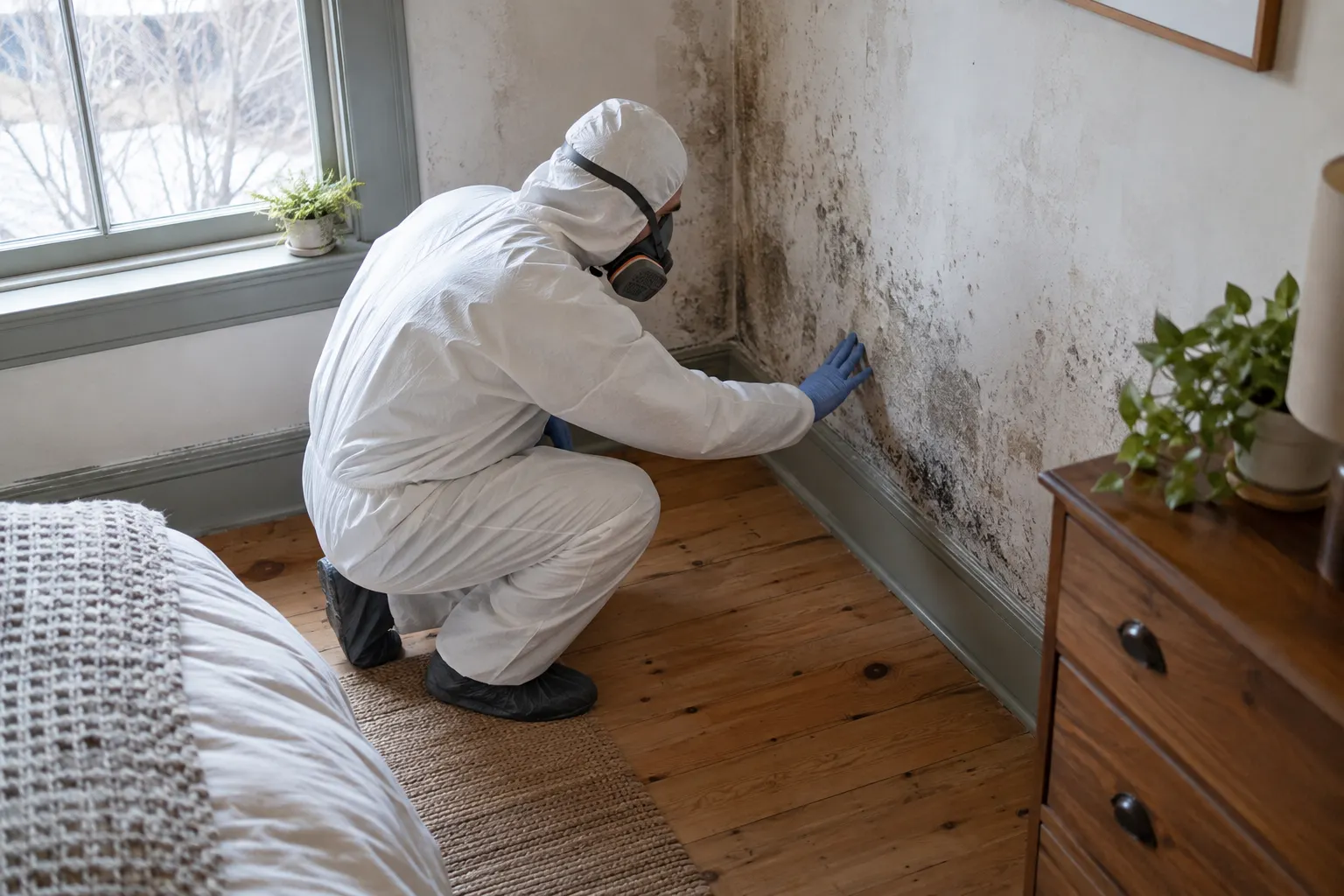
A useful call includes the bay layout, corner condition and timing of moisture. Discuss availability and preparation, with curtains, fixed seating and material repair kept distinct from agreed accessible surfaces.
Local context: Port Phillip — neighbourhood heritage