
ROOMS · MATERIALS · MOISTURE
ROWVILLE · MELBOURNE
Mould Removal Rowville
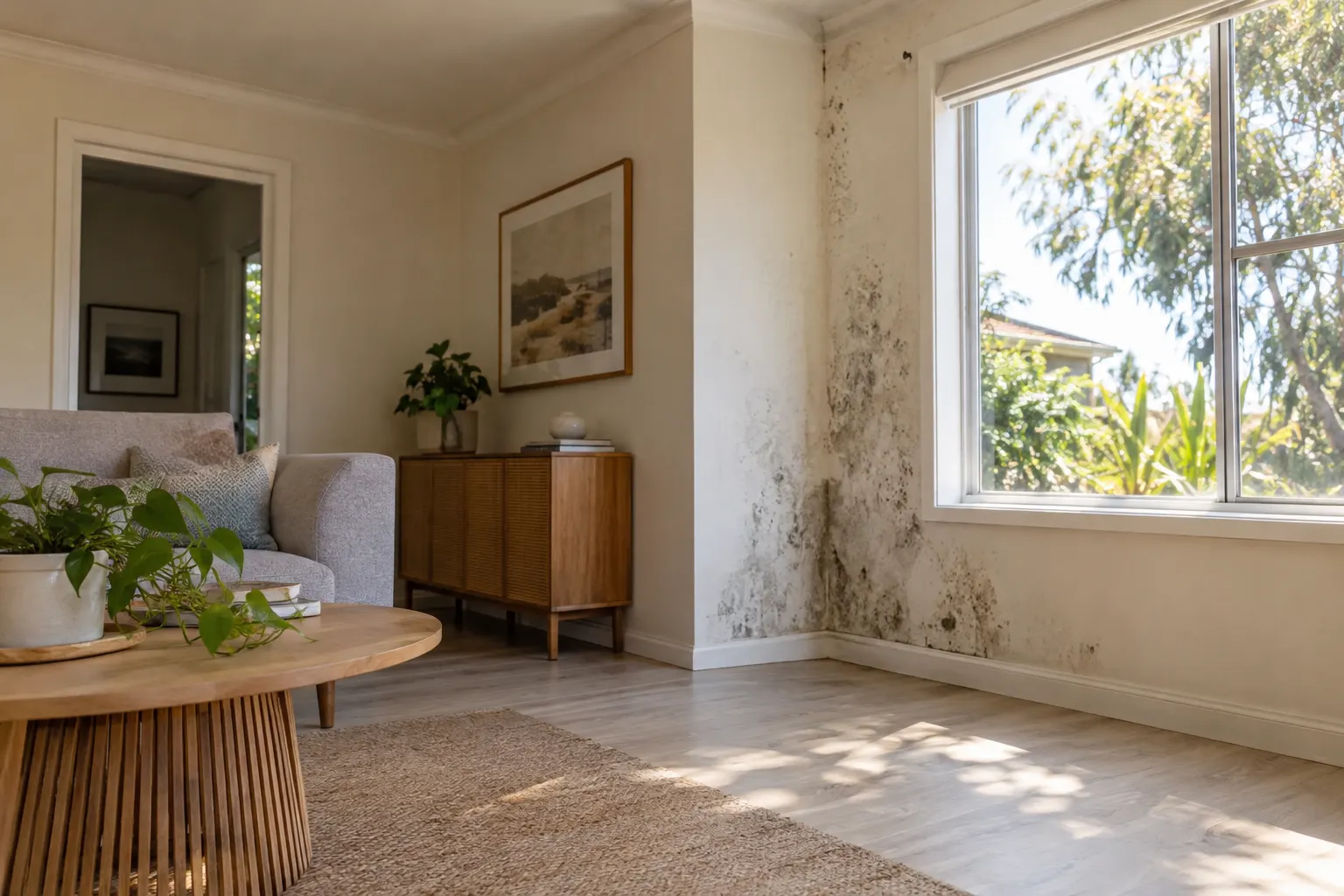
Mould inside a spare room can develop unnoticed when the door stays closed. A Rowville call is more useful when it explains how the room is used, not just how it looks today. Discuss the accessible walls and whether a change in ventilation or a leak coincided with the marks.
Material condition considered
Accessible work agreed first
Moisture observations kept in view
THE ROOM TELLS A STORY
A quiet room still needs checking.
Rowville is identified in Knox Council’s municipal history and locality information.
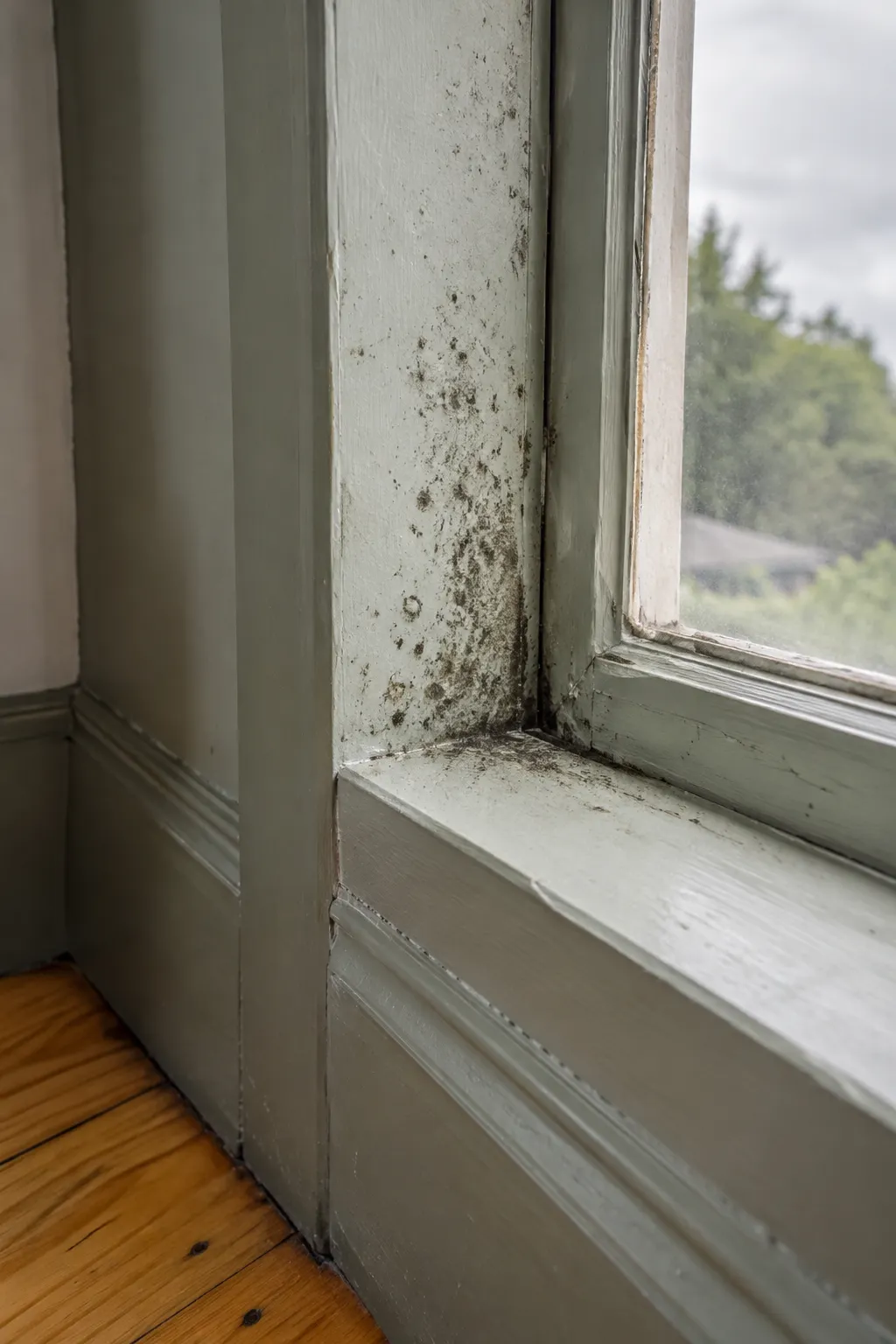
An infrequently used room may have a different heating and ventilation routine from the main living area. If its door usually stays shut, explain that along with any visible window moisture. A closed-room routine is relevant evidence; it does not exclude a building leak or establish a suburb-wide problem.
UNDERSTANDING MOISTURE
Understand the room when it is unused.
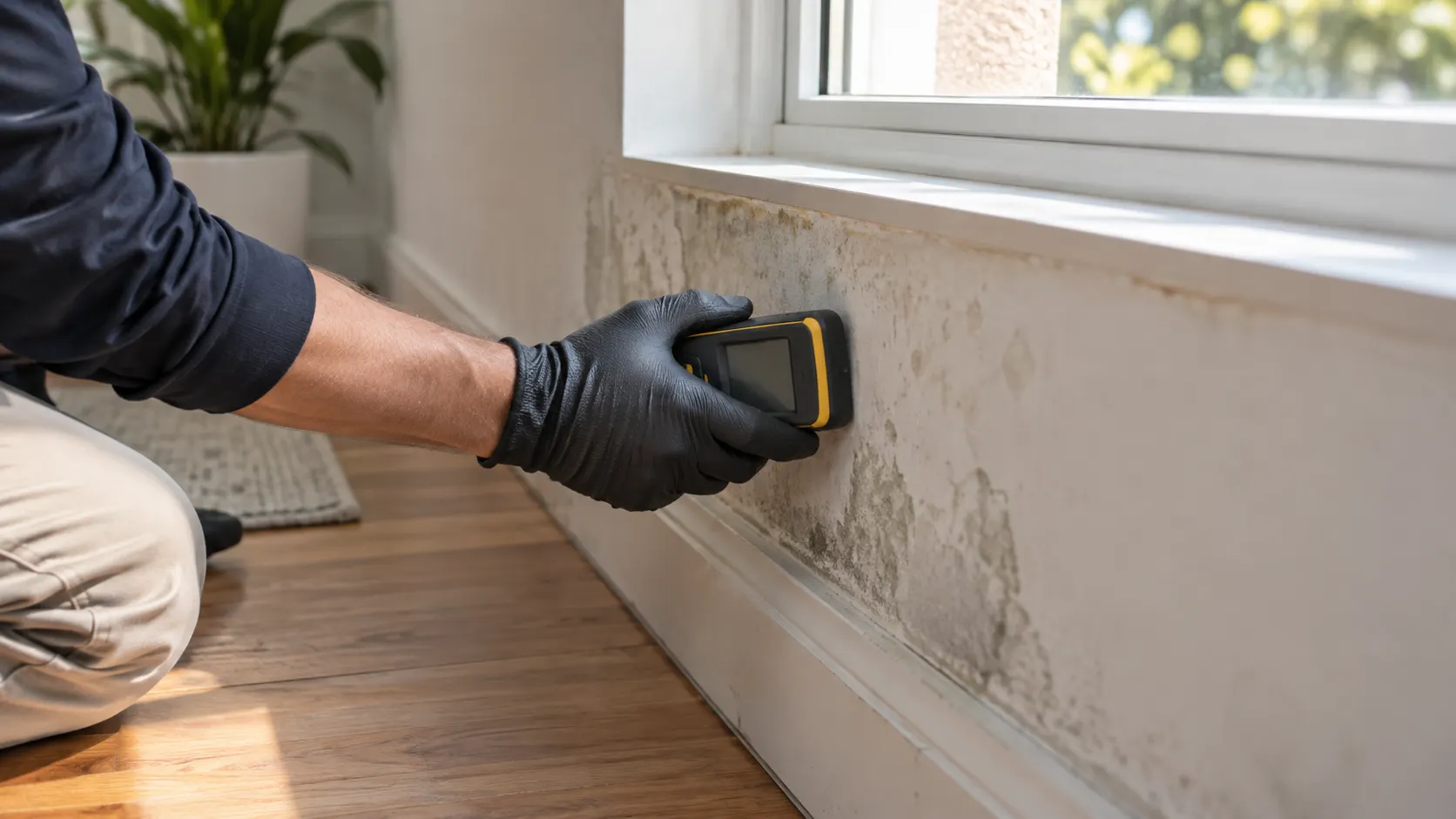
A different routine
Explain whether the spare room is heated or aired differently from the living areas. A change in occupancy can help describe the timing of growth, but it does not rule out a leak or identify the source by itself.
Window and wall observations
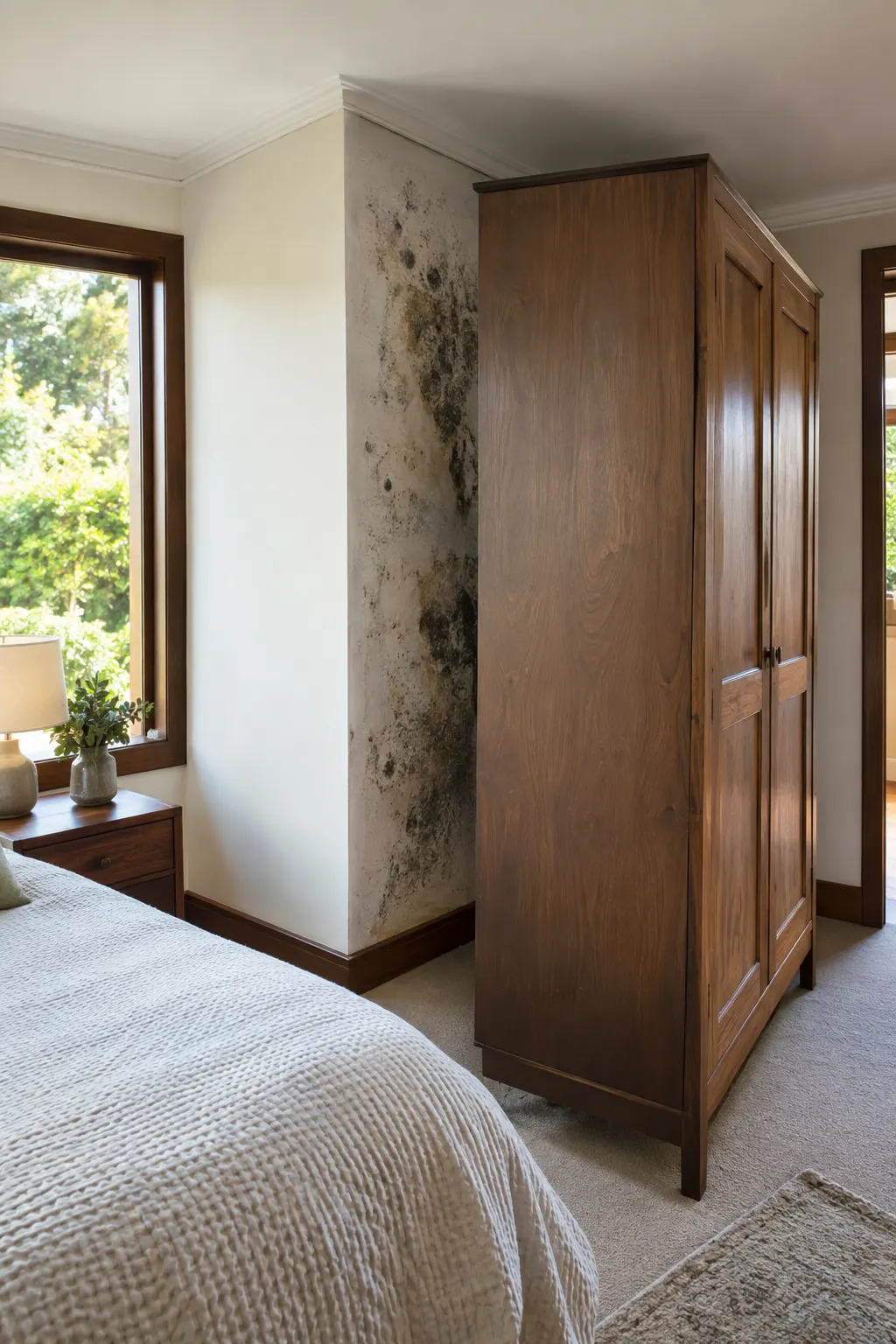
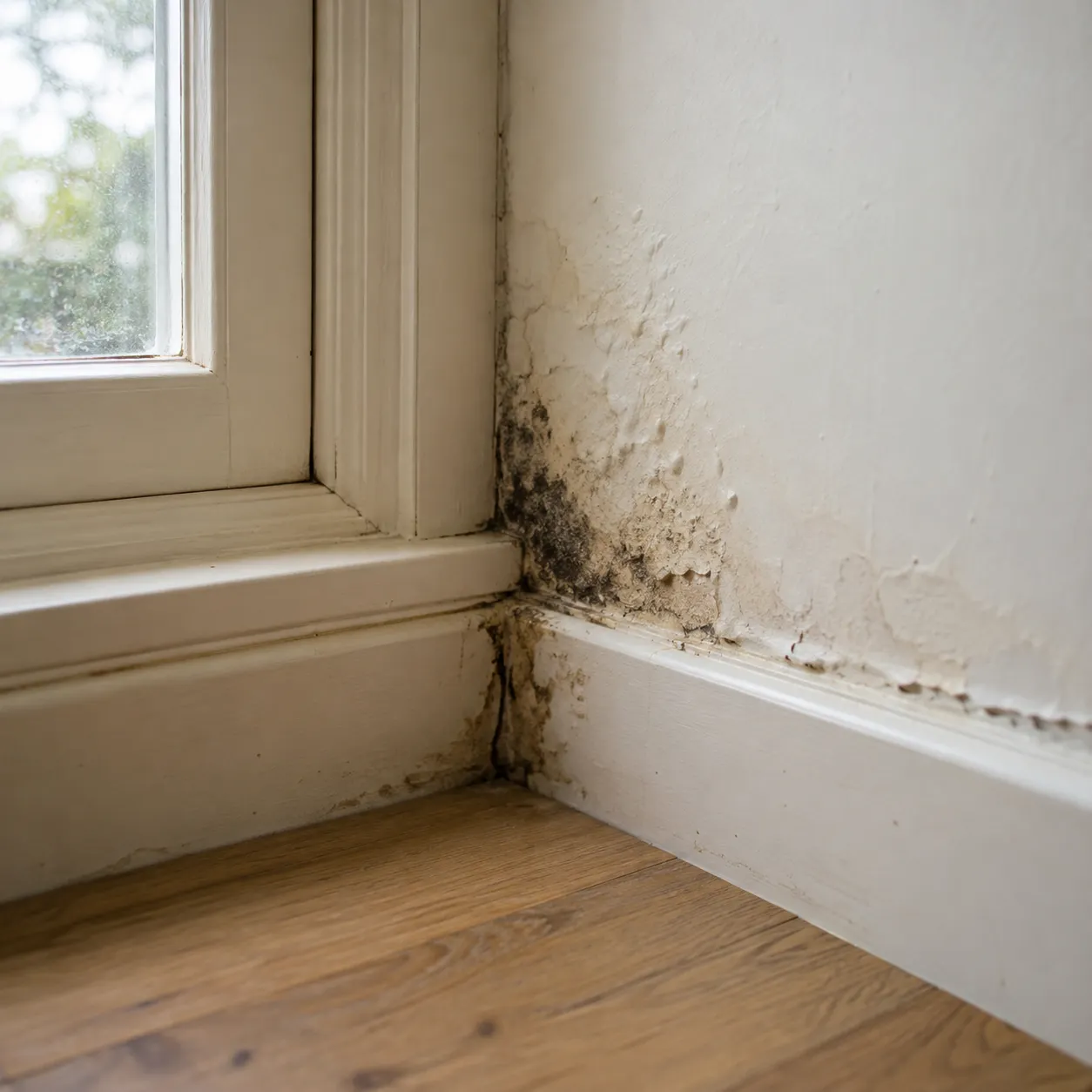
Look for visible window condensation and compare it with the affected wall. Note curtains and furniture that conceal a corner. A wider view is useful even if the patch appears only after the room has been reopened.
The material beneath the mark
Mention lifting paint or softness instead of describing only colour. A mould inspection considers accessible surface condition and limitations, without assuming an infrequently used room has the same construction or damp pathway as another bedroom.
OUR REMOVAL PROCESS
Bring the spare room into the work plan.
Keep the discovery date
Record when the room was reopened and when marks were noticed. Distinguish discovery from the unknown date growth began, especially where stored furniture hid the surface for some time.
Mention stored belongings
Boxes and textiles may require decisions separate from wall removal. Identify affected items during the enquiry rather than assuming a room appointment includes treatment of everything that has been stored there.
Explain planned use
Tell us if the room is becoming a bedroom or office again. Future furniture placement and access can inform practical advice, while material repair and continuing moisture still need their own consideration.
01
Describe use and access
Tell us when the room was last used regularly and what now stands against the wall. Identify the visible extent and material. The removal enquiry should account for storage and access as well as the patch itself.
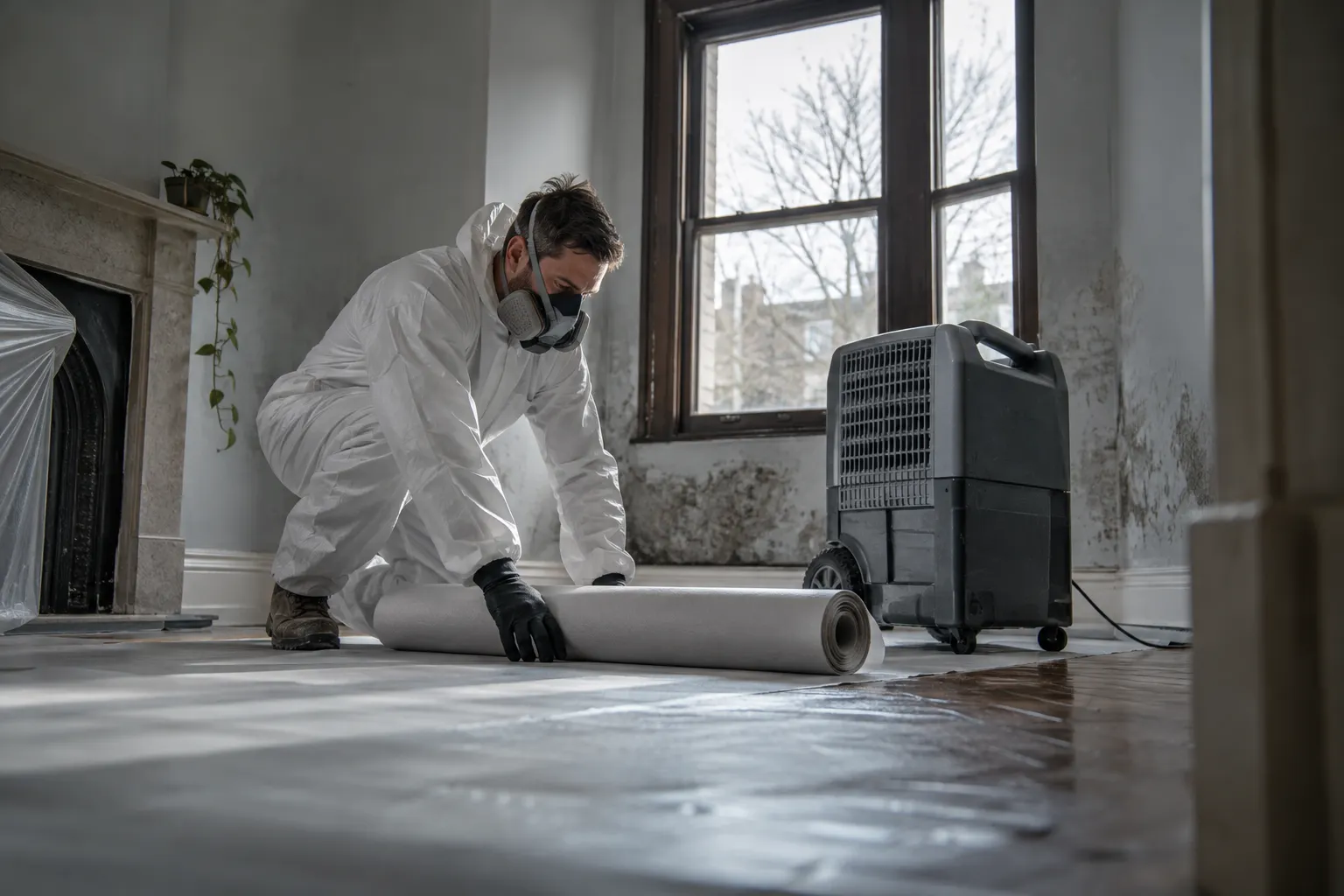
02
Agree room preparation
Discuss furniture, stored possessions and any affected bedding before moving them. Equipment and protection should fit the layout and task. Let us know about occupants’ concerns and delicate finishes so the working area can be planned with clear expectations.
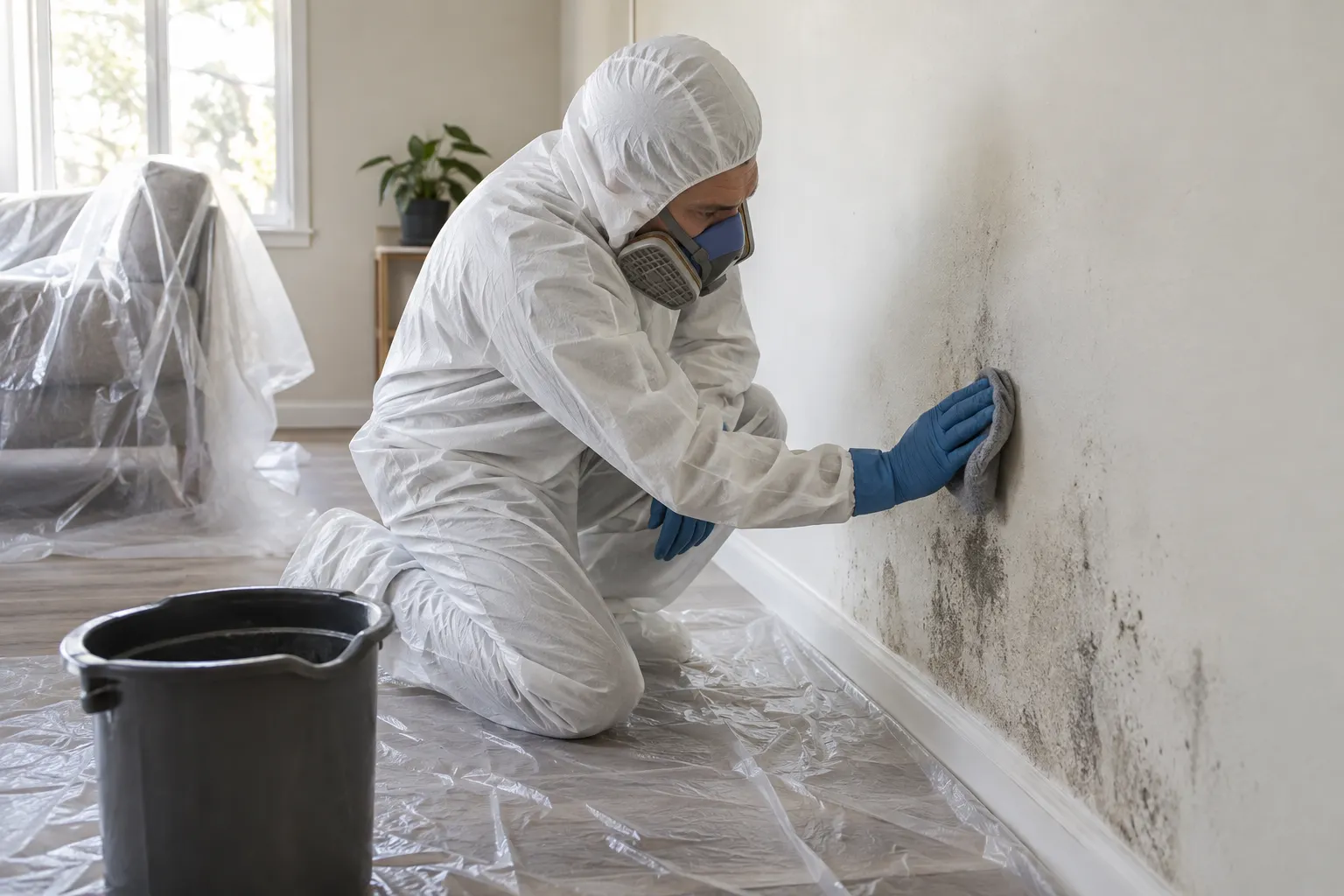
03
Review the room’s next use
Consider remaining staining, material repair and the future drying routine after accessible removal. Remediation planning keeps those questions connected, without promising that opening a door or changing room use will prevent every future patch.
COMMON AREAS AFFECTED
See the surfaces that storage can hide.
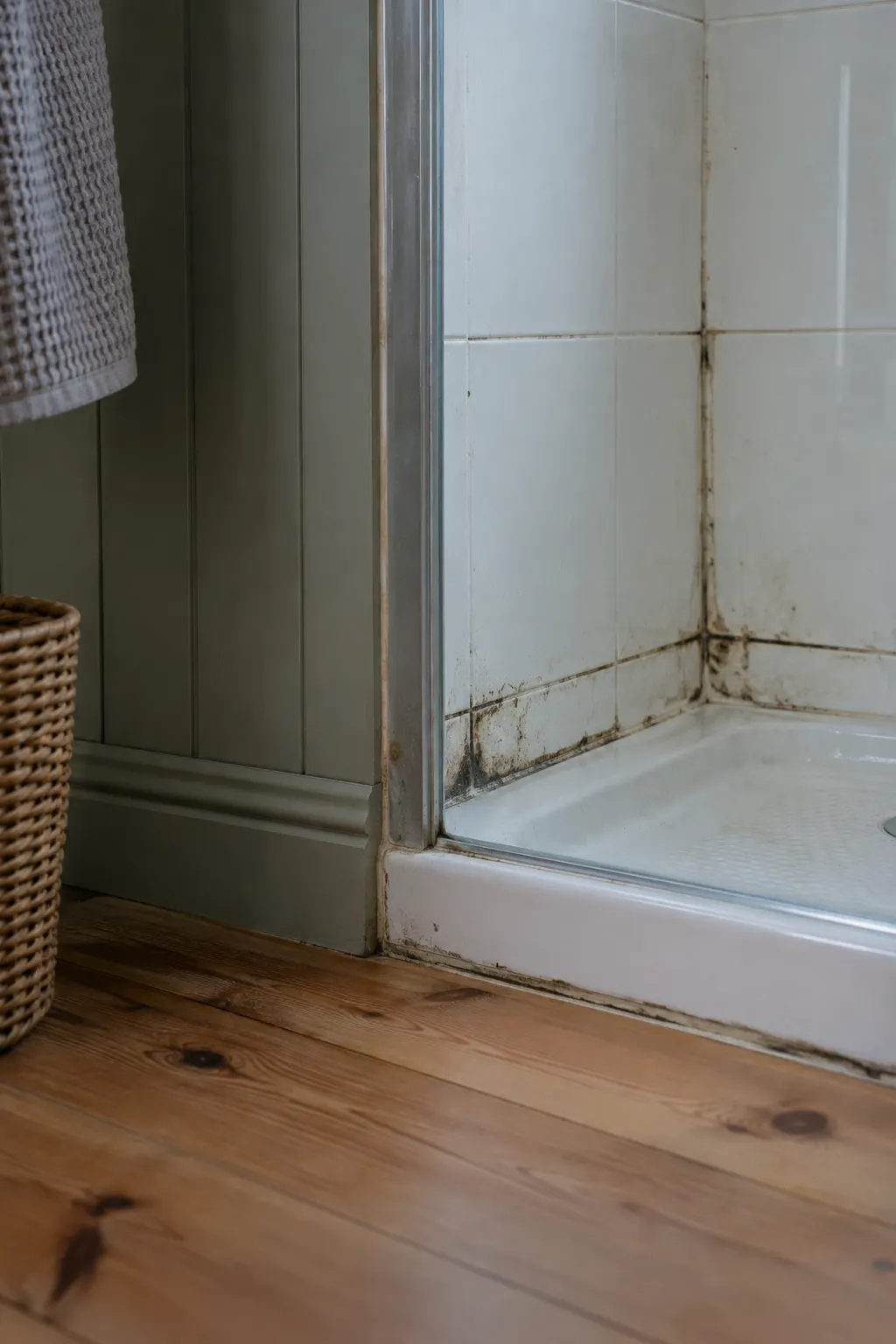
Bathroom surfaces
A guest bathroom may have a different use pattern from the main wet room.
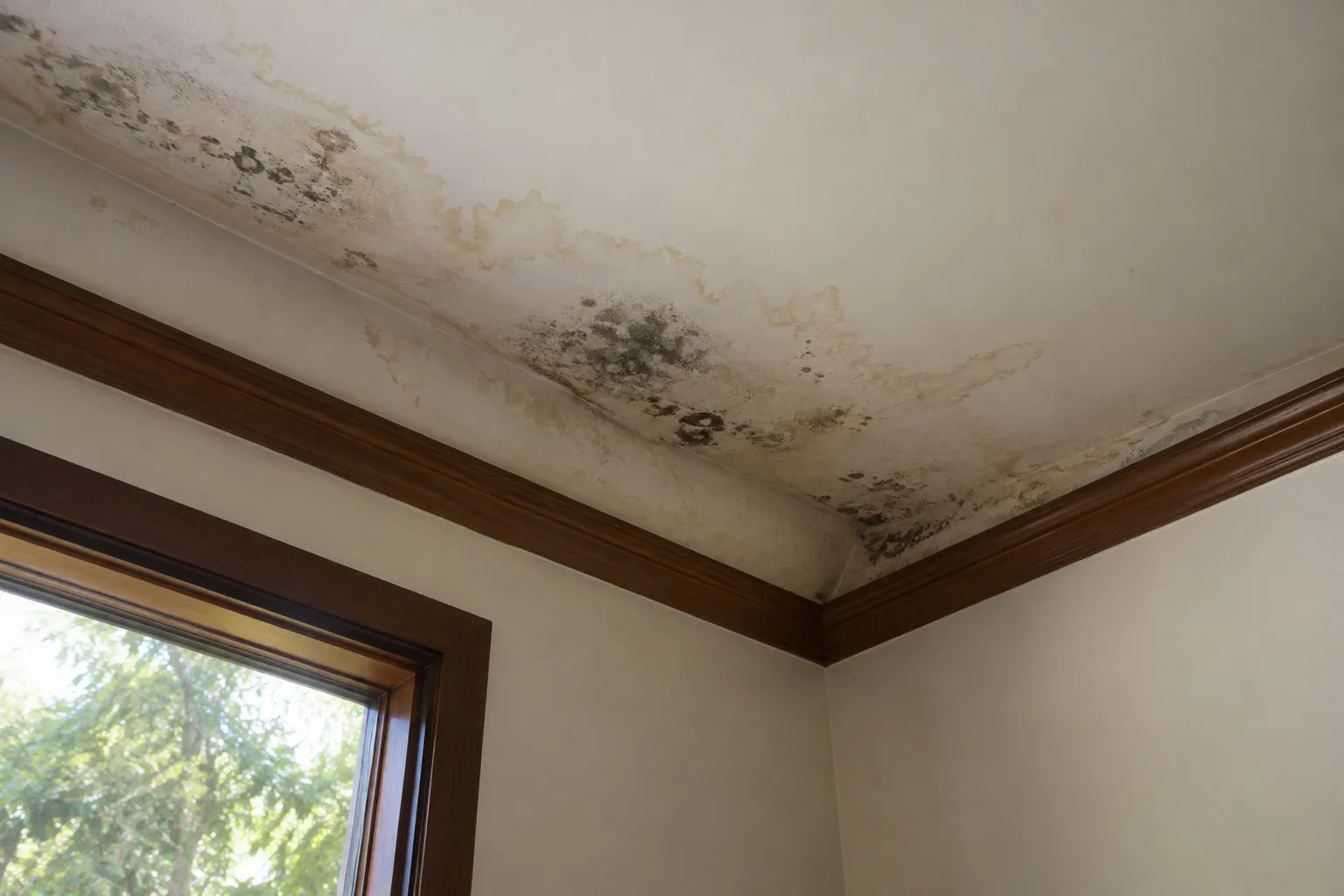
Ceiling condition
Spare-room ceiling marks should be checked against known rain or plumbing history.
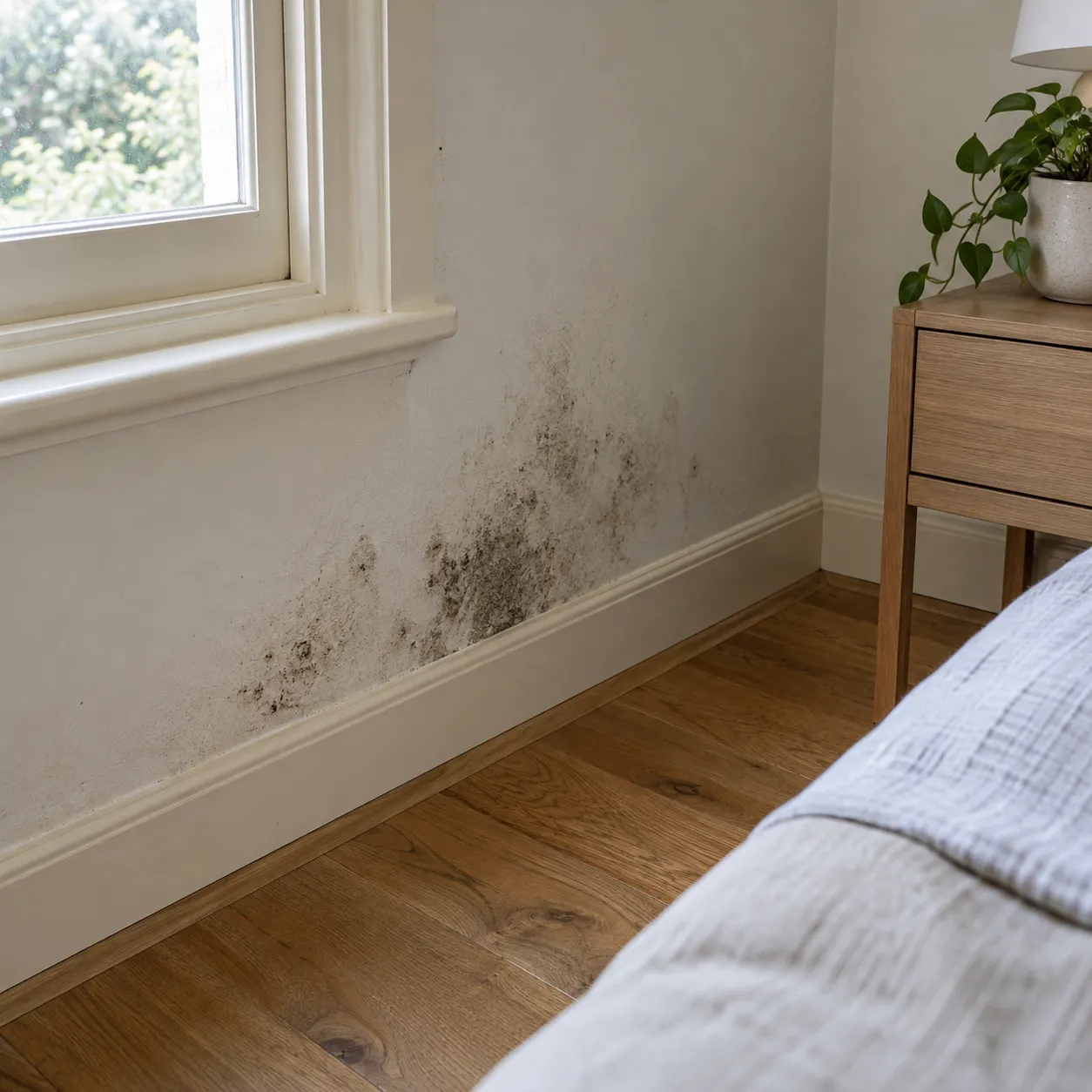
Walls and finishes
Walls behind stored furniture may reveal the accessible extent only after safe movement.
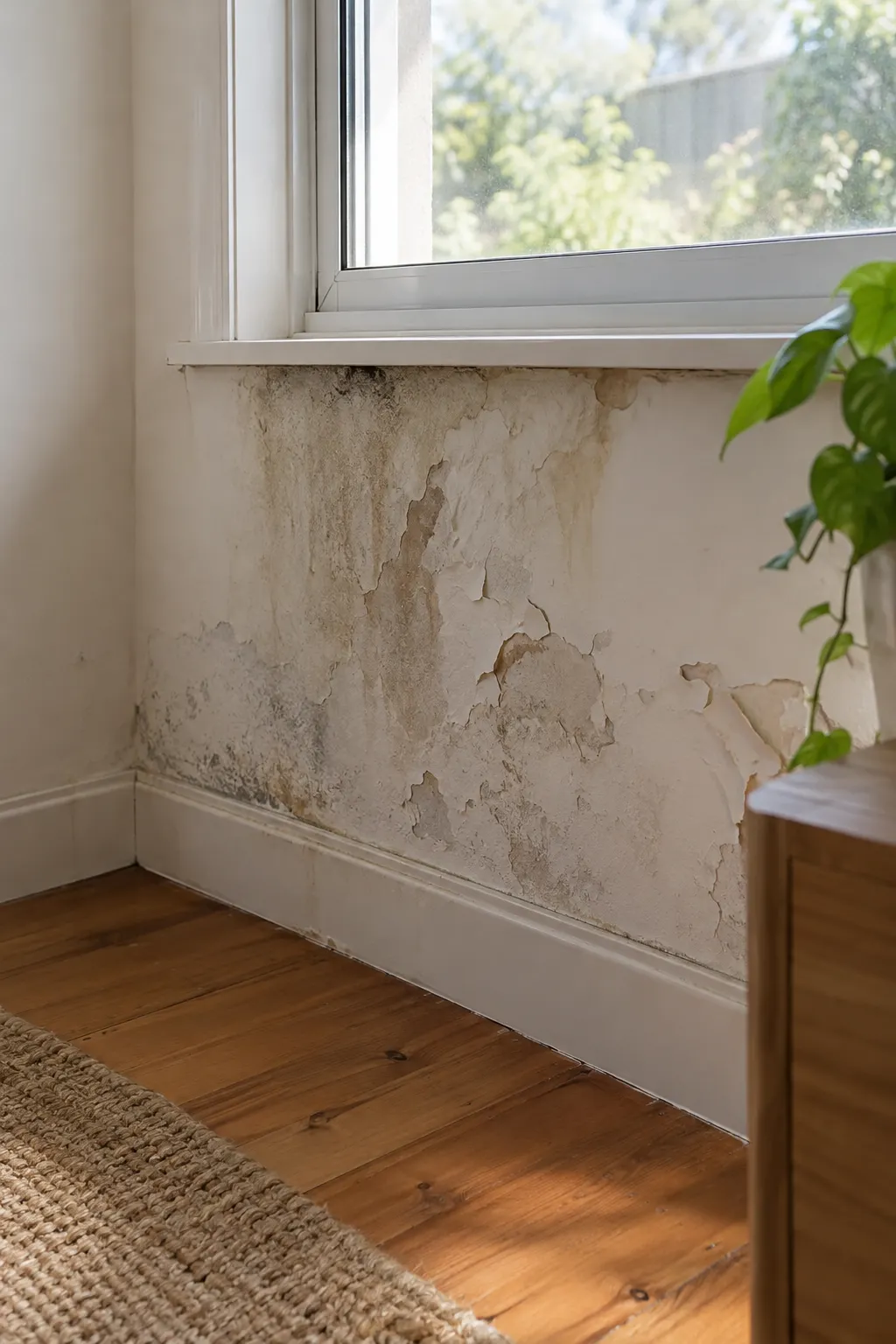
After water damage
A prior water incident can leave damaged materials in a room that later becomes storage.
PREVENTION STARTS WITH
Give the quiet room
a place in the routine.
A practical household check
Include spare rooms in ordinary home checks instead of waiting until guests arrive. Look behind curtains and accessible furniture without disturbing affected finishes. A ventilation routine should be practical for the room and weather, while persistent damp still warrants investigation.
Make observation practical
Choose accessible checks suited to the room instead of creating a difficult daily task. Look for renewed moisture at the same window or corner, and notice any change after rain. Ventilation and ordinary use are useful measures, but persistent wetting still deserves investigation of its source.
ROWVILLE & NEARBY
Around Rowville
For the next address in the surrounding area, visit Scoresby, Knoxfield or Lysterfield. Its use and storage pattern may differ from the spare-room example, with appointment access checked individually.
BEFORE YOU CALL
The useful
questions.
Should I mention that the affected room is only used occasionally?
Yes. Occupancy, heating and airflow can differ in a spare room. Explain whether the patch appeared during a period when the door was closed, and mention any rain or plumbing history as well. The room routine is useful context rather than a final diagnosis.
Can discovery months later tell you when the growth began?
No. Explain when the room was reopened and when the patch was first visible, but do not assume those dates match the onset. Earlier photos or room-use changes can supplement the history.
Should I empty every storage box before calling?
Describe the contents and access first. Moving affected items needs a practical plan, and wall removal does not automatically include care of stored possessions. Preparation should be agreed rather than guessed.
Does opening the door solve an unused-room problem?
It may change airflow, but does not repair a leak or establish the condition of damaged material.
What if the room will become a bedroom again?
Mention the intended use and furniture layout. That helps discuss preparation and practical observation afterwards. The accessible removal scope should still state material limits and any remaining repair question.
What should I provide for a Rowville enquiry?
Call 03 8652 1296 with the address, room-use history and wider photos. Discuss availability, belongings and access, with any separate material or building issue identified before work is arranged.

TELL US WHAT YOU CAN SEE
Describe the room before it changes.
Call with the storage layout, discovery date and visible condition. Discuss availability and practical preparation so the spare room’s accessible surfaces and any belongings or unresolved moisture questions are clearly understood.
Local context: Knox — municipality history